Toulouse Petit
Toulouse Petit occupies a distinct position in Seattle's Queen Anne neighbourhood, drawing on Louisiana Creole and Cajun traditions in a setting that rewards repeat visits. It competes with a different comparable set than the city's Pacific Northwest tasting-menu circuit, offering a broader, more casual entry point into Southern French-American cooking. Plan ahead: the room fills consistently, particularly on weekends.
Pearl is the En Primeur Club membership app — saves, bookings, and concierge access live there. Same editors, same standards.
- Address
- 601 Queen Anne Ave N, Seattle, WA 98109
- Phone
- +12064329069
- Website
- toulousepetit.com
- Directions
- Get directions
 Saves & bookings on Pearl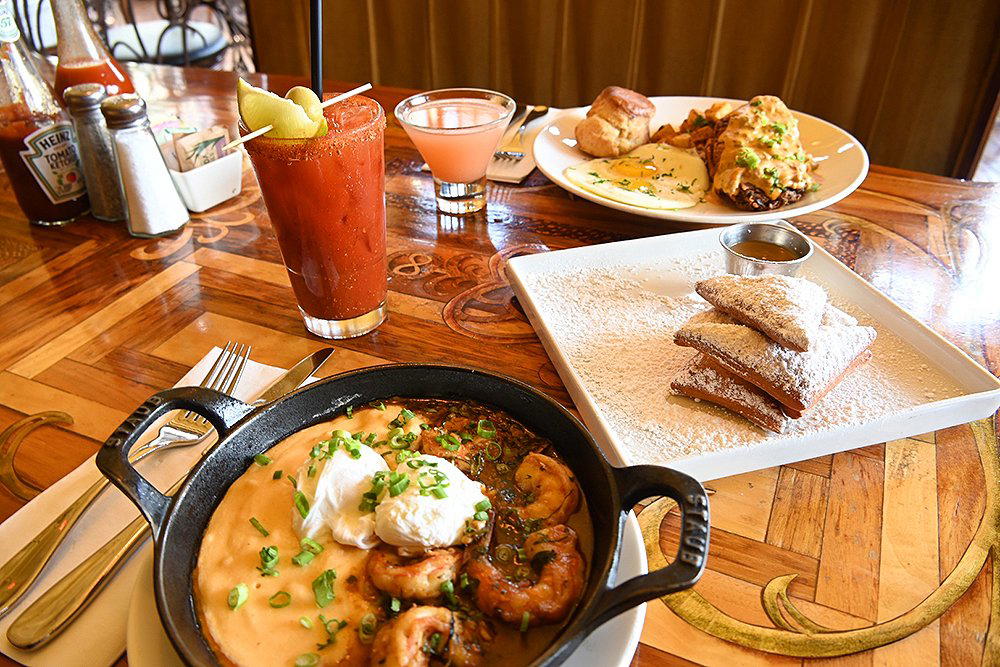
Queen Anne's Southern Detour
There is a particular kind of neighbourhood restaurant that a city's dining culture depends on but rarely celebrates loudly: the place that holds its ground year after year, that draws regulars from within walking distance and out-of-towners who have done their research, and that occupies a culinary lane nobody else on the block is running. On Queen Anne Avenue North, Toulouse Petit sits comfortably in that category. The address, 601 Queen Anne Ave N, sits near the crest of one of Seattle's most residential hills, a neighbourhood more associated with families and coffee shops than with serious kitchen ambition. That contrast is part of what makes the room work. You are not in Belltown or Capitol Hill; you are somewhere the dining room has to earn its keep against the pull of the couch.
The broader context matters here. Seattle's restaurant identity has long leaned toward Pacific Northwest restraint: pristine local seafood, foraged ingredients, clean Scandinavian-influenced plating, and the kind of minimalism that fits neatly into a Michelin inspector's notes. That is the tradition seen at places like Canlis and Joule. Toulouse Petit runs a counter-programme. Louisiana Creole and Cajun cooking is loud where the Northwest is quiet, fat-forward where local cuisine tends toward lightness, and rooted in a French colonial tradition rather than a Japanese-influenced one. In a city that takes its food seriously but sometimes trends toward uniformity of aesthetic, that divergence is worth paying attention to.
The Case for Booking Early
The editorial angle here is logistical, because at Toulouse Petit the logistics shape the experience more than at most Seattle restaurants in its category. This is not a place where walk-ins reliably work, particularly from Thursday through Sunday. The Queen Anne neighbourhood draws a consistent local crowd that does not need a special occasion to show up, and the room's reputation for generous pours, a long happy hour programme, and Cajun-Creole cooking that does not require a $200-per-head commitment means demand runs ahead of availability most evenings.
The restaurant should be treated as a complementary mode rather than a comparable one. The ambition here is not tasting-menu precision; it is depth of flavour and generosity of format. That means the booking logic is different too. You are not chasing a single counter seat three months out, as you might be at an omakase room. You are trying to avoid showing up at 7pm on a Saturday without a reservation and finding the room already humming.
The booking pressure is closer to a long-established New Orleans institution than to an allocation-list model. The cadence is demand-driven rather than capacity-restricted. Book a few days to a week out for weeknights; aim for two weeks ahead for weekend evenings. Happy hour slots, where the menu runs at a lower price point, tend to move faster than many visitors expect.
What the Menu Argues
Creole and Cajun kitchens carry a specific culinary logic that is easy to romanticise and harder to execute consistently at scale. The French influence in Louisiana cooking is not the same as Parisian haute cuisine; it is a colonial creolisation that folded in West African technique, Spanish seasoning, and Native American ingredients over centuries. Restaurants like Toulouse Petit that operate in this tradition outside the Gulf South face a particular challenge: the ingredients that define the cuisine, from Gulf seafood to andouille made the right way, require supply chains that do not exist naturally in the Pacific Northwest.
That supply challenge has shaped how Cajun-Creole cooking lands in cities like Seattle. The question worth asking of any outpost of this tradition is not whether it replicates New Orleans exactly, which it cannot, but whether the kitchen understands the flavour architecture well enough to build something honest with available materials. Across the broader range of Southern-influenced restaurants operating in non-Southern cities, from the Carolinas-inflected spots in Brooklyn to Gulf-adjacent menus in Los Angeles, the ones that hold their reputations longest tend to be those that adapt without diluting. That is the standard against which the restaurant should be read.
For those cross-referencing against technically demanding American kitchens in other cities, places like Alinea in Chicago or Providence in Los Angeles represent a different ambition entirely. The comparison set for the restaurant sits closer to the neighbourhood anchor model: consistent execution, a menu broad enough to accommodate a table of mixed preferences, and a room identity that does not require the diner to arrive with specialist knowledge.
Where It Sits in the Seattle Dining Map
Seattle's dining geography has shifted meaningfully over the past decade. Capitol Hill and the Central District have absorbed much of the city's experimental energy. South Seattle, anchored by addresses like 2963 4th Ave S, is building its own restaurant identity. Ballard, reachable via 1744 NW Market St, has consolidated as a reliable dining destination. Queen Anne sits slightly apart from those currents, more residential and quieter in its restaurant density, which gives a place like Toulouse Petit more room to define the block than it might have in a denser dining corridor.
That neighbourhood positioning is relevant to how you plan a visit. The restaurant is typically the main event for a Queen Anne evening. Nearby options vary, though the mood and format differ considerably from what Queen Anne delivers.
For those building a longer American dining trip that extends beyond Seattle, the Southern-French axis that restaurant represents connects thematically to the kind of French-technique American cooking you find at Le Bernardin in New York City or the farm-rooted discipline at Blue Hill at Stone Barns in Tarrytown, though the register is far more casual. If your reference points are more precision-focused, the comparison set changes entirely.
Planning Your Visit
- Eggs Benedict
- Shrimp Creole & Grits
- Big Easy Jambalaya
- Filet Oscar
- Pan Seared Diver-caught Sea Scallops
- Beignets
The Quick Read
Comparable venues nearby, for context on price, style, and recognition.
| Venue | Cuisine | Price | Notes |
|---|---|---|---|
| Toulouse PetitThis venue — the venue you are viewing | Not listed | $$$ | Not listed |
| House of Eve | Denny Triangle, Modern American | $$$ | Not listed |
| FlintCreek Cattle Co | Not listed | $$$ | Greenwood, Modern American Steakhouse with Game Meats |
| COMMUNION | Mann, Seattle Soul - Modern Soul Food | $$$ | Not listed |
| Six Seven | Not listed | $$$ | Seattle Waterfront, Pacific Northwest Seafood |
| Margaux | Not listed | $$$ | Denny Triangle, Northwest American Seafood |
Continue exploring
More in Seattle
Restaurants in Seattle
Browse all →
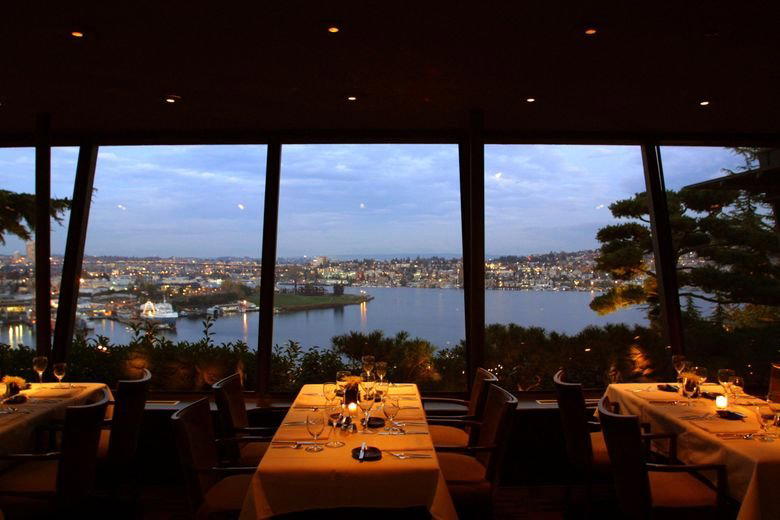
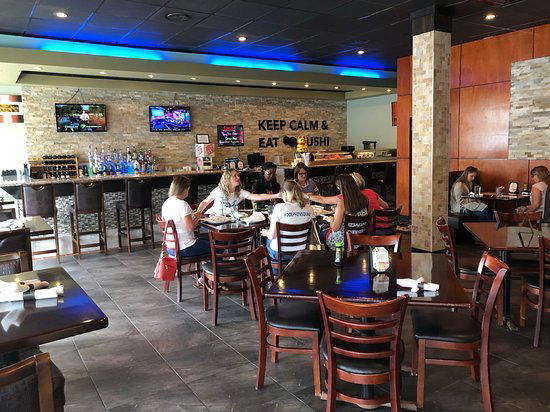
Bars in Seattle
Browse all →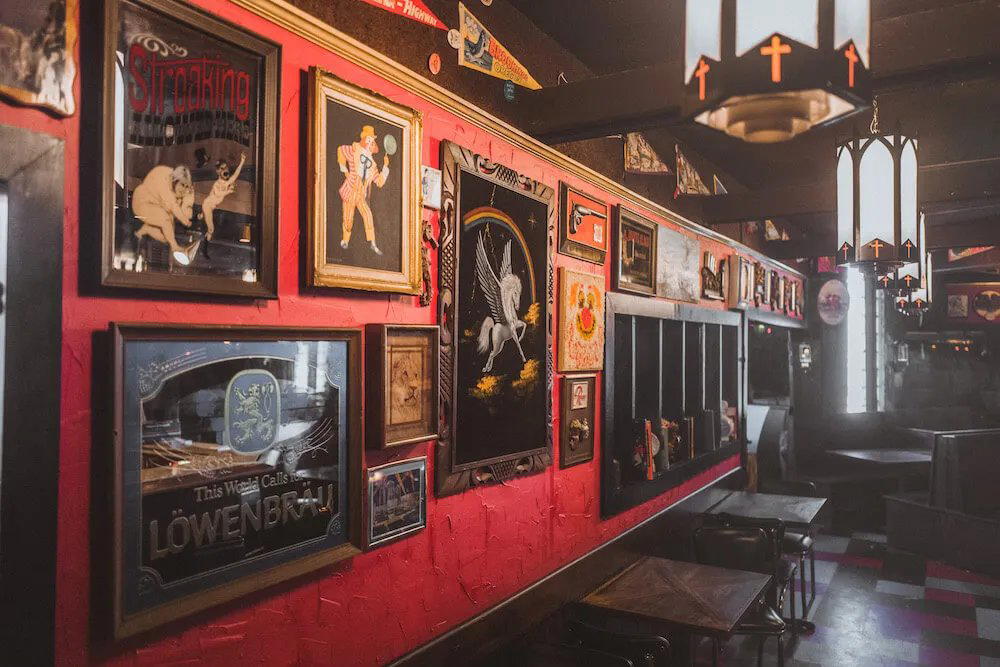
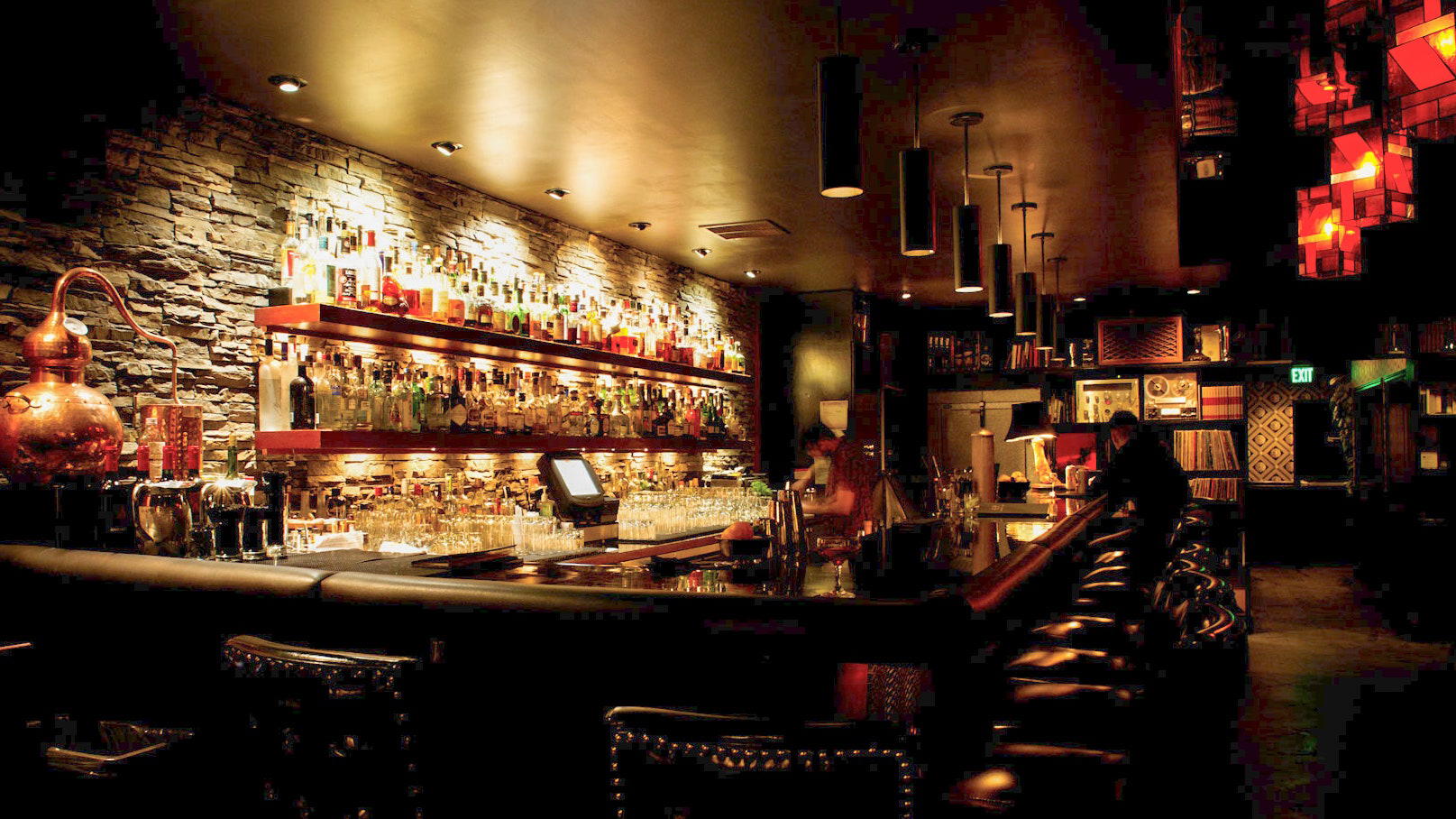
Hotels in Seattle
Browse all →

At a Glance
- Elegant
- Lively
- Sophisticated
- Rustic
- Well Known
- Date Night
- Business Dinner
- Group Dining
- Celebration
- Casual Hangout
- After Work
- Brunch
- Late Night
- Open Kitchen
- Standalone
- Extensive Wine List
- Craft Cocktails
- Local Sourcing
- Sustainable Seafood
Current opening hours
- Monday
- 10 AM–3 PM, 3:30–11 PM
- Tuesday
- 10 AM–3 PM, 3:30–11 PM
- Wednesday
- 10 AM–3 PM, 3:30–11 PM
- Thursday
- 10 AM–3 PM, 3:30–11 PM
- Friday
- 10 AM–3 PM, 3:30 PM–12 AM
- Saturday
- 9 AM–3 PM, 3:30 PM–12 AM
- Sunday
- 9 AM–3 PM, 3:30–11 PM
Hours can change for holidays and private events. Last verified .
Rustic New Orleans-themed dining room with intricate decor and imagery of the French Quarter, creating the feel of the Big Easy with a cozy yet sophisticated atmosphere.