
Michelin Plate
Our verdict
Goichu earns its 2025 Michelin Plate in a city few diners think to visit, built around a deliberate collision of Basque technique, Asian influence, and fish pulled from the Strait of Gibraltar. The price point sits at €€, making it one of Spain's more accessible addresses for this kind of cross-cultural cooking. For anyone passing through Ceuta, it is the clearest reason to sit down and eat.

Pearl is the En Primeur Club membership app — saves, bookings, and concierge access live there. Same editors, same standards.
- Address
- Calle Independencia, 15, 51001 Ceuta, Spain
- Phone
- +34 956 51 50 47
- Website
- goichu.com
- Directions
- Get directions
The menu
What to order
- Tartar de atún con lascas de trufa
- Tosta de tarantelo de atún y trufa
- Mollete de atún con tomate y huevo
Where the Strait Ends Up on a Plate
Ceuta occupies one of the more geographically loaded positions in Europe: a Spanish autonomous city on the northern tip of Africa, facing the Iberian Peninsula across fourteen kilometres of water where the Atlantic meets the Mediterranean. The Strait of Gibraltar is not incidental to the food here. It is the food. The strong currents and shifting salinity of those waters produce fish with a flavour density that is difficult to replicate elsewhere, and any kitchen serious about its sourcing has the Strait as its most significant supplier. Goichu, on Calle Independencia 15, has built its entire concept around that fact.
The restaurant holds a 2025 Michelin Plate, a recognition that places it among Spain's addresses worth a deliberate detour rather than a casual drop-in. For context on what that tier means: the Michelin Plate signals cooking that is consistently good and worth seeking out, a category below the starred hierarchy but above the broader field. In a city that sits well outside the main circuits of Spanish fine dining — the three-star cluster running from Arzak in San Sebastián through Azurmendi in Larrabetzu and down to Aponiente in El Puerto de Santa María — a Michelin Plate in Ceuta carries disproportionate weight as a navigational signal.
The Sourcing Argument
Strait of Gibraltar fish has a specific identity. The two-way current system that defines the channel creates a zone of exceptional marine productivity: Atlantic species push east, Mediterranean species push west, and both feed in waters that are colder and more oxygenated than the calm bays that supply much of the coastal Spanish restaurant trade. The result is fish that arrives with firm texture and clean, pronounced flavour. Ceuta's position means its fish markets receive product that larger mainland cities do not routinely access with the same speed or freshness.
Goichu uses that proximity as a foundation. The kitchen's declared approach centres on fish from the Strait, treated through a framework that combines Basque technique with Asian influence. This is a structurally coherent choice: Basque cooking has one of Europe's most rigorous traditions of handling fish with restraint and precision, from the pil-pil emulsions of San Sebastián to the salt-cod work of the interior provinces. Introducing Asian influence at that intersection, whether through umami-building fermentation, clean acidic contrasts, or temperature and texture play, extends the sourcing story rather than contradicting it. The fish remains the subject; the technique broadens the vocabulary.
This cross-cultural model appears at other Spanish tables. DiverXO in Madrid operates at the extreme end of Asian-European fusion, with three Michelin stars and a price point several brackets above Goichu. Ajonegro in Logroño works a comparable fusion register in La Rioja. Outside Spain, Arkestra in Istanbul plays in a similar cross-cultural space. What makes Goichu's position distinct is the specificity of its sourcing geography: the Strait of Gibraltar is not a generic coastal backdrop but a named, documented source with identifiable characteristics, and the kitchen's claim to that source is credible given the city's position.
A €€ Price Point in Its Regional Context
Spanish fine dining has a pronounced top tier. The restaurants that anchor the country's international reputation, El Celler de Can Roca in Girona, Martín Berasategui in Lasarte-Oria, Mugaritz in Errenteria, Cocina Hermanos Torres in Barcelona, Quique Dacosta in Dénia, Ricard Camarena in València, Atrio in Cáceres, largely operate at €€€€. Goichu prices at €€, which places it in a different category of dining decision. This is not a compromise position. It reflects Ceuta's cost base and the kitchen's choice to stay accessible in a city where the dining ecosystem does not support ultra-premium pricing. For a visitor, the effective proposition is Michelin-recognised cooking with an ambitious conceptual framework at a fraction of the cost of comparable ambition elsewhere in Spain.
It is easier to score high on a small sample than to sustain it across 360 assessments.
Ceuta as a Dining Context
Most visitors to Ceuta arrive overland from Morocco or by ferry from Algeciras, making it a transit point as much as a destination. The city's dual identity, Spanish administration, North African geography, centuries of layered cultural history, gives its food culture a character that does not replicate anywhere else in Spain. Moroccan spice traditions, Spanish technique, and Atlantic-Mediterranean seafood exist in close proximity. Goichu's fusion concept did not emerge in a vacuum; it reflects a city where cross-cultural cooking has local logic rather than imported novelty.
The chef behind Goichu previously ran Bugao, a restaurant that has since moved to Madrid, suggesting a track record in Ceuta's dining scene before the current concept. The name Goichu comes from a personal affectionate nickname, a detail that has no bearing on what arrives at the table but says something about the register of the place: this is not a corporation-backed concept but a kitchen with a defined point of view and local roots.
For planning purposes, Goichu sits at Calle Independencia 15 in central Ceuta, easily reached from the ferry terminal on foot or by taxi. Given the Michelin recognition and the limited dining options at this level in the city, booking ahead is advisable, particularly during peak ferry traffic periods in summer. The €€ pricing means a full meal, including wine, should land well below what a comparable Michelin-recognised experience would cost on the mainland. For a full picture of where Goichu fits in Ceuta's broader food and hospitality offer, see our full Ceuta restaurants guide, as well as our guides to hotels, bars, wineries, and experiences in the city.
Frequently asked questions
Is Goichu suitable for children?
Goichu's €€ price point and fun, flavour-forward approach to its total fusion menu make it a more accessible proposition than formal fine dining. The concept prioritises bold, playful dishes rather than ceremony, which generally suits a wider age range, though the experimental Basque-Asian-Strait fish combinations may suit adventurous eaters more than younger children with conservative palates.
How would you describe the vibe at Goichu?
The restaurant's own Michelin recognition describes the cooking as producing 'fun and exciting dishes with lots of flavour' — and that framing carries into the room. This is not a white-tablecloth-and-whispers operation; a €€ price bracket in a Spanish autonomous city on the African coast sets a tone that leans convivial rather than formal. The name itself, borrowed from owner-chef Hugo Ruiz's nickname for his wife, signals a personal rather than corporate atmosphere.
Is Goichu Michelin-listed?
Goichu has received recognition including: Michelin Plate (2025); Goichu owes its name to owner-chef Hugo Ruiz’s affectionate nickname for his wife. The former, who was the driving force behind the original Bugao restaurant in Ceuta (now operating under the same name in Madrid), is ….
What dish is Goichu famous for?
Goichu's defining identity sits in its 'total fusion' concept rather than a single signature plate: the kitchen draws on Basque technique, Asian influence, and fish sourced from the Strait of Gibraltar, which produces a two-way current system of notable marine productivity.
Comparable Spots, Quickly
| Venue | Cuisine | Awards |
|---|---|---|
| GoichuThis venue — the venue you are viewing | Spanish Fusion with Basque-Asian Influences | Michelin Plate |
| Aponiente | Progressive - Seafood, Creative | Michelin 3 Star |
| Arzak | Modern Basque, Creative | Michelin 3 Star |
| DiverXO | Progressive - Asian, Creative | Michelin 3 Star |
| El Celler de Can Roca | Progressive Spanish, Creative | Michelin 3 Star |
| Quique Dacosta | Creative | Michelin 3 Star |
Recognition history
Dated appearances from independent guides and award organizations, with the underlying list record or original source where available.
Michelin Plate
Michelin
Full recognition history (2 entries)
Michelin Plate
Michelin

Details
- Elegant
- Intimate
- Modern
- Cozy
- Sophisticated
- Date Night
- Special Occasion
- Business Dinner
- Open Kitchen
- Extensive Wine List
- Local Sourcing
- A La Carte
- Small Plates
- Vegetarian Friendly
- Vegan Options
- Gluten Free Options
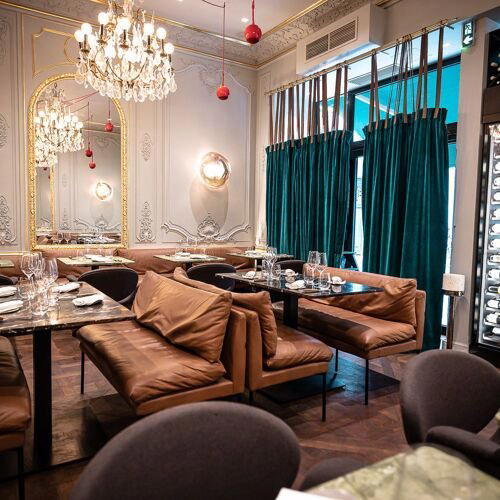
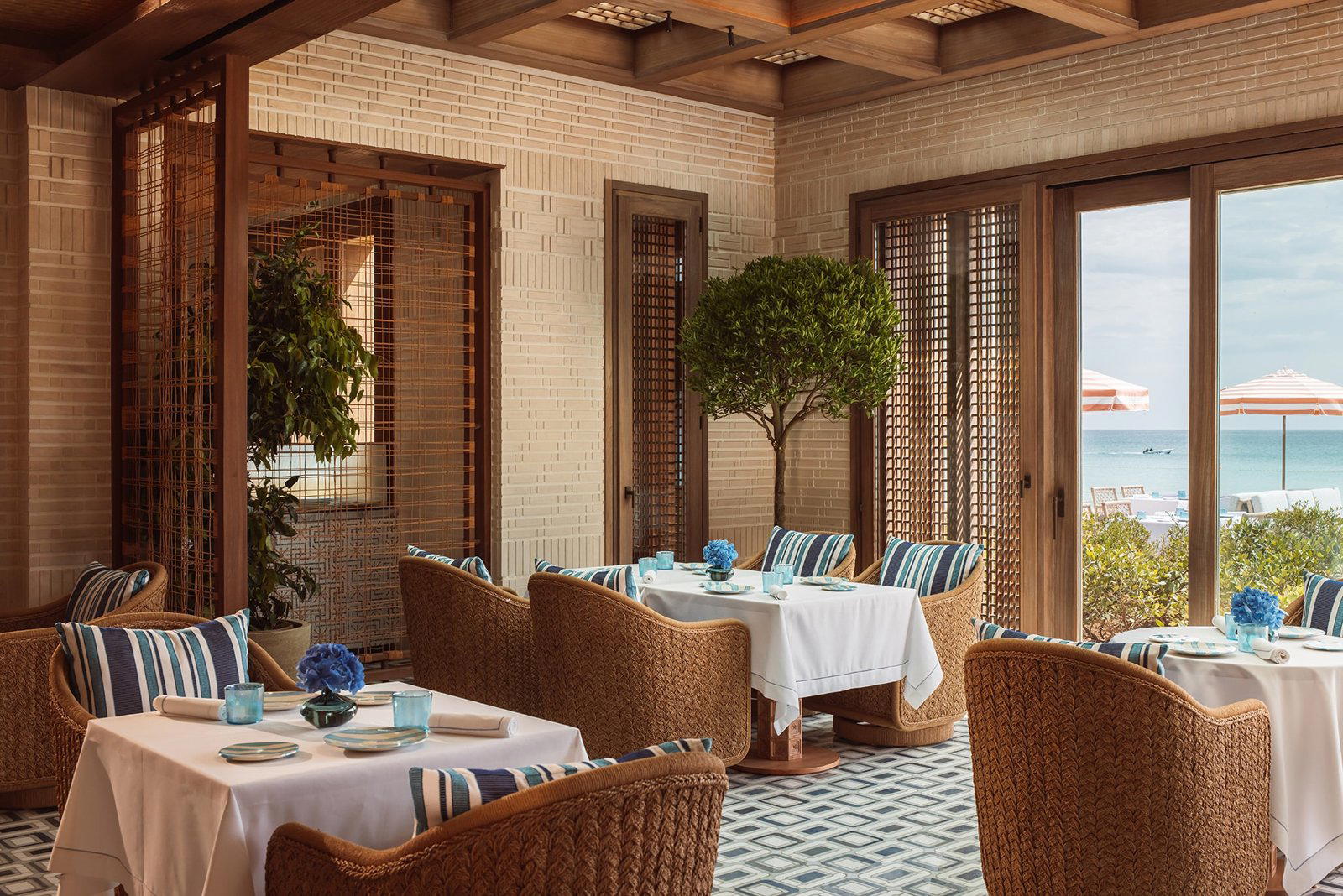
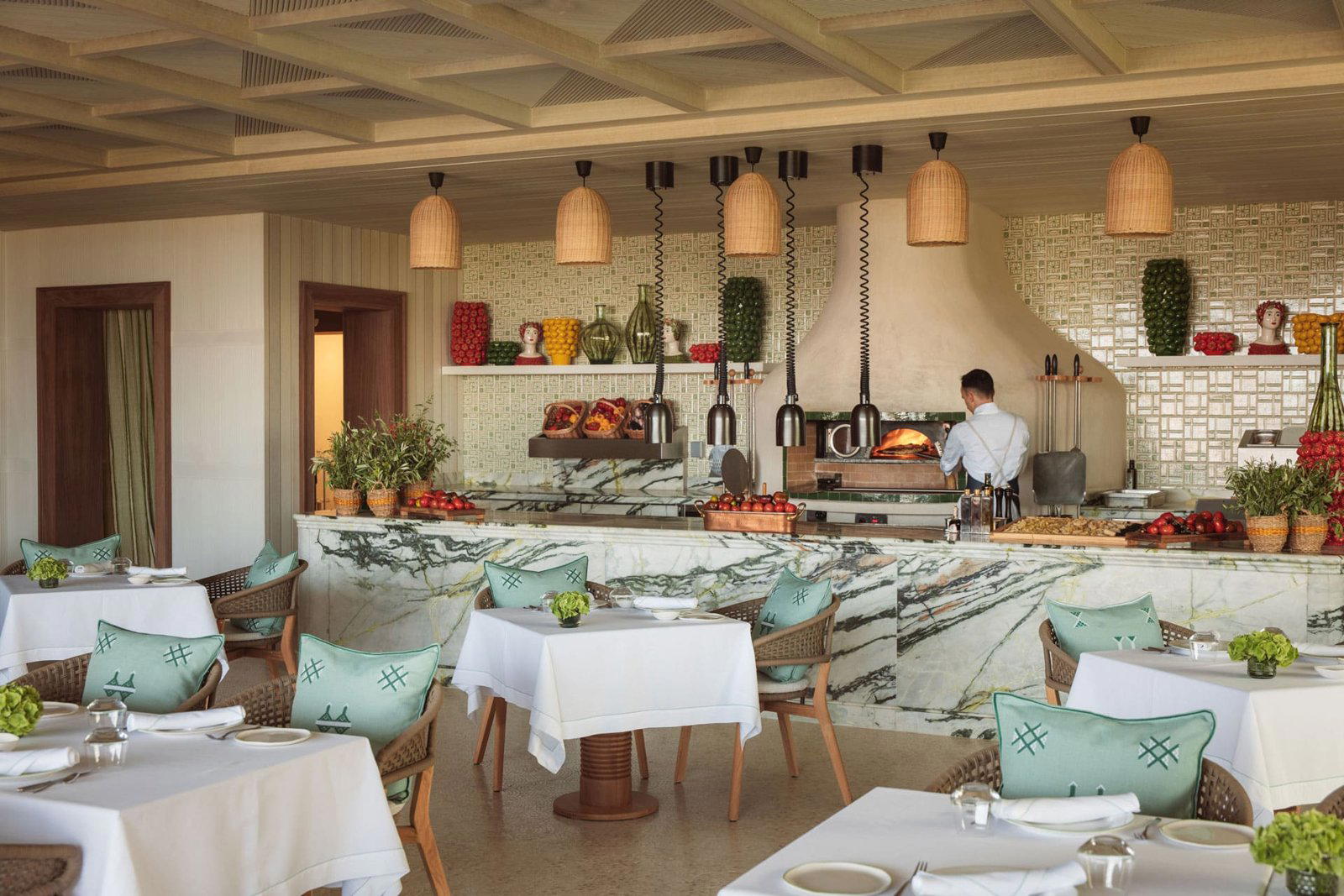
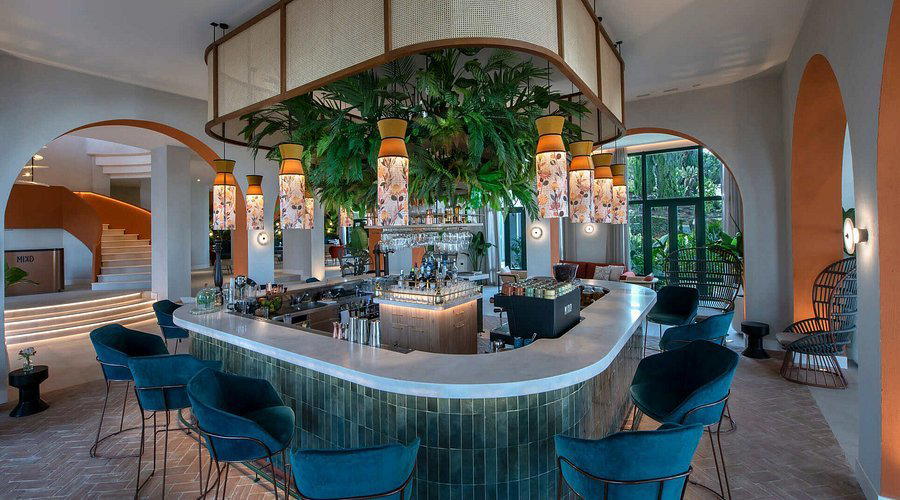
Intimate and stylish with modern elegant decor, nicely decorated interior, relaxing atmosphere, and great wine display.