



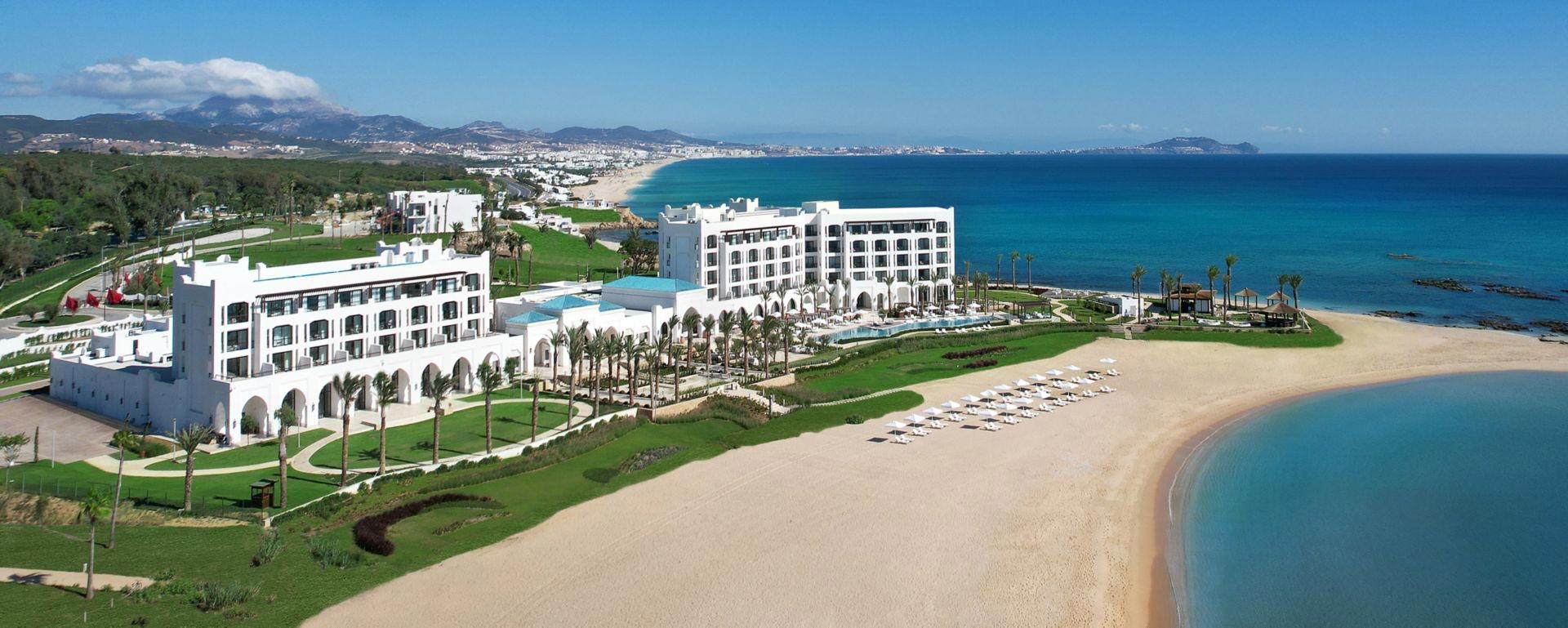
The third property in Morocco's Royal Mansour Collection, Tamuda Bay occupies a 10-hectare Mediterranean coastal estate between Tetouan and Tangier. Fifty-five suites and villas face the sea directly, a 700-metre beach anchors the grounds, and a 4,300m² Medi-Spa with a dedicated Longevity Programme sets the property apart from comparable Moroccan coastal resorts. Three Michelin-starred chefs oversee four restaurants on site.
Pearl is the En Primeur Club membership app — saves, bookings, and concierge access live there. Same editors, same standards.
- Address
- 203 Route de Fnideq, M'diq 93200
- Phone
- +212 5 38 10 01 00
- Website
- royalmansour.com
- Directions
- Get directions
 Saves & bookings on Pearl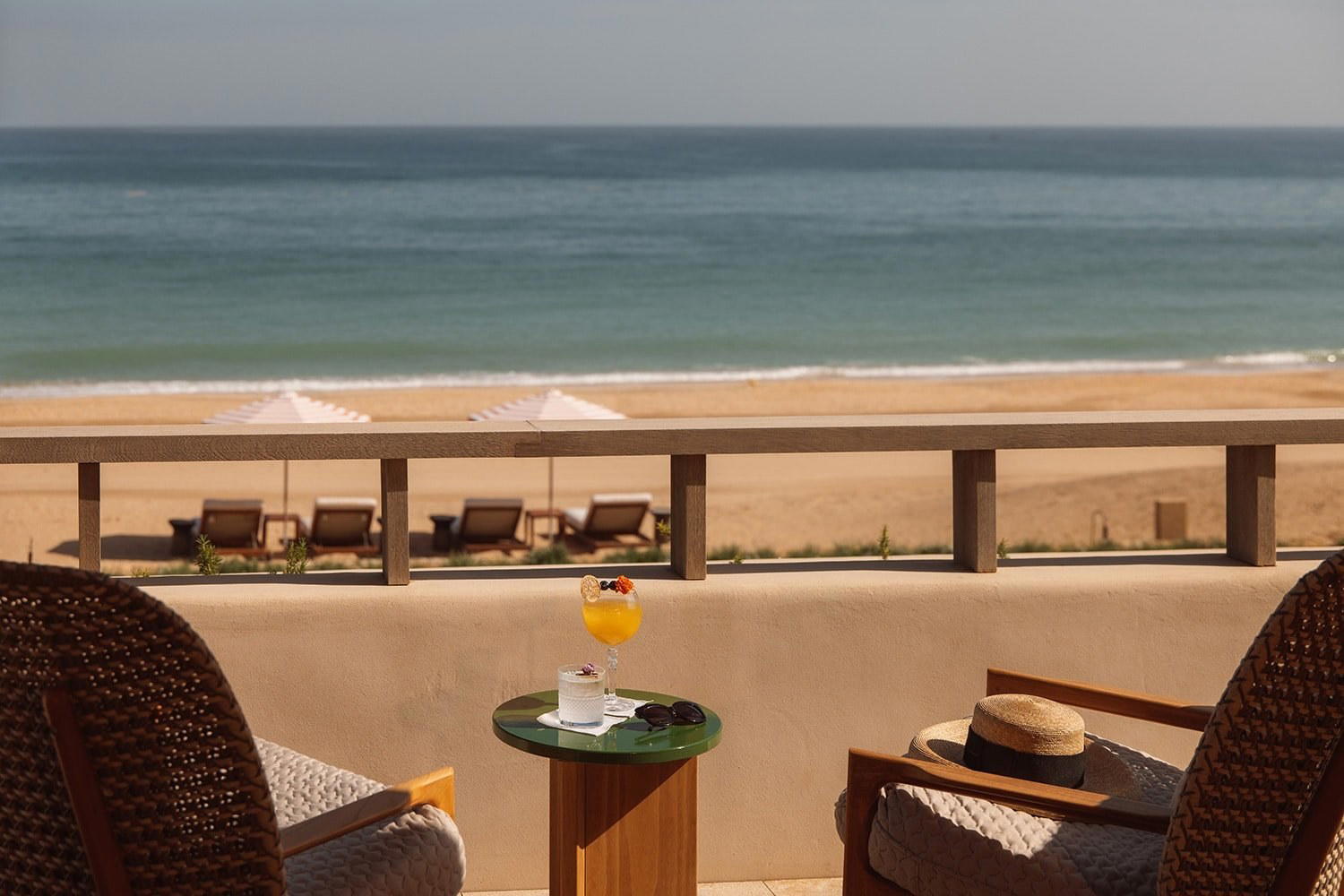
Where the Mediterranean Coastline Shapes the Architecture
Morocco's luxury hotel conversation has, for two decades, been dominated by the imperial cities: Marrakech's riads and garden palaces, Fes's medina conversions, the occasional Atlantic-facing retreat on the Oualidia lagoon. The northern Mediterranean coast has historically been the quieter chapter in that story. Royal Mansour Tamuda Bay, positioned along the Tamuda Bay shoreline between Tetouan and Tangier, represents the most deliberate attempt yet to rewrite that chapter at the top tier of the market.
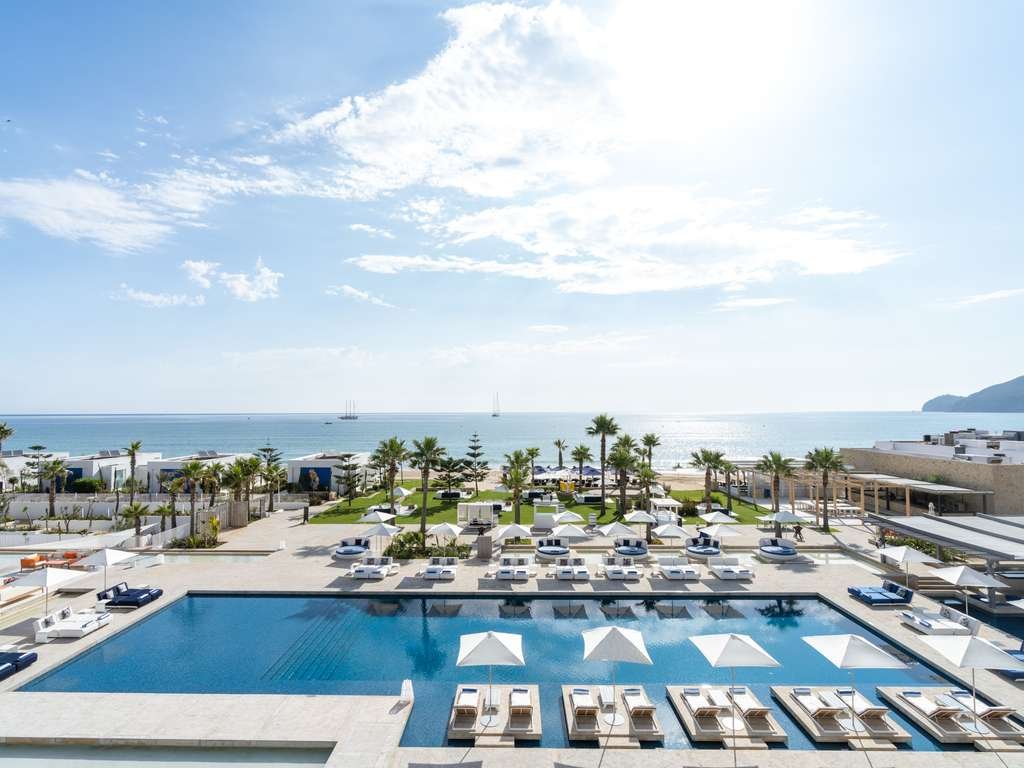
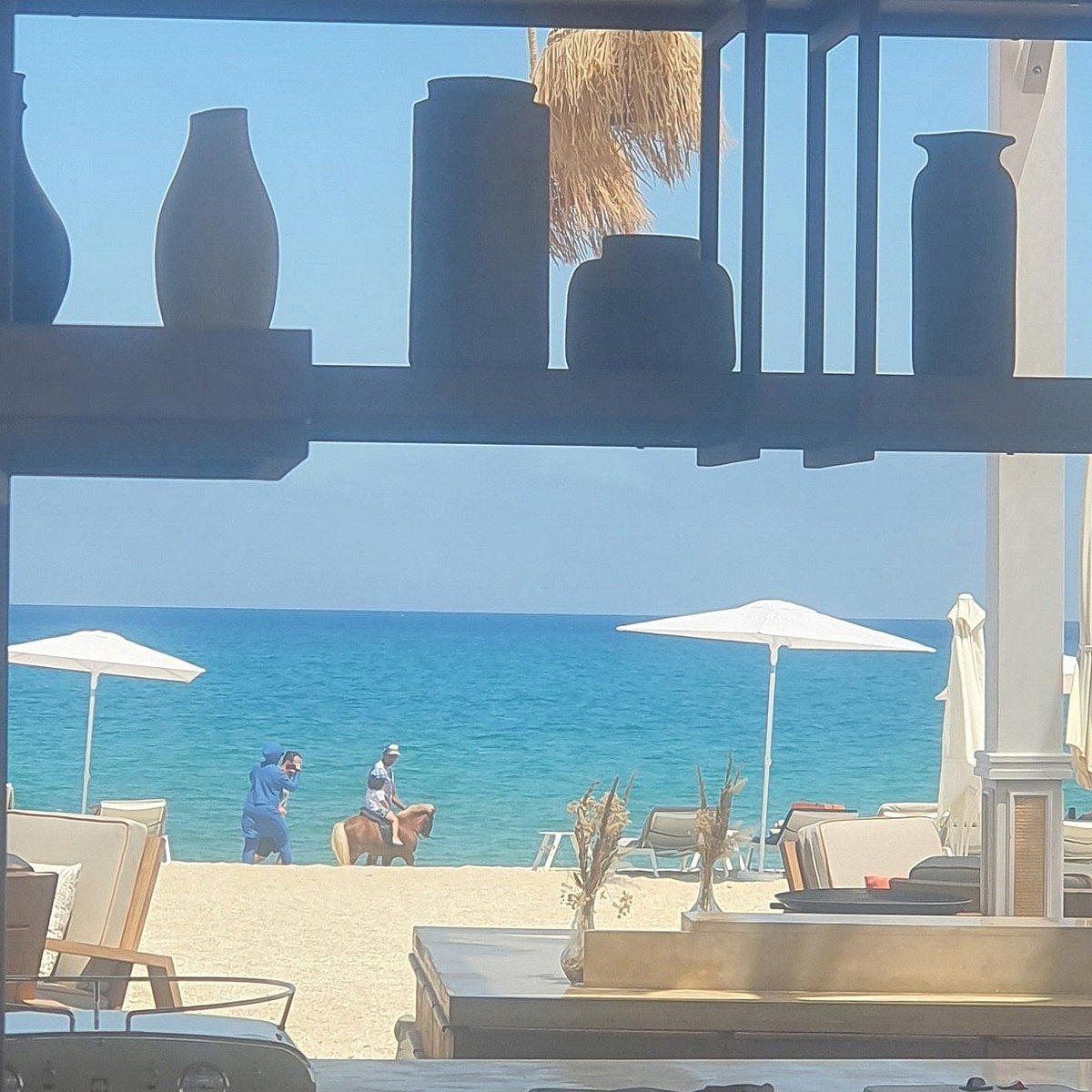
The property is the third in the Royal Mansour Collection, following the original Royal Mansour Marrakech and the more recent Royal Mansour Casablanca. Where those two properties interpret Moroccan craftsmanship through urban palace formats, Tamuda Bay shifts the grammar toward the coastal and the horizontal. A 10-hectare estate, 700 metres of direct beach access, and 55 suites and villas spread across low-lying structures: the physical proposition here is space and sea, not medina density or riad enclosure.
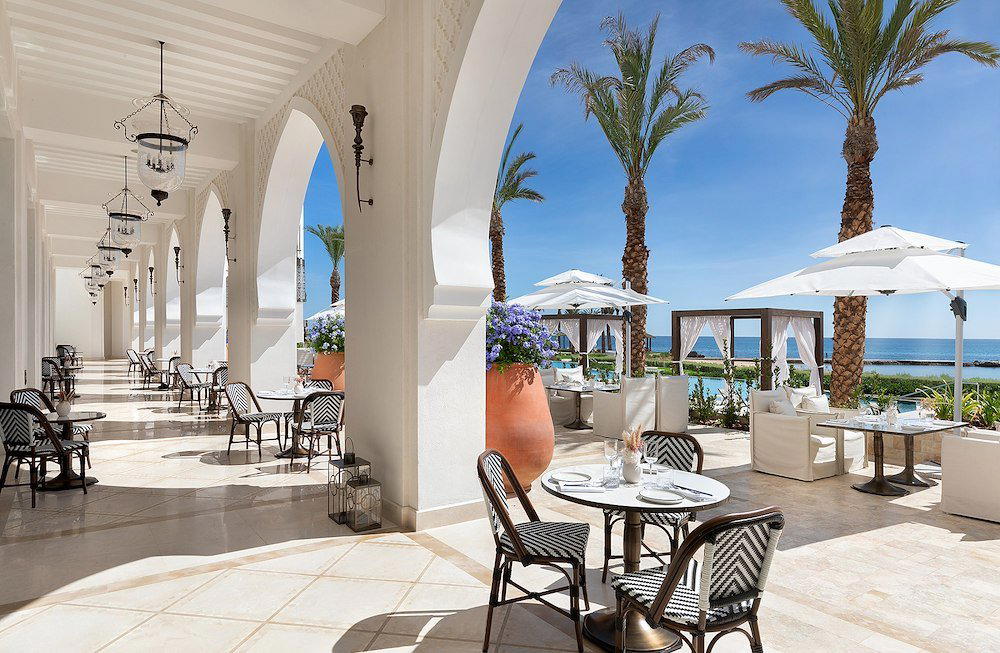
That shift is architecturally significant. Royal Mansour Marrakech built its reputation partly on an extraordinary internal medina of hand-crafted private riads, a design ambition that took years and an army of Moroccan artisans to realise. Tamuda Bay draws on the same commitment to Moroccan craft traditions, but the Mediterranean setting demands a different vocabulary, one that opens toward the water rather than folding inward for privacy. The result is a property that reads as a coastal estate first and a Moroccan palace second, with the Collection's signature standards of material quality and butler service applied to an entirely different spatial logic.
Fifty-Five Keys, 700 Metres of Beach, and the Logic of Scale
Morocco's premium coastal market has developed along two distinct lines. On one side sit large-format international resorts, typically 200-plus keys, full conference facilities, and broad amenity stacks calibrated for volume. On the other sit boutique properties, often under 30 rooms, where design and intimacy are the primary differentiators. Royal Mansour Tamuda Bay, at 55 suites and villas, occupies a deliberate middle position: large enough to sustain four restaurants, a 4,300m² Medi-Spa, and a full-service staffing model, but small enough that every villa comes with its own dedicated butler. That butler ratio is not a casual detail. It signals a staffing model closer to private-villa hospitality than resort operations, and it is the same service philosophy that defined the Marrakech original.
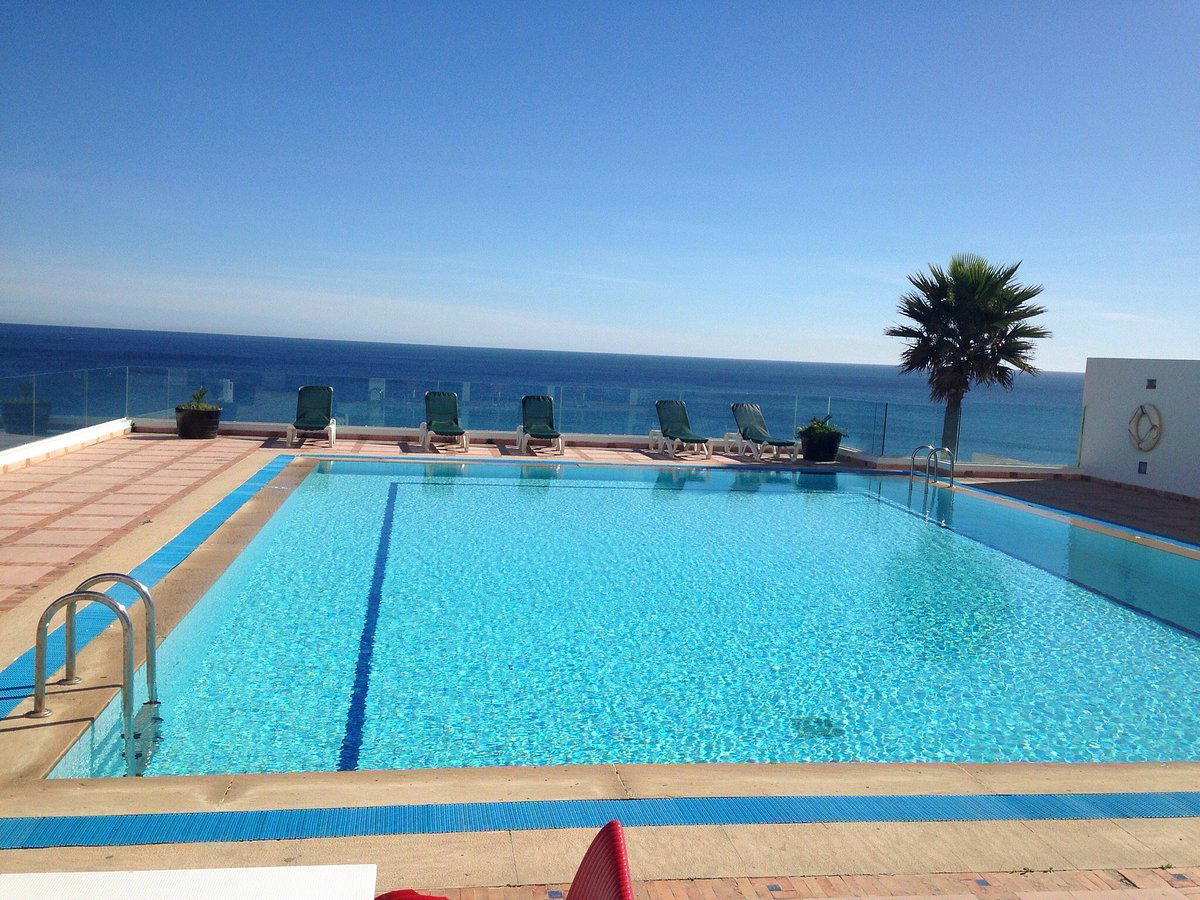
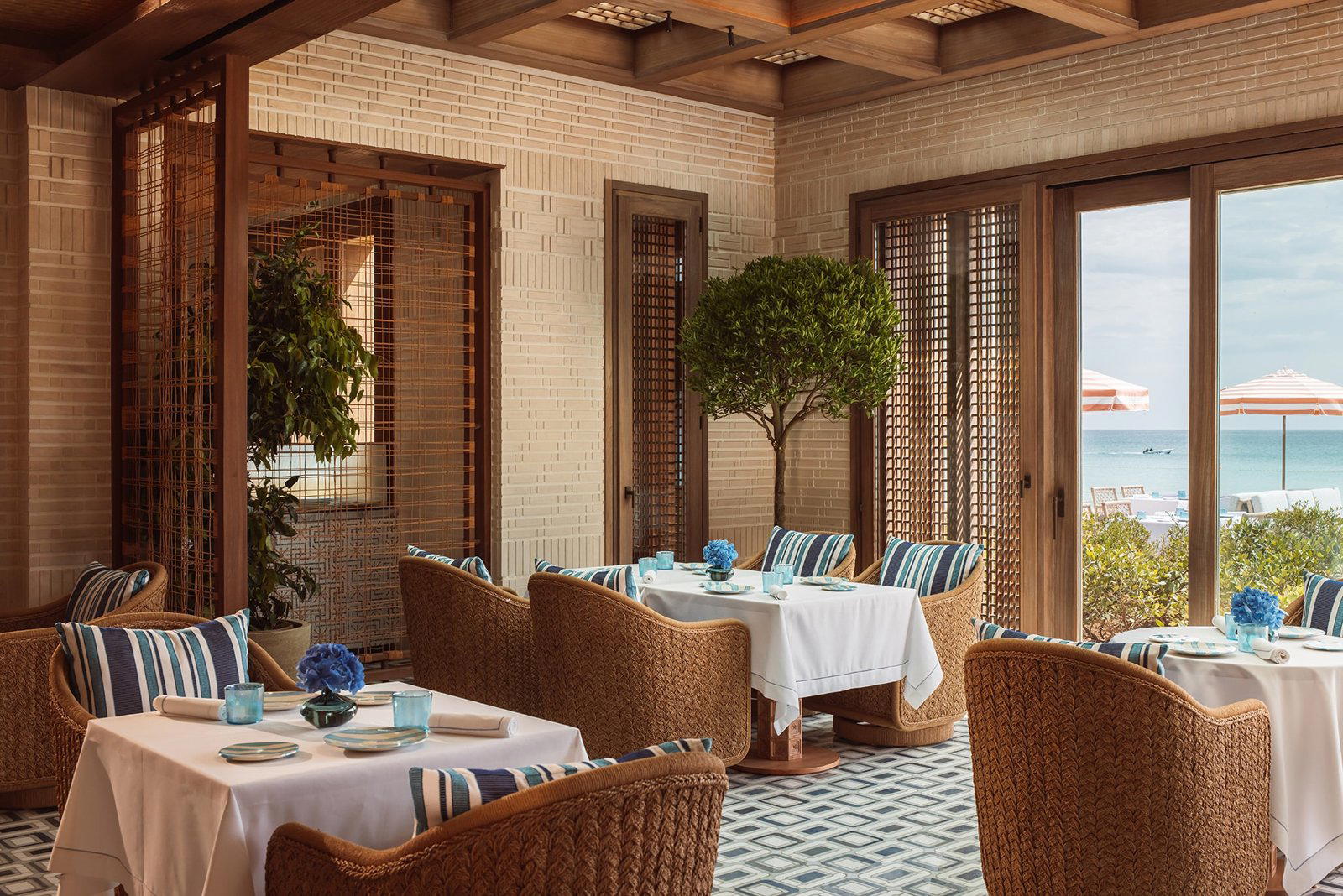
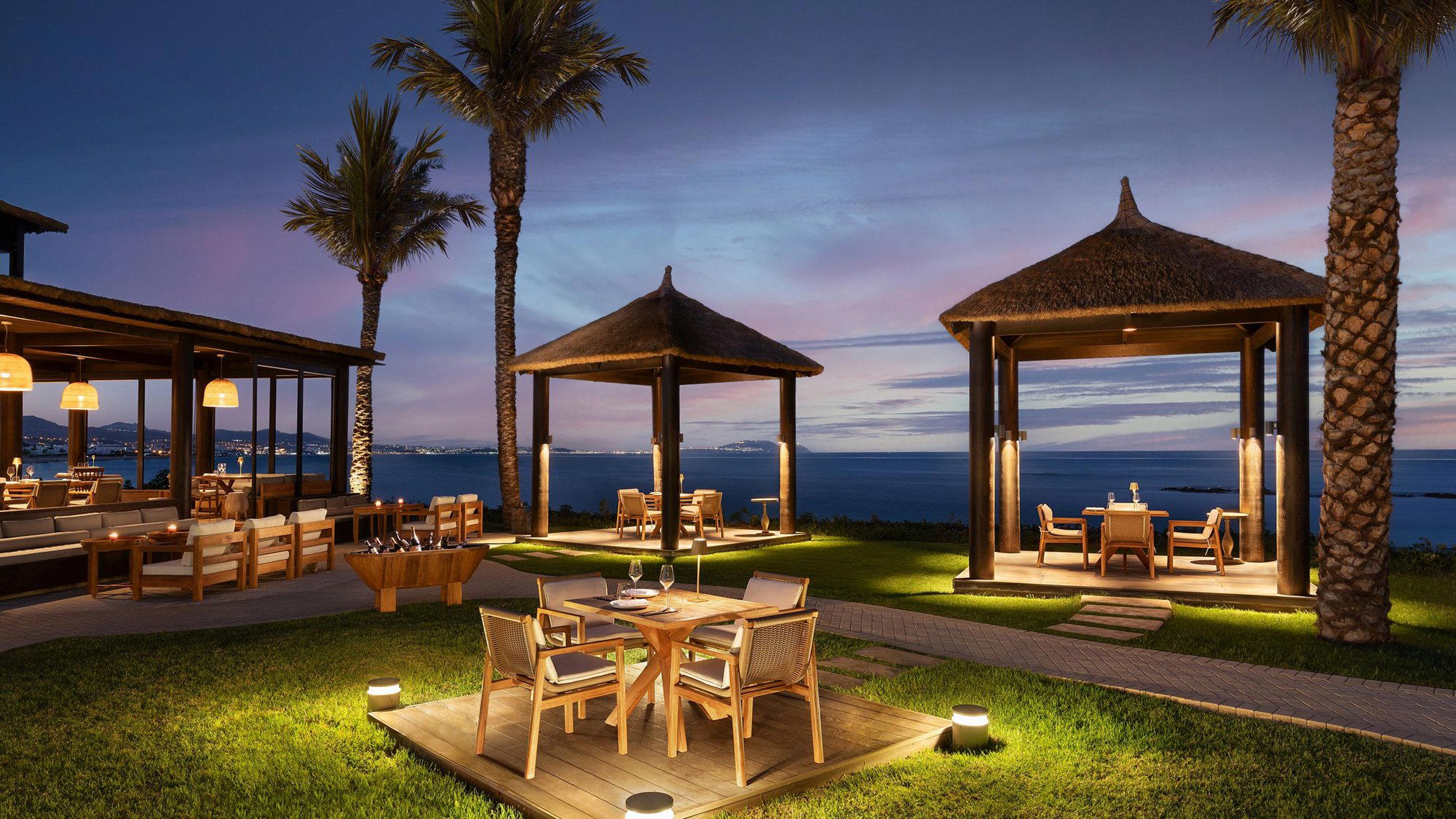
The 700-metre beach is the property's primary spatial asset, and the design sensibility treats it accordingly. Rather than concentrating amenities at a single pool complex, the estate distributes its offer across the full length of the grounds, so the physical experience of the property is inseparable from the coastline itself. For comparison, Banyan Tree Tamouda Bay in Fnideq, the bay's other internationally-branded option, takes a more compact resort approach. The Royal Mansour's 10-hectare footprint gives it a different sense of scale entirely.
The Restaurant Programme and What It Signals
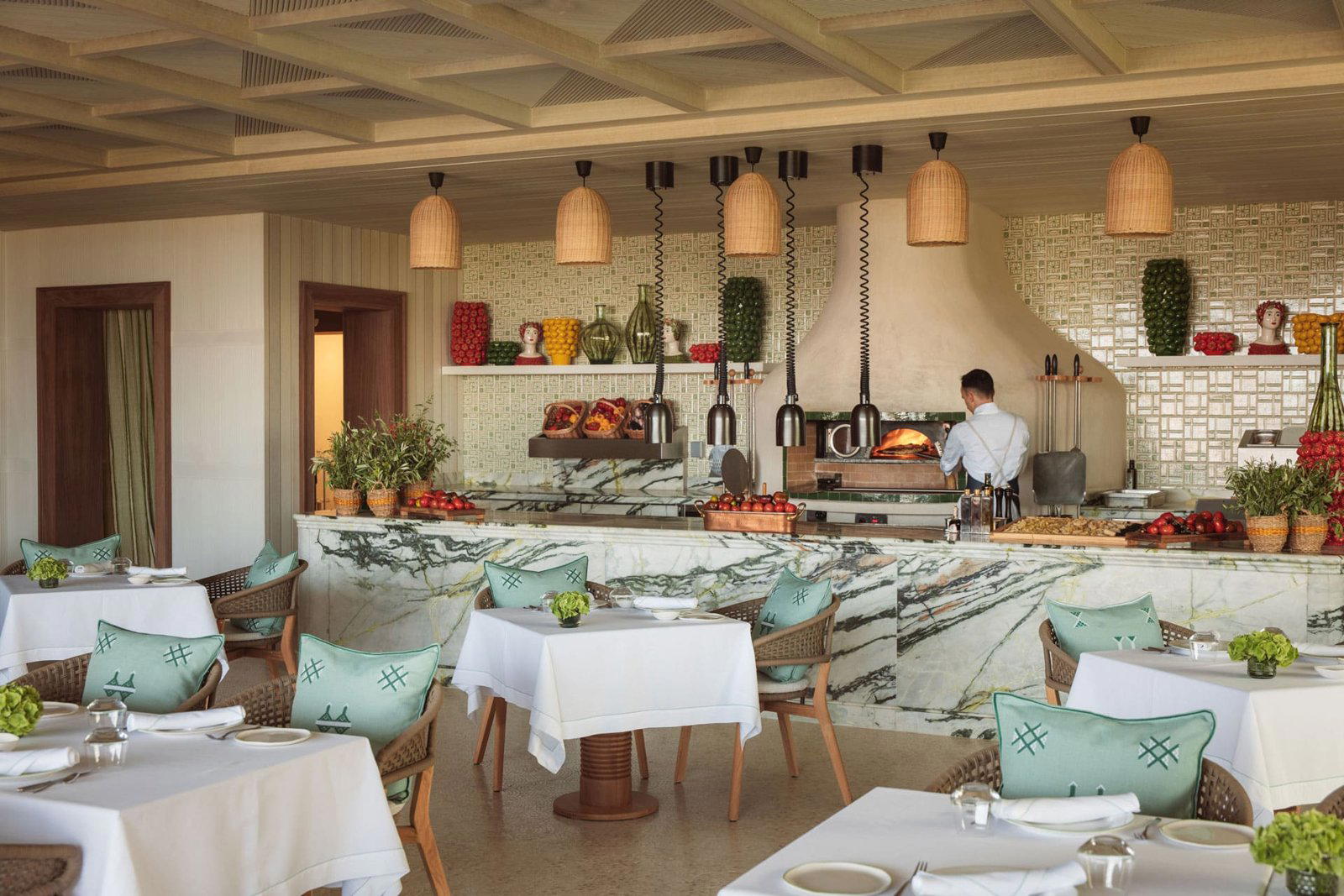
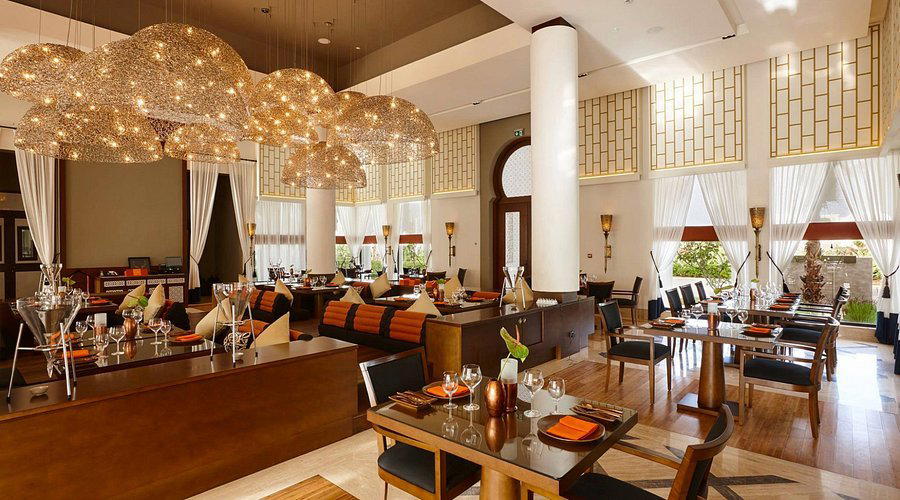
Four restaurants supported by three Michelin-starred chefs is an unusual density for a coastal resort anywhere in North Africa. It places Tamuda Bay in a specific competitive tier: properties where the food-and-beverage programme is a genuine destination draw rather than a convenience amenity. That ambition aligns with the wider Royal Mansour Collection positioning. At the Marrakech property, the restaurant programme became a reference point for high-end Moroccan dining in its own right, drawing visitors who were not hotel guests. Whether the Tamuda Bay programme achieves the same standing in the northern Morocco context will take time to assess, but the structural investment is clear.
La Mamounia in Marrakesh and Kasbah Tamadot in Asni both maintain strong culinary identities, but neither deploys three starred chefs across a single property. The comparison shifts the frame: this is a hotel where the dining programme demands separate pre-trip research, not an afterthought managed by an in-house executive chef.
The Medi-Spa as a Distinct Offering
At 4,300 square metres, the Medi-Spa is not a standard hotel wellness facility scaled up. The Longevity Programme it houses integrates medical expertise with established holistic practice in a format that sits closer to destination health clinics than resort spas. That distinction matters when positioning a stay: guests arriving primarily for the wellness offer are operating in a different mode than those coming for beach access or dining, and the facility has been designed with that intent. The combination of clinical rigour and Mediterranean coastal setting is relatively rare in North Africa, where wellness properties tend to emphasise hammam traditions and thermal treatments over integrative medical programmes.
As a Leading Hotels of the World member, the property carries a verifiable benchmark for facility standards, service levels, and accommodation quality. That membership, confirmed for 2025, places Tamuda Bay alongside a specific cohort of independent and collection properties globally, distinct from the major chain loyalty programmes and their associated expectations. Guests familiar with LHW properties elsewhere, including Aman Venice or Aman New York, will arrive with calibrated expectations around service intensity and design standard.
The Northern Coast as a Destination
M'diq sits roughly 20 kilometres south of Tétouan and around 60 kilometres east of Tangier, on a coastline that has long been popular with Moroccan and Spanish summer visitors but has seen comparatively little international luxury hotel development. The Tamuda Bay area, spanning the coastline between M'diq and Fnideq, is the specific zone where that development has concentrated. The Royal Mansour arrival is the highest-profile investment in the area to date, and it positions the bay as a serious alternative to Marrakech-centred itineraries for international travellers willing to anchor in the north.
For those building a broader Moroccan itinerary, the northern coast pairs logically with Tangier, itself undergoing a sustained period of renewed international attention. Fairmont Tazi Palace Tangier covers the city base. The Tamuda Bay property then functions as the coastal extension, with the medina cities of Fes (see Hotel Sahrai and Fes Marriott Jnan Palace) accessible for day trips or as separate legs. Guests interested in the wider Moroccan hotel market will also find context in our coverage of properties across the south and Atlantic coast, from Dar Ahlam in Ouarzazate to Dar Maya in Essaouira and Hilton Taghazout Bay on the surf coast. For dining context in M'diq itself, see our full M'diq restaurants guide.
Planning a Stay
The address is 203 Route de Fnideq, M'diq 93200. The nearest international airport is Tangier Ibn Battouta (TNG), approximately 60 kilometres to the northwest, with connections to major European hubs including Madrid, Paris, and London. Tetouan's Sania R'mel airport is closer but handles limited scheduled services. Peak season on the northern Moroccan coast runs from late June through August, when the Mediterranean climate is at its warmest and the bay draws both domestic summer visitors and European travellers. Shoulder season, particularly May, early June, and September, offers more settled conditions with shorter lead times on availability. Given the 55-key footprint and butler-to-villa ratio, advance booking is advisable for peak summer months, particularly for guests whose stay is structured around the Longevity Programme, which requires scheduling with the Medi-Spa team. Other notable Moroccan coastal and city properties worth considering in parallel include La Sultana Oualidia, Jnane Tamsna in Marrakech, and Fairmont La Marina Rabat Salé.
Recognition history
Dated appearances from independent guides and award organizations, with the underlying list record or original source where available.
Virtuoso Luxury Hotel Partner
Virtuoso
World Spa Awards Morocco's Best Wellness Retreat 2026 Nominee
World Spa Awards
Leading Hotels of World Member
Leading Hotels of World
Michelin 2 Keys
Michelin
World Spa Awards Morocco's Best Wellness Retreat 2025 Nominee
World Spa Awards
At a Glance
- Elegant
- Romantic
- Quiet
- Sophisticated
- Ornate
- Honeymoon
- Romantic Getaway
- Family Vacation
- Wellness Retreat
- Beachfront
- Infinity Pool
- Private Villa
- Butler Service
- Destination Spa
- Spa
- Pool
- Beach Access
- Kids Club
- Fitness Center
- Room Service
- Concierge
- Golf Course
- Waterfront
- Garden
- Spa
- Pool
- Beach Access
- Kids Club
- Fitness Center
- Room Service
- Concierge
- Golf Course
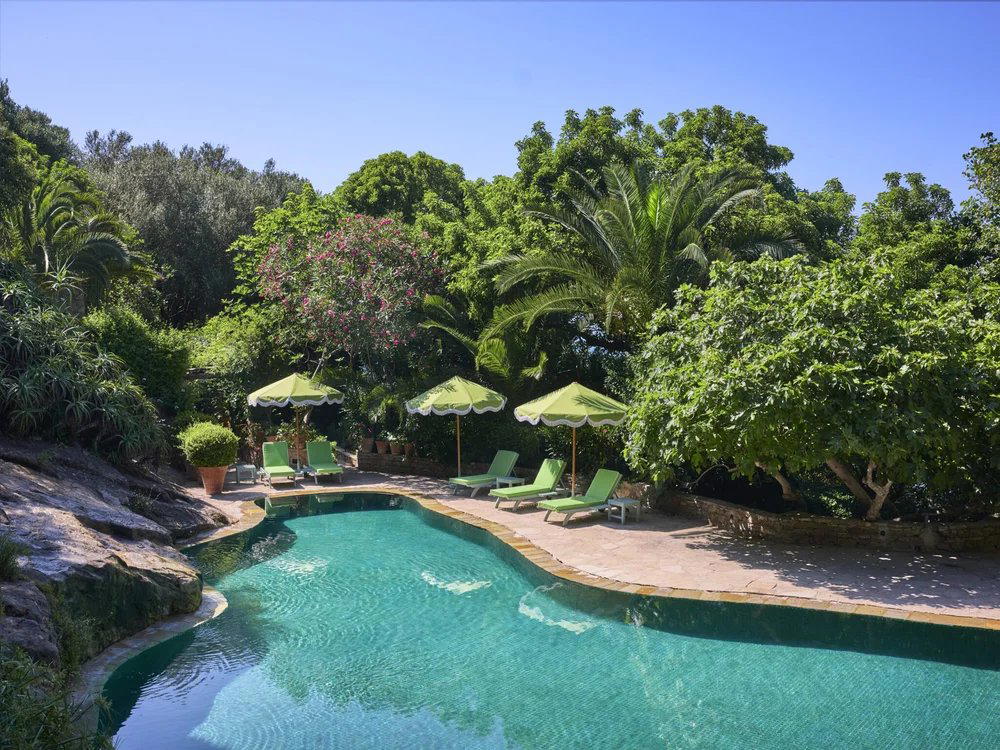
Laid-back luxury with serene, refined Mediterranean atmosphere, seashell-adorned spaces, lush gardens, and calming sea views praised for tranquility and polished service.
Know Before You Go
- Getting there
- 203 Route de Fnideq, M'diq 93200