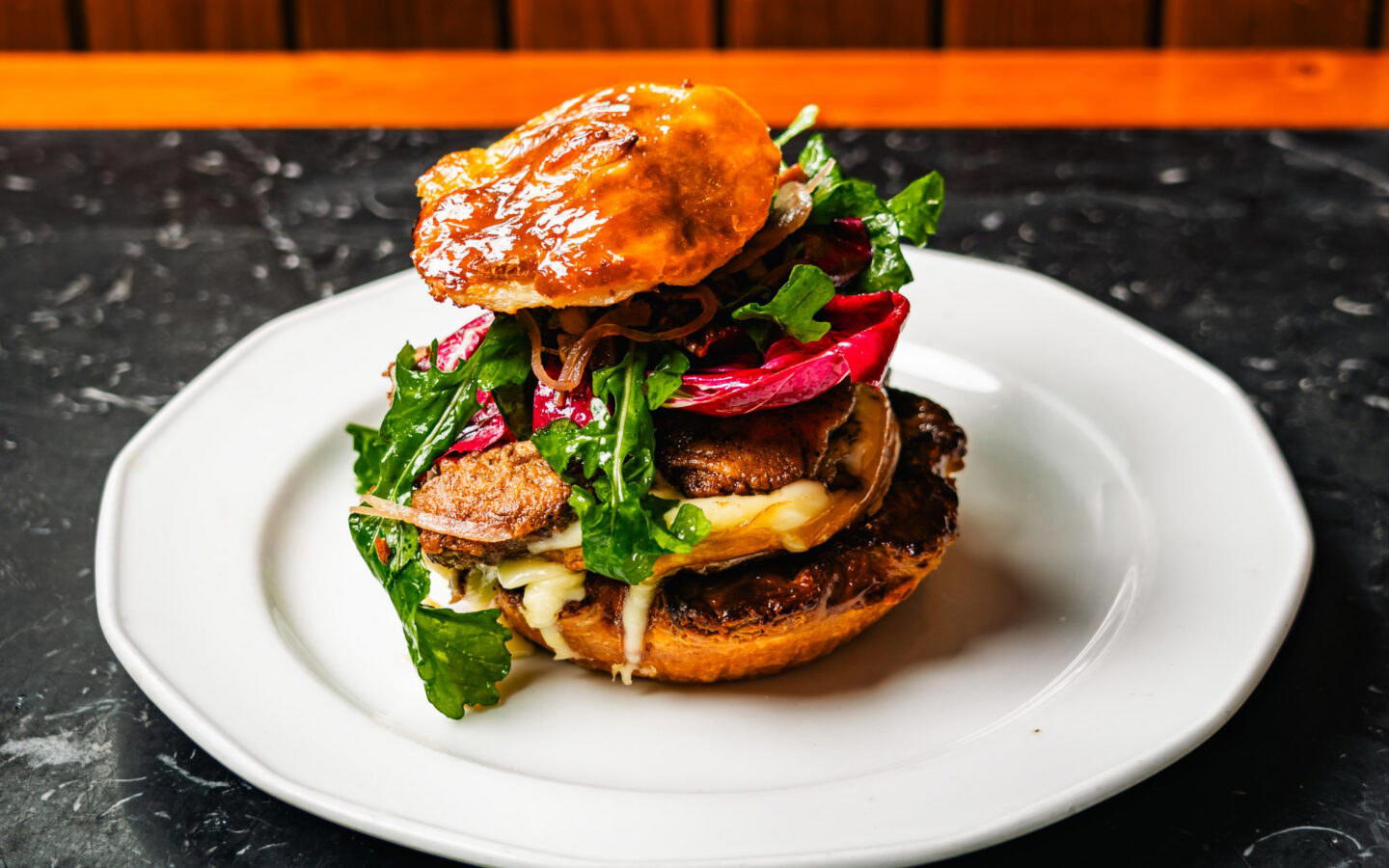
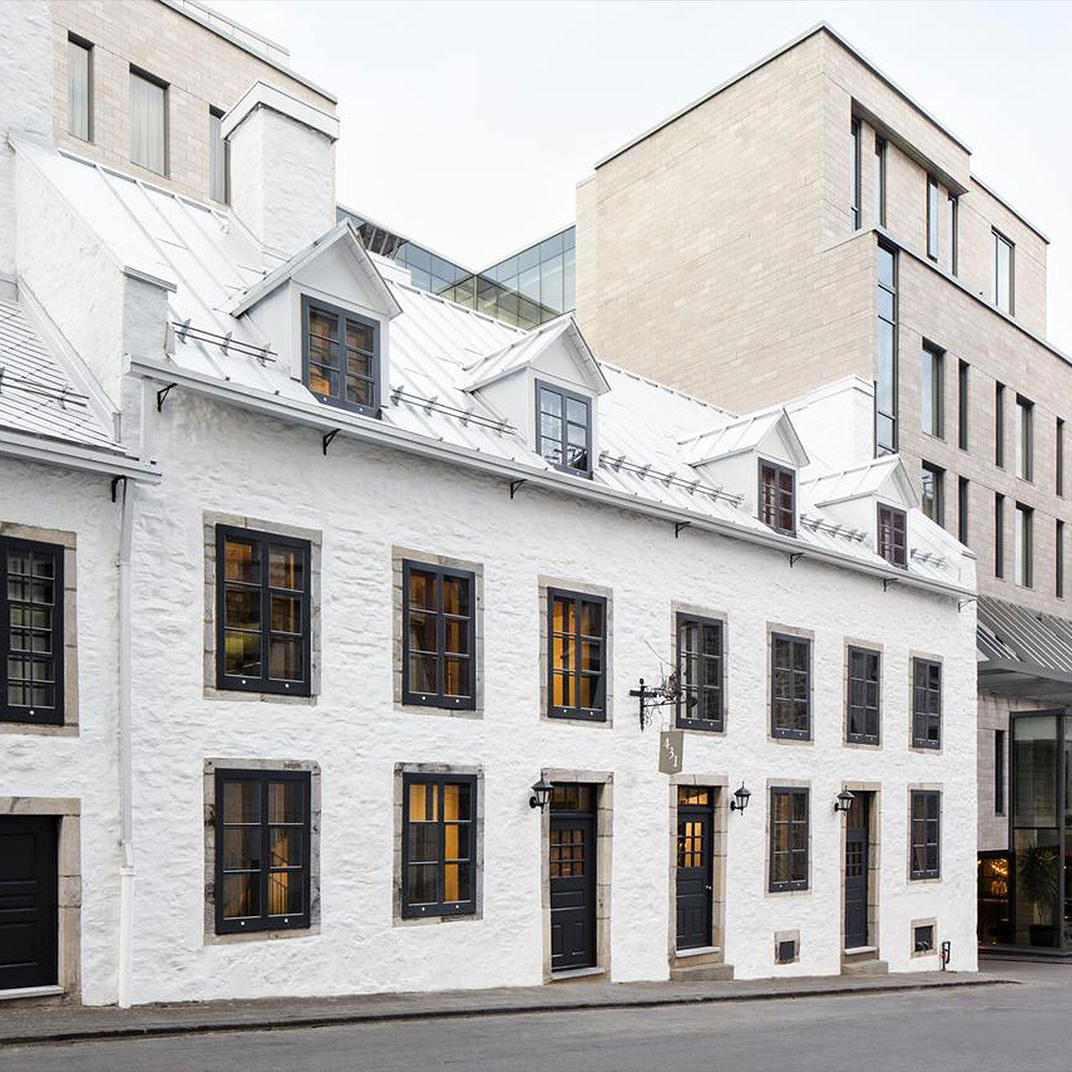
"Poutine on Plateau Mont-Royal If you are moving to Montreal or spending a few weeks on the Plateau Mont-Royal, you must pay a visit to Ma’am Bolduc. Located in a graded building on the eastern, less glamorous but more authentic side of the neighborhood, the restaurant has been in business for over 45 years and offers pretty much every staple of Québécois cuisine, including delicious poutine. few tourists know about this place, although the locals are more than willing to share their best kept secret in the name of gluttony. Definitely a "mingle with the locals" type of experience! Pictured above is the "Chien Chaud" (literally, hot dog) poutine, where a regular poutine is topped with tender onions and frankfurters. Bon appétit!"
- Address
- 4351 Av. De Lorimier, Montréal, QC H2H 2B3, Canada
- Phone
- +1 514 527 3884
- Website
- dasfoodtruck.com
- Directions
- Get directions
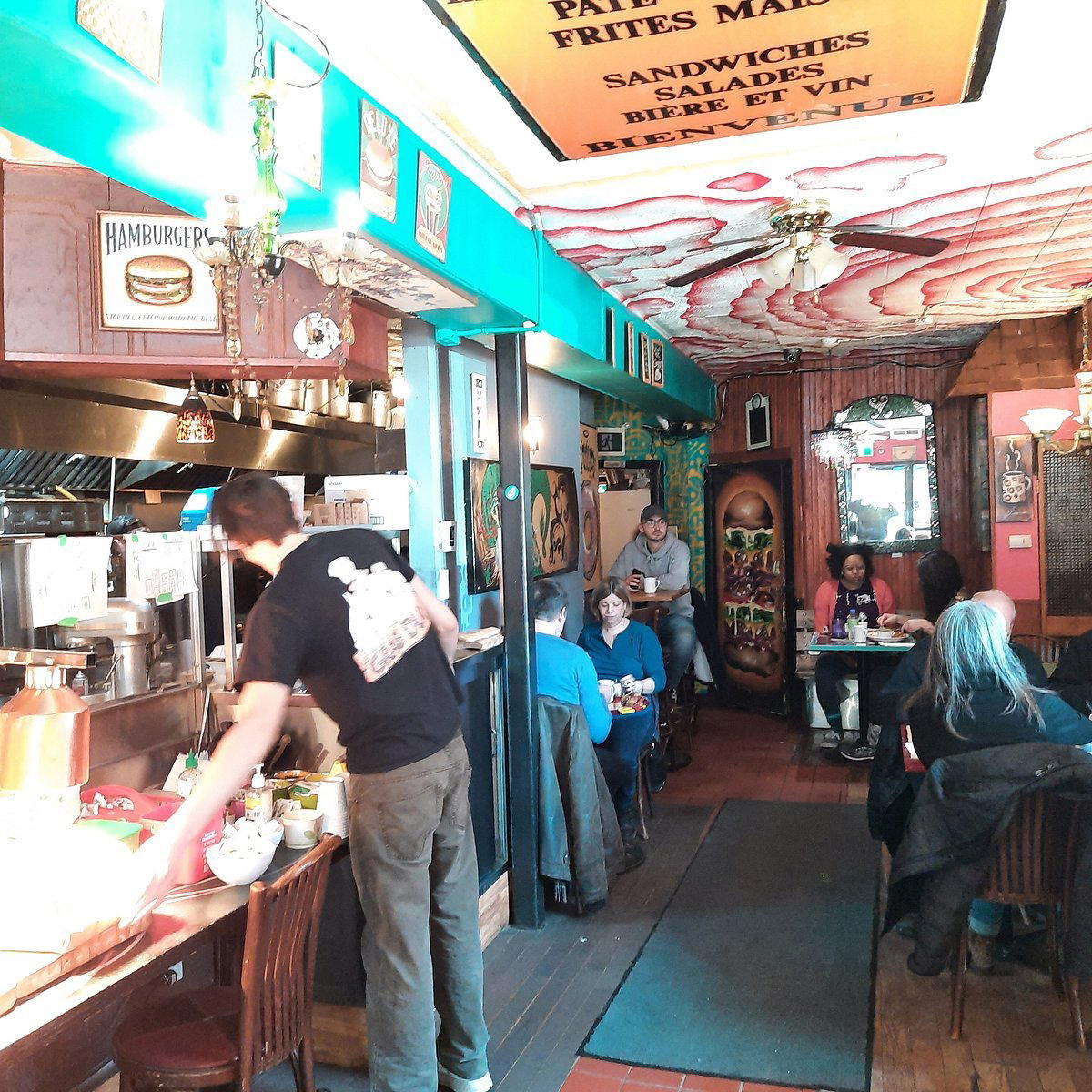
Plateau-Mont-Royal and the Address That Keeps a Low Profile
Avenue De Lorimier runs through one of Montreal's most lived-in residential stretches, a corridor where corner depanneurs, century-old duplexes with wrought-iron staircases, and the occasional neighbourhood institution sit comfortably side by side. This is the Plateau-Mont-Royal in its least performative register: no tourist infrastructure, no marquee signage, just the dense domestic fabric that makes the district worth knowing. Gite Maamm Bolduc occupies an address at 4351 Av. De Lorimier that places it squarely inside that texture, which is either a virtue or a challenge depending on how you approach Montreal dining.
In a city where the premium restaurant conversation tends to cluster around Old Montreal's stone-walled rooms or the Mile End's converted industrial spaces, a property on De Lorimier sits outside the usual editorial frame. That distance from the established circuit is, in many cases, precisely what gives a neighbourhood address its durability. The Plateau has long sustained a dining culture built more on regulars than on reservation-chasing visitors, and an address this deep into the residential grid tends to serve that local logic.
Montreal's Neighbourhood Dining Culture and Where This Fits
Montreal's mid-market and neighbourhood dining tier is one of the more coherent in Canada. The city has a long tradition of bistros, table d'hote formats, and moderately priced rooms that prioritise consistency over spectacle. L'Express on Rue Saint-Denis remains the standard-bearer for that French bistro continuity, while Schwartz's on Saint-Laurent represents the other pole of neighbourhood institution. These are places that have survived decades on the strength of repeat visits, not on press cycles.
Gite Maamm Bolduc sits in a different register again: a gite, by definition, implies a lodging component or at minimum an intimate hosted format, a model more common in Quebec's rural circuit than in Montreal proper. Gites in the province tend toward small capacity, strong host presence, and a blurred line between accommodation and dining. When that model appears in an urban neighbourhood context, it typically draws from the surrounding community first and positions itself at some distance from the formal hospitality infrastructure of the city centre.
For the Montreal dining scene more broadly, that kind of address-as-identity approach is not unusual. The city supports a range of serious neighbourhood operators alongside its high-profile rooms. Mastard and Sabayon represent the more polished modern cuisine tier at the $$$ price point, while Jérôme Ferrer - Europea anchors the $$$$ end of the city's formal dining spectrum. A neighbourhood address in the Plateau operates in a different competitive set from these, one defined more by proximity and habit than by occasion-dining logic.
What the De Lorimier Address Implies About the Experience
The specific block of Avenue De Lorimier where Gite Maamm Bolduc sits is residential in character. Approaching from either direction, the street reads as a neighbourhood artery rather than a dining destination strip. That physical reality shapes expectations before you arrive: the room, whatever its format, is embedded in daily Montreal rather than set apart from it.
For a gite format in this location, the experience is likely to be small-scale and host-driven. Quebec's gite tradition, rooted in the provincial tourism and agrotourism sector, typically involves close interaction with whoever runs the property, a different social register than a staffed restaurant dining room. Whether that translates to a hosted breakfast for guests, a shared table format, or a more informal dining arrangement is specific to how this particular address operates, and the limited publicly available data on Gite Maamm Bolduc makes precise characterisation difficult.
What the address does confirm is geographic commitment to the Plateau. The neighbourhood is walkable from the Papineau and Laurier Metro stations on the green line, which makes the De Lorimier address accessible without being central. For visitors staying elsewhere in the city, it represents a deliberate excursion into the residential Plateau rather than an incidental stop.
Placing This in the Broader Quebec and Canadian Context
Quebec's gite and auberge culture is distinct within Canada, shaped by provincial tourism policy and a francophone hospitality tradition that has historically valued the hosted, small-capacity format. Properties like Narval in Rimouski and the dining room at Fogo Island Inn in Joe Batt's Arm represent what happens when the intimate, place-rooted hospitality model is applied with serious culinary ambition. Eigensinn Farm in Singhampton in Ontario occupies a similar logic at the farm-dining intersection.
Urban gites in Montreal exist at a different scale from these rural anchors, but they share the premise that a property's character derives from its specific place and its host, rather than from a standardised service model. That premise sits at some distance from the ambitions of, say, Tanière³ in Quebec City or Alo in Toronto, which compete in formal tasting-menu tiers. It is closer in spirit to the community-embedded rooms that Montreal's neighbourhood dining culture has always generated, alongside addresses like 3 Pierres 1 Feu and Abu el zulof.
For readers building a wider Canadian dining itinerary, AnnaLena in Vancouver, Restaurant Pearl Morissette in Lincoln, and The Pine in Creemore each offer points of comparison for what neighbourhood-rooted or place-specific dining looks like in different regional contexts.
Practical Notes for Planning a Visit
Because public data on Gite Maamm Bolduc's current operating format, hours, and booking method is limited, direct contact with the property at its De Lorimier address is the appropriate first step before planning a visit. The gite format in Quebec generally implies advance booking and small group sizes, so arriving without a reservation is unlikely to be the right approach. For anyone building a Plateau-focused itinerary, the neighbourhood itself rewards an afternoon of walking before any evening commitment: the stretch between Laurier and Mont-Royal avenues covers some of the most characteristic residential architecture in the city. For the broader Montreal picture, the EP Club's full Montreal restaurants guide maps the city's dining tiers across neighbourhoods.
Cuisine and Credentials
A compact comparison to help you place this venue among nearby peers.
| Venue | Cuisine | Price | Awards |
|---|---|---|---|
| Gite Maamm BolducThis venue — the venue you are viewing | Not listed | Not listed | Not listed |
| L’Express | French Bistro | $$ | Not listed |
| Schwartz’s | Delicatessen | $ | Not listed |
| Toqué | French | $$$$ | Not listed |
| Jérôme Ferrer - Europea | Modern Cuisine | $$$$ | Michelin 1 Star |
| Mastard | Modern Cuisine | $$$ | Michelin 1 Star |
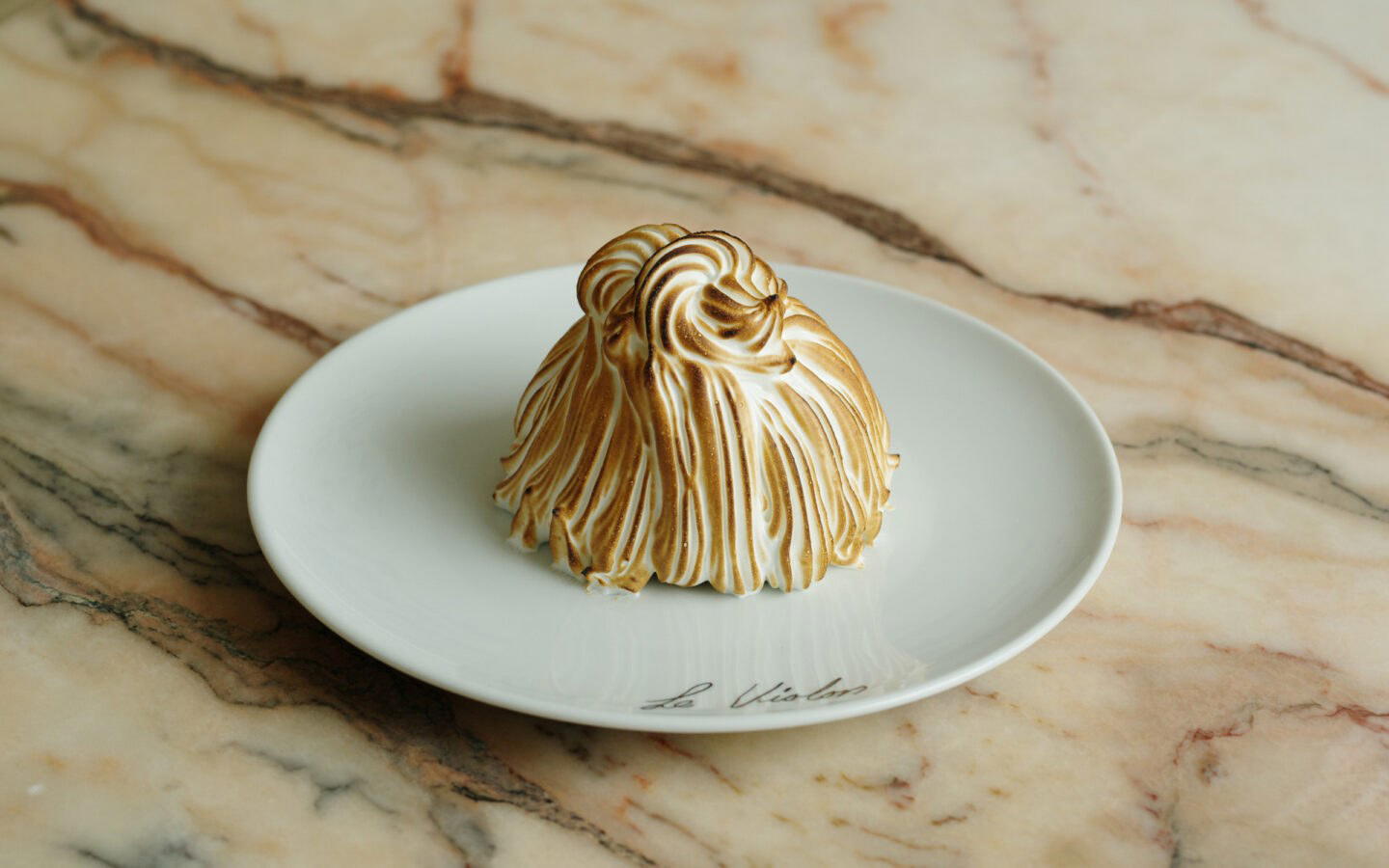
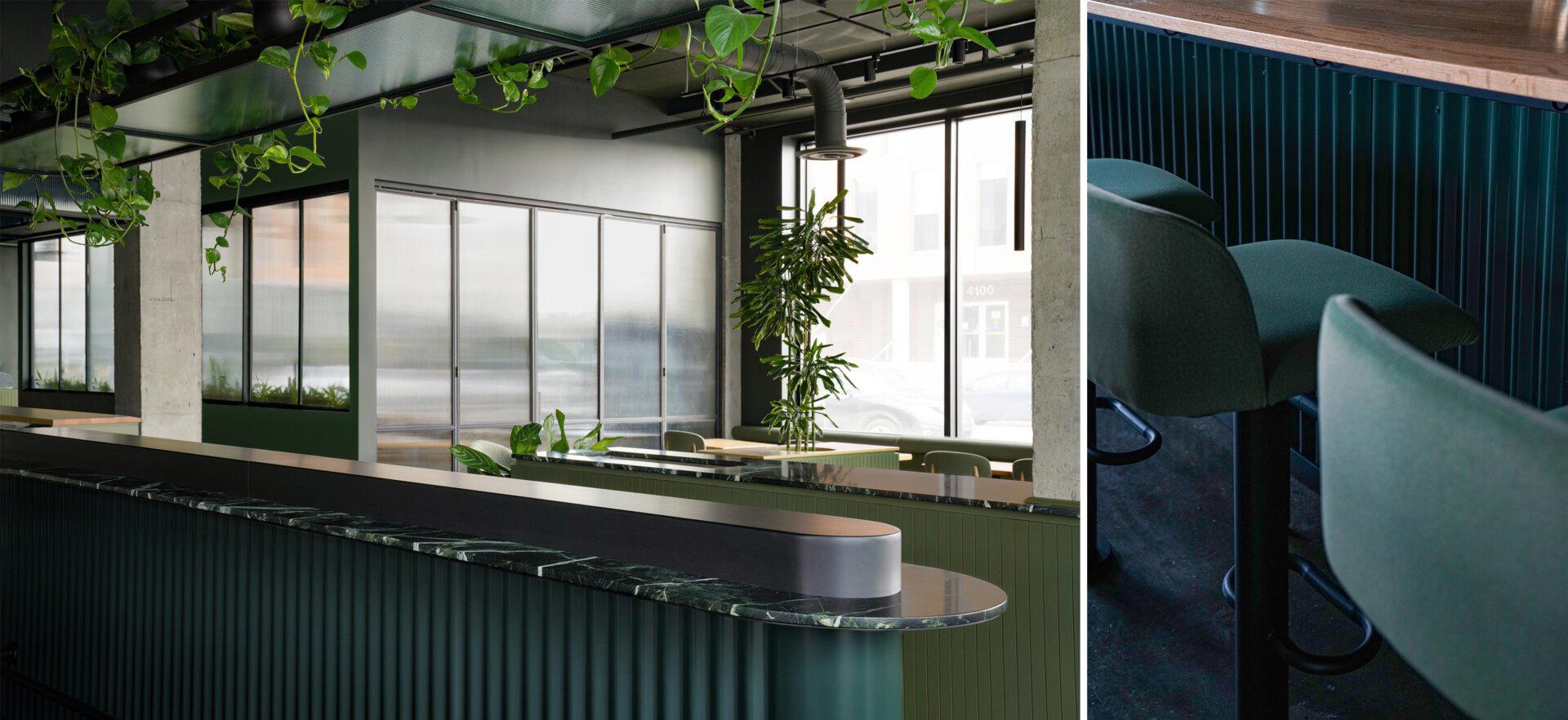
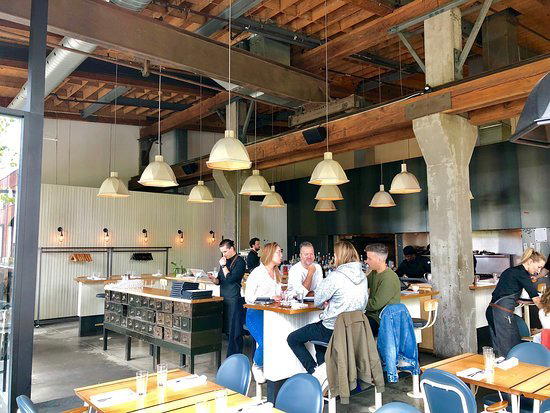
At a Glance
- Cozy
- Classic
- Casual Hangout
- Brunch
- Historic Building
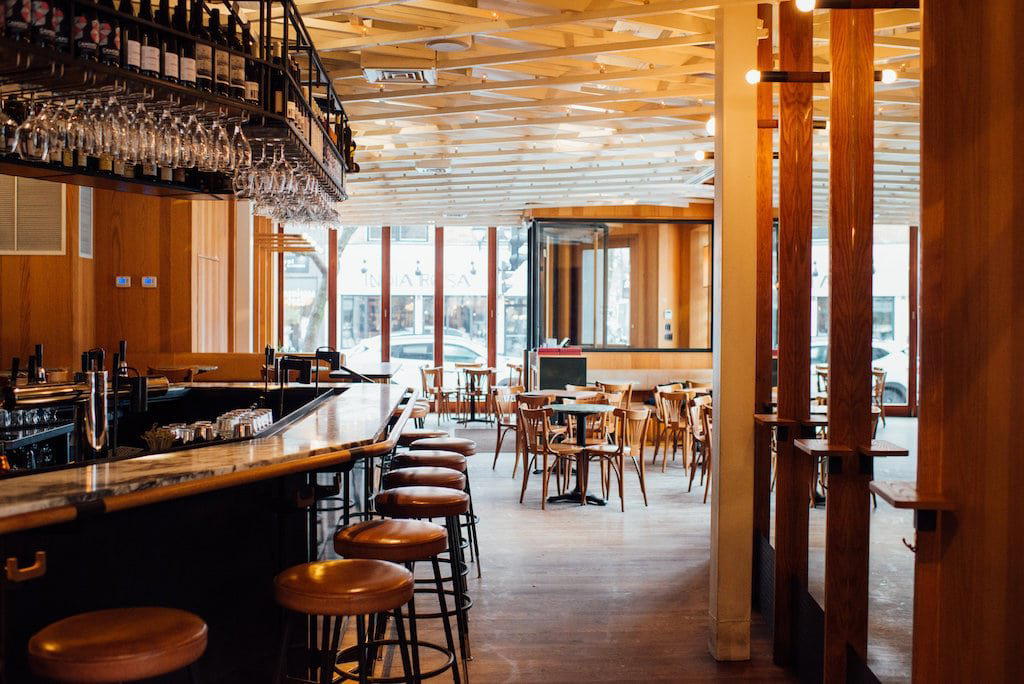
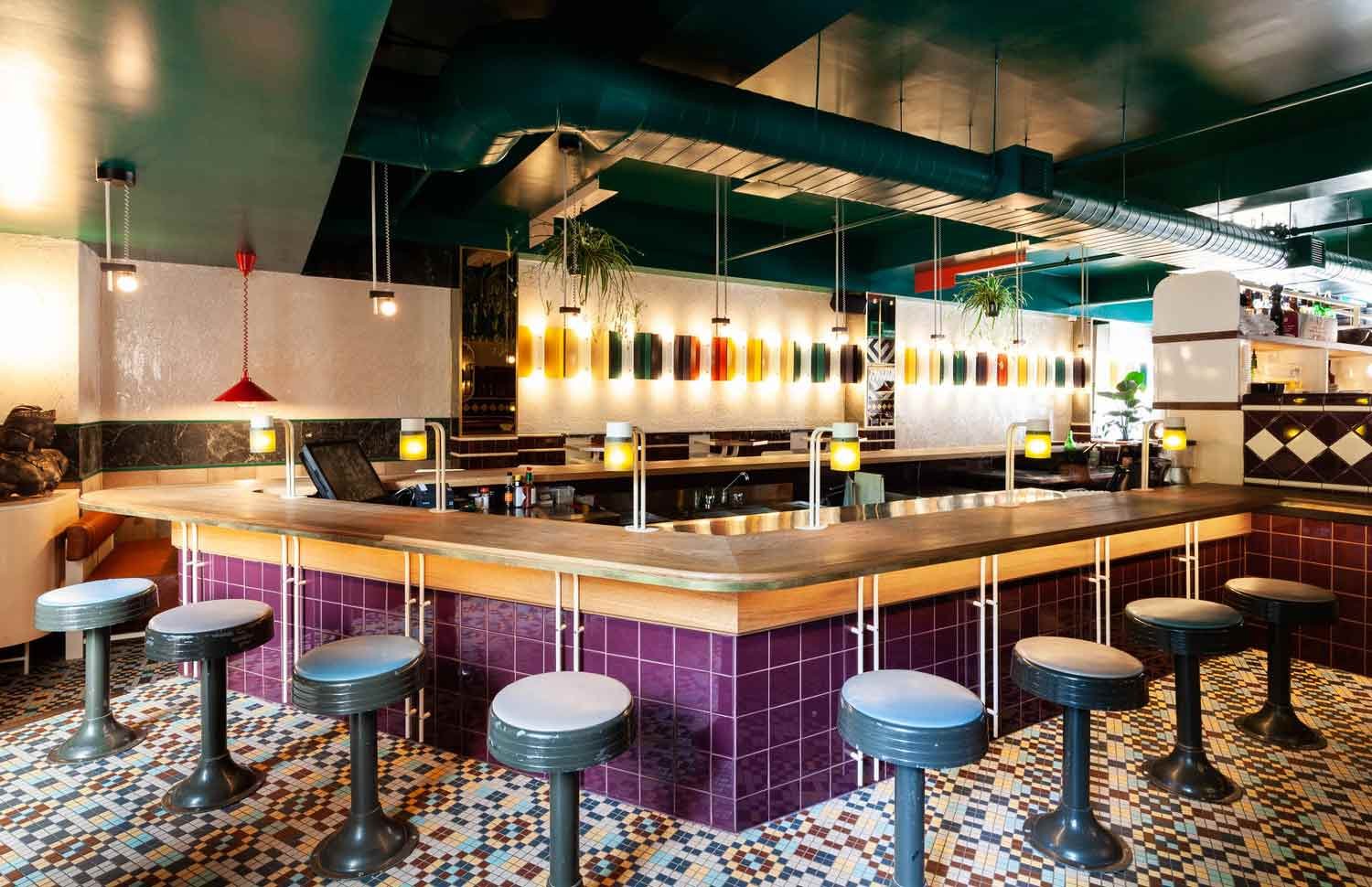
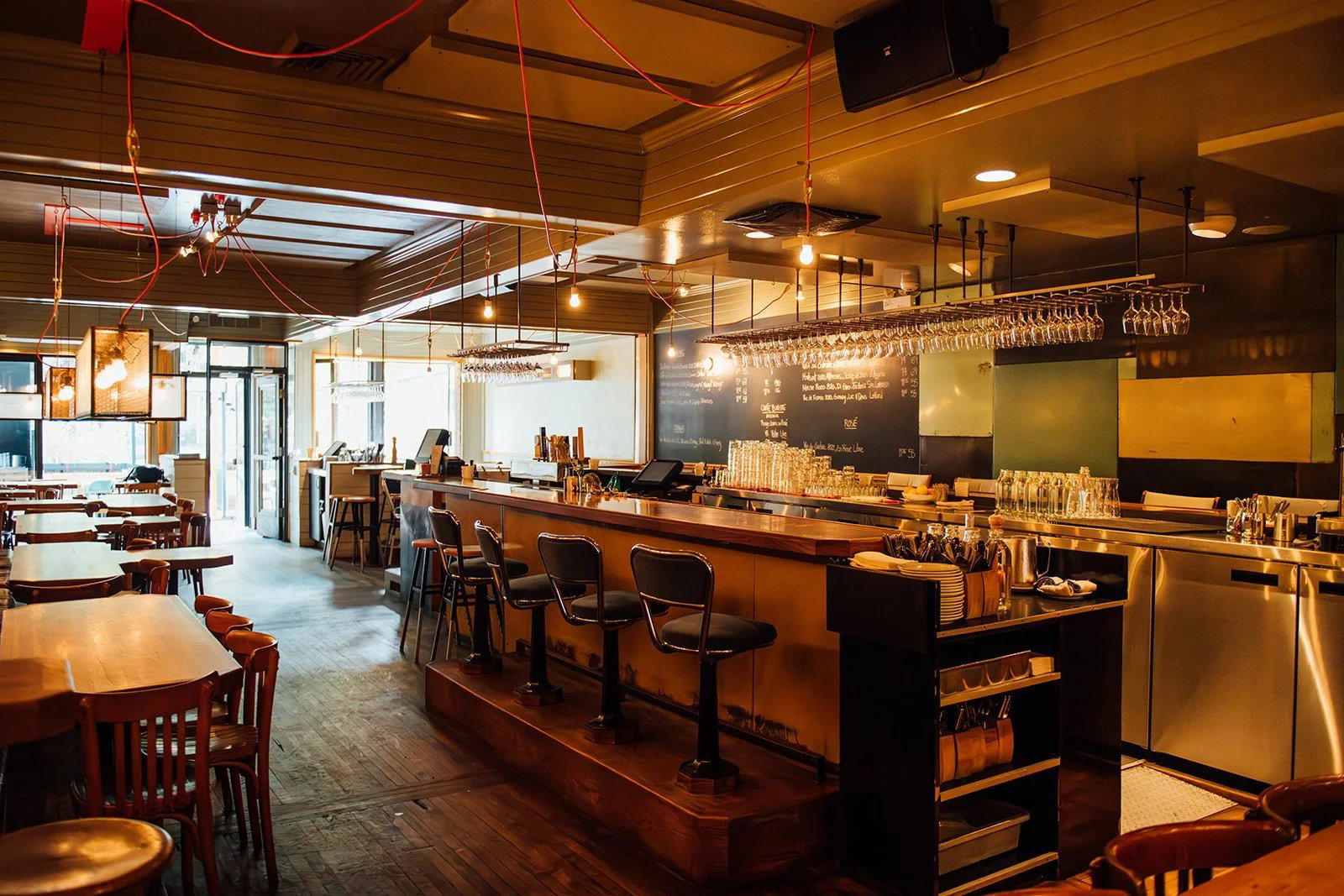
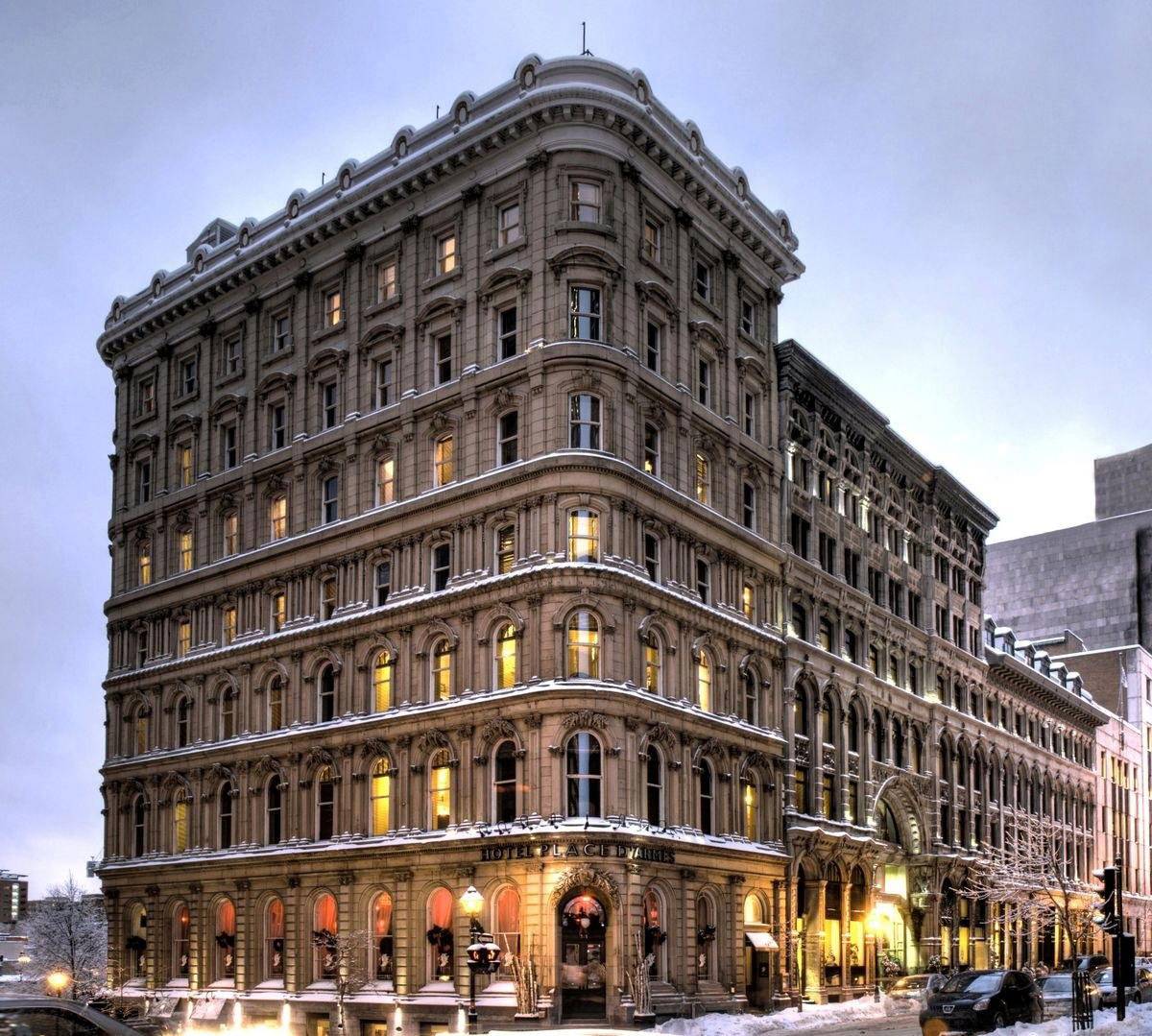
Cool, authentic neighborhood atmosphere in a historic graded building.
Know Before You Go
- Getting there
- 4351 Av. De Lorimier, Montréal, QC H2H 2B3, Canada