
Tabelog 100 #61
Our verdict
GITA gives Toyokawa a serious Italian address outside the usual Nagoya orbit, with Tabelog Italian EAST 100 selections in 2023 and 2025 and a fish-led kitchen supported by wine service. The appeal is less about metropolitan theatre than the regional Japanese-Italian pattern: produce, seafood, pasta, and a compact room where the sourcing carries the meal.

Pearl is the En Primeur Club membership app, where members save venues, book tables and use the concierge.
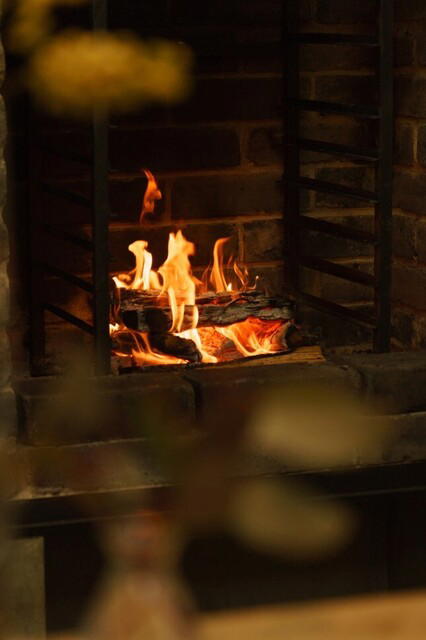
Toyokawa is not the setting many travellers picture for ambitious Italian cooking in Aichi. The rhythm can feel residential: a quieter city context, a sense of guests arriving with intent rather than drifting in from a major station-front crowd. That matters. In Japan, serious Italian cooking outside major city centres often depends less on spectacle than on disciplined pacing, careful sourcing, and a room focused enough for the kitchen to control the experience.
GITA belongs to that category. Its public identity is Italian, cafe, and pasta, but the sharper signal is how it places that familiar vocabulary in Toyokawa rather than in a major-city dining district. In a prefecture better known internationally for manufacturing power and Nagoya’s dining gravity, Toyokawa’s quieter advantage is its regional context and diners who understand Japanese seasonality even when the plate’s grammar is Italian. The result is not necessarily trattoria nostalgia, but a Japanese-Italian mode treating pasta and the broader meal as a framework for local sensibility rather than imported theatre.
Italian cooking in an Aichi dining room
Japan’s Italian scene has long split in two. One side chases the comfort language of pizza, tomato sauce, and generous pasta portions. The other uses Italian structure to express Japanese ingredients with restraint. GITA sits closer to the second camp. The Italian, cafe, and pasta positioning matters because it signals a kitchen working within a familiar category while still needing to justify itself through execution. In Aichi, that can mean an Italian meal different from the Tokyo luxury circuit: less luxury branding, more daily practicality around what is available and what can carry a course without heavy embellishment.
The format reinforces that reading. Rather than presenting itself as a volume-driven stop, GITA reads as a planned dining address where the experience depends on pacing and focus. That kind of positioning pressures the cooking: there is little room for a broad, crowd-pleasing identity to hide weaker ideas. It also suits how many Japanese restaurants translate European cuisines, narrowing the experience until the distinction lies in timing, temperature, and ingredient choice rather than abundance.
Recognition has followed that narrower path. Tabelog Hyakumeiten recognition in 2025 places GITA within a documented national restaurant platform context, not just destination hype. Its Tabelog score of 3.81 is also meaningful in Japan’s review culture, where scores compress and restaurants above the mid-threes have usually crossed a serious threshold of diner approval. Awards and scores do not explain the meal alone, but here they confirm Toyokawa’s Italian conversation is not only neighbourhood-level.
Where Toyokawa changes the Italian equation
Toyokawa is not Nagoya, and that difference should shape expectations. Nagoya supports larger dining circuits, more business entertaining, and broader international restaurant traffic. Toyokawa rewards different planning: fewer obvious alternatives, more destination intent, and a stronger case for making dinner the evening’s anchor. For broader context on the city’s dining options, Our full Toyokawa restaurants guide is the useful starting point; travellers building a full stay can also compare Our full Toyokawa hotels guide, Our full Toyokawa bars guide, Our full Toyokawa wineries guide, and Our full Toyokawa experiences guide.
The pricing tier also frames the decision. Against other Toyokawa dining rooms, GITA sits in a dinner and lunch budget band of JPY 8,000 - JPY 9,999. Comparisons with GITA, ORIBE, TamY, Tamgawa, Tengen Tempura Senmon Ten, and aru matter because they help travellers think beyond a single booking and consider what kind of evening they want in Toyokawa. GITA is not best understood as a casual pasta stop. It is priced and recognised as a planned meal, while still remaining within a clearly published budget range.
That budget range also helps separate the experience from a simple pasta-and-coffee address. Japanese Italian restaurants at this level often live or die by balance: richer courses can be dulled by heavy handling, while a thoughtful progression gives the kitchen room to work with acidity, bitterness, texture, and restraint. No single detail needs to define the point; the signal is that GITA presents itself as a considered restaurant rather than an incidental cafe meal.
How to place it within a Japan itinerary
For travellers crossing Japan by rail or driving through Aichi, the question is not whether Toyokawa offers the density of Tokyo, Kyoto, or Osaka. It does not. The stronger question is whether a regional Italian meal with documented recognition belongs in the plan. For diners interested in how European technique has been absorbed into local Japanese restaurant culture, yes, especially when the itinerary already includes Mikawa or eastern Aichi rather than a one-night sprint between major cities.
That context keeps the restaurant in proportion. This is not the same decision as booking a counter in a major-city luxury district or a tasting menu in Kyoto. It is closer to finding a serious regional address whose reputation has been tested by repeat local use and national-platform recognition. Readers comparing styles across Japan might look at the broader spread of restaurants on EP Club, from other Japanese dining rooms in major cities to regional addresses where the reference points shift with local context. For a different Japanese-food conversation abroad, overseas examples show how expectations change once the cuisine leaves Japan.
GITA is strongest for diners who care about ingredient logic more than dining-room theatre. The setting is focused, the recognition credible, and the Italian, cafe, and pasta identity gives the meal a reason to exist in Toyokawa rather than import a city template. In a region where many travellers default to Nagoya for serious dinner plans, this is the more specific choice: a Toyokawa room using Italian form to make its local context the argument.
Frequently asked questions
Is GITA okay with children?
GITA may suit children who can sit through a full dinner, but the experience is better approached as a planned restaurant meal than casual family dining.
Is GITA better for a quiet night or a lively one?
It leans toward a quiet night. The restaurant’s recognised, planned-meal positioning makes it fit a dinner that is more measured than lively.
Is GITA more mid-range or high-end?
Pricing at GITA is listed as Dinner: JPY 8,000 - JPY 9,999; Lunch: JPY 8,000 - JPY 9,999.
Where do I go for GITA?
Toyokawa.
Quick Comparison
Comparable venues by cuisine and price in the same metro.
| Venue | Cuisine | Price | Awards | Notes |
|---|---|---|---|---|
| GITAThis venue (the venue you are viewing) | Seasonal Italian tasting menu | $50–100 | Tabelog 100 #61 | Not listed |
| Lilla | Italian Fine Dining | Not listed | Tabelog 100 #11 | Higashi |
| Partenope (パルテノペ) | Authentic Neapolitan Pizza | Not listed | Tabelog 100 #62 | Ebisu |
| En Boca (エンボカ 京都) | Italian-Japanese wood-fired pizza & vegetables | $50–100 | Tabelog 100 #53 | Nakagyo-ku |
| Ginza Pizza | Modern Wood-Fired Pizza | Not listed | Not listed | Akakura |
| オステリア リュウ | Northern Italian Osteria | $50–100 | Tabelog 100 #12 | Chikusa |
Recognition history
Dated appearances from independent guides and award organizations, with the underlying list record or original source where available.
Tabelog 100 #61 · No. 61
Tabelog · Tabelog 100 - Italian - EAST - 2025
GITA
Featured Guides

Continue exploring
More in Toyokawa
Restaurants in Toyokawa
All restaurants in Toyokawa →





Details
- Romantic
- Intimate
- Elegant
- Cozy
- Date Night
- Special Occasion
- Business Dinner
- Celebration
- Standalone
- Design Destination
- Farm To Table
- Local Sourcing
- Tasting Menu
- Set Menu
- Allergy Accommodating
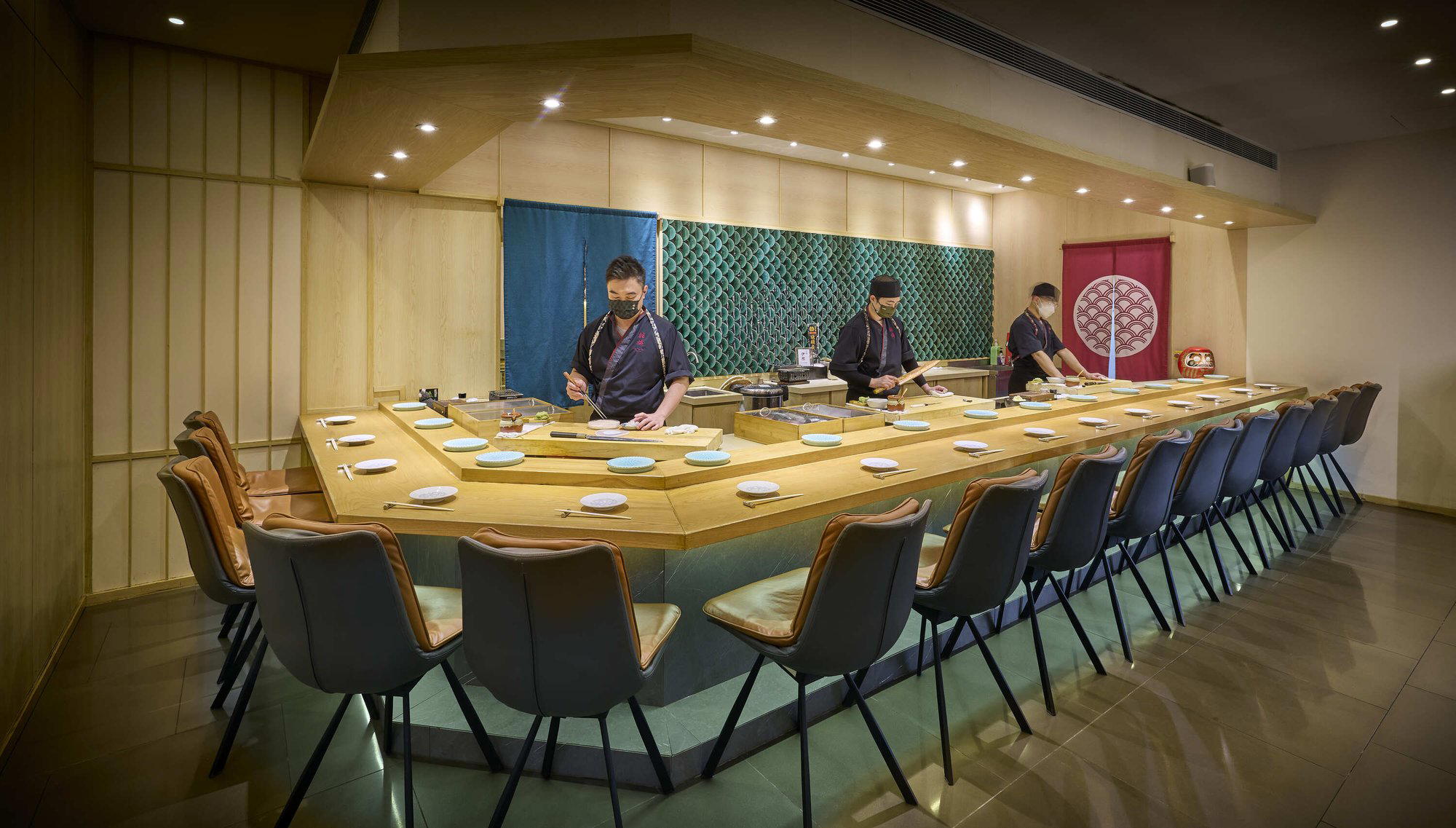
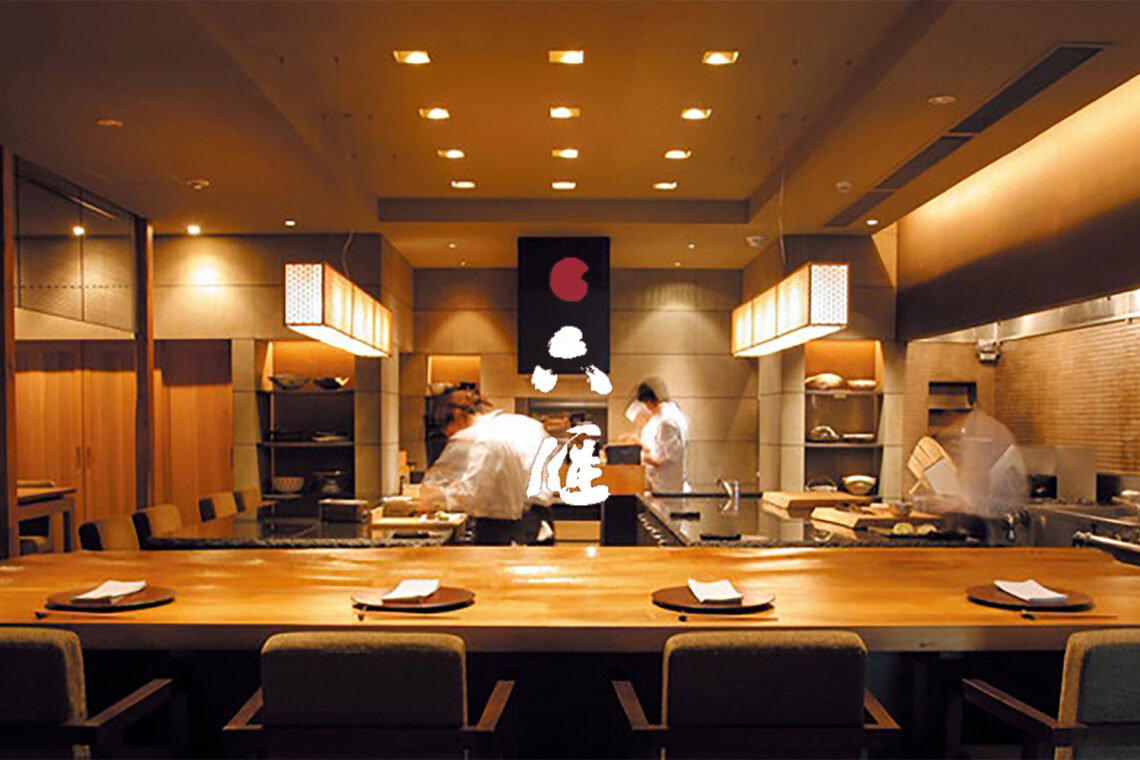
Refined, intimate dining room with a calm, unhurried atmosphere, suited to leisurely multi-course Italian meals and special-occasion dinners.