Our verdict
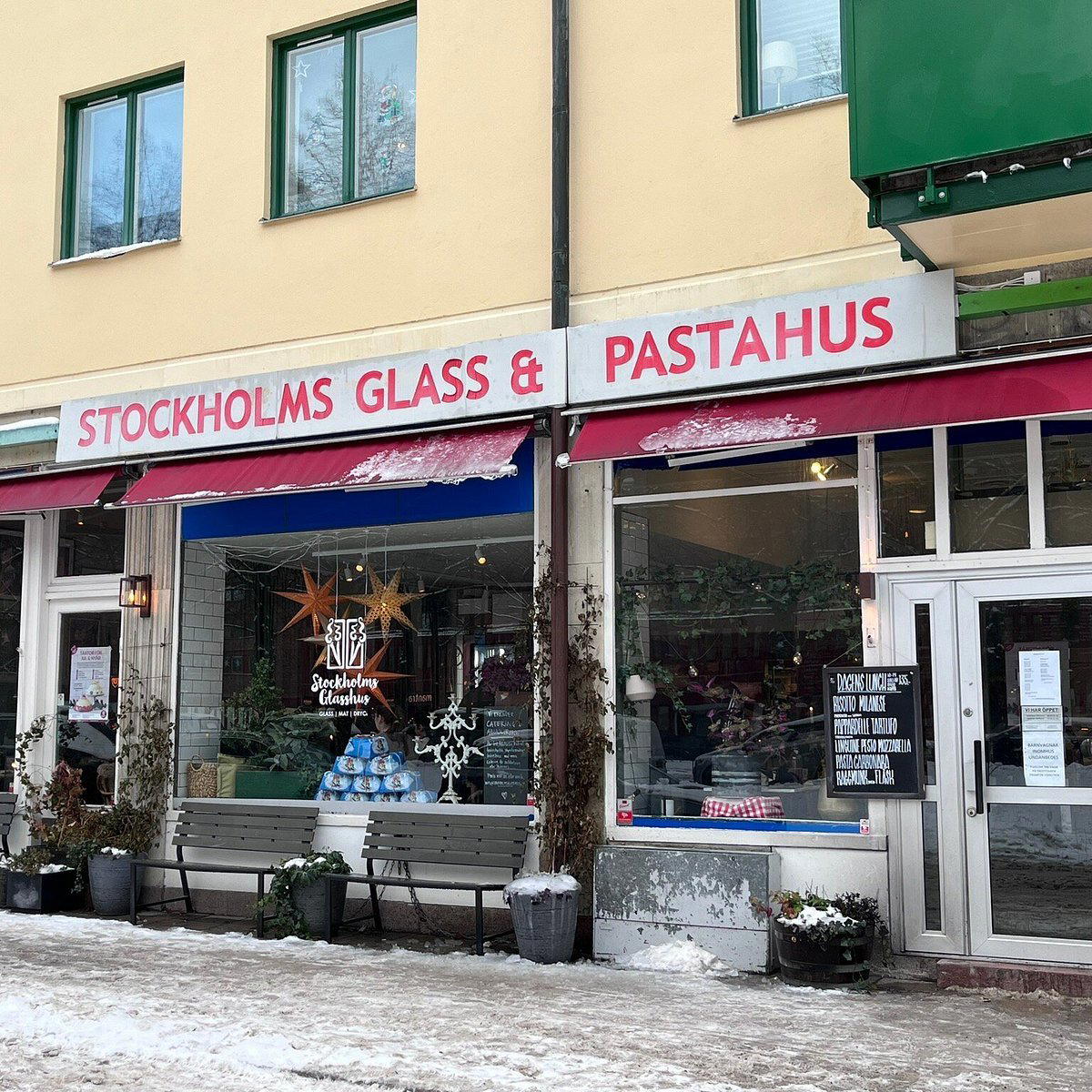
On Valhallavägen in Stockholm's Östermalm district, Stockholms Glass & Pastahus occupies a particular niche in the city's casual dining map — a neighbourhood address built around two of Europe's most adaptable formats: gelato and fresh pasta. The combination places it in a category that Stockholm's restaurant scene has historically underserved, sitting apart from the fine-dining corridor anchored by Michelin-recognised names further into the city.

Pearl is the En Primeur Club membership app — saves, bookings, and concierge access live there. Same editors, same standards.
- Address
- Valhallavägen 155, 115 31 Stockholm, Sweden
- Phone
- +4686626524
- Hours
- Mon–Fri 10:30 AM–9 PMSat–Sun 11 AM–9 PM
- Website
- stockholmsglasshus.se
- Directions
- Get directions
- Booking
- Book on TheFork
The menu
What to order
- Pappardelle con Salsiccia e Marsala
- Linguine Gamberetti Vino Bianco
Where Östermalm Meets the Counter
Valhallavägen is one of Stockholm's long, wide arteries — the kind of boulevard that connects residential Östermalm to the green edge of Djurgården without much fanfare. The address at number 155 sits in the quieter residential stretch of that road, away from the concentrated dining clusters of Stureplan or Östermalm's indoor food hall. That geography matters. Neighbourhood dining in Stockholm operates differently from destination dining, and a glass-and-pasta format at this location reads as a local proposition first, a destination second.
The category itself tells part of the story. Gelato and fresh pasta share a useful quality: both reward simplicity when the ingredients are right, and both suffer visibly when they are not. There is no sauce or technique complex enough to rescue poor-quality flour or dairy that has sat too long. In that sense, the format functions as a transparency test — the counter format, common in Italian gelato and pasta bars, makes quality or its absence immediately legible to anyone paying attention.
The Physical Format and What It Signals
Counter-led casual dining has grown steadily across Scandinavian cities over the past decade, partly as a market response to the dominance of formal tasting-menu restaurants and partly because the format suits urban lunch and early-evening patterns. Stockholm's fine-dining tier, represented by addresses like Frantzén, AIRA, and Aloë, operates at a price point and booking cadence that excludes spontaneous visits. The counter model solves that problem directly.
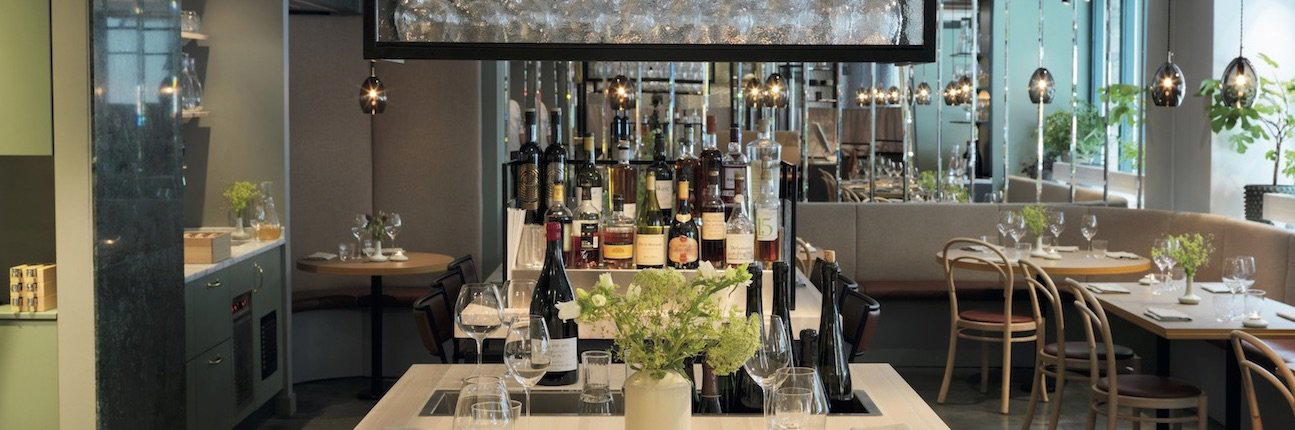
A glass-and-pasta house, by its physical design, tends toward openness: display cases, visible preparation areas, and a format that encourages browsing before committing. That legibility is part of the draw. Diners can assess before ordering, which shifts the dynamic away from the deference required at a tasting counter and toward something closer to a market transaction, but one where craft is still on display.
Stockholm's broader restaurant infrastructure is weighted toward the Nordic tasting-menu format. Adam / Albin and Operakällaren anchor the formal end of that spectrum. The gap between those experiences and a supermarket meal is wide, and Stockholms Glass & Pastahus occupies a position somewhere in that middle register, more crafted than fast casual, less ceremonial than a set-menu evening.
Pasta and Gelato in the Nordic Context
The pairing of gelato and pasta at a single address is more coherent than it might first appear. Both formats originate in Italian craft traditions where daily production cycles, fresh ingredients, and small-batch output are the operational baseline. In Italy, the gelateria and the pasta shop are distinct institutions, but importing both into a Nordic context under one roof compresses the category into something more practical for a market where specialist Italian food shops remain scarce.
Stockholm has a mature relationship with Italian food, the city's restaurant scene has absorbed pasta, pizza, and Italian wine across multiple price tiers over several decades. What remains less common is the specialist format: not Italian-inflected modern cuisine, but the artisan counter dedicated to a narrow product range executed carefully. That specificity is the editorial interest here.
In comparable European cities, this model has proven resilient. In London, Copenhagen, and Amsterdam, small-format pasta and gelato counters built around daily production have found stable audiences in residential neighbourhoods, precisely because the format fits an everyday use case rather than a special-occasion one. The Östermalm location of Stockholms Glass & Pastahus fits that pattern.
How It Sits Among Stockholm's Broader Dining Map
Stockholm's most-discussed dining addresses are concentrated in a few clusters: Gamla Stan for traditional Swedish, Södermalm for independent casual, and the area around Norrmalmstorg and Östermalm for fine dining. Valhallavägen 155 sits outside those clusters, which positions the venue as a neighbourhood resource rather than a scene destination.
That is not a disadvantage in this format. Gelato and pasta bars rarely benefit from destination traffic in the way that tasting-menu restaurants do. Their repeat-visit economics depend on proximity and consistency rather than novelty. A diner who passes Valhallavägen regularly has more reason to return than one who travelled across the city for a single experience.
For context on how Swedish regional dining has developed outside Stockholm, addresses like Vollmers in Malmö, VYN in Simrishamn, and ÄNG in Tvååker demonstrate how high-intent dining has spread across the country's geography. The contrast with a neighbourhood pasta-and-gelato counter in Stockholm is instructive: the formal Swedish dining scene has become increasingly destination-oriented, while the everyday tier has remained local by necessity.
Elsewhere in Sweden, 28+ in Gothenburg, Signum in Mölnlycke, Knystaforsen in Rydöbruk, PM & Vänner in Växjö, Adrian Restaurang in Borås, Brasserie Park in Jönköping, and Enoteket in Norrköping represent the range of serious dining available outside the capital. Stockholms Glass & Pastahus operates in a different register entirely, not competing in the fine-dining tier, but filling a format gap that the capital's restaurant scene has been slow to address at the neighbourhood level.
For anyone building a broader understanding of Stockholm's dining options, our full Stockholm restaurants guide maps the city's dining across categories and price points. The international comparison points are worth noting too: the precision-driven counters of Le Bernardin in New York City and the tasting-menu rigour of Atomix in New York City represent what happens when a narrow format is executed at the highest tier. The casual counter version of that discipline, applied to gelato and pasta, operates on different economics but shares the same underlying logic: focus on fewer things and do them with care.
Planning a Visit
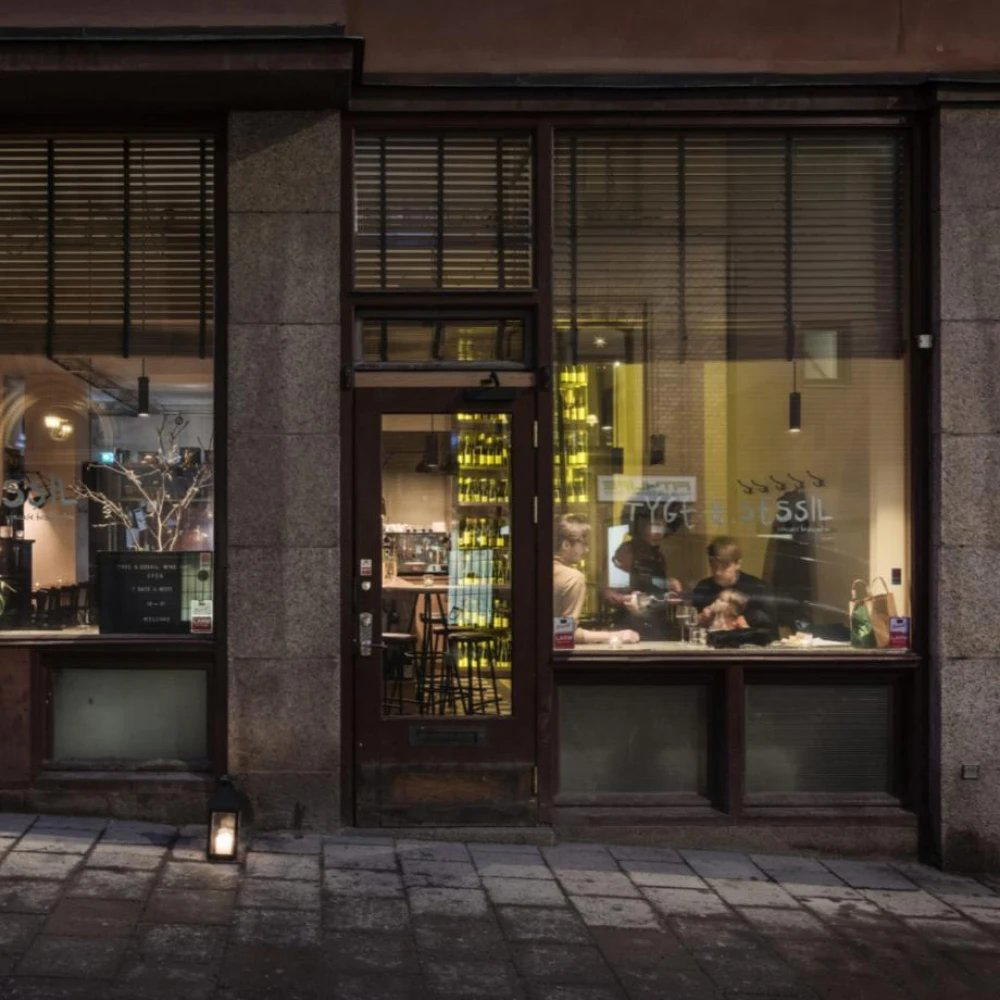
Stockholms Glass & Pastahus is located at Valhallavägen 155, 115 31 Stockholm. The address is accessible from central Stockholm by metro (Karlaplan station is a short walk) or by tram along Valhallavägen. The neighbourhood character of the location suggests walk-in visits are the standard format for this type of counter operation, though confirming in advance is advisable for groups.
Frequently asked questions
What's the address for Stockholms Glass & Pastahus?
Stockholms Glass & Pastahus is located at Valhallavägen 155, 115 31 Stockholm, Sweden, Stockholm.
How does Stockholms Glass & Pastahus compare to other Italian-style counters in Stockholm?
Dedicated gelato and fresh pasta counters remain a small category in Stockholm compared to cities like Copenhagen or Oslo, where Italian craft formats have a longer independent foothold. Stockholms Glass & Pastahus at Valhallavägen 155 sits within Östermalm, a district more associated with formal dining and Nordic menus than Italian counter formats, which gives it a degree of category distinction in its immediate neighbourhood.
What's the must-try dish at Stockholms Glass & Pastahus?
The venue is built around two formats: fresh pasta and gelato, both rooted in Italian craft tradition. Without a fixed published menu available, the most direct approach is to ask at the counter what is made fresh that day, as counter-led houses of this type typically rotate based on available ingredients. Both the pasta and gelato sides of the operation are core to the address, not secondary offerings.
Is Stockholms Glass & Pastahus reservation-only?
No reservation details are currently published for Stockholms Glass & Pastahus at Valhallavägen 155.
What has Stockholms Glass & Pastahus built its reputation on?
The venue occupies a specific and relatively narrow niche in Stockholm's dining map: combining fresh pasta and artisan gelato under one roof, drawing on Italian craft traditions applied to a counter format in residential Östermalm. On a boulevard like Valhallavägen, which connects Östermalm to the green edge of Djurgården, it serves a neighbourhood that has historically had fewer independent casual dining options than Södermalm or Vasastan.
What It’s Closest To
Comparable venues nearby, for context on price, style, and recognition.
| Venue | Cuisine | Price | Awards | Notes |
|---|---|---|---|---|
| Stockholms Glass & PastahusThis venue — the venue you are viewing | Italian Pasta & Gelato | $20–30 | Not listed | Not listed |
| Ateljéns Pizza | Italian Pizza | $20–30 | Star Wine List | Gamla Enskede |
| Ciccio's | Italian-American | $20–30 | Not listed | Östermalm |
| Un Poco | Italian Trattoria | $30–50 | Not listed | Östermalm |
| Basta Urban Italian | Urban Italian | $20–30 | Not listed | Norrmalm |
| Macelleria | Traditional Italian Trattoria with Sardinian Influences | $50–100 | Not listed | Vasastaden |