Our verdict
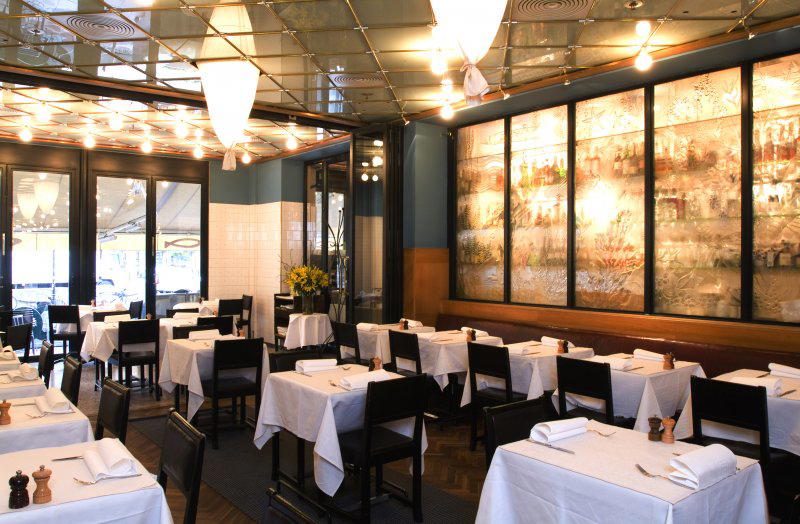
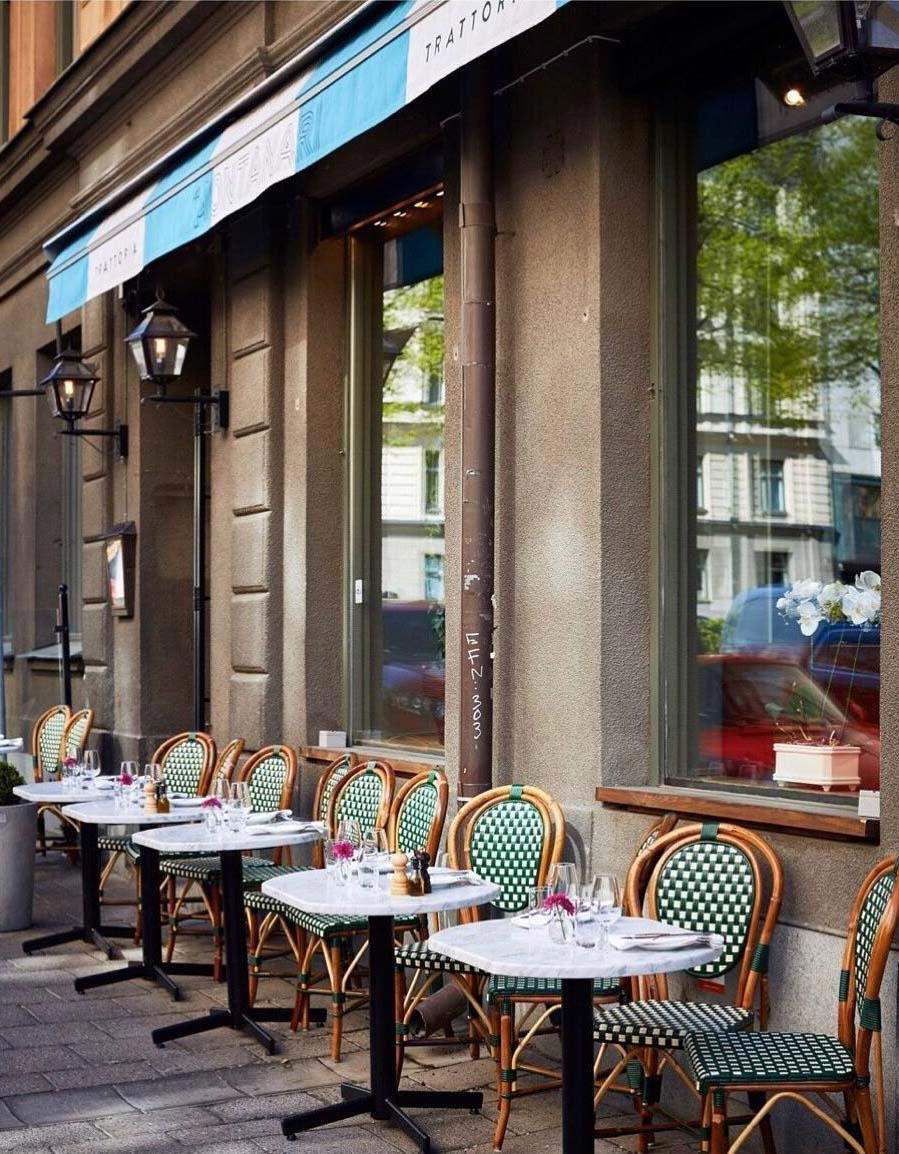
A trattoria format operating on Grev Turegatan in Östermalm, Trattoria Montanari sits at the quieter, more intimate end of Stockholm's Italian dining spectrum. The address places it in one of the city's most affluent residential quarters, where the expectation is consistency over spectacle. For Stockholm diners weighing Italian against the city's New Nordic-heavy restaurant scene, it occupies a distinct lane.

Pearl is the En Primeur Club membership app — saves, bookings, and concierge access live there. Same editors, same standards.
- Address
- Grev Turegatan 56, 114 38 Stockholm, Sweden
- Phone
- +46 8 660 76 94
- Hours
- Mon–Fri 11:30 AM–2:30 PM, 5 PM–12 AMSat–Sun 12–3 PM, 5 PM–12 AM
- Website
- montanari.se
- Directions
- Get directions
The menu
What to order
- Spaghetti alle Vongole
- Tagliatelle al Tartufo
- Tiramisu
Italian Dining in a Nordic City: The Trattoria's Place in Stockholm's Eating Culture
Stockholm's restaurant scene has spent the past decade consolidating around a handful of dominant formats: tasting-menu Nordic at the leading end, with venues like Frantzén and AIRA anchoring the prestige tier, and a growing mid-market of casual but serious cooking spread across Södermalm and Östermalm. Italian dining occupies an interesting position within that structure. It does not command the cultural authority it holds in London or New York, but it fills a gap that Nordic tasting menus cannot: the weeknight dinner, the two-hour lunch, the meal that asks nothing ceremonial of the guest.
Trattoria Montanari sits on Grev Turegatan 56, in Östermalm, the district that functions as Stockholm's most established residential and dining quarter. Östermalm's dining character tends toward the considered rather than the experimental. The neighbourhood's clientele is largely local, repeat-visit, and attentive to quality without requiring novelty. A trattoria format suits that audience precisely because it trades on the reliability of a genre rather than the ambition of a single vision.
The Italian trattoria as a form carries specific meaning. It implies a certain scale of operation, a menu anchored in regional Italian cooking rather than fusion innovation, and a relationship between kitchen and guest that is less transactional than the tasting-menu format allows. In cities where the category is well-developed, the leading trattorias earn loyalty not through reinvention but through consistency of sourcing, technique, and atmosphere across many visits.
Östermalm and the Question of Ethical Sourcing
Across Scandinavia, the sustainability conversation in restaurant kitchens has moved well past marketing. Sweden's broader food culture has long placed pressure on restaurants at every price point to account for provenance, reduce waste, and work within shorter supply chains where possible. This is not a premium-only concern: it has filtered through to neighbourhood dining in a way that has few parallels in southern Europe or North America.
For Italian-format restaurants operating in Stockholm, that creates an interesting tension. Traditional Italian cooking is deeply regional and seasonal by nature, which aligns well with Nordic sourcing ethics. But the category also depends on imported ingredients: olive oil, aged cheeses, cured meats, specific pasta flour. How a kitchen resolves that tension, whether it leans into Swedish seasonal produce adapted to Italian technique, or maintains Italian authenticity at the cost of longer supply chains, defines much of its character.
The trattoria format is, in some respects, better suited to this negotiation than the haute cuisine model. Smaller menus, tighter rotations, and closer supplier relationships all reduce the structural waste that large, complex tasting menus generate. Restaurants with fewer covers and a focused repertoire tend to order more precisely and use more completely. The hospitality industry's broader push toward nose-to-tail thinking and zero-waste prep has reached the casual dining tier in Stockholm more effectively than in many comparable European cities.
This is the context in which a venue like Trattoria Montanari operates. The Grev Turegatan address, in a low-turnover, high-repeat-visit neighbourhood, structurally favours the kind of menu discipline that supports responsible sourcing. The economics of an Östermalm trattoria depend on returning guests, which in turn depends on the kitchen's ability to source consistently and cook with precision rather than novelty.
How Italian Trattorias Fit Stockholm's Competitive Restaurant Field
The upper tier of Stockholm's dining scene is well-documented. Operakällaren holds the historical prestige position for Swedish formal dining. Aloë and Adam / Albin represent the New Nordic school at its most refined.
The Italian mid-market sits outside that competitive tier entirely. It is not trying to position against Frantzén any more than a neighbourhood trattoria in Rome is competing with a three-star dining room in the same city. The competitive set is different: other casual Italian formats, the better Östermalm bistros, the kind of French brasserie that occupies similar real estate in the same neighbourhood. For a broader sense of how serious cooking operates at different price points across Sweden, it is worth cross-referencing against venues like Vollmers in Malmö, Signum in Mölnlycke, or ÄNG in Tvååker, each of which demonstrates how Swedish regional cooking at a high level differs structurally from the urban casual format.
Internationally, the trattoria's natural comparisons are to the kind of serious neighbourhood Italian that cities like New York and San Francisco have developed into a refined category in its own right. The rigour applied to sourcing and technique at places like Le Bernardin in New York or the farm-to-table commitment evident at Lazy Bear in San Francisco illustrate how a commitment to provenance can operate at very different price points and format scales. The question for any Stockholm Italian in this tier is whether it brings comparable discipline to its sourcing and execution.
Planning a Visit: Practical Notes
Trattoria Montanari is located at Grev Turegatan 56 in Östermalm, reachable on foot from Östermalmstorg metro station in under ten minutes. The surrounding streets include some of Stockholm's more established restaurant and café addresses, making the area direct to combine with pre- or post-dinner drinks. As with most neighbourhood trattorias in the city, weekday evenings tend to run quieter than Thursday through Saturday, and the lunch service, where offered, typically represents the better value proposition relative to dinner.
For readers building a wider Stockholm itinerary around food, our full Stockholm restaurants guide maps the city's dining options across formats and price tiers. Those travelling further south in Sweden should note that the Hoze in Gothenburg, Claesgatan 8 in Malmö, and Bistro Jarlen in Halmstad represent the kind of serious regional cooking that makes Sweden's mid-sized cities worth building dining itineraries around. Further afield, VYN in Simrishamn, Knystaforsen in Rydöbruk, PM & Vänner in Växjö, and Sydkustens at Pillehill in Skivarp show how the Swedish countryside has developed its own distinctive dining identity separate from the capital.
Frequently asked questions
What's the address for Trattoria Montanari?
Trattoria Montanari is located at Grev Turegatan 56, 114 38 Stockholm, Sweden, Stockholm.
How does Trattoria Montanari compare to other Italian restaurants in Stockholm?
Stockholm's Italian restaurant field is relatively compact at the serious end, with most of the city's critical attention going to Nordic and New Nordic formats. Trattoria Montanari's address in Östermalm at Grev Turegatan 56 places it in one of Stockholm's most competitive dining neighbourhoods, alongside venues that hold Michelin recognition.
What do people recommend at Trattoria Montanari?
Östermalm's dining culture, where the restaurant sits at Grev Turegatan 56, leans toward produce-conscious kitchens, so market availability shapes what lands on the table. For current highlights, contacting the venue directly before your visit is the most reliable approach.
Do they take walk-ins at Trattoria Montanari?
Trattorias in Stockholm's Östermalm district operate across a range of booking models, and neighbourhood demand at Grev Turegatan 56 can vary significantly by day of week and season. Arriving early in a service or calling ahead when possible reduces the risk of a wasted trip.
What's Trattoria Montanari best at?
Trattoria Montanari positions itself within the Italian trattoria format rather than the Nordic tasting-menu model that dominates Stockholm's upper tier. That distinction matters in Östermalm, where most comparable addresses trend toward either high-end Swedish or pan-European fine dining. The trattoria model historically prioritises accessible, produce-led cooking over elaborate presentation, which gives it a different register from the tasting-menu rooms nearby.
Cuisine and Awards Snapshot
Comparable venues nearby, for context on price, style, and recognition.
| Venue | Cuisine | Price | Awards | Notes |
|---|---|---|---|---|
| Trattoria MontanariThis venue — the venue you are viewing | Authentic Italian Trattoria from Marche | $30–50 | Not listed | Not listed |
| Ateljéns Pizza | Italian Pizza | $20–30 | Star Wine List | Gamla Enskede |
| Trattoria Corazza | Authentic Italian Trattoria | $50–100 | Not listed | Vasastan |
| Eataly Stockholm | Authentic Italian Food Hall | $30–50 | Not listed | Östermalm |
| 800 Grader | Authentic Neapolitan Pizza | $20–30 | White Guide Sweden Restaurants - Recommended | Vasastan |
| Giro | Authentic Neapolitan Pizza | $20–30 | Not listed | Norrmalm |