Hoze



Hoze brings omakase to Gothenburg's Stigberget neighbourhood with a format as strict as any Tokyo counter, two-hour sittings, four evenings a week, and a menu entirely at Chef José Cerdá's discretion. A Michelin star arrived in 2025, following consecutive Opinionated About Dining recognitions since 2023. The price range sits at the summit of the Gothenburg market, and the booking window reflects that demand.
Pearl is the En Primeur Club membership app — saves, bookings, and concierge access live there. Same editors, same standards.
- Address
- Stigbergsliden 17, 414 63 Göteborg, Sweden
- Website
- hozerestaurant.com
- Directions
- Get directions
 Saves & bookings on Pearl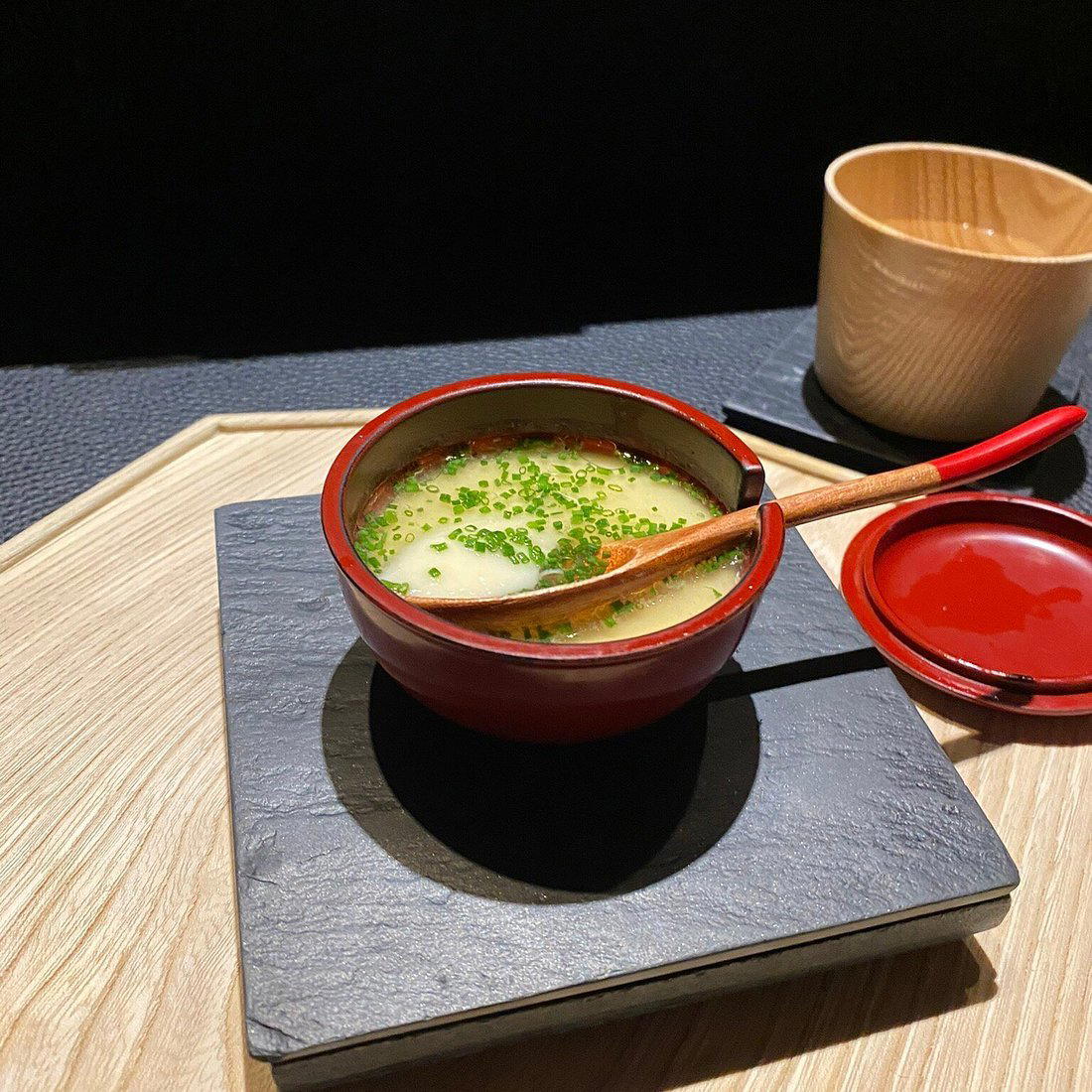
A Counter in Stigberget That Operates on Tokyo Logic
Hoze is a one-star restaurant in Gothenburg, Sweden, serving Nordic-Japanese omakase at Stigbergsliden 17. Hoze runs on a format borrowed from Japanese omakase culture: no à la carte, no walk-ins, no negotiation with the menu. You book, you arrive, and you surrender. What happens between 6 and 8 pm is entirely at Chef José Cerdá's discretion.
That format is increasingly present in European fine dining, but Gothenburg is not Tokyo, and the city's dining culture has historically leaned toward New Nordic frameworks and open kitchens rather than the counter-and-chef intimacy that defines Japanese sushi bars. Hoze sits at an intersection of those worlds, Swedish geography, Japanese discipline, and the awards record suggests the positioning has landed. Opinionated About Dining recommended it among Europe's leading new restaurants in 2023, ranked it at #394 across the continent in 2024, and placed it at #503 in 2025. Michelin awarded it one star in 2025.
The Omakase Contract
The phrase "omakase" translates loosely as "I leave it to you", a phrase that sounds simple but carries significant weight in practice. When a guest sits down at an omakase counter, they are not ordering. They are entering an agreement: the chef sets the sequence, the pacing, the ingredients, and the quantities. The diner's role is to receive, observe, and respond. This is a fundamentally different social contract from conventional European restaurant dining, where the menu is a negotiation between kitchen ambition and guest preference.
At Hoze, the two-hour window is fixed. Wednesday through Saturday, 6 to 8 pm, four evenings a week, with Sunday through Tuesday dark. That constraint is not incidental. Omakase formats depend on controlled pacing, and a kitchen serving omakase cannot absorb the variability of open-ended sittings without compromising the sequence. The chef sets the sequence, and the meal unfolds as a single arc rather than a series of individual orders.
What this means practically: Hoze is not a venue for spontaneous visits. Demand at this price tier and format type in a city of Gothenburg's size means forward planning matters. The €€€€ price point places it above the Michelin-starred tier occupied by Koka and 28+, both one-star holders at €€€.
Where Hoze Sits in the Gothenburg Fine Dining Tier
Gothenburg has a serious restaurant culture for a city of its size. The concentration of Michelin stars relative to population is among the higher ratios in Scandinavia, and the city has produced influential kitchens across multiple categories, from the long-running Nordic ambition of SK Mat & Människor to the focused modernism of Project. The French-leaning bar scene has also deepened, with venues like Bar La Lune bringing technique-first sensibilities to drinking culture.
Against that backdrop, a Japanese omakase counter is a specific kind of commitment. It requires a guest base willing to accept the chef's authority over the full experience, and willing to pay €€€€ pricing for a format where the menu is not disclosed in advance. In Japan, that social contract is well-rehearsed. In Gothenburg, it is newer, and the fact that Hoze has earned consecutive OAD recognitions and a Michelin star within its first three years of operation suggests the market was ready for it, even if the format was not.
For context on how sushi omakase operates at its highest tiers internationally, the format at venues like Harutaka in Tokyo and Sushi Shikon in Hong Kong sets the benchmark, tight counters, long lead times, chef-set sequencing, and pricing that reflects the specialisation required. Hoze operates in that tradition rather than the looser category of European restaurants that add sushi to a broader menu.
Chef José Cerdá and the Non-Japanese Omakase Question
Japanese omakase culture traditionally resolves the question of authority through lineage: a chef trained under a master, inheriting a school of technique and taste. When a non-Japanese chef adopts the format, the lineage question becomes more complicated, and the guest implicitly asks whether the trust on offer is warranted. Gothenburg's dining audience is sophisticated enough to ask it.
The OAD ranking system is particularly attentive to this question. Restaurants ranked in OAD's European top 500 are evaluated by people who eat across the full range of fine dining options on the continent. Hoze's 2023 to 2025 OAD results, alongside Michelin recognition, suggest the kitchen's authority has been accepted on its own terms.
Chef José Cerdá's presence as the named chef is the primary credential available here. The kitchen's output is the evidence.
Practical Considerations for Booking
The operational structure at Hoze is narrow by design. Four service evenings per week, Wednesday through Saturday, with a fixed two-hour sitting from 6 to 8 pm. There are no alternative windows, no lunch service, and no extended evening option. For visitors to Gothenburg planning around this reservation, that means aligning a multi-night stay with a Wednesday-to-Saturday window.
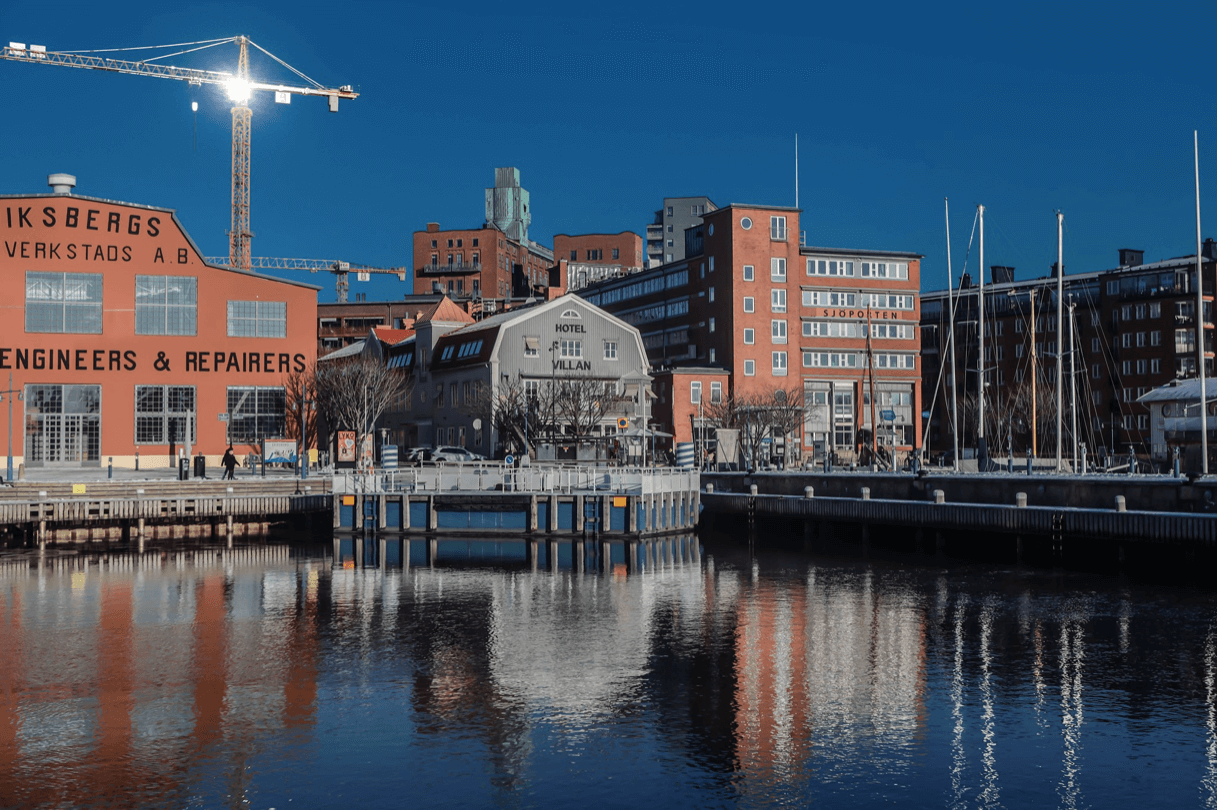
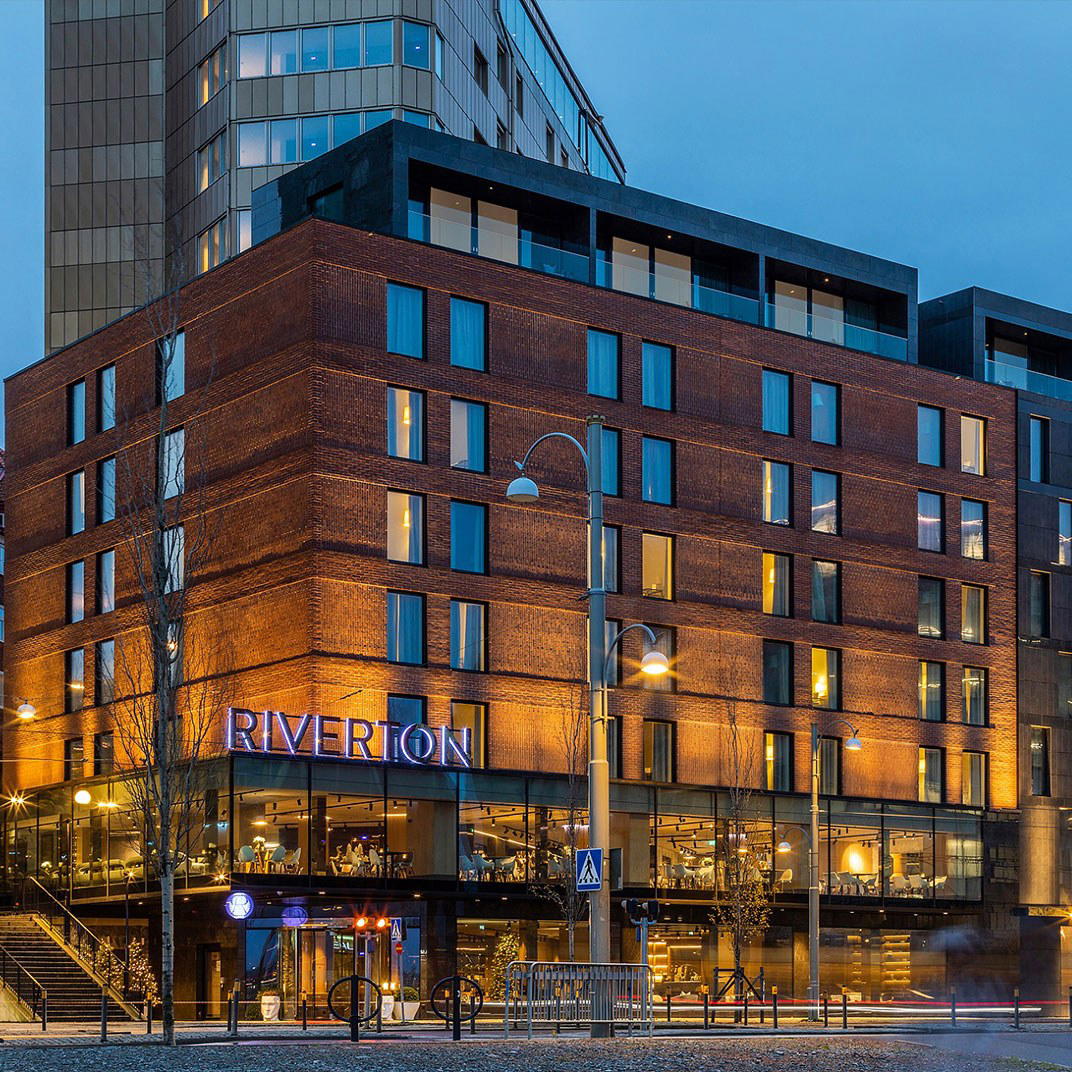
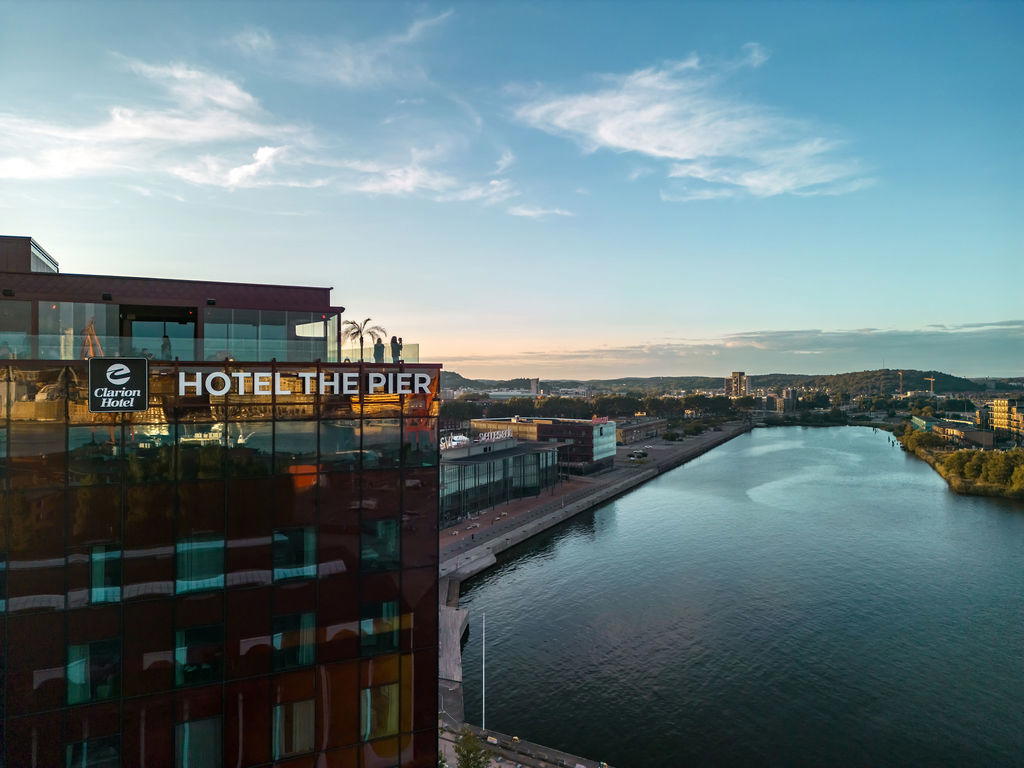
Gothenburg's hotel options across several price tiers are accessible from Stigberget by foot or a short taxi, and the neighbourhood's residential character means post-dinner options are limited nearby. Visitors wanting to extend the evening into Gothenburg's bar or wine circuit should plan the onward itinerary in advance, given that much of the city's concentrated dining and drinking activity sits across the Göta älv.
The Swedish Omakase in a Wider Scandinavian Frame
Hoze fits into a broader shift in Scandinavian fine dining away from exclusively Nordic-produce-led narratives. The region's most recognised restaurants have long been defined by foraging, fermentation, and hyper-local ingredient sourcing, a framework that Frantzén in Stockholm has pushed furthest toward Japanese-Nordic fusion. Outside the city, kitchens like Signum in Mölnlycke, Vollmers in Malmö, VYN in Simrishamn, ÄNG in Tvååker, and Knystaforsen in Rydöbruk represent the continued vitality of that regional tradition. Hoze is doing something different: it is testing whether Japanese format discipline, applied by a non-Japanese chef in a Swedish city, can earn the same kind of trust that counter-based omakase commands in its home environment. Three years of independent recognition suggest it can.
For diners whose primary interest is traditional New Nordic or modern Scandinavian cuisine, Gothenburg offers several well-credentialed alternatives at the €€€ tier. For those specifically interested in counter dining, chef-led sequencing, and the omakase contract, the surrender of the menu as a positive act rather than a limitation, Hoze is the only address in Gothenburg currently operating at this format and recognition level.
Peers You’d Cross-Shop
Comparable venues nearby, for context on price, style, and recognition.
| Venue | Cuisine | Price | Notes |
|---|---|---|---|
| HozeThis venue — the venue you are viewing | Nordic-Japanese Omakase | $$$$ | Not listed |
| Project | Modern New Nordic | $$$ | Lorensberg |
| Koka | Modern Swedish Gastronomy | $$$ | Landala |
| SK Mat & Människor | Modern Swedish Fine Dining | $$$ | Lorensberg |
| Koizen | Modern Japanese Omakase | $$$$ | Linné |
| 28+ | French-Scandinavian Fine Dining | $$$$ | City Center |
Recognition history
Dated appearances from independent guides and award organizations, with the underlying list record or original source where available.
Michelin 1 Star
Michelin
White Guide Nordic Restaurants - Masters Level
White Guide
White Guide Sweden Restaurants - Masters Level
White Guide
Michelin 1 Star
Michelin
Opinionated About Dining Top Restaurants in Europe Ranked #503
Opinionated About Dining
Opinionated About Dining Top Restaurants in Europe Ranked #394
Opinionated About Dining
Opinionated About Dining Top New Restaurants in Europe Recommended
Opinionated About Dining
Continue exploring
More in Gothenburg
Restaurants in Gothenburg
Browse all →
Bars in Gothenburg
Browse all →
At a Glance
- Intimate
- Modern
- Minimalist
- Sophisticated
- Date Night
- Special Occasion
- Chefs Counter
- Open Kitchen
- Local Sourcing
Current opening hours
- Monday
- Closed
- Tuesday
- Closed
- Wednesday
- 5:45–8 PM
- Thursday
- 5:45–8 PM
- Friday
- 5:45–8 PM
- Saturday
- 5:45–8 PM
- Sunday
- Closed
Hours can change for holidays and private events. Last verified .
Dimly-lit, minimalist basement space with sleek oak counter, intimate theater-like atmosphere focused on the chef's craftsmanship.