Our verdict
On Folkungagatan in Södermalm, Deli Di Luca occupies the kind of position that Stockholm's Italian-leaning neighbourhood delis have made their own: part counter, part dining room, part daily ritual for the locals who treat it as a reliable anchor in a city increasingly pulled toward high-concept tasting menus. The gap between a relaxed lunch and a more considered evening here tells you most of what you need to know about the place.

Pearl is the En Primeur Club membership app — saves, bookings, and concierge access live there. Same editors, same standards.
- Address
- Folkungagatan 110, 116 30 Stockholm, Sweden
- Phone
- +4686440420
- Hours
- Mon 11 AM–3 PMTue–Fri 11 AM–11 PMSat 4–11 PMSun Closed
- Website
- delidiluca.se
- Directions
- Get directions
- Booking
- Book on TheFork
The menu
What to order
- Risotto agli Asparagi
- Linguine alle Vongole
- Linguine Scampi e Zucchine
- Fettuccine al vitello
Södermalm's Deli Tradition and Where Di Luca Sits
Stockholm's Södermalm district has long carried a different dining register from the grand Swedish institutions across the water. Where Operakällaren and the newer generation of tasting-menu rooms like Frantzén or AIRA position Stockholm as a destination for formal, multi-course ambition, Södermalm has historically held a different brief: neighbourhood permanence, everyday utility, the kind of room that works as well at noon on a Tuesday as it does on a Friday evening. Deli Di Luca, on Folkungagatan 110, operates firmly within that tradition.
The address places it in a stretch of Folkungagatan that runs through the heart of the district, where the street-level offer mixes bakeries, wine bars, and a handful of Italian-influenced spots that have become embedded in the fabric of local eating. In a city where the conversation about dining quality is often dominated by Aloë and Adam / Albin at the higher end of the New Nordic register, places like Deli Di Luca occupy a quieter, but equally specific, position: Italian deli-dining in a format that prioritises access and regularity over occasion.
The Lunch and Evening Divide
In Stockholm's neighbourhood dining scene, the gap between lunch and dinner service carries real editorial weight. Swedish lunch culture is not casual in the way it might appear from the outside. The dagens lunch format, a set midday meal at a contained price, is structurally embedded in how Stockholmers eat through the working week. It sets up a dynamic where the same room that operates with relaxed informality at noon shifts register by evening, when the pace slows, the wine has more space, and the proposition becomes something closer to a deliberate choice rather than a daily routine.
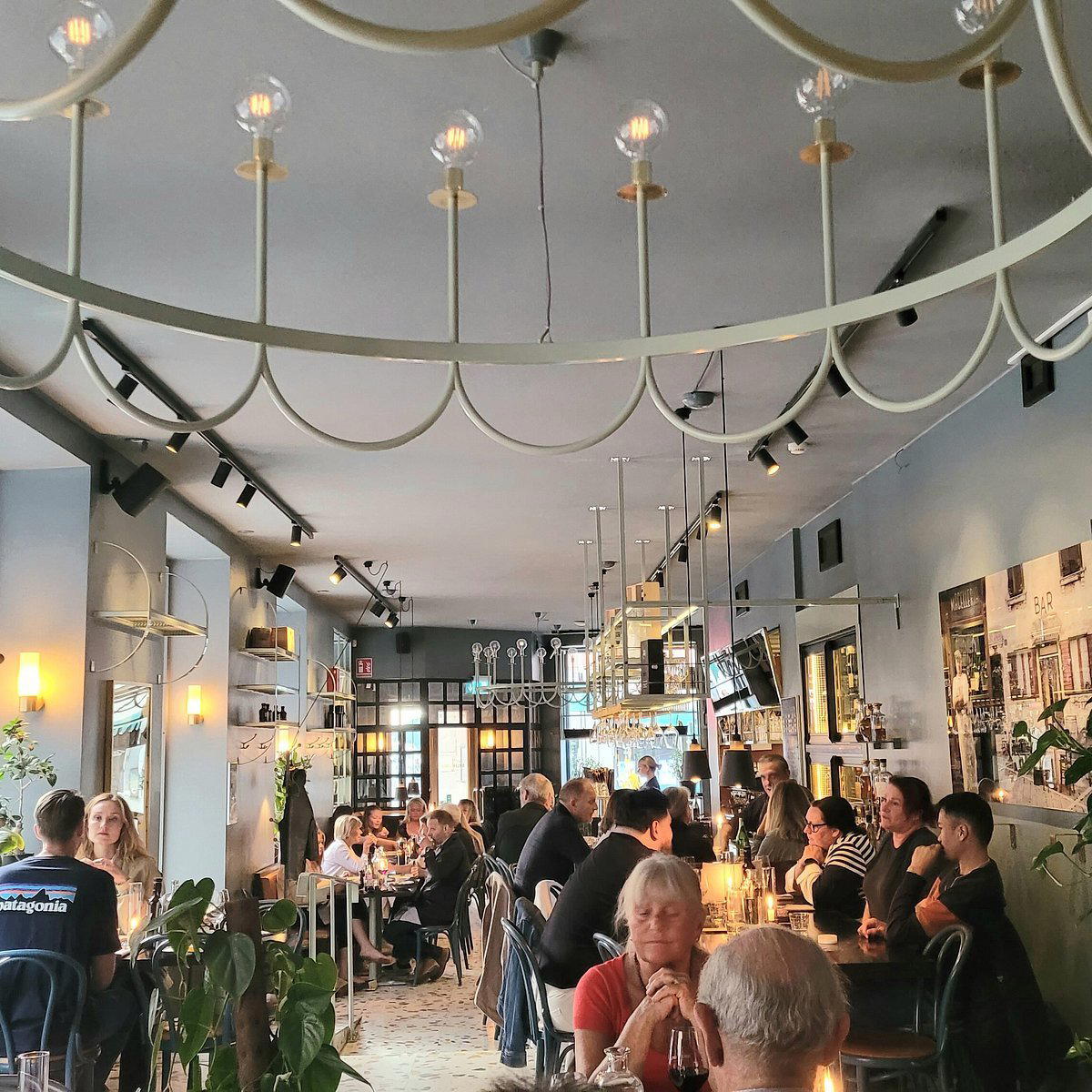
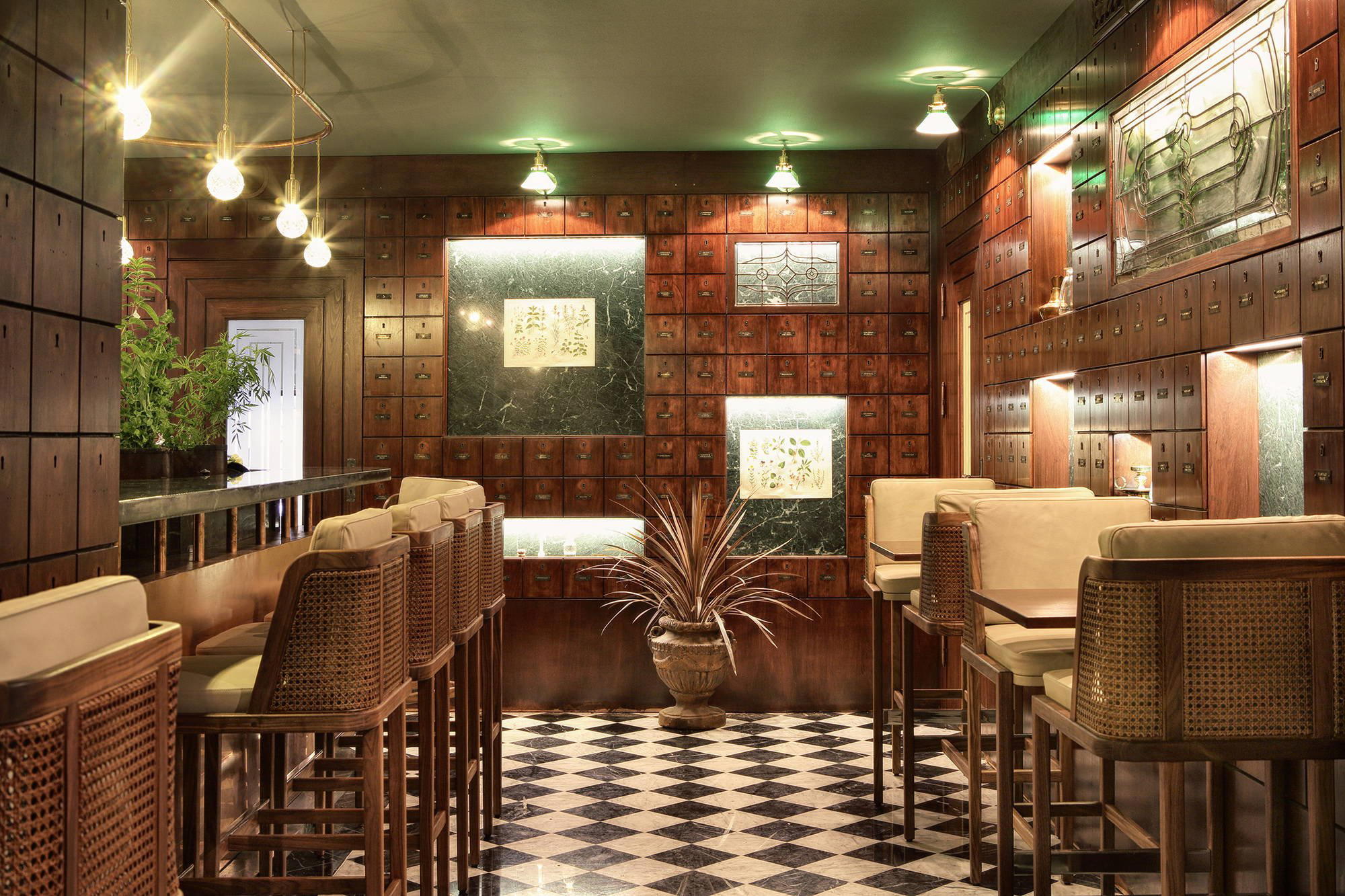
At a venue like Deli Di Luca, that divide is the organizing logic of the whole experience. The daytime offer pulls in the Folkungagatan regulars: people who know the room, know what they want, and treat the counter and the proximity of deli goods as part of the appeal. The physical environment, with the proximity of packaged Italian goods and the counter format common to Scandinavian delis with Italian leanings, shapes behaviour differently at lunch than it does in the evening, when the deli component recedes and the dining function takes precedence.
This split is not unique to Deli Di Luca. Across Sweden, restaurants operating in the mid-register of neighbourhood dining manage a similar double identity. In Gothenburg, Hoze holds a comparable position. Further south, Vollmers in Malmö and Claesgatan 8 in Malmö each navigate their own version of the day-to-evening shift. What distinguishes the Stockholm iteration is the density of the competition at every price point and the sophistication of the lunch customer, who often has multiple credible options within a short walk.
Italian-Influenced Dining in Stockholm's Competitive Field
Stockholm's Italian dining offer has expanded considerably over the past decade. The city now supports a range of formats from high-specification pasta counters to neighbourhood trattorias and the deli-dining hybrid that Deli Di Luca represents. The deli-dining model carries specific advantages in a city where consumers place high value on provenance and product quality: the visibility of the goods being sold and served creates a transparency that the closed kitchen of a formal restaurant cannot replicate.
That transparency also creates expectations. A customer who can see imported Italian products on the shelf holds the kitchen to a particular standard of ingredient fidelity. The Italian deli register in Scandinavia, more broadly, has been shaped by the region's appetite for northern European-Italian crossover in food culture, something that predates the current trend toward fermentation and New Nordic by several decades. At the more austere, destination-led end of Swedish dining, you find places like Knystaforsen in Rydöbruk or ÄNG in Tvååker, each pursuing a specific regional Swedish identity. Deli Di Luca sits at the opposite pole of that spectrum, drawing on a Mediterranean reference point that has its own deep roots in how Stockholmers have historically chosen to eat outside the formal Swedish tradition.
For comparison internationally, the neighbourhood deli-dining format has a strong precedent in cities like New York, where the boundary between counter service and full dining has always been permeable, and in San Francisco, where places like Lazy Bear have demonstrated how an informal physical format can coexist with a serious food proposition. Closer to the formal end, Le Bernardin in New York City shows what rigorous product focus looks like at the highest specification, though the operating model and price point are entirely different. The point is that product-forward formats, where what you see in the room connects directly to what arrives on the plate, carry credibility across a wide range of price brackets.
Planning a Visit
Deli Di Luca sits at Folkungagatan 110 in Södermalm, reachable by metro via Medborgarplatsen or Skanstull stations. The neighbourhood is dense with alternatives, which means the decision to come here is usually a deliberate one rather than a default. For a broader view of where this venue sits within Stockholm's dining options, the full Stockholm restaurants guide maps the field across price tiers and cuisines. Those extending their Sweden trip beyond the capital will find destination dining of a different character at Signum in Mölnlycke, VYN in Simrishamn, PM and Vänner in Växjö, Bistro Jarlen in Halmstad, or Sydkustens at Pillehill in Skivarp.
Frequently asked questions
What do regulars order at Deli Di Luca?
How hard is it to get a table at Deli Di Luca?
What is the standout thing about Deli Di Luca?
Can Deli Di Luca adjust for dietary needs?
Is Deli Di Luca suited to a quick stop or a longer sit-down meal?
Quick Comparison
| Venue | Cuisine | Price | Awards | Notes |
|---|---|---|---|---|
| Deli Di LucaThis venue — the venue you are viewing | Authentic Italian | $20–30 | Not listed | Not listed |
| Operakällaren | Modern Scandinavian Fine Dining | $150–200 | 1 Michelin Star · World's 50 Best #27 | Swedish, Modern Cuisine |
| AIRA | Modern Nordic Seasonal Tasting Menu | $200–300 | 2 Michelin Stars · La Liste Top Restaurants | Modern European, Modern Cuisine |
| Adam / Albin | Modern Scandinavian Fine Dining | $100–150 | 1 Michelin Star · La Liste Top Restaurants | New Nordic |
| Ekstedt | Wood-Fire Nordic Fine Dining | $200–300 | 1 Michelin Star · La Liste Top Restaurants | Progressive Asador, Grills |
| Etoile | Creative International Fine Dining | $300–500 | 1 Michelin Star · Star Wine List | Contemporary French, Creative |
Continue exploring
More in Stockholm
Restaurants in Stockholm
Browse all →
Bars in Stockholm
Browse all →
Details
- Cozy
- Classic
- Date Night
- Casual Hangout
- Extensive Wine List
- A La Carte
- Vegetarian Friendly
- Vegan Options
- Gluten Free Options
Current opening hours
- Monday
- 11 AM–3 PM
- Tuesday
- 11 AM–11 PM
- Wednesday
- 11 AM–11 PM
- Thursday
- 11 AM–11 PM
- Friday
- 11 AM–11 PM
- Saturday
- 4–11 PM
- Sunday
- Closed
Hours can change for holidays and private events. Last verified .
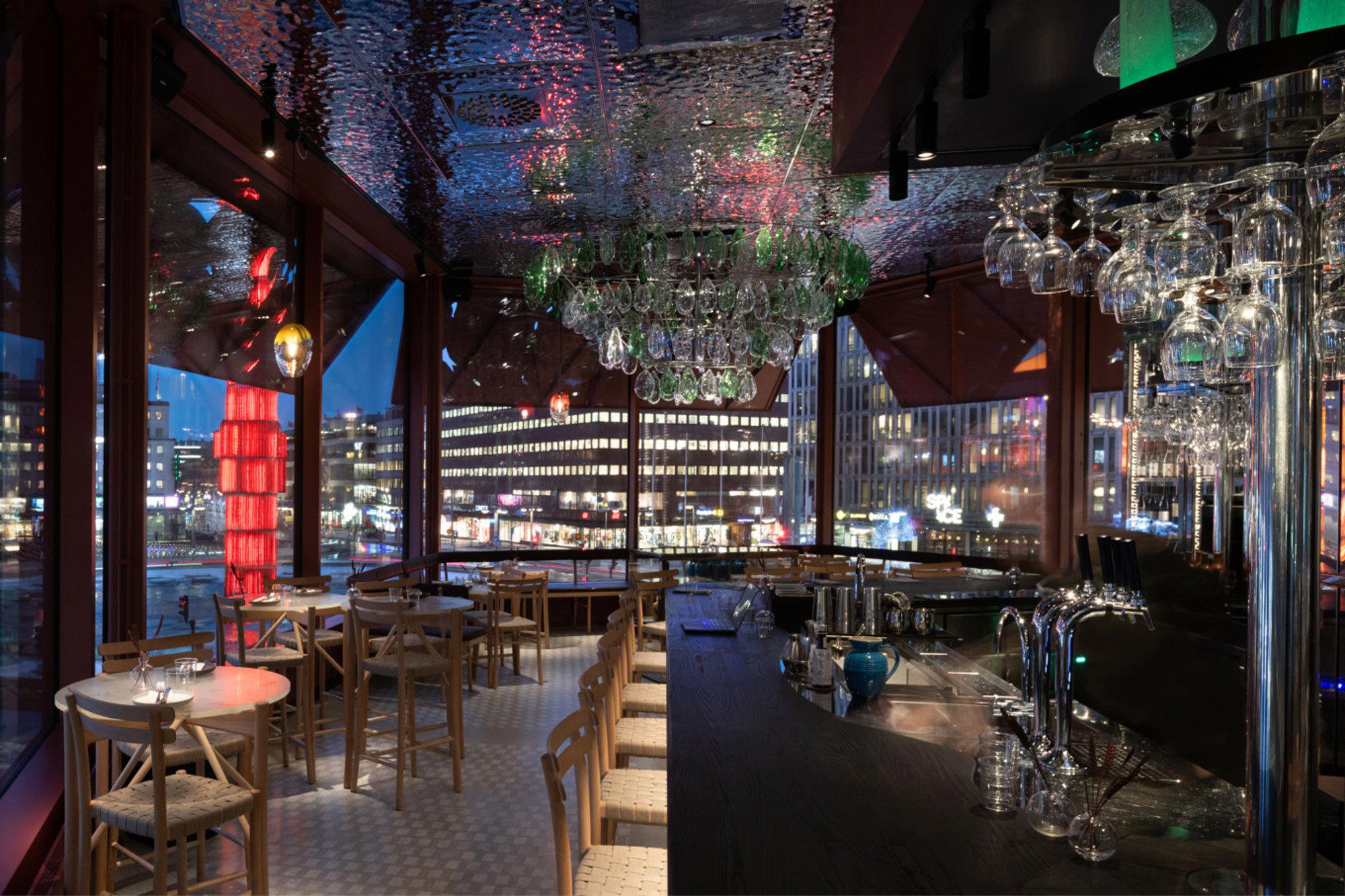
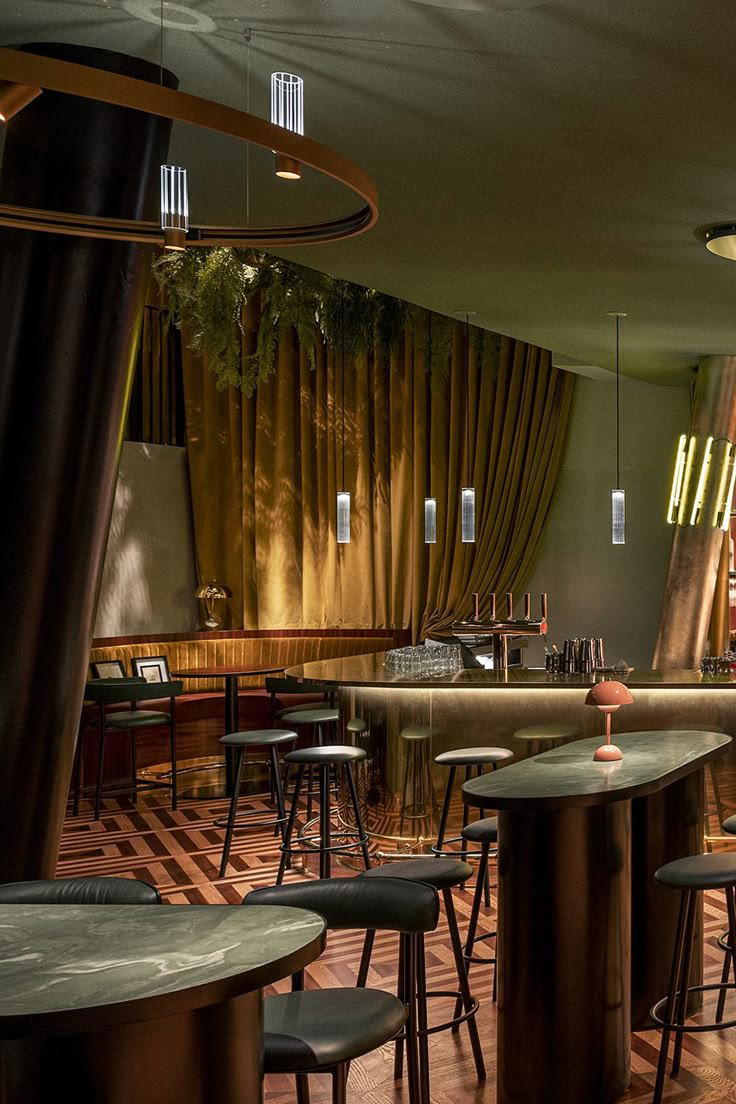
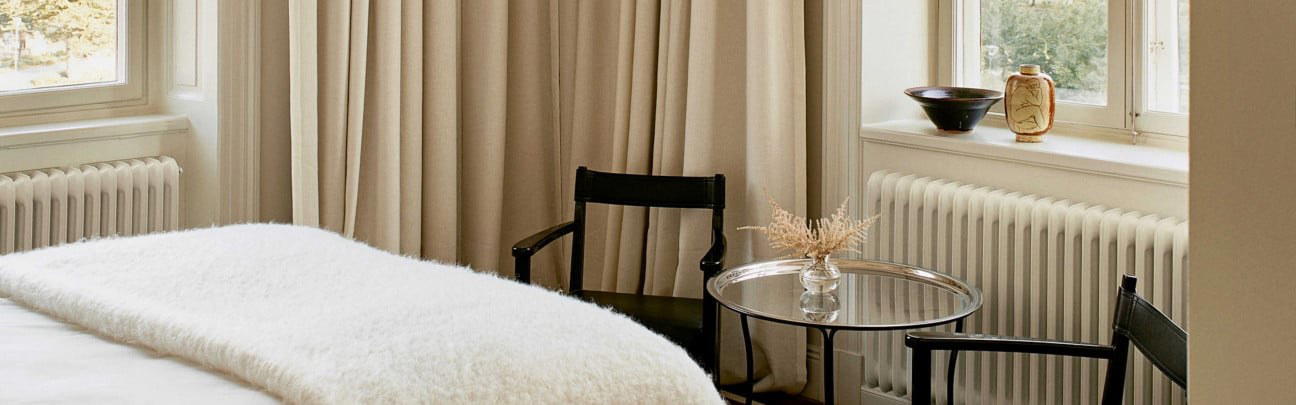
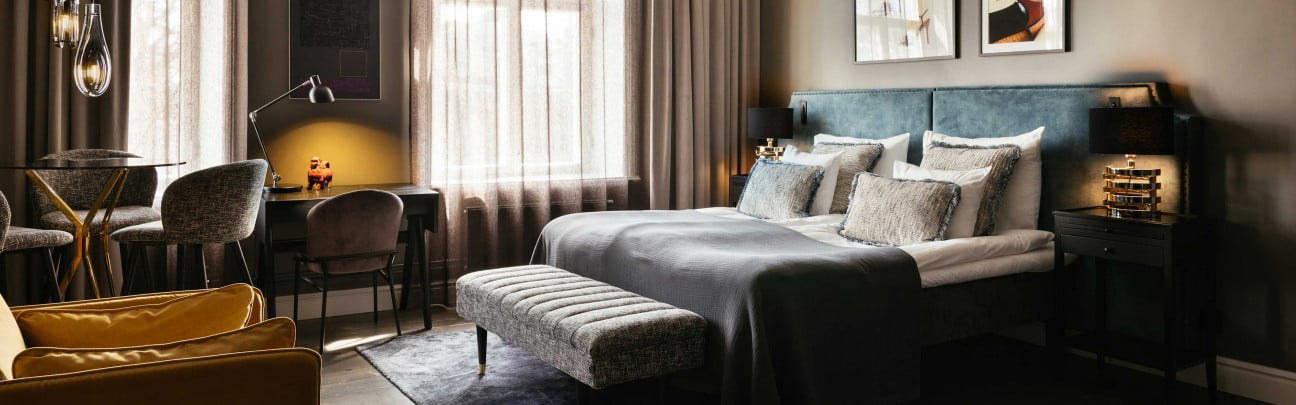
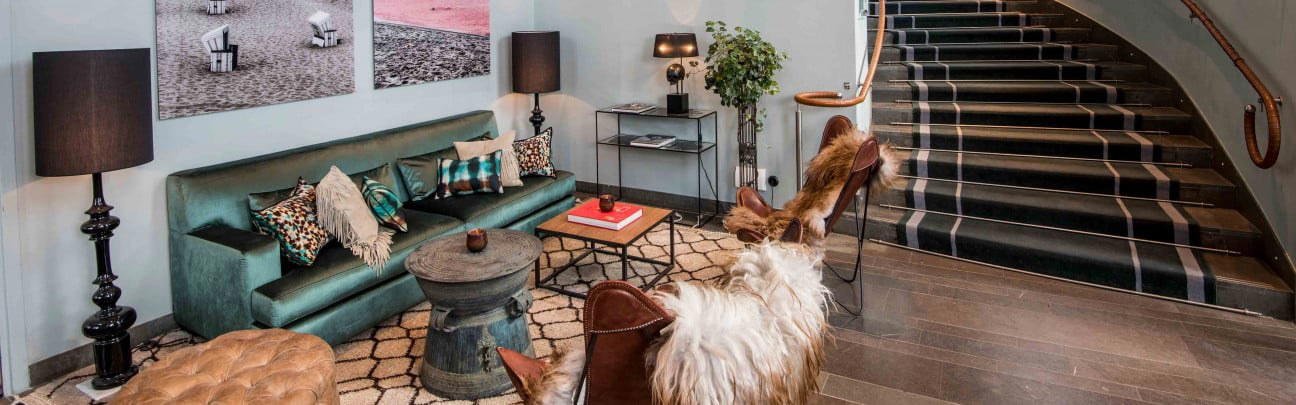
Cozy and welcoming atmosphere with a focus on genuine Italian dining experience.