
Tabelog 100 #72
Our verdict
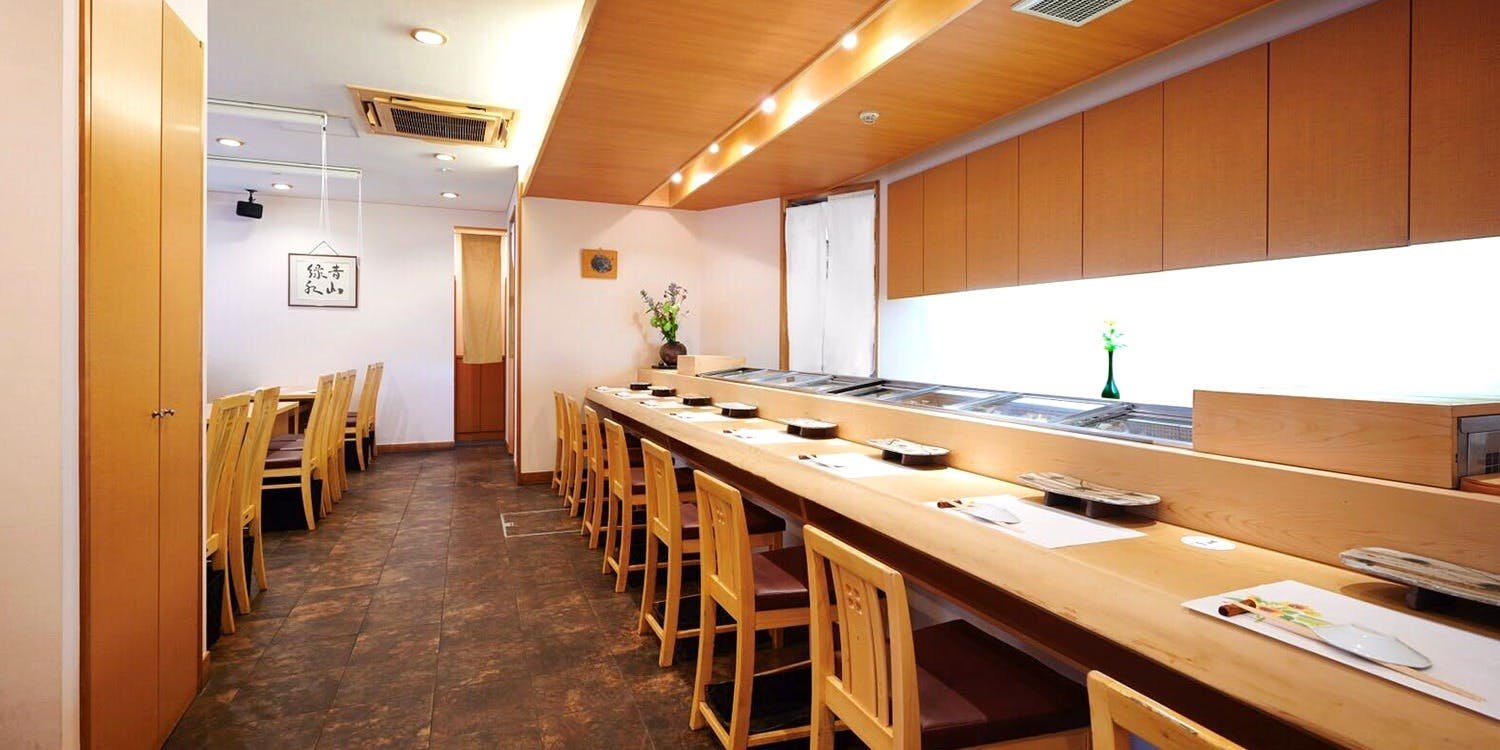
Ginza Kudo belongs to Ginza’s small-format Japanese cuisine tier, where milestone meals are judged less by spectacle than by control, privacy, and sourcing discipline. Recognition in Tabelog’s Japanese cuisine TOKYO 100 for 2025, a 14-seat footprint, private rooms, and a fish-led kitchen make it a serious occasion address rather than a casual Ginza fallback.

Pearl is the En Primeur Club membership app, where members save venues, book tables and use the concierge.
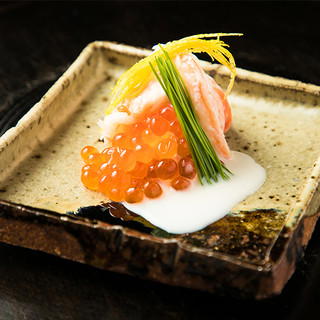
The menu
What to order
- Lunch Kaiseki
- Dinner Kaiseki Course
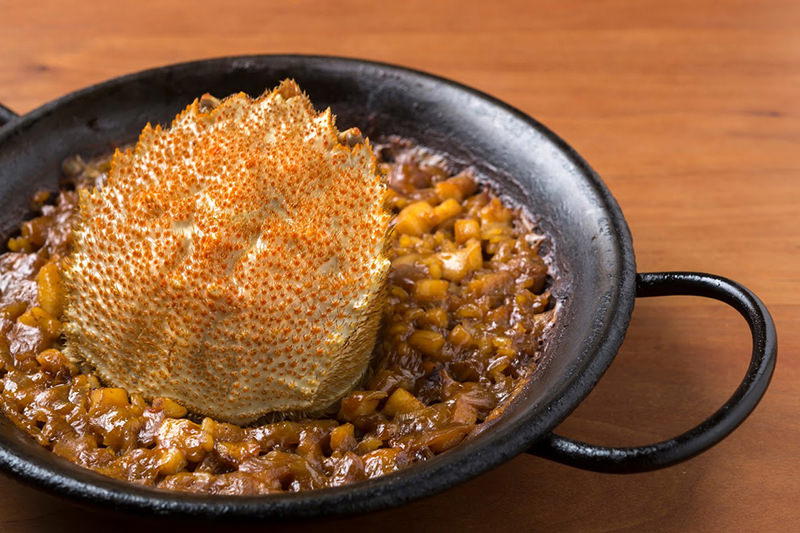
- Ochazuke with seafood toppings
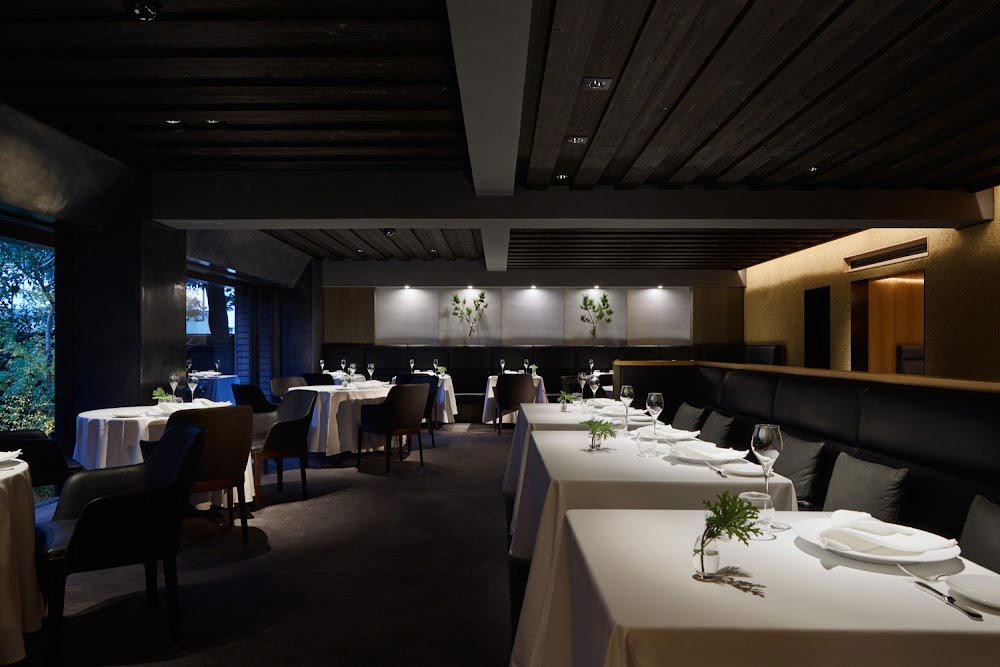
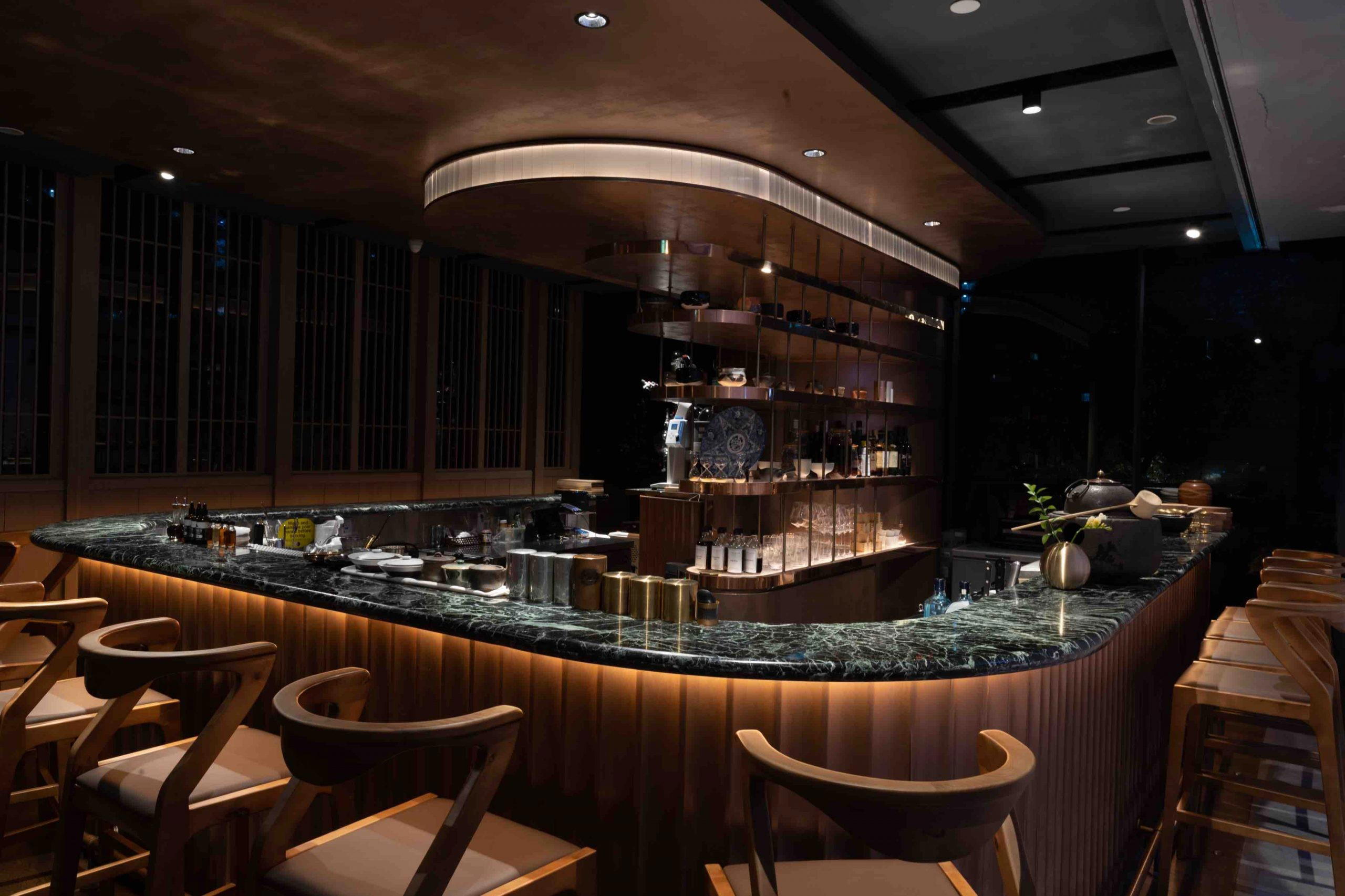
Tokyo’s dining scene shifts quickly once busy retail frontage gives way to quieter upper-floor dining rooms. Around Ginza Kudo, the mood is best understood as controlled and occasion-minded: a Japanese cuisine room for guests who want a composed meal, not a loud celebration. In Tokyo, that distinction matters. Occasion dining often means discretion, careful pacing, and a kitchen that holds attention without turning dinner into theatre.
Japanese fine dining in Tokyo has long split between formal rooms, counters with fierce booking pressure, and modern Japanese restaurants using seasonal ingredients, drinks service, and polished hospitality for a different social need. Ginza Kudo sits comfortably in that broader lane. It suits birthdays, family milestones, corporate hosting, and anniversaries because it allows ceremony without the rigidity some diners associate with the most formal rooms. Its selection for Tabelog 100 - Japanese cuisine - TOKYO - 2025 is a clear trust signal in a city with too many serious Japanese restaurants for casual curation to mean much.
A Tokyo room for ceremonies that need privacy
The useful way to read this restaurant is through format rather than through invented detail. Ginza Kudo is not positioned as a casual, drop-in stop; it is better treated as a planned Japanese meal for diners who want the room, service, and pacing to support the occasion. In Tokyo, where high-end dining can sometimes blur together, that sense of intention often separates a meal that feels hosted from one that feels merely processed.
The restaurant is listed under Japanese cuisine. That places it away from some other high-end formats in Tokyo and into a more focused occasion-dining lane. Chiso Koryu, Iyuki, Ginza Soseki, Kobe Gyuu Rogama Sumiyaki Steak Ginza Ichimiya, and MAKIYAKI GINZA ONODERA are useful names only as part of the broader Tokyo decision set, not as interchangeable substitutes. The better question is whether the occasion needs a Japanese meal with formality rather than a seat built mainly around a different style of restaurant experience.
There is also a practical hosting signal that matters in Tokyo’s higher-priced Japanese restaurants. This is the kind of venue to approach as a scheduled occasion rather than an improvised night out, especially when the meal carries family, professional, or anniversary weight. For a generational celebration, a business dinner, or a date where atmosphere matters, the restaurant should still be treated with the seriousness of any high-end Japanese booking.
Recognition matters more in Tokyo because the field is crowded
Tabelog recognition is not decorative in Tokyo. In a city where polished rooms can blur together, selection history separates restaurants with local traction from rooms leaning only on address and interior. Ginza Kudo is listed in the Tabelog 100 - Japanese cuisine - TOKYO - 2025 selection, with a Tabelog score of 3.68. That signal does not define the meal, but it places the restaurant in a peer group where consistency and local confidence are part of the value proposition.
The broader context is Japanese dining rather than biography. For diners, the point is continuity of format and trust: this is a restaurant presented within Tokyo’s serious Japanese cuisine ecosystem, not a one-off novelty chasing a trend. That pattern is increasingly visible as Tokyo diners seek meals that feel formal without being trapped in only one tradition or one style of service.
The occasion angle also explains why this restaurant need not compete with every Tokyo dining category. Someone chasing casual meals will get clearer contrast from other Tokyo dining rooms, while a diner mapping everyday Japanese formats might look across unnamed counters, grills, and casual specialists elsewhere in the city. Ginza Kudo belongs to a narrower decision set: a composed Japanese meal, a controlled room, and enough recognition to justify choosing it for a date with emotional or professional weight.
How to place it in a Tokyo dining itinerary
Strongest use case is a meal needing Japanese identity, controlled service, and a sense of occasion without hotel-restaurant anonymity. It works for a first serious dinner in Tokyo, a family celebration, or a hosted evening where the cuisine should feel rooted in the city rather than internationally interchangeable. The value is less about spectacle and more about choosing a restaurant whose category, pricing, and recognition match the importance of the booking.
Tokyo rewards travellers who separate categories before choosing restaurants. A day built around cafés, bars, and casual stops might include unnamed local options or a broader scan through Our full Tokyo restaurants guide. For a fuller city plan, pair dining research with Our full Tokyo hotels guide, Our full Tokyo bars guide, Our full Tokyo wineries guide, and Our full Tokyo experiences guide. For travellers extending beyond Tokyo, useful contrasts sit in regional listings and other city guides, but those should be treated as different decisions rather than direct substitutes. Japanese food culture also travels well abroad, though the comparison changes: overseas venues answer different needs entirely.
The editorial verdict is clear: this is a Tokyo occasion restaurant for diners who value Japanese cuisine and recognition from the local dining ecosystem over spectacle. It is not for a loose, last-minute meal. Use it when the date matters and the room should support the occasion rather than announce it.
Frequently asked questions
Is Ginza Kudo more mid-range or high-end?
Pricing at Ginza Kudo is listed as Dinner: JPY 30,000 - JPY 39,999; Lunch: JPY 8,000 - JPY 9,999.
Where do I go for Ginza Kudo?
Tokyo.
When can I go to Ginza Kudo?
Check directly with Ginza Kudo before booking, as specific service times are not included in the verified venue details here.
What do critics highlight about Ginza Kudo?
Critics point to its Tabelog 100 Japanese cuisine selection for Tokyo in 2025 and its Tabelog score of 3.68. The format and recognition make it a serious Tokyo option for diners planning a Japanese cuisine meal with occasion value.
Is Ginza Kudo good for vegetarians?
Ginza Kudo is categorized as Japanese Cuisine, so vegetarians should confirm suitability directly with the restaurant before booking. Lunch and dinner pricing is listed as JPY 8,000–9,999 and JPY 30,000–39,999 respectively.
A Minimal
Comparable venues at similar price and category levels.
| Venue | Cuisine | Price | Awards | Notes |
|---|---|---|---|---|
| Ginza KudoThis venue (the venue you are viewing) | Seasonal Japanese Kaiseki | $150–200 | Tabelog 100 #72 | Not listed |
| Chiso Koryu | Seasonal Japanese Kaiseki | $150–200 | Michelin Plate | Japanese |
| MAKIYAKI GINZA ONODERA | Wood-Fired French | $200–300 | 1 Michelin Star | French |
| Kobe Gyuu Rogama Sumiyaki Steak Ginza Ichimiya | Kobe beef rogama charcoal-grilled steak | $200–300 | Tabelog 100 #55 | JPY 30,000 - JPY 39,999 |
| Ginza Soseki | Edomae Sushi and Kaiseki | Not listed | Star Wine List | Not listed |
| Iyuki | Kyoto-style Kaiseki | $50–100 | Tabelog Silver #46 | Kaiseki |
Recognition history
Dated appearances from independent guides and award organizations, with the underlying list record or original source where available.
Tabelog 100 #72 · No. 72
Tabelog · Tabelog 100 - Japanese cuisine - TOKYO - 2025
Continue exploring
More in Tokyo
Restaurants in Tokyo
All restaurants in Tokyo →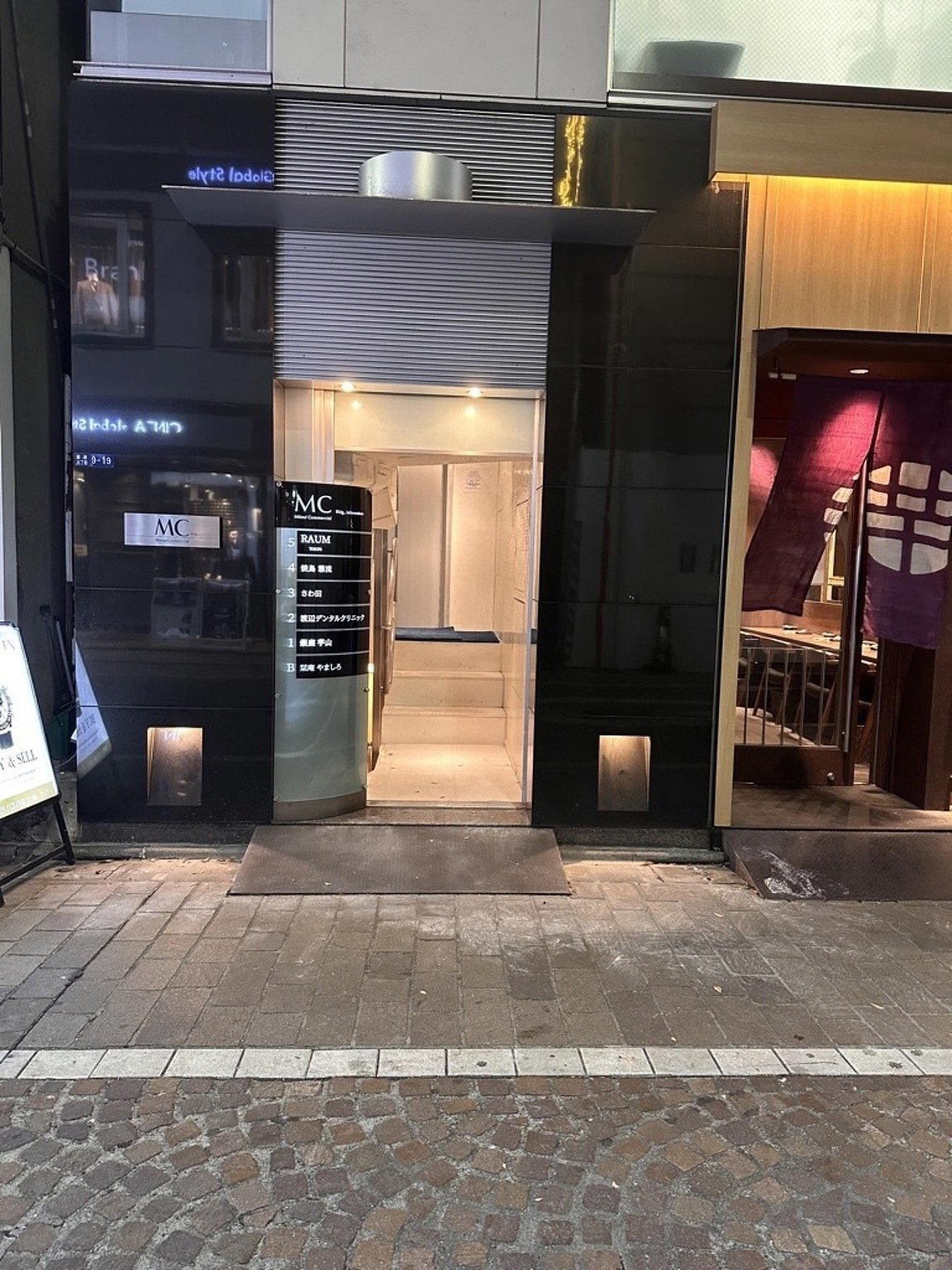






Details
- Elegant
- Intimate
- Sophisticated
- Quiet
- Date Night
- Business Dinner
- Special Occasion
- Celebration
- Standalone
- Sake Program
- Local Sourcing
- Tasting Menu
- Set Menu
- Sake
- Beer
- Wine
Current opening hours
- Monday
- 6–10 PM
- Tuesday
- 12–2 PM, 6–10 PM
- Wednesday
- 12–2 PM, 6–10 PM
- Thursday
- 12–2 PM, 6–10 PM
- Friday
- 12–2 PM, 6–10 PM
- Saturday
- 12–2 PM, 6–10 PM
- Sunday
- Closed
Hours can change for holidays and private events. Hours as of .