Tabelog 100 #2
Our verdict
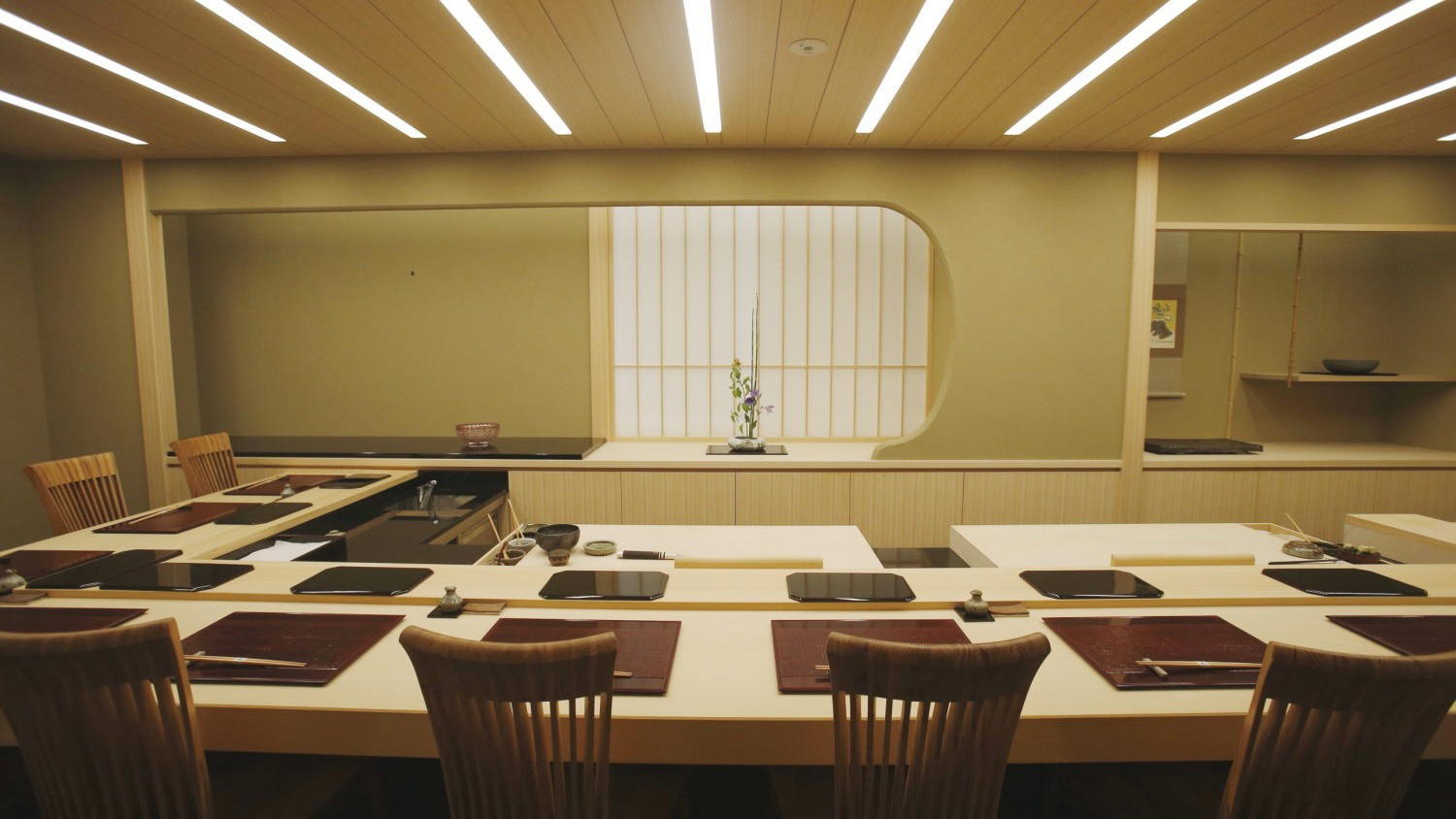
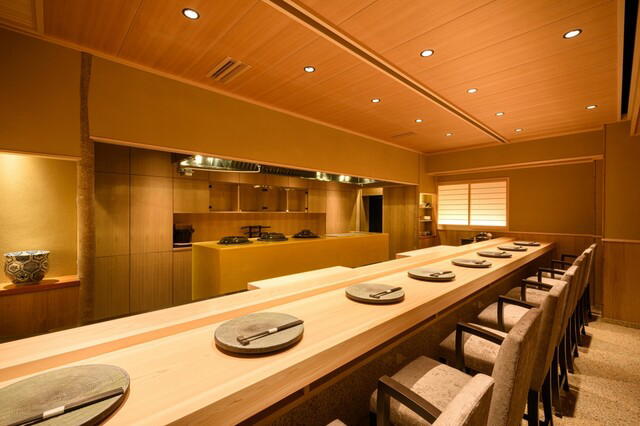
Ginza Inaba belongs to Ginza’s serious Japanese-cuisine tier, where cellar choices and service format matter as much as the cooking. Its Tabelog Japanese Cuisine Tokyo 100 selection for 2025, 16-seat scale, counter seating, private rooms, and stated focus on sake and wine put it in a measured, grown-up bracket rather than the spectacle end of Tokyo dining.

Pearl is the En Primeur Club membership app, where members save venues, book tables and use the concierge.
The menu
What to order
- Traditional Japanese omakase breakfast with charcoal-grilled fish, wagyu sukiyaki, curry and unlimited side dishes
- Chef’s seasonal omakase kaiseki dinner course
- Charcoal-grilled seasonal seafood and wagyu
- Freshly steamed rice from the okudo-san hearth prepared in front of guests
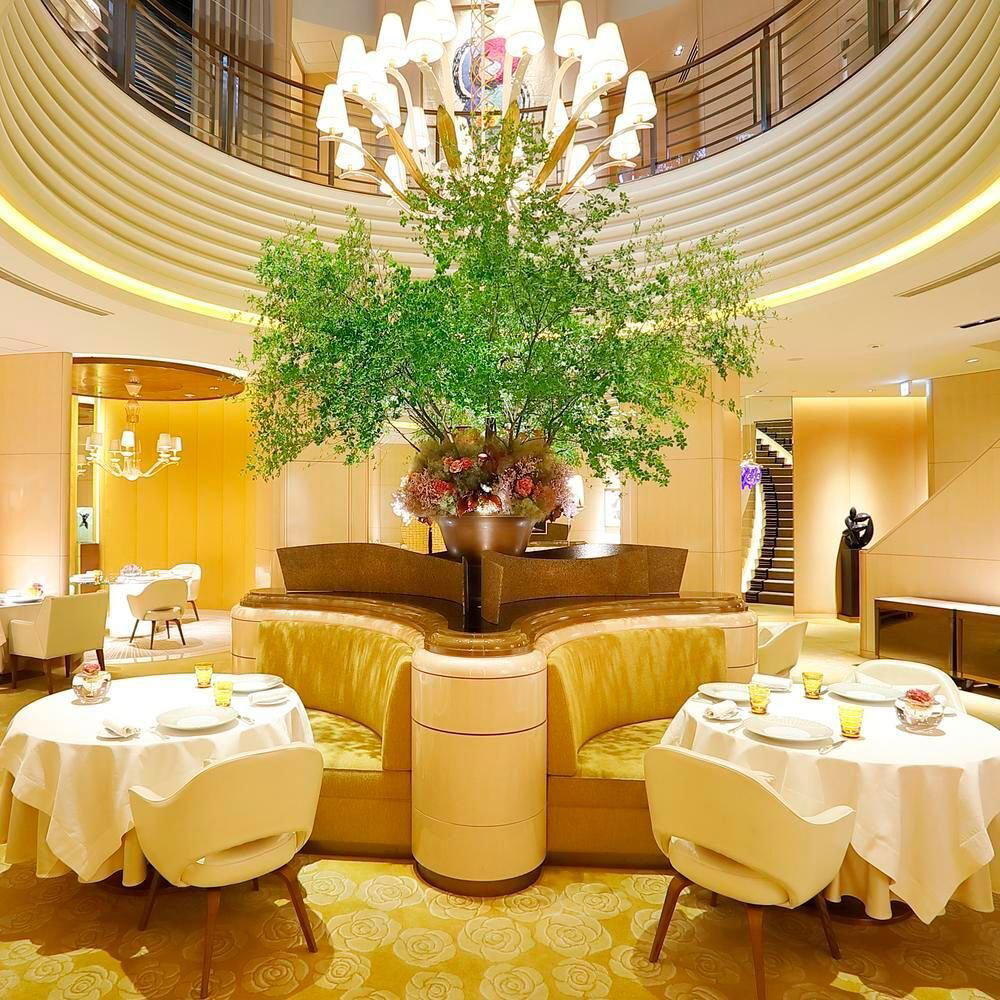
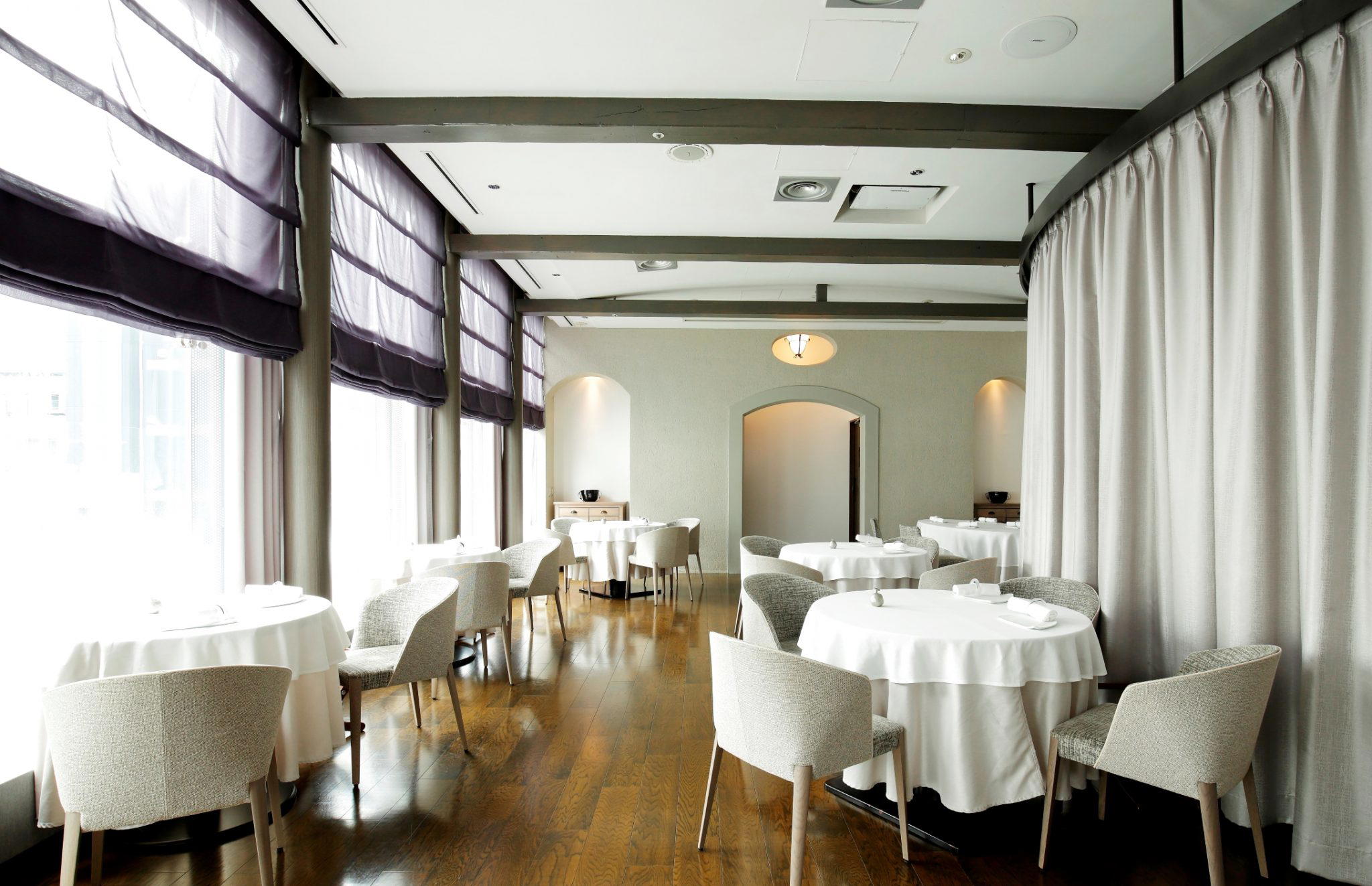
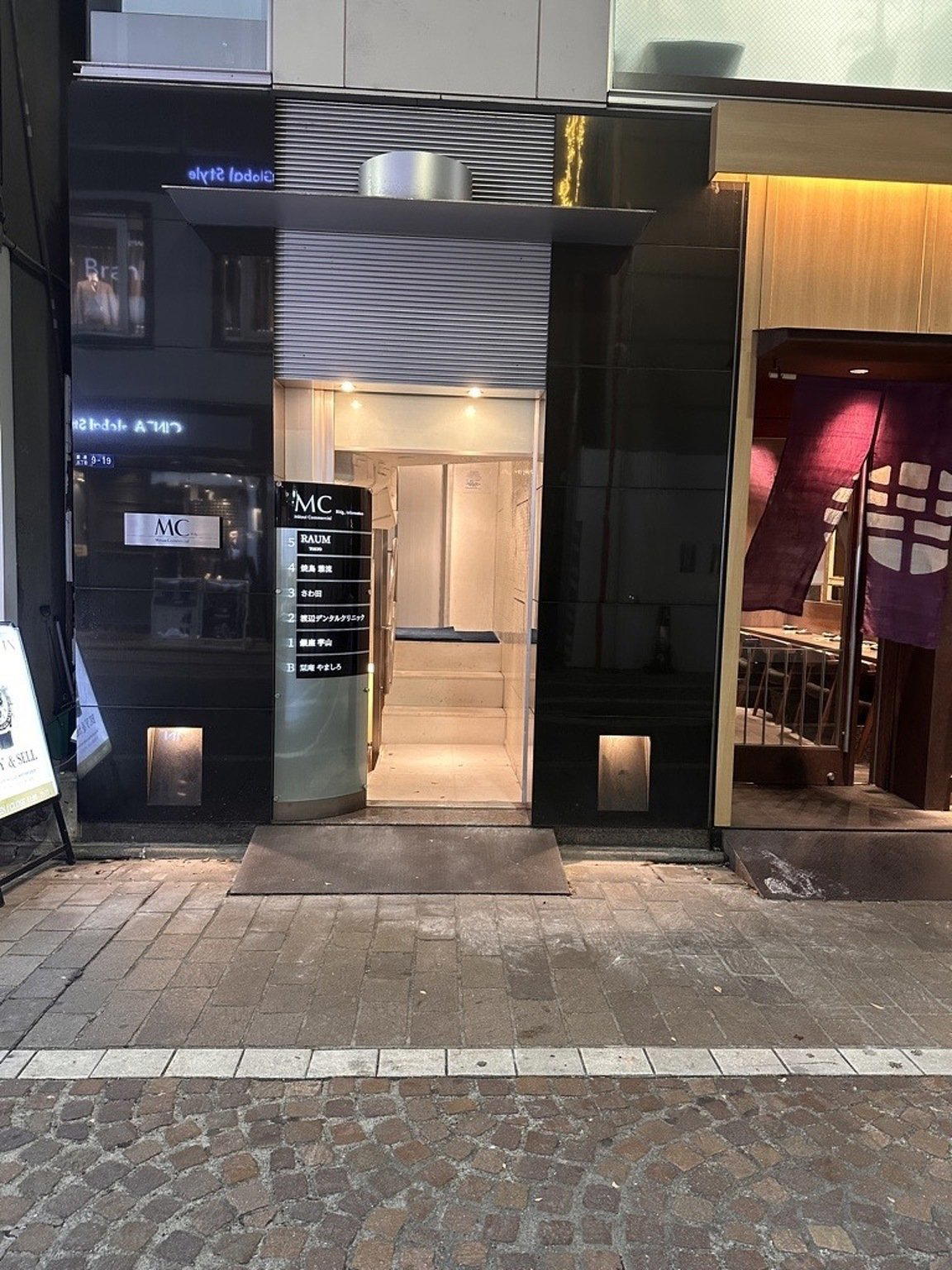
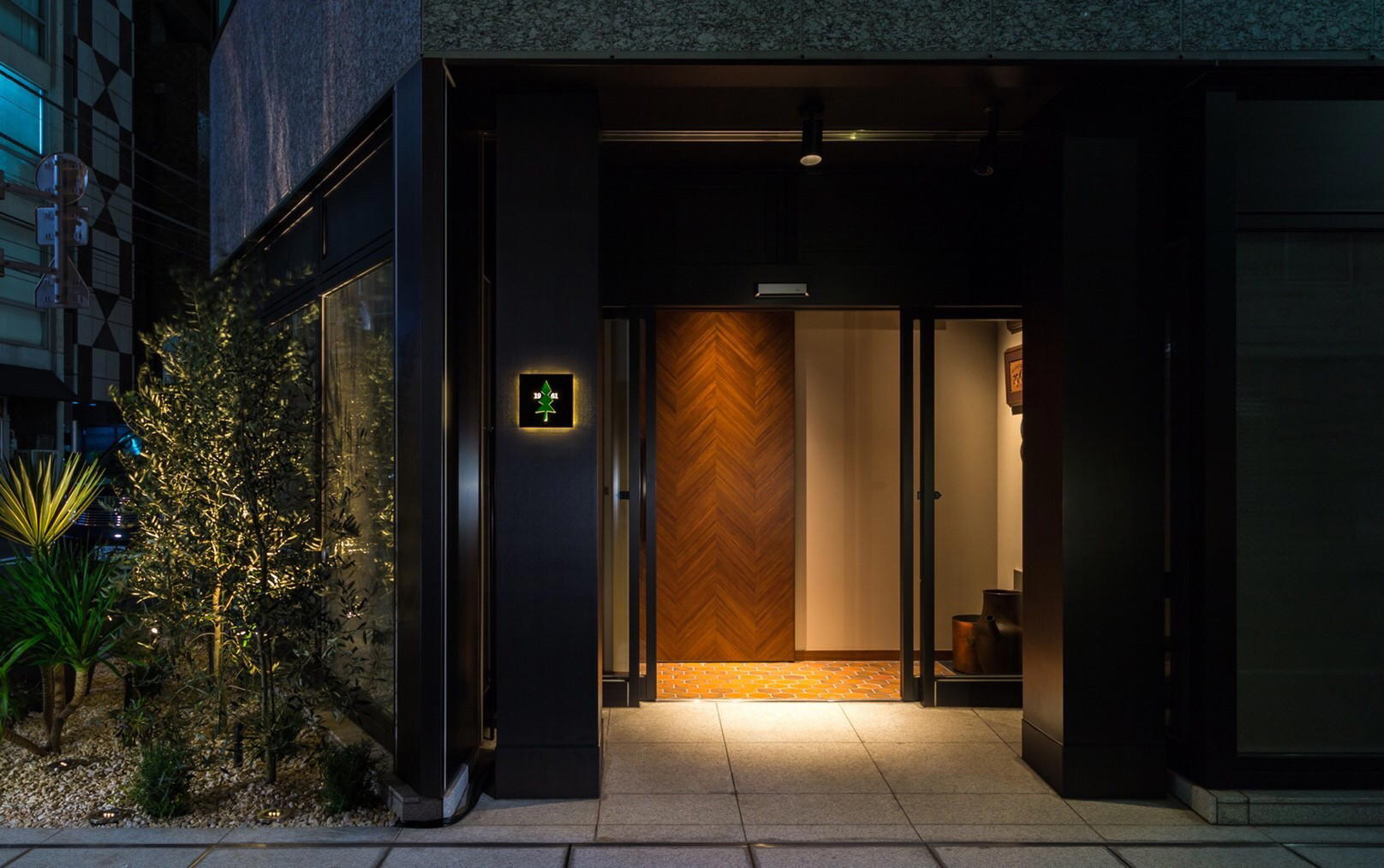
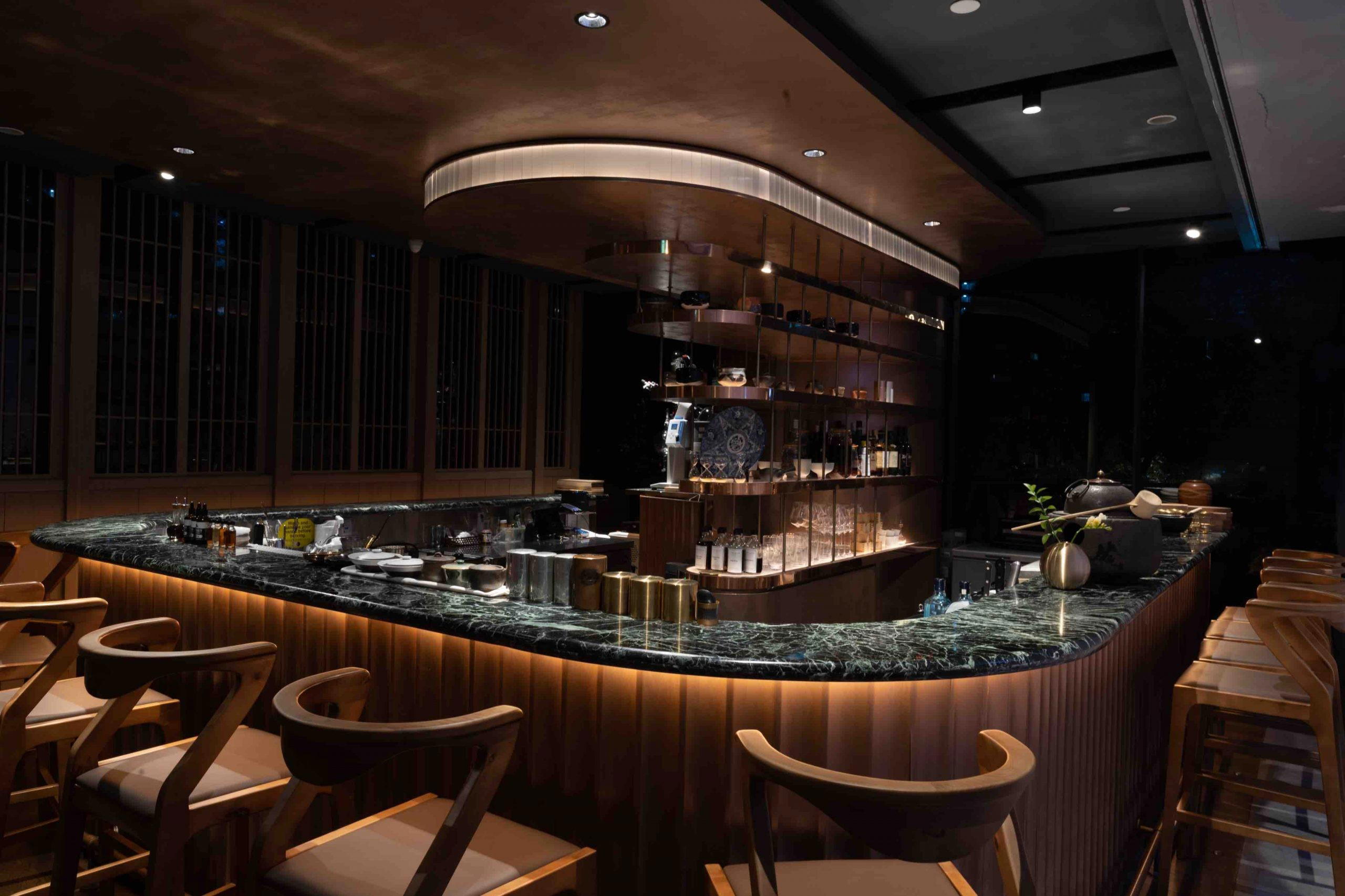
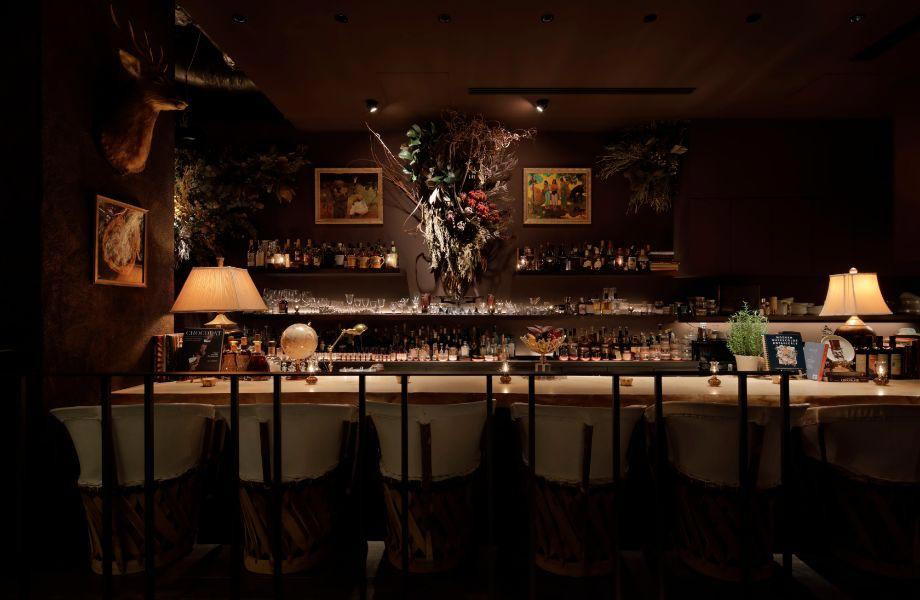
Tokyo after dark has a particular restaurant grammar: discreet entrances, measured service, quiet pacing, and dining rooms that lower the volume rather than raise it. Ginza Inaba fits that broader premium-dining expectation. The draw is not theatrical excess but a controlled Japanese-cuisine experience where the appeal sits in pace, temperature, and the quiet confidence of a serious Tokyo meal.
That matters in Tokyo, where Japanese restaurants often compete through consistency and confidence more than visual novelty. Within the city, sharply different price and format tiers can sit close together: sushi counters such as Sushi Kanesaka occupy the high-spend omakase lane, Arai belongs to the same reservation-conscious conversation, Ginza Kani Matsu pushes Japanese dining into another premium register, and Yakitori Hirano shows how focused cooking commands its own audience. Ginza Inaba’s position is different: Japanese cuisine recognized in Tabelog’s 2025 Japanese Cuisine Tokyo 100 selection, with a listed dinner budget of JPY 30,000 - JPY 39,999 and lunch budget of JPY 8,000 - JPY 9,999.
Restraint makes this more than a formal Japanese dinner
The useful way to read the restaurant is through its signals of restraint. Many Tokyo Japanese restaurants succeed by keeping the frame narrow: seasonality, proportion, service rhythm, and a sense that nothing has been added simply for spectacle. Ginza Inaba sits in that modern Tokyo category, where the meal is judged less by noise and more by control.
This distinction matters in Japanese cuisine. Meals in this register can rely on shifts in salt, fat, stock, acidity, and temperature. A strong meal depends on how those changes are paced, how the room lets them land, and how confidently the restaurant avoids turning refinement into stiffness. The point is flexibility and balance, not fixed orthodoxy.
Tokyo dining discipline, without the sushi-counter script
Tokyo visitors often arrive with sushi as the default high-end plan. Understandable, but too narrow. The city’s Japanese-cuisine rooms offer another pleasure: less binary than omakase sushi, less tied to counter theater, and more dependent on sequencing, service cadence, and the conversation between food and setting. Ginza Inaba belongs to that lane.
The scale of expectation is important. Tokyo premium restaurants do not automatically feel intimate; they can become rigid when the format is overly precious. The better version is measured rather than solemn, allowing the diner to focus on the cooking without feeling trapped inside a performance. Ginza Inaba’s case rests on that kind of disciplined Japanese-cuisine proposition.
Its listed lunch and dinner budgets also shape how to think about the restaurant. Dinner places it among polished special-occasion rooms in Tokyo, while lunch offers a different planning logic for diners who want to experience the kitchen at a lower listed spend. For travelers, that distinction matters: the decision is not only whether to book, but which meal best suits the day around it.
For planning, the surrounding city matters. Tokyo’s casual dining rooms, late-hours restaurants, and more residential food cultures all read differently from its controlled premium Japanese dining rooms. Those contrasts are useful, but Ginza Inaba should be understood on its own terms: a Tokyo Japanese-cuisine restaurant whose value comes from focus rather than spectacle.
Who should choose this Tokyo table
Ginza Inaba makes the strongest case for diners who want Japanese cuisine with recognition behind it and a composed Tokyo setting around it. The appeal is not named-chef mythology or one advertised dish; it is the alignment of category recognition, listed budget clarity, and a premium-dining proposition. That is a grown-up proposition in a city where premium dining can too easily become a checklist of famous counters.
The comparison set clarifies the choice. Choose Sushi Kanesaka if the evening must be sushi-led. Choose Ginza Kani Matsu if that style of Japanese dining is the point. Chuka Ginza Tei belongs to a different Tokyo register, useful for understanding the city’s range. Ginza Inaba is for the diner who wants Japanese cuisine in Tokyo, with enough quiet confidence to make the meal feel considered from beginning to end.
Tokyo’s dining map rewards specificity. A day might move through casual cafés, everyday restaurants, and then into a composed Japanese dinner. Travelers building a wider itinerary can use Our full Tokyo restaurants guide, then match the meal with Our full Tokyo hotels guide, Our full Tokyo bars guide, Our full Tokyo wineries guide, and Our full Tokyo experiences guide.
The wider Japan file is useful for contrast rather than substitution: regional traditions, urban café culture, western Japan dining rooms, and restaurants shaped by other cuisines all underline the same point. Japanese dining is never a single category, and Tokyo makes that especially clear. Ginza Inaba’s value is knowing exactly which part of that category it occupies.
Frequently asked questions
Is Ginza Inaba expensive?
Pricing at Ginza Inaba is listed as Dinner: JPY 30,000 - JPY 39,999; Lunch: JPY 8,000 - JPY 9,999.
When can I go to Ginza Inaba?
Check directly with Ginza Inaba for current opening times before planning a visit.
Where do I go for Ginza Inaba?
Tokyo.
What is Ginza Inaba known for?
Ginza Inaba is known as a Tokyo Japanese-cuisine restaurant included in Tabelog’s 2025 Japanese Cuisine Tokyo 100 selection, with a listed score of 3.85.
Compact Comparison
Comparable venues for cuisine and category context.
| Venue | Cuisine | Price | Awards | Notes |
|---|---|---|---|---|
| Ginza InabaThis venue (the venue you are viewing) | Seasonal Japanese Kaiseki Omakase | $200–300 | Tabelog 100 #2 | Not listed |
| Yakitori Hirano | Edo-style Yakitori Omakase with Modern Japanese Pairings | $150–200 | Tabelog 100 #75 | JPY 15,000 - JPY 19,999 |
| Chuka Ginza Tei | Showa-era Chinese counter (ramen, gyoza & fried rice) | $10–20 | Tabelog 100 #76 | JPY 1,000 - JPY 1,999 - JPY 999 |
| Sushi Kanesaka | Edomae Omakase | $200–300 | 2 Michelin Stars · La Liste Top Restaurants | Sushi |
| Arai | Ginza Nigiri Sushi | $200–300 | La Liste Top Restaurants · Tabelog Gold #4 | Not listed |
| Ginza Kani Matsu | Matsuba Crab Kaiseki | $500+ | Tabelog Bronze #161 | Crab, Japanese Cuisine, JPY 50,000 - JPY 59,999 JPY 50,000 - JPY 59,999 |
Recognition history
Dated appearances from independent guides and award organizations, with the underlying list record or original source where available.
Tabelog 100 #2 · No. 2
Tabelog · Tabelog 100 - Japanese cuisine - TOKYO - 2025