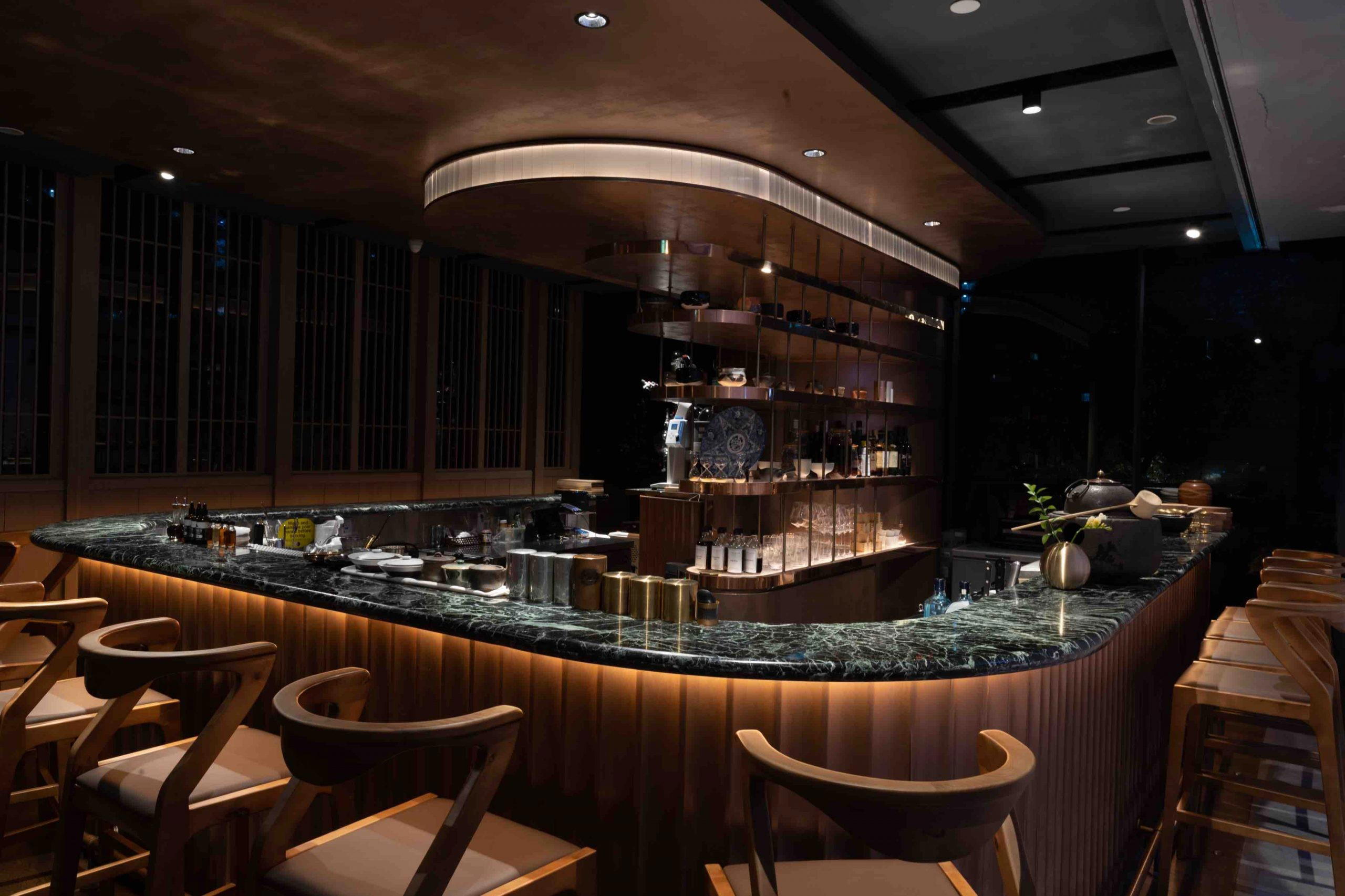
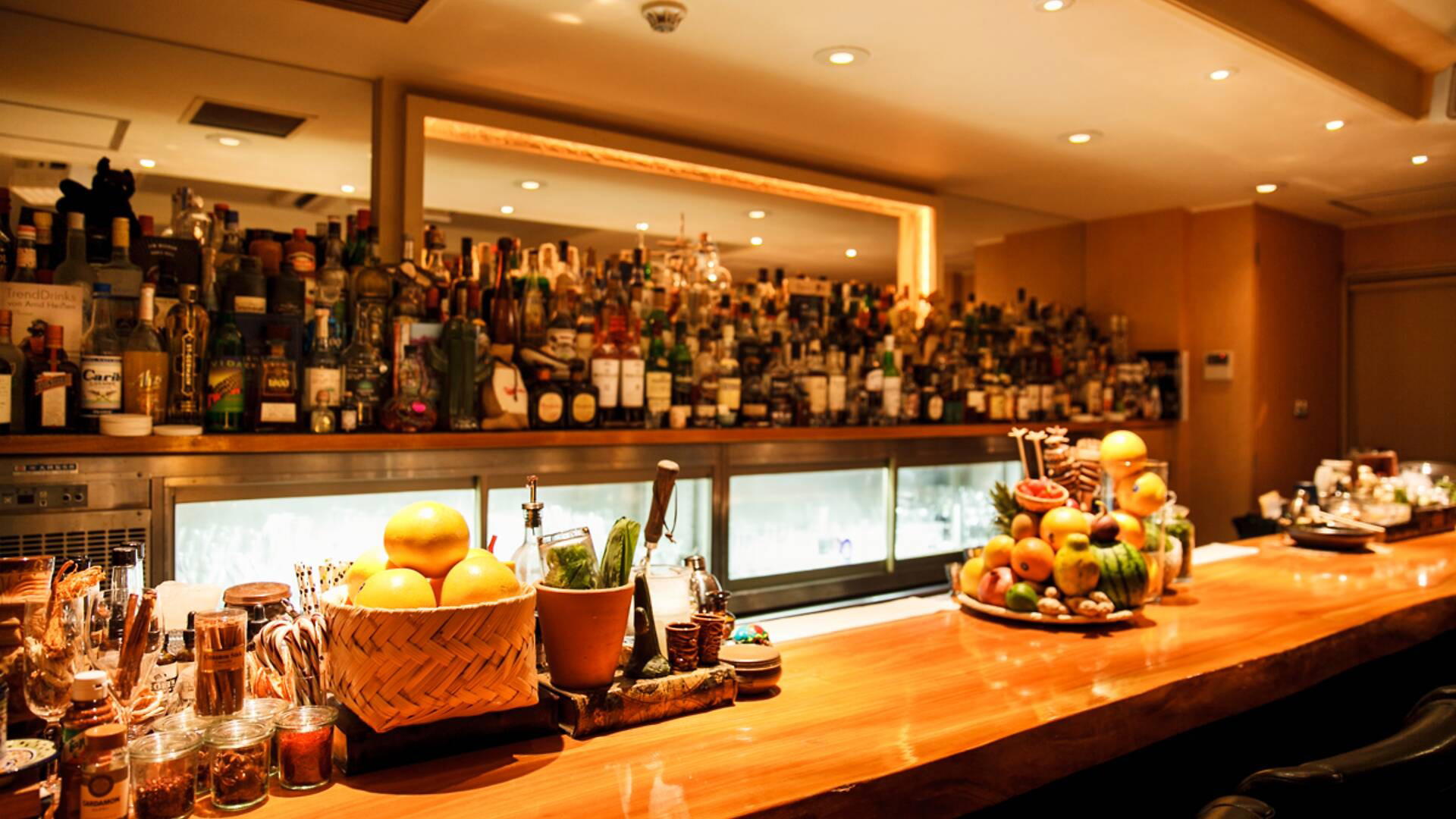
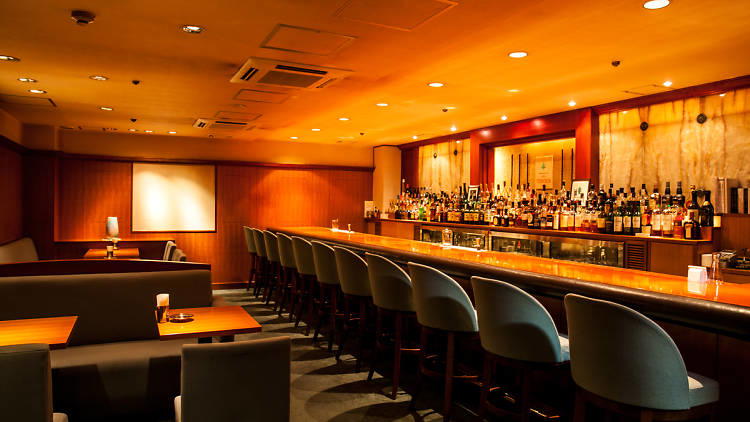
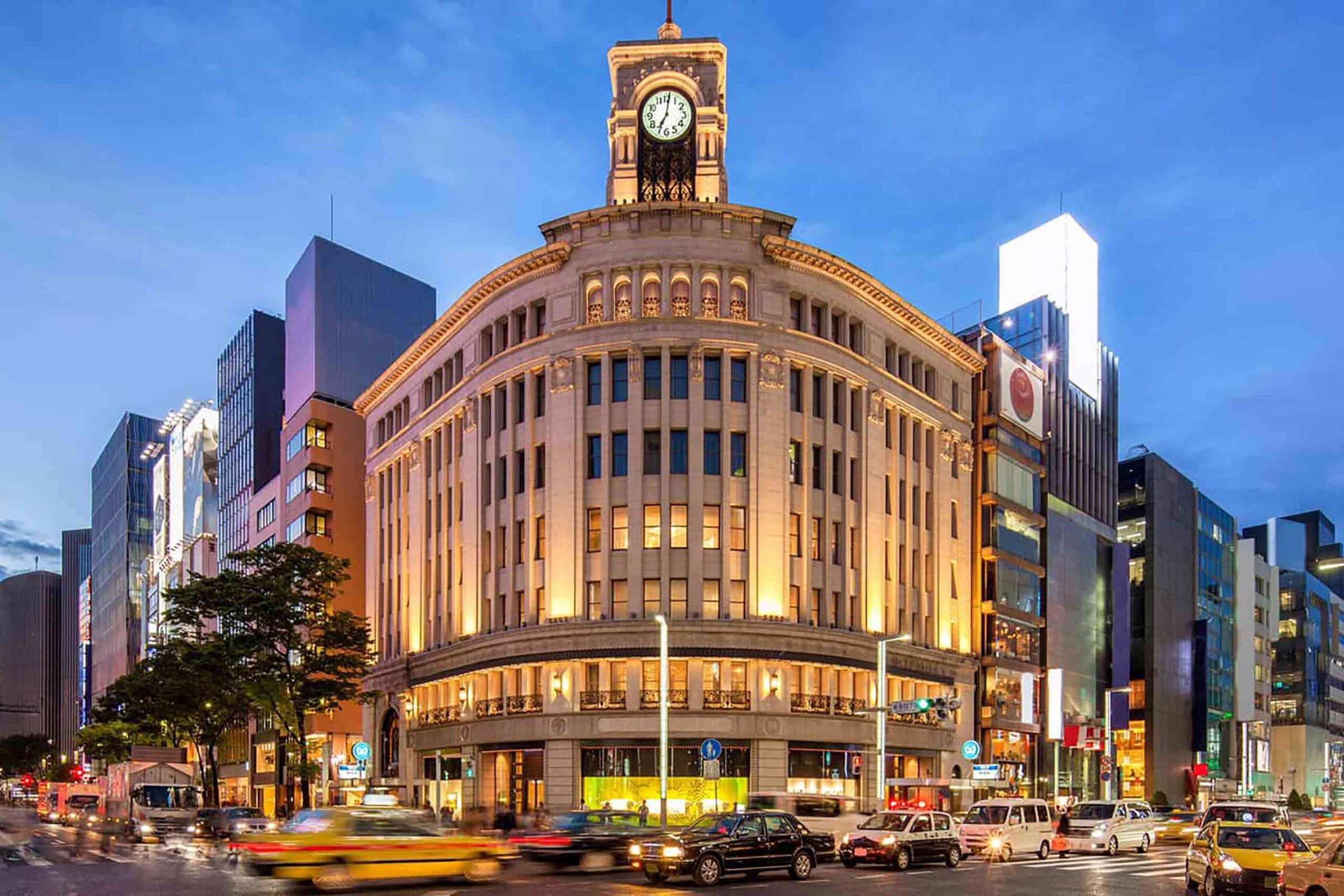
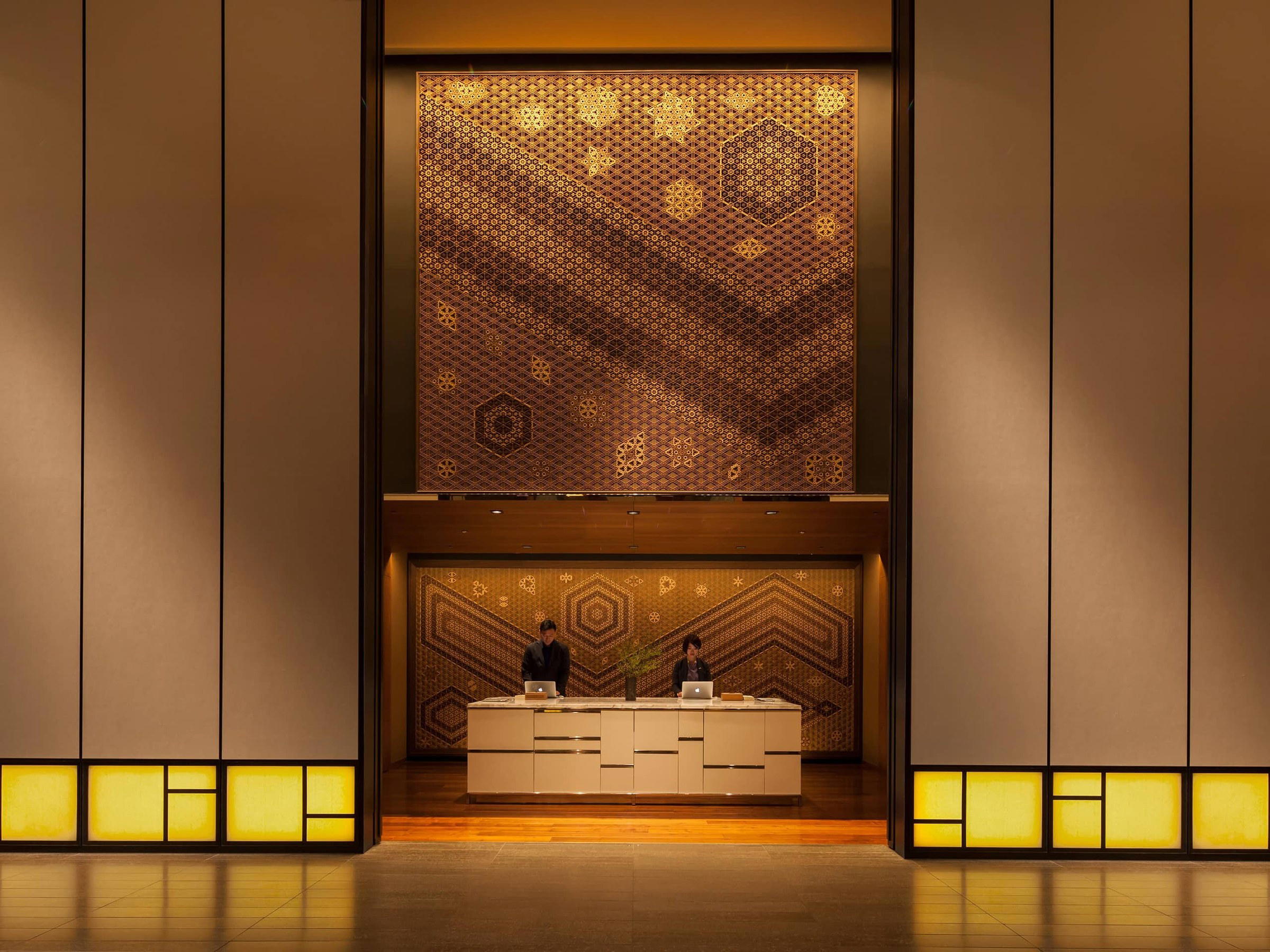
Tabelog 100 #75
Our verdict
Ginza’s yakitori scene rewards repeat diners who understand pacing, smoke, and the small decisions behind each skewer. Yakitori Hirano sits in that serious counter-dining tier, with Tabelog 100 Yakitori EAST recognition in 2025, an 18-seat format, drinks spanning sake, shochu, and wine, and a setting built for business regulars rather than spectacle.

Pearl is the En Primeur Club membership app, where members save venues, book tables and use the concierge.
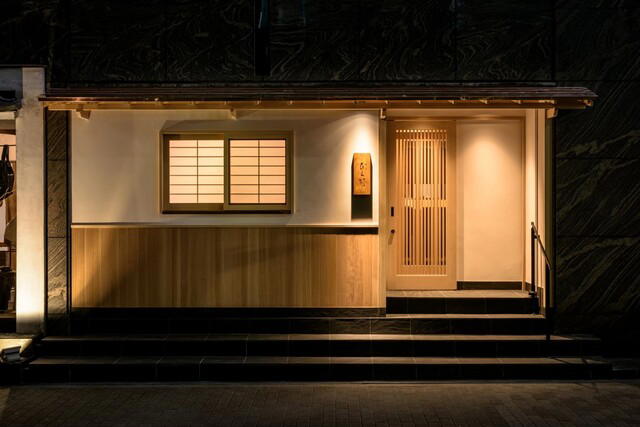
The menu
What to order
- Omakase yakitori course with 10 skewers
- Kai-Shingendori brand chicken skewers
- Tsukune (chicken meatball) skewer
- Teba-saki (wing tip) skewer
- Seasonal three-course appetizers
- House pairing sake ‘Ten Toku Junmai Daiginjo’ for ‘O-aji sake’ ritual
Tokyo after office hours has a particular rhythm: dark suits moving between side streets, elevator lobbies glowing against polished stone, and small dining rooms where the counter matters more than the sign outside. Yakitori belongs naturally to that hour. It is direct cooking, but not casual cooking when handled at Tokyo level. The attraction is the sequence: heat, salt, tare, timing, and the diner’s trust that the kitchen knows when to move from lean to fatty, from restrained to smoky, from appetite to satisfaction.
Yakitori Hirano belongs to the more serious end of that tradition. Its Tabelog 100 Yakitori EAST selection for 2025 and Tabelog score of 3.74 place it within a competitive Tokyo category where recognition depends less on theatrical plating than consistency across repeated meals. For regulars, that is the point. Yakitori is not a cuisine that needs reinvention each season to hold attention. It rewards a house that can make the same narrow grammar feel exacting across visits.
Tokyo yakitori for diners who care about pacing, not performance
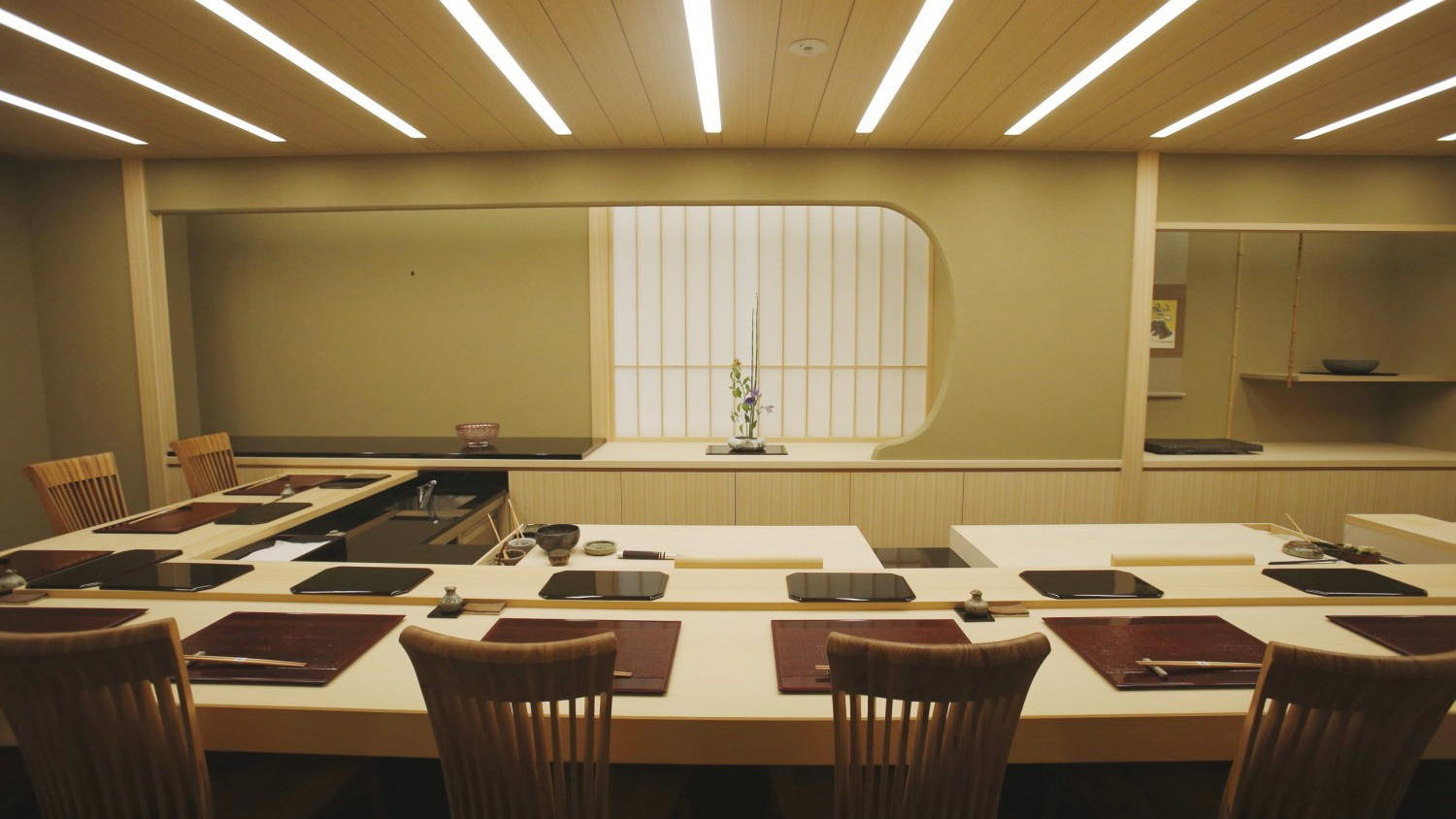
Tokyo’s premium dining culture often divides along format lines. Sushi counters turn on rice temperature and fish condition; other specialist rooms depend on their own narrow rituals of heat, sequence, and timing; yakitori counters live by the grill’s conversation with the bird. In Tokyo, that last category can be polished, but the essential pleasure remains compact: a seat facing the work, a progression of skewers, and the quiet assessment of doneness.
The appeal is in the format as much as the address. A serious yakitori room should be small enough to make pacing visible, with the grill setting the rhythm rather than the room performing for effect. That matters for yakitori. A counter dominated by regulars can be unforgiving to newcomers if the service assumes too much, so the best editorial read is to approach the meal with attention and patience. The audience remains grown-up: the restaurant suits diners who want the food and the tempo, not a noisy prelude to somewhere else.
Drink culture is part of the calculus, but the core decision is still the food. Sake, shochu, wine, beer, or other pairings may all make sense depending on the room and the guest, yet yakitori does not need a complicated frame to justify itself. The better read is not to over-plan around accessories, but to let the meal’s sequence carry the night: smoke, salt, tare, heat, and the slow accumulation of small pieces handled well.
The regulars' logic: repeatable craft over novelty
Yakitori’s serious houses survive on repeat confidence. The unwritten menu is not necessarily a secret list; it is the accumulated knowledge of pacing, appetite, and preferred balance. Regulars return because the format allows minute differences to matter. Salt can define one skewer, tare another. Char can support rather than dominate. The meal’s structure can tighten around a guest who wants a focused dinner or relax around a table making an evening of it.
That is why awards in yakitori read differently from awards in grand tasting-menu dining. A Tabelog 100 selection in the yakitori category signals performance inside a specialist field, not general luxury. It tells diners that the restaurant is being judged against other grill-focused rooms, where technique is repetitive by design and weakness has nowhere to hide. In that context, Yakitori Hirano’s selection in 2025 carries more weight than a vague popularity claim.
Tokyo also sharpens the comparison. A diner choosing between Sushi Kanesaka, Arai, Sushi Satake, or Ginza Inaba is comparing different counter traditions, pacing, and expectations. Chuka Ginza Tei sits at another point in the city’s dining spectrum, useful as a reminder that Tokyo is not only luxury theatre. Yakitori occupies a middle path: intimate and ingredient-driven, but less formal than some counter dining and more repeatable than a special-occasion dégustation.
For readers mapping Tokyo beyond one meal, the broader dining frame matters as much as any single booking, while other Tokyo dining rooms show how wide the city’s restaurant register becomes once the counter is not the only lens. Yakitori Hirano should be read within that larger field: not as a generic night out, but as a focused choice for diners who want the narrow pleasures of grill, timing, and repetition.
How to read the room before committing the night
This is a Tokyo restaurant best approached as a planned dinner rather than an improvised stop. The listed dinner budget is JPY 15,000 - JPY 19,999, which places the decision in serious-meal territory without needing to borrow the language of grand luxury. Practical details should be confirmed directly before visiting, especially reservations, payment preferences, and any service terms. The key point is to arrive ready for a meal built around sequence rather than spectacle.
The strongest case for Yakitori Hirano is not novelty. It is a particular version of Tokyo confidence: a grill room in Tokyo, recognized within the yakitori category, built for diners who understand that repetition can be a measure of seriousness. Choose it when the night calls for craft at close range, a controlled counter tempo, and a meal where the regulars’ instincts make sense even before anyone explains them.
For a fuller Tokyo trip, pair dinner planning with broader guides to the city’s hotels, bars, wineries, and experiences. Wider Japan and beyond can be cross-checked through unnamed dining rooms and travel references, but Yakitori Hirano is best kept in its own lane: a Tokyo yakitori address with a 2025 Tabelog 100 Yakitori EAST selection, a 3.74 Tabelog score, and a dinner budget listed at JPY 15,000 - JPY 19,999.
Frequently asked questions
What does dinner at Yakitori Hirano typically cost?
Pricing at Yakitori Hirano is listed as JPY 15,000 - JPY 19,999.
What days is Yakitori Hirano closed?
Confirm current opening days and hours directly with Yakitori Hirano before visiting.
Where is Yakitori Hirano in Tokyo?
Tokyo.
What is Yakitori Hirano known for?
Yakitori Hirano is known for yakitori in Tokyo and is listed in the 2025 Tabelog 100 Yakitori EAST selection with a Tabelog score of 3.74.
Same-City Peers
Comparable venues side-by-side for orientation.
| Venue | Cuisine | Price | Awards | Notes |
|---|---|---|---|---|
| Yakitori HiranoThis venue (the venue you are viewing) | Edo-style Yakitori Omakase with Modern Japanese Pairings | $150–200 | Tabelog 100 #75 | Not listed |
| Ginza Inaba | Seasonal Japanese Kaiseki Omakase | $200–300 | Tabelog 100 #2 | JPY 30,000 - JPY 39,999 JPY 8,000 - JPY 9,999 |
| Chuka Ginza Tei | Showa-era Chinese counter (ramen, gyoza & fried rice) | $10–20 | Tabelog 100 #76 | JPY 1,000 - JPY 1,999 - JPY 999 |
| Sushi Kanesaka | Edomae Omakase | $200–300 | 2 Michelin Stars · La Liste Top Restaurants | Sushi |
| Arai | Ginza Nigiri Sushi | $200–300 | La Liste Top Restaurants · Tabelog Gold #4 | Not listed |
| Sushi Satake | Edomae Omakase with Hot Sushi Rice | $200–300 | Tabelog 100 #93 | Not listed |
Recognition history
Dated appearances from independent guides and award organizations, with the underlying list record or original source where available.
Tabelog 100 #75 · No. 75
Tabelog · Tabelog 100 - Yakitori - EAST - 2025