Dining Room
Dining Room occupies a quiet address in Kecamatan Menteng, Jakarta's most established residential and dining quarter. The venue sits within a neighbourhood where sourcing provenance and ingredient integrity have become the defining conversation among serious kitchens. For readers building an itinerary around Jakarta's more considered dining options, Menteng rewards close attention.
Pearl is the En Primeur Club membership app — saves, bookings, and concierge access live there. Same editors, same standards.
- Address
- Kecamatan Menteng, Jakarta 10340
- Directions
- Get directions
 Saves & bookings on Pearl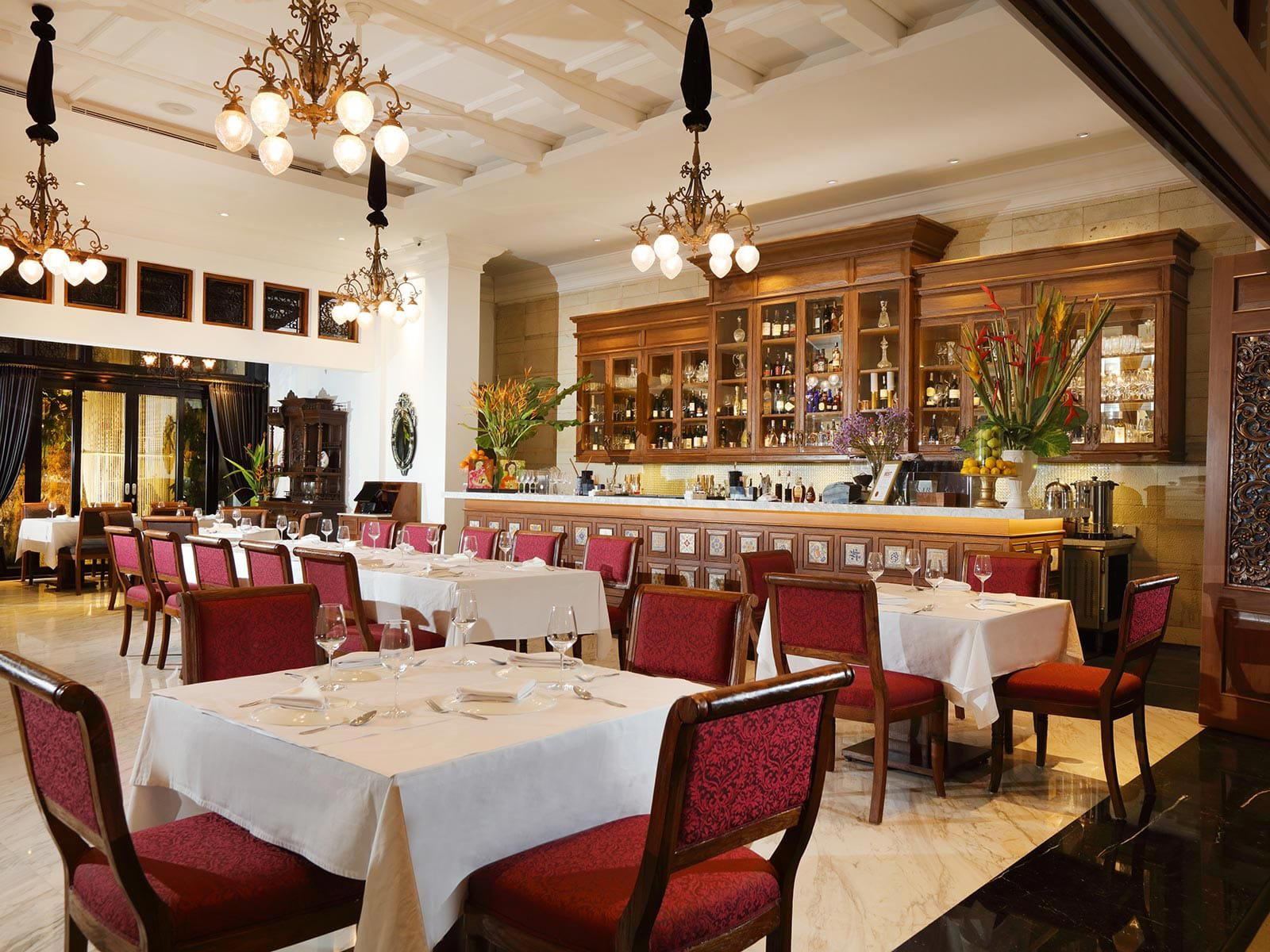
Menteng's Dining Room: Where Jakarta's Ingredient Conversation Is Happening
Kecamatan Menteng has long functioned as Jakarta's most composed neighbourhood, its tree-lined streets and Dutch colonial grid separating it from the commercial density that defines much of the capital. That relative calm has, over the past decade, attracted a particular kind of restaurant operator: one less interested in volume than in precision. Dining Room is a restaurant in Kecamatan Menteng, Jakarta, serving an Indonesian and Italian buffet with a price tier of 3, or about US$35 per person.
The broader shift in Jakarta's serious dining rooms mirrors patterns visible elsewhere in Southeast Asia. At Locavore NXT in Ubud, the sourcing programme is explicit and documented, built around a network of small Balinese producers. At August in Jakarta, the kitchen's relationship with Indonesian smallholders shapes what appears on the tasting menu each week. Dining Room operates in this same conversation, within a Menteng setting that carries its own quiet authority.
The Sourcing Logic Behind Menteng's Better Kitchens
Indonesian cuisine is, at its foundation, an ingredient-driven tradition. The archipelago's geographic range, from the volcanic soils of Java to the fishing communities of Maluku, produces an extraordinary breadth of raw material: heirloom rices, heritage protein breeds, spice varietals that have been cultivated across centuries of trade. The question for any kitchen working in this tradition is not whether good ingredients exist, but whether the sourcing infrastructure exists to reach them consistently.
This is the challenge that separates the more deliberate Jakarta kitchens from those operating on import or wholesale supply chains. Venues in the region that have built direct producer relationships, such as Moksa in Bali with its on-site permaculture garden, or Cafe Organic Canggu in Banjar Badung with its commitment to local organic supply, have made sourcing itself a visible part of the dining proposition. In Menteng, the same logic applies: the neighbourhood's demographic, historically upper-middle Jakarta, has historically supported restaurants willing to charge appropriately for ingredient quality.
Other tables in the immediate Menteng area, including Gindaco, Kita 喜多 Restaurant And Bar, and Wee Nam Kee, represent the breadth of format and cuisine type the district now supports. Menteng is no longer a single-cuisine enclave. It has developed the kind of neighbourhood-level diversity that rewards repeat visits across different meal formats.
Jakarta's Wider Ingredient Movement and Where Dining Room Sits
The ingredient-provenance movement in Indonesian dining has a clear geography. Bali has led it most visibly, with venues like Rumari in Jimbaran, Cuca Restaurant in Badung, and Sarong Bali in Canggu each building programmes that position local sourcing as a distinguishing feature rather than an ethical footnote. Jakarta has been slower to formalise this, partly because the capital's dining culture has historically leaned toward scale and accessibility rather than provenance and restraint.
That is changing. Restaurants in neighbourhoods like Gondangdia, immediately adjacent to Menteng, are part of this shift: Kahyangan in Gondangdia represents the kind of considered local operation that signals a maturing restaurant culture in central Jakarta. For international reference points, the sourcing discipline visible at venues like Le Bernardin in New York City or the producer-relationship model at Lazy Bear in San Francisco shows what a fully developed ingredient programme can mean for a restaurant's identity and consistency across years of operation. Jakarta's better kitchens are working toward comparable rigour within a different supply context.
Beyond Jakarta and Bali, the conversation extends into other parts of the Indonesian archipelago. CARANO Masakan Padang in Bekasi represents the Padang tradition, where ingredient specificity, particularly in terms of spice and protein selection, is baked into the cuisine's regional identity. And in Bogor, Agreya Coffee Bogor points to the growing seriousness around Indonesian single-origin coffee, another category where provenance has become the primary differentiator.
Planning a Visit to Dining Room
Kecamatan Menteng sits in central Jakarta, and the neighbourhood is accessible by the Transjakarta bus corridor as well as ride-hailing services, which remain one practical option for most visitors arriving from hotel districts further south or from the airport. Traffic in Jakarta is a structural condition rather than an exception, so scheduling a dinner reservation with adequate travel time from Sudirman or SCBD is standard practice. Menteng's own streets are calmer than the arterial roads surrounding it, which makes arrival on foot from adjacent streets more feasible than in most Jakarta districts.
Menteng rewards a structured approach: the district is compact enough that two or three meals across different restaurants can be arranged within walking distance of each other, which makes it one of the few Jakarta neighbourhoods suited to a foot-based dining evening.
Bookings are recommended, and the dress code is smart casual. Jakarta's restaurant scene operates with varying degrees of advance-booking pressure depending on the format: tasting-menu operations in the city can require several weeks of lead time, while more casual tables often accept same-day bookings.
Jungle Fish Bali in Gianyar and The Legian in Seminyak represent different points on the Bali spectrum, while the Menteng and Gondangdia examples here show how Jakarta is developing its own version of the same conversation. Dining Room remains a practical choice for diners seeking an Indonesian and Italian buffet in central Jakarta.
Quick Comparison
Comparable venues nearby, for context on price, style, and recognition.
| Venue | Cuisine | Price | Notes |
|---|---|---|---|
| Dining RoomThis venue — the venue you are viewing | Indonesian and Italian Buffet | $$$ | Not listed |
| Wee Nam Kee | Singaporean Hainanese Chicken Rice | $$ | Menteng |
| Kita 喜多 Restaurant And Bar | Modern Japanese with Teppanyaki, Shabu-Shabu, Robatayaki & Omakase | $$$$ | Menteng |
| Gindaco | Japanese Takoyaki & Okonomiyaki | $ | Menteng |
| Kembang Goela Restaurant | Authentic Indonesian | $$$ | Semanggi |
| Jungle Fish Bali | Mediterranean-Inspired Indonesian | $$ | Keliki |
Continue exploring
More in Kecamatan Menteng
Restaurants in Kecamatan Menteng
Browse all →
Bars in Kecamatan Menteng
Browse all →
At a Glance
- Elegant
- Sophisticated
- Scenic
- Brunch
- Business Dinner
- Celebration
- Family
- Hotel Restaurant
- Open Kitchen
- Private Dining
- Panoramic View
- Extensive Wine List
- Skyline
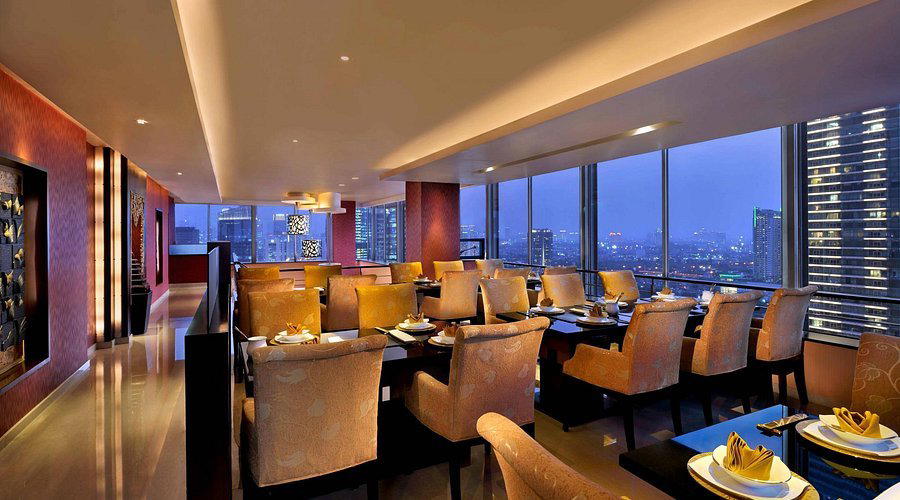
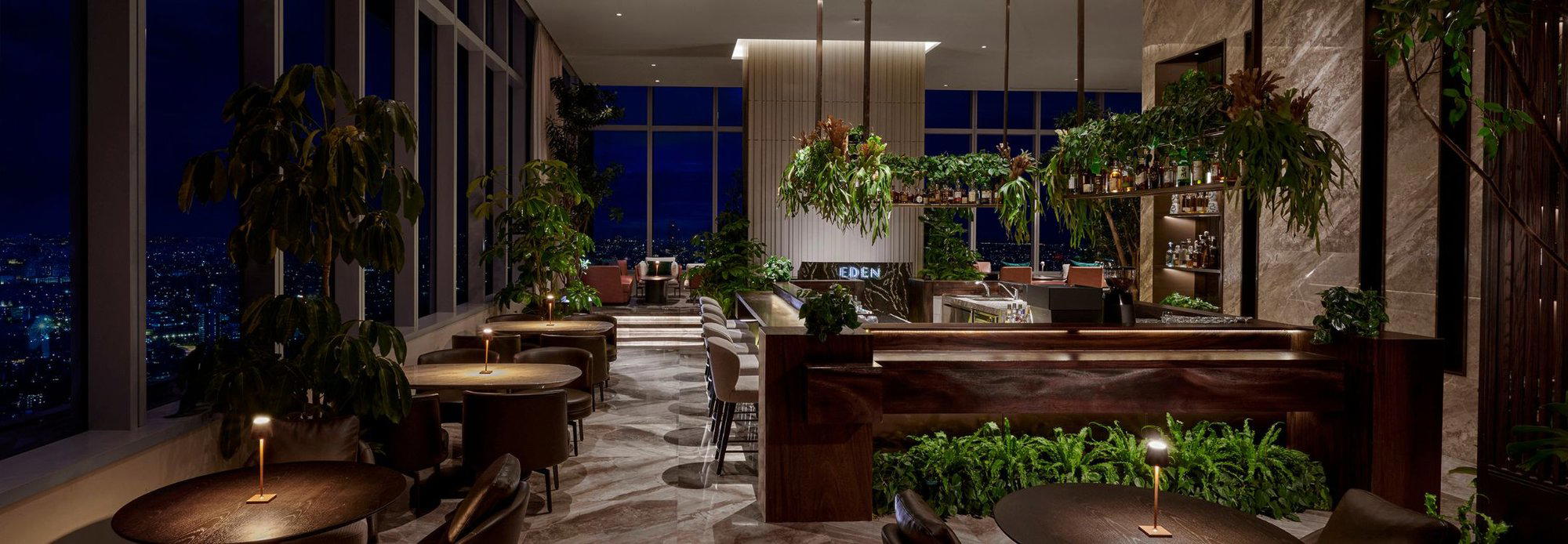
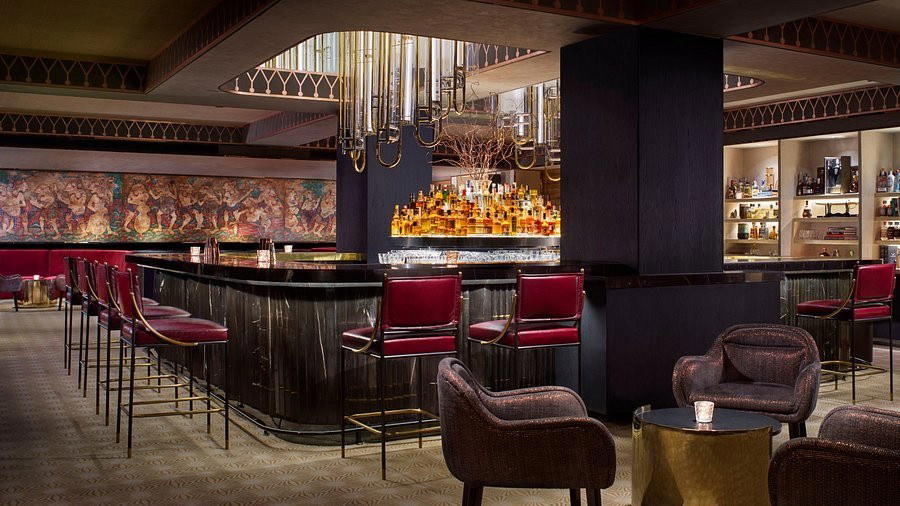
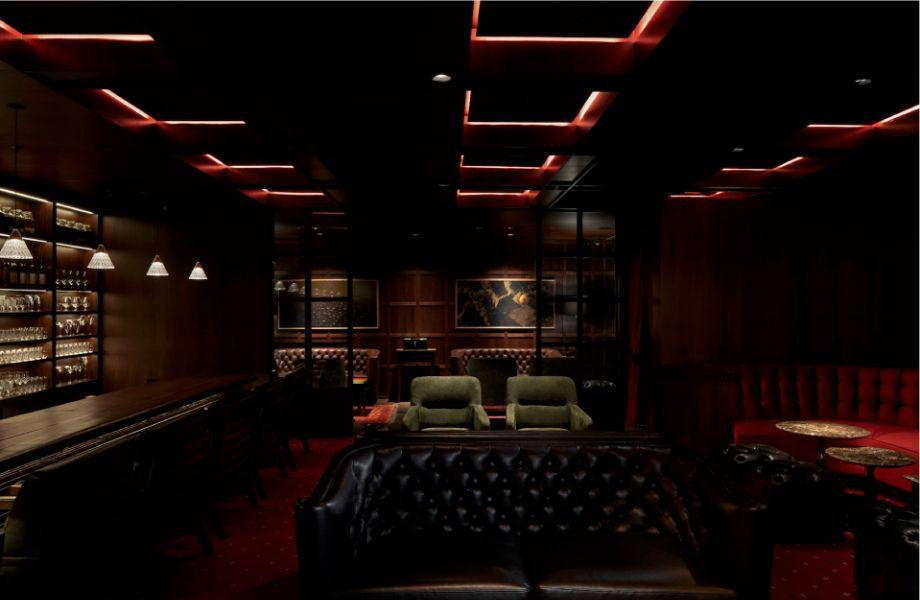
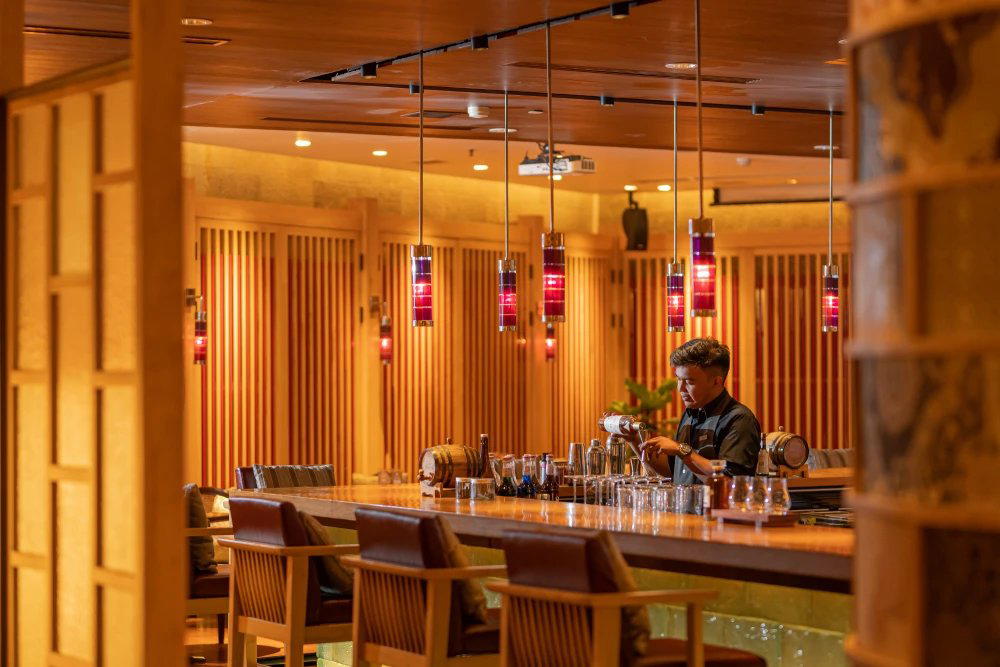
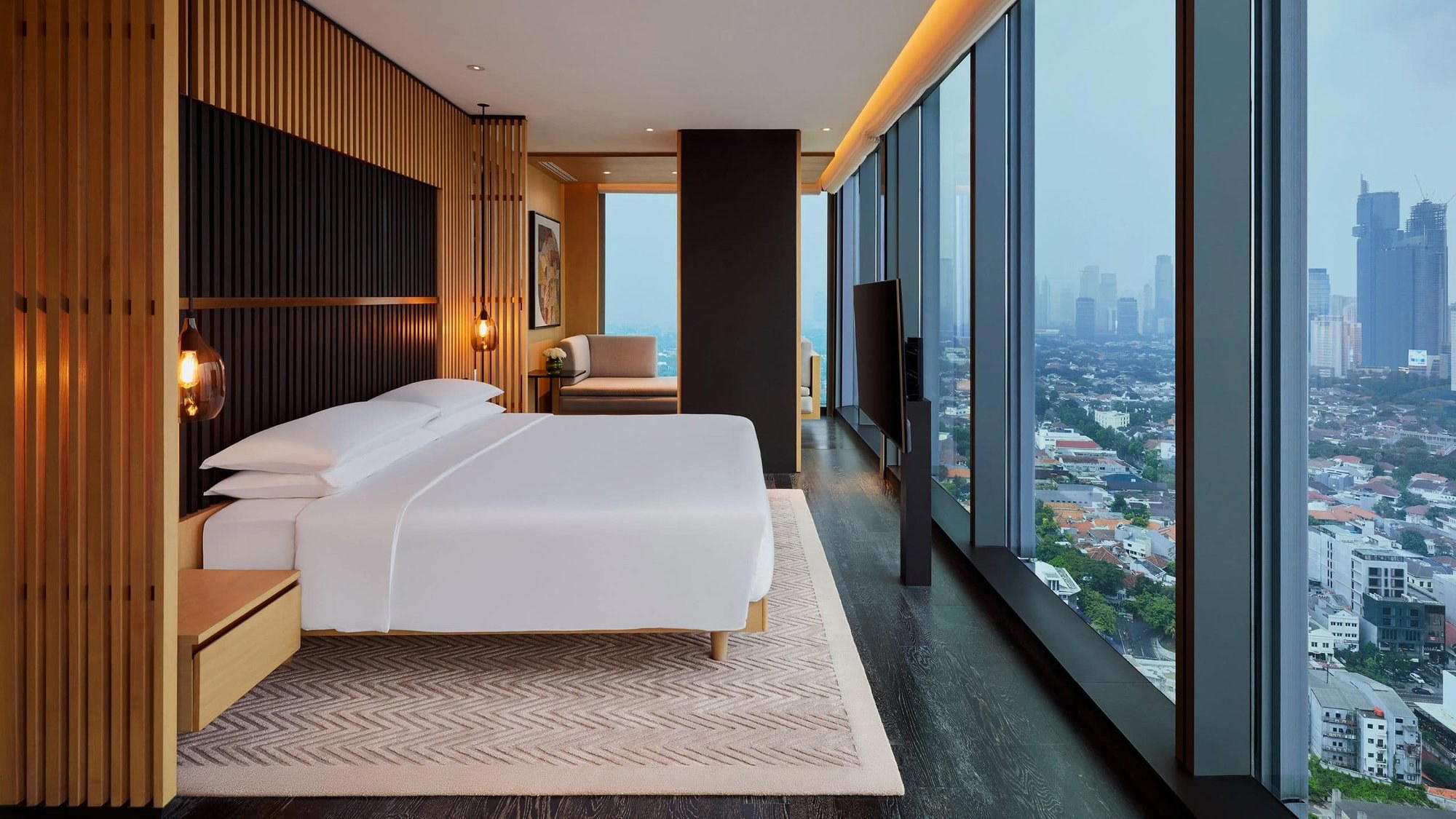
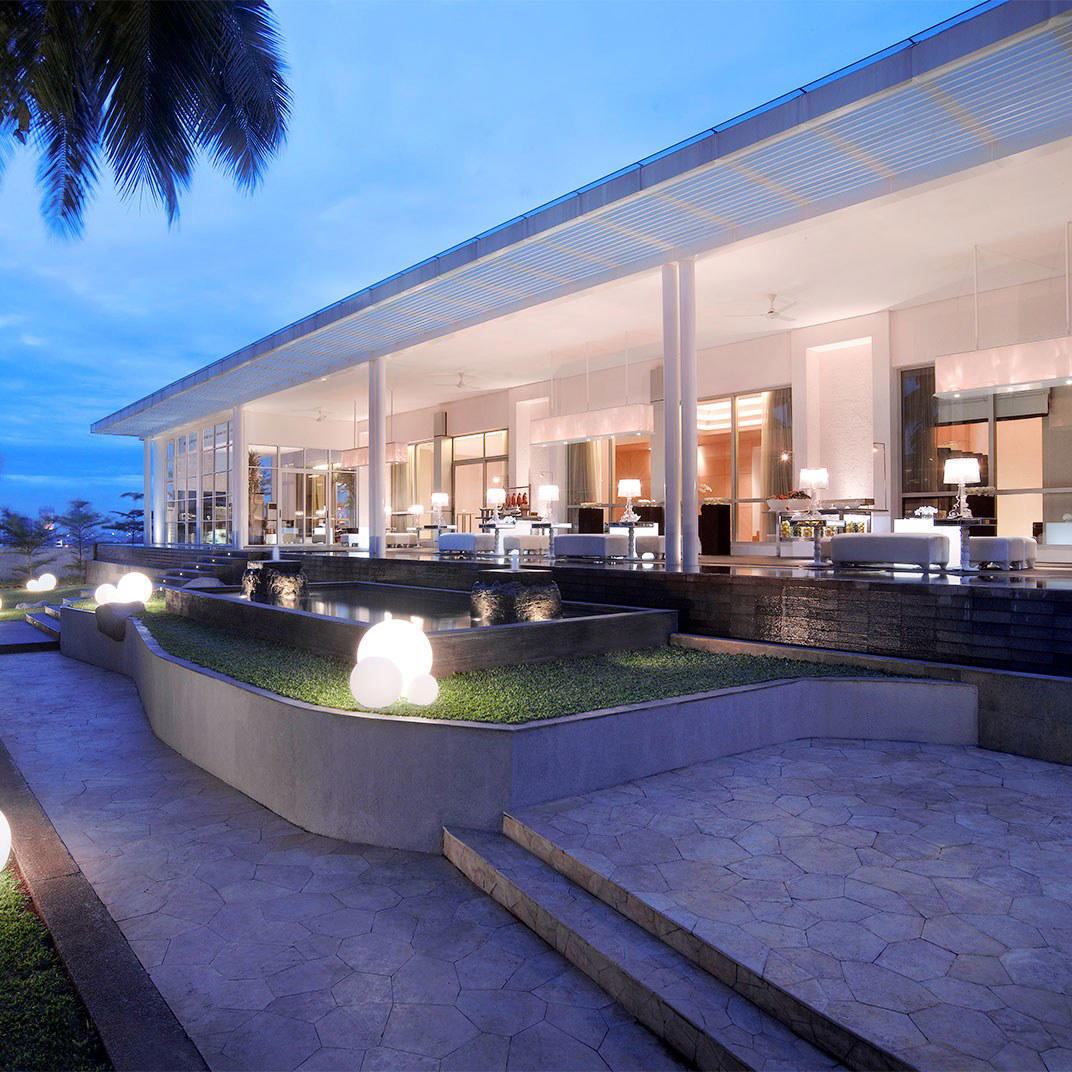
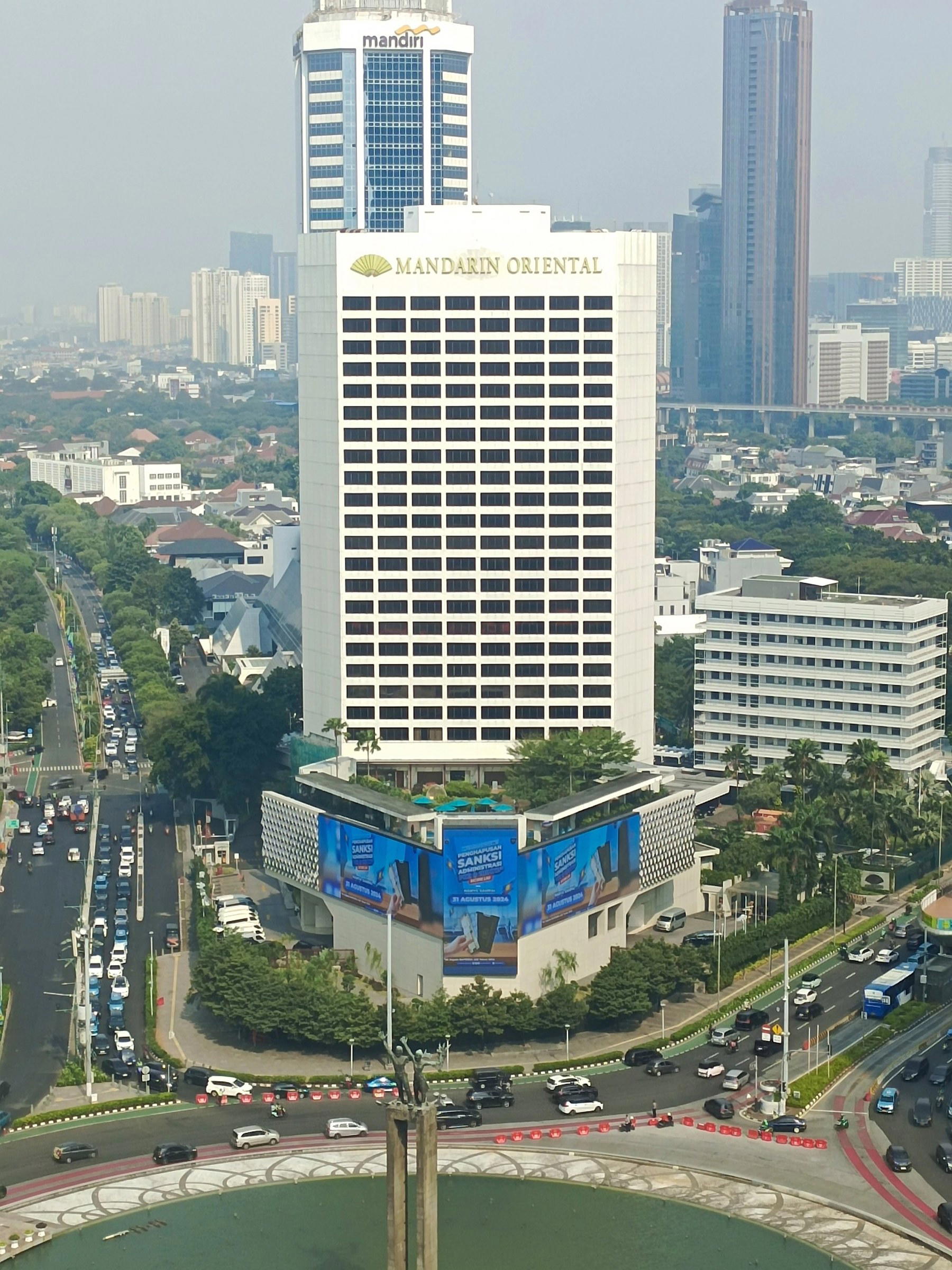
Elegant atmosphere with dramatic city views from the 22nd floor, dynamic live kitchen, and luxurious hotel setting praised for its sophisticated yet inviting vibe.