Wee Nam Kee
Wee Nam Kee brings the Hainanese chicken rice tradition to the heart of Menteng, Central Jakarta, at a Jl. M.H. Thamrin address that places it within reach of the district's business and diplomatic corridors. The format is unfussy and direct: a rice-centred menu rooted in the Singaporean-Hainanese lineage that has shaped Chinese cooking across Southeast Asia for over a century. For the neighbourhood, it fills a specific gap between casual hawker-style eating and more formal Chinese dining rooms.
Pearl is the En Primeur Club membership app — saves, bookings, and concierge access live there. Same editors, same standards.
- Address
- Jl. M.H. Thamrin No.1 Unit GD1 - 03, RT.1/RW.5, Kebon Melati, Menteng, Central Jakarta City, Jakarta 10310, Indonesia
- Phone
- +62 21 23581318
- Website
- wnk.com.sg
- Directions
- Get directions
 Saves & bookings on Pearl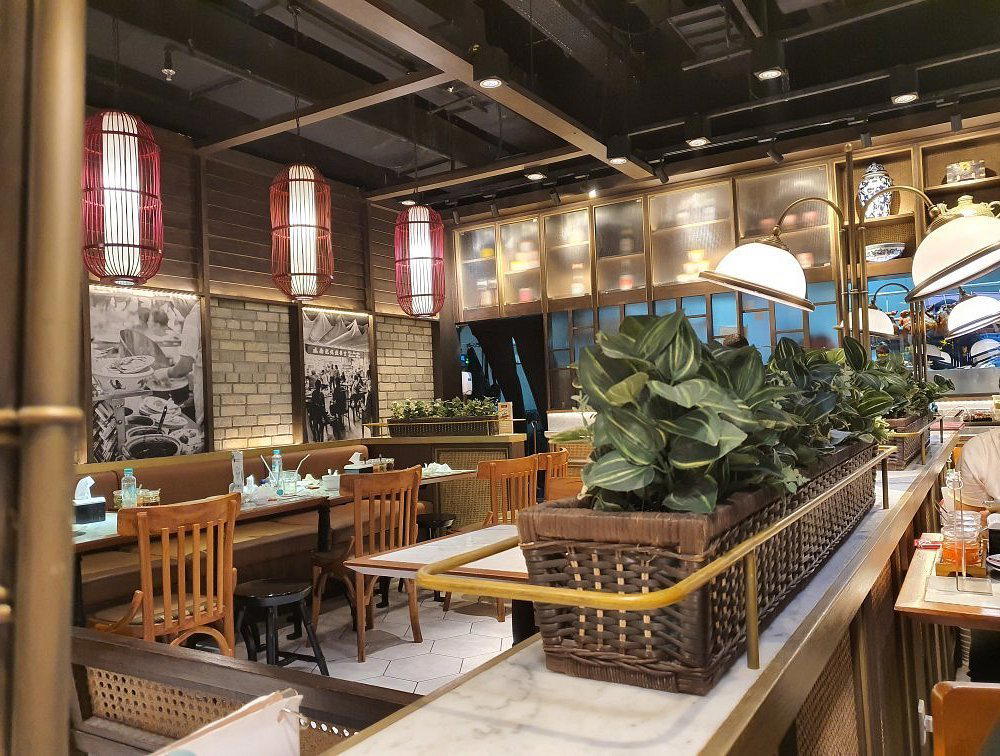
Hainanese Chicken Rice and the Long Road to Jakarta
Across Southeast Asia, the story of Hainanese chicken rice is inseparable from the story of Chinese migration. Traders and labourers from Hainan province settled in Singapore, Penang, and the port cities of colonial Malaya from the late nineteenth century onward, bringing with them a cooking tradition built on economy and precision: a whole chicken poached in a carefully managed broth, the fat-enriched cooking liquid recycled to cook rice, the whole assembly served with chilli, ginger paste, and dark soy. What began as a working-class staple became, over several generations, among the more argued-about dishes in the region. Singaporeans debate its execution with the same intensity that Neapolitans reserve for pizza or Lyonnais chefs for quenelles.
Wee Nam Kee is a Singaporean restaurant serving Singaporean Hainanese Chicken Rice in Central Jakarta. The Menteng outlet, at Jl. M.H. Thamrin No.1 in Central Jakarta, places this lineage inside one of the city's most historically significant districts. Menteng was designed as a planned residential quarter under Dutch colonial administration in the early twentieth century, and it remains Jakarta's closest equivalent to an established inner-city neighbourhood, home to embassies, government ministries, and the kinds of mid-century bungalows that most of the city's newer districts have replaced with towers. Dining here draws a mix of office workers, diplomatic staff, and residents who expect a certain baseline of reliability. A Singaporean chicken rice house fits that expectation: known format, controlled execution, little ambiguity about what you are ordering.
What the Hainanese Format Demands
The discipline required to execute Hainanese chicken rice well is easy to underestimate. The poaching temperature has to stay below a rolling boil to keep the flesh tender and the skin intact; the broth has to be built with enough depth to carry flavour into the rice without overwhelming it; the condiments have to be freshly prepared and balanced against each other rather than treated as afterthoughts. Singapore's hawker culture enforced this discipline through competition: stalls that cut corners lost customers to those that did not, and the leading operators refined their method across decades. When the format travels, as it has to Malaysia, Thailand, and Indonesia, the quality of execution varies considerably depending on how closely the kitchen follows the original logic rather than adapting it for local preferences or lower food costs.
In Jakarta's Chinese restaurant scene, the Hainanese tradition competes for space with Cantonese dim sum houses, Hokkien-style seafood restaurants, and the growing presence of mainland Chinese formats. Hwang Fu Dimsum in Tangerang represents the dim sum side of that spectrum, while Chongqing Liuyishou Hotpot (重庆刘一手火锅) in South Jakarta and Hai Di Lao in Central Jakarta reflect the mainland hotpot formats that have expanded rapidly across the city in recent years. Wee Nam Kee's position in that field is specific: it draws on a Singaporean rather than Chinese-mainland identity, which gives it a distinct audience among Jakartans who have lived in or travelled to Singapore and recognise the reference point.
The Menteng Address in Context
The Jl. M.H. Thamrin location puts Wee Nam Kee inside a commercial corridor that runs through the heart of Central Jakarta. Thamrin is not a dining street in the way that Senopati or Kemang are; it is primarily a transit artery lined with office towers, hotels, and the kind of ground-floor retail and food spaces that serve the buildings above them. That context shapes what the restaurant does and who it serves. Lunch traffic from the surrounding offices is the defining meal period for this kind of address. The format, a rice-centred menu with a focused selection of accompanying dishes, is well suited to that rhythm: decisions are quick, portions are calibrated, and the meal does not require a long commitment of time.
Wee Nam Kee occupies a middle register in that field: more structured than a street-food counter, less formal than a full-service restaurant with a broad menu and a wine programme.
Indonesian Chinese Dining and the Regional Frame
Indonesia's Chinese-Indonesian community, known as Tionghoa, has shaped the country's food culture for centuries, producing hybrid dishes that do not map neatly onto either Chinese regional cooking or Indonesian cuisine. Bakmi, nasi goreng, and various braised preparations reflect generations of adaptation. The Singaporean Hainanese tradition represents something slightly different: a more recently arrived reference point, associated with travel and cross-border familiarity rather than deep local roots. That distinction matters in how Jakarta diners read the menu at a place like Wee Nam Kee. It is not perceived as local Chinese-Indonesian heritage cooking; it is perceived as a Singaporean import, which carries its own prestige in a city where Singapore functions as a regional benchmark for food standards, retail, and urban organisation.
Elsewhere in the Indonesian archipelago, the range of dining traditions is considerably broader. Locavore NXT in Ubud represents the high-end contemporary Indonesian format; Gudeg Yu Djum in Yogyakarta anchors the Javanese heritage end of the spectrum; Kunyit Restaurant in Bandung offers another regional angle. The Jakarta dining scene sits above all of them in terms of international reference density, pulling in formats from across Asia and positioning them for a metropolitan audience. The restaurant is one data point in that pattern: a Singaporean hawker tradition repositioned for a Central Jakarta commercial address.
The restaurant does not aim at that register, and the comparison is useful mainly to show how wide Jakarta's dining range has become: a single city now holds everything from Hainanese chicken rice counters to kitchens operating at international tasting-menu level.
Planning Your Visit
The Jl. M.H. Thamrin address is accessible by TransJakarta bus corridor and is within walking distance of the Bundaran HI MRT station, making it one of the more transit-accessible dining options in Central Jakarta. Given the office-district location, midday weekday periods are likely to be the busiest. Visitors from outside the city staying near the Thamrin corridor will find the location convenient as a lunch stop without requiring a dedicated journey. The restaurant is open daily from 10 AM to 10 PM, is walk-in friendly, and sits in price tier 2 at about $8 per person.
Cost Snapshot
Comparable venues nearby, for context on price, style, and recognition.
| Venue | Cuisine | Price | Notes |
|---|---|---|---|
| Wee Nam KeeThis venue — the venue you are viewing | Not listed | $$ | Not listed |
| Dining Room | Not listed | $$$ | Kecamatan Menteng, Indonesian and Italian Buffet |
| Kita 喜多 Restaurant And Bar | Not listed | $$$$ | Menteng, Modern Japanese with Teppanyaki, Shabu-Shabu, Robatayaki & Omakase |
| Gindaco | Menteng, Japanese Takoyaki & Okonomiyaki | $ | Not listed |
| The Grand Nihao | Not listed | $$ | Alam Sutera, South Tangerang, Chinese Seafood |
| Kam's Roast Indonesia | Gondangdia, Hong Kong Roast Meats | $$$ | Not listed |
Continue exploring
More in Kecamatan Menteng
Restaurants in Kecamatan Menteng
Browse all →
Bars in Kecamatan Menteng
Browse all →
At a Glance
- Casual
- Modern
- Casual Hangout
- Family
Current opening hours
- Monday
- 10 AM–10 PM
- Tuesday
- 10 AM–10 PM
- Wednesday
- 10 AM–10 PM
- Thursday
- 10 AM–10 PM
- Friday
- 10 AM–10 PM
- Saturday
- 10 AM–10 PM
- Sunday
- 10 AM–10 PM
Hours can change for holidays and private events. Last verified .
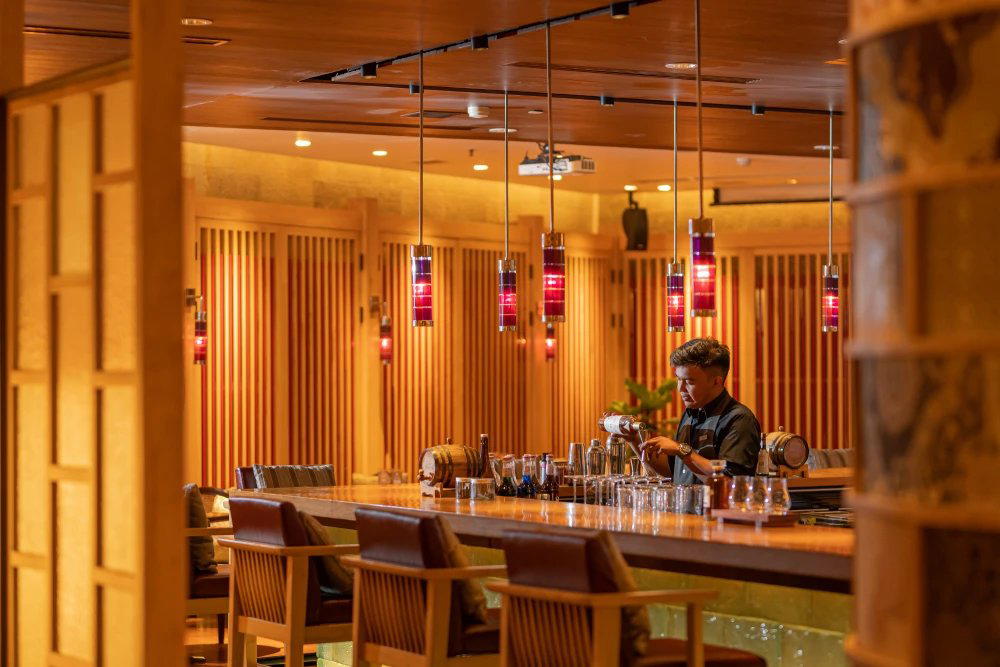
Comfortable dining area with Japanese-style sushi decor elements and clean, modern mall setting.