On Offenburg's central Hauptstraße, Gigi's occupies a position that tells you something about how dining culture has taken root in smaller German cities beyond the obvious fine-dining corridors. The address places it squarely in the civic heart of a town that sits between the Black Forest and the Rhine plain, a geography that has long shaped what ends up on plates in this part of Baden-Württemberg.
Pearl is the En Primeur Club membership app — saves, bookings, and concierge access live there. Same editors, same standards.
- Address
- Hauptstraße 58, 77652 Offenburg, Germany
- Phone
- +4978199058118
- Website
- gigisog.com
- Directions
- Get directions
 Saves & bookings on Pearl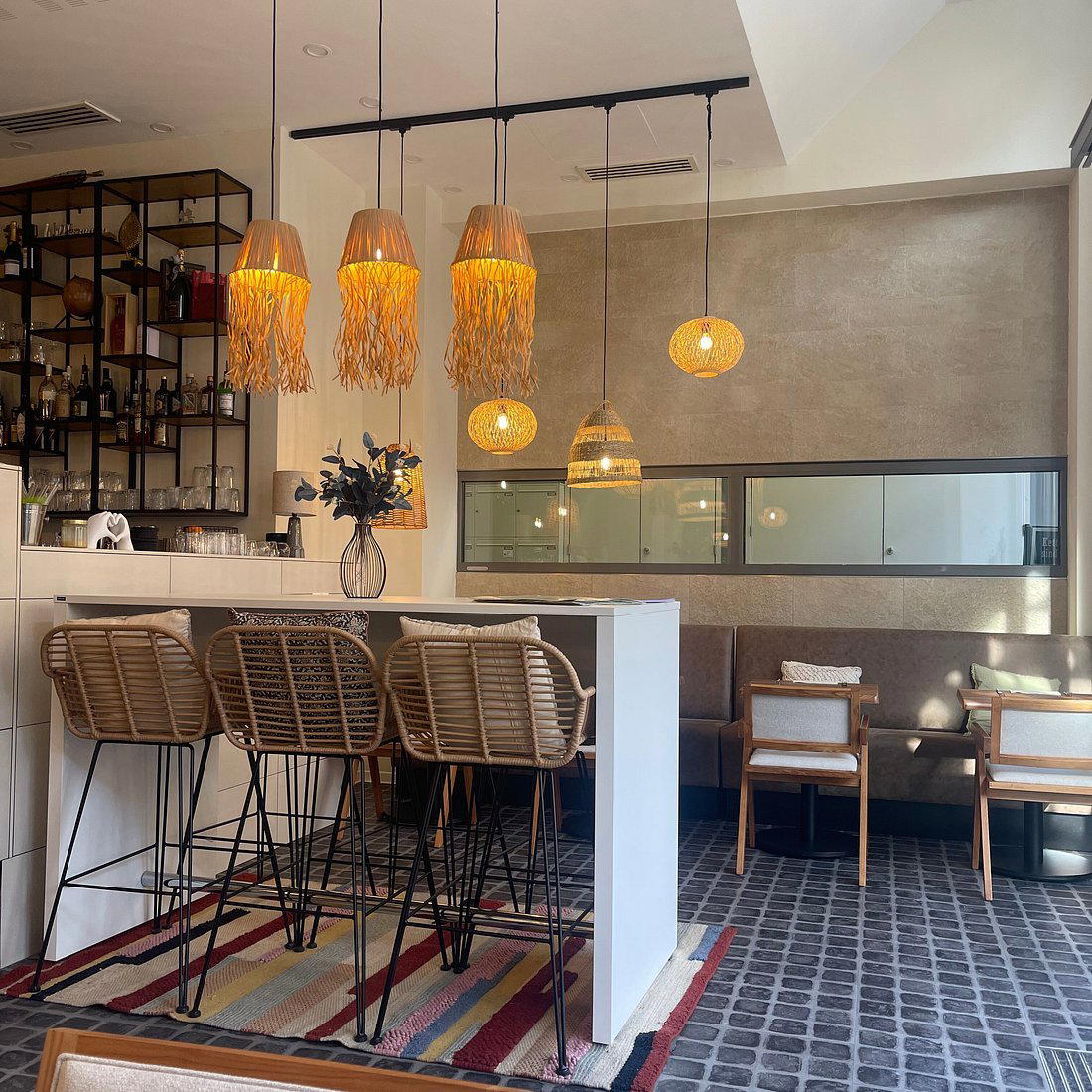
Where the Black Forest Meets the Rhine Plain
Offenburg sits at a geographic intersection that matters more than most visitors realise. The Black Forest rises to the east, the Rhine plain extends to the west, and the Alsatian border lies close enough that cross-cultural culinary exchange here is not a marketing talking point but a structural fact of life. This is the context in which Gigi's, at Hauptstraße 58, operates. The address on Offenburg's main artery puts the restaurant at the centre of a town that has developed a more serious dining scene than its size might suggest, partly because the ingredients available in this corner of Baden-Württemberg are among the more varied in Germany.
The Black Forest does not just provide scenic backdrop. It produces game, wild mushrooms, cured meats, and dairy traditions that have fed this part of southwestern Germany for centuries. The Rhine plain and the Alsatian fields just across the border contribute soft-fruit harvests, asparagus, and a vegetable-growing culture that runs deep into early spring. Any kitchen working seriously in Offenburg has access to a supply chain that larger German cities would pay significantly more to replicate. The sourcing question, in this region, is less about whether local ingredients are available and more about which producers a kitchen chooses to work with and how those relationships shape what arrives on the table seasonally.
Dining in Offenburg's Civic Core
Germany's fine-dining conversation tends to cluster around a handful of marquee addresses: the Schwarzwaldstube in Baiersbronn, Aqua in Wolfsburg, Vendôme in Bergisch Gladbach, or JAN in Munich. Offenburg does not compete in that tier, and its more interesting restaurants are not trying to. What the town offers instead is a dining culture embedded in everyday civic life, where a restaurant on the Hauptstraße serves a local clientele rather than a pilgrim audience arriving by car from distant cities for a single occasion.
That distinction shapes everything from menu construction to service tempo. Restaurants on this model tend to be more responsive to seasonal availability because they cannot rely on destination diners arriving regardless of what's on offer. They also tend to maintain closer supplier relationships because the economics of a local-clientele model require consistent quality at a price point that encourages repeat visits. For a food-focused traveller passing through the upper Rhine valley, that context is useful: the leading meals in towns like Offenburg often come from places doing exactly this kind of embedded, supply-driven cooking rather than performing fine dining for its own sake.
The Ingredient Geography of Southwestern Baden
Baden-Württemberg's position as one of Germany's most agriculturally diverse states is worth understanding before reading any menu in this region. The Ortenau district, which surrounds Offenburg, produces wine grapes, stone fruit, and some of Germany's most prized asparagus during the spring harvest. Game from the Black Forest represents a distinct product category that Alsatian and Black Forest kitchens have built seasonal menus around for generations. Freshwater fish from the Rhine tributaries appear on regional menus in a way that distinguishes this southwestern corner from the fish-supply patterns of northern Germany.
The cross-border influence from Alsace is structural rather than decorative. Riesling and Pinot Gris from producers just across the Rhine find their way onto wine lists in Offenburg as naturally as they do in Strasbourg. Choucroute traditions, foie gras preparations, and the broader Alsatian school of cooking have long filtered into Baden kitchens through geographic proximity and historical exchange. A kitchen working in Offenburg today operates within that inherited tradition, whether it explicitly acknowledges it or not.
Comparable kitchens in the broader southwestern German region, such as Ösch Noir in Donaueschingen or ES:SENZ in Grassau, have built their identities around this kind of regional sourcing discipline. Further afield, Schanz in Piesport and Waldhotel Sonnora in Dreis demonstrate how German kitchens outside the major cities have used regional ingredient identity to build durable reputations. The pattern holds across Germany's serious regional dining scene: specificity of sourcing tends to produce more interesting cooking than generic luxury ingredients, regardless of the price point.
Reading Gigi's in Context
At Hauptstraße 58, Gigi's occupies a central position that gives it natural visibility without the isolation of a destination restaurant. The Hauptstraße format, common across German market towns, places restaurants in direct relationship with the pedestrian rhythms of civic life. Arriving on foot from Offenburg's market square takes minutes. The address communicates something about the intended audience: this is a restaurant for the town, not for the town's occasional visitors.
That positioning has implications for how you should approach a visit. Unlike the destination kitchens at GästeHaus Klaus Erfort in Saarbrücken or Victor's Fine Dining by Christian Bau in Perl, which reward significant advance planning, a central-Hauptstraße restaurant in a town of Offenburg's size typically runs on a more accessible booking model. The clientele is local enough that spontaneous visits are often possible, particularly midweek. The experience is shaped by that civic relationship rather than by the logic of destination dining.
For travellers calibrating their regional itinerary, Offenburg works as a base for exploring a stretch of the upper Rhine valley that includes Freiburg to the south and Baden-Baden to the north, both within comfortable reach. The town's position on the main rail corridor between these two larger cities makes arrival direct without a car, which is not always the case for the more rurally situated destination kitchens of southwestern Germany.
The Broader German Regional Scene
Germany's serious restaurant culture has increasingly decentralised over the past decade. Cities like Hamburg (Restaurant Haerlin), Hanover (Jante), and Trier (Bagatelle) all host kitchens that compete on a national level. Berlin has produced destination-level concepts in unexpected categories, as CODA Dessert Dining demonstrates. Deidesheim's L.A. Jordan shows how a wine-region address can anchor a serious kitchen.
What this decentralisation means practically is that interesting cooking is no longer reliably concentrated in the major urban centres. Smaller cities and market towns across southwestern Germany have developed resident kitchens capable of producing food that rewards attention, often because local ingredient supply is stronger than what a metropolitan kitchen can access. Offenburg falls into this pattern. The town is not a fine-dining destination in the pilgrimage sense, but the combination of agricultural geography, Alsatian proximity, and a local clientele that eats out regularly creates conditions in which a kitchen like Gigi's can operate with genuine culinary seriousness.
For reference points further afield, the sourcing discipline that defines good regional cooking in southwestern Germany has international parallels: Le Bernardin in New York City built its reputation on product specificity, and Lazy Bear in San Francisco demonstrates how a local-sourcing identity can anchor a format that sits outside conventional fine-dining categories. The underlying logic, that ingredient origin shapes cooking identity, travels across contexts.
Planning Your Visit
Gigi's sits at Hauptstraße 58, 77652 Offenburg, within walking distance of the town's main public transport connections. Offenburg Hauptbahnhof sits on the main Frankfurt-Basel rail line and receives frequent InterCity and regional services, making the town accessible from Freiburg, Karlsruhe, and Strasbourg without a car. Gigi's is recommended for reservations and is open Monday to Friday from 12pm to 10pm, and Saturday and Sunday from 9am to 10pm.
At-a-Glance Comparison
Comparable venues nearby, for context on price, style, and recognition.
| Venue | Cuisine | Price | Awards | Notes |
|---|---|---|---|---|
| Gigi'sThis venue — the venue you are viewing | Creative Mediterranean | $$$ | Not listed | Not listed |
| Cresco | Mediterranean-Levantine Fusion | $$$ | Not listed | Roemerberg |
| Schönbuch | Modern Mediterranean Fine Dining | $$$ | Not listed | Pliezhausen |
| riva | Modern Mediterranean with Italian influences | $$$ | Michelin Plate | central Deidesheim |
| Restaurant Ponte | Mediterranean Seafood Tapas | $$ | Not listed | Messegelande |
| Krone | Regional German with Mediterranean and Asian Influences | $$$ | Not listed | Heitersheim |
Continue exploring
More in Offenburg
Restaurants in Offenburg
Browse all →
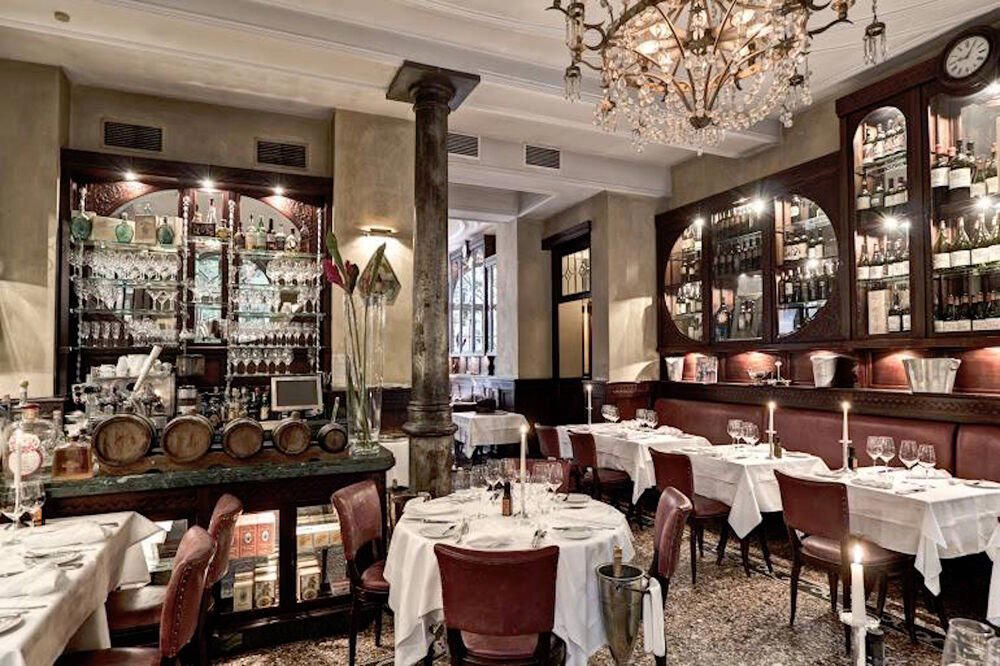
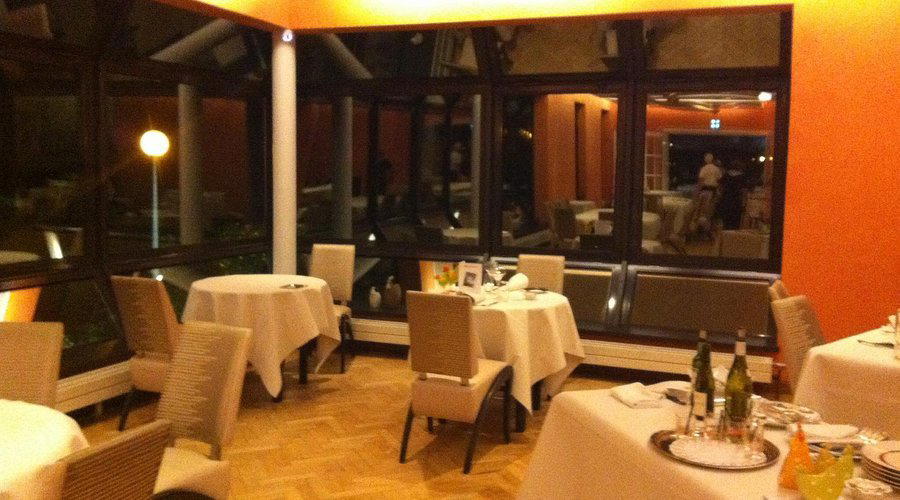
Bars in Offenburg
Browse all →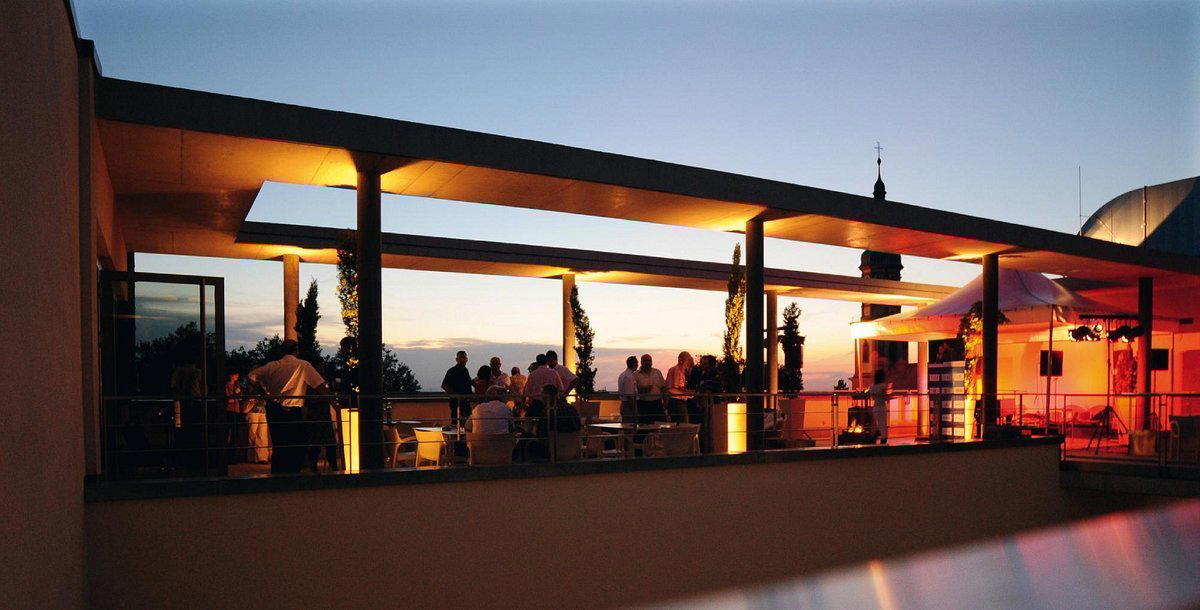
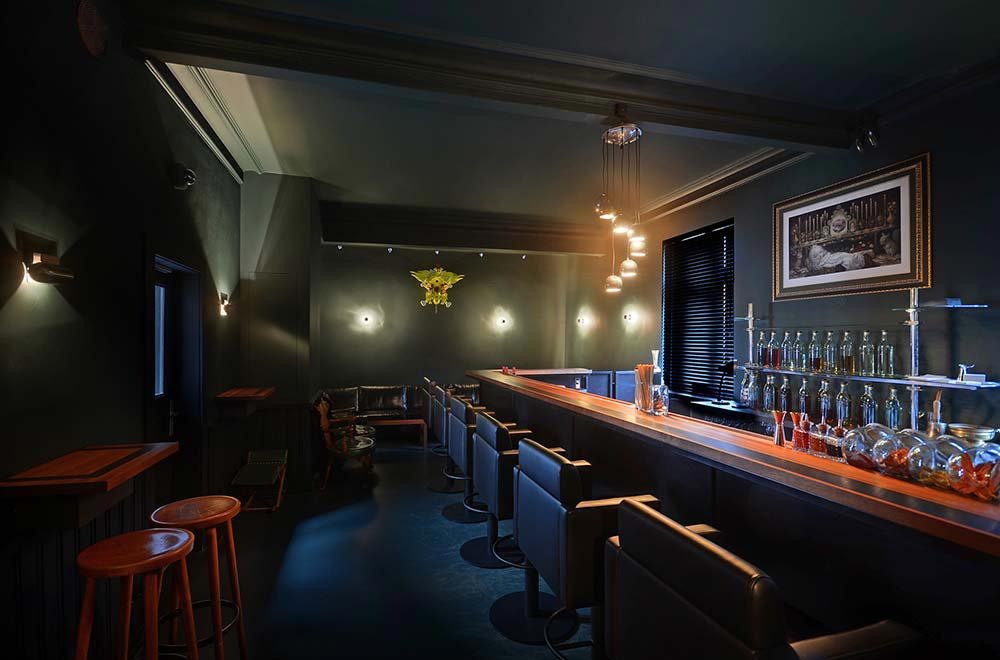

Hotels in Offenburg
Browse all →
At a Glance
- Modern
- Cozy
- Lively
- Trendy
- Date Night
- Brunch
- Open Kitchen
- Local Sourcing
Current opening hours
- Monday
- 12–10 PM
- Tuesday
- 12–10 PM
- Wednesday
- 12–10 PM
- Thursday
- 12–10 PM
- Friday
- 12–10 PM
- Saturday
- 9 AM–10 PM
- Sunday
- 9 AM–10 PM
Hours can change for holidays and private events. Last verified .
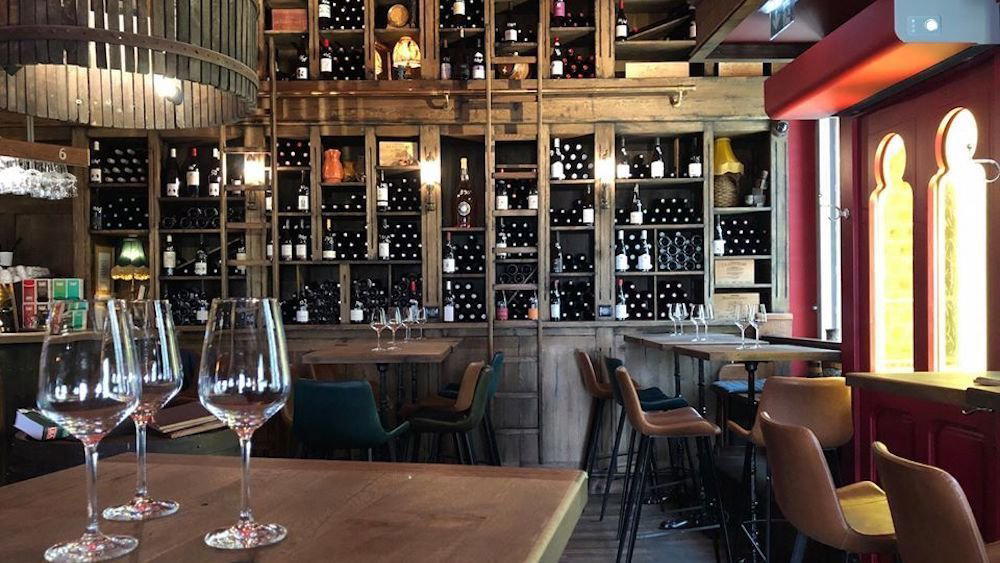
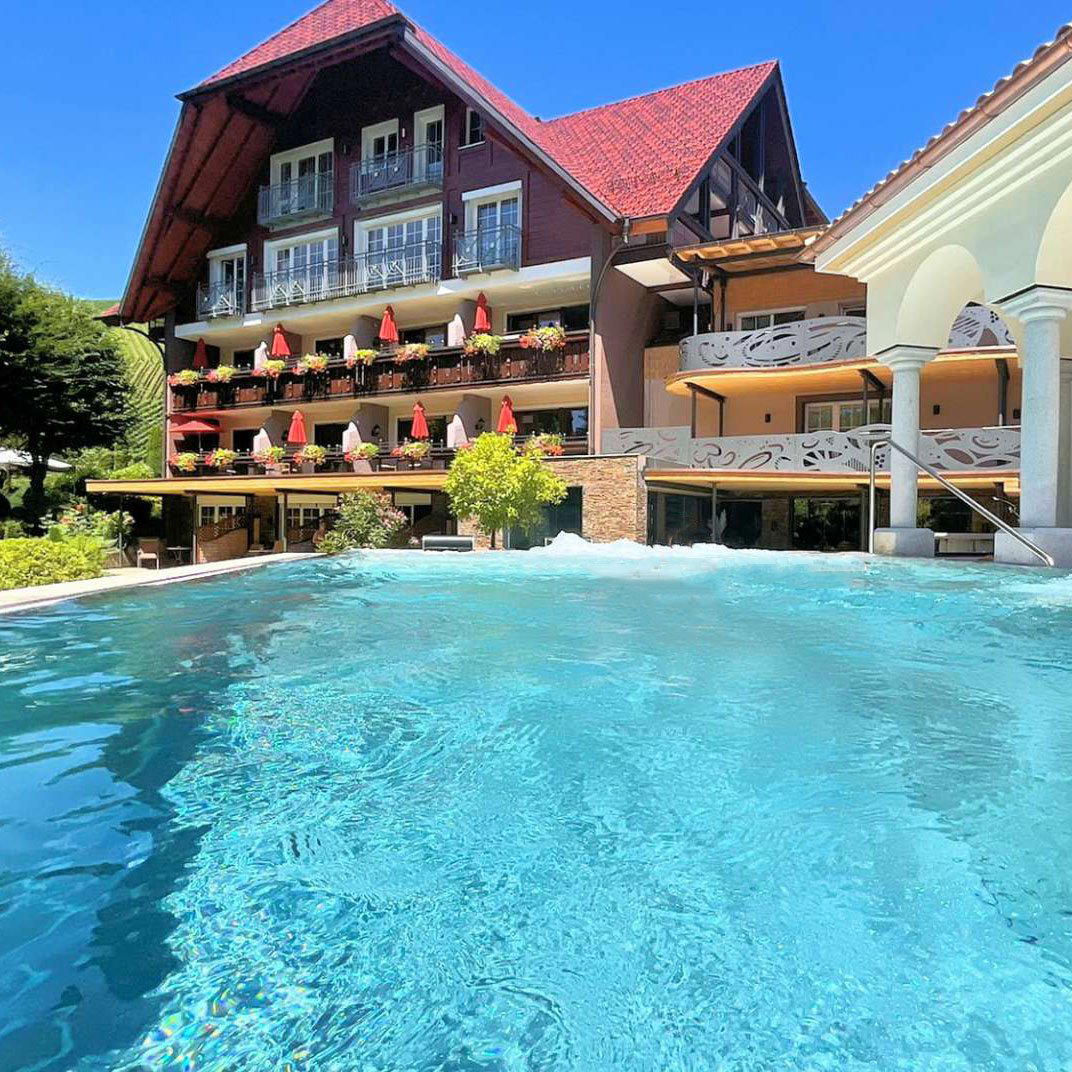
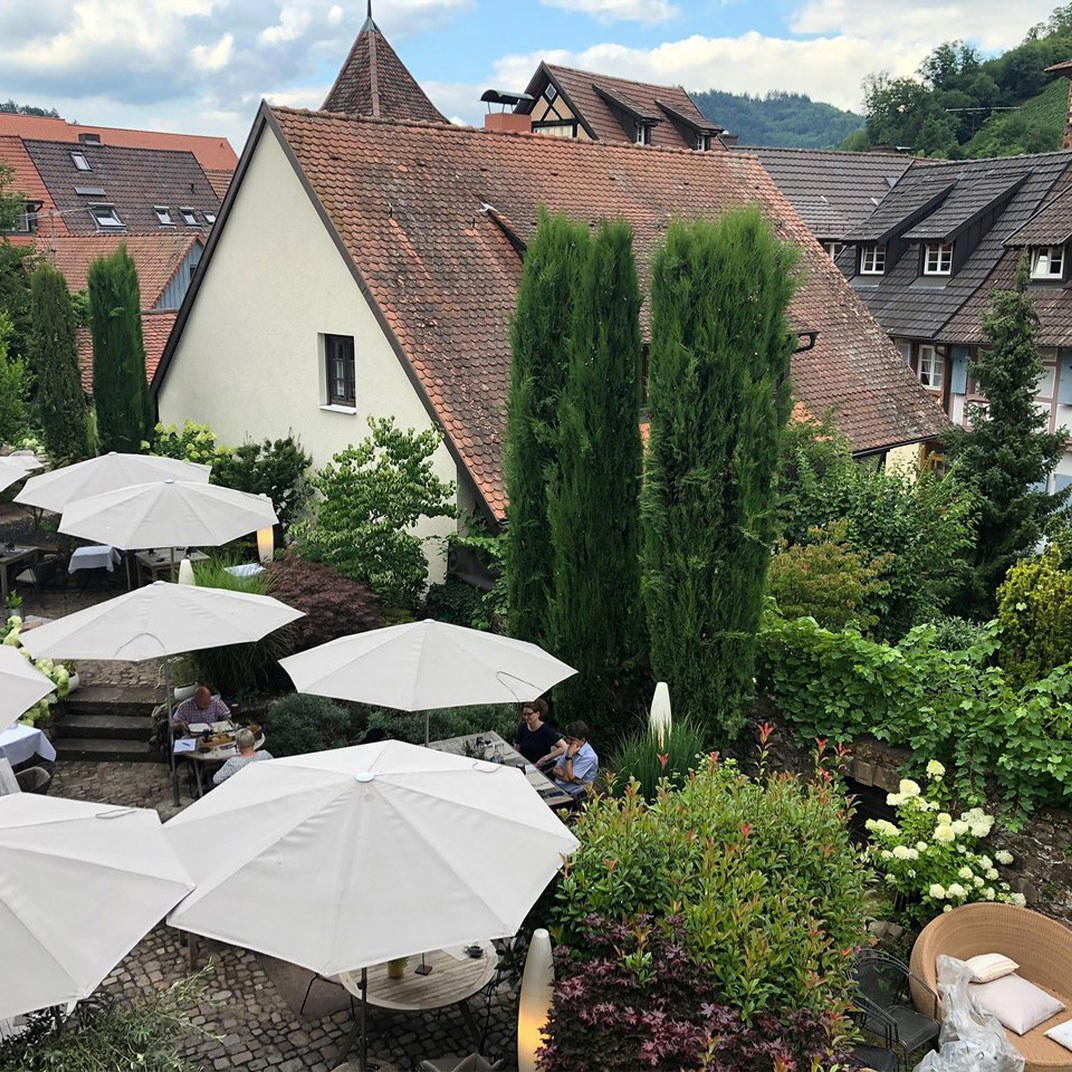
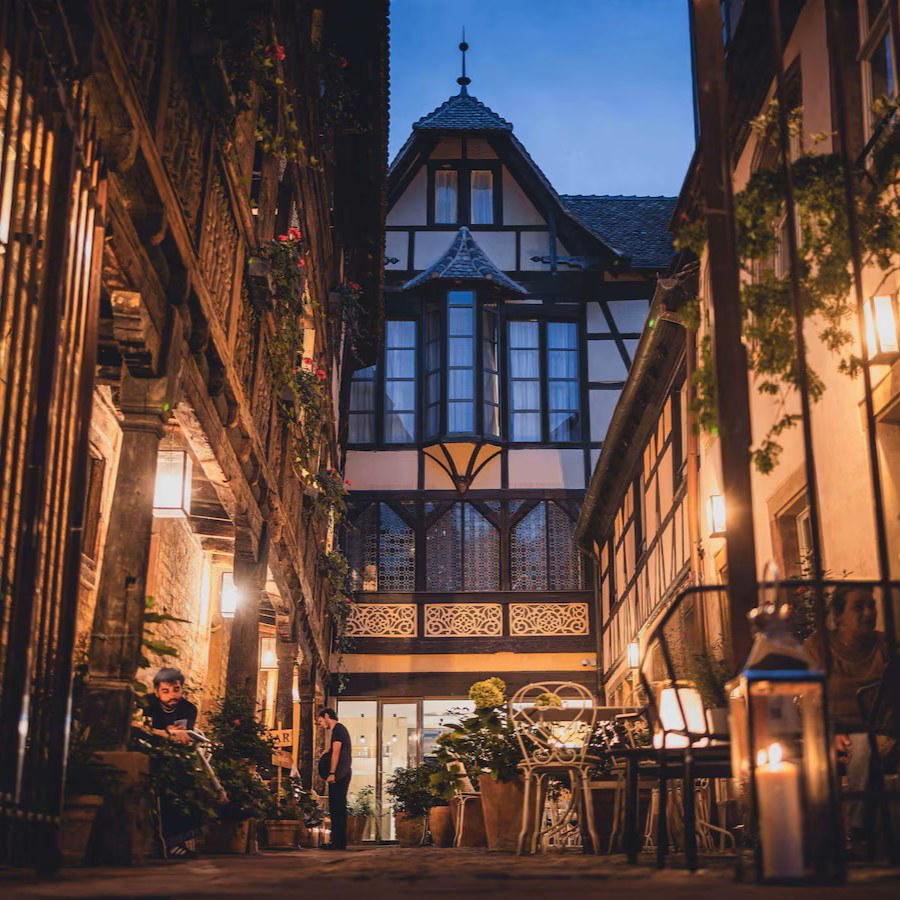
Stylish, modern, and cozy atmosphere with southern flair, lively energy, and inviting lighting as noted in guest reviews.