GIA
Our verdict
GIA occupies a residential address in Hipódromo, one of Mexico City's quieter creative quarters, at a moment when the capital's dining scene is moving past its first wave of international recognition toward something harder to categorise. The restaurant sits inside a broader conversation about what Mexican fine dining looks like in its next chapter — less defined by origin-story chefs, more by the discipline of the room and the plate.

Pearl is the En Primeur Club membership app — saves, bookings, and concierge access live there. Same editors, same standards.
- Address
- Aguascalientes 237, Hipódromo, Cuauhtémoc, 06100 Ciudad de México, CDMX, Mexico
- Phone
- +525522202050
- Hours
- Daily 8 AM–11 PM
- Website
- opentable.com
- Directions
- Get directions
- Booking
- Book on OpenTable
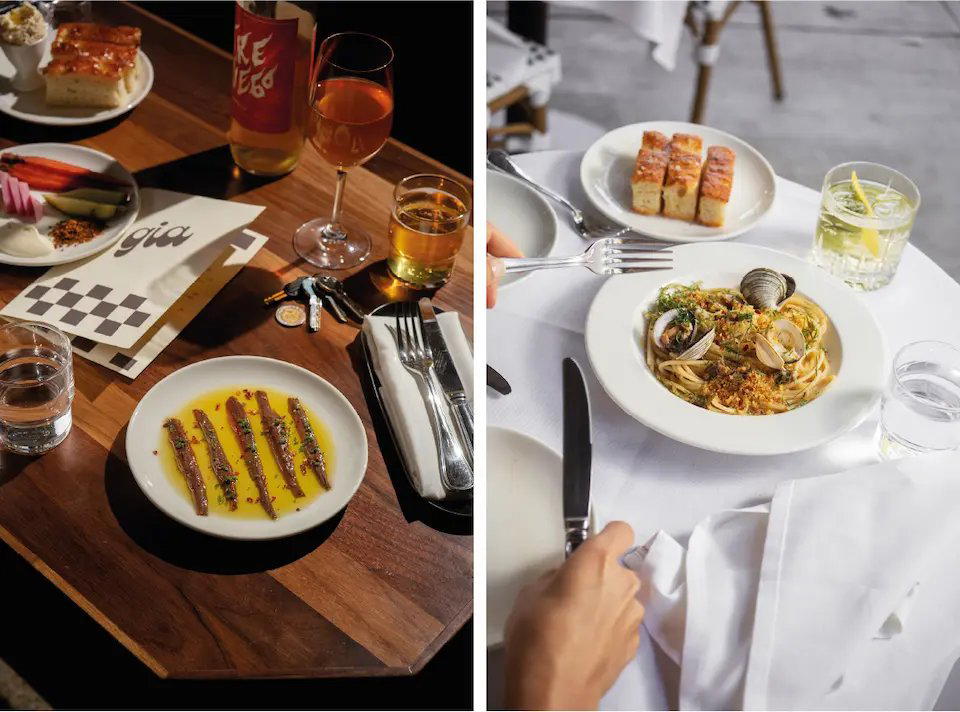
The menu
What to order
- Potato pizza
- Lemon spaghetti
- Green goddess salad
A Neighbourhood in Transition, a Restaurant Doing the Same
Hipódromo is not the neighbourhood that appears first on most Mexico City dining itineraries. That distinction still belongs to Polanco, where Pujol and Quintonil have anchored the capital's international reputation for two decades, or to Roma Norte, where Rosetta operates at the intersection of European technique and Mexican produce. Hipódromo sits between those poles — calmer than Roma, less polished than Polanco — and that in-between quality has made it fertile ground for restaurants willing to evolve rather than simply occupy a niche from opening day.
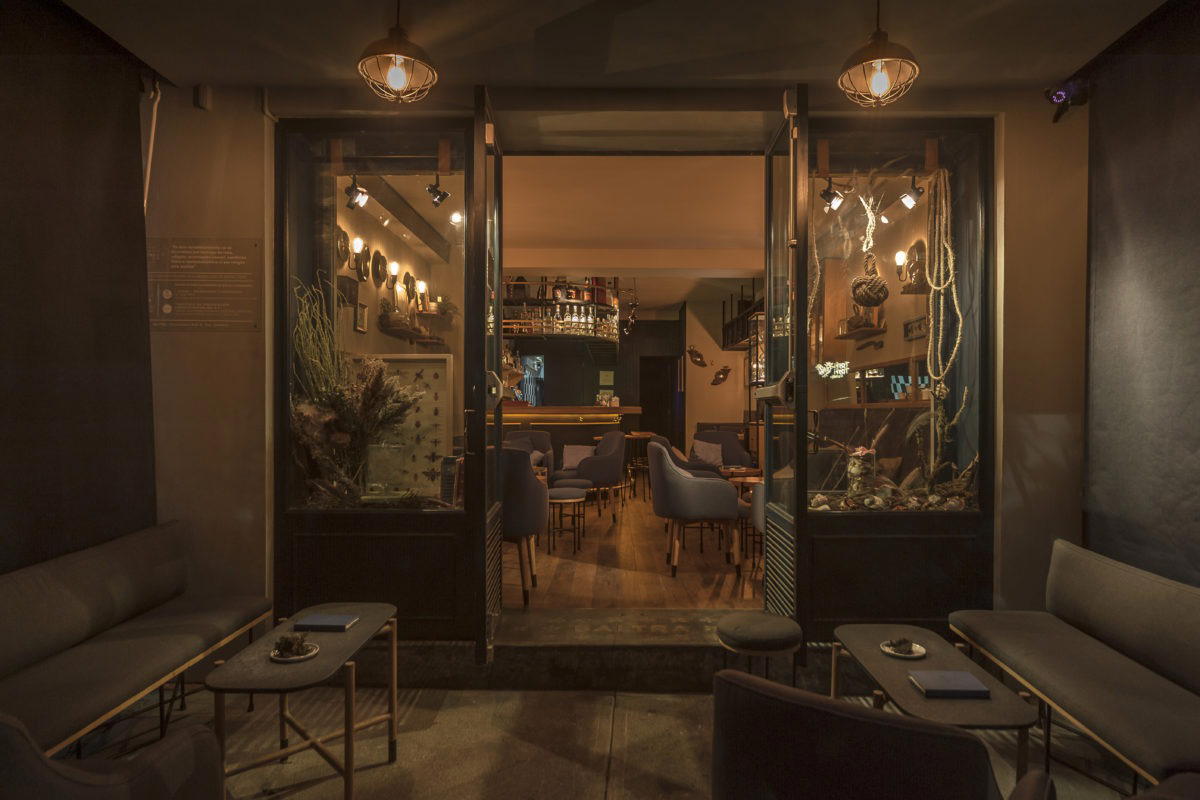
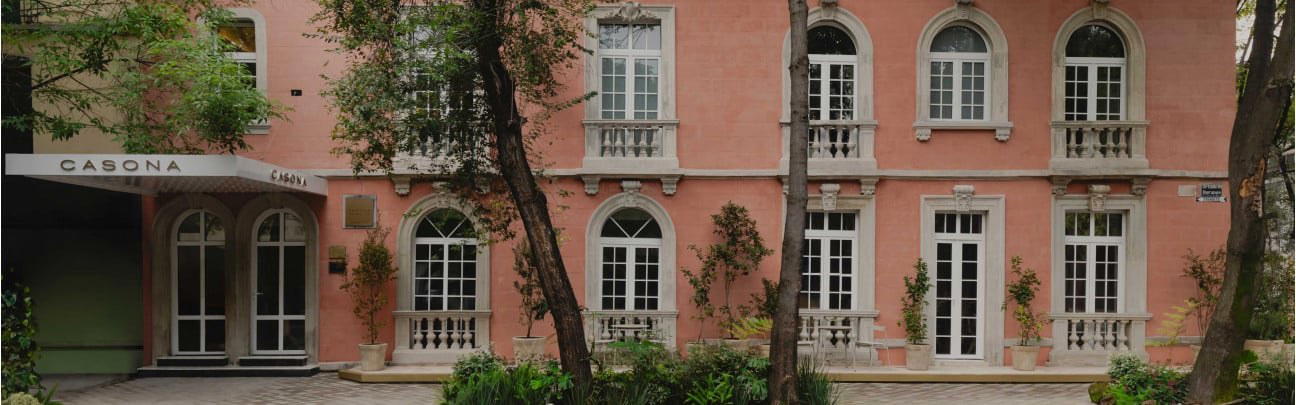
GIA, on Aguascalientes 237, has grown alongside the neighbourhood's own gradual repositioning. The address is residential in scale, a detail that shapes the experience before any food arrives: the approach is quieter than the capital's louder dining rooms, the scale more intimate. In a city where dining ambition is increasingly legible from the outside, architectural interventions, illuminated signage, conspicuous queues, GIA offers a different register.
The Shape of Mexico City's Current Dining Conversation
To understand where GIA sits, it helps to map the broader shift in how Mexico City restaurants have repositioned themselves over the past five years. The first wave of international recognition, driven largely by the Latin America's 50 Best lists, created a cohort of destination restaurants where the story was inseparable from the chef's biography. That model produced transformative work, but it also created expectations that were difficult to sustain as the generation of diners it attracted became more fluent in what they were eating.
The current moment is less about founding mythology and more about the discipline of ongoing evolution: menus that change because the produce or the thinking changes, not because a PR calendar demands it. Em has moved in this direction, and Sud 777 in Pedregal has operated this way for years, building a program around seasonal and regional sourcing that doesn't announce itself loudly but compounds over time into something recognisable. GIA operates within this same current, on Aguascalientes, in a neighbourhood that rewards the patient reader of Mexico City's dining map.
What the Room Signals Before the Menu Arrives
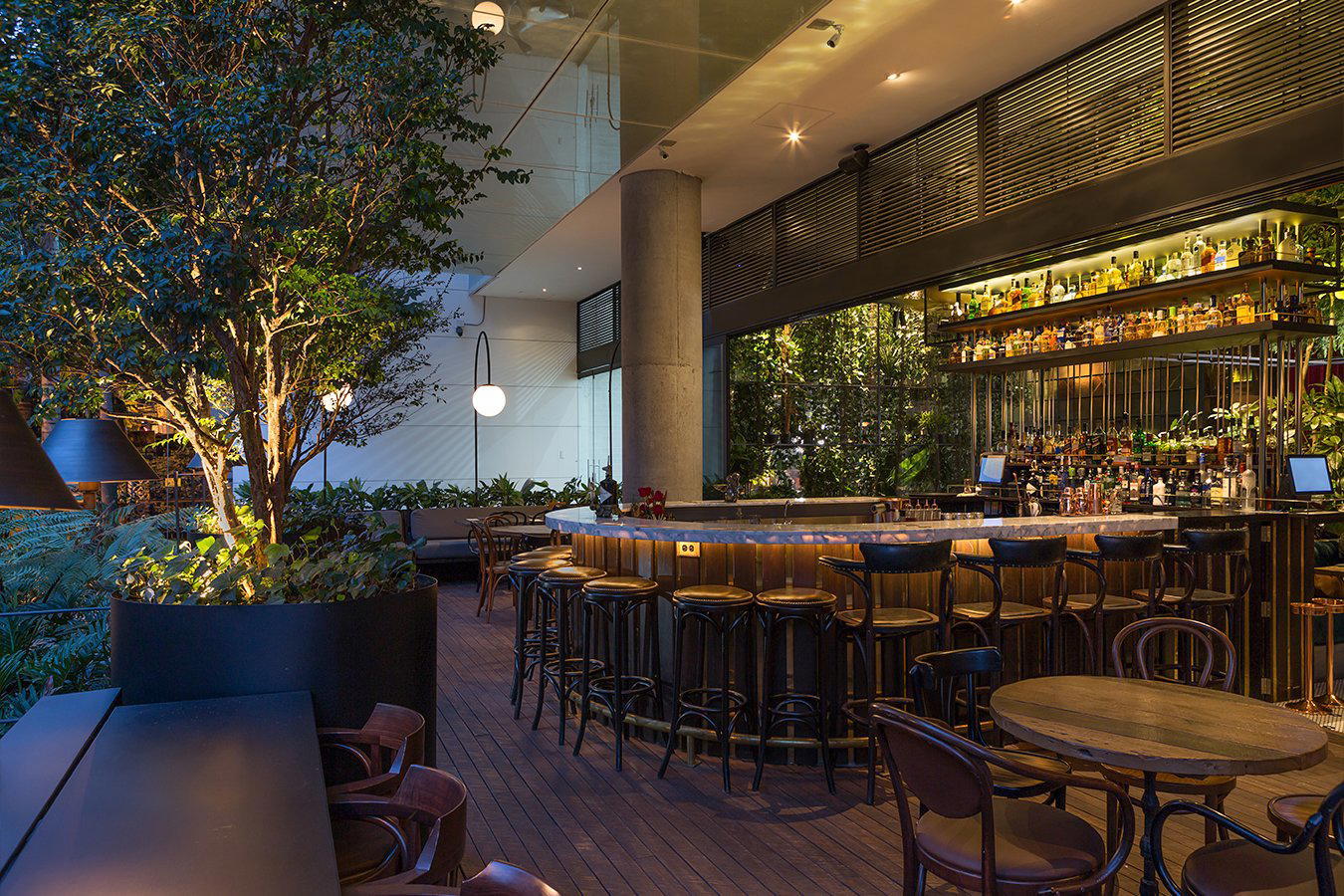
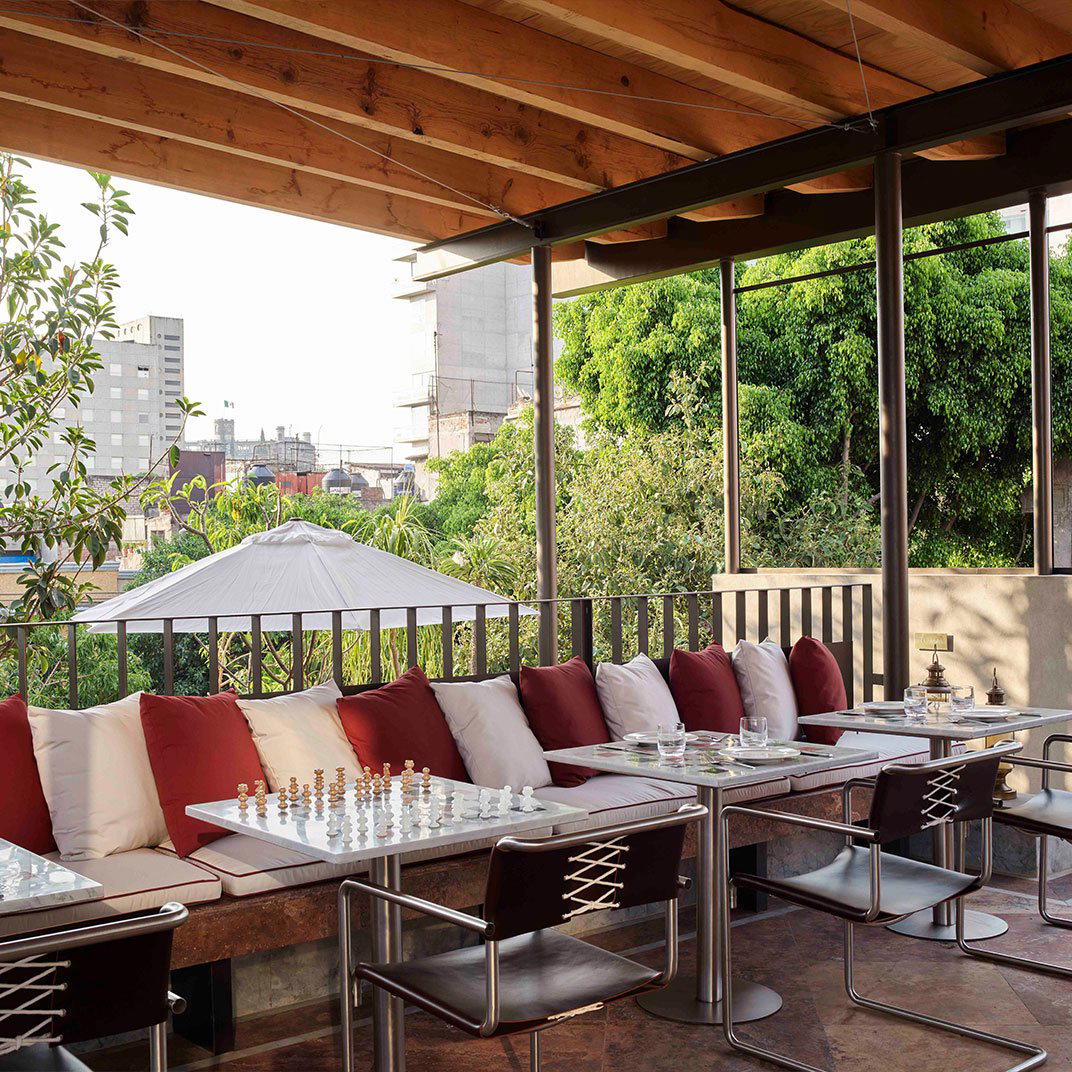
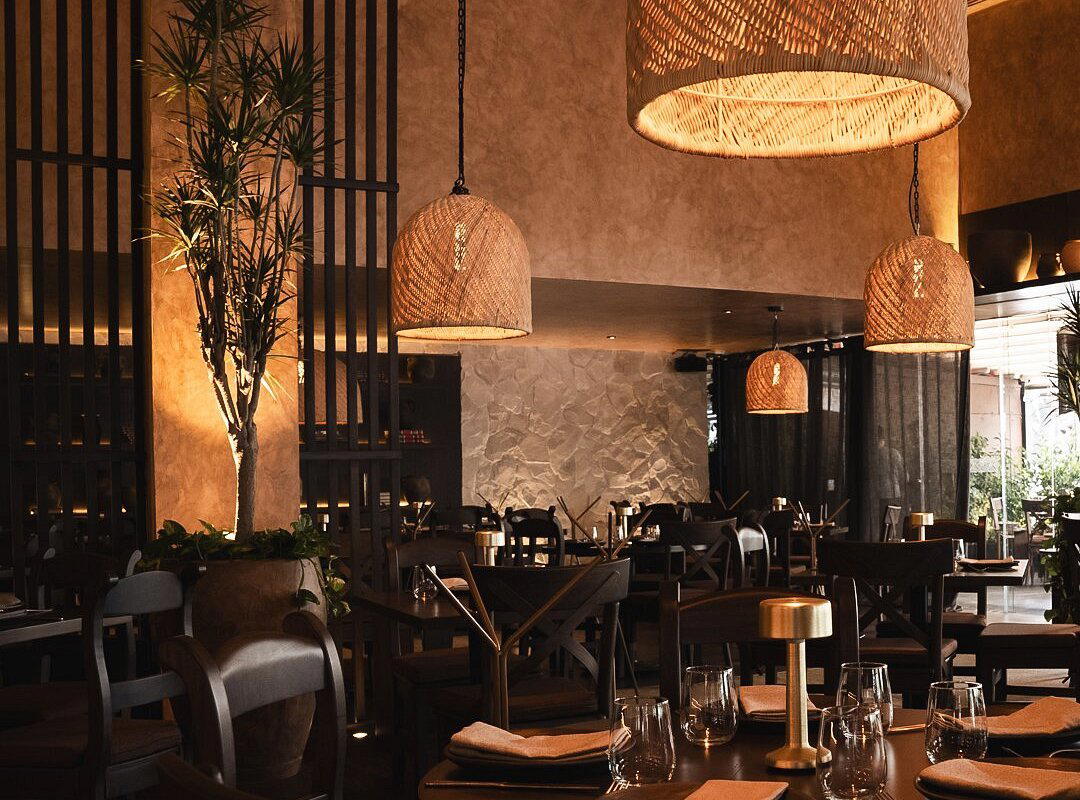
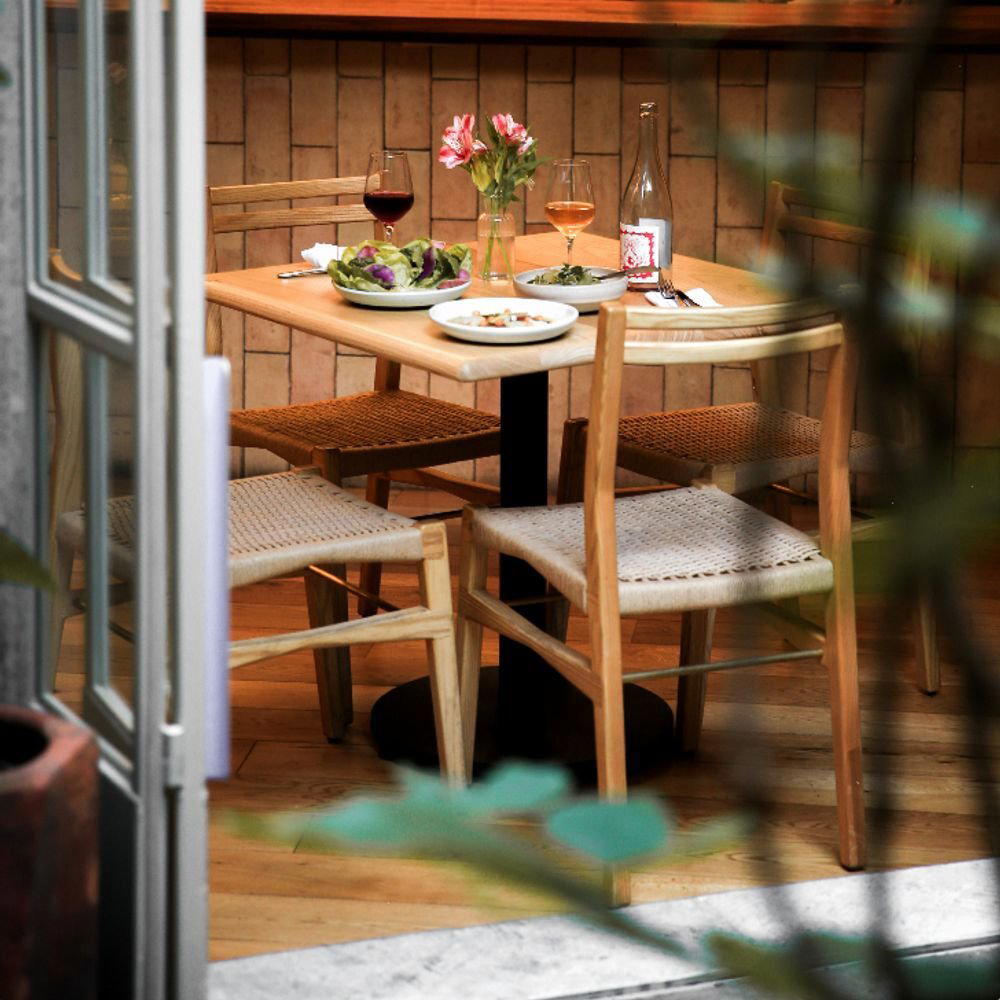
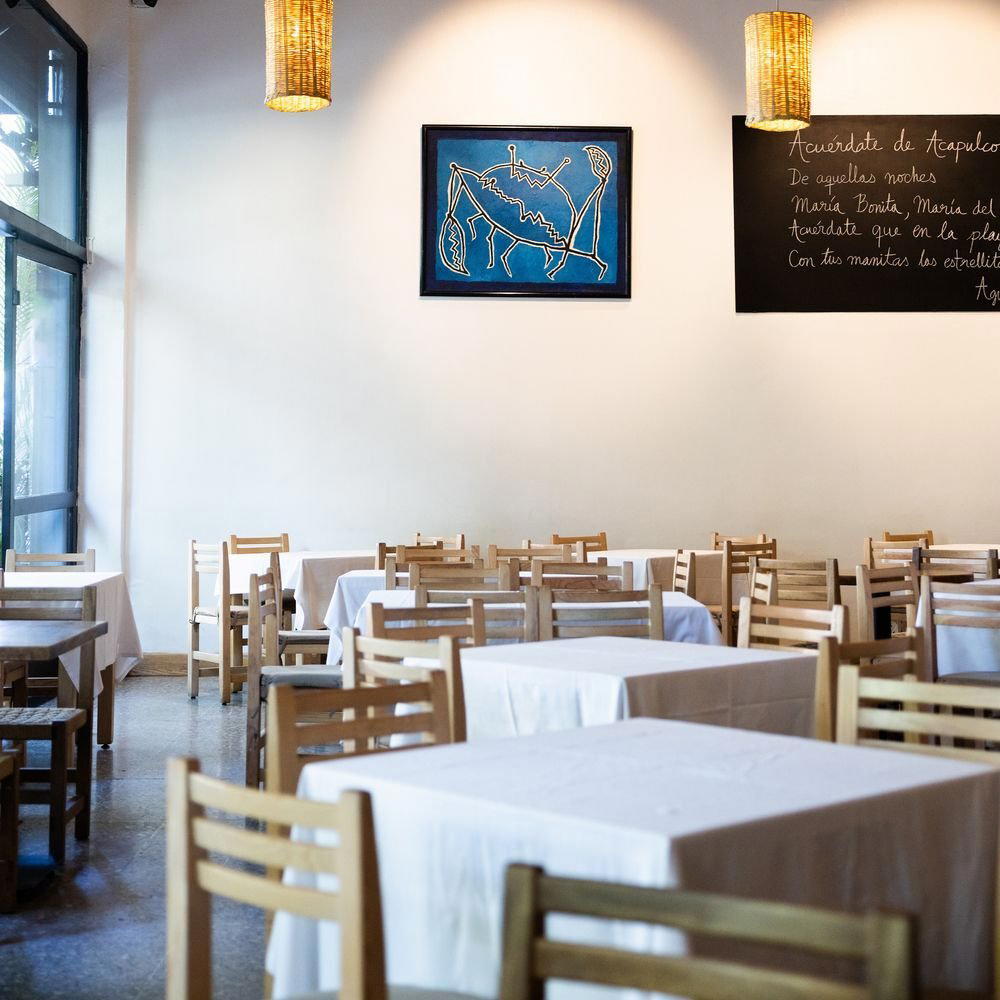
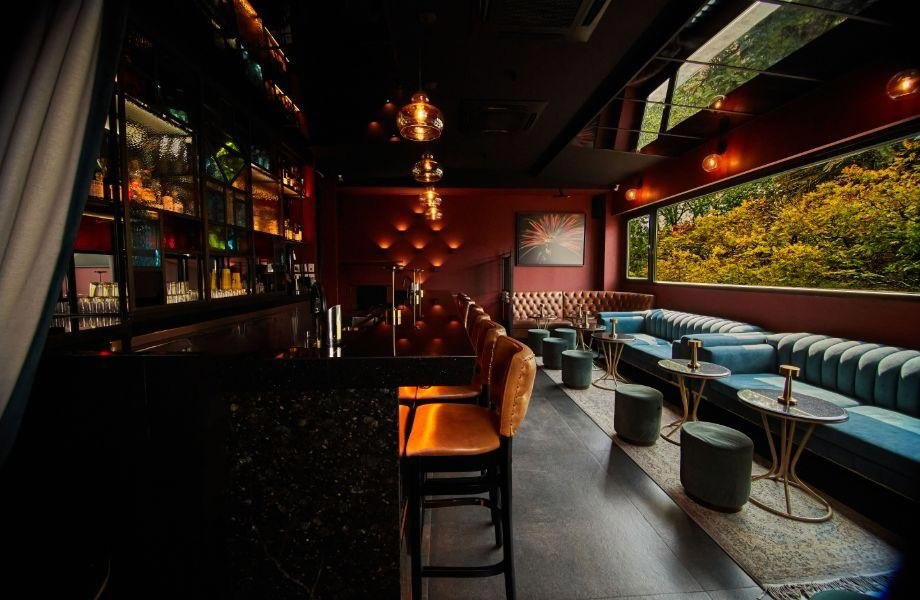
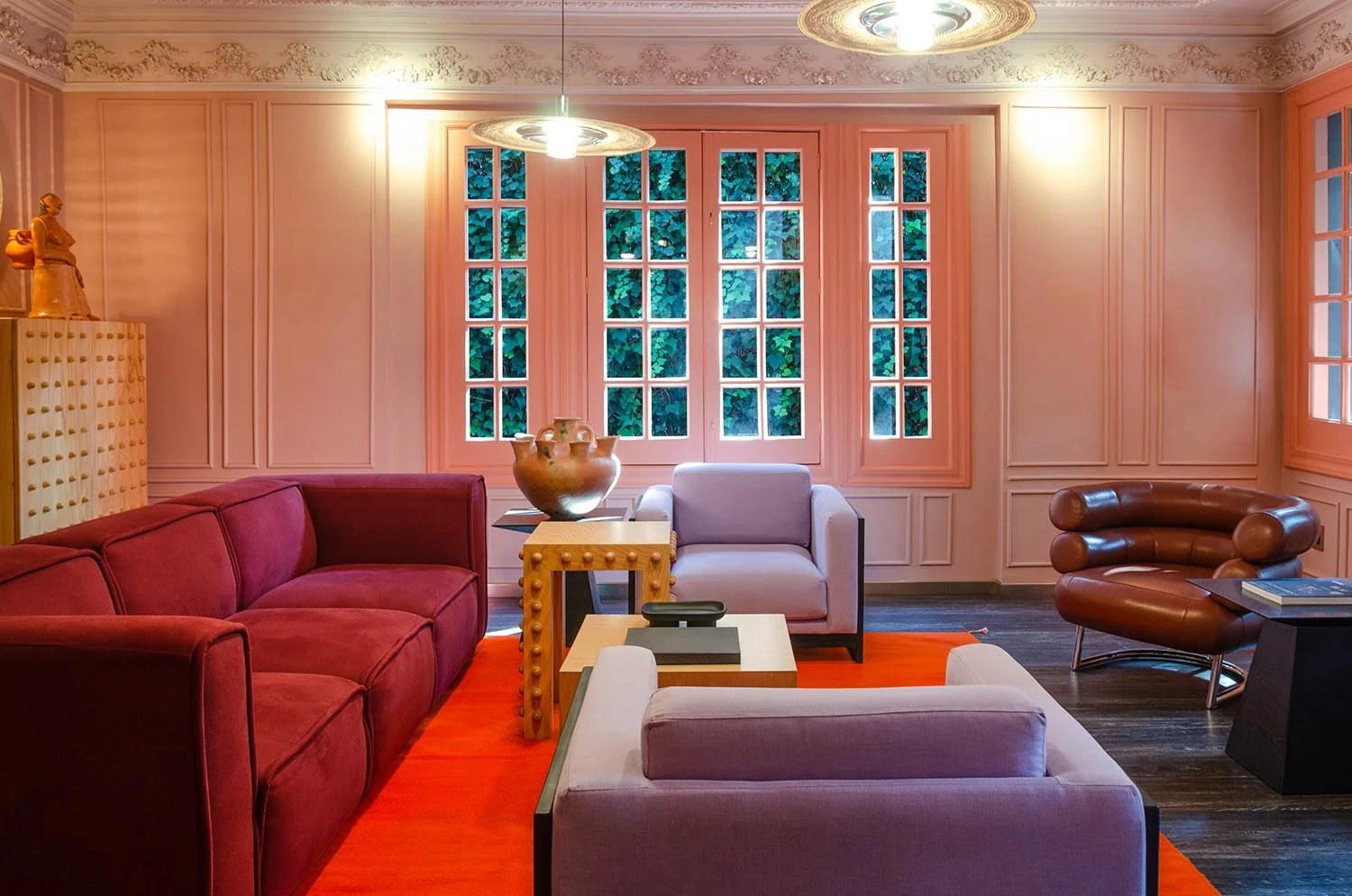
The physical environment at GIA reflects a sensibility common to the more considered end of Hipódromo's restaurant generation: modest in scale, deliberate in detail. In a capital where the competition for attention runs from the maximalist theatrics of some Polanco rooms to the calculated rusticity of certain Oaxacan-influenced openings, the restraint of Hipódromo addresses like this one communicates something. It says the room is not the point; the room is the frame.
This approach has parallels in how Mexico's finest regional restaurants have always operated. At Levadura de Olla in Oaxaca, or at KOLI Cocina de Origen in Monterrey, the environment is calibrated to direct attention toward the plate rather than compete with it. GIA reads similarly. The address on Aguascalientes doesn't perform; it contains.
Cuisine in Context: The Reinvention Problem
Mexico City's fine dining tier has spent the better part of a decade working through a specific creative tension: how to evolve without abandoning the regional specificity that gave it credibility in the first place. Restaurants that leaned too hard into European technique risked becoming derivative; those that stayed close to tradition risked stagnation. The most interesting addresses have moved laterally, finding new applications for familiar ingredients or applying rigorous process to forms that looked informal on the surface.
This editorial angle, the evolution frame, is the most useful lens for reading GIA. Restaurants in this tier don't reinvent once; they reinvent continuously, and the quality of those reinventions is what separates the rooms that build genuine local followings from those that rely on first-visit novelty. The comparable trajectory at Animalón in Valle de Guadalupe or at Le Chique in Puerto Morelos shows how Mexican restaurants across the country are working through the same set of questions about what continuity and change look like when you're operating at a high level.
At the international scale, the same question plays out at rooms like Le Bernardin in New York City and Lazy Bear in San Francisco, both of which have built sustained reputations not on a fixed identity but on the ability to remain coherent through change. Mexico City's most durable restaurants are increasingly understood through the same framework.
How GIA Fits the Wider Mexican Fine Dining Map
For visitors mapping a broader trip across Mexico's serious restaurant scene, GIA sits within a capital-city tier that is distinct from, but in conversation with, what's happening elsewhere. Alcalde in Guadalajara, Pangea in San Pedro Garza García, Arca in Tulum, HA' in Playa del Carmen, and Lunario in El Porvenir each represent a different regional inflection of the same national conversation. Olivea Farm to Table in Ensenada anchors the Baja corridor's farm-sourcing argument. Mexico City's contribution to that conversation is, historically, its density and competition, more serious rooms per square kilometre than anywhere else in the country, which means that restaurants that survive and evolve here have done so under pressure.
GIA's Hipódromo address puts it slightly outside the highest-density cluster, which in practice means it draws a clientele that knows what it's looking for rather than one that wanders in from adjacent foot traffic. That dynamic tends to produce a different quality of room: more focused, less performative, with repeat visitors making up a larger share of any given service than you'd find in the tourist-adjacent rooms of Polanco. See our full Mexico City restaurants guide for a complete map of the capital's dining tiers.
Planning Your Visit
Address: Aguascalientes 237, Hipódromo, Cuauhtémoc, 06100 Ciudad de México. Neighbourhood: Hipódromo sits between Roma Norte and Condesa, served by the same Metro infrastructure (Chilpancingo on Line 9 is the closest station) and accessible by Uber from most central hotels in under 20 minutes. Reservations: Contact details are not publicly listed at time of writing; approach through social channels or a hotel concierge with local connections. Timing: Hipódromo restaurants tend to fill Thursday through Saturday evenings; mid-week visits often yield a quieter, more attentive service rhythm. Budget: Dress: Hipódromo's creative-quarter character supports smart-casual without the pressure of Polanco's more formal rooms.
Frequently asked questions
Where is GIA in Mexico City?
GIA is located at Aguascalientes 237, Hipódromo, Cuauhtémoc, 06100 Ciudad de México, CDMX, Mexico, Mexico City.
How does GIA compare to other fine dining options in Hipódromo versus Polanco or Roma Norte?
GIA is located in Hipódromo, a district that receives less international dining traffic than Polanco — where Pujol anchors the city's most visible restaurant tier — and less foot traffic than Roma Norte. That lower profile has allowed a generation of Hipódromo restaurants, GIA among them, to develop a more considered, less performance-oriented style of cooking. For visitors building a multi-restaurant itinerary across Mexico City, GIA at Aguascalientes 237 represents the capital's quieter, neighbourhood-rooted strand of fine dining rather than its most publicised.
What should I eat at GIA?
Specific menu details for GIA are not published in advance, which is consistent with how many of Hipódromo's more serious restaurants operate — seasonal and market-driven rather than fixed. Given the neighbourhood's positioning between Roma Norte and Condesa, expect cooking that reflects Mexico City's current preoccupation with local sourcing and technique-led reinvention rather than straightforward regional cuisine. Confirm current dishes directly with the restaurant before visiting.
How far ahead should I plan for GIA?
GIA sits in Hipódromo, a district that has absorbed significant dining demand from Roma Norte and Condesa without the same walk-in culture. Reservations are advisable, particularly for weekend evenings.
What's the defining dish or idea at GIA?
GIA operates within the creative tension that defines Mexico City's current fine dining tier: how to build something specific and forward-looking without abandoning the reference points that give Mexican cuisine its depth. The room, described as modest in scale and deliberate in feel, signals that the focus lands on the plate rather than spectacle. No single dish is publicly named as a signature, but the intent appears to be cooking with a point of view rather than crowd-pleasing plurality.
Can GIA handle vegetarian requests?
Mexico City's fine dining tier has broadly moved toward greater menu flexibility over the past several years, particularly at the more considered independent restaurants in Hipódromo. Contact GIA at Aguascalientes 237 directly before booking to confirm what the kitchen can accommodate on a given night.
Is GIA overpriced or worth every penny?
No pricing data for GIA has been published or confirmed. Hipódromo restaurants at this level typically sit below the Polanco tier on price while offering comparable seriousness in approach — that positioning, between Roma Norte's density and Condesa's more casual registers, tends to represent reasonable value for the calibre of cooking. Verify current prices when booking at Aguascalientes 237, Cuauhtémoc, Mexico City.
Side-by-Side Snapshot
Comparable venues nearby, for context on price, style, and recognition.
| Venue | Cuisine | Price | Awards | Notes |
|---|---|---|---|---|
| GIAThis venue — the venue you are viewing | Modern Italo-American | Not listed | Not listed | Not listed |
| Barolo | Italian Trattoria | $30–50 | Not listed | Centro Urbano Benito Juarez |
| Negroni Arcos Bosques | Rustic Italian Trattoria | $30–50 | Not listed | Cooperativa Palo Alto |
| Piazza Pasticcio | Authentic Italian Pasta | $50–100 | Star Wine List | Nva Anzures |
| Mattea | Italian | $20–30 | Not listed | Lomas de Chapultepec |
| Forno di Casa La Mexicana | Authentic Italian Pizza and Pasta | $30–50 | Not listed | Centro Comercial Santa Fe |