Gerties
Gerties sits at 6010 Goodrich Rd in Clarence Center, a small community in Western New York that rewards visitors who look beyond Buffalo's better-known dining corridor. The area's agricultural surroundings shape what ends up on local tables, placing farm-proximity at the center of the dining conversation rather than at its margins. For travelers building an itinerary around ingredient-driven American cooking, Clarence Center is worth the detour.
Pearl is the En Primeur Club membership app — saves, bookings, and concierge access live there. Same editors, same standards.
- Address
- 6010 Goodrich Rd, Clarence Center, NY 14032
- Phone
- +17167411311
- Website
- opentable.com
- Directions
- Get directions
 Saves & bookings on Pearl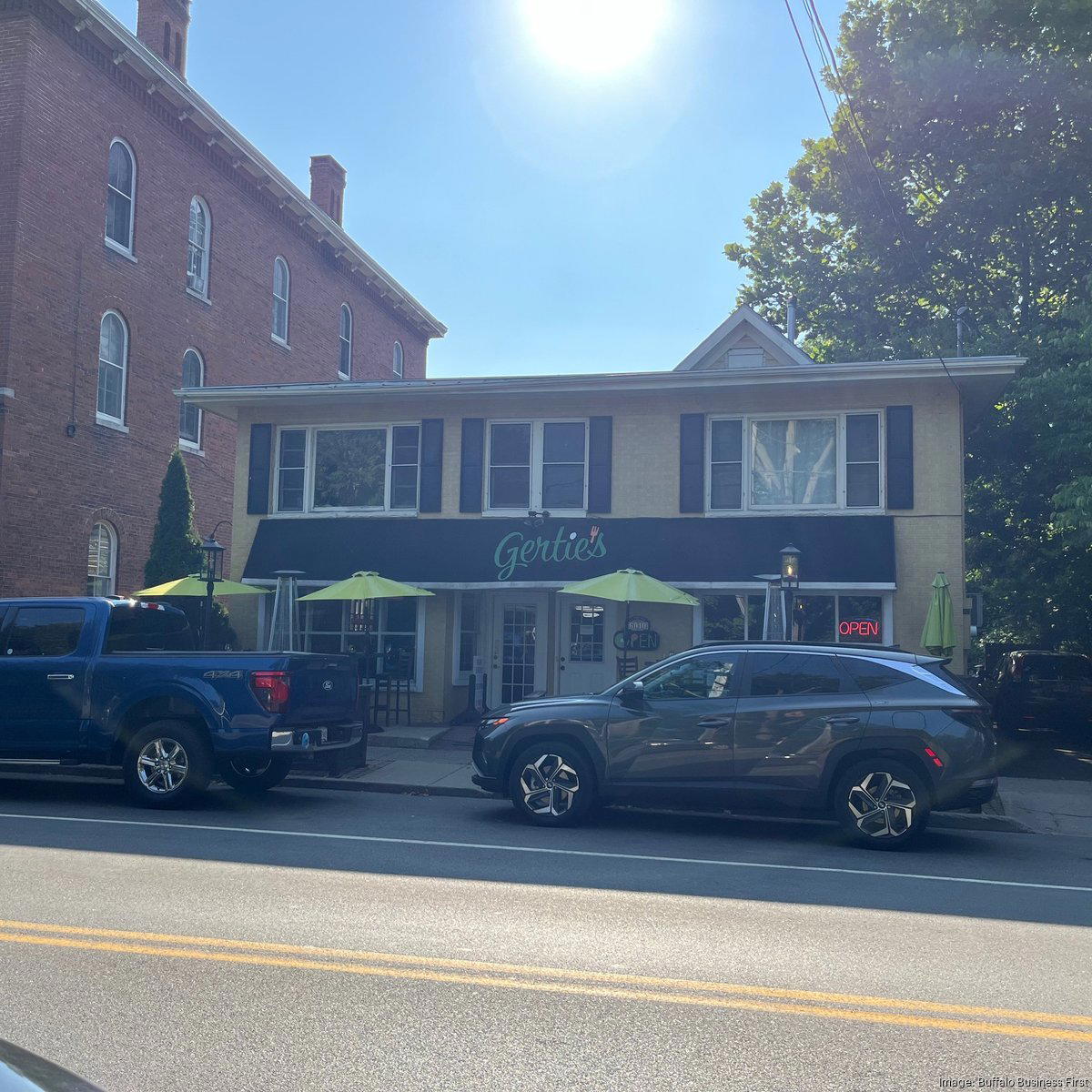
Where Western New York's Agricultural Belt Meets the Table
Clarence Center sits in Erie County's northeastern quadrant, a stretch of Western New York where the flatlands between Buffalo and the Niagara Escarpment have supported productive farming for generations. The communities here are small enough that the distance between a grower and a kitchen is often measured in miles rather than supply-chain links. That proximity shapes the dining character of the area in ways that larger, denser markets rarely replicate organically. Gerties, located at 6010 Goodrich Rd, occupies this agricultural context in a way that separates it from the urban dining strip along Buffalo's Elmwood Village or the more polished restaurant rows of Williamsville.
The Setting: Small-Town Scale, Agricultural Surround
Approaching Gerties along Goodrich Road, the built environment gives way to the kind of low-density suburban-rural edge that defines much of Erie County outside Buffalo proper. There are no valet stands or doormen signaling arrival; the address is matter-of-fact, the surroundings quiet. In American dining, this kind of setting has increasingly become associated with a particular cooking philosophy: sourcing from the immediate region, keeping the menu legible rather than theatrical, and letting ingredients make the argument that city-center restaurants sometimes leave to plating technique. That argument has real currency in Western New York, where the lake-effect climate and Erie County's loam soils produce strong stone fruit, root vegetables, and dairy that rival what chefs in more prominent markets pay a premium to import.
Restaurants in agricultural-edge communities like Clarence Center tend to attract a clientele that already has a relationship with local production. Regulars often know the names of nearby farms, follow the rhythms of the growing season, and bring expectations shaped by that familiarity. It is a different social compact than the one governing high-volume urban dining rooms, and it tends to make provenance claims harder to fake. Operations that lean into genuine local sourcing in this environment earn credibility that is difficult to manufacture. For comparison, consider how Blue Hill at Stone Barns in Tarrytown built its reputation around the estate farm that surrounds it, or how Single Thread Farm in Healdsburg anchored its menu to a working farm property. The scale at Gerties is different, but the underlying logic of place-as-source sits in the same tradition.
Ingredient Sourcing in the Western New York Context
The broader movement toward regional sourcing in American restaurants has, over the past two decades, shifted from niche positioning to near-universal marketing language. What separates genuine farm-connected kitchens from those that use sourcing as branding is usually a combination of geography and operational discipline: how close are the farms, how often do the menus change in response to supply, and how specific are the claims? In Western New York, operations that take these questions seriously have access to a credible regional larder. The Niagara fruit belt to the north produces particularly consistent stone fruit in the Northeast. Erie County's dairy farms supply milk with seasonal fat content variation that actually changes what cream-based preparations taste like across the year. Grain revival projects in the broader Great Lakes region have begun supplying heritage wheat and rye to kitchens willing to build relationships with small-scale millers.
These are the inputs that define what is possible at a place like Gerties. The restaurant's Clarence Center address places it within practical sourcing distance of this supply network, which is a structural advantage that no amount of urban restaurant design replicates. For context on how American kitchens at the upper end of the market have used regional sourcing as a differentiating factor, Smyth in Chicago has built a nationally recognized program around Midwest ingredient relationships, and Lazy Bear in San Francisco uses Northern California's agricultural density in comparable ways. Bacchanalia in Atlanta and Frasca Food and Wine in Boulder represent the same commitment in their respective regions. The principle scales down as well as up.
Placing Gerties in the American Farm-Table Tradition
American restaurants that foreground sourcing over spectacle occupy a specific position in the national dining conversation. They tend to be less decorated by awards bodies that favor technical complexity, and more valued by the communities they serve through consistency and seasonal responsiveness. Oyster Oyster in Washington, D.C. represents one interpretation of this model, building a low-intervention menu around vegetable sourcing while earning meaningful critical recognition. The Wolf's Tailor in Denver applies a similar sourcing discipline within a more ambitious tasting format. At the fine-dining end of the spectrum, The French Laundry in Napa, Addison in San Diego, Providence in Los Angeles, Le Bernardin in New York City, Atomix in New York City, ITAMAE in Miami, Emeril's in New Orleans, The Inn at Little Washington, and Atelier Moessmer Norbert Niederkofler in Brunico each demonstrate that sourcing rigor and culinary ambition are not mutually exclusive at any price tier. Gerties operates in a different register, but the questions a diner might ask of those kitchens, where does this come from, what season does it represent, how close is the grower, apply equally in Clarence Center.
Planning Your Visit
Gerties is located at 6010 Goodrich Rd, Clarence Center, NY 14032, in a community that is most easily reached by car from Buffalo, roughly 20 minutes northeast of the city center via Transit Road. Current hours are Tue to Sat, 4:30 to 9 PM. Reservations are recommended, and the price tier is moderate, about $35 per person. Because Clarence Center is a small community rather than a tourist corridor, visitors coming from outside the Buffalo metro area should plan the visit as a deliberate destination rather than a walk-in stop.
Comparison Snapshot
Comparable venues nearby, for context on price, style, and recognition.
| Venue | Cuisine | Price | Notes |
|---|---|---|---|
| GertiesThis venue — the venue you are viewing | Modern American Seafood | $$ | Not listed |
| Pies ’n’ Thighs | Southern Fried Chicken & Pies | $$ | Prospect Heights |
| 42N at The Flats | Modern American Gastropub | $$ | Allentown |
| The Bijou | Classic American Comfort | $$ | Central |
| Elder | American Bar Food | $ | Greenpoint |
| 95 Nutrition - Williamsville | Healthy American Meal Prep | $ | Williamsville |
Continue exploring
More in Clarence Center
Restaurants in Clarence Center
Browse all →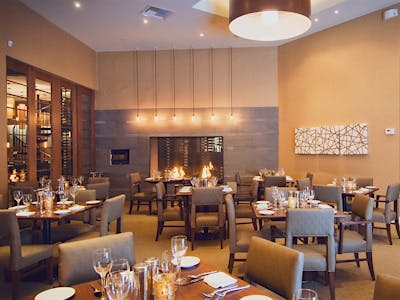
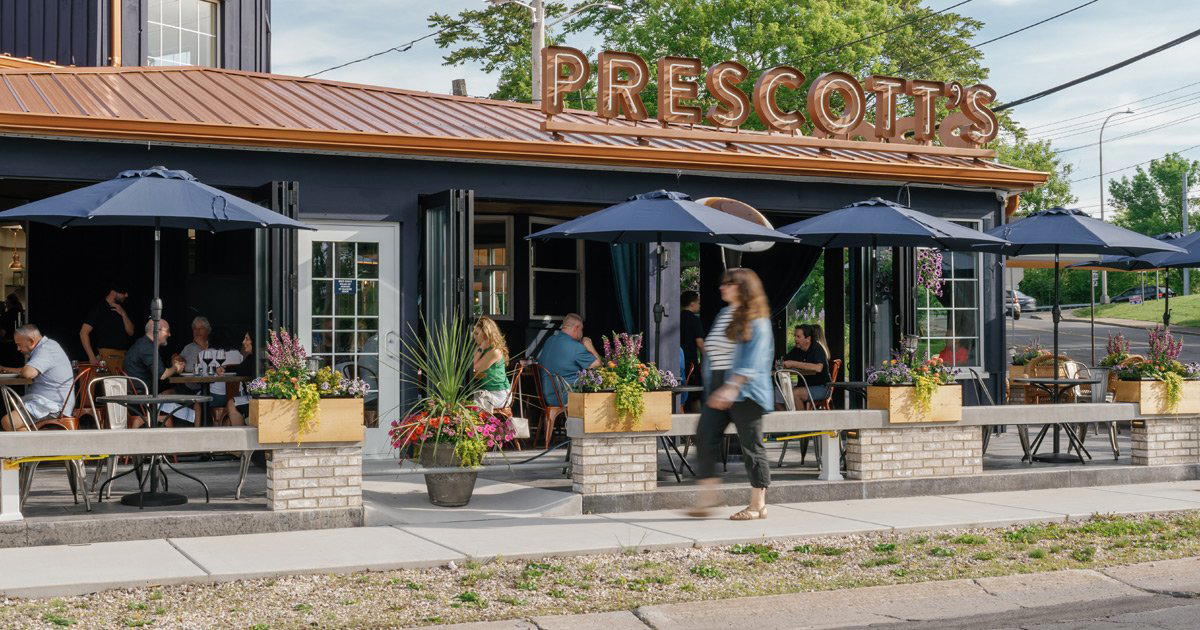
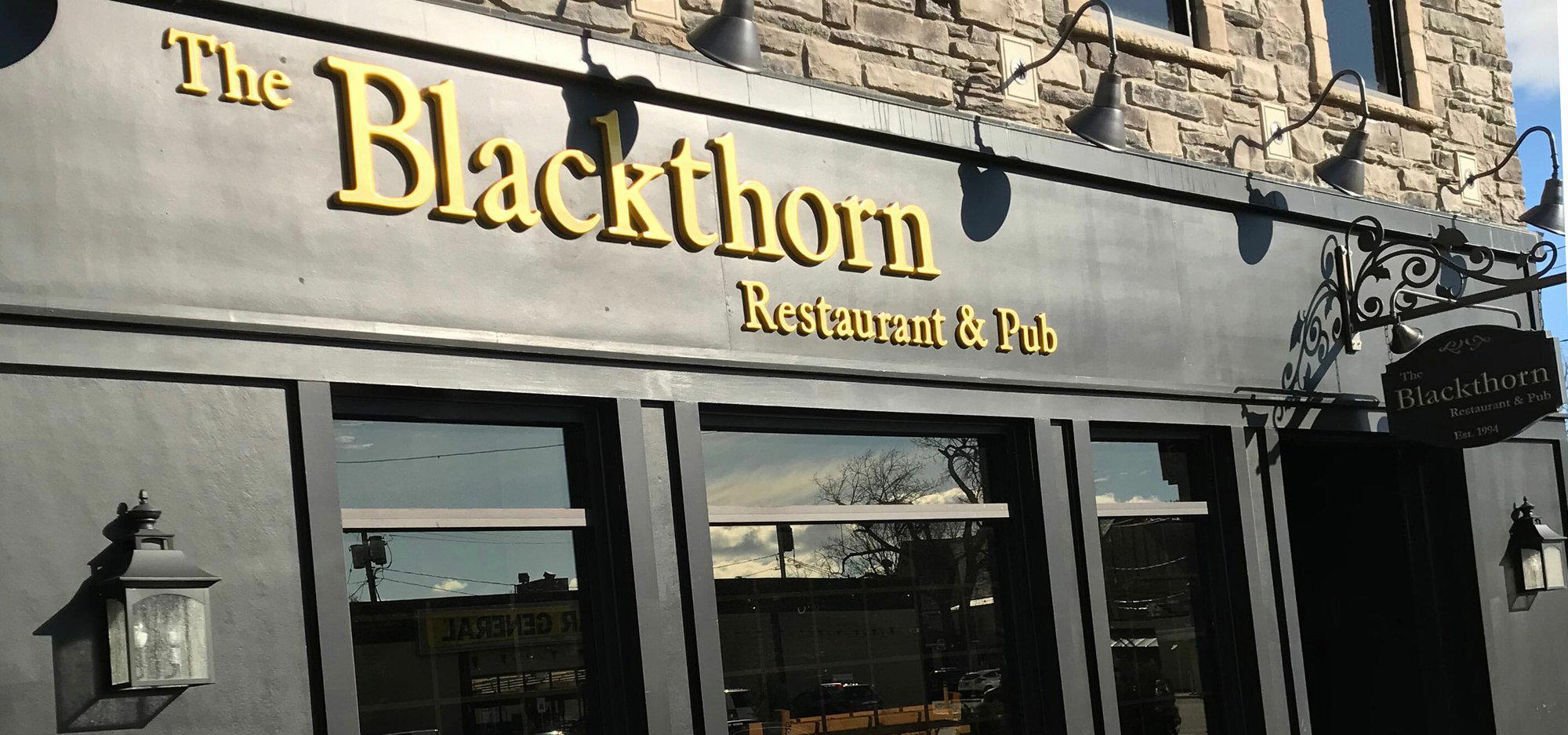
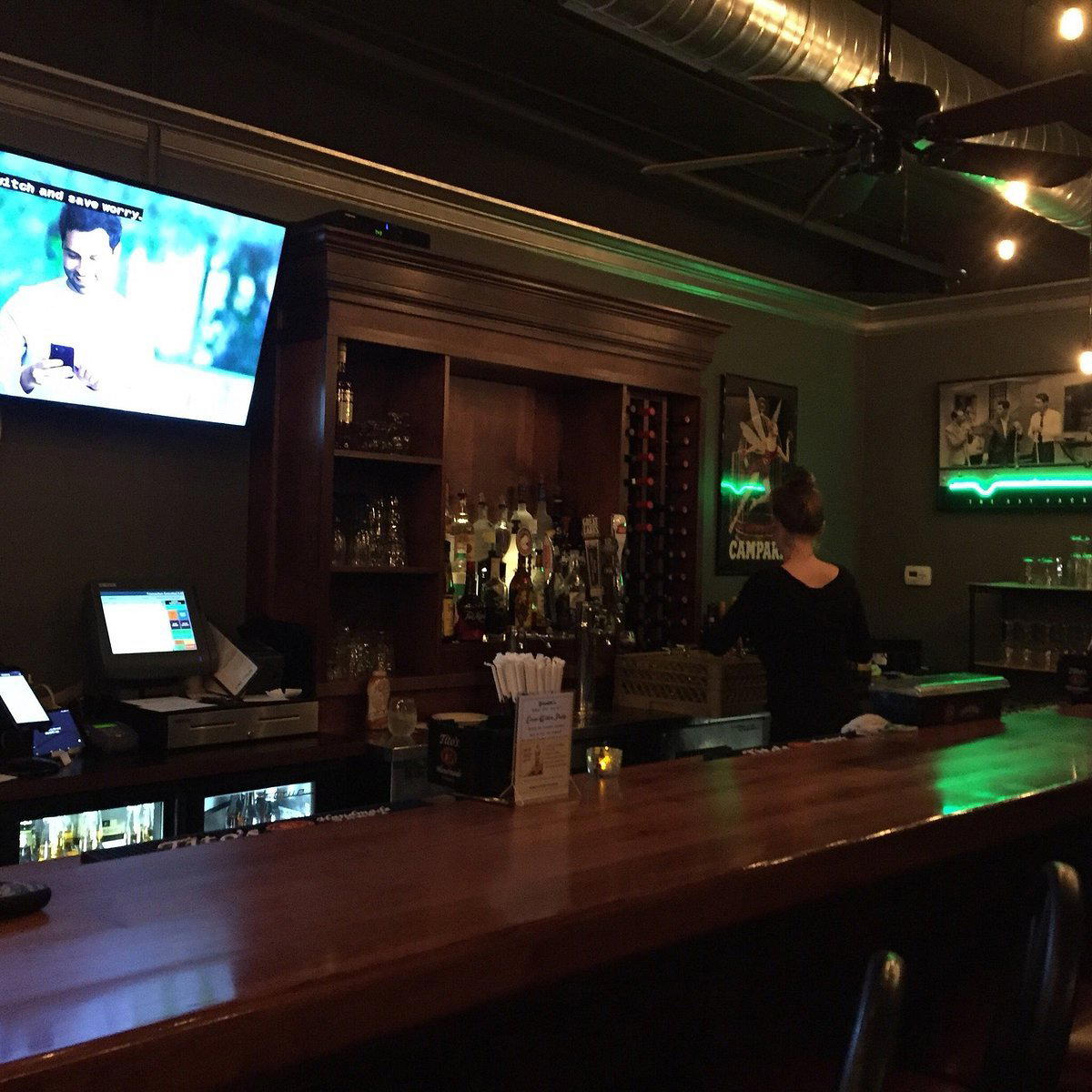
Bars in Clarence Center
Browse all →

Hotels in Clarence Center
Browse all →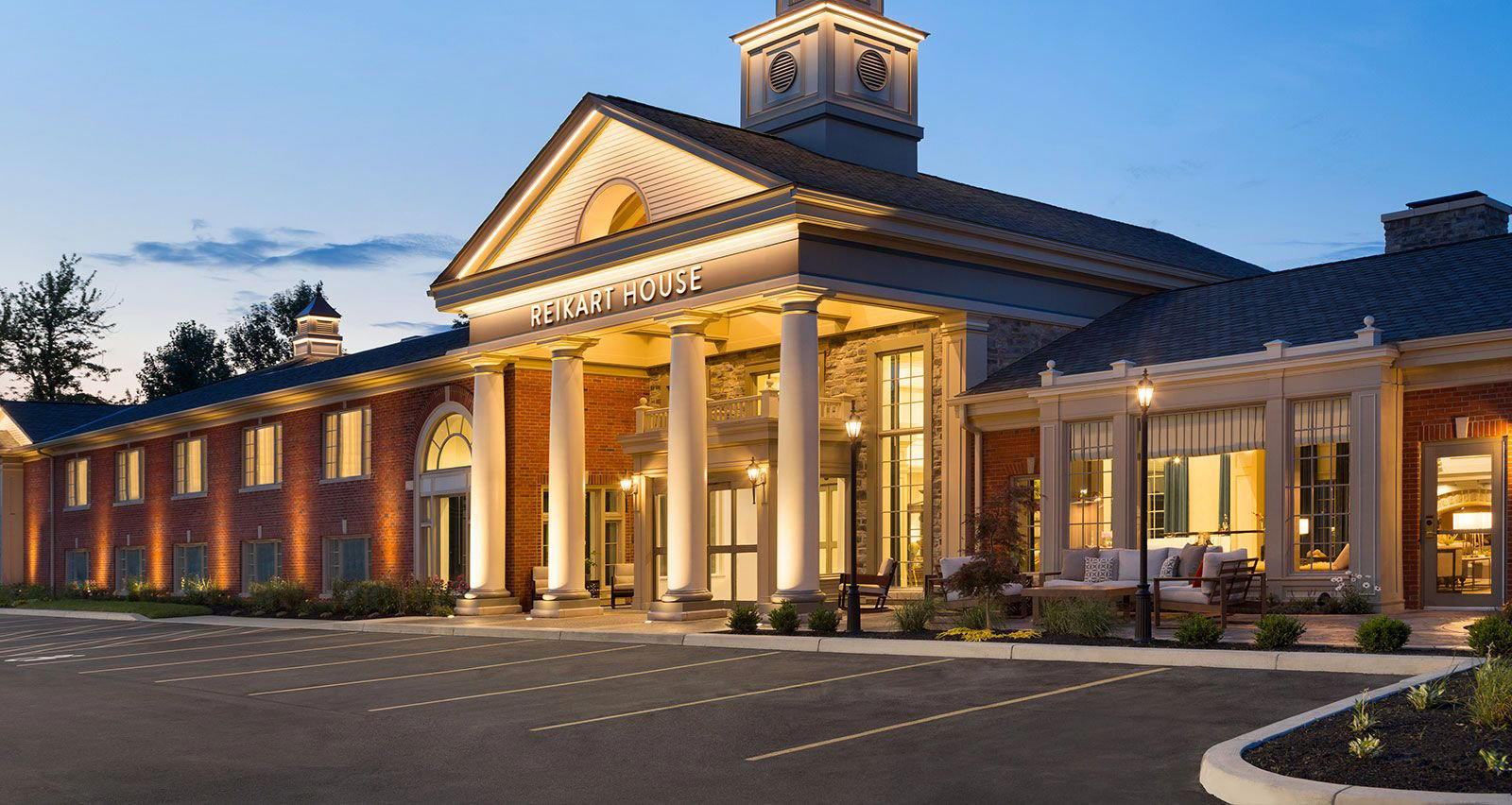
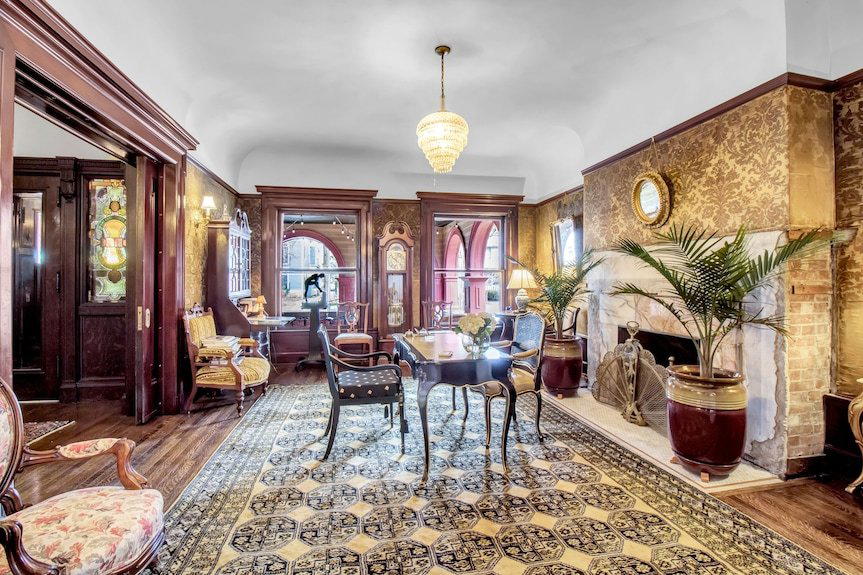
Wineries in Clarence Center
Browse all →
At a Glance
- Cozy
- Classic
- Rustic
- Special Occasion
- Date Night
- Extensive Wine List
Current opening hours
- Monday
- Closed
- Tuesday
- 4:30–9 PM
- Wednesday
- 4:30–9 PM
- Thursday
- 4:30–9 PM
- Friday
- 4:30–9 PM
- Saturday
- 4:30–9 PM
- Sunday
- Closed
Hours can change for holidays and private events. Last verified .
Charming and relaxing country escape with moderate noise levels.