Casey's Black Rock
Casey's Black Rock occupies a corner of Buffalo's Amherst Street corridor, a stretch where neighbourhood bars and working-class dining rooms have defined the city's social fabric for generations. With sparse public data and no published awards trail, it sits in the tier of local institutions that earn loyalty through consistency rather than press coverage. An honest option for anyone tracing Buffalo's bar culture beyond the well-documented stops.

Pearl is the En Primeur Club membership app — saves, bookings, and concierge access live there. Same editors, same standards.
- Address
- 484 Amherst St, Buffalo, NY 14207
- Phone
- (716) 436-6959
- Hours
- Mon 5 PM–12 AMTue 11:30 AM–12 AMWed 3 PM–12 AMThu 11:30 AM–12 AMFri 11:30 AM–2 AMSat 12 PM–2 AMSun 3 PM–2 AM
- Website
- caseysblackrock.com
- Directions
- Get directions
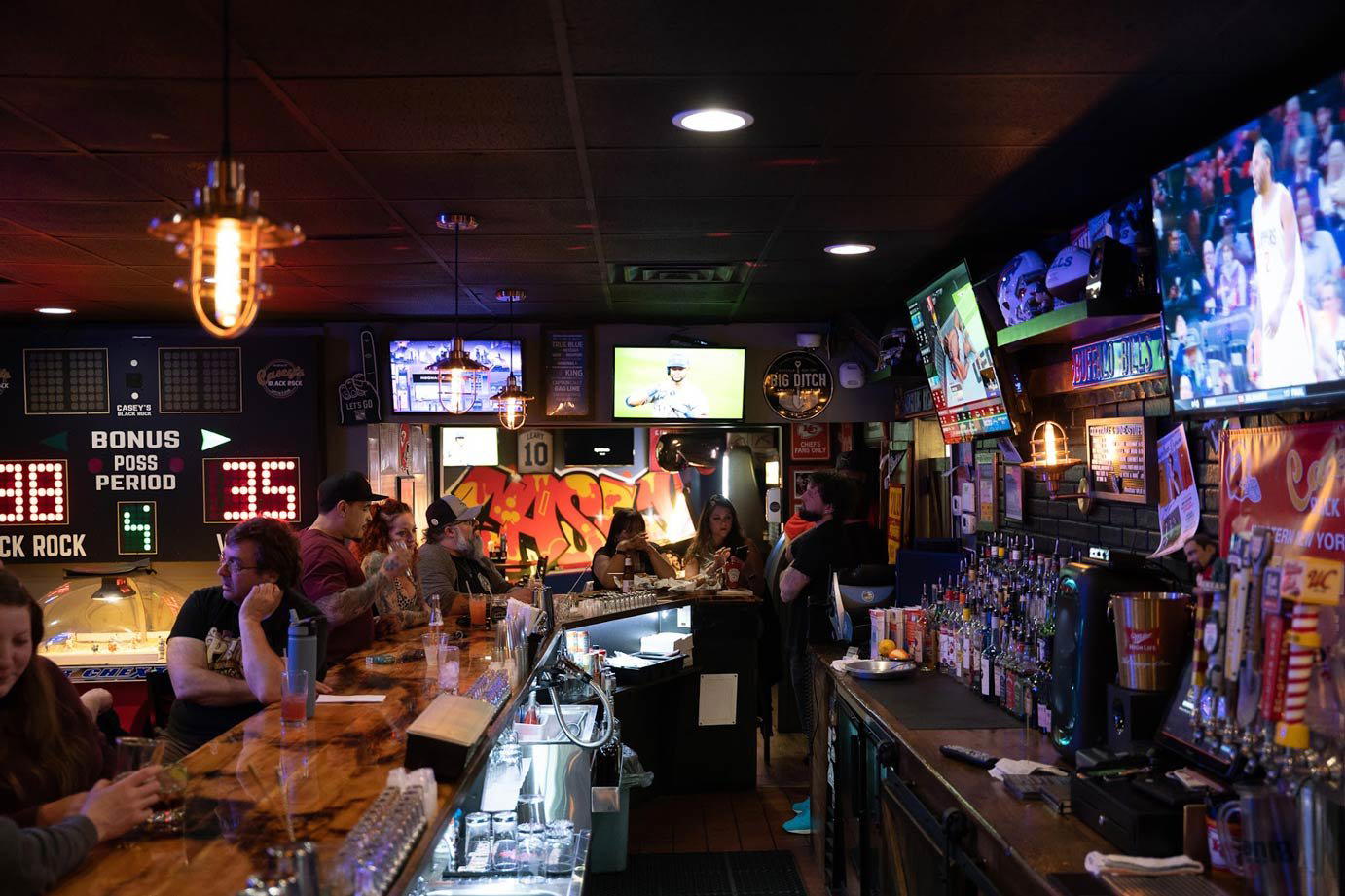
Amherst Street and the Bar Culture That Built Buffalo
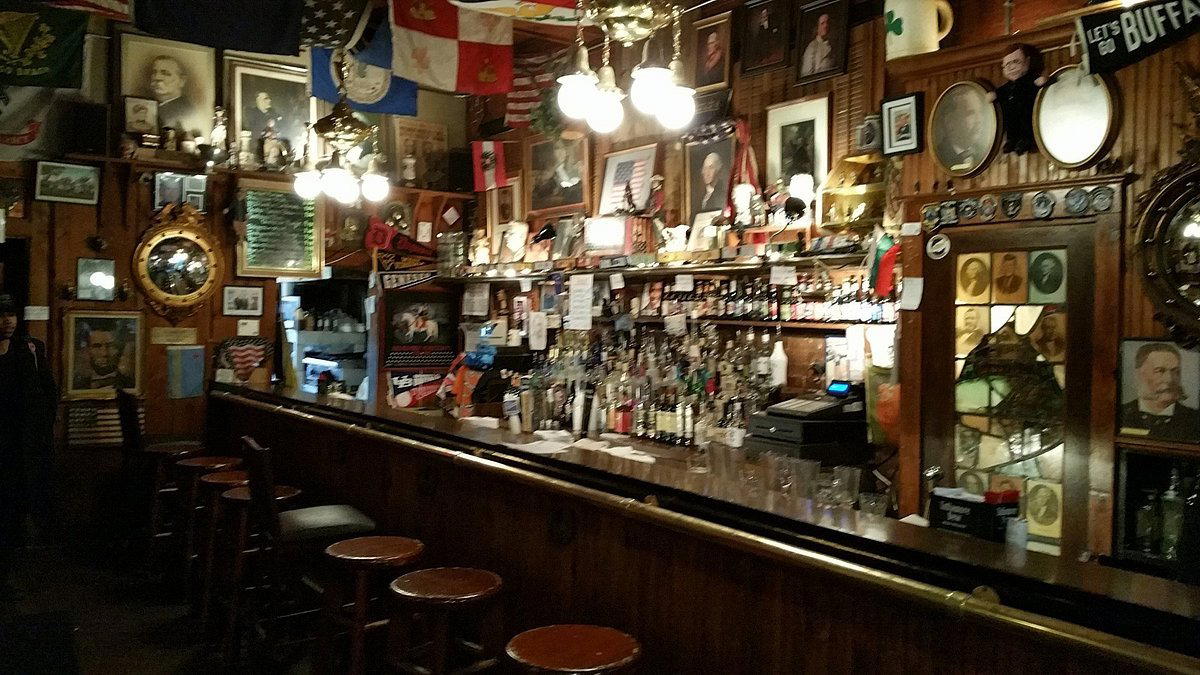
Buffalo's neighbourhood bar tradition runs deeper than its restaurant scene. Long before the city attracted food media attention, corner taverns along corridors like Amherst Street functioned as community anchors: places where trades workers, families, and regulars shared the same room across decades. Casey's Black Rock, at 484 Amherst St, sits inside that tradition. The Black Rock neighbourhood itself, named for a layer of dark limestone that once marked the edge of the Niagara River, has historically been a working waterfront district, and its bars reflect that character: functional, unpretentious, oriented toward the regulars who return rather than the visitors who arrive once.
That context matters when assessing what a place like Casey's Black Rock is actually doing. It is not operating in the same competitive set as the wine-forward dining rooms downtown, or the craft cocktail programs that have emerged in Elmwood Village. It belongs to a different tier of Buffalo's social infrastructure, one that most editorial coverage skips because it doesn't photograph as neatly. For a reader trying to understand how Buffalo actually drinks and eats, that tier is worth understanding.
The Front-of-House as the Product
In bars where published menus, chef credentials, and award citations are absent from the public record, the team dynamic becomes the primary variable. Regulars at neighbourhood taverns like Casey's Black Rock are not returning for a seasonally rotating menu or a sommelier's guidance through a cellar. They are returning because the staff know the room, know the pour, and know when to talk and when not to. That kind of institutional knowledge, built over years of service in a single neighbourhood, is its own form of expertise, distinct from the credentialed kind but no less functional.
This is a pattern visible across Buffalo's older bar culture. At Adolf's Old First Ward Tavern, the longevity of the operation is itself the signal. The same logic applies on Amherst Street. When a bar survives in a neighbourhood without significant press support or tourism infrastructure, the front-of-house relationship with the community is what sustains it. The collaboration between whoever is behind the bar and whoever is in front of it becomes the product.
What that absence signals is not necessarily a gap in quality but a gap in the kind of documentation that follows venues oriented toward a local rather than a transient audience. The distinction is worth holding onto when reading Buffalo's bar scene as a whole.
Where Casey's Black Rock Sits in Buffalo's Bar Ecosystem
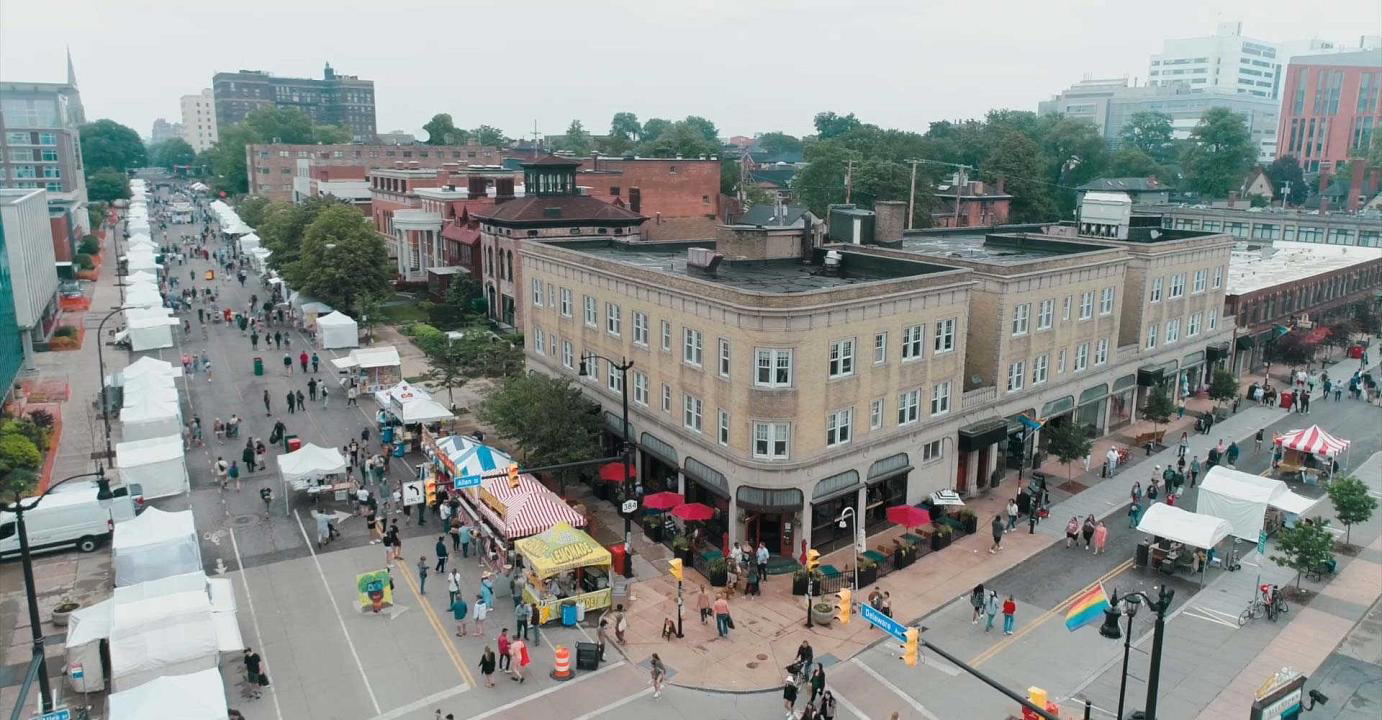
Buffalo's bar scene in 2024 is more layered than its national profile suggests. The Anchor Bar operates as a high-traffic destination on the tourism circuit. Spots like Betty's and Allen St Hardware Cafe serve a more eclectic, neighbourhood-creative crowd. And then there is the stratum of corner bars, taverns, and local rooms that predate all of the above and will likely outlast the current cycle of food media attention. Casey's Black Rock occupies that stratum.
For comparison, the craft-driven end of American bar culture, represented by programs like Kumiko in Chicago, Jewel of the South in New Orleans, or Bar Leather Apron in Honolulu, operates on a model of documented technique, named spirits programs, and formal hospitality training. That model has also shaped bars in cities like Houston, where Julep has built a recognizable identity around Southern spirits, and New York, where Superbueno and operations like ABV in San Francisco and The Parlour in Frankfurt demonstrate how far the international bar conversation has traveled from the neighbourhood tavern format.
Casey's Black Rock is not in that conversation, and that is precisely what makes it a useful reference point. Not every bar is trying to win awards or generate coverage. Some are trying to serve the same neighbourhood for another decade. Understanding which category a place occupies is the first step toward visiting it with accurate expectations.
Planning a Visit to Black Rock
The Black Rock neighbourhood sits north of downtown Buffalo, accessible from Amherst Street without the need to pass through the more heavily trafficked areas of the city. No booking data is published for Casey's Black Rock, which is consistent with the walk-in, neighbourhood-tavern format. Visitors looking for context on the wider Buffalo dining and bar scene can consult our full Buffalo restaurants guide for a mapped view of the city's options across price tiers and neighbourhoods.
Price and Positioning
Comparable venues nearby, for context on price, style, and recognition.
| Venue | Cuisine | Price | Notes |
|---|---|---|---|
| Casey's Black RockThis venue — the venue you are viewing | Not listed | $10–20 | Not listed |
| JJs Casa Di Pizza | Not listed | $10–20 | Central, sports_bar |
| Doc Sullivan's | South Park, pub | $20–30 | Not listed |
| Allen Burger Venture | Allentown, pub | Not listed | Not listed |
| Gene McCarthy's Old First Ward Brewing Company | Not listed | $20–30 | First Ward, beer_bar |
| Allen St Hardware Cafe | Allentown, pub | $30–50 | Not listed |
Continue exploring
More in Buffalo
Bars in Buffalo
Browse all →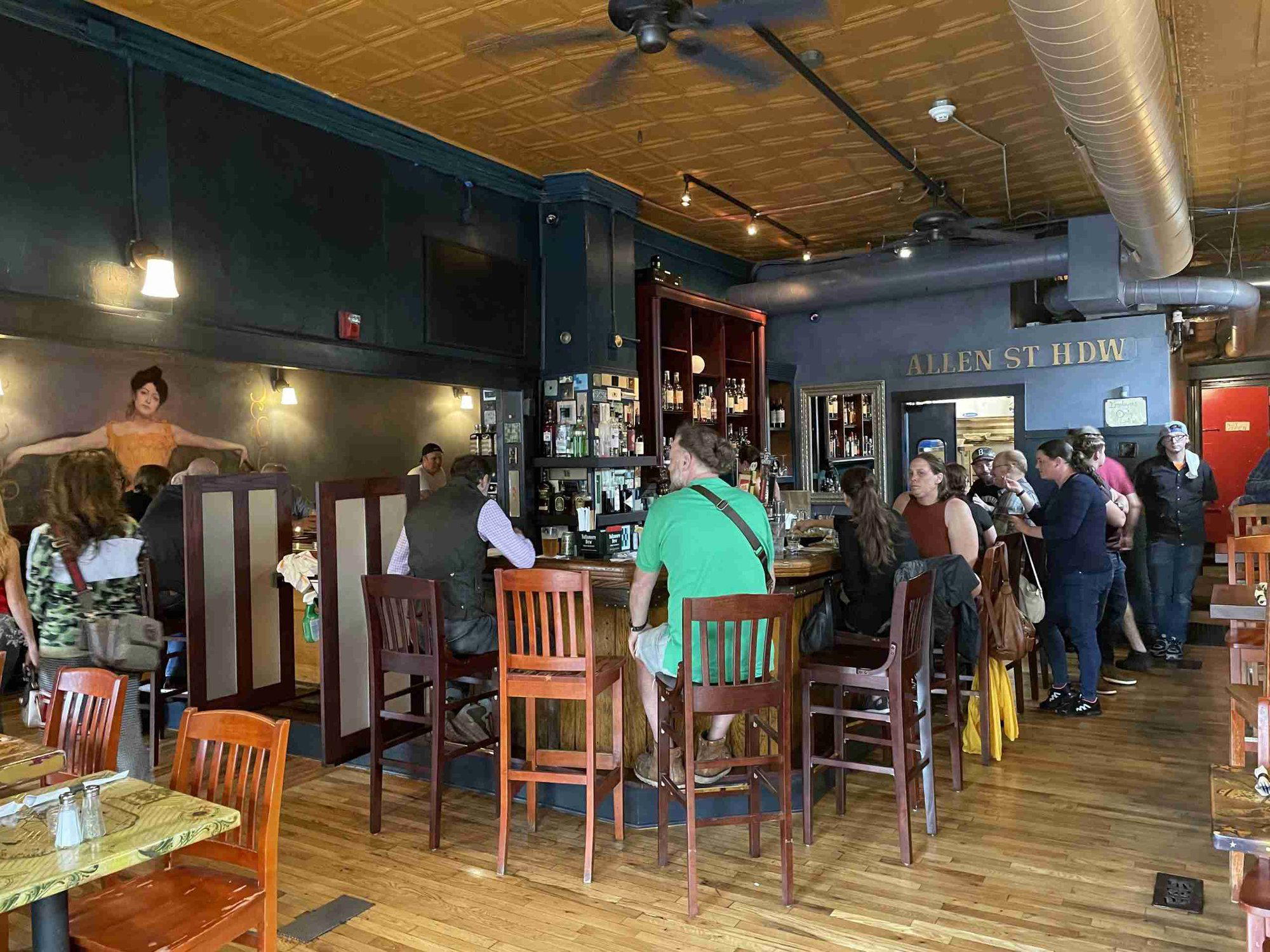
Restaurants in Buffalo
Browse all →
Hotels in Buffalo
Browse all →

Details
- Cozy
- Lively
- After Work
- Group Outing
- Casual Hangout
- Live Music
- Seated Bar
- Classic Cocktails
Current opening hours
- Monday
- 5 PM–12 AM
- Tuesday
- 11:30 AM–12 AM
- Wednesday
- 3 PM–12 AM
- Thursday
- 11:30 AM–12 AM
- Friday
- 11:30 AM–2 AM
- Saturday
- 12 PM–2 AM
- Sunday
- 3 PM–2 AM
Hours can change for holidays and private events. Last verified .
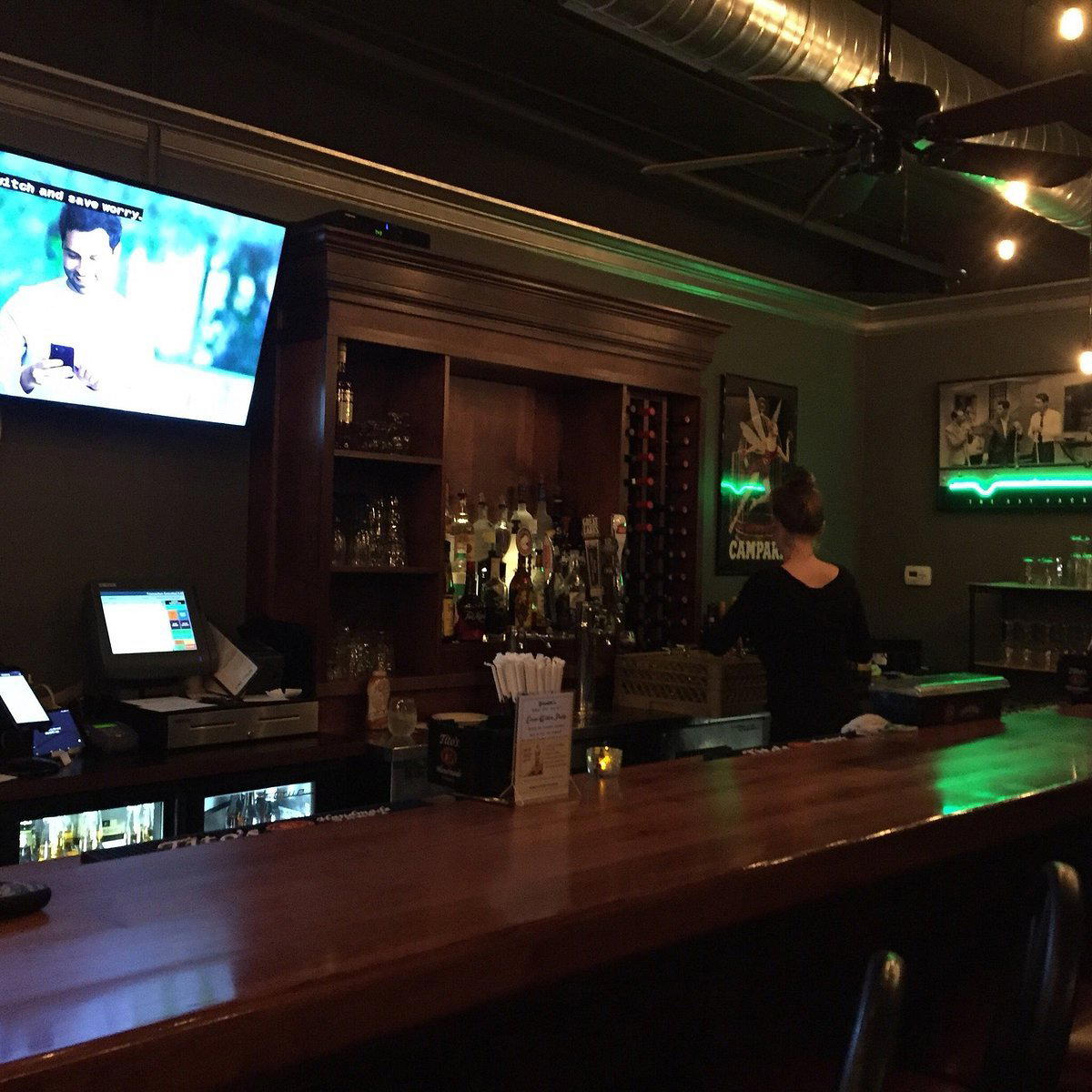
Friendly, welcoming neighborhood pub atmosphere with sports viewing.