Jay's Artisan Pizzeria

Jay's on Delaware Avenue is a Kenmore neighborhood pizzeria operating in the space between strict tradition and contemporary technique. Under Joe Powers, the kitchen produces two distinct formats: 12-inch Neapolitan pies served whole on trays, and Detroit-style squares with the structural crispiness that style demands. DOP cheeses, local vegetables, and long-leavened dough set the ingredient standard across both formats.
Pearl is the En Primeur Club membership app — saves, bookings, and concierge access live there. Same editors, same standards.
- Address
- 2872 Delaware Ave, Kenmore, NY 14217
- Phone
- +1 716-322-1704
- Website
- jaysbuffalo.com
- Directions
- Get directions
 Saves & bookings on Pearl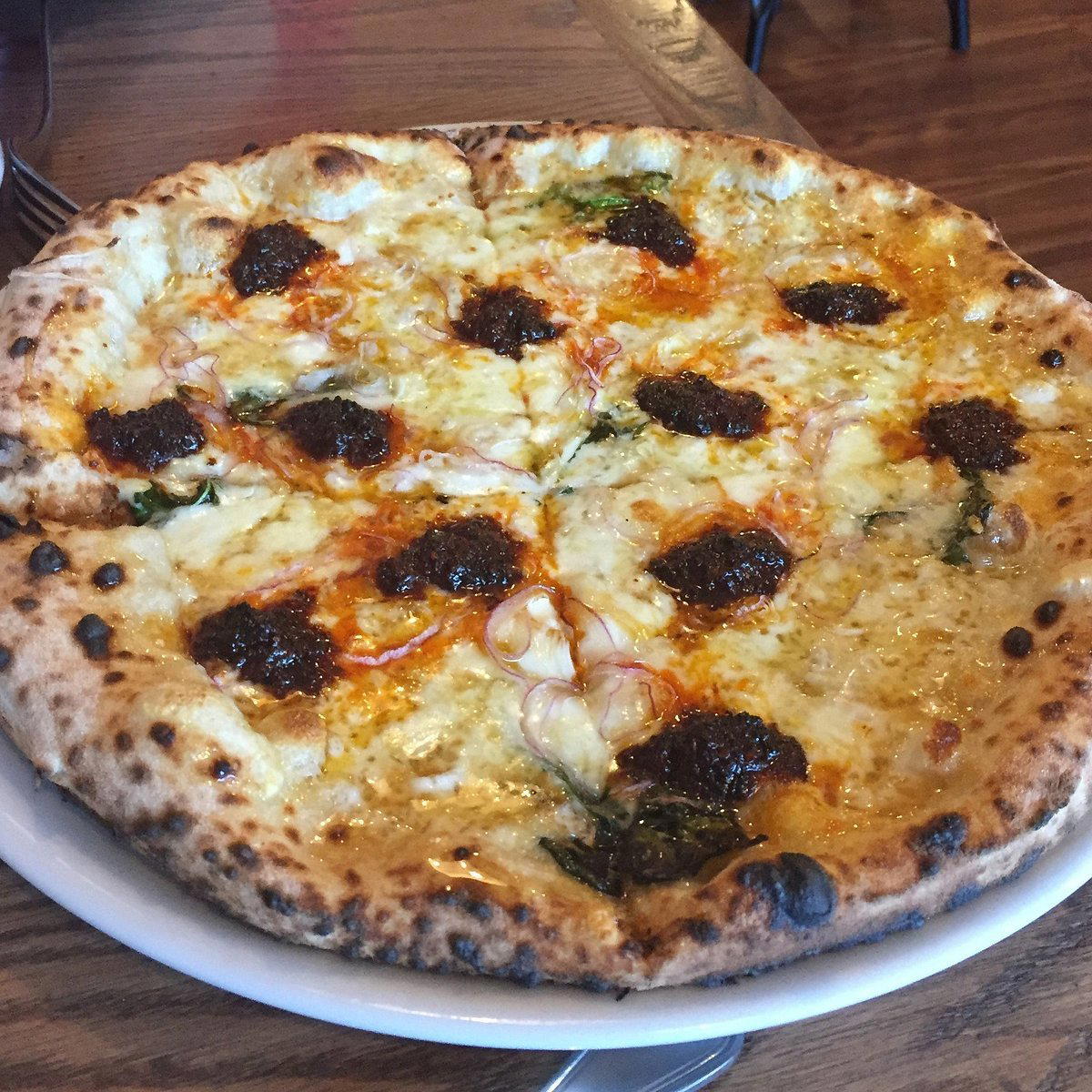
Where Buffalo's Pizza Conversation Gets Interesting
Delaware Avenue in Kenmore doesn't announce itself as a dining destination. The stretch is residential in character, the kind of block where a pizzeria either becomes part of the neighborhood's weekly rhythm or disappears within a year. Jay's has done the former. Walk past on a weekend evening and the evidence is visible through the window: trays moving from counter to table, the particular pace of a room that locals treat as a standing appointment rather than an occasional indulgence.
That kind of loyalty in a pizza-dense market like western New York requires something beyond adequate dough. It requires a clear point of view about what pizza should be, and the discipline to execute it consistently. Jay's has both, and those two things together explain why a small neighborhood spot on the Kenmore side of Buffalo's northern suburbs has developed a reputation that draws from a wider radius than its address might suggest.
Two Styles, One Kitchen, One Standard
The format at Jay's divides into two distinct traditions, and the kitchen treats each on its own terms rather than as variations of the same product. The Neapolitan side produces 12-inch pies served whole on trays, the dough well-hydrated and long-leavened to a degree that makes the finished crust light despite its structure. The digestibility that results from extended fermentation is one of those markers that distinguishes a kitchen working with real technique from one that simply assembles toppings on commercial dough. Cooking precision matters here: the margin between properly baked Neapolitan and collapsed or over-charred is narrow, and consistency across service is where many operations stumble.
The Detroit-style operates on entirely different physics. The rectangular pan format builds a thick, airy crumb inside a crust that crisps at the edges through contact with an oiled steel pan. The structural integrity of a Detroit pie done correctly gives it a particular suitability for take-away that round Neapolitan cannot match, and Jay's reads that distinction into its format: the Detroit-style is positioned as the take-out format of choice without sacrificing the quality of ingredients that define the dine-in experience. Versions like the Hot Cherry Pepper and the Viva Mexico land on the more original end of the Detroit spectrum without the contrivance that can undermine credibility in that genre.
On the Neapolitan side, the 'Nduja pie delivers the spreadable Calabrian salumi's characteristic heat against the background of the dough without letting either element dominate. The Speck & Parmigiano reads as a more restrained option, the smokiness of the cured ham working against aged cheese in a combination that has genuine flavor coherence rather than novelty. The ingredient sourcing across both styles reflects a commitment to DOP-certified cheeses and locally sourced vegetables, the kind of procurement decision that rarely appears in a single-line press mention but shows in the finished product.
Chef Joe Powers and the Craft Behind the Counter
The editorial angle on neighborhood pizzerias in the American context often defaults to origin mythology: the childhood recipe, the family tradition, the cross-country pilgrimage to a wood-fired master. That framework can obscure what actually matters, which is whether the person behind the counter has developed real technical fluency with fermentation, heat management, and ingredient selection. At Jay's, Joe Powers has built a program that positions the kitchen as a research operation as much as a service operation. The dough work alone, with its attention to hydration levels and leavening time, reflects a working knowledge of the biochemistry that separates good pizza from the generic.
That orientation toward craft sits in a broader pattern visible in American pizza's current serious tier. The same decade that saw tasting-menu dining become a national category, with operations like Alinea in Chicago, Lazy Bear in San Francisco, and Le Bernardin in New York City defining what precision-driven restaurant work looks like at the top of the market, also produced a generation of pizza makers who brought similar rigor to an entirely different price point and format. The research-led neighborhood pizzeria is now a recognizable category, and Jay's belongs to it. The comparison set isn't The French Laundry in Napa or Blue Hill at Stone Barns in Tarrytown; it's the small number of independent pizza operations in mid-sized American cities where genuine technique meets an accessible, casual format without either element compromising the other.
The Ordering Logic and What It Tells You
The service model at Jay's operates entirely online. There is no phone line, which in practice means the operation has traded one kind of friction for another: the booking process is frictionless for anyone comfortable with digital ordering, and entirely opaque for those who prefer a conversation. The efficiency of the online system is consistent enough that it functions as a trust signal rather than a limitation, a considered operational choice that keeps the kitchen focused on production rather than fielding calls during service.
Regulars tend to move through the menu by style preference first and topping selection second. Those working through the Neapolitan format gravitate toward the 'Nduja for its intensity or the Speck & Parmigiano for its restraint. Detroit-style regulars lean toward the Hot Cherry Pepper for heat and textural contrast, or toward the Viva Mexico for something slightly outside the conventional Detroit canon. The two formats serve different occasions rather than competing directly: the Neapolitan pies suit table eating, while the Detroit squares hold up through a short journey home.
Kenmore's Pizza Position in the Buffalo Region
Western New York has a pizza culture that is specific enough to function as a regional identity. The Buffalo-style pizza, a distinct local format with its own crust character and cutting convention, sits alongside New York-style and Sicilian operations across the metro area. Jay's decision to build around Neapolitan and Detroit formats rather than leaning into Buffalo-style is a positioning choice that places it in a different conversation from the longstanding local institutions. It's not competing with the neighborhood institutions that have served the same format for decades; it's addressing a diner who has moved toward the more documented tradition of Italian-derived Neapolitan technique or the Midwest-rooted Detroit style and expects both to be executed with attention.
For context on what else the area offers, our full Kenmore restaurants guide covers the wider dining picture. Those planning a longer stay in the area can reference our Kenmore hotels guide, and for after-dinner options, the Kenmore bars guide and wineries guide offer further direction. The Kenmore experiences guide covers the broader picture for visitors spending time in the area.
Planning Your Visit
Jay's sits at 2872 Delaware Avenue, Kenmore, NY 14217. Ordering runs through an online system rather than by phone, which means the most reliable approach is to check the current ordering channel before you plan a visit rather than attempting to call ahead. The format suits families and groups comfortable with a casual room: there is no dress expectation, no tasting-menu pacing, no ceremony around the experience. A table gets pizza on a tray; a take-away order gets a Detroit square that holds its structural integrity for the journey. Both formats sit at a neighborhood price point rather than the premium end of the pizza market, which makes Jay's accessible for repeat visits without the planning that higher-end dining in the region requires. For those interested in how serious restaurant technique operates at the opposite end of the price spectrum, the contrast with operations like Atomix in New York City, Providence in Los Angeles, Addison in San Diego, Albi in Washington, D.C., The Inn at Little Washington, Single Thread Farm in Healdsburg, Emeril's in New Orleans, and 8 1/2 Otto e Mezzo Bombana in Hong Kong is instructive: the underlying commitment to ingredient quality and technical discipline is recognizable across formats, even when the price point and register are miles apart.
Side-by-Side Snapshot
| Venue | Cuisine | Price | Awards |
|---|---|---|---|
| Jay’s | A neighborhood pizzeria in Buffalo, New York, serving up classic Neapolitan and Detroit-style dishes with modern flair.; A cornerstone of the pizza scene in the Buffalo area, Jay's has won over a loyal clientele thanks to its essential, friendly, and quality-focused format. The casual and welcoming restaurant offers two distinct styles: the 12" Neapolitan, served whole on trays, and the Detroit-style, thick and crispy, ideal for take-away. The dough is well-hydrated, long-leavened, and highly digestible, with consistently precise cooking. Excellent options include the 'Nduja, intense yet balanced, and the Speck & Parmigiano, with a refined taste. There is a great attention to ingredients, with DOP cheeses and local vegetables. The Detroit-style also impresses with its structure and crispiness, with versions like the Hot Cherry Pepper or the more original Viva Mexico. The service is only online, no phone, but the efficiency is impeccable. A neighborhood pizzeria with a contemporary spirit, where pizza research is expressed with personality and consistency. | This venue | Not listed |
| Le Bernardin | French, Seafood | $$$$ | Michelin 3 Star |
| Atomix | Modern Korean, Korean | $$$$ | Michelin 2 Star |
| Lazy Bear | Progressive American, Contemporary | $$$$ | Michelin 2 Star |
| Alinea | Progressive American, Creative | $$$$ | Michelin 3 Star |
| Masa | Sushi, Japanese | $$$$ | Michelin 3 Star |
Recognition history
Dated appearances from independent guides and award organizations, with the underlying list record or original source where available.
50 Top Pizza USA #7
50 Top Pizza
50 Top Pizza USA #4
50 Top Pizza
50 Top Pizza World Best Pizza #14
50 Top Pizza
Continue exploring
More in Kenmore
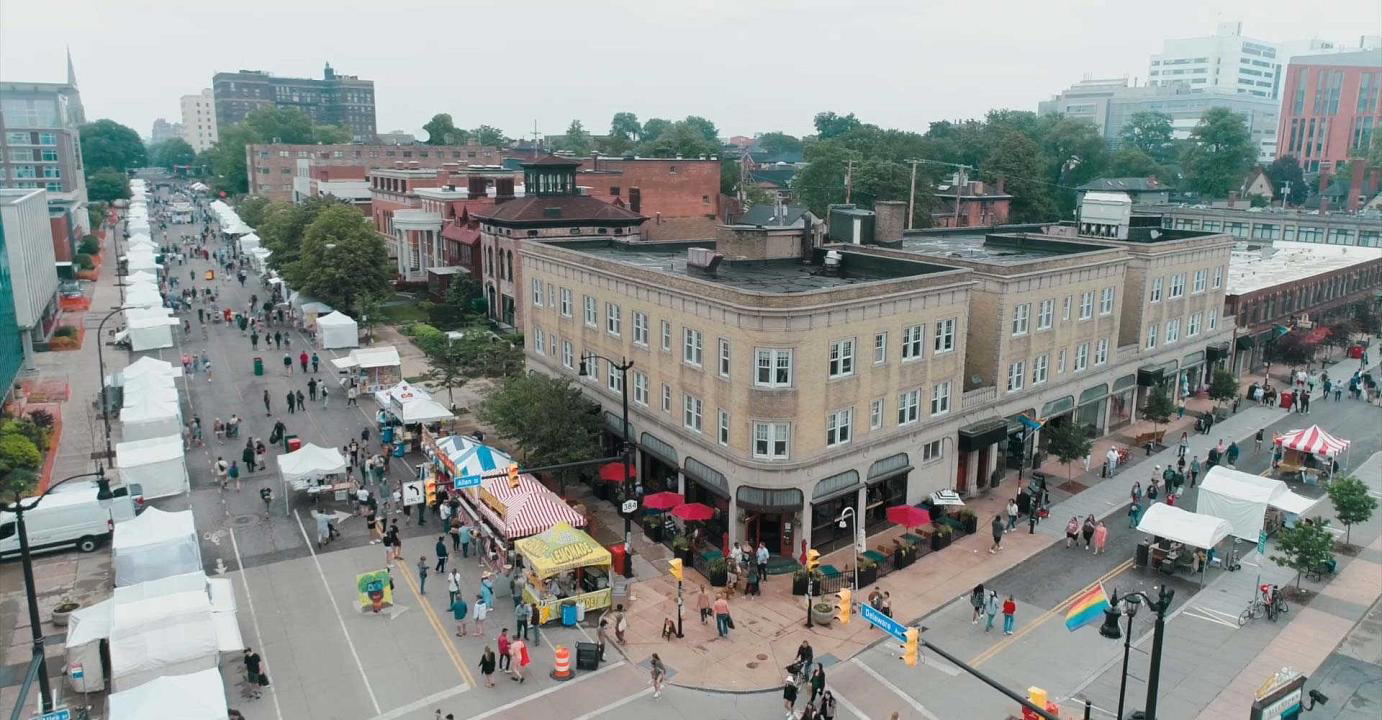
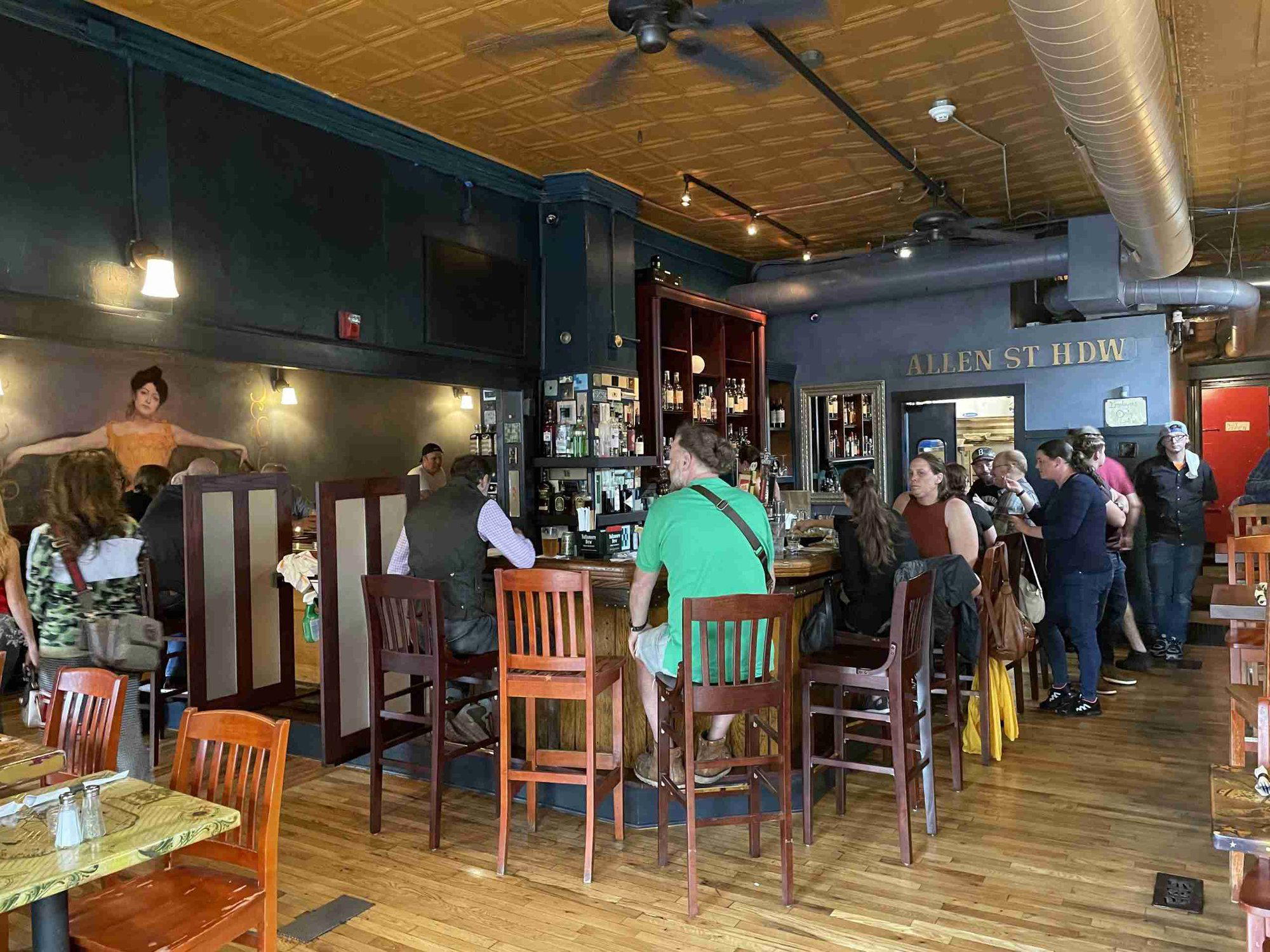
Restaurants in Kenmore
Browse all →
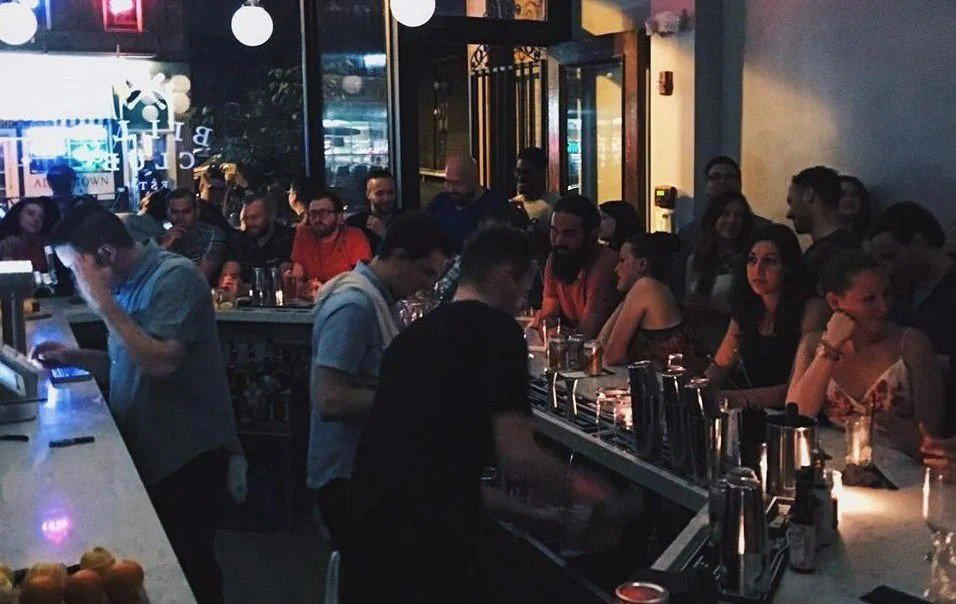
Bars in Kenmore
Browse all →
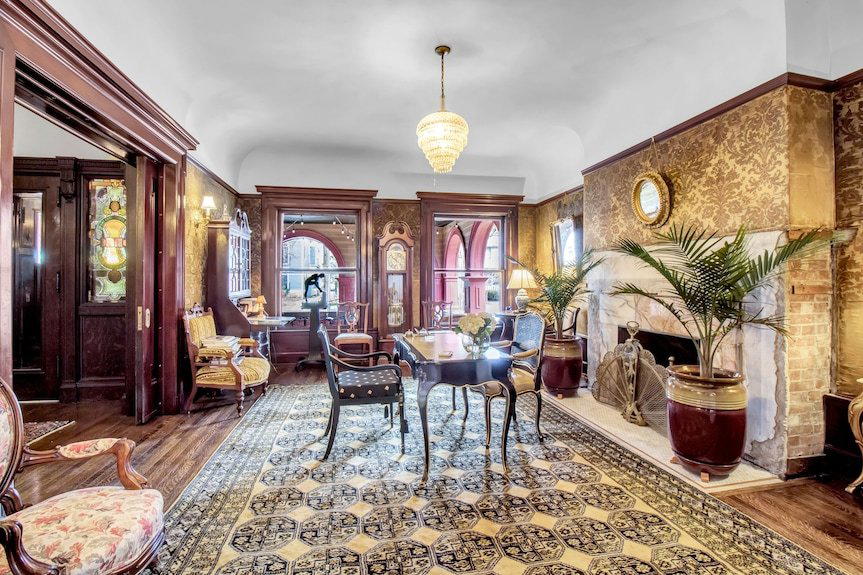
Hotels in Kenmore
Browse all →


At a Glance
- Classic
- Cozy
- Rustic
- Casual Hangout
- Family
- Brunch
- Solo
- Standalone
Current opening hours
- Monday
- Closed
- Tuesday
- 4–8 PM
- Wednesday
- 4–8 PM
- Thursday
- 4–8 PM
- Friday
- 4–8 PM
- Saturday
- 4–8 PM
- Sunday
- Closed
Hours can change for holidays and private events. Last verified .
Old-fashioned, vintage country-style diner with worn but clean interiors; warm, friendly atmosphere with a small-town cafe feel and local gathering spot energy.
Know Before You Go
- Getting there
- 2872 Delaware Ave, Kenmore, NY 14217