The Bijou
Our verdict
On Main Street in downtown Buffalo, The Bijou occupies a stretch of the city where old-world architecture meets a quietly evolving dining scene. The wine program positions it within a tier of Buffalo restaurants where the cellar does as much work as the kitchen. For visitors tracking the city's more considered restaurant openings, it belongs on the itinerary alongside the broader Main Street corridor.

Pearl is the En Primeur Club membership app — saves, bookings, and concierge access live there. Same editors, same standards.
- Address
- 643 Main St, Buffalo, NY 14203
- Phone
- (716) 847-1512
- Hours
- Mon ClosedTue–Fri 3–9 PMSat 11 AM–9 PMSun 11 AM–6 PM
- Website
- thebijou716.com
- Directions
- Get directions
- Booking
- Book on OpenTable
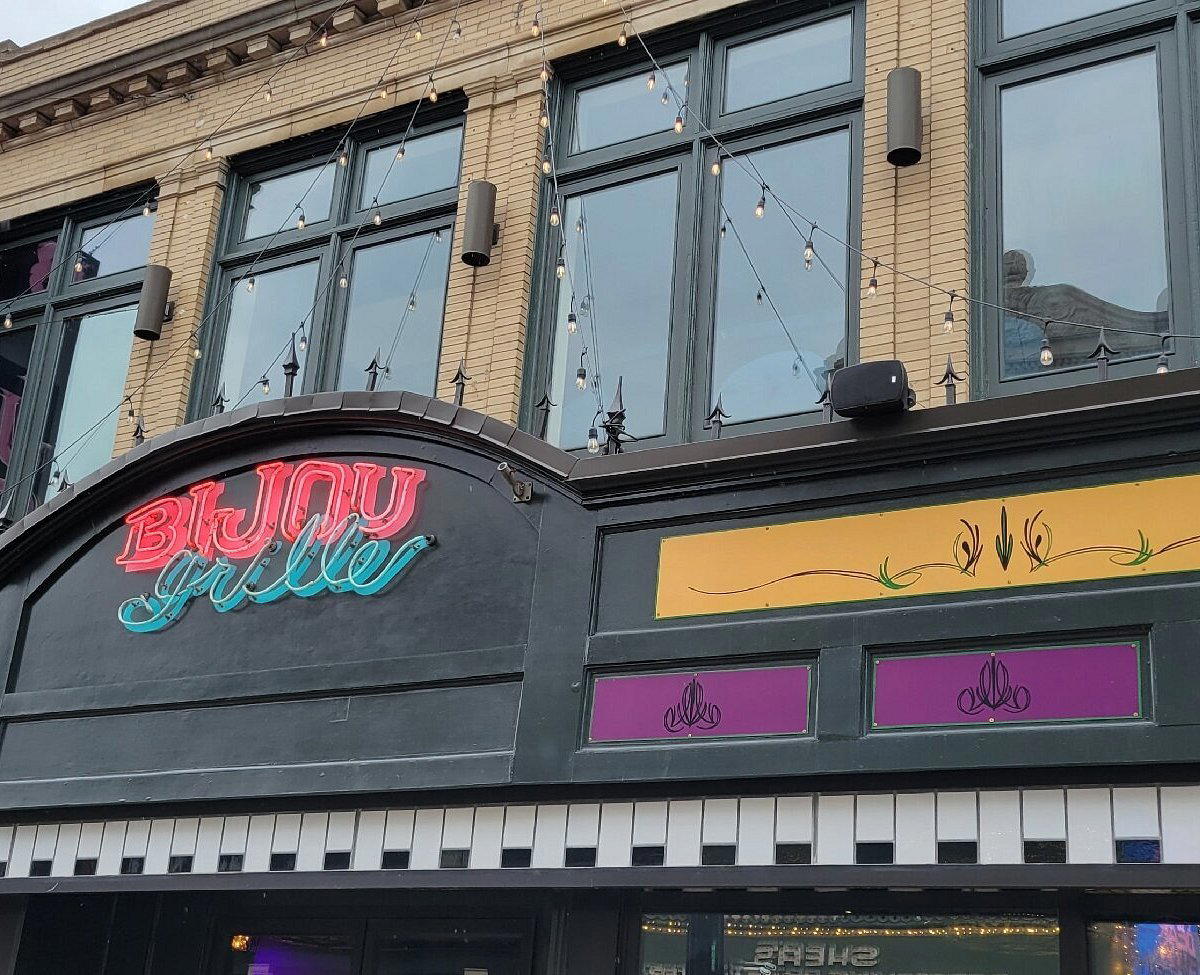
Main Street, After Dark
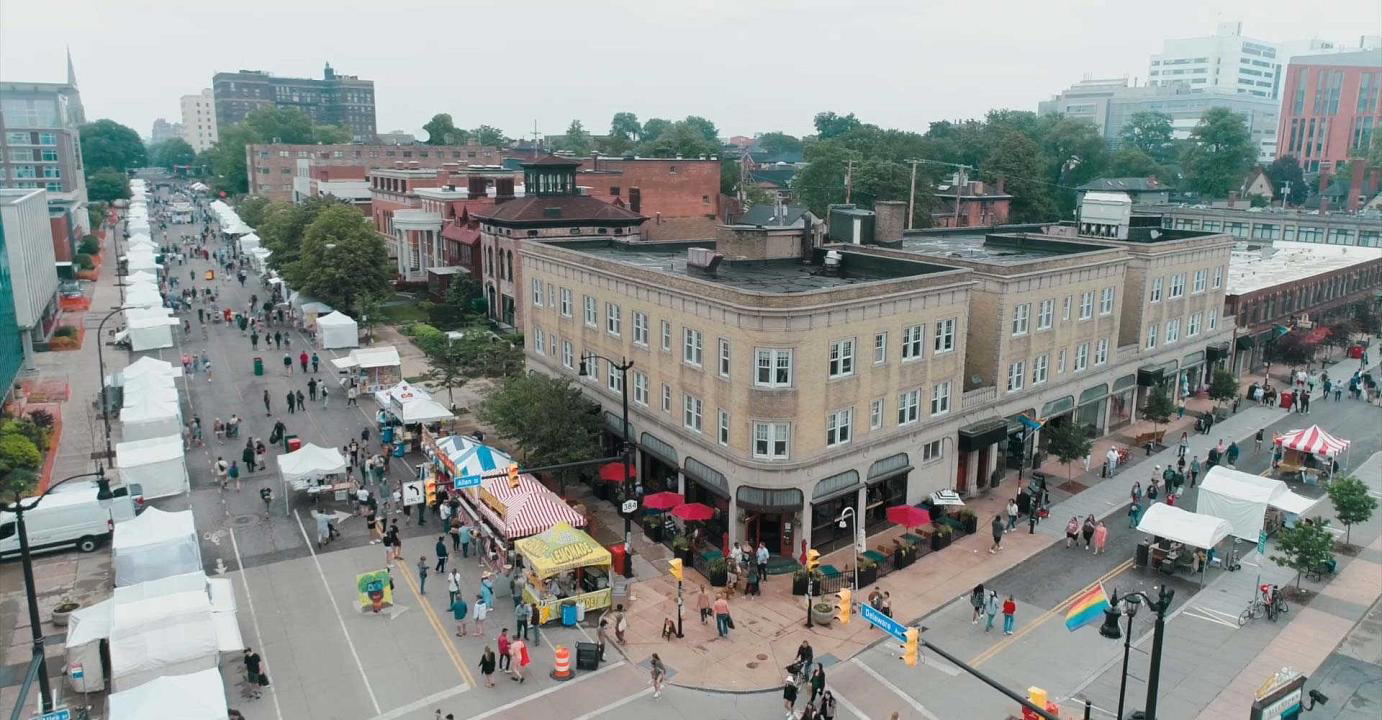
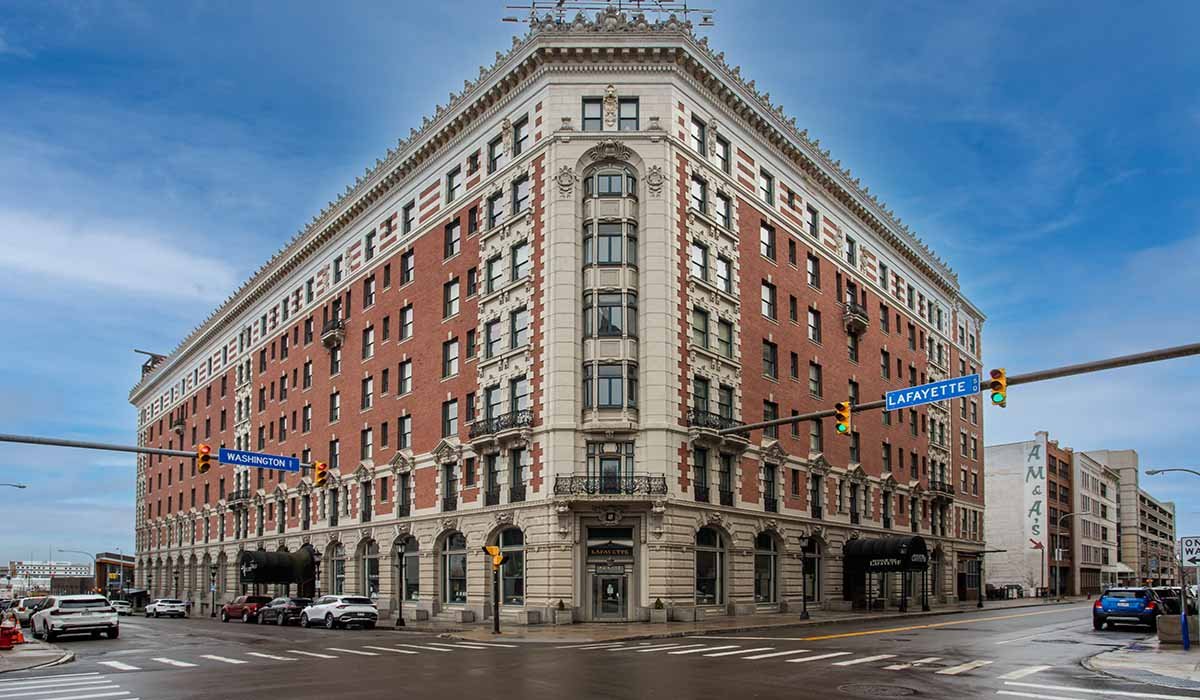
Buffalo's Main Street has always carried more architectural ambition than most rust-belt corridors get credit for. The facades along the 600 block read like a compressed history of early-twentieth-century commercial design: terra cotta detailing, recessed entries, street-level glass that catches whatever light the Lake Erie sky offers. Walking toward 643 Main St, the sense is of a building that has outlasted several previous tenants and absorbed their histories into the brickwork. The Bijou takes that address and, from what the name alone telegraphs, frames it as something deliberate rather than incidental. Bijou, French for jewel, has long served as shorthand in American vernacular for intimate theatres and supper clubs where scale was the point: small enough that service could be precise, the wine list curated rather than catalogued.
Where The Bijou Sits in Buffalo's Dining Order
Buffalo's restaurant scene has been reorganising itself over the past decade into clearer tiers. The legacy of Anchor Bar and the chicken wing tradition still defines how most visitors first encounter the city's food culture, but that represents one end of a long spectrum. At the other end, places like 42N at The Flats have pushed toward a more considered dining format. The Bijou's address on Main Street places it physically in the corridor connecting downtown commerce to the Theatre District, a location that has historically attracted restaurants built around the pre-and-post-performance crowd: guests who arrive with time, expect a certain formality, and treat the wine list as integral rather than incidental to the evening.
This is not the neighbourhood breakfast register of Amy's Place or the neighbourhood staple warmth of Betty's. The Bijou operates in a register where the room itself is expected to do work, where the pacing of a meal is as considered as the sourcing, and where a wine program can serve as the primary differentiator rather than an afterthought.
The Wine Angle: Curation Over Volume
In American cities of Buffalo's size and culinary maturity, wine programs tend to follow one of two models. The first is volume-driven: a long list padded with recognisable labels, priced to cover multiple guest profiles without committing to a point of view. The second is selection-driven: a shorter list built around a coherent philosophy, where every producer on the page earns their place through a traceable argument about style, region, or value relative to price tier. The latter model demands more from both the buyer and the guest, but it creates a different kind of conversation at the table.
The name The Bijou implies the second model. A venue invoking intimacy in its own name is making a structural promise: that the experience will be edited rather than exhaustive. Applied to a wine program, that means a sommelier or buyer who has made choices rather than hedged them. It means Old World references sitting alongside domestic producers chosen for specific reasons, not generic inclusion. It means by-the-glass selections that rotate with some logic, not just with what needs to be moved before it turns.
Nationally, the restaurants where wine curation has become the central editorial statement tend to concentrate in cities with either a critical mass of wine-literate guests or a strong sommelier culture. Think of how Le Bernardin in New York City built its cellar around the specific logic of pairing with seafood, or how Single Thread Farm in Healdsburg uses its wine list to extend the seasonal agriculture argument made by the kitchen. At a smaller scale, the same discipline is what separates a wine list that impresses from one that actually teaches. What distinguishes the better mid-tier wine programs in regional American cities is exactly that pedagogical ambition: the list that tells you something you did not know when you sat down.
The Room and the Register
The Theatre District location also informs pacing. Restaurants in this part of any American city tend to divide between those that rush guests toward a curtain-time exit and those that treat the pre-show dinner as its own complete event. The latter is the harder format to sustain because it requires the kitchen and the floor to work in genuine coordination, keeping a table engaged without rushing or stalling. When that coordination works, the wine program becomes the mechanism for it: another glass at the right moment extends an evening without forcing it.
Buffalo has not historically had the depth of premium dining that cities like Chicago or San Francisco carry. Alinea in Chicago or Lazy Bear in San Francisco operate in markets where the critical infrastructure, established reviewers, a guest base trained by decades of serious restaurants, already exists. Buffalo's premium tier is smaller and newer, which makes individual venues more exposed: there are fewer peers to normalise the experience for guests arriving without prior reference points. That exposure cuts both ways. It means less competition, but it also means that any serious restaurant on Main Street is effectively doing educational work alongside service work.
Getting There and Planning the Evening
The Bijou sits at 643 Main St, Buffalo, NY 14203, within walking distance of Shea's Performing Arts Center and the main NFTA Metro Rail stops along Main Street, making it accessible without a car for guests staying downtown. For an evening built around the wine program, arriving without a fixed curtain-time constraint is the better approach: it allows the meal to set its own rhythm rather than work against an external clock. For a broader map of what the city offers across formats and price points, the full Buffalo restaurants guide provides useful orientation before committing to a booking order.
Comparable venues to calibrate expectations against include Billy Club for a different register of the same neighbourhood energy, and nationally, the kind of regional-city fine dining ambition represented by The Inn at Little Washington or Providence in Los Angeles, both of which demonstrate what sustained focus on a single program element can produce over time.
Frequently asked questions
Is The Bijou okay with children?
The Bijou's Theatre District address and measured dining pace suggest an adult-oriented atmosphere more in line with pre-show dinners than family casual. There is no published children's menu or family policy in available venue documentation. Parents with older, adaptable children may find it workable, but the room skews toward couples and groups on a considered evening out in downtown Buffalo.
What's the vibe at The Bijou?
The 643 Main St location puts The Bijou squarely inside Buffalo's Theatre District, which sets a particular tempo: guests are often anchored to a curtain time at Shea's Performing Arts Center nearby, so the room tends toward deliberate rather than rushed. Architecturally, the 600 block of Main St carries more structural character than most mid-sized American downtowns, and that translates into a setting with some substance behind it. This is not a high-volume turnover operation.
Is The Bijou a good option for dinner before a show at Shea's Performing Arts Center in Buffalo?
The Bijou at 643 Main St is within walking distance of Shea's Performing Arts Center, making it a practical pre-show choice in Buffalo's Theatre District. The room's pacing, consistent with venues in this part of the city, appears oriented toward guests with a fixed evening schedule rather than open-ended lingering. Booking ahead is advisable on performance nights, when demand along Main Street tightens considerably.
What should I order at The Bijou?
What the venue's positioning does suggest is that the wine list is where the kitchen's philosophy surfaces most clearly — the program appears built around selection depth rather than breadth.
Where do I go for The Bijou?
The Bijou is located at 643 Main St, Buffalo, NY 14203, Buffalo.
Do they take walk-ins at The Bijou?
No booking policy is publicly documented for The Bijou at 643 Main St, Buffalo. Given its Theatre District location, walk-in availability likely varies sharply around performance nights at Shea's Performing Arts Center, when demand along Main Street concentrates quickly. Contacting the venue directly before arriving without a reservation is advisable, particularly on weekends or pre-show evenings.
What makes The Bijou worth seeking out?
In a Buffalo dining scene that has spent the past decade reorganising beyond its Anchor Bar legacy, The Bijou occupies a specific gap: a Theatre District address with a wine program built around curation rather than list length, in a city where that approach is still the exception rather than the norm. The 643 Main St location also gives it a legitimate architectural and cultural context that many newer openings in the region lack. It earns attention as a considered option inside a market that is still finding its upper tier.
Side-by-Side Snapshot
Comparable venues nearby, for context on price, style, and recognition.
| Venue | Cuisine | Price | Notes |
|---|---|---|---|
| The BijouThis venue — the venue you are viewing | Classic American Comfort | Not listed | Not listed |
| 42N at The Flats | Modern American Gastropub | $20–30 | Allentown |
| Buffalo RiverWorks | American Gastropub | $20–30 | Central |
| Buffalo Proper | Modern American Gastropub | Not listed | Allentown |
| The Black Sheep Restaurant & Bar | Farm-to-Table American Gastropub | Not listed | West Side |
Continue exploring
More in Buffalo
Restaurants in Buffalo
Browse all →
Bars in Buffalo
Browse all →
Hotels in Buffalo
Browse all →


Details
- Classic
- Cozy
- Intimate
- Date Night
- Special Occasion
- Group Dining
- Private Dining
- Craft Cocktails
- Local Sourcing
- A La Carte
- Vegetarian Friendly
- Vegan Options
Current opening hours
- Monday
- Closed
- Tuesday
- 3–9 PM
- Wednesday
- 3–9 PM
- Thursday
- 3–9 PM
- Friday
- 3–9 PM
- Saturday
- 11 AM–9 PM
- Sunday
- 11 AM–6 PM
Hours can change for holidays and private events. Last verified .
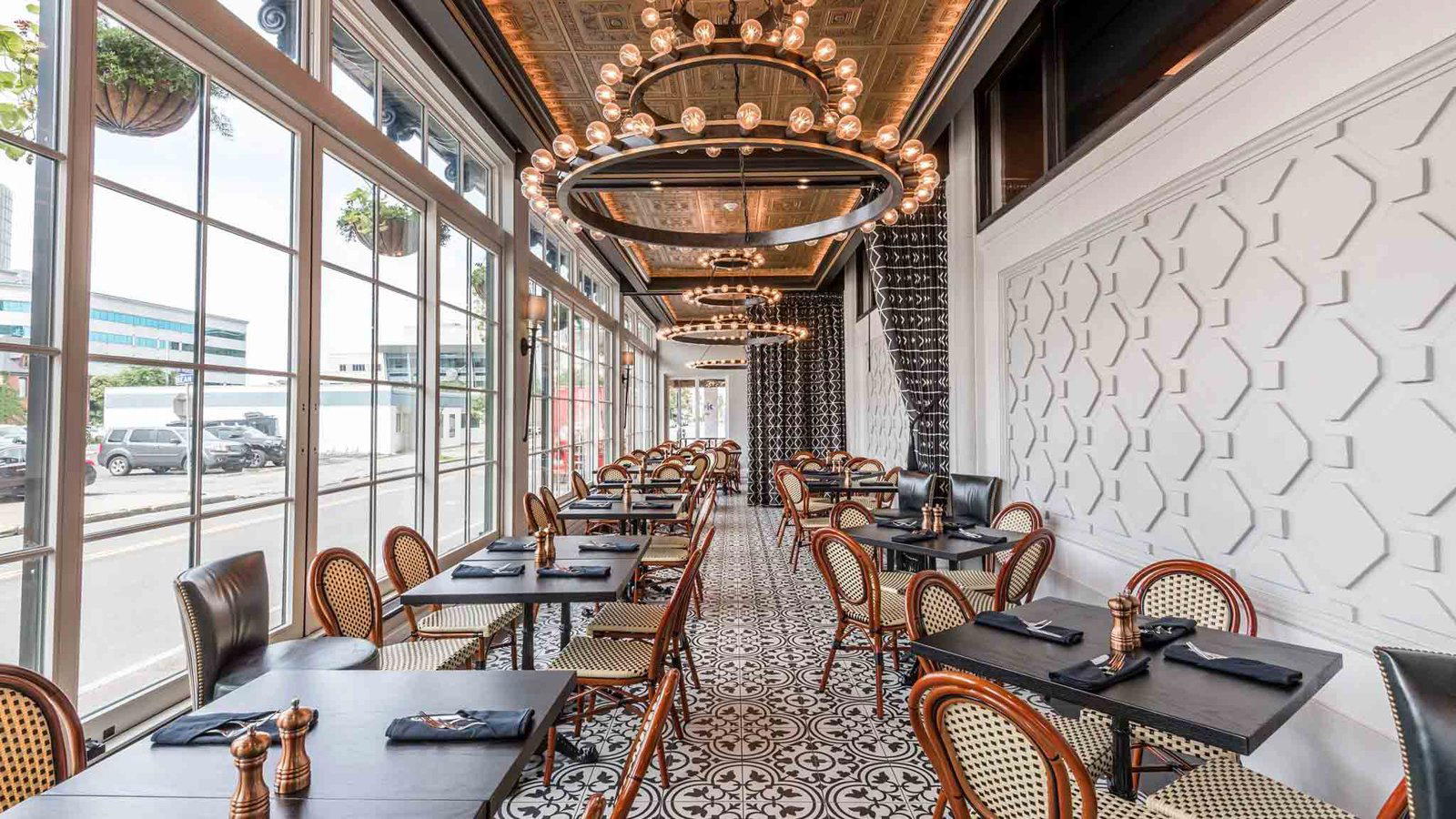
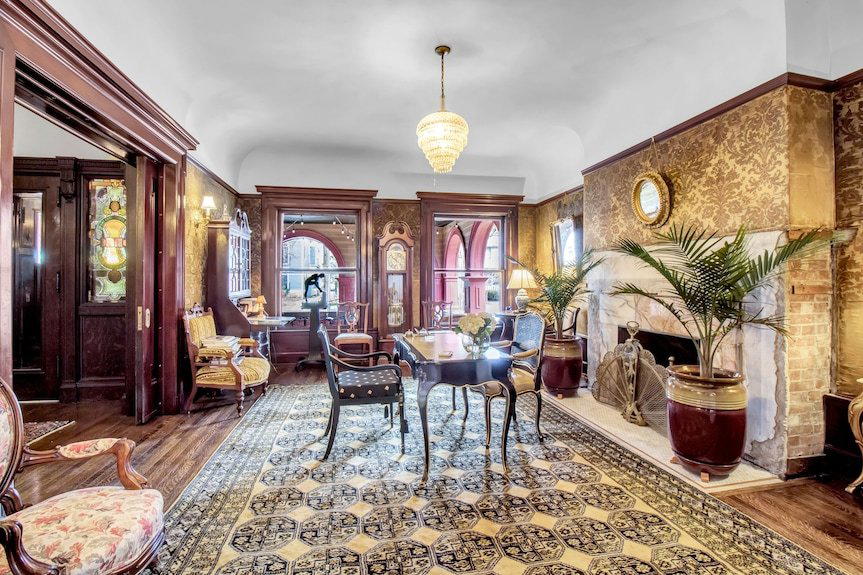
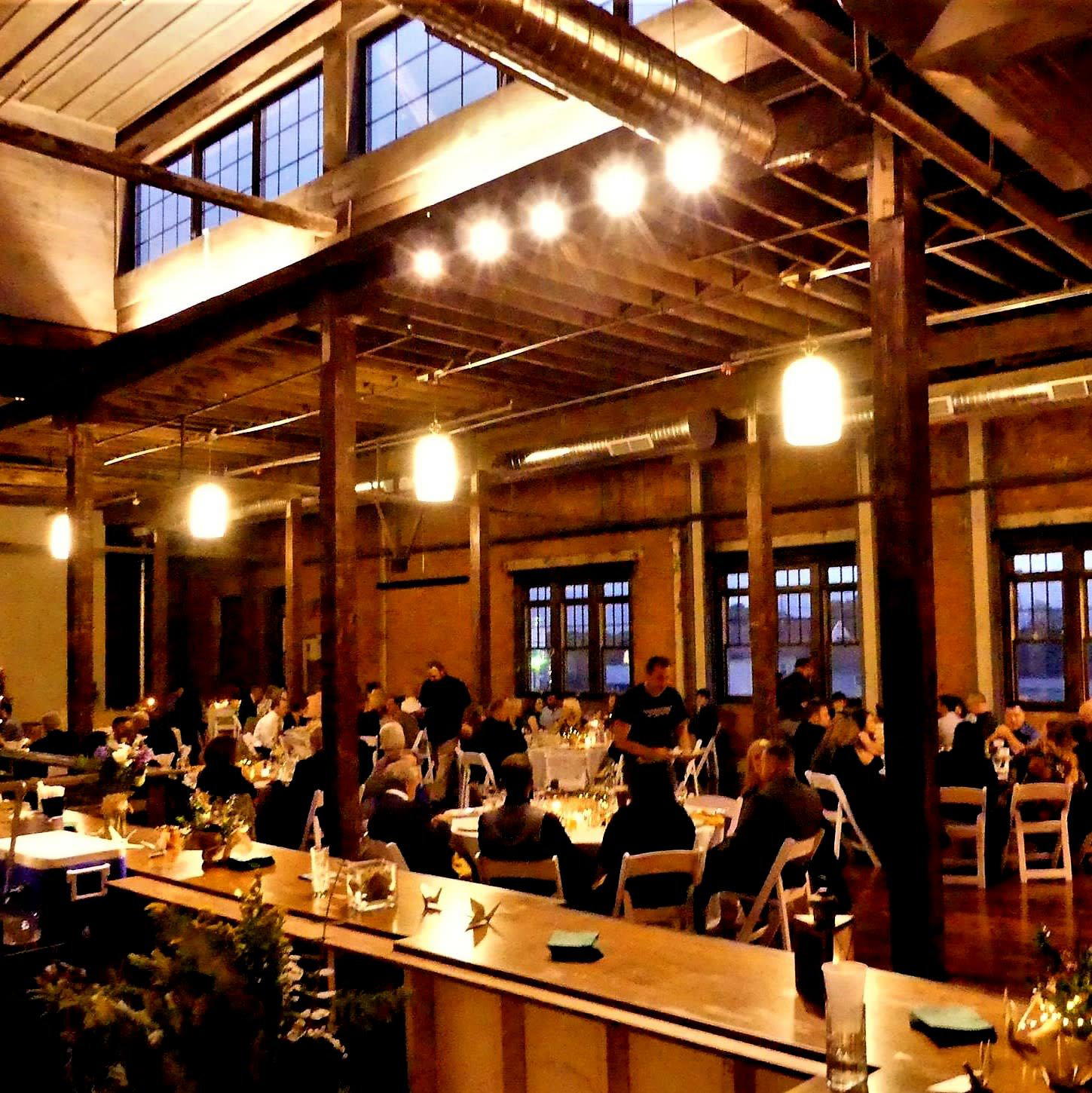
Warm and inviting atmosphere well-suited for pre-show dinners, special occasions, or casual gatherings.