MONO+MONO
MONO+MONO occupies a specific position in New York's downtown dining scene, where East Village's informal energy meets the kind of technical ambition more commonly associated with uptown addresses. Situated at 116 E 4th St in the East Village, it represents a category of restaurant that draws on global culinary methods while remaining rooted in its immediate neighbourhood context. For the full picture of what's available nearby, see our New York City restaurants guide.
Pearl is the En Primeur Club membership app — saves, bookings, and concierge access live there. Same editors, same standards.
- Address
- 116 E 4th St, New York, NY 10003
- Phone
- +19172855034
- Website
- monomonony.com
- Directions
- Get directions
 Saves & bookings on Pearl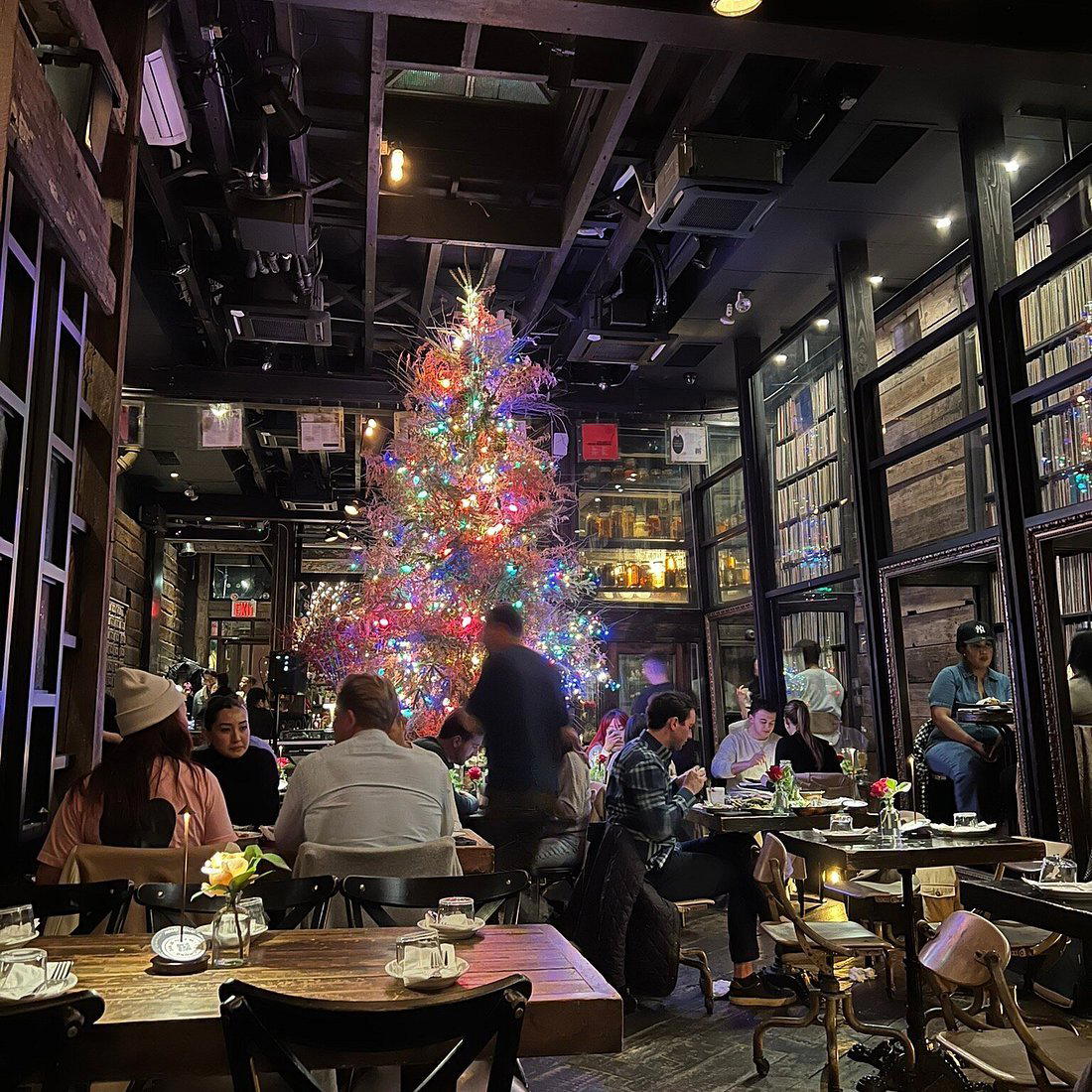
East Village and the New Wave of Technique-Driven Downtown Dining
New York's fine-dining geography has shifted considerably over the past two decades. The city's most technically demanding kitchens once clustered in Midtown and the Upper West Side, at addresses like Per Se and Le Bernardin, where the expectation of formality matched the neighbourhood's character. Since then, a younger cohort of restaurants has pushed that technical ambition southward, into neighbourhoods where the street-level energy is less ceremonial but the cooking is no less considered. The East Village has emerged as a particular focus for this shift: rents historically lower than Tribeca or Flatiron, a diner base that runs from NYU faculty to professional cooks eating out on nights off, and a general tolerance for experimentation that makes it a reasonable place to try something that doesn't fit neatly into an existing category.
MONO+MONO, at 116 E 4th St, sits inside this pattern. The address places it on a block that is more residential than commercial, removed from the louder corridors of St. Marks Place or Avenue A. That physical positioning carries an implication: this is not a restaurant built around foot traffic or casual walk-ins, which in New York typically signals a place that is counting on destination diners.
The Intersection of Imported Method and Local Context
The broader culinary conversation that restaurants like MONO+MONO are entering is one about what happens when technique travels. Over the past fifteen years, kitchens trained in classical French method, Japanese precision, or Korean fermentation traditions have applied those frameworks to ingredients and contexts that are distinctly American. The results have produced particularly interesting dining in the country, at restaurants ranging from Blue Hill at Stone Barns in Tarrytown, where agricultural sourcing is the editorial frame, to Single Thread Farm in Healdsburg, where Japanese kaiseki discipline meets Northern California produce. The common thread is that the technique is not decorative; it is the mechanism through which local ingredients are made to express something they couldn't achieve through simpler preparation.
New York has its own version of this conversation, and it runs most visibly through its Korean-influenced fine dining tier. Atomix and Jungsik New York have both established that Korean culinary frameworks, applied with the discipline of a serious tasting-menu kitchen, can compete at the summit of the city's dining hierarchy. Both carry Michelin recognition and have built reservation demand that keeps them booked weeks in advance. They are useful reference points for understanding where the conversation about technique and cultural translation currently sits in New York.
MONO+MONO enters this context from its East Village position, which is a different register from the Midtown or NoMad addresses where Atomix and Jungsik operate. The neighbourhood itself carries different expectations around price point, formality, and the relationship between the kitchen and the room. Downtown New York diners in this part of the city are generally less interested in ceremony and more interested in what is actually on the plate, which creates a particular kind of pressure on a technically ambitious kitchen: the cooking has to justify itself without the scaffolding of white tablecloths or a formal service grammar.
Where MONO+MONO Sits in the Wider American Fine Dining Map
It is worth situating the restaurant within a broader American context, because the question of where local ingredients meet global technique is being answered differently in different cities. In Chicago, Alinea has long operated as the clearest example of technique deployed at maximum intensity, with no particular geographic claim on its ingredients. In New Orleans, Emeril's takes a different approach, where regional Southern tradition is the frame and technique serves it. In Los Angeles, Providence applies fine-dining precision to Pacific seafood in a way that is legibly Californian. In San Diego, Addison and in Washington, The Inn at Little Washington each demonstrate how regional identity can be encoded into a tasting-menu format without becoming folkloric. And in San Francisco, Lazy Bear has made the communal, genre-defying dinner party format work at a serious culinary level.
What these examples collectively suggest is that durable restaurants in this space are those that have a clear answer to the question of provenance: where does the cooking come from, and what is it doing with the place it is in? For New York specifically, that question is complicated by the city's density of culinary traditions and the absence of any single regional ingredient identity. A kitchen in the East Village drawing on global technique has a different task than one in Healdsburg or Atlanta, where Bacchanalia has built a reputation around the produce of the American South. In New York, the answer often comes through cuisine type rather than geography, and the Korean-American fine dining axis is currently one of the more productive frames for this kind of work.
International comparisons extend the picture further. At the highest tier of technique-plus-ingredient precision, Alain Ducasse at Louis XV in Monte Carlo and 8 1/2 Otto e Mezzo Bombana in Hong Kong both demonstrate what it looks like when classical European training is applied in a context shaped by different ingredient traditions and guest expectations. The tension between the imported method and the local context is, in both cases, productive rather than decorative.
Planning a Visit
The restaurant is located at 116 E 4th St in Manhattan's East Village, a walkable neighbourhood served by the F and M trains at Second Avenue and the 6 train at Astor Place. The East Village dining corridor is active across multiple evenings, and the block itself is residential, so arriving by public transit or on foot is more practical than by car.
At the sushi tier above, Masa in Columbus Circle remains the clearest example of what total technical commitment looks like in New York, with pricing that removes any ambiguity about positioning. The restaurant operates in a different register, downtown rather than Midtown, East Village rather than Lincoln Center, but the underlying question of what imported technique does to a particular culinary tradition remains the same.
How It Stacks Up
Comparable venues nearby, for context on price, style, and recognition.
| Venue | Cuisine | Price | Notes |
|---|---|---|---|
| MONO+MONOThis venue — the venue you are viewing | Modern Korean Fusion | $$ | Not listed |
| KPOT Korean BBQ & Hot Pot | Korean BBQ & Hot Pot | $$ | Coney Island-Sea Gate |
| Golden HOF | Modern Korean Bar & Grill | $$ | Midtown-Times Square |
| Geo Si Gi Gamjatang | Korean Gamjatang Specialist | $$ | Murray Hill-Broadway Flushing |
| Tosokchon NYC | Authentic Korean Home-Style | $$ | Midtown South-Flatiron-Union Square |
Continue exploring
More in New York City
Restaurants in New York City
Browse all →
Bars in New York City
Browse all →
Hotels in New York City
Browse all →




At a Glance
- Trendy
- Modern
- Cozy
- Intimate
- Date Night
- Casual Hangout
- Late Night
- Open Kitchen
- Craft Cocktails
- Sake Program
Current opening hours
- Monday
- 3–11 PM
- Tuesday
- 3–11 PM
- Wednesday
- 3–11 PM
- Thursday
- 3–11 PM
- Friday
- 3 PM–12 AM
- Saturday
- 11 AM–12 AM
- Sunday
- 11 AM–11 PM
Hours can change for holidays and private events. Last verified .
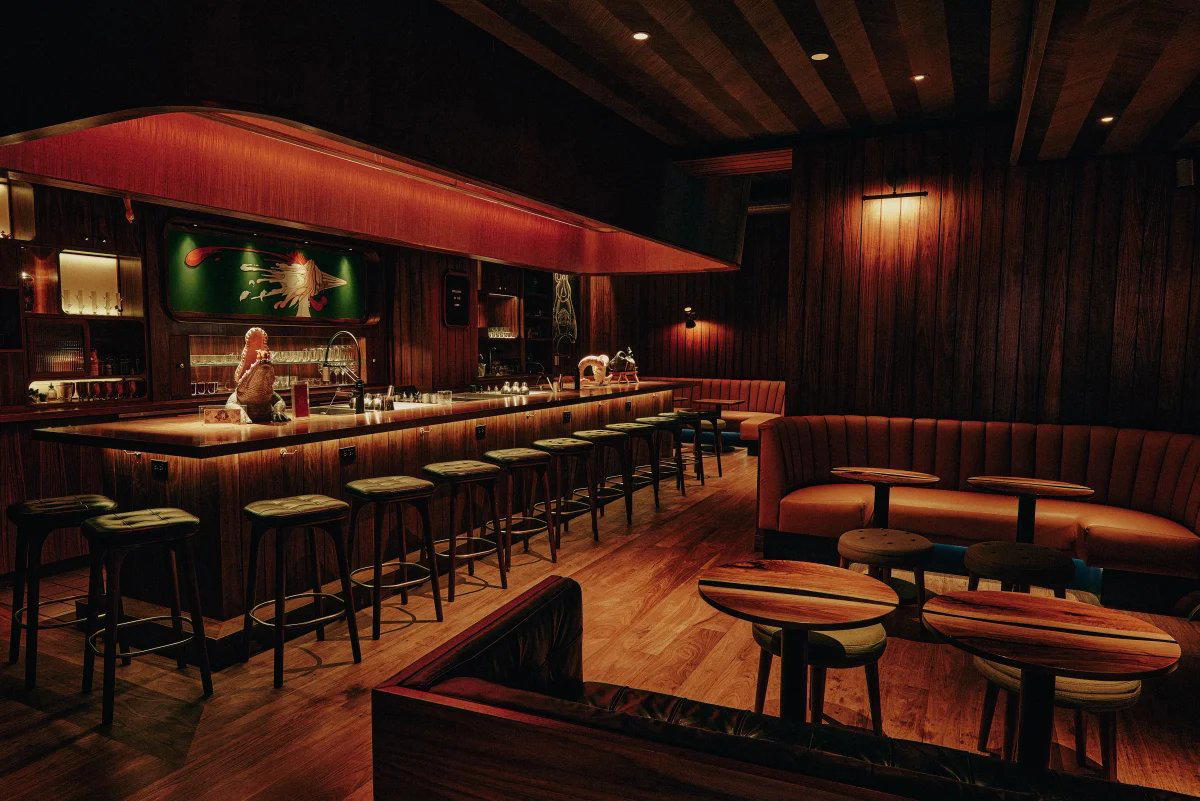
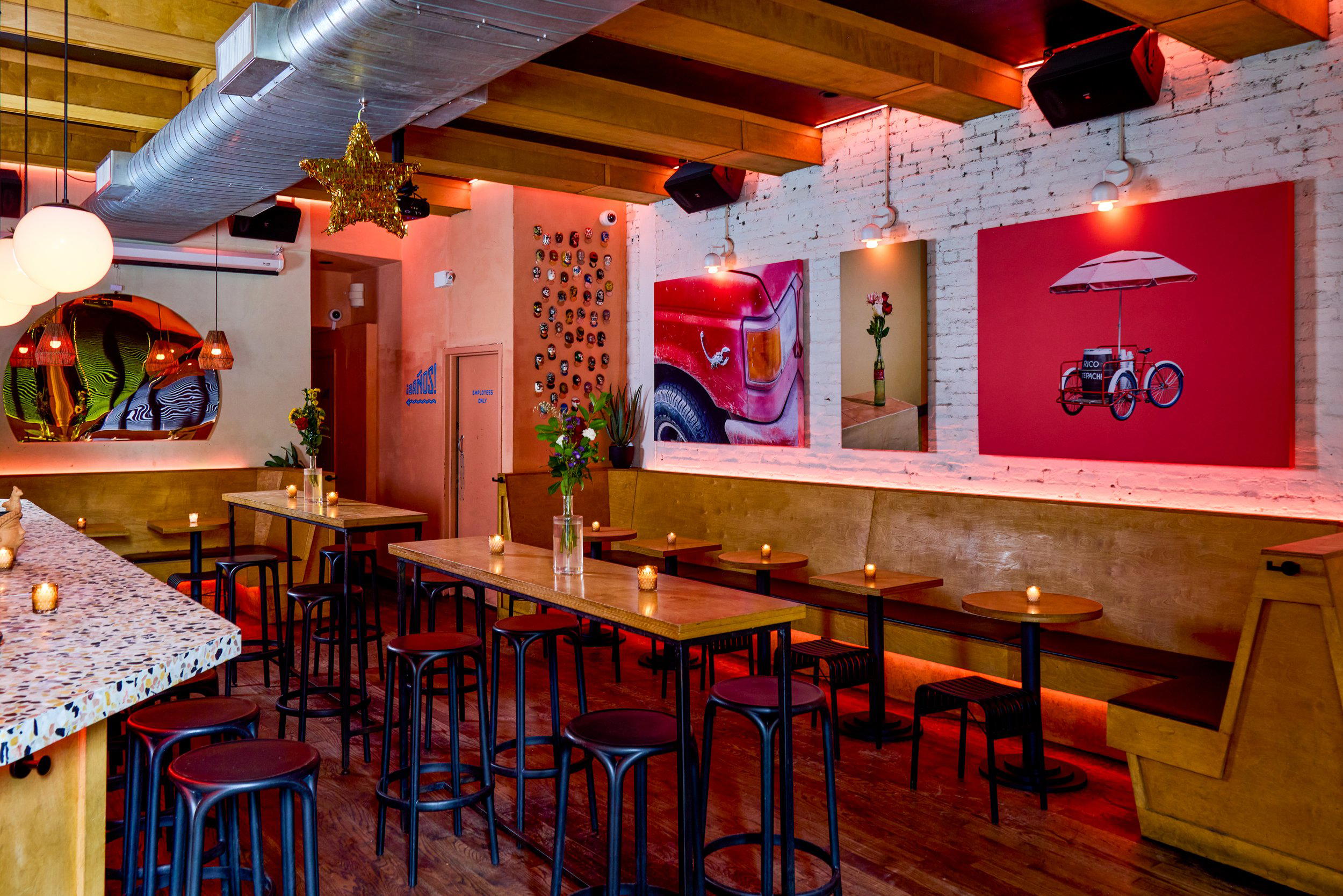
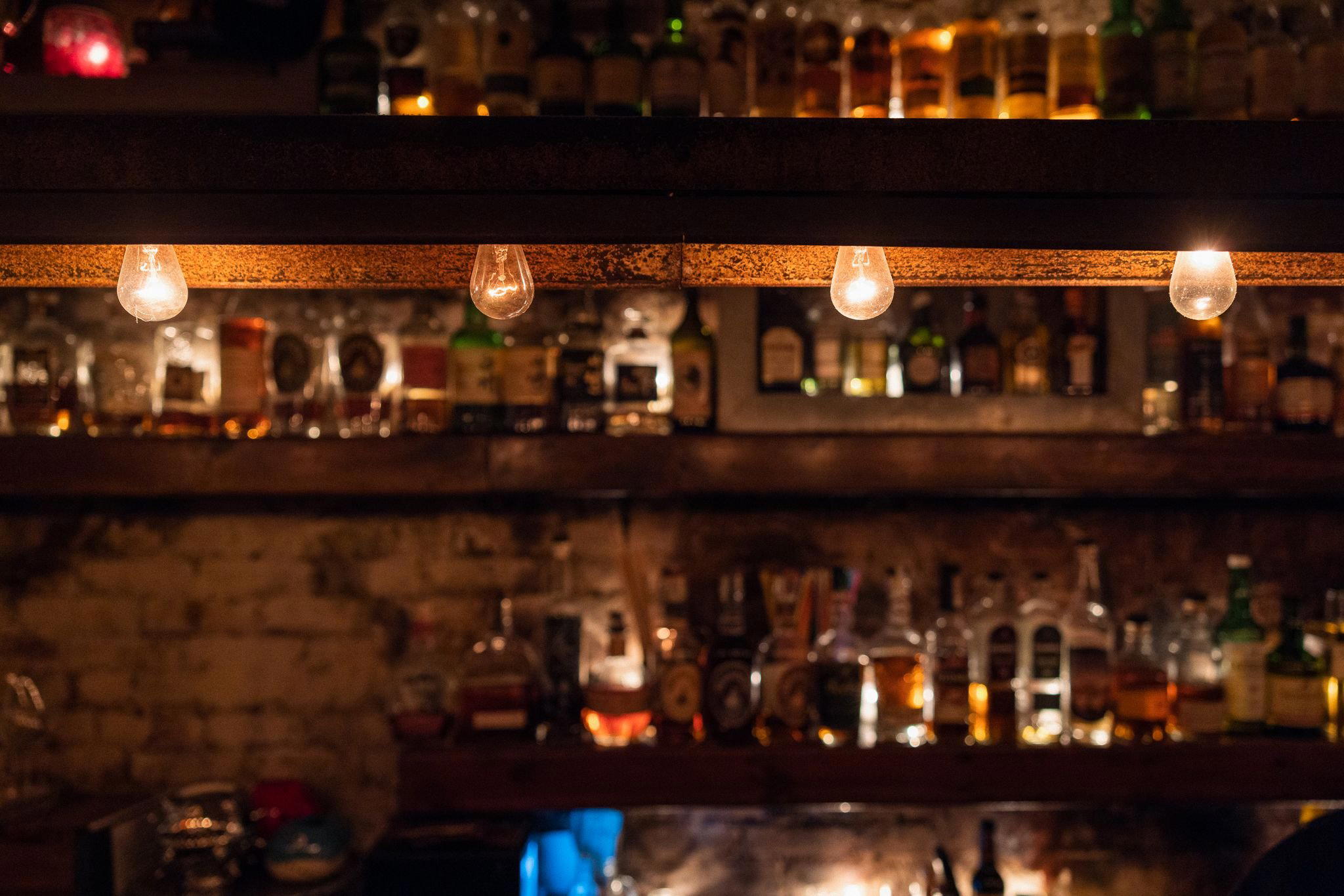
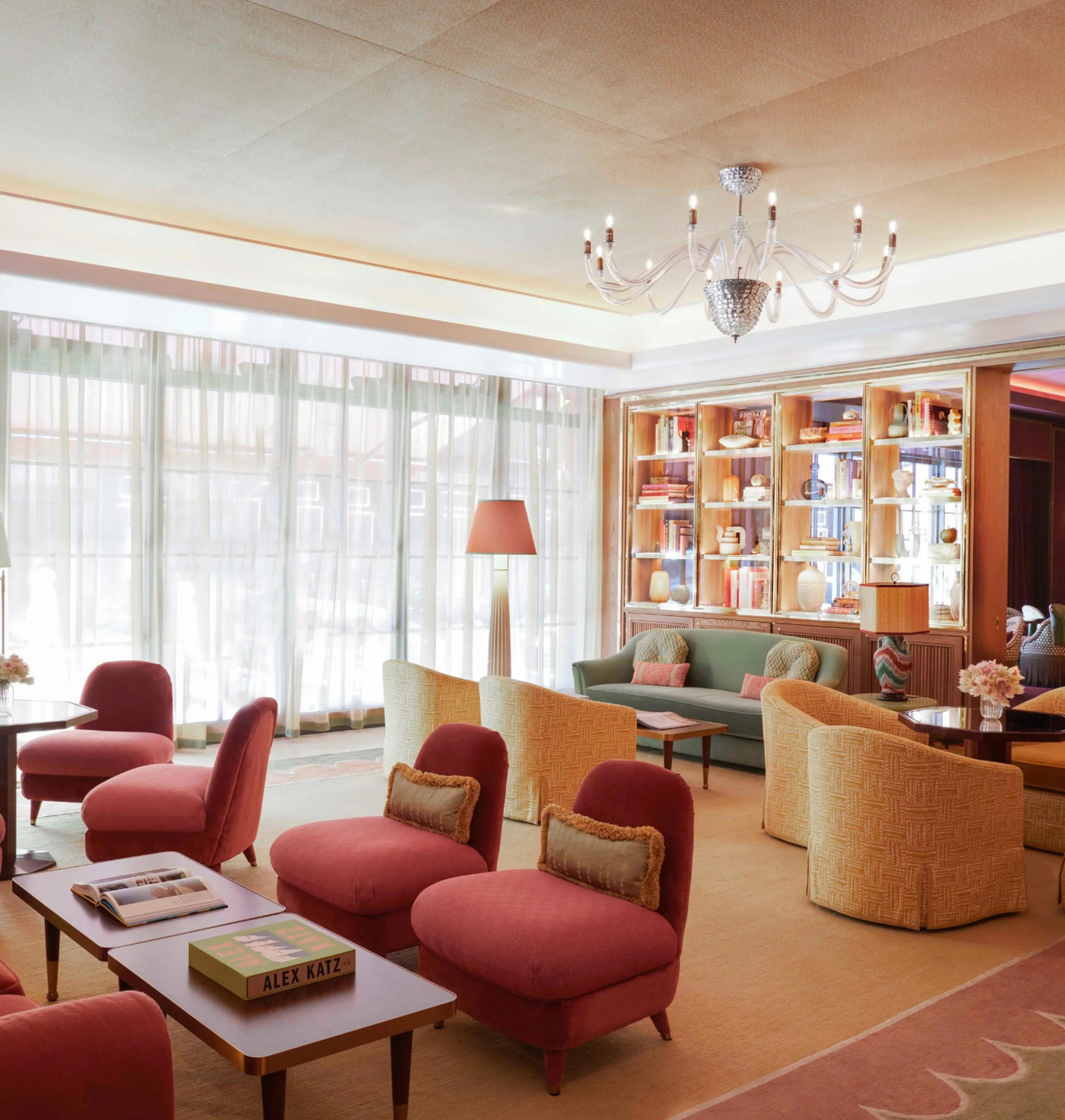
Chic modern atmosphere with industrial elements, fresh flowers, book walls, cozy corners, and soothing jazz music.