
Tabelog 100 #100
Our verdict
Tokyo’s kissaten culture is usually read through old wood, low voices, and patient coffee service rather than speed or spectacle. Gekko Sabou brings that tradition into Omotesando’s design-heavy orbit: a nine-seat counter café in Jingumae, recognised in Tabelog’s 2022 Kissaten 100, with irregular openings that make timing part of the experience.

Pearl is the En Primeur Club membership app — saves, bookings, and concierge access live there. Same editors, same standards.
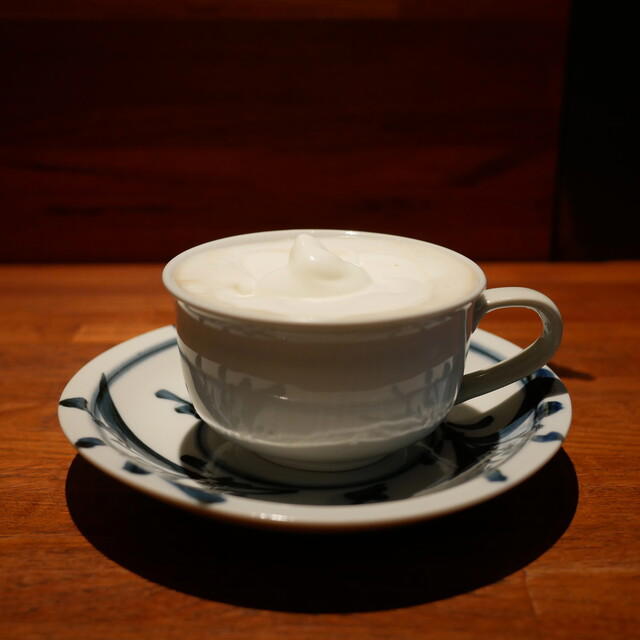
The menu
What to order
- Pakkān Omurice
- Basque Cheesecake
- Gourmet Coffee Selection
In Tokyo, the visual field can move quickly: retail glass, polished concrete, and fashion traffic all competing for attention. A kissaten works by resisting that pace. The pleasure is not scale or novelty; it is compression: a quieter register of service and the old Tokyo idea that coffee can occupy the same cultural space as a bar, a listening room, and a private pause.
Gekko Sabou belongs to that lineage. Its setting in Tokyo places it within a city dense with design, dining, and café culture, but the format is closer to Tokyo’s older café grammar than to the city’s contemporary coffee-stand model. Tabelog listed it in the 2022 Kissaten 100, a useful signal because kissaten excellence in Japan is judged less by trend velocity than by durability, atmosphere, and the discipline of a narrow format. The public listing also identifies it as a kissa, or Japanese coffee shop, and café, which gives the room a more specific frame than a generic coffee stop.
A compact kissaten against Tokyo's faster coffee culture
Tokyo coffee has split into several tribes. There are minimal espresso bars built for standing service, destination roasters with bean programmes, and kissaten that preserve the slower rituals of brewed coffee, quiet interiors, and unhurried use. In Tokyo, that contrast is sharper because the city also supports polished contemporary dining, fashion-led cafés, and reservation-heavy restaurants. Tokyo reference points such as Koffee Mameya, sio AOYAMA, JULIA, Aoyama Ototo, and Maisen show how broad the eating and drinking field has become, from coffee specialist to contemporary dining to long-running casual institutions.
The appeal here sits in the opposite direction from volume. Rather than presenting itself as a high-production café, Gekko Sabou reads through restraint and focus. Conversation drops, lingering becomes more intentional, and the room’s mood matters as much as the cup itself. In a city where premium dining often advertises scarcity through counters and chef-led service, a kissaten carries a different kind of scarcity: a limited format, a slower rhythm, and an atmosphere that cannot be expanded without losing its point.
That scale also explains why the café reads as more disciplined than casual. The category is modest, and the stated spending band is - JPY 999 - JPY 999, but price is a misleading measure of seriousness in Tokyo’s kissaten world. Recognition comes from consistency and atmosphere, not luxury ingredients or long menus. For travellers used to judging Tokyo by counters, compact dining rooms, or cocktail bars, this is a useful corrective: some of the city’s more revealing hospitality happens at low spend and high restraint.
Why the kissaten still matters in Tokyo
The kissaten is not simply a Japanese version of a café. Historically, it carried a stronger sense of interior culture: newspapers, music, careful brewing, and regulars who treated the room as a third place. Modern Tokyo has updated much of that template, especially as contemporary service expectations and design-conscious interiors have become standard, but the underlying rhythm remains. The guest is not pushed through a transaction; the room asks for attention to volume, timing, and presence.
Gekko Sabou’s inclusion in a kissaten-specific award list matters because it places the café inside that tradition rather than inside the city’s broader café boom. The distinction is important. A café can be photogenic and short-lived; a kissaten must hold a mood across time. In Tokyo, where new openings compete for visual impact, that older form gives the address its editorial weight.
The sensory experience is therefore architectural as much as culinary. A compact coffee room narrows the field of view and changes the transition from street pace to table pace. The classic kissaten atmosphere is less about spectacle than about restraint, repetition, and a guest’s willingness to slow down. For visitors mapping a Tokyo day, it pairs better with galleries, design shops, or a restrained lunch than with a large social itinerary.
How to place it within a Tokyo itinerary
Tokyo is often approached through shopping, restaurants, and tightly planned reservations, but its stronger travel value comes from contrasts. Across a single day, the city can shift from luxury retail to backstreet cafés, from contemporary dining rooms to long-running casual specialists. This is where a small kissaten earns its place: it slows the itinerary down and gives the day a point of stillness.
Planning still requires more precision than the low price might suggest. Small cafés can operate on a quieter rhythm than destination restaurants, and the best approach is to treat the visit as a focused stop rather than a guaranteed full meal. Check current details before crossing town, keep timing flexible, and build a second Tokyo plan in case the day’s rhythm changes.
For wider Tokyo planning, EP Club’s city rails help place this kind of stop in context: Our full Tokyo restaurants guide, Our full Tokyo hotels guide, Our full Tokyo bars guide, Our full Tokyo wineries guide, and Our full Tokyo experiences guide. Travellers building a food-led route can also compare the city’s range through other Tokyo dining rooms, coffee counters, casual specialists, and contemporary restaurants. For a broader Japan file, compare unnamed cafés, curry shops, and regional dining rooms across the country. Japanese drinking culture abroad sits in a different register at overseas bars and casual food counters.
Frequently asked questions
Where is Gekko Sabou located?
Tokyo.
Is Gekko Sabou expensive?
Pricing at Gekko Sabou is listed as - JPY 999 - JPY 999 View spending breakdown.
Do I need a reservation for Gekko Sabou?
Reservation details are not provided in the verified listing. The practical approach is to check the venue's official channels for the latest details before planning a visit.
What makes Gekko Sabou worth seeking out?
Its strongest credential is the 2022 Tabelog Kissaten 100 listing, with a published score of 3.65. The public category is kissa, or Japanese coffee shop, and café, which places it within Tokyo’s kissaten tradition rather than the broader café boom.
Can Gekko Sabou handle vegetarian requests?
Those details are not published. For a small Tokyo coffee stop, vegetarian diners should not assume special-order dining is available. Check the venue's official channels for the latest details.
Is Gekko Sabou okay with children?
Child policy details are not published in the verified listing. Visitors planning with children should check the venue's official channels for the latest details before going.
At a Glance
Comparable venues by cuisine and category.
| Venue | Cuisine | Price | Awards | Notes |
|---|---|---|---|---|
| Gekko SabouThis venue — the venue you are viewing | Japanese jazz kissaten & coffee shop | Not listed | Tabelog 100 #100 | Not listed |
| Maisen | Tonkatsu | $20–30 | Not listed | Not listed |
| Koffee Mameya | Specialty Single-Origin Coffee | $10–20 | Not listed | Coffee Stand |
| sio AOYAMA | Modern Italian with Japanese influences | $150–200 | Michelin Plate | Contemporary |
| JULIA | Modern Japanese Fine Dining | $200–300 | Michelin Plate · Star Wine List | Contemporary |
| Aoyama Ototo | Seasonal Japanese Kaiseki with Charcoal-Grilled Seafood | $50–100 | Michelin Plate | Japanese |
Recognition history
Dated appearances from independent guides and award organizations, with the underlying list record or original source where available.
Tabelog 100 #100 · No. 100
Tabelog · Tabelog 100 - Kissaten - 2022
Continue exploring
More in Tokyo
Restaurants in Tokyo
All restaurants in Tokyo →


Bars in Tokyo
All bars in Tokyo →




Details
- Quiet
- Modern
- Cozy
- Solo
- After Work
- Casual Hangout
- Late Night
- Standalone
- Design Destination
- A La Carte
- Counter Dining
- Coffee
- Tea
A small, modern kissaten with a calm, jazz-oriented atmosphere, more focused on attentive listening and quietly enjoying coffee and food than on conversation.