
Our verdict
Koffee Mameya occupies a disciplined corner of Omotesando's coffee scene, ranking #4 in Opinionated About Dining's Casual Japan list in 2024 and holding. The stand operates daily from 10am to 6pm and approaches coffee sourcing with the kind of rigor more commonly associated with natural wine importers. It sits in a tier of its own among Tokyo's specialty coffee counters.

Pearl is the En Primeur Club membership app, where members save venues, book tables and use the concierge.
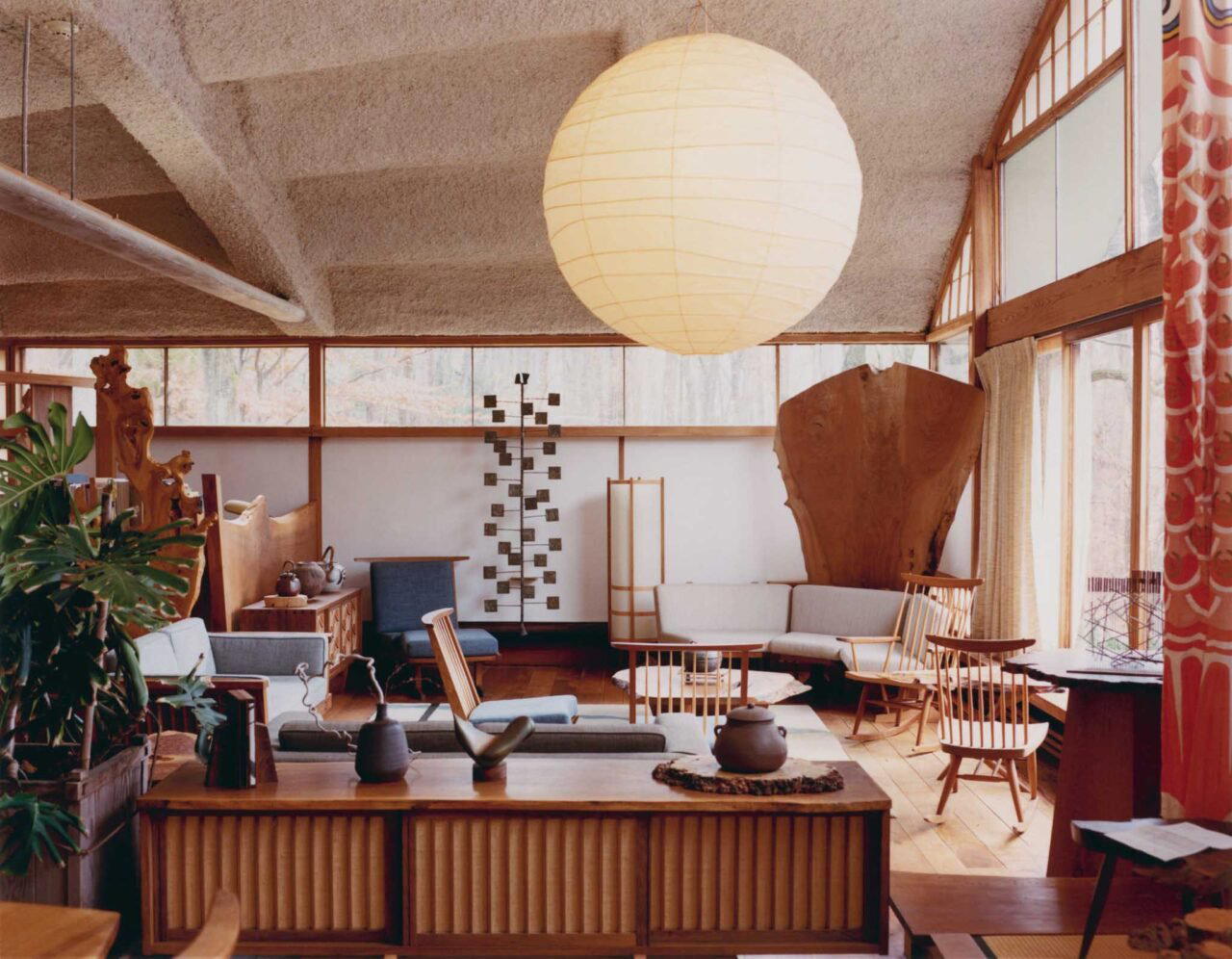
Tokyo's Specialty Coffee Counter, Placed in Context
Tokyo's coffee culture has bifurcated sharply over the past decade. One branch follows the third-wave template familiar from Melbourne or Portland: light roasts, single origins, minimal intervention. The other branch, less discussed internationally, applies the logic of fine dining procurement to the coffee supply chain: direct relationships with producers, lot-level traceability, and a counter format that treats the selection conversation as part of the experience. Koffee Mameya, operating out of Jingumae in Shibuya since its founding in Omotesando, belongs squarely to the second category.
The address places it in one of Tokyo's most design-literate neighbourhoods, where the density of considered retail, architecture, and food culture is higher than almost anywhere else in the city. That context matters. Venues at this postcode are subject to a particular kind of scrutiny from a local audience that moves between Harutaka for sushi and L'Effervescence for French technique, expecting equivalent levels of sourcing discipline wherever they spend money. Koffee Mameya has consistently delivered against that expectation.
Ranking Trajectory and What It Signals
That 2025 shift is worth examining without over-interpreting. OAD rankings in the casual category fluctuate with submission volumes and the geographic spread of contributing voters; a ranking drop from the leading five to the leading thirty still represents a position most specialty coffee operations in any country would not reach. Together, those two data points suggest a venue that performs consistently across both expert and general consumer evaluations.
For comparison, the broader Tokyo fine-dining tier that EP Club covers, including RyuGin and Sézanne, operates under Michelin's formal star system. Koffee Mameya sits outside that particular credentialing structure entirely, which is precisely the point. Its recognition comes from a platform built for categories Michelin has historically underevaluated: casual, counter-format, and specialist producer-facing operations.
The Sustainability Angle Is Structural, Not Decorative
In coffee, sustainability claims range from the cosmetic to the structural. The cosmetic version involves certification logos and recycled packaging. The structural version means the sourcing model itself is designed around producer continuity, lot traceability, and purchasing relationships that account for the full cost of production. The specialty coffee operations that sit at Koffee Mameya's ranking level tend to operate in the structural register.
Japan's top-tier coffee stands have, over the past several years, pushed further into direct-trade and micro-lot sourcing than their counterparts in most Western markets. This is partly a function of Japanese procurement culture, which places high value on traceability and producer relationship depth across food categories, from fish at Tsukiji-lineage vendors to rice from named prefectures. Coffee has absorbed the same logic. At the counter level, this translates into a selection that changes with harvest cycles rather than following a fixed menu, and a conversation between staff and customer that functions more like a sommelier exchange than a retail transaction.
Eiichi Kunitomo, who leads the operation, has positioned Koffee Mameya within that sourcing-first tradition. The practical consequence for visitors is that the bean selection on any given day reflects current crop availability and roast decisions tied to specific producers, not a standing house blend engineered for consistency at scale. That approach carries environmental implications beyond the obvious: shorter effective supply chains, higher prices paid at origin, and a roasting philosophy that prioritises appropriate extraction over volume throughput.
This model has parallels in the restaurant world. The procurement discipline at Crony, which applies French technique to ingredient-led cooking, follows a similar logic of sourcing specificity over menu convenience. The analogy holds: in both cases, the daily offering is constrained by what the supply chain actually delivers rather than by what a fixed menu requires.
Omotesando as a Coffee Reference Point
The Jingumae block that Koffee Mameya occupies sits within walking distance of some of Tokyo's most architecturally considered retail, which creates a particular kind of foot traffic: people accustomed to paying for craft and design, with the time and inclination to make considered choices. Tokyo's specialty coffee counter scene has concentrated in this corridor and in Shimokitazawa and Nakameguro partly because the customer base in those neighbourhoods supports it. A stand that requires fifteen minutes of conversation before a purchase would not survive in a transit-hub context. In Omotesando, it is exactly the right format.
For visitors building a Tokyo itinerary around food and drink, Koffee Mameya makes sense as a morning or early afternoon anchor. The hours run 10am to 6pm daily, which aligns well with a schedule that might include lunch at a kaiseki counter or an evening reservation at one of the neighbourhood's destination restaurants. It is also geographically logical as a stop before or after exploring the broader Shibuya and Harajuku corridor.
For those extending their Japan itinerary beyond Tokyo, EP Club covers comparable levels of sourcing-led precision at Gion Sasaki in Kyoto, HAJIME in Osaka, and akordu in Nara. Further afield, Goh in Fukuoka, 1000 in Yokohama, and 6 in Okinawa each represent the same commitment to producer-level specificity in their respective categories.
For readers who approach coffee with the same seriousness they bring to wine or spirits, the international reference points extend beyond Japan. Le Bernardin in New York City and Atomix in New York City represent the same tier of sourcing discipline applied to seafood and Korean-led tasting menus respectively. The logic of paying for provenance, regardless of category, is consistent across all of them.
EP Club's broader Tokyo coverage spans the full range: see our full Tokyo restaurants guide, full Tokyo hotels guide, full Tokyo bars guide, full Tokyo wineries guide, and full Tokyo experiences guide.
Know Before You Go
- Address: 4 Chome-15-3 Jingumae, Shibuya, Tokyo 150-0001
- Hours: Monday to Sunday, 10am to 6pm
- Format: Coffee stand, counter service
- Rankings: Opinionated About Dining Casual Japan #4 (2024), #5 (2023), #27 (2025)
- Booking: Walk-in counter format; no reservation required
- Nearest reference point: Omotesando, Shibuya ward
Frequently asked questions
What should I order at Koffee Mameya?
Koffee Mameya does not operate with a fixed standing menu in the conventional sense. The selection is tied to current crop availability and lot-level sourcing decisions, which means the most productive approach is to treat the counter visit as a consultation: describe your preferred extraction style and flavour direction, and let the staff guide the selection from what is currently available. Given the stand's sourcing philosophy, the appropriate answer to the question of what to order is whatever the current harvest cycle has made available at the highest quality. That is both the editorial position and the practical one.
Pricing, Compared
A small set of peers for context, based on recorded venue fields.
| Venue | Cuisine | Price | Awards | Notes |
|---|---|---|---|---|
| Koffee MameyaThis venue (the venue you are viewing) | Specialty Single-Origin Coffee | $10–20 | Not listed | Not listed |
| Harutaka | Edo-Style Omakase Sushi | $200–300 | 3 Michelin Stars · World's 50 Best #76 | Sushi |
| RyuGin | Modern Kaiseki | $500+ | 3 Michelin Stars · World's 50 Best #41 | Kaiseki, Japanese |
| L'Effervescence | Modern French with Japanese Influences | $200–300 | 3 Michelin Stars · World's 50 Best #69 | French |
| HOMMAGE | Modern French with Japanese Influences | $150–200 | 2 Michelin Stars · World's 50 Best #78 | Innovtive French, French |
| MAZ | Innovative Peruvian-Japanese Fusion | $150–200 | 2 Michelin Stars · World's 50 Best #28 | Innovative |
Recognition history
Dated appearances from independent guides and award organizations, with the underlying list record or original source where available.
Opinionated About Dining Casual in Japan Ranked #41
Opinionated About Dining
Full recognition history (4 entries)
Opinionated About Dining Casual in Japan Ranked #27
Opinionated About Dining
Opinionated About Dining Casual in Japan Ranked #4
Opinionated About Dining
Opinionated About Dining Casual in Japan Ranked #5
Opinionated About Dining
Continue exploring
More in Tokyo
Restaurants in Tokyo
All restaurants in Tokyo →



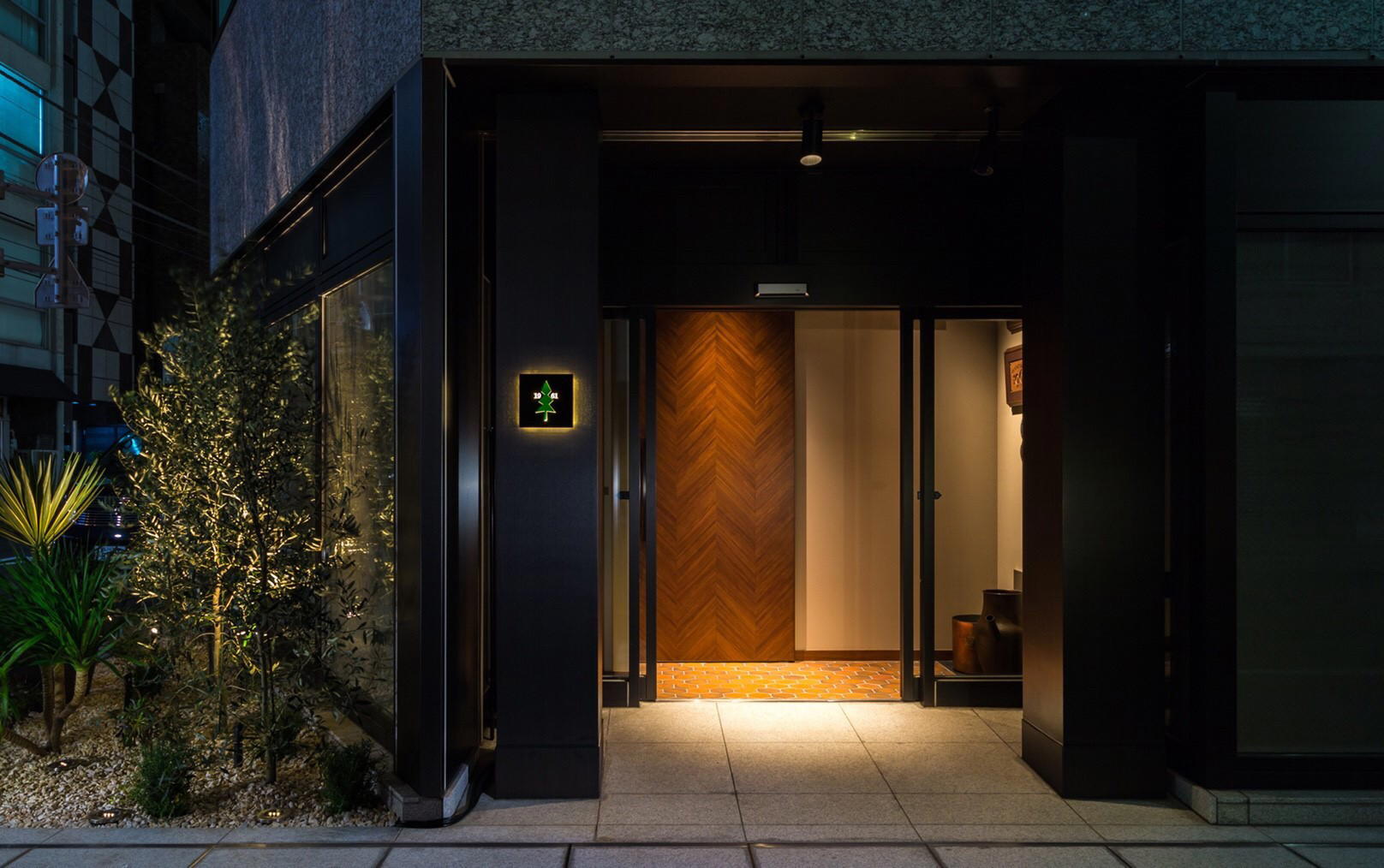
Bars in Tokyo
All bars in Tokyo →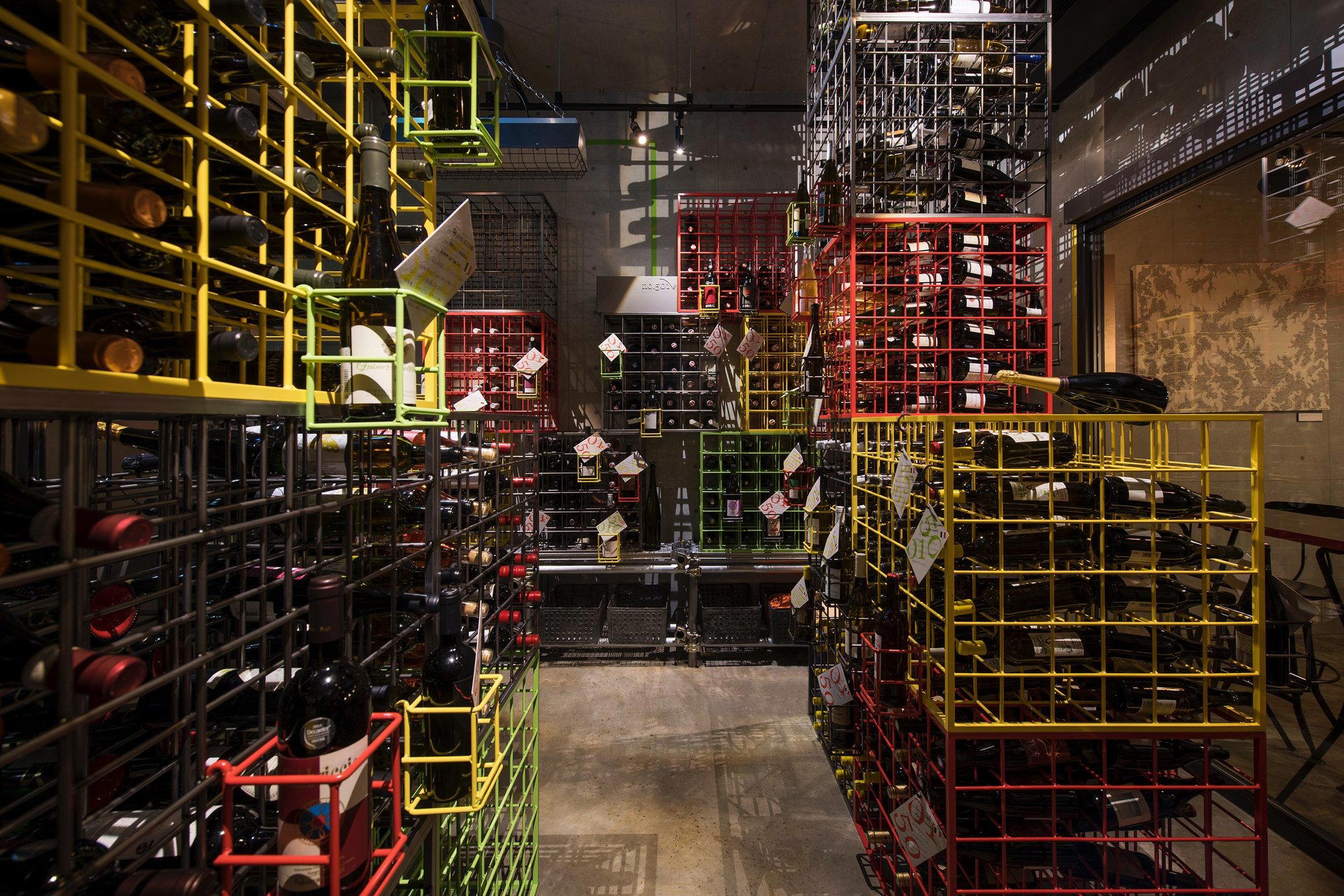


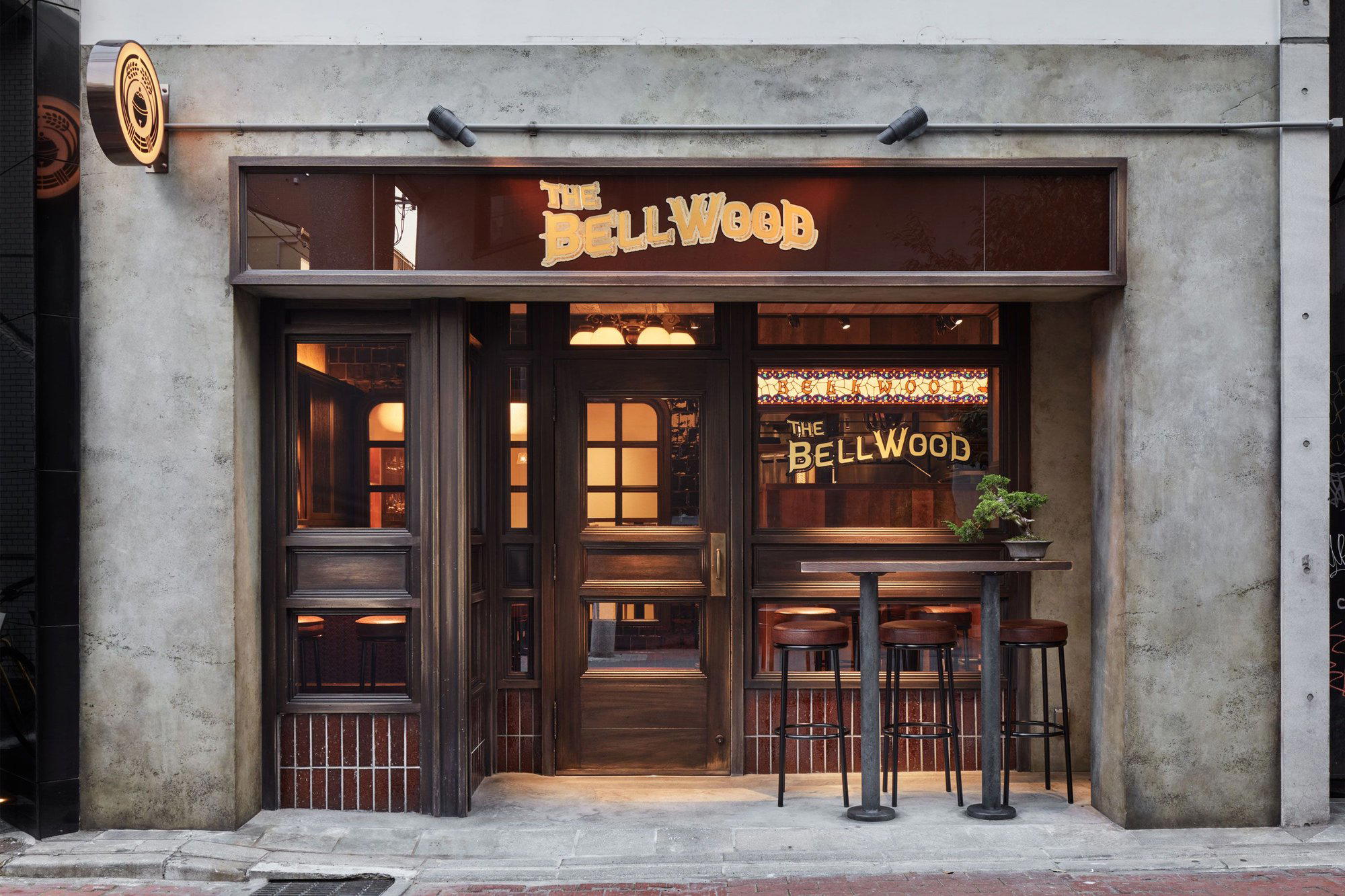



Details
- Minimalist
- Sophisticated
- Quiet
- Modern
- Solo
- Casual Hangout
- Chefs Counter
- Design Destination
- Espresso Milk Drinks
- Hand Brews Pour Over
- Single Origin
- Specialty Coffee
- Local Sourcing
- Counter Dining
- A La Carte
- Specialty Coffee
- Single Origin Beans
- Pour Over Brewing
Current opening hours
- Monday
- 10 AM–6 PM
- Tuesday
- 10 AM–6 PM
- Wednesday
- 10 AM–6 PM
- Thursday
- 10 AM–6 PM
- Friday
- 10 AM–6 PM
- Saturday
- 10 AM–6 PM
- Sunday
- 10 AM–6 PM
Hours can change for holidays and private events. Hours as of .
Minimalist and understated with warm mortared floors and walls, sleek black exterior with golden cube motifs, lined with packaged beans; standing-only counter with no seating, designed for focused coffee tasting rather than lingering.