Gasthaus Raunig
Gasthaus Raunig sits in the Carinthian village of Frauenstein, a short drive from St. Veit an der Glan, operating in the tradition of the Austrian Gasthaus as a place where local sourcing and regional identity shape the plate. Carinthia's larder, dairy, game, freshwater fish, and alpine herbs, defines this style of cooking, placing Raunig inside a category of rurally anchored restaurants that reward the drive.
Pearl is the En Primeur Club membership app — saves, bookings, and concierge access live there. Same editors, same standards.
- Address
- Frauenstein, Eggen 2, 9300 St. Veit an der Glan, Austria
- Phone
- +434342126411
- Website
- gasthaus-raunig.at
- Directions
- Get directions
 Saves & bookings on Pearl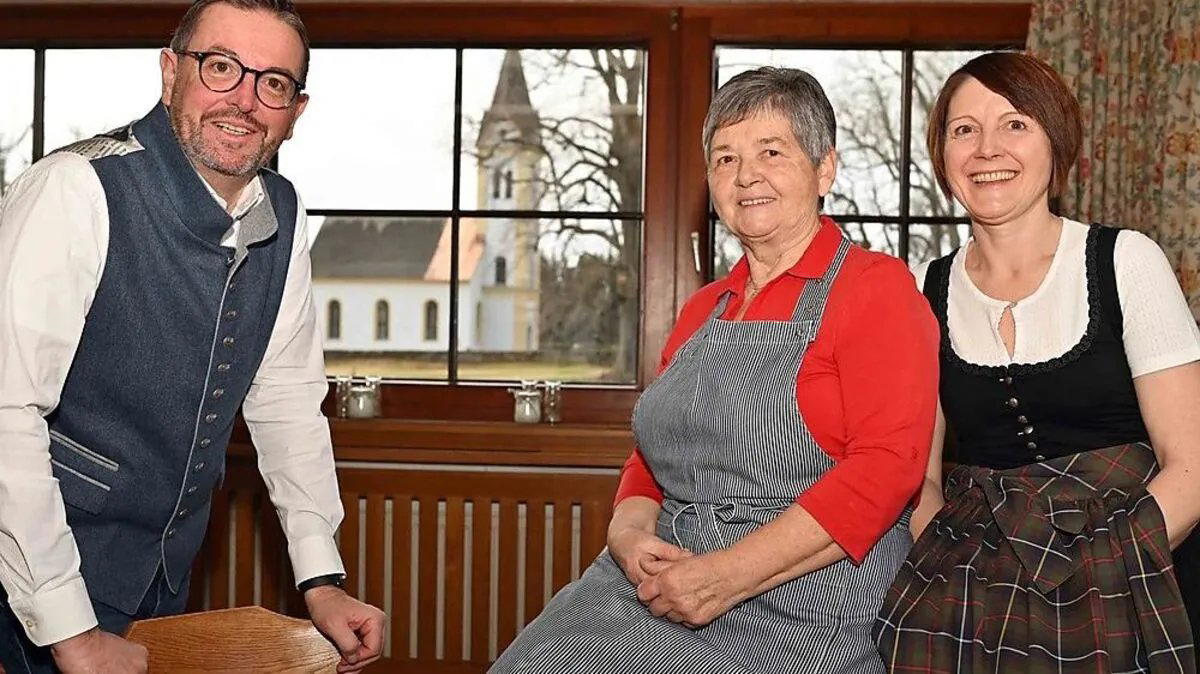
Carinthia's Gasthaus Tradition and What It Means at the Table
Austria's Gasthaus format occupies a specific position in the country's hospitality structure: it sits between the neighbourhood Wirtshaus and the destination restaurant, drawing from a defined local territory while maintaining the kind of unpretentious register that makes regulars out of visitors. In Carinthia, where the landscape runs from the Nockberge foothills to the broad valleys around St. Veit an der Glan, that format carries particular weight. The region's agricultural identity, dairy farming on alpine pastures, freshwater fishing on the Gurk and its tributaries, game from managed forest land, gives rural Gasthaus kitchens a larder that urban restaurants have to work considerably harder to access. Gasthaus Raunig is a restaurant in Frauenstein, St. Veit an der Glan, serving traditional Austrian regional cuisine in a classic Gasthaus setting.
The address itself signals something. Frauenstein is not a dining destination in the way that, say, Golling an der Salzach has become with Döllerer or that Vienna positions Steirereck im Stadtpark within the city's cultural infrastructure. It is a Carinthian village, and the restaurants that survive and earn loyalty there do so through consistency with place rather than destination-restaurant programming. That distinction matters when you are thinking about what kind of meal you are going to have.
Sourcing as the Central Logic
The editorial angle most useful for understanding Carinthian Gasthaus cooking is ingredient sourcing, because the regional supply chain here is genuinely short. Carinthia does not have the international culinary profile of Salzburg or Vienna, but it has a food culture that predates gastronomy as a marketing category. Livestock raised on alpine summer pastures produces dairy and meat with a flavour profile that reflects altitude and grass composition. Freshwater species, Reinanke (whitefish), trout, carp, come from cold mountain water systems. Wild herbs and mushrooms follow a strict seasonal calendar that cannot be managed around or extended.
This is the material context that defines kitchens in the Gasthaus tier across Carinthia, and it is a context that more formally awarded restaurants elsewhere in Austria actively reference as aspiration. Kräuterreich by Vitus Winkler in Sankt Veit im Pongau and Obauer in Werfen have both built recognised programs around alpine herb and regional produce sourcing. At the Gasthaus level, that sourcing happens without the tasting-menu architecture or the prix-fixe framing, it appears simply as the day's menu, shaped by what is available and what the season dictates.
Where Raunig Sits in the Austrian Dining Map
Austria's dining map has a clear upper tier, Landhaus Bacher in Mautern an der Donau, Taubenkobel in Schützen am Gebirge, Ikarus in Salzburg, where formal recognition and prix-fixe formats position meals as events. Below that, and in many ways more representative of how Austrians actually eat, is the Gasthaus tier: set lunch menus, à la carte regional dishes, wine lists that lean heavily on domestic producers, and a pace that is governed by conversation rather than a kitchen's service timeline.
Gasthaus Raunig belongs to this second category. It does not compete with Gourmetrestaurant Tannenhof in Sankt Anton am Arlberg or Stüva in Ischgl on formal recognition. Its comparable set is the cluster of Carinthian and Styrian Gasthäuser that maintain regional cooking at a price point accessible to locals, while offering enough culinary seriousness to justify a drive from St. Veit an der Glan or Klagenfurt. In that company, a place like Thaller Gasthaus in Sankt Veit am Vogau in the Styrian wine country offers a useful comparison: similar format, similarly rooted in regional produce, but operating in a different agricultural context.
The Character of the Setting
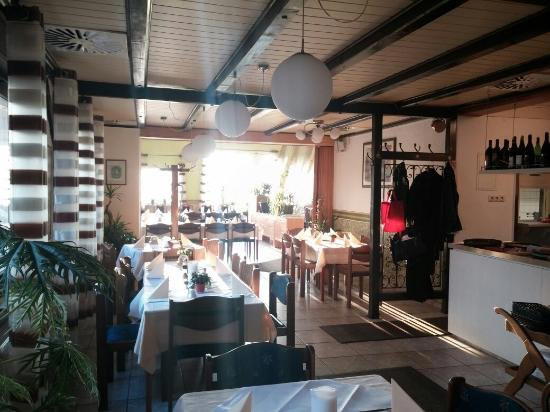
Approaching a Carinthian Gasthaus in a village like Frauenstein, the architecture tends to be functional rather than designed, stone or render exteriors, window boxes, a parking area that tells you this is a place oriented toward the local community first and visitors second. Inside, the dining room format in this tier typically runs to wooden furniture, regional ceramics or glassware, and a wine list displayed on a chalkboard or a laminated card rather than a bound volume. The contrast with urban Austrian dining, the polished service choreography of a Vienna Beisl in the upper bracket, or the theatrical plating of the Tyrolean alpine restaurants at Griggeler Stuba in Lech, is intentional and culturally rooted. The Gasthaus is not a simplified version of fine dining. It is a different format with different values.
That format rewards a different kind of attention from the diner. Rather than reading a twelve-course menu for thematic coherence, you read the daily specials for what they tell you about the week's market and the season's progress. In late autumn, that might mean venison from Carinthian forests, red cabbage braised with local vinegar, and Knödel made with regional bread. In summer, freshwater fish and alpine dairy move to the front. The plate is not composed for visual effect; it is composed for the table.
Planning Your Visit
Frauenstein sits within the municipality of St. Veit an der Glan in central Carinthia, accessible by road from Klagenfurt in under an hour. For visitors exploring the region alongside its more formally awarded neighbours, Gasthaus Raunig fits naturally into an itinerary that might also include a meal at Ois in Neufelden or Atelier Fischer in Sankt Gilgen further north. Booking is recommended. If you are driving from a distance, confirming opening times before departure is direct common sense.
For context on how destination-driven sourcing-focused formats operate at higher price points internationally, the comparison with Lazy Bear in San Francisco or Le Bernardin in New York City illustrates how radically different the Gasthaus format is in its relationship to production, pricing, and scale. The Carinthian Gasthaus is not trying to solve the same problem. It is solving a different one: consistency, regionality, and accessibility, in a place where those qualities matter to the people who eat there every week. That is a harder brief than it sounds, and the Gasthäuser that manage it over decades earn a kind of trust that formal recognition rarely captures. Restaurant 141 by Joachim Jaud in Mieming and Schwarzer Adler in Hall in Tirol represent the Tyrolean version of that long-term regional commitment, each in their own format tier. Gasthaus Raunig represents Carinthia's.
Comparison Snapshot
Comparable venues nearby, for context on price, style, and recognition.
| Venue | Cuisine | Price | Notes |
|---|---|---|---|
| Gasthaus RaunigThis venue — the venue you are viewing | Traditional Austrian Regional | $$ | Not listed |
| Sternenberg Gasthof | Carinthian Mountain Gastropub | $$ | Hochrindl |
| Rosemialm | Austrian Alpine | $$ | Aich |
| Trattlers Einkehr | Traditional Austrian Carinthian Hut Restaurant | $$ | centre of Bad Kleinkirchheim |
| Weitmoosalm | Traditional Austrian Alpine | $$ | Planai |
| Berggasthof Steinerhaus | Traditional Austrian Mountain Cuisine | $$ | Stoderzinken |
Continue exploring
More in Frauenstein
Restaurants in Frauenstein
Browse all →
Bars in Frauenstein
Browse all →

Hotels in Frauenstein
Browse all →

At a Glance
- Rustic
- Cozy
- Classic
- Family
- Casual Hangout
- Historic Building
- Local Sourcing
- Mountain
The rustic decor creates a warm, inviting, and cozy atmosphere well-suited for relaxed meals and social gatherings.