

2 Michelin Stars · Falstaff Restaurant - 93 Falstaff Points
Our verdict
A two-Michelin-star restaurant in the Bavarian Forest, Oswald's Gourmetstube earned its second star in 2025 under chef Sergio Herman, placing it among Germany's most decorated tables in a rural setting. The Modern French kitchen draws its identity from the surrounding land, making it a compelling case for the growing pattern of serious fine dining anchored outside major cities. Book well ahead and plan around a stay nearby.

Pearl is the En Primeur Club membership app, where members save venues, book tables and use the concierge.
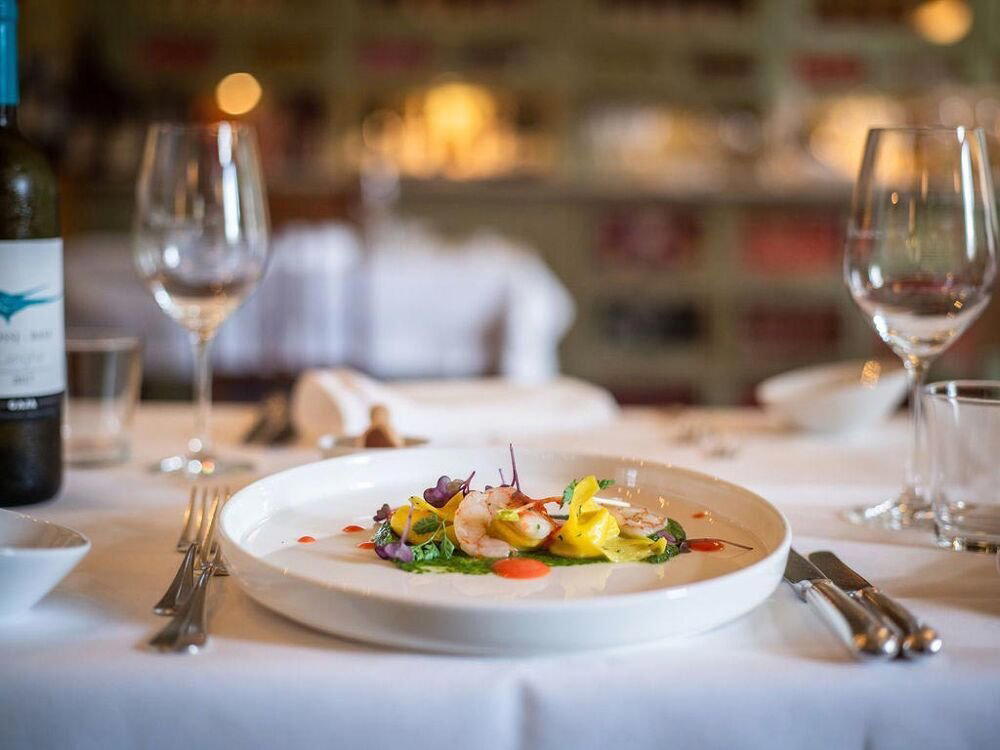
Fine Dining in the Bavarian Forest: A Rural Exception
Germany's two-Michelin-star tables tend to cluster in cities or well-established spa towns. Teisnach, a small municipality in the Bavarian Forest with a population measured in the low thousands, is not where most diners expect to find a kitchen operating at that level. Oswald's Gourmetstube, which earned its second Michelin star in 2025 after holding one star since 2024, is part of a broader pattern visible across European fine dining: serious culinary ambition decoupling from urban geography and settling into regions where the land itself becomes a primary argument. For context on how that pattern plays out elsewhere in Germany, ES:SENZ in Grassau and Waldhotel Sonnora in Dreis follow a similar logic, rooting serious kitchens in rural or semi-rural settings where proximity to ingredients and a slower pace shape what arrives on the plate.
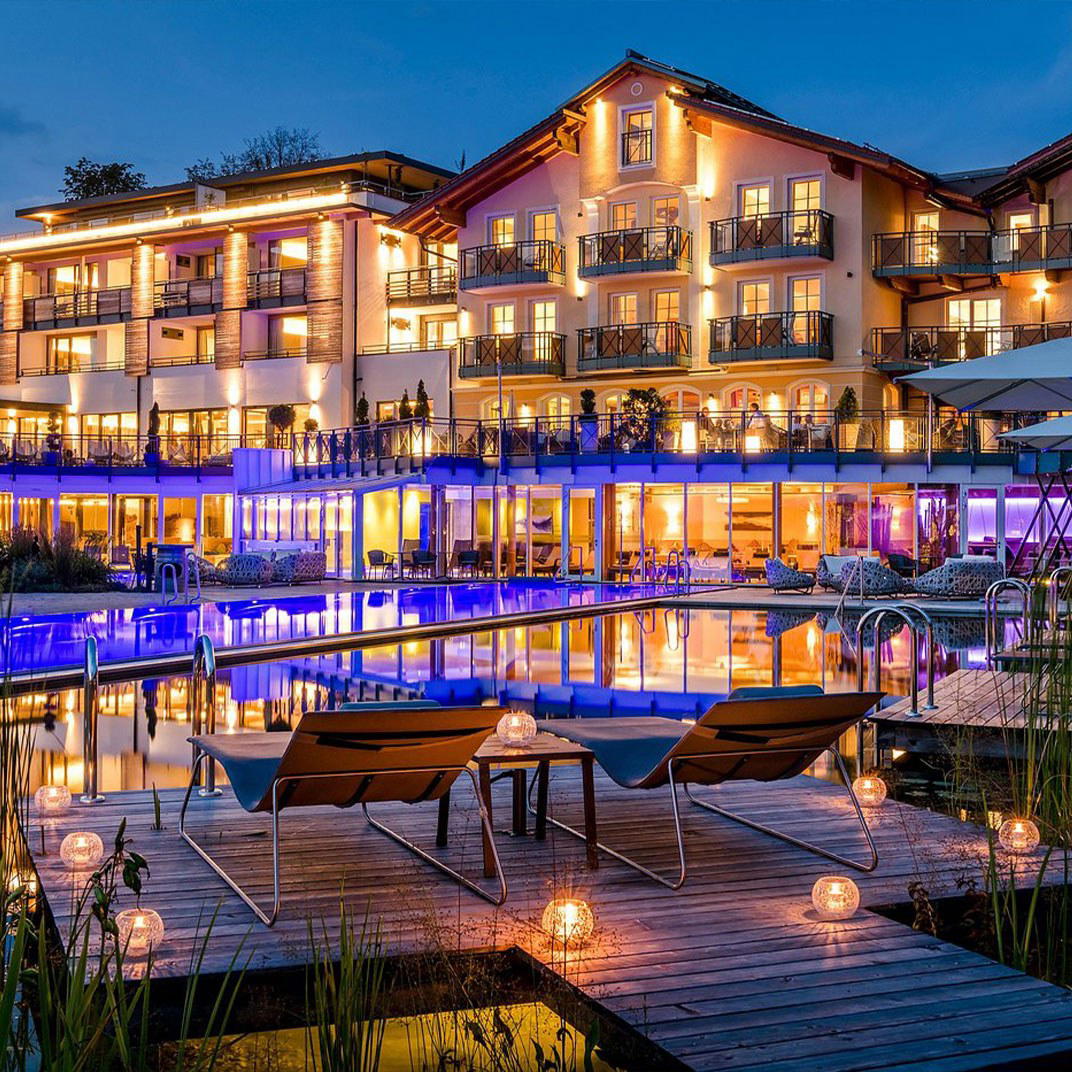
Approaching Am Platzl 2 in central Teisnach, the setting does not announce itself with the architectural drama of a destination restaurant in a capital. The Bavarian Forest has its own register: dense spruce and fir woodland, wide valleys, and a quietness that feels deliberate rather than incidental. That environment is not merely backdrop. In Modern French cooking that prioritises provenance, the regional terroir of a place like the Bavarian Forest, with its cool climate, clean water sources, and agricultural smallholders, provides raw material that kitchens in Munich or Frankfurt would need to import from a distance.
What the Two-Star Progression Signals
The speed of Oswald's Gourmetstube's ascent, one star in 2024 and two in 2025, is a detail that carries weight. Michelin's double-star designation is reserved for kitchens the guide describes as worthy of a detour, a threshold that implies both technical consistency and a point of view distinctive enough to justify travel. Earning the second star in the following cycle rather than several years later places Oswald's Gourmetstube in a small cohort of kitchens where Michelin's confidence in the trajectory was effectively immediate.
Chef Sergio Herman brings a specific professional context to this kitchen. Herman's reputation was built at Oud Sluis in Zeeland, the Netherlands, a three-Michelin-star restaurant that also operated in a rural coastal setting before closing in 2013. The parallel between Oud Sluis and Oswald's Gourmetstube is instructive: both are cases where rigorous technique and a tight creative program have been developed away from metropolitan competition, with the surrounding region providing both identity and ingredient logic. Credentials of that order position Oswald's Gourmetstube outside the domestic German competitive set and into a European-scale conversation about where serious Modern French cooking is happening.
For comparison within Germany's two-star tier, Schanz in Piesport and Vendôme in Bergisch Gladbach represent different expressions of that level, each anchored to distinct regional identities. At the three-star end of the German spectrum, Aqua in Wolfsburg and Schwarzwaldstube in Baiersbronn show how the highest tier navigates the question of place versus technique. Oswald's Gourmetstube is working through that same question from a two-star position with clear upward momentum.
Modern French in a Central European Forest
Modern French as a cuisine category covers significant territory, from precision tasting menus drawing on classical sauce technique to looser, more ingredient-led formats with French structural logic but regional raw material. In a Bavarian Forest setting, the interesting editorial question is where Oswald's Gourmetstube sits along that axis: how much of the kitchen's identity is shaped by French method and how much by the specificity of its location.
The Bavarian Forest region sits along the border with the Czech Republic, an area historically defined by forestry, glass production, and a farming economy geared to its cool, often damp microclimate. Game, freshwater fish from clear mountain streams, root vegetables, wild herbs, and foraged ingredients from the surrounding woodland are components that kitchens in this region have access to in a way that urban restaurants cannot replicate at scale. When a Modern French kitchen is located here, the tension between classical French codification and central European forest produce is where the most interesting cooking tends to emerge.
This is not a dynamic exclusive to Teisnach. Across Germany's rural fine dining circuit, from the Moselle Valley to the Black Forest, the most compelling two and three-star kitchens have tended to be those that resolve that tension through genuine integration rather than by importing an intact urban menu into a rural setting. Victor's Fine Dining by Christian Bau in Perl offers one model for that resolution at the three-star level; Oswald's Gourmetstube appears to be constructing another at two stars in a part of Bavaria that has not previously carried this kind of culinary profile.
The Practical Case for Making the Trip
A two-Michelin-star restaurant in a small Bavarian town creates a specific planning problem: getting there requires a decision, and that decision shapes the entire visit. Teisnach sits in the Regen district, roughly 35 kilometres from Deggendorf and accessible from Munich in approximately two hours by car. This is not a table you add to a city itinerary. It is the destination itself, which means accommodation planning matters as much as the booking itself. Our full Teisnach hotels guide covers the local accommodation picture, and pairing an evening at Oswald's Gourmetstube with a night or two in the Bavarian Forest is the logical approach for visitors travelling from outside Bavaria.
Restaurants in this category and setting tend to operate on tight cover counts and advance booking windows; arriving without a reservation is not a workable strategy. Check the current booking position directly, as availability at two-star level in a rural format tends to be tighter than the low-traffic location might imply.
For those building a broader trip around Bavaria's serious restaurant tier, JAN in Munich represents the urban end of Bavarian fine dining, while Oswald's Gourmetstube offers the rural counterpoint. Extending the trip further to Restaurant Haerlin in Hamburg or CODA Dessert Dining in Berlin would round out a German multi-star itinerary across different cities and styles. For Modern French comparisons outside Germany, Sketch, The Lecture Room and Library in London and Alex Dilling at Hotel Café Royal in London sit in the same cuisine category at a similar price level and offer useful reference points for how the style operates in a different capital context.
For those exploring the wider Teisnach area beyond the restaurant itself, our Teisnach bars guide, our Teisnach wineries guide, and our Teisnach experiences guide map what else the region offers. The Bavarian Forest National Park, one of the oldest national parks in Germany, sits immediately adjacent and provides the kind of landscape context that makes a meal at Oswald's Gourmetstube read as part of a larger engagement with the region rather than an isolated fine dining excursion. See also our full Teisnach restaurants guide and Bagatelle in Trier for further regional fine dining context.
Frequently asked questions
Would Oswald's Gourmetstube be comfortable with kids?
At the two-Michelin-star level and the €€€€ price tier, Oswald's Gourmetstube is formatted around extended tasting menus that demand patience and sustained quiet. It is not a venue suited to young children. Older teenagers with an interest in formal dining would be a different calculation, but families with young kids should plan an alternative for Teisnach.
What is the atmosphere like at Oswald's Gourmetstube?
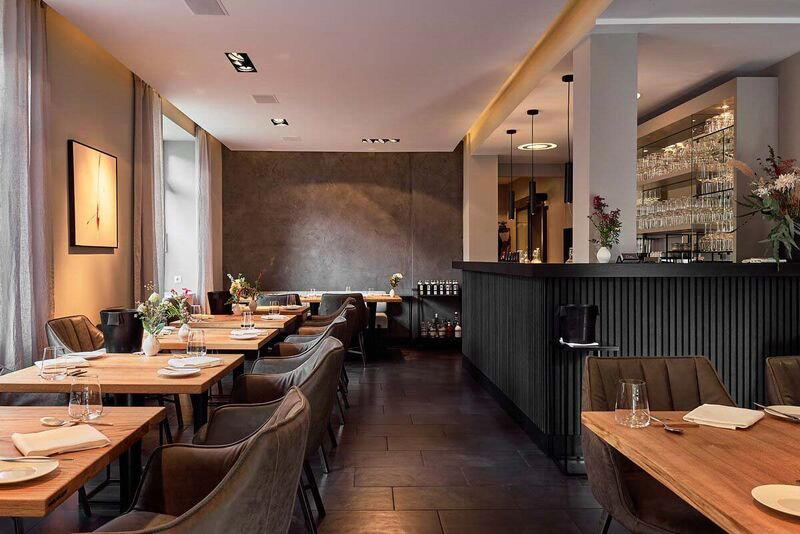
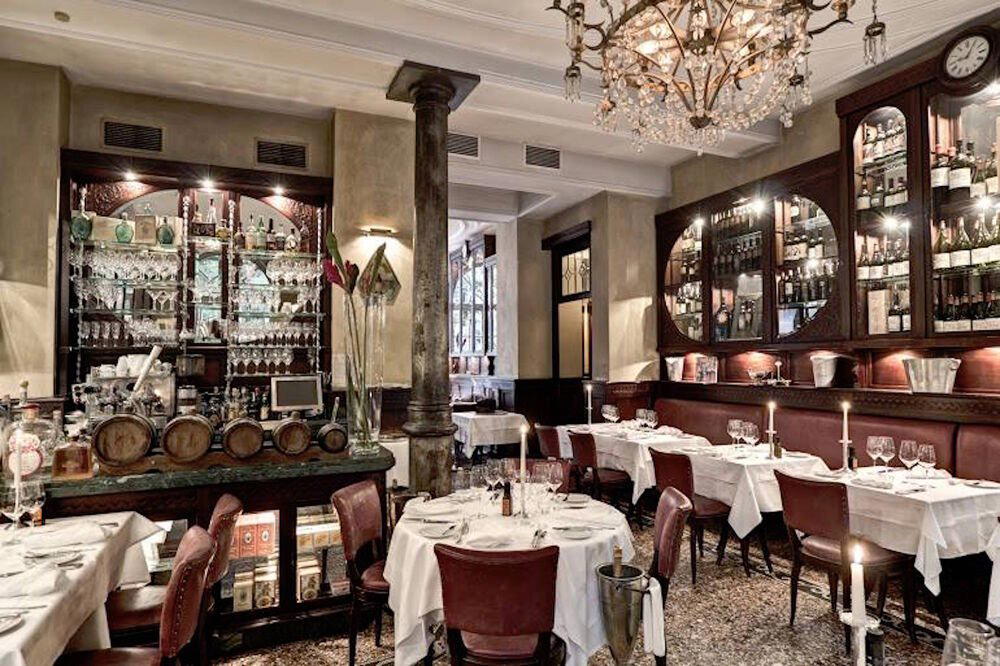
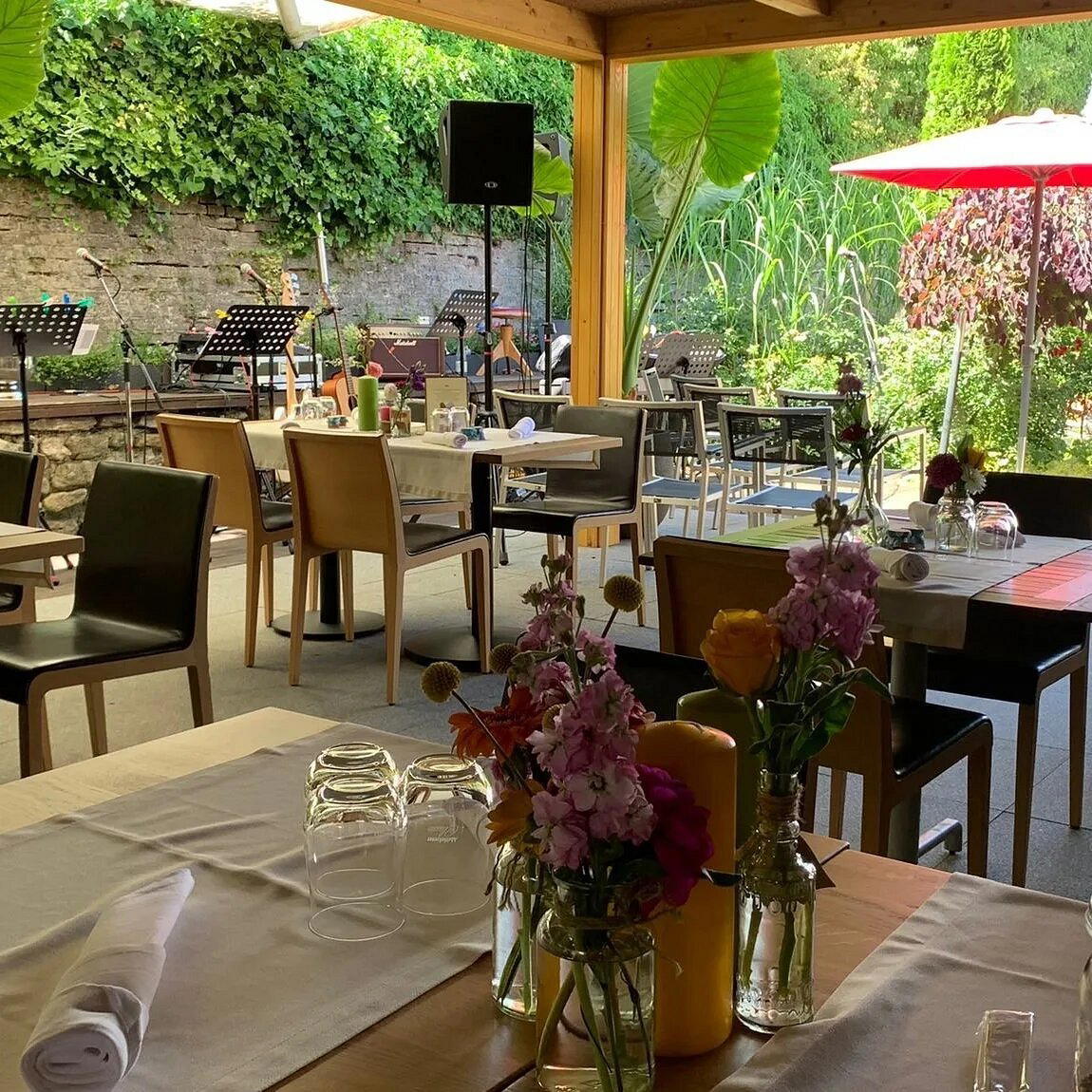
The setting is a small municipality in the Bavarian Forest rather than a city dining room, which shapes the register: expect something more intimate and contained than a major urban two-star. The modern French format suggests a structured, course-driven service pace, and the €€€€ pricing places it firmly in formal territory.
Is Oswald's Gourmetstube award-winning?
Oswald's Gourmetstube has received recognition including: Michelin 2 Stars (2025); Michelin 1 Star (2024).
What should I order at Oswald's Gourmetstube?
At a two-Michelin-star modern French table, the kitchen's menu is almost certainly structured around a set tasting format rather than à la carte choice, meaning the kitchen decides the progression, not the diner. The specific dishes and seasonal composition are set by the restaurant directly; contact the venue at Am Platzl 2, 94244 Teisnach for current menu details before your visit.
In Context: Similar Options
| Venue | Cuisine | Price | Awards | Notes |
|---|---|---|---|---|
| Oswald's GourmetstubeThis venue (the venue you are viewing) | Modern French Fine Dining | Not listed | 2 Michelin Stars · Falstaff Restaurant - 93 Falstaff Points | Not listed |
| Schwarzwaldstube | Modern French Fine Dining | $150–200 | 3 Michelin Stars · World's 50 Best #47 | French, Classic French |
| Aqua | Contemporary German, Italian/Japanese, Creative | Not listed | Michelin 3 Star | Not listed |
| CODA Dessert Dining | Dessert-Inspired Fine Dining | $200–300 | 2 Michelin Stars · World's 50 Best #79 | Creative |
| Tantris | Modern French, French Contemporary | Not listed | Michelin 2 Star | Not listed |
| Vendôme | Modern German Haute Cuisine | $200–300 | 2 Michelin Stars · World's 50 Best #47 | Modern European, Creative |
Recognition history
Dated appearances from independent guides and award organizations, with the underlying list record or original source where available.
Michelin 2 Stars
Michelin
Falstaff Restaurant - 93 Falstaff Points
Falstaff
Full recognition history (4 entries)
Michelin 2 Stars
Michelin
Michelin 1 Star
Michelin
Continue exploring
More in Teisnach
Details
- Elegant
- Sophisticated
- Intimate
- Classic
- Special Occasion
- Date Night
- Celebration
- Hotel Restaurant
- Sommelier Led
- Extensive Wine List
- Tasting Menu
- Set Menu
- Wine
Current opening hours
- Monday
- Closed
- Tuesday
- Closed
- Wednesday
- 6:30 PM–12 AM
- Thursday
- 6:30 PM–12 AM
- Friday
- 6:30 PM–12 AM
- Saturday
- 6:30 PM–12 AM
- Sunday
- Closed
Hours can change for holidays and private events. Hours as of .
Stylish and elegant, with a refined fine-dining atmosphere that feels calm and intimate.