Gartenrast
Gartenrast sits in Radenthein, a small Carinthian town in Austria's Nockberge region, where the alpine agricultural tradition still shapes what ends up on the plate. The address on Gartenraststraße places it firmly in the local fabric rather than the tourist circuit, making it a reference point for the kind of grounded, place-specific dining that Austria's rural south does quietly well.
Pearl is the En Primeur Club membership app — saves, bookings, and concierge access live there. Same editors, same standards.
- Address
- Gartenraststraße 9, 9545 Radenthein, Austria
- Phone
- +43424620170
- Website
- gartenrast.at
- Directions
- Get directions
 Saves & bookings on Pearl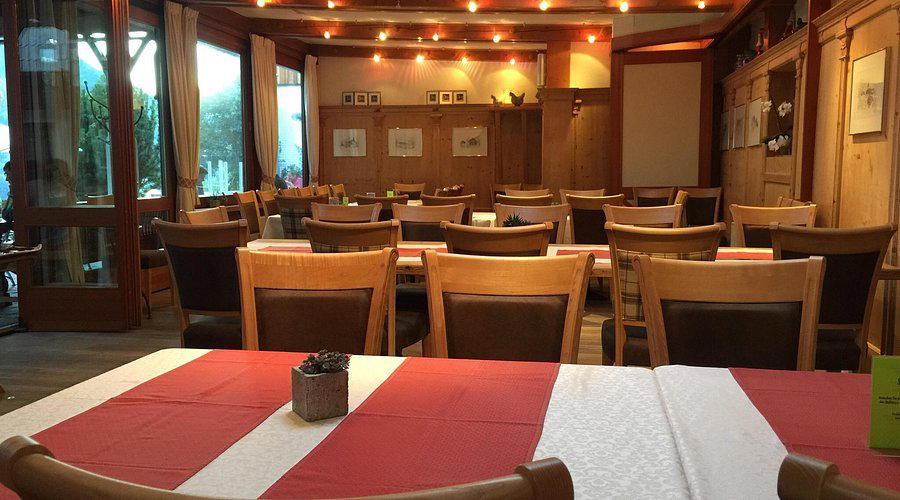
Where Carinthian Soil Meets the Table
Austria's southern province of Carinthia operates at a different register from the country's better-publicised dining corridors. The Wachau Valley has Landhaus Bacher. Salzburg's approaches have Obauer in Werfen. Vienna has Steirereck im Stadtpark. Carinthia, by contrast, cultivates a quieter kind of seriousness, one rooted in lake fish, alpine pasture, and a farming calendar that genuinely dictates what is available and when. Gartenrast, on Gartenraststraße in Radenthein, sits inside that tradition. It is not a destination restaurant in the high-profile sense. It is the kind of address that earns its reputation through the sourcing decisions and seasonal discipline that define cooking in this part of the eastern Alps.
The Nockberge Context: Why Place Matters Here
Radenthein sits at the foot of the Nockberge range in central Carinthia, roughly equidistant between Villach and Spittal an der Drau. The surrounding area is defined by high-altitude meadows, mountain lakes, and a growing season compressed by elevation, conditions that force any serious kitchen to work with what the immediate landscape produces rather than what a national distributor can deliver. This is simply the practical reality of cooking in a place where supply lines are short because geography makes them so. It is simply the practical reality of cooking in a place where supply lines are short because geography makes them so.
The ingredient sourcing tradition in this part of Carinthia has parallels elsewhere in Austria's alpine south. Kräuterreich by Vitus Winkler in Sankt Veit im Pongau built an internationally recognised programme around the same principle of altitude-specific herbs and produce. Gourmetrestaurant Tannenhof in Sankt Anton am Arlberg and Griggeler Stuba in Lech operate in comparable alpine contexts on the western end of the country, translating the same seasonally narrow supply into formal tasting menus. Gartenrast occupies a more local, less performance-oriented version of that same imperative, the sourcing is the cooking philosophy, rather than a marketing layer placed on top of it.
What the Setting Communicates
The address itself, a named street in a small Carinthian market town, signals something about the operating model. This is not a resort annex or a wine-region destination built for touring visitors. Radenthein is a working town with a population in the low thousands, and a restaurant that has made its home here is drawing primarily from the local community and from travellers who have specifically sought it out. That dynamic tends to produce a different kind of hospitality than resort cooking: more consistent, more contingent on the immediate relationship between kitchen and local supplier, less tempted by the rotating spectacle that characterises dining in high-traffic tourist destinations.
For comparison, Ois in Neufelden in Upper Austria and Atelier Fischer in Sankt Gilgen have shown that Austrian restaurants in smaller, non-resort towns can build serious reputations precisely because they are not competing for the same seasonal visitor wave that drives coastal or ski-village venues. Schwarzer Adler in Hall in Tirol offers another reference point for the kind of grounded alpine cooking that survives and thrives outside the major tourism circuits.
Carinthian Ingredients: The Supply Chain as Cuisine
In a region like the Nockberge, the sourcing conversation is concrete rather than aspirational. Carinthian lake fish, particularly Reinanken (houting) and trout from the Millstätter See and Weissensee, represent one of the province's most distinctive food products, with a flavour profile shaped by cold, clear alpine water that has no parallel in farmed equivalents. Alpine beef from small herds grazed on high meadows through the summer months produces meat with a fat composition that changes meaningfully across the season. Wild mushrooms, Steinpilze, Eierschwammerl, follow an annual rhythm that any kitchen relying on them must track week by week rather than ordering from a catalogue.
This is the supply reality that shapes Carinthian cooking at its most serious, and it is the standard against which a Radenthein restaurant like Gartenrast positions itself, not against the tasting-menu format of Ikarus in Salzburg or the contemporary innovation of Döllerer in Golling an der Salzach, but against the more immediate question of whether what arrives at the table genuinely reflects the season and the soil of this specific valley.
Radenthein's Dining in Brief
Gartenrast is one of the addresses worth knowing in a town that does not have an extensive restaurant scene. Seefischer provides the other significant local reference point, with a focus on the lake-fish tradition that the region's geography makes available. The two venues, taken together, give a reasonable account of what Radenthein's table currently offers. For a broader picture of what is available across the town, the Radenthein guide covers the category in more depth.
Travellers coming specifically for the Nockberge walking routes or the surrounding lakes will find that Radenthein functions as a base rather than a dining destination in the way that, say, Lech or Ischgl function for winter visitors. The comparison is instructive: Stüva in Ischgl or Restaurant 141 by Joachim Jaud in Mieming benefit from a resort economy that drives both spend and ambition. Radenthein's dynamic is more subdued, and its leading restaurants tend to reflect that by cooking with a modesty of register that suits the setting. At its leading, it is exactly what this kind of alpine town should produce. In the broader Austrian context, ambitious ingredient-led cooking is as likely to be found in a small market town as in a city atelier, Taubenkobel in Schützen am Gebirge made that case decisively years ago, and the principle holds across the country's restaurant geography. Even internationally, community-anchored restaurants with serious sourcing credentials, Lazy Bear in San Francisco being one reference, Le Bernardin in New York City another at the opposite end of the formality spectrum, demonstrate that the relationship between a kitchen and its immediate supply is a more reliable quality signal than venue size or urban address.
Planning Your Visit
Gartenrast's address at Gartenraststraße 9, 9545 Radenthein places it within the town proper, accessible by car from Villach in under an hour via the A10 and B98. The summer season, roughly June through September, aligns with the region's peak agricultural output and the heaviest visitor traffic from lake tourism; this is when the kitchen's sourcing advantages are most pronounced. Gartenrast is recommended for reservations.
In Context: Similar Options
Comparable venues nearby, for context on price, style, and recognition.
| Venue | Cuisine | Price | Notes |
|---|---|---|---|
| GartenrastThis venue — the venue you are viewing | Traditional Austrian Chicken & Brewery | $$ | Not listed |
| Seefischer | Alpine-Adriatic Fine Dining | $$$$ | Döbriach |
| Loserhütte | Authentic Austrian Mountain Hut Cuisine | $$ | Altaussee |
| mo.wi | Modern Alpe-Adria Austrian | $$ | Seeboden |
| Das O's | Austrian-Mediterranean Weinbistro | $$ | Mondsee |
| Panorama | Austrian Gourmet | $$$ | Tweng |
Continue exploring
More in Radenthein
Restaurants in Radenthein
Browse all →
Bars in Radenthein
Browse all →
At a Glance
- Cozy
- Rustic
- Scenic
- Family
- Casual Hangout
- Group Dining
- Terrace
- Garden
- Beer Program
- Local Sourcing
- Mountain
- Garden
Current opening hours
- Monday
- Closed
- Tuesday
- Closed
- Wednesday
- 11 AM–2 PM, 5–10 PM
- Thursday
- 11 AM–2 PM, 5–10 PM
- Friday
- 11 AM–10 PM
- Saturday
- 11 AM–10 PM
- Sunday
- 11 AM–7 PM
Hours can change for holidays and private events. Last verified .
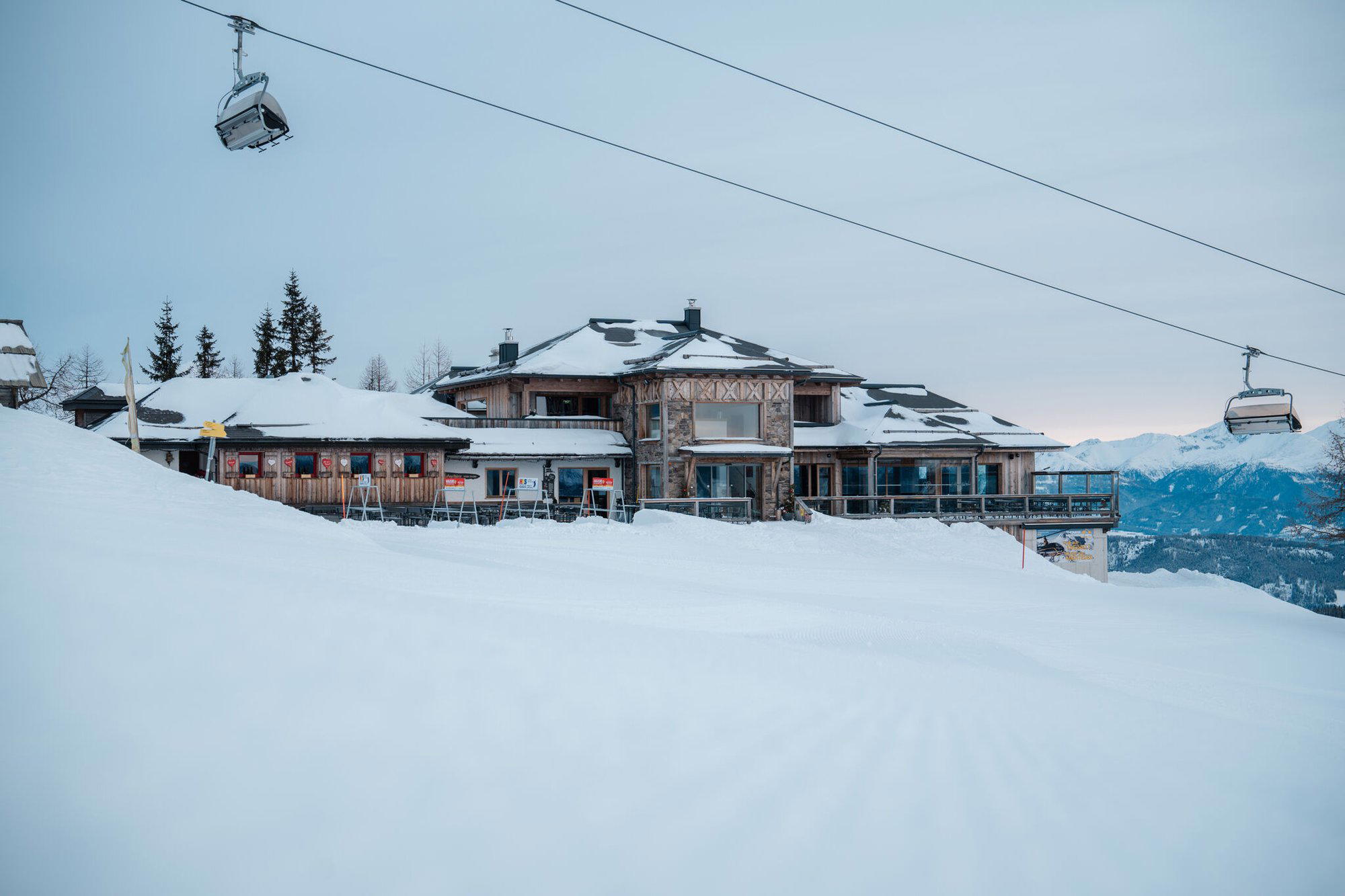
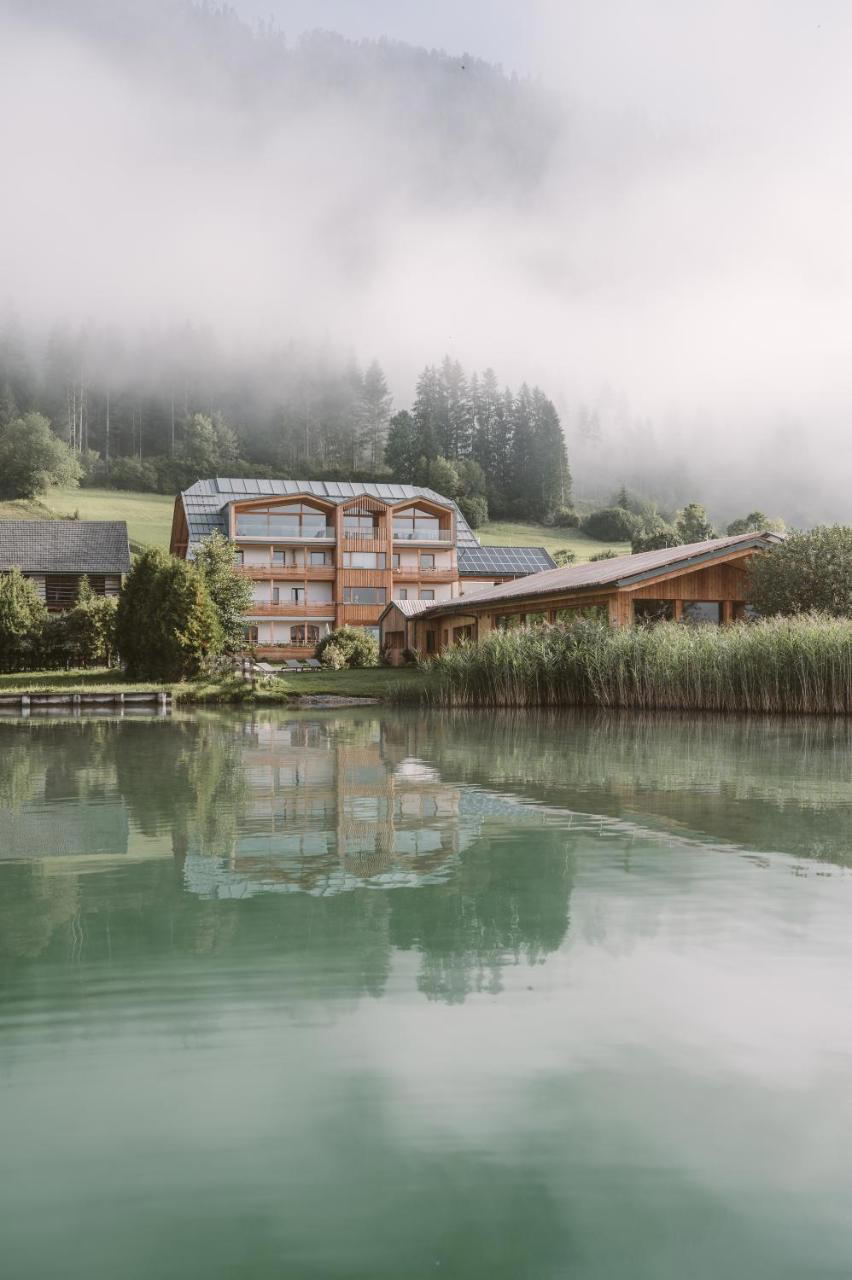
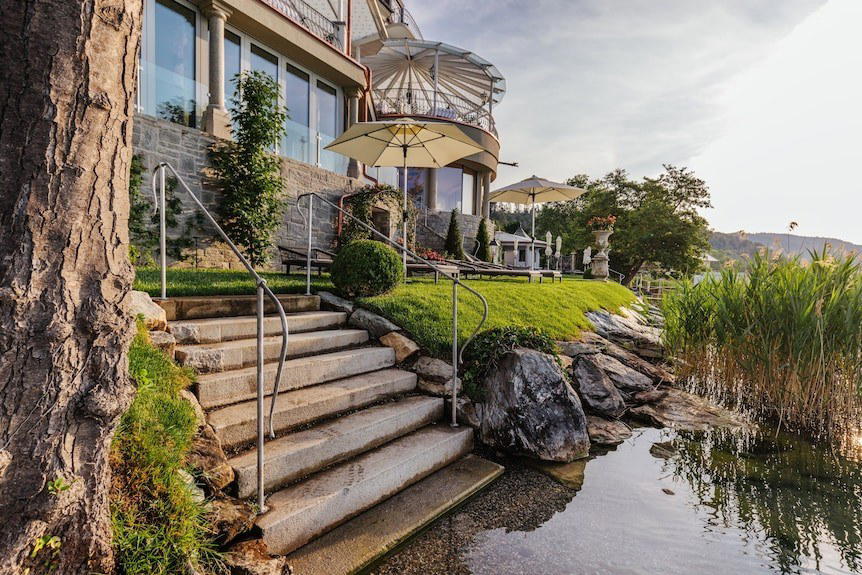
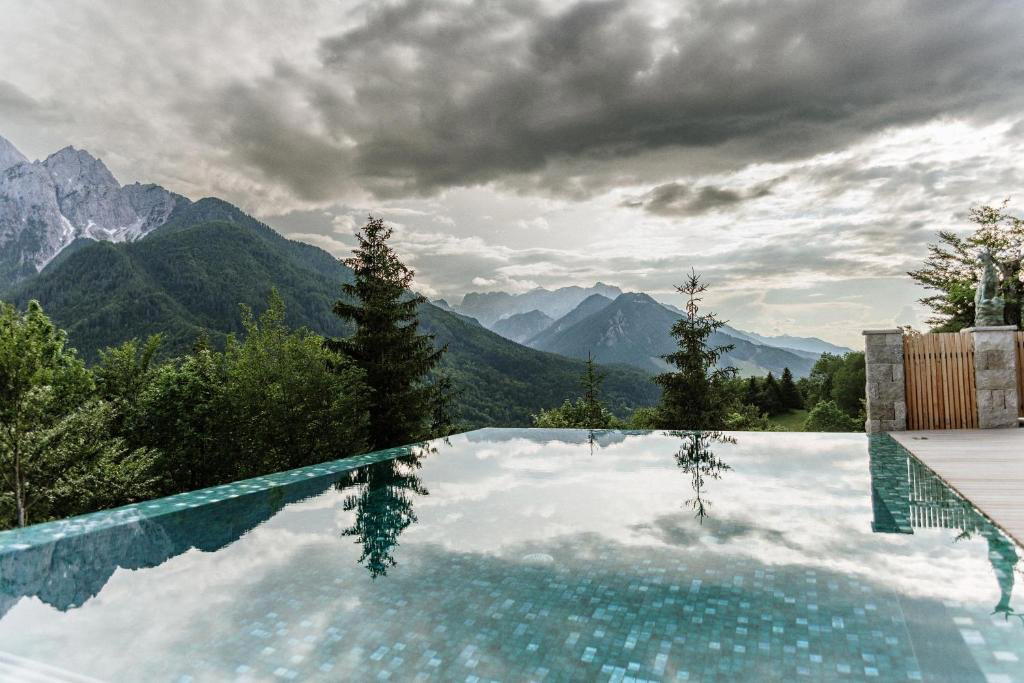
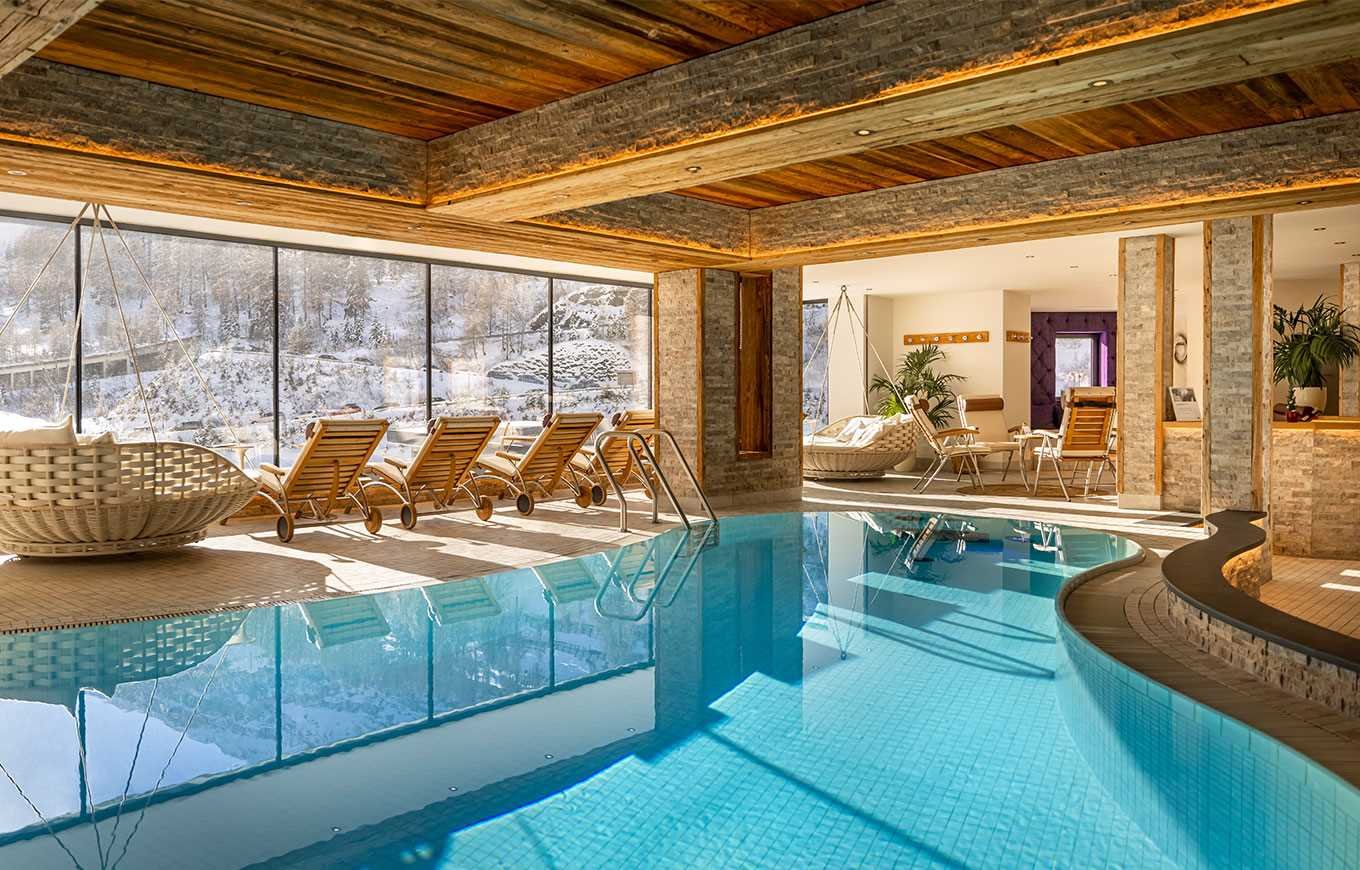
Homely cabin-style interior with warm service and cozy atmosphere, complemented by an idyllic outdoor terrace overlooking the valley.