
Tabelog 100 #61
Our verdict
Garam Masala puts Kyodo’s neighbourhood curry culture into sharper focus: compact, repeat-driven, and serious about spice without adopting the formality of central Tokyo dining. Its Tabelog 100 selections across curry and Asian/ethnic categories mark it as a Setagaya address with citywide pull, while the format remains approachable enough for lunch regulars, families, and evening groups.

Pearl is the En Primeur Club membership app, where members save venues, book tables and use the concierge.
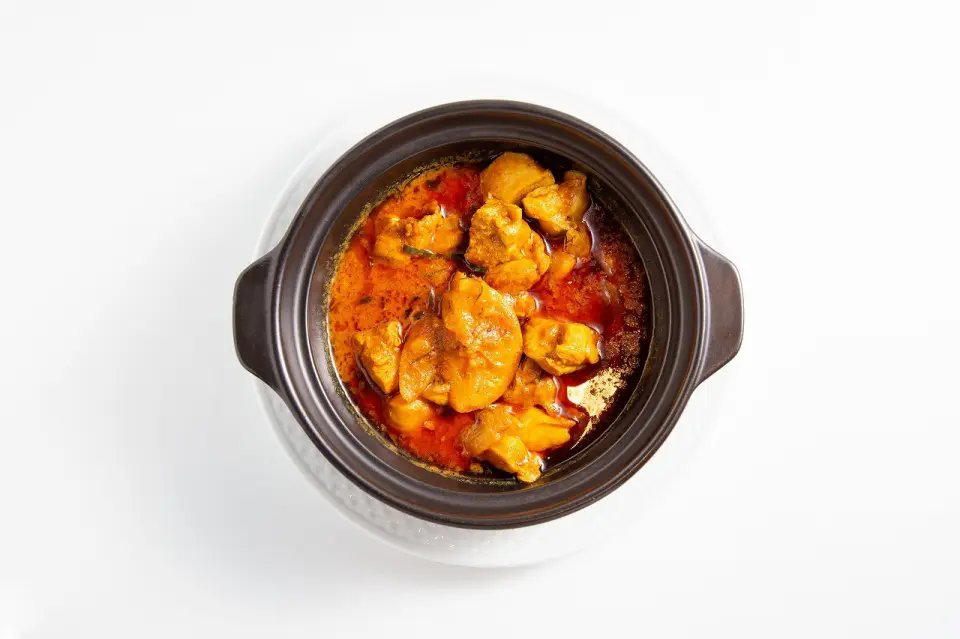
Tokyo is not only where the city performs dining status games. Away from the most obvious visitor circuits, its restaurant life often moves at a more everyday pace: students, families, commuters, and small dining rooms sustained by repeat custom rather than hotel-concierge traffic. Garam Masala fits a familiar but under-discussed Tokyo category: the curry room with enough technical authority to draw diners beyond its immediate regulars.
Tokyo’s curry culture is unusually layered: old-school yoshoku counters, South Asian specialists, spice-curry independents, and hybrids that treat curry as both lunch staple and evening anchor. Garam Masala sits in the Indian, Indian curry, and creative bracket, placing it outside a single-origin authenticity contest. The regulars’ logic is practical: come for curry, then return when the appetite is for spice-led comfort rather than ceremony.
That rhythm gives its recognition weight. A 2024 Tabelog Hyakumeiten listing, with a recorded score of 3.69, signals credibility rather than a short burst of attention. In Tokyo, where curry specialists can be intensely followed and quickly crowded, continuity and repeat use often matter more than novelty.
Tokyo curry culture, read through regulars rather than hype
The key here is not scarcity, ceremony, or chef mythology, but the Tokyo habit of making a modest restaurant part of ordinary life. Curry narrows the decision for diners who want a direct answer to appetite, not a long menu negotiation. The broader appeal is that spice cooking can work as both a focused meal and a casual social frame.
That split personality is common in stronger Tokyo curry rooms, but not automatic. Some curry shops work only as quick daytime stops; others become more about atmosphere than food clarity. Here, the appeal is balance. Garam Masala’s listed categories, Indian, Indian curry, and creative, point to a kitchen understood through curry but not limited to a single narrow template.
The recognition places it beyond many purely local curry shops. Tabelog Hyakumeiten 2024 recognition gives outside readers a clear marker for why the restaurant appears in a premium Tokyo dining guide. Curry is no longer only a comfort-food lane; stronger kitchens are judged alongside broader Asian and spice-led dining. Garam Masala benefits from that wider frame because its category already points to Indian curry with creative range.
For readers comparing Tokyo dining modes, this counters more formal or format-driven meals. Venues such as Sushidokoro Kiraku follow different expectations, while Sumibi Yakiniku Fuchioka belongs to another evening format. Curry specialists sit closer to daily appetite, yet the better ones still earn citywide attention. Other Tokyo dining rooms show how varied the city’s curry map is even within the genre.
Why the room works for repeat meals
The practical strengths are what regulars tend to notice first. Garam Masala is not framed as a trophy booking; it is framed by repeatable appetite, value, and a category that makes sense for both lunch and dinner decisions. The published budget supports that role: dinner is listed at JPY 4,000 - JPY 4,999, with lunch at JPY 1,000 - JPY 1,999.
Tokyo also gives this kind of restaurant an advantage over more theatrical dining districts. A local base can still pull curry-focused diners willing to move across the city when the value proposition is clear: recognisable cooking, enough personality to return, and a room that does not require a special occasion.
Garam Masala is a repeatable address, not a trophy booking. The point is not luxury signaling but the flexible usefulness of spice-led cooking. A table can use it for a casual dinner, while a lunch regular can treat it as a focused curry stop. That range is central to why Tokyo curry culture has become so compelling.
Tokyo visitors often over-index on central neighbourhoods and miss how much serious eating happens elsewhere in the city. Garam Masala is part of that lesson. Restaurant intelligence is not confined to the most internationally familiar districts; it spreads through everyday Tokyo, where regulars, rents, and habit shape another kind of quality. Its 2024 Tabelog Hyakumeiten record makes that local credibility legible to outsiders without changing the restaurant’s grounded grammar.
How to place it in a Tokyo itinerary
This is not for a formal tasting-menu evening or high-ceremony date. It is stronger when the day calls for spice, a manageable bill, and a room that handles everyday appetite. Families, friends, solo diners, and pairs may all read the restaurant differently, but the core planning logic is the same: use Garam Masala when curry is the destination rather than a fallback.
For planning, use it as a Tokyo anchor rather than a one-stop checklist item. Tokyo rewards clustering by appetite: curry here, other specialist meals elsewhere, and casual counters in other parts of the city. EP Club’s full Tokyo restaurants guide gives the wider dining frame, while hospitality and nightlife planning sit separately in the Tokyo hotels guide, Tokyo bars guide, Tokyo wineries guide, and Tokyo experiences guide.
Within the restaurant index, contrasts clarify the choice. Garam Masala points toward curry and creative Indian cooking rather than more ceremonial, format-driven, or special-occasion tables. Comparisons with Hassho, Kalpasi, Yoshoku Bar Ultra, Sushidokoro Kiraku, and Sumibi Yakiniku Fuchioka help place it inside Tokyo’s wider range without turning it into something it is not: a reliable, spice-driven restaurant whose appeal is strongest when the meal itself can stay relaxed.
Frequently asked questions
Is Garam Masala good for families?
Garam Masala is best understood as a relaxed Tokyo curry restaurant rather than a formal destination room. The public recognition available here is its 2024 Tabelog Hyakumeiten listing, which gives it a clear credential beyond a standard neighbourhood curry shop. Check the venue's official channels for the latest details.
Is Garam Masala better for a quiet night or a lively one?
It reads more naturally as a casual, repeatable curry stop than a high-ceremony dinner spot. The appeal is spice-led cooking in Tokyo, with Indian, Indian curry, and creative categories shaping expectations. For the latest service style and booking details, check the venue directly.
What price level is Garam Masala?
Pricing at Garam Masala is listed as dinner: JPY 4,000 - JPY 4,999; lunch: JPY 1,000 - JPY 1,999.
Where is Garam Masala located?
Tokyo.
Where the Accolades Land
Comparable venues for context, by category and price tier.
| Venue | Cuisine | Price | Awards | Notes |
|---|---|---|---|---|
| Garam MasalaThis venue (the venue you are viewing) | Creative Indian curry & spice dishes | $30–50 | Tabelog 100 #61 | Not listed |
| Accha Kana | European-style curry house in Futakotamagawa | $10–20 | Tabelog 100 #33 | Setagaya |
| negombo33 Kouenji | Indian-style curry & café | $10–20 | Tabelog 100 #55 | Suginami |
| PondyBhavan Musashi nitta | Traditional South Indian restaurant | $10–20 | Tabelog 100 #52 | Ōta |
| spice kitchen moona | Spice-driven Indian & Asian curry bar | $20–30 | Tabelog 100 #11 | Setagaya |
| NANDHINI Toranomon ten | Authentic South Indian (Halal) Restaurant | $20–30 | Tabelog 100 #35 | Minato |
Recognition history
Dated appearances from independent guides and award organizations, with the underlying list record or original source where available.
Tabelog 100 #61 · No. 61
Tabelog · Tabelog 100 - Asian cuisine / Ethnic cuisine - TOKYO - 2024
Continue exploring
More in Tokyo
Restaurants in Tokyo
All restaurants in Tokyo →

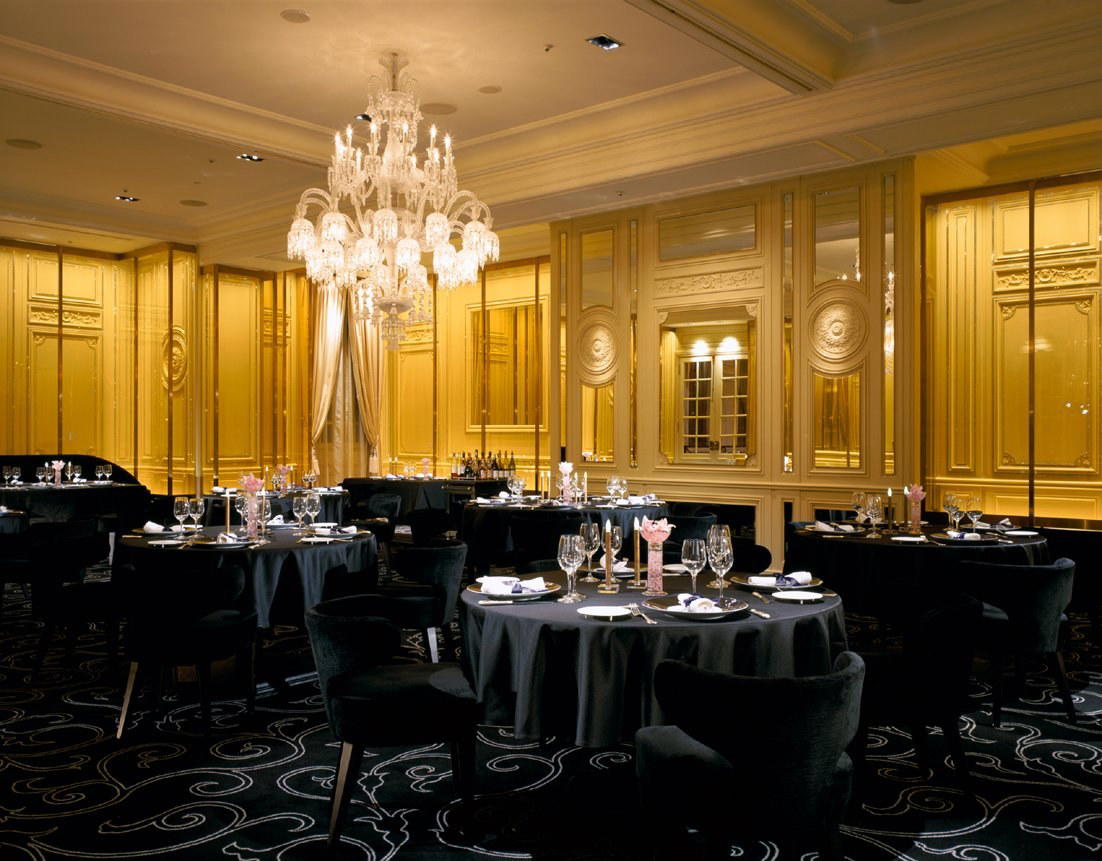

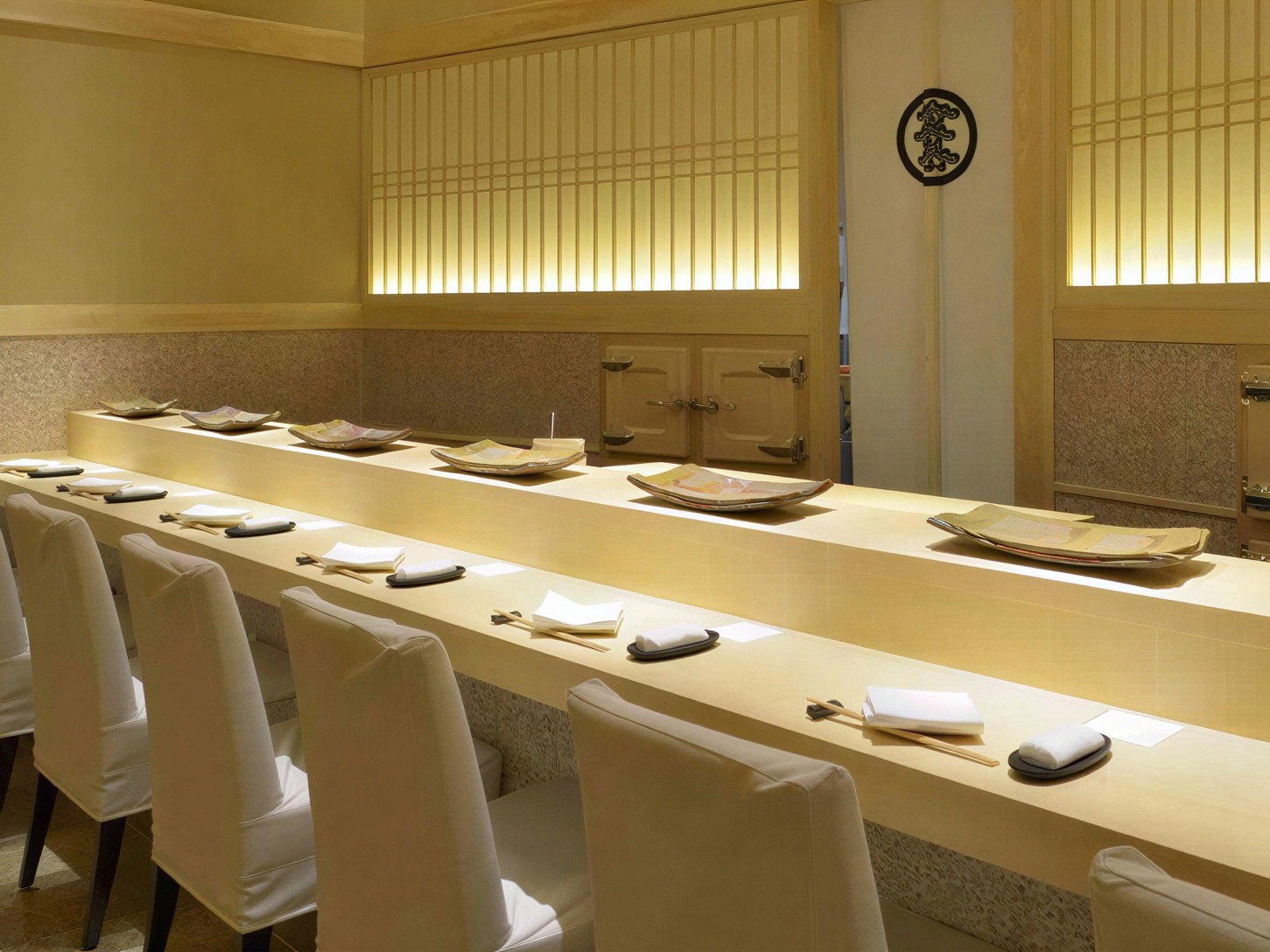
Bars in Tokyo
All bars in Tokyo →
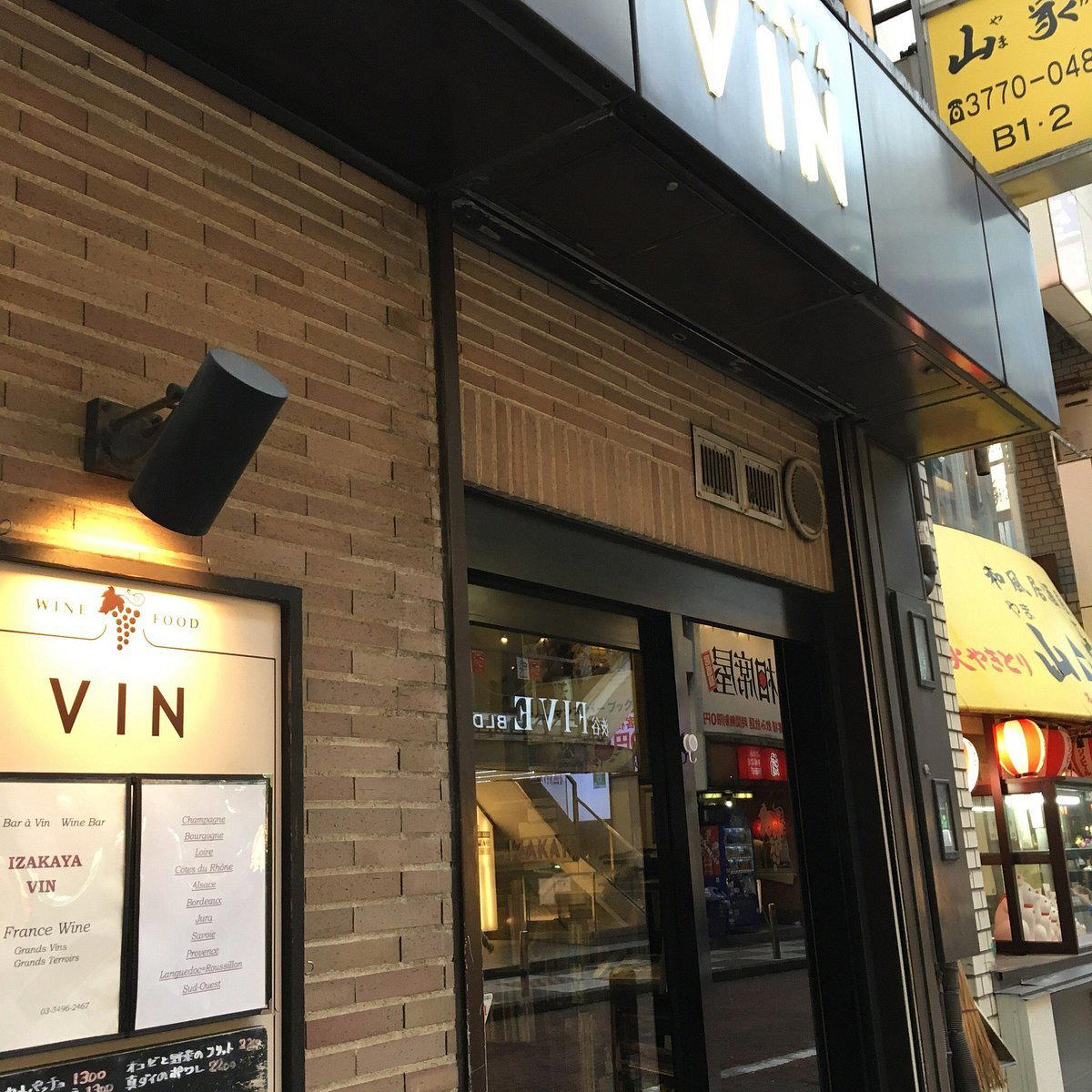






Details
- Cozy
- Lively
- Intimate
- Casual Hangout
- Solo
- Family
- After Work
- Group Dining
- Standalone
- Beer Program
- A La Carte
- Set Menu
- Beer
- Cocktails
- Vegetarian Friendly
Current opening hours
- Monday
- 11:30 AM–2:30 PM, 5:30–10 PM
- Tuesday
- 11:30 AM–2:30 PM, 5:30–10 PM
- Wednesday
- 11:30 AM–2:30 PM, 5:30–10 PM
- Thursday
- Closed
- Friday
- 11:30 AM–2:30 PM, 5:30–10 PM
- Saturday
- 11:30 AM–2:30 PM, 5:30–10 PM
- Sunday
- 11:30 AM–2:30 PM, 5:30–10 PM
Hours can change for holidays and private events. Hours as of .
Casual and cozy with an exotic, Asian-ethnic feel; more like a small neighborhood curry house than a formal restaurant, lively at peak times but relaxed enough for families and solo diners.