
Tabelog 100 #11
Our verdict
Shimokitazawa’s curry and ethnic-food scene rewards small rooms with clear points of view, and spice kitchen moona fits that local grammar: compact, informal, and serious about spice without moving into luxury-restaurant theatre. Its Tabelog 100 selections across Asian, ethnic, and curry categories place it in a Tokyo tier where sequencing, vegetables, fish, and drinks matter as much as heat.

Pearl is the En Primeur Club membership app, where members save venues, book tables and use the concierge.
The menu
What to order
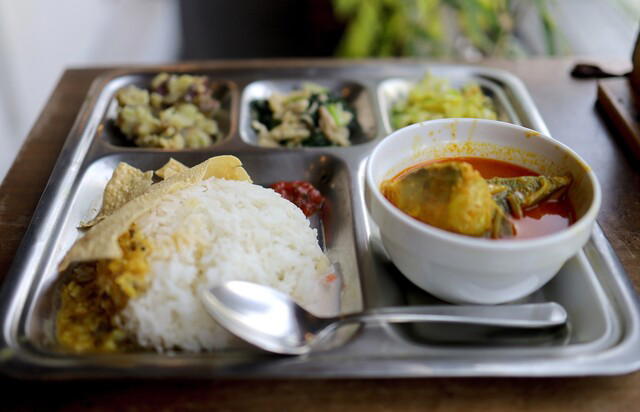
- Seasonal fish curry
- Dry mutton curry
- Moona spice small plates assortment
The approach to spice kitchen moona has a Tokyo rhythm: city crowds, casual dining decisions, then a meal framed by spice rather than spectacle. In a city where shopping, cultural plans, workday breaks, and late lunches can collide, curry is not one category. It can mean South Asian grammar, Japanese curry nostalgia, bar food, and drinks that extend the meal beyond a quick bowl. spice kitchen moona sits in that mixed register, classified across Asian, ethnic, curry, and baru-style dining, so the meal reads less like a one-plate stop than a compact progression.
Tokyo’s serious curry culture has moved beyond the old binary of roux curry and imported restaurant formats. The city supports specialist kitchens that treat spice as structure: bitterness, acidity, heat, fat, rice, and contrast all need placement. Tabelog selected spice kitchen moona in 2024, with a listed score of 3.54 and budget guidance of Dinner: JPY 2,000 - JPY 2,999; Lunch: JPY 1,000 - JPY 1,999. That recognition places the restaurant between curry specialist and casual ethnic dining room, not inside a single-lane lunch-counter category.
Tokyo curry as a sequence, not a single plate
The smarter reading of this Tokyo curry room is pacing. A meal can start in lunch mode, with curry carrying the table, or shift into evening mode, where the format can feel closer to a casual bar-influenced meal with a spice kitchen attached. Its categories, Asian, ethnic, curry, and baru, can look broad on paper, but in Tokyo they make sense. The city rewards focused meals without fine-dining choreography.
That matters for travellers because Tokyo curry serves different appetites at different prices and formality levels. Curry Spice Gelateria KALPASI, also in Tokyo, offers another curry reference point, while Nanban Tei Shimokitazawa ten shifts the decision toward a different evening-out calculation. Café Trois Chambres and Flippers show the city’s broader casual range, while Katsuyoshi brings another Tokyo dining style into comparison. In that local field, spice kitchen moona is neither a simple curry counter nor a destination tasting room. It is a spice-focused restaurant whose meal arc can expand if the table orders with the broader menu in mind.
The Tabelog score, 3.54, is useful only in Japanese context. On Tabelog, mid-3 scores can signal serious local approval, especially for restaurants outside luxury hotel dining or Michelin-facing tasting menus. The stronger signal is that spice kitchen moona appears in the 2024 Tabelog recognition provided. Its Asian, ethnic, curry, and baru-style classification shows diners are not reading it as a single-lane curry stop.
A compact room built around spice and casual range
The format shapes the experience. This is casual dining rather than grand-room production, and the categories point toward a meal that can be kept focused or allowed to stretch. The point is not that every diner eats the same progression, but that the kitchen’s identity lets a table build contrast around spice rather than simply choose heat level.
The evening version sits naturally within Tokyo’s casual-dining grammar. The baru-style classification matters because it suggests a more flexible rhythm than a pure lunch-counter reading. In Tokyo’s better casual restaurants, the format often reveals whether a place can support lingering or is best treated as one focused stop. Here, the category mix supports a meal that can move beyond a fast lunch solution.
Location matters too. Tokyo is not a single dining mood, and expectations should shift accordingly. The city is dense, varied, and forgiving of hybrids, with restaurants often folded into everyday urban settings rather than presented as grand stand-alone rooms. For visitors mapping Tokyo meals, this pairs naturally with a day or evening built around casual local dining rather than a cross-town fine-dining itinerary. For broader planning, see Our full Tokyo restaurants guide, alongside Our full Tokyo bars guide, Our full Tokyo hotels guide, Our full Tokyo wineries guide, and Our full Tokyo experiences guide.
How it fits a Tokyo eating itinerary
The useful question is not whether this is Tokyo’s grandest curry meal. That misses the category. The better question is whether a traveller wants a spice restaurant with enough recognition to justify planning, but without tasting-menu ceremony. In that role, spice kitchen moona is clear. It works for curry-focused diners and for those tracking how Tokyo absorbs Asian and ethnic cuisines into locally fluent formats.
For comparison across the city’s casual and specialist spectrum, Tokyo offers different meals rather than one hierarchy: Curry Spice Gelateria KALPASI for another curry reference point, Nanban Tei Shimokitazawa ten for a different evening register, Café Trois Chambres and Flippers for casual Tokyo range, and Katsuyoshi for another focused local meal. Other unnamed Tokyo dining rooms can round out the same itinerary without needing to turn every stop into a trophy reservation.
The verdict is practical: this is a confident choice when the brief is spice, Tokyo, and a casual room that feels local. The 2024 Tabelog recognition gives it authority; the format gives it approachability; the Asian, ethnic, curry, and baru-style categories give the meal more range than a curry-only stop. For travellers building a Tokyo itinerary around local character rather than trophy dining alone, that combination is the point.
Cuisine Context
Comparable venues by price and recognition.
| Venue | Cuisine | Price | Awards | Notes |
|---|---|---|---|---|
| spice kitchen moonaThis venue (the venue you are viewing) | Spice-driven Indian & Asian curry bar | $20–30 | Tabelog 100 #11 | Not listed |
| raffles curry | Indian Curry | $10–20 | Tabelog 100 #37 | Taitō |
| Minami Indian Nandori | South Indian Meals & Tiffin | $20–30 | Tabelog 100 #97 | Arakawa |
| Curry Spice Gelateria KALPASI | Indian-style curry and spice gelato | $10–20 | Tabelog 100 #17 | Setagaya |
| negombo33 Kouenji | Indian-style curry & café | $10–20 | Tabelog 100 #55 | Suginami |
| MAROLOGA Bhavan | Indian Curry House with Spice-Driven Drinks | Not listed | Tabelog 100 #24 | Nakano |
Recognition history
Dated appearances from independent guides and award organizations, with the underlying list record or original source where available.
Tabelog 100 #11 · No. 11
Tabelog · Tabelog 100 - Asian cuisine / Ethnic cuisine - TOKYO - 2024
Continue exploring
More in Tokyo
Restaurants in Tokyo
All restaurants in Tokyo →


Bars in Tokyo
All bars in Tokyo →



Details
- Cozy
- Lively
- Intimate
- Casual Hangout
- After Work
- Solo
- Group Dining
- Date Night
- Standalone
- Beer Program
- Local Sourcing
- A La Carte
- Small Plates
- Set Menu
- Beer
- Shochu
- Wine
- Vegetarian Friendly
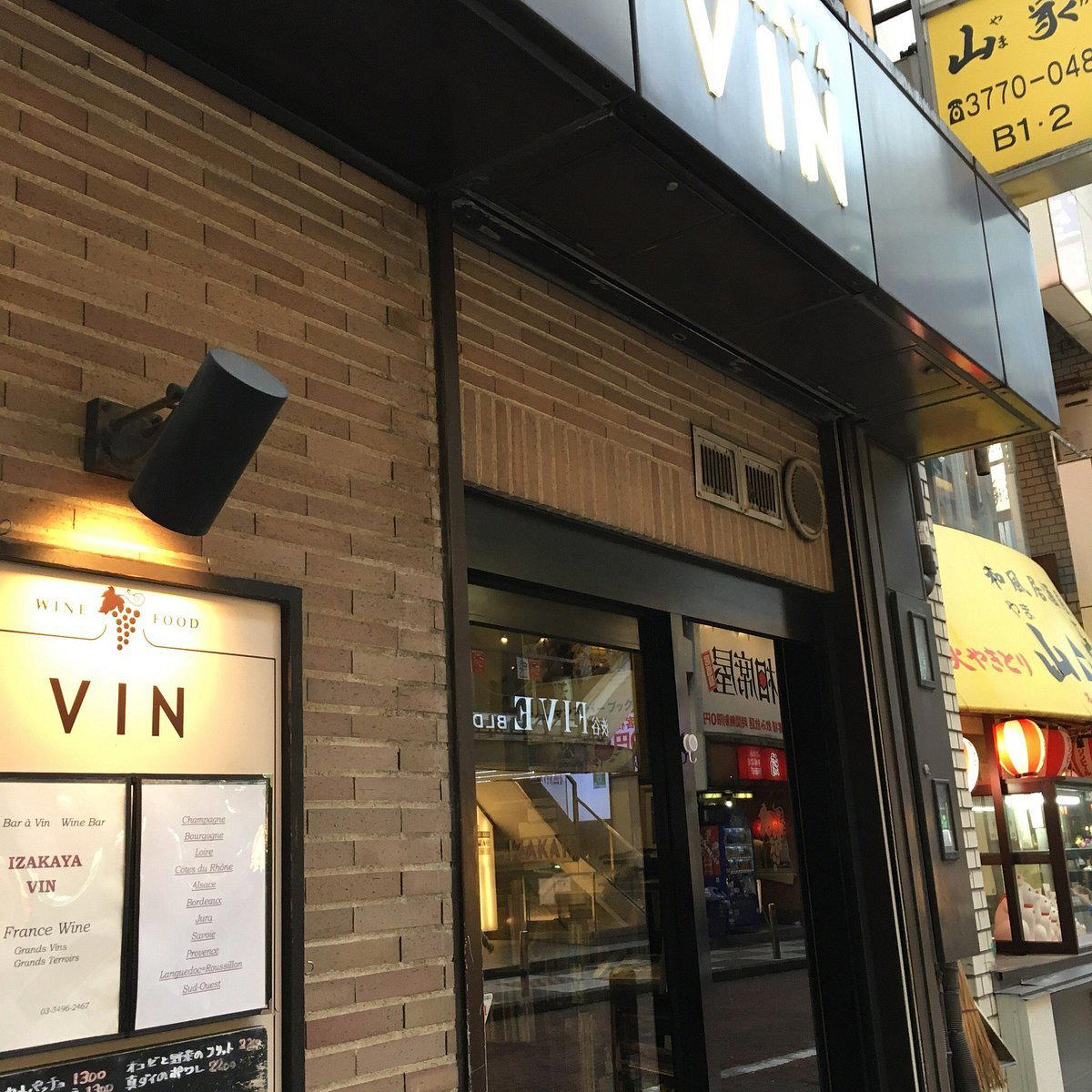
Casual and intimate fifth-floor hideaway with a slightly bar-like feel in the evening, relaxed lighting, and a laid-back atmosphere that can be a bit hard to find but rewards guests with warm, neighborhood energy.