Our verdict
Robata sits in Kutchan, Hokkaido's snowfield resort corridor, where the robatayaki tradition of hearth-grilled ingredients meets the prefecture's exceptional produce. The format is defined by fire, proximity, and simplicity: ingredients presented across a counter, cooked to order over charcoal. For visitors exploring Niseko-area dining, it occupies a distinct register from the region's ski-resort restaurants.

Pearl is the En Primeur Club membership app, where members save venues, book tables and use the concierge.
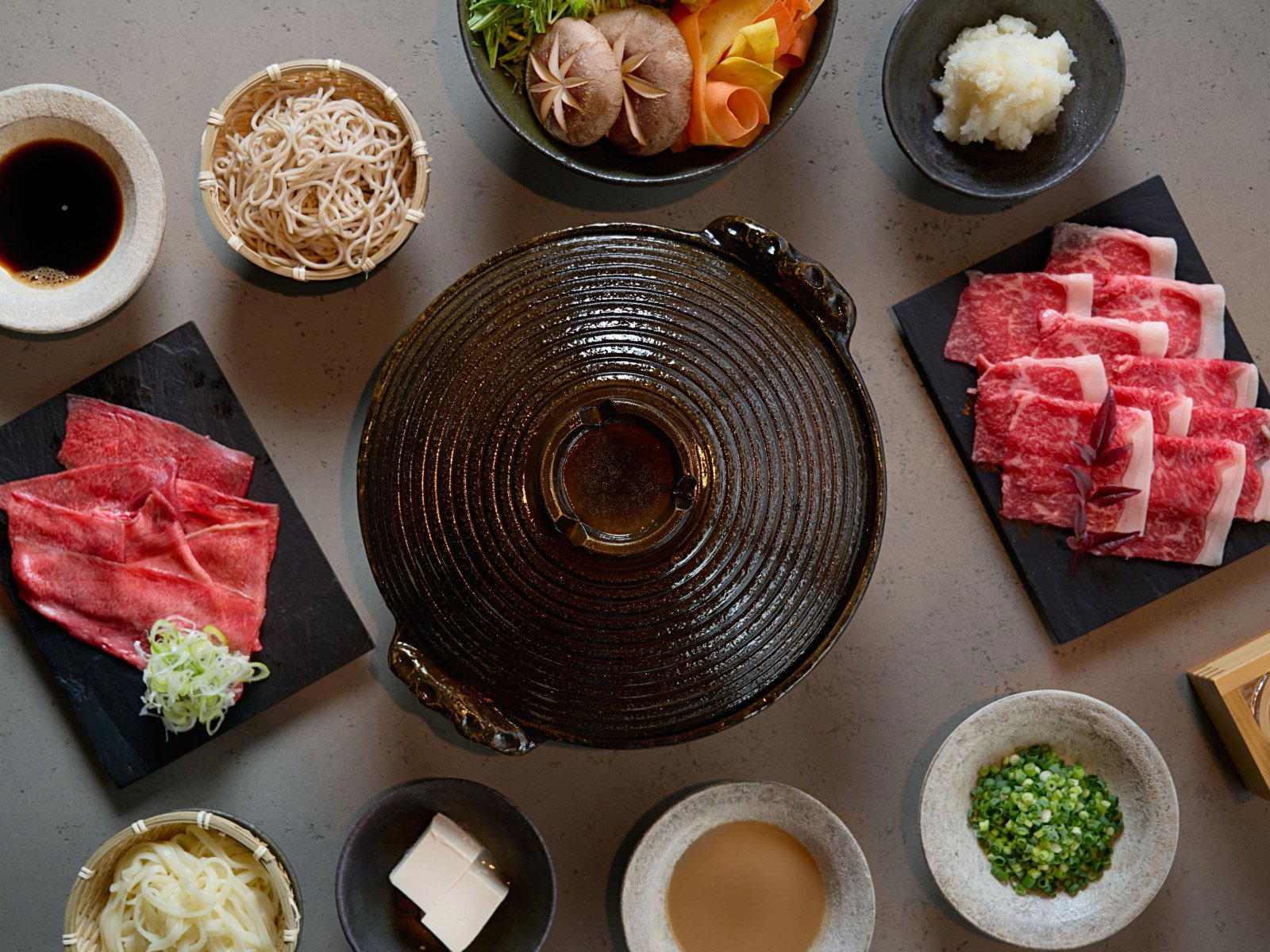
The menu
What to order
- Hokkaido wagyu T-bone steak
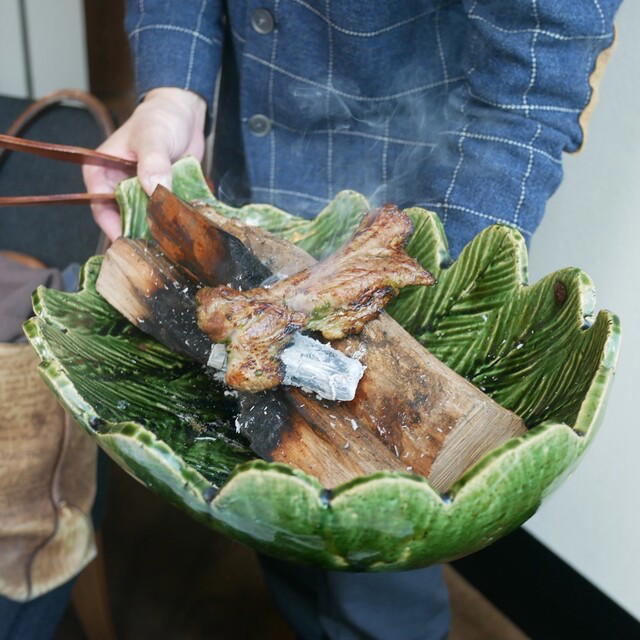
- Charcoal-grilled Hokkaido seafood
- Local produce grilled robata-style
- Shabu shabu course
Fire, Counter, Hokkaido: What the Robatayaki Format Tells You About This Corner of Japan
Kutchan-cho sits at the base of the Niseko range in southwestern Hokkaido, a town where international ski tourism has layered itself over a deeply agricultural community. The dining scene that has emerged reflects that tension: resort-facing operations built for visiting skiers coexist with older formats rooted in the prefecture's farming and fishing traditions. Robata, addressed at 328-47 Aza Iwaobetsu, operates within the latter register. The name itself is shorthand for robatayaki, a cooking style that originated in the fishing villages of northern Honshu and Hokkaido, where fishermen gathered around an open hearth and cooked their catch communally. The counter format, the charcoal, the unhurried pace, these are not aesthetic choices but functional inheritances.
The Architecture of a Robatayaki Menu
Robatayaki menus are structured differently from the tasting-course logic that governs most premium Japanese dining. There is no fixed progression from amuse to main to dessert. Instead, ingredients are presented at the counter, typically displayed in a wooden box or shallow tray, and ordered in whatever sequence the diner chooses. The kitchen's role is precision over charcoal: understanding how much heat a piece of Hokkaido corn needs versus a thick-cut pork jowl, and when to let the smoke do the seasoning. This is a menu architecture built around the ingredient as argument. The chef's technique is largely invisible; what you are meant to notice is the quality of what Hokkaido produces.
That framing matters in a place like Kutchan. The prefecture is Japan's largest agricultural region, responsible for a substantial share of the country's potatoes, dairy, and corn. Its coastal waters produce scallops, sea urchin, and crab that travel to high-end counters in Tokyo and Osaka. A robatayaki operation with access to Hokkaido's supply chain has material advantages that a comparable format in, say, central Tokyo does not. The menu, in this context, is a document of place as much as a list of dishes.
Nearby venues such as Kumo, Molière Montagne, Olivio, China Kitchen, and Kitchen serve the Kutchan-Niseko corridor from different culinary angles, many of them oriented toward the international resort crowd. Robata's format positions it apart from that cluster: it is a Japanese cooking tradition on its own terms, not adapted for foreign palates.
Kutchan in the Broader Hokkaido Dining Map
Hokkaido's restaurant scene is bifurcated in a way that mirrors global patterns in resort and rural dining. Sapporo holds the prefecture's concentration of formally recognised restaurants, several carry Michelin recognition, and the city's miso ramen and Genghis Khan lamb traditions draw domestic and international visitors on their own terms. Operations like 夕仙山乃 in Sapporo represent one pole of that city's dining range. Outside Sapporo, the picture fragments: resort towns like Niseko have built internationally inflected dining infrastructure, while smaller communities maintain formats closer to Hokkaido's fishing and farming identity.
Kutchan sits between those poles geographically and culturally. It is a working town that has absorbed significant tourist infrastructure without fully becoming a resort destination. Robatayaki, as a format, belongs to the working-town side of that equation. It is communal, unfussy, and priced accessibly in its traditional form, though Hokkaido's premium ingredient base can push even a casual robata meal into meaningful spend when high-grade seafood or A5 wagyu is involved.
For context on what serious Japanese cooking looks like at different price points and in different cities, the EP Club maintains profiles on a range of Japan's notable kitchens: HAJIME in Osaka, Harutaka in Tokyo, Gion Sasaki in Kyoto, akordu in Nara, and Goh in Fukuoka. These are not peers to a robatayaki counter, but they illustrate the range of formats and investment levels operating under the broader umbrella of Japanese cuisine.
Regional comparison points closer in style might include 一本木 石川製 in Nanao, where Noto Peninsula produce anchors similar counter-format cooking, or 湖畔荘 in Takashima, which operates in a comparable resort-adjacent context in the Lake Biwa region. For yakitori-adjacent charcoal cooking in a more urban register, Birdland in Sakai offers a useful reference. And for those using a Japan trip to bracket Hokkaido with other high-end dining, 鶴羽屋 in Nishikawa Machi represents another format in the rural-Japanese counter tradition.
Planning a Visit
Robata is located at 328-47 Aza Iwaobetsu in Kutchan-cho, Hokkaido, postcode 044-0082. The Niseko area is most heavily visited during the winter ski season (December through March), when Kutchan's restaurants operate at full capacity and same-day availability at smaller venues becomes unreliable. Visiting outside peak ski weeks, particularly in the summer months when Hokkaido's produce is at its agricultural prime, often provides a more considered experience of local ingredients. Website details are not currently listed. For broader orientation to what is available in the area, see our full 倶知安町 restaurants guide.
International diners who frame Hokkaido purely as a ski destination and eat primarily at their resort miss what this corner of Japan actually produces. The robatayaki format is, in a sense, the most direct argument for why Hokkaido's ingredient quality is worth the attention: everything runs through the fire, and there is nowhere for mediocre produce to hide. The same logic that makes Le Bernardin in New York City or Atomix in New York City compelling as arguments for their respective approaches to ingredient and technique applies here at a different scale and price point, the format exists to foreground what the region grows and catches, not to obscure it.
Frequently asked questions
How do I find Robata?
Robata is located at 328-47 Aza Iwaobetsu, 倶知安町, 北海道, 044-0082, 倶知安町.
Is Robata in Kutchan-cho open year-round or only during ski season?
Niseko and the surrounding Kutchan-cho area run on two distinct tourism peaks: the winter ski season from roughly December through March, and a shorter summer hiking and cycling season. No published hours or seasonal schedule are available for Robata at 328-47 Aza Iwaobetsu, but small dining counters in this area frequently align their operations with those peaks. Confirming opening periods before visiting is practical given the town's population swings between seasons.
What do people recommend at Robata?
Robatayaki counters in Kutchan-cho centres on Hokkaido's seasonal produce grilled over an open hearth, expect skewered seafood, root vegetables, and locally sourced proteins to anchor the menu. Because no fixed menu data is published for this address at 328-47 Aza Iwaobetsu, the strongest approach is to ask the counter staff what came in that day, which reflects how robatayaki ordering works by design.
Do they take walk-ins at Robata?
No reservation or booking policy is listed publicly for Robata in Kutchan-cho. During the Niseko winter ski season, when accommodation occupancy peaks and restaurant demand compresses sharply, counter seats at small robatayaki venues fill quickly. Arriving early or calling ahead is advisable, though no phone number is currently documented.
What's the defining dish or idea at Robata?
The format itself is the point: robatayaki places the charcoal hearth at the centre of the room and the counter around it, collapsing the distance between kitchen and guest. In Kutchan-cho, that format operates against a backdrop of Hokkaido's agricultural depth, the prefecture supplies Japan with a disproportionate share of its dairy, potato, corn, and cold-water seafood, all of which translate directly into what a robatayaki kitchen can put over fire.
Is Robata good for vegetarians?
Robatayaki menus are grill-driven and typically structured around animal proteins, though Hokkaido's vegetable output, corn, asparagus, pumpkin, burdock, is substantial enough to appear prominently at most regional counters. Vegetarians can generally compose a meaningful meal from grilled vegetables and mushrooms, though the format is not designed around plant-based dining and no specific vegetarian options are confirmed for this Kutchan-cho address.
Standing Among Peers
| Venue | Cuisine | Price | Awards |
|---|---|---|---|
| RobataThis venue (the venue you are viewing) | Japanese Robata Grill | Not listed | Not listed |
| Molière Montagne | French fine dining in the Hokkaido mountains | $200–300 | Tabelog 100 #5 |
| Olivio | Italian Classics and Homemade Pasta | Not listed | Not listed |
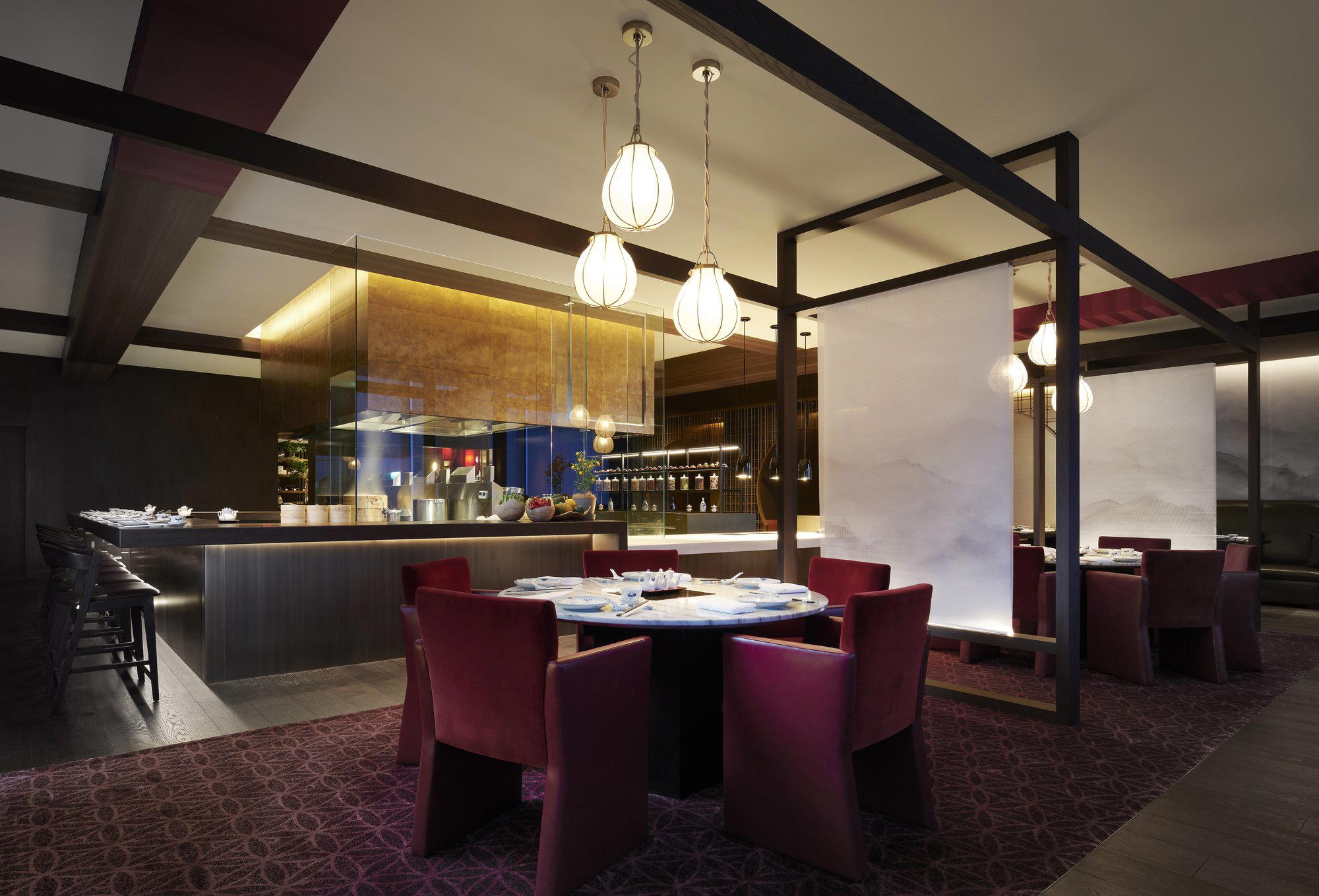
| China Kitchen | Cantonese & Sichuan Chinese with Dim Sum Brunch and Hot Pot | $50–100 | Not listed |
Continue exploring
More in Niseko
Restaurants in Niseko
All restaurants in Niseko →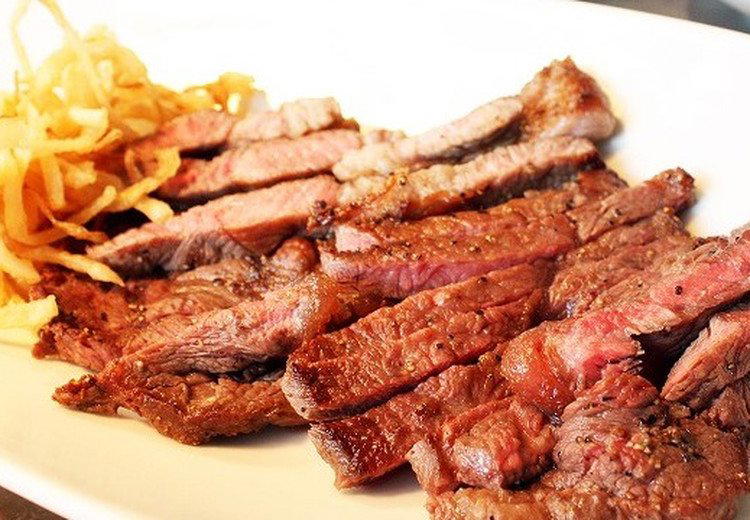
Hotels in Niseko
All hotels in Niseko →
Wineries in Niseko
Browse all →
Details
- Sophisticated
- Cozy
- Elegant
- Modern
- Date Night
- Business Dinner
- Celebration
- Special Occasion
- Hotel Restaurant
- Open Kitchen
- Standalone
- Sake Program
- Beer Program
- Local Sourcing
- Mountain
- A La Carte
- Sake
- Japanese Beer
- Whiskey
- International Wine
- Vegetarian Friendly
Current opening hours
- Monday
- 5:30–10 PM
- Tuesday
- 5:30–10 PM
- Wednesday
- 5:30–10 PM
- Thursday
- Closed
- Friday
- Closed
- Saturday
- 5:30–10 PM
- Sunday
- 5:30–10 PM
Hours can change for holidays and private events. Hours as of .
Warm and inviting with a refined hotel-dining feel, centered around the glow and aroma of charcoal grilling.