

A Chamberí address since 1989, Gala occupies a different tier from Madrid's trophy-dining circuit, Michelin Bib Gourmand in both 2024 and 2025, with a menu built around seasonal market produce and the kind of service that keeps a loyal clientele coming back. The steak tartare and slow-cooked rib of beef have become fixtures on the à la carte, alongside half-plate options that make the format genuinely flexible.
Pearl is the En Primeur Club membership app — saves, bookings, and concierge access live there. Same editors, same standards.
- Address
- C. de Espronceda, 14, Chamberí, 28003 Madrid, Spain
- Phone
- +34 914 42 22 44
- Website
- restaurantegala.com
- Directions
- Get directions
 Saves & bookings on Pearl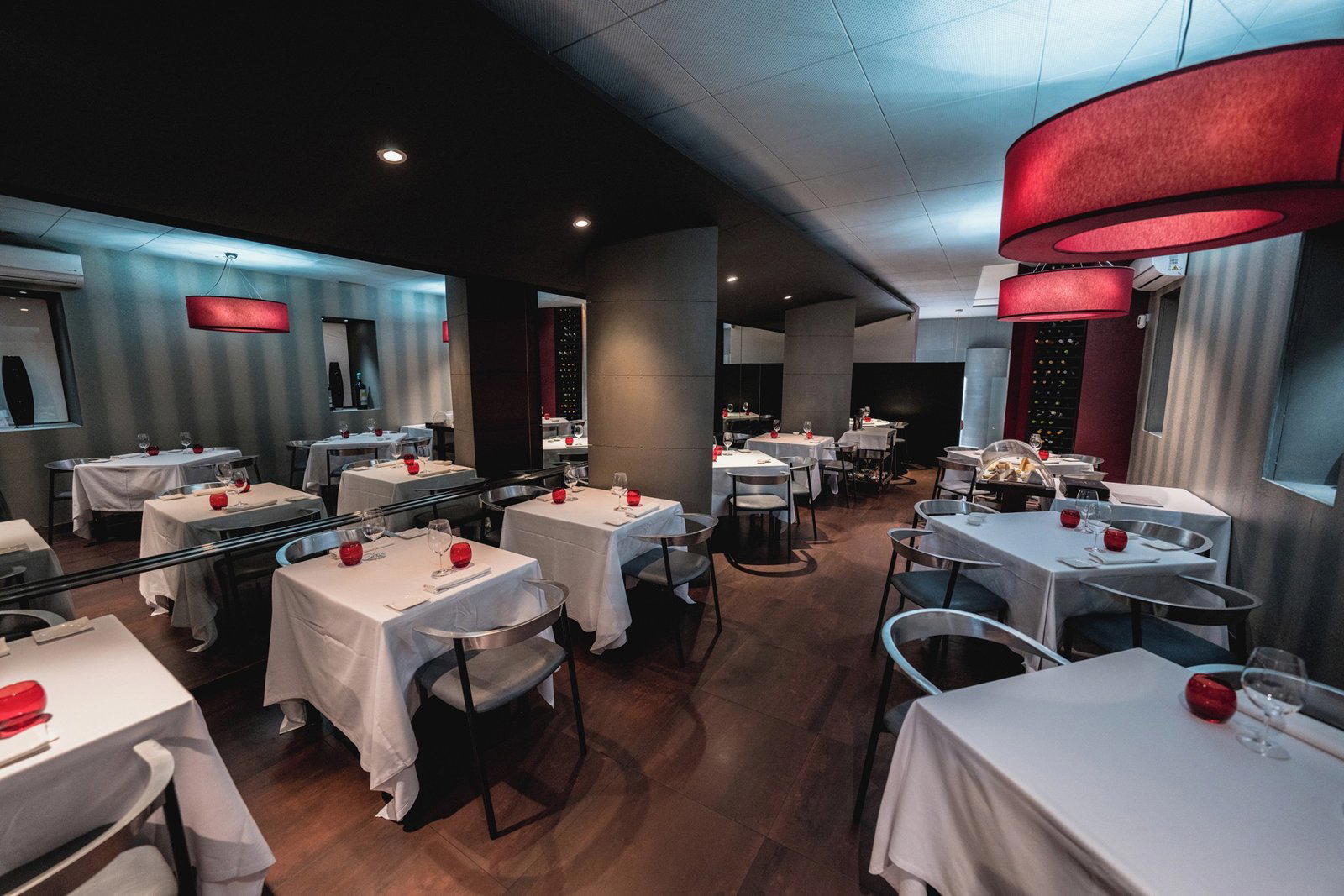
The Room Before the Food
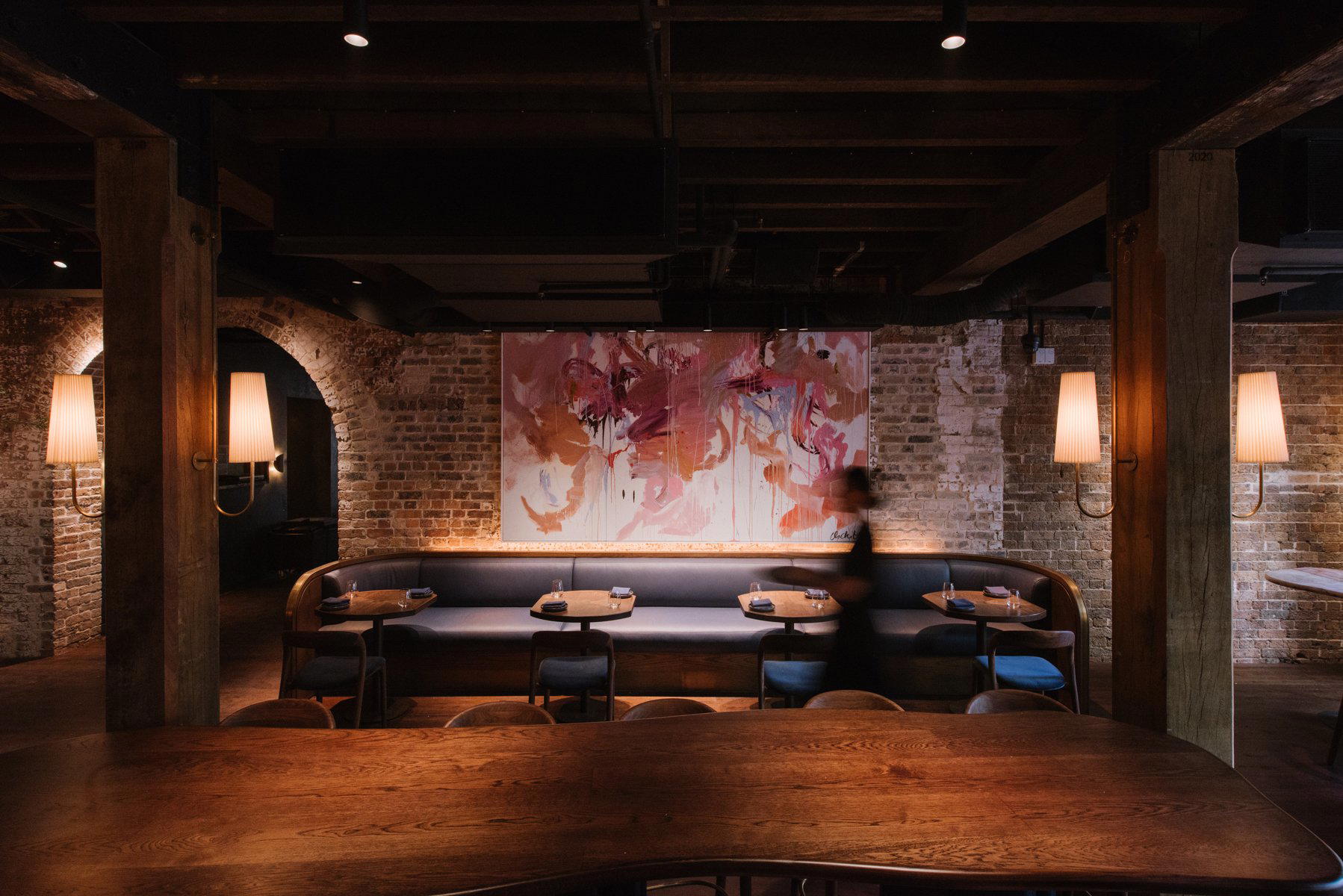
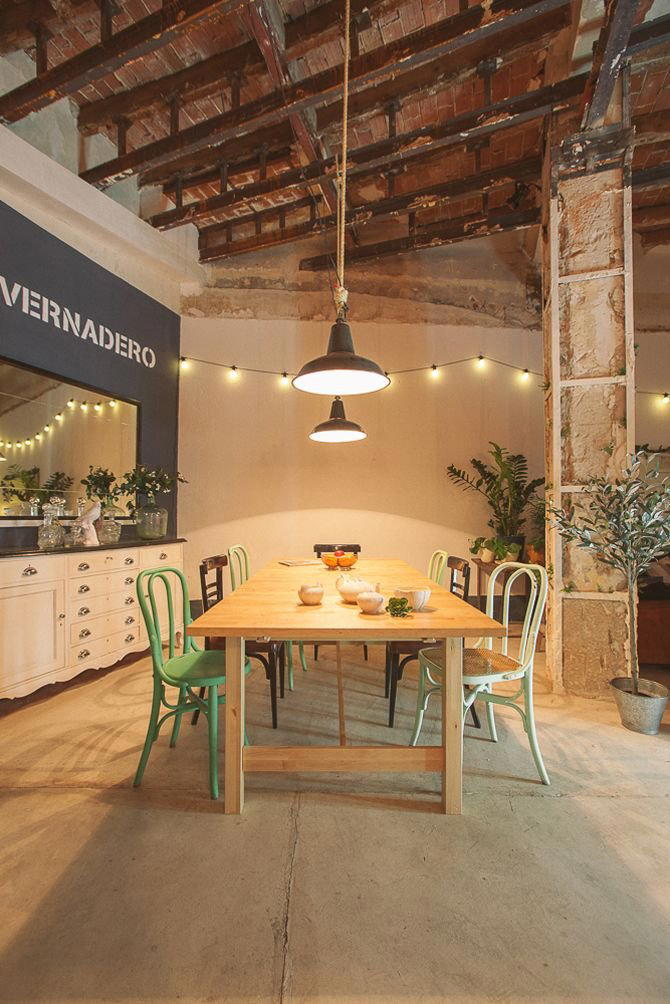
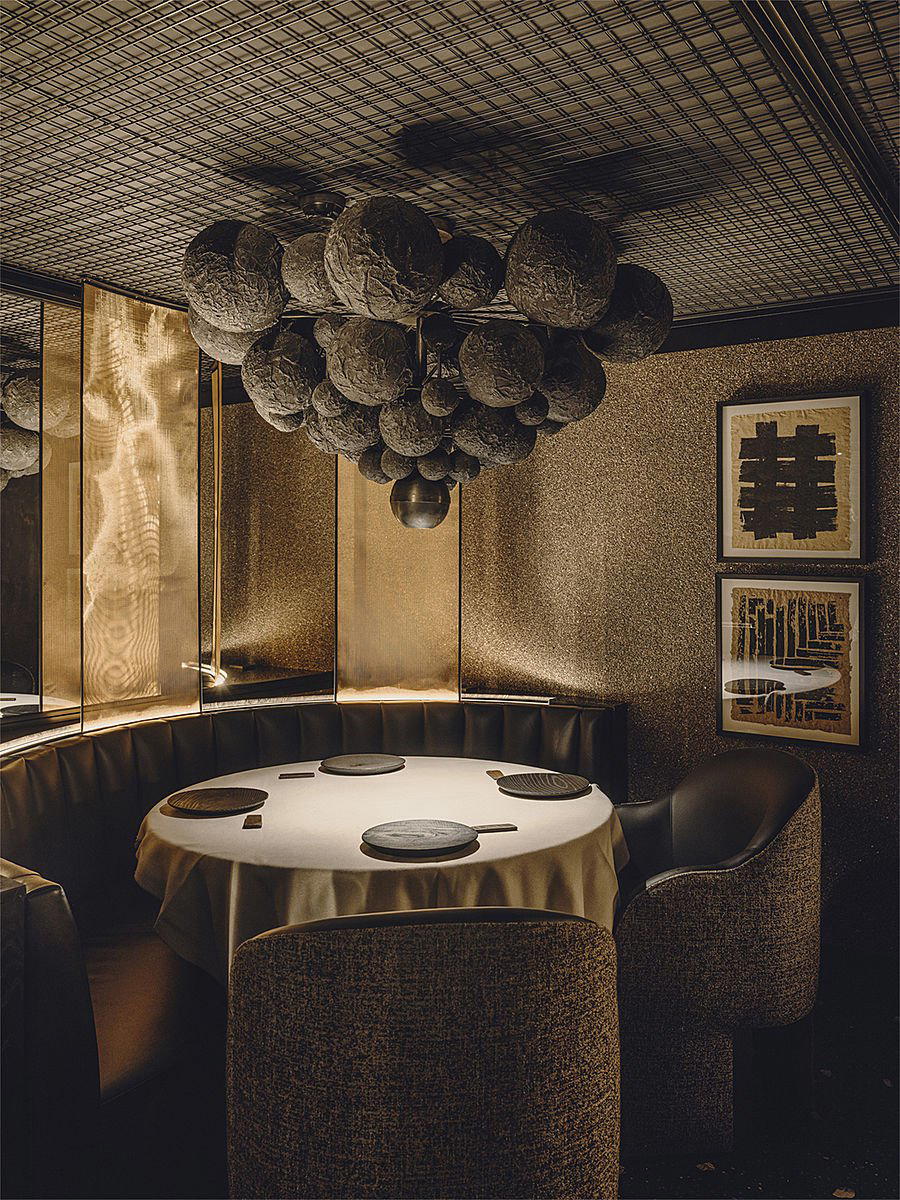
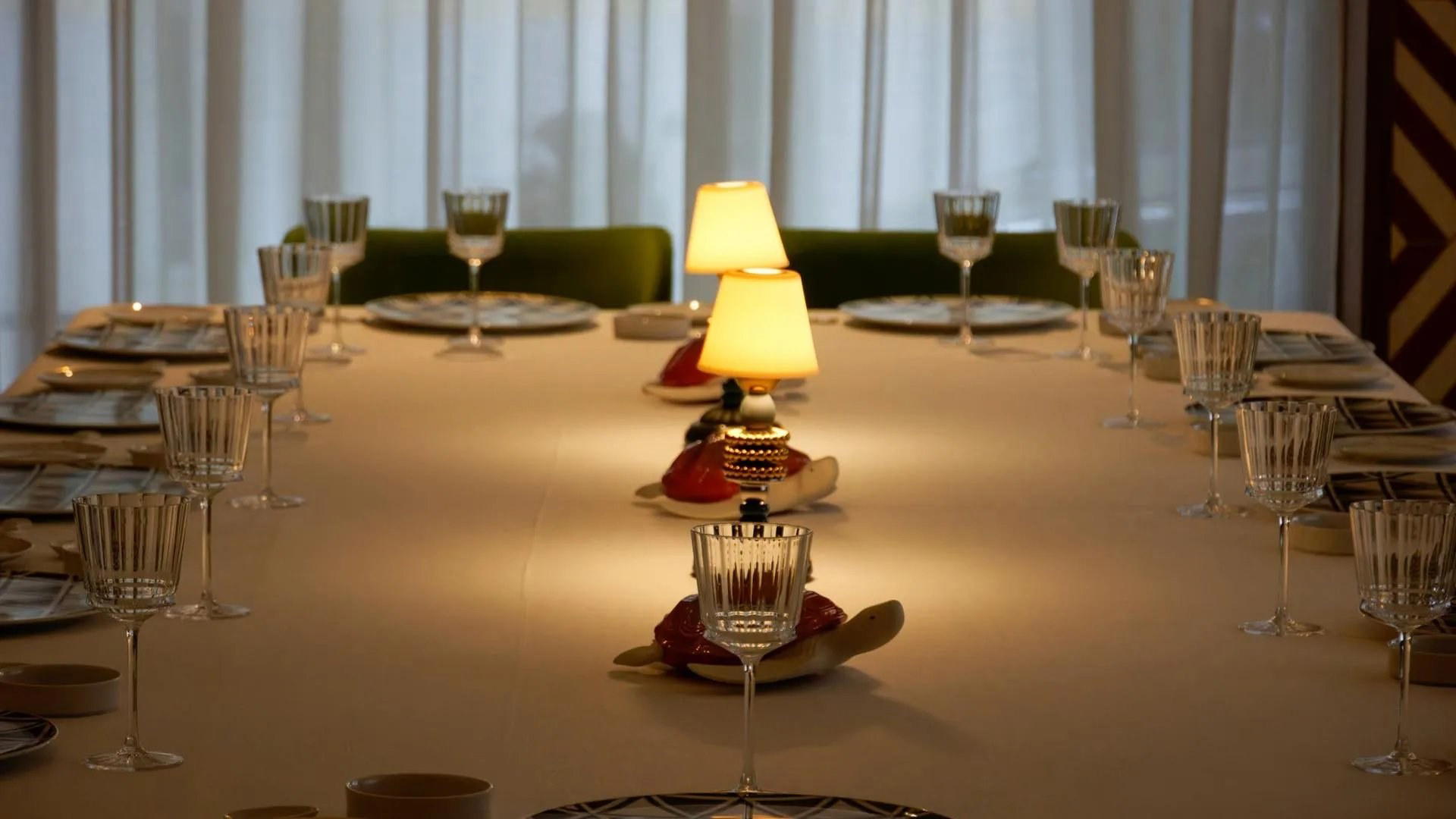
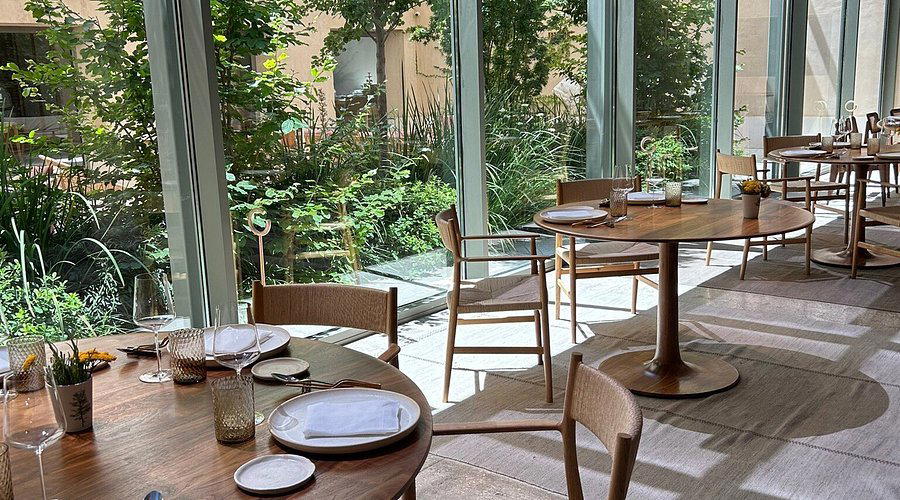
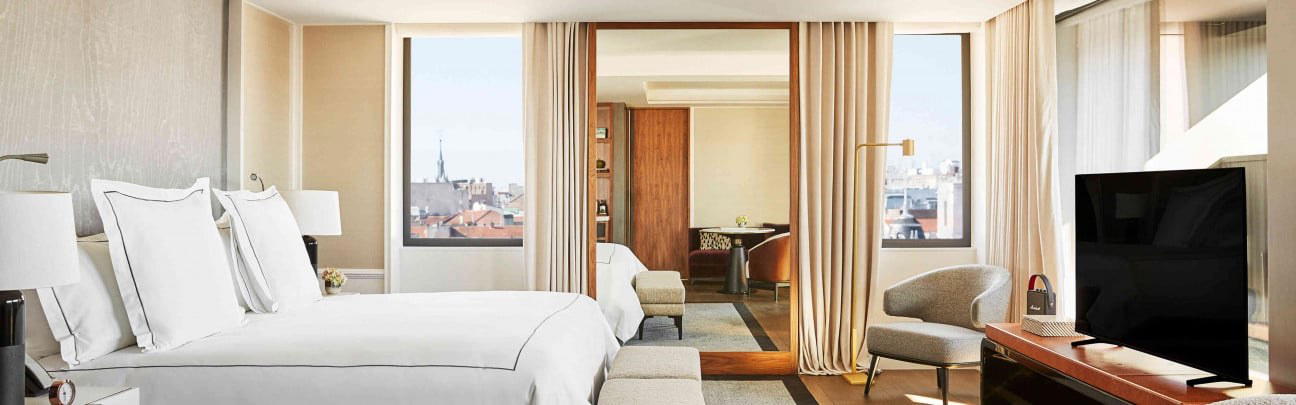
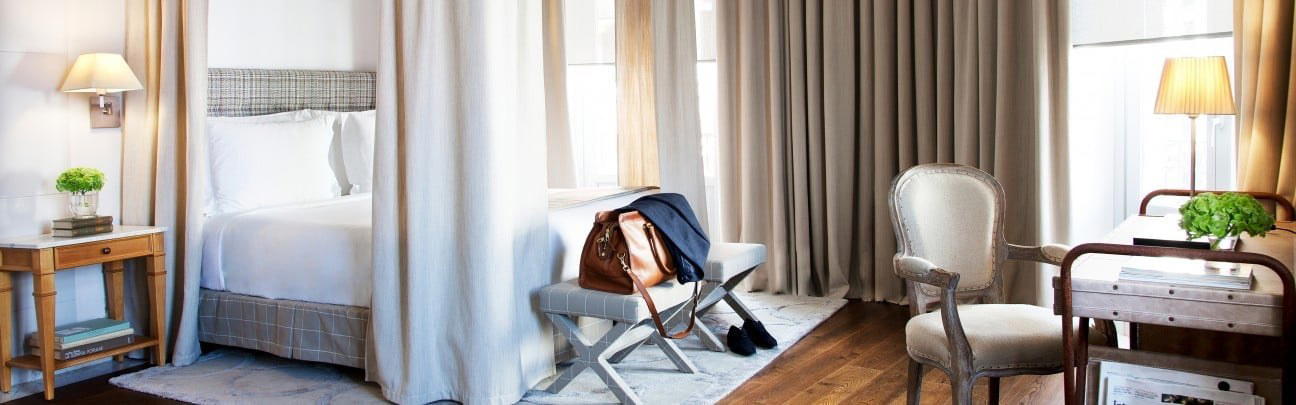
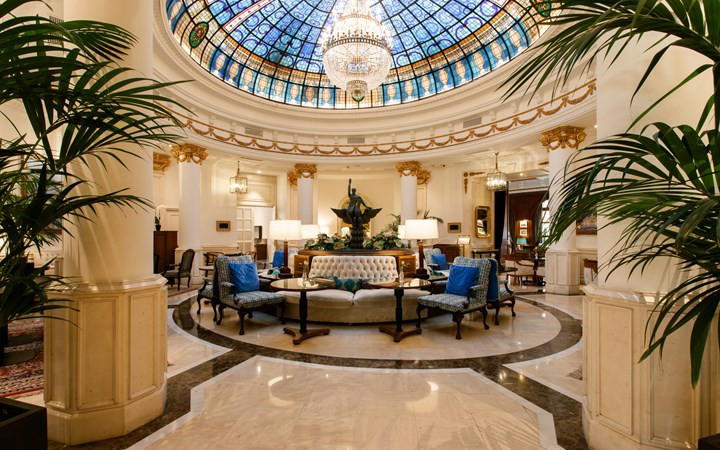
Chamberí has long operated as one of Madrid's more settled residential districts, less theatrical than Malasaña, more anchored than Chueca, with a dining culture that rewards the repeat visitor over the first-timer chasing novelty. On Calle de Espronceda, Gala sits inside that logic. The dining room is contemporary without being cold: clean lines, considered proportions, a private dining space that separates the room into registers of occasion without disrupting the general atmosphere. This is not the kind of place that performs its ambitions through interior design. The signal is in the quieter details, the pace of service, the spacing of tables, the sense that the room has been run with the same attentiveness for long enough that it has stopped needing to announce itself.
Since 1989, Gala has occupied that particular position in Madrid's dining scene: the address that regulars return to rather than the one they discover. That consistency is its own form of authority. Michelin awarded it the Bib Gourmand in both 2024 and 2025, a distinction that recognises quality cooking at moderate prices, placing Gala firmly in a tier defined by value and craft rather than spectacle. For context, Madrid's upper bracket runs through houses like DiverXO (Progressive - Asian, Creative) at €€€€ with three Michelin stars, and Coque (Spanish, Creative) at a comparable price point with two. Gala at €€ is priced against an entirely different competitive set, one where the kitchen's job is to justify the return visit, not the social post.
What the Menu Is Actually Doing
The cuisine is described as farm-to-table, updated traditional Spanish cooking driven by seasonal market produce. That framing covers a lot of ground in Madrid, where the phrase can mean anything from a tourist-adjacent interpretation of cocido madrileño to something considerably more considered. At Gala, the evidence points toward the latter. The à la carte includes half-plate options, a structural choice that signals the kitchen is thinking about how people actually eat rather than just presenting courses. There is also a daily menu and a more tasting-style option, giving the format enough range to suit a solo lunch or a longer evening commitment.
The ingredients anchor the menu's identity in specific ways. The Alistano-Sanabresa breed of beef, a heritage cattle breed from the Zamora region of Castile and León, appears on the à la carte and has drawn consistent recognition. Spain has a long tradition of sourcing specific regional breeds for high-end meat cookery, and the Alistano-Sanabresa sits within that lineage: a breed valued for the quality of its marbling and the depth of its flavour profile. The rib of beef is cooked at low temperature for 36 hours, a technique that prioritises texture and internal consistency over the speed of service. Alongside it, the steak tartare and dishes featuring red tuna have become the specialities most frequently requested by returning customers, three anchor points that tell you something about what this kitchen does with confidence and what the regulars trust it to deliver.
Chef Alexander Gaßlbauer leads the kitchen, and the approach sits within a clear European tradition of market-led seasonal cooking, a discipline with strong reference points at houses like Au Gré du Vent in Seneffe and BOK Restaurant Brust oder Keule in Münster, where the same principles of producer relationships and seasonal discipline shape the menu architecture.
Where It Sits in Madrid's Wider Picture
Madrid's restaurant scene has stratified considerably over the past decade. At the summit, a cluster of technically ambitious, high-investment restaurants competes for international attention, DiverXO, Coque, and their peers operate in a price tier and format register that is genuinely separate from everyday dining. Further down the scale, a wave of concept-led openings has targeted younger, trend-sensitive audiences in Malasaña and Lavapiés. Gala does not particularly compete with either group. Its comparable set is the longer-established Chamberí and Salamanca addresses that built reputations through consistency and ingredient sourcing rather than through format novelty or social media cycles.
For comparison, VelascoAbellà, Bugao Madrid, and ita each occupy adjacent positions in Madrid's mid-to-upper dining tier, with their own editorial angles on the city's evolving food culture. Across Spain more broadly, the tradition of market-driven cooking connects Gala to a much larger national conversation, one that runs through three-Michelin-star addresses like Arzak in San Sebastián, Azurmendi in Larrabetzu, Martin Berasategui in Lasarte-Oria, El Celler de Can Roca in Girona, Cocina Hermanos Torres in Barcelona, and Aponiente in El Puerto de Santa María, all of which share the same fundamental commitment to Spanish produce and seasonal specificity, even if the execution and price point differ dramatically.
What Madrid has historically done well, and what Gala represents in its own register, is the maintenance of serious cooking at non-astronomical prices. The Bib Gourmand recognition in two consecutive years is Michelin's mechanism for acknowledging exactly that: good produce, skilled preparation, and pricing that does not require a specific occasion to justify.6 across 703 reviews is consistent with an address that has built genuine loyalty rather than algorithmic visibility.
Planning a Visit
- Address: C. de Espronceda, 14, Chamberí, 28003 Madrid
- Price range: €€, moderate; Michelin Bib Gourmand 2024 and 2025
- Format options: À la carte (with half-plate options), daily menu, tasting-style menu
- Private dining: A private dining space is available alongside the main room
- Cuisine: Updated traditional Spanish, farm-to-table, seasonal market produce 6 from 703 reviews
- Getting there: Chamberí is well served by Madrid Metro; Ríos Rosas and Alonso Cano stations are the nearest stops on Line 1
What Do People Recommend at Gala?
The three most consistently requested dishes by returning customers are the steak tartare, preparations featuring red tuna, and the rib of beef cooked at low temperature for 36 hours. The Alistano-Sanabresa beef, a heritage Castilian breed, is specifically noted as a strength of the à la carte. The half-plate format across the menu makes it practical to order wider rather than committing to a single full portion, which suits the way the kitchen presents its range of seasonal produce. For those planning a longer table, the private dining space provides a contained setting without requiring a full buyout of the main room.
A Tight Comparison
Comparable venues nearby, for context on price, style, and recognition.
| Venue | Cuisine | Price | Notes |
|---|---|---|---|
| GalaThis venue — the venue you are viewing | Rios Rosas, Modern Spanish Mediterranean | $$ | Not listed |
| La MaMá | Not listed | $$ | Cuatro Caminos, Traditional Spanish Tapas |
| La Maruca | Nueva Espana, Modern Spanish Tapas | $$$ | Not listed |
| La Montería | Not listed | $$$ | Ibiza, Traditional Spanish Market Cuisine |
| Nantes | Not listed | $$ | Legazpi, Traditional Spanish Market Cuisine |
| Alabaster | Not listed | $$$ | Jeronimos, Modern Spanish with Galician Influences |
Recognition history
Dated appearances from independent guides and award organizations, with the underlying list record or original source where available.
Macarfi 7 Food Rating
Macarfi
Michelin Bib Gourmand
Michelin
Michelin Bib Gourmand
Michelin
Michelin Bib Gourmand
Michelin

At a Glance
- Cozy
- Intimate
- Elegant
- Date Night
- Special Occasion
- Private Dining
- Extensive Wine List
Current opening hours
- Monday
- Closed
- Tuesday
- 1:30–3:30 PM, 8:30–11 PM
- Wednesday
- 1:30–3:30 PM, 8:30–11 PM
- Thursday
- 1:30–3:30 PM, 8:30–11 PM
- Friday
- 1:30–3:30 PM, 8:30–11 PM
- Saturday
- 1:30–3:30 PM, 8:30–11 PM
- Sunday
- Closed
Hours can change for holidays and private events. Last verified .
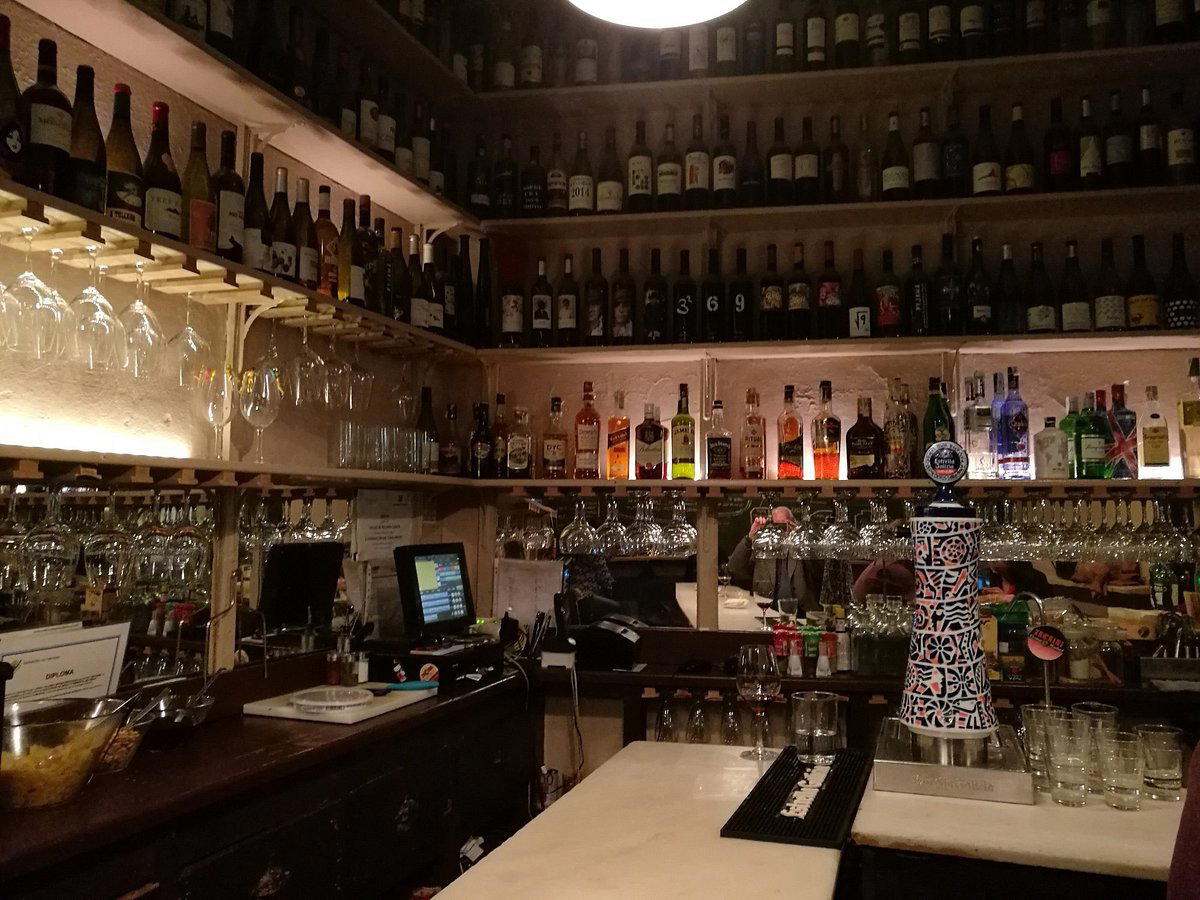
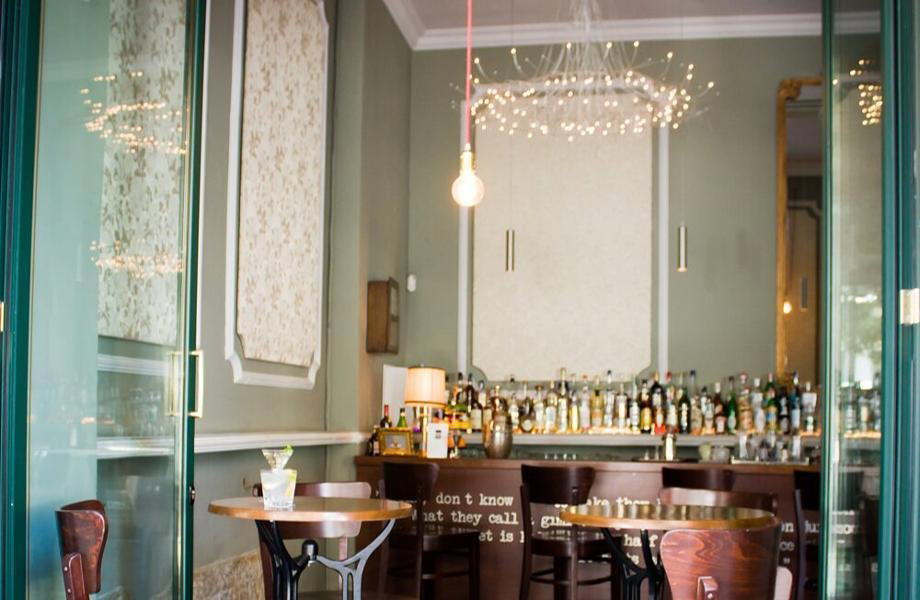
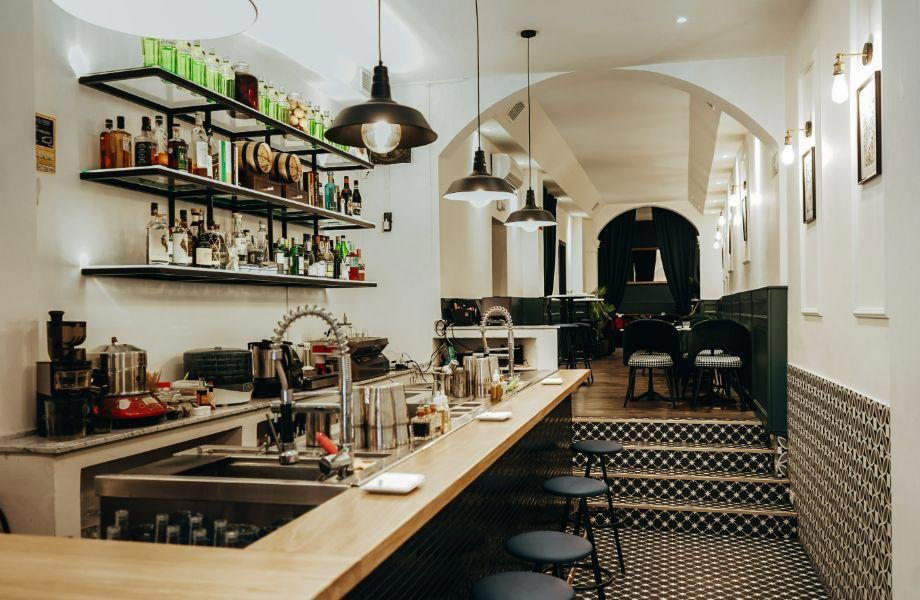
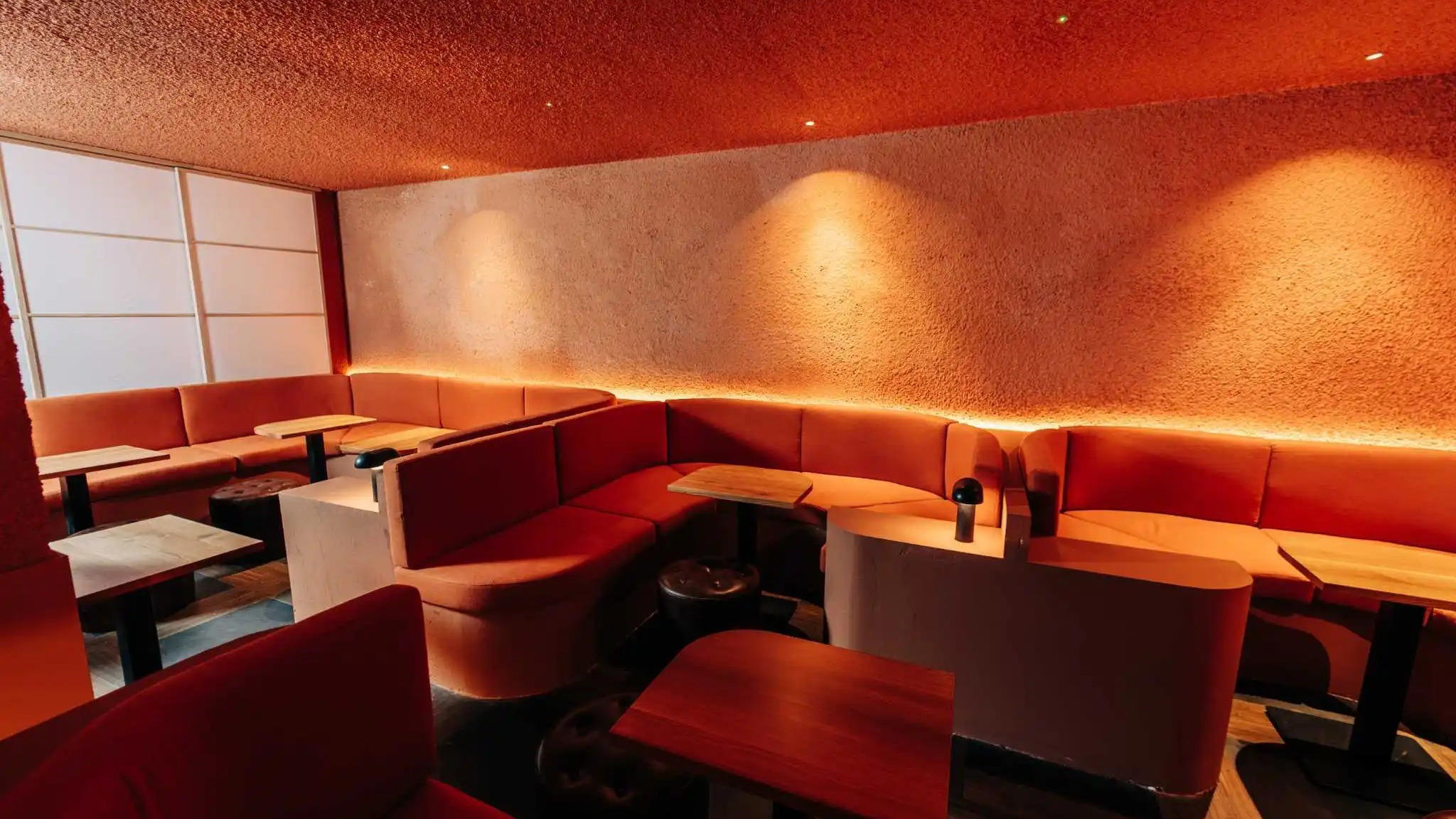
Contemporary styled dining room that is small, cozy, warm, welcoming, pleasant, relaxed, comfortable, and intimate with modern interiors.