
1 Michelin Star
Our verdict
BOK Restaurant Brust oder Keule holds a Michelin star for the second consecutive year in 2025, placing it among Münster's most decorated tables. Chef Hrishikesh Desai's farm-to-table approach channels seasonal produce through a precision-led kitchen, at a price point that sits in the city's upper-mid tier. Reservations are competitive and the room rewards advance planning.

Pearl is the En Primeur Club membership app — saves, bookings, and concierge access live there. Same editors, same standards.
- Address
- Melchersstraße 32, 48149 Münster, Germany
- Phone
- +49 251 9179656
- Hours
- Mon ClosedTue–Sat 6–10 PMSun Closed
- Website
- brustoderkeule.de
- Directions
- Get directions
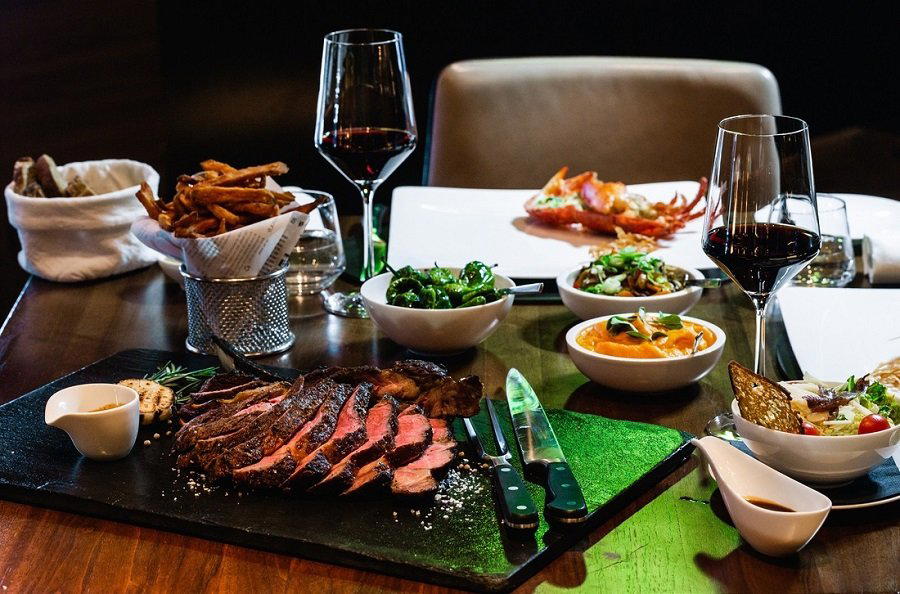
Münster's Farm-to-Table Tier, and Where BOK Sits Within It
Germany's farm-to-table dining scene has matured well beyond the rustic-ingredient, relaxed-execution format that defined its early wave. The restaurants earning Michelin recognition in this space now operate with the same technical rigour as their classical French peers, but with a sourcing philosophy that anchors the menu to regional and seasonal produce rather than imported luxury ingredients. BOK Restaurant Brust oder Keule, on Melchersstraße in Münster's Geist district, belongs to that more demanding category. A Michelin star held across both 2024 and 2025 signals consistency rather than a one-year surprise, and that consistency is precisely what separates farm-to-table fine dining from the more casual end of the movement.
Münster's fine dining scene is smaller than its cultural profile might suggest. The city is a university hub with a large cycling population and a reputation for understated good taste, but its Michelin-tier restaurant count remains compact. Within that compact field, BOK operates at the €€€ price point, positioning it alongside Spitzner (Modern French), another single-star address in the city, while sitting below the two-star Coeur D'Artichaut (Modern French, €€€€) and above more casual options such as Villa Medici (Mediterranean Cuisine, €€). The three-venue spread illustrates how Münster's higher-end dining compresses into a narrow band rather than diffusing across a large number of starred addresses.
The Chef at the Centre: Hrishikesh Desai's Culinary Frame
Farm-to-table as a category is wide enough to be almost meaningless without understanding the culinary training behind the kitchen. When the chef comes from a classical European fine dining background, farm-to-table becomes an interpretive lens applied to rigorous technique rather than a shorthand for informal, produce-forward cooking. Hrishikesh Desai's presence at BOK is significant in this respect. His training trajectory places him within the tradition of European fine dining rather than outside it, and the Michelin recognition reflects how that background shapes the kitchen's output.
Desai's background includes time at properties where classical precision and produce sourcing are held in equal esteem. That kind of formation tends to produce kitchens that treat seasonal ingredients not as a constraint but as the primary editorial voice of the menu. At BOK, the name itself — Brust oder Keule, German for breast or leg — signals a direct, nose-to-tail sensibility that frames the whole versus the part, the animal versus the cut. That framing is less common in Michelin-tier farm-to-table kitchens, which more frequently default to vegetable-led menus or premium fish as their premium ingredient anchors. Desai's approach appears to work against that default.
For the wider context of how Indian-born chefs have shaped European fine dining over the past two decades, BOK is a useful data point. The trajectory from subcontinental origins through classical European training to a starred position in a mid-sized German city reflects a broader pattern visible across the continent, where chefs trained in multi-cultural kitchens bring a range of spice knowledge and flavour architecture to menus that are otherwise rooted in local produce. Comparable cases can be found at JAN in Munich and, at a different scale, at Aqua in Wolfsburg.
The Farm-to-Table Standard at Michelin Level
Farm-to-table cooking at starred level asks more of a kitchen than at bistro level. The seasonality is less forgiving, the margin for technical error is smaller, and the sourcing relationships require ongoing management rather than a one-time supplier decision. Germany has a number of kitchens working in this register with Michelin recognition, ranging from the Black Forest heritage produce focus visible at Schwarzwaldstube in Baiersbronn to the regional terroir approach taken by Schanz in Piesport. BOK's approach, rooted in its name's whole-animal framing and Desai's European-classical training, occupies a distinct position within that broader field.
The farm-to-table designation also raises questions about what the menu looks like across seasons. In North Rhine-Westphalia, where Münster sits, the agricultural calendar favours root vegetables, game, and dairy in autumn and winter, with asparagus and soft fruits arriving in spring and early summer. A kitchen seriously committed to seasonal sourcing in this region will look markedly different in April than in November. That volatility is part of what Michelin rewards when it issues a star to a farm-to-table address: the standard is maintained across the full rotation, not just at the peak of seasonal abundance.
For comparison within the farm-to-table category specifically, BOK sits alongside two notable addresses covered on EP Club: Au Gré du Vent in Seneffe and Clostermanns Le Gourmet in Niederkassel, the latter being particularly relevant given its proximity to Münster within the broader Rhineland-Westphalia region.
Guest Reception and Standing
The score itself sits high enough to confirm that the experience lands consistently, across a range of expectations.
That breadth of guest reception is relevant when choosing between Münster's higher-end tables. Coeur D'Artichaut and Spitzner each carry their own positioning within the city's dining culture, but BOK's farm-to-table frame and its chef's cross-cultural background offer a different kind of evening than either of those Modern French addresses.
BOK in the Broader German Starred Scene
Germany's Michelin guide has grown progressively more confident in recognising restaurants outside its traditional strongholds in Hamburg, Munich, and the Rhine-Ruhr axis. Addresses like ES:SENZ in Grassau, Restaurant Haerlin in Hamburg, Vendôme in Bergisch Gladbach, and CODA Dessert Dining in Berlin reflect the range of formats and geographies now under the guide's umbrella. BOK's single star in Münster fits within this broader recognition of provincial fine dining as a serious category, not a consolation tier below the metropolitan addresses.
Retaining the star across two consecutive years is the more meaningful signal here. The 2025 confirmation removes the possibility that the 2024 award was an early recognition of potential rather than demonstrated consistency. That distinction matters for readers planning a visit: a two-year starred address is a reliable itinerary anchor, not a speculative booking.
Planning a Visit
BOK Restaurant Brust oder Keule is at Melchersstraße 32, 48149 Münster. At the €€€ price point, it sits at the accessible end of Münster's Michelin tier, making it a realistic choice for a full evening rather than a special-occasion reservation only. Booking ahead is advisable given the restaurant's recognition level and the relatively compact size typical of starred farm-to-table addresses. Münster is well-connected by rail from Dortmund, Cologne, and Osnabrück, and the Geist district is accessible from the central station. For further planning across the city's hospitality offer, EP Club covers Münster's restaurant scene in full, alongside hotels, bars, wineries, and experiences.
Frequently asked questions
What's the pricing like at BOK Restaurant Brust oder Keule?
Pricing at BOK Restaurant Brust oder Keule is listed as €€€.
What's the address for BOK Restaurant Brust oder Keule?
BOK Restaurant Brust oder Keule is located at Melchersstraße 32, 48149 Münster, Germany, Münster.
What awards or recognition does BOK Restaurant Brust oder Keule have?
BOK Restaurant Brust oder Keule has received recognition including: Michelin 1 Star (2025); Michelin 1 Star (2024).
What dish is BOK Restaurant Brust oder Keule famous for?
What the Michelin recognition across 2024 and 2025 does document is a kitchen operating at a consistent technical level within a farm-to-table framework under chef Hrishikesh Desai. The restaurant name itself — Brust oder Keule, German for 'breast or drumstick' — signals a direct, product-led sensibility that runs through the cooking approach rather than a single headline plate.
Fast Comparison
| Venue | Cuisine | Price | Awards | Notes |
|---|---|---|---|---|
| BOK Restaurant Brust oder KeuleThis venue — the venue you are viewing | Modern European Fine Dining | $150–200 | 1 Michelin Star | Not listed |
| Coeur D'Artichaut | Modern French with Breton Influences | $200–300 | 2 Michelin Stars · La Liste Top Restaurants | Modern French |
| Spitzner | Modern French Fine Dining | Not listed | 1 Michelin Star | Modern French |
| Villa Medici | Mediterranean-Italian Fine Dining | $50–100 | Michelin Plate | Mediterranean Cuisine |
Recognition history
Dated appearances from independent guides and award organizations, with the underlying list record or original source where available.
Michelin 1 Star
Michelin
Full recognition history (3 entries)
Michelin 1 Star
Michelin
Michelin 1 Star
Michelin
Continue exploring
More in Münster
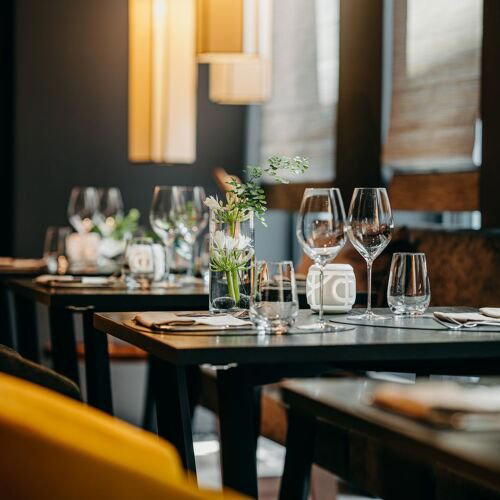
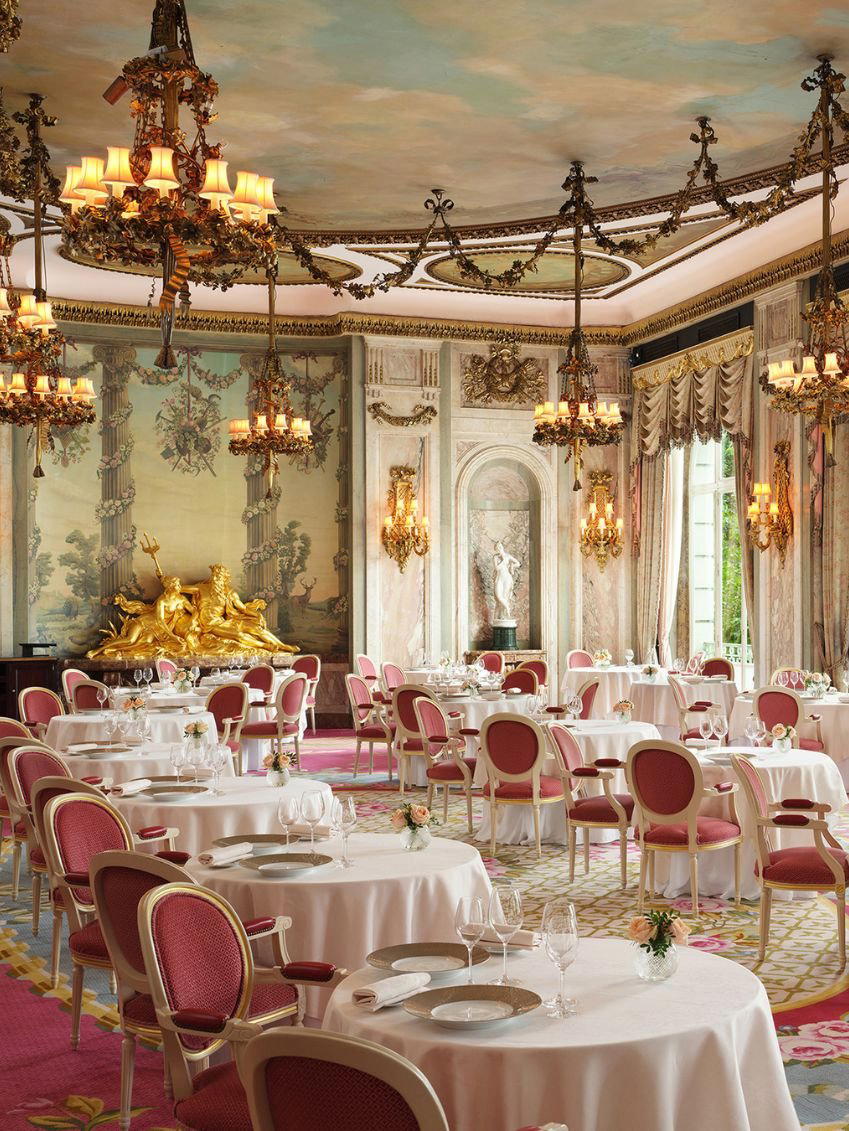
Restaurants in Münster
Browse all →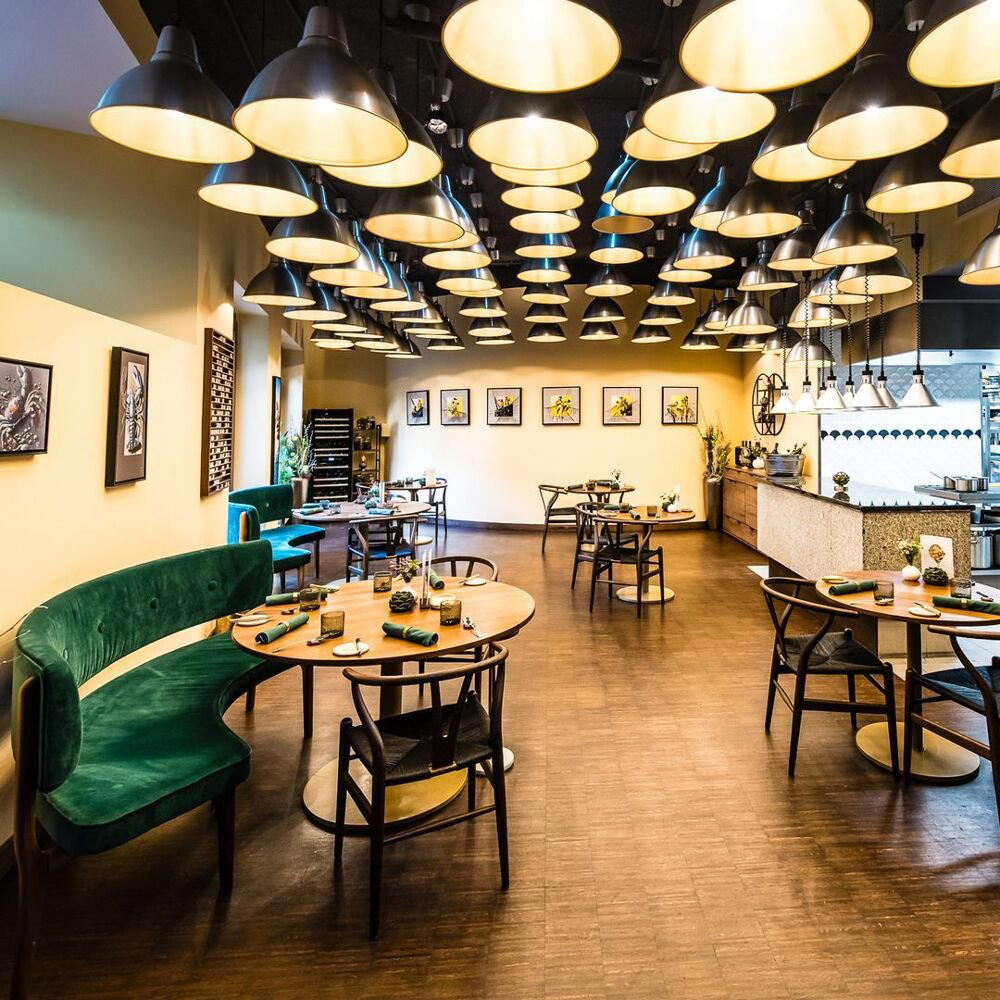
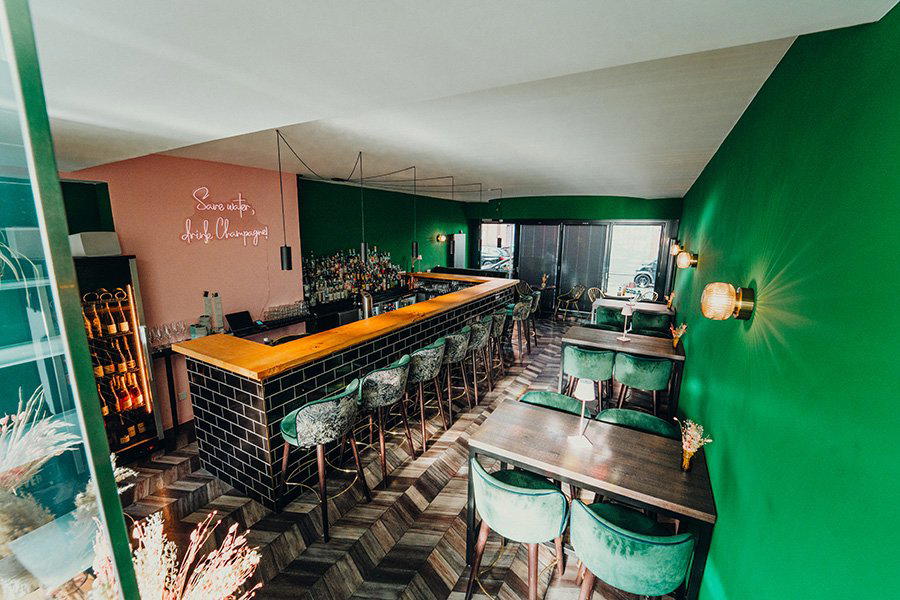
Bars in Münster
Browse all →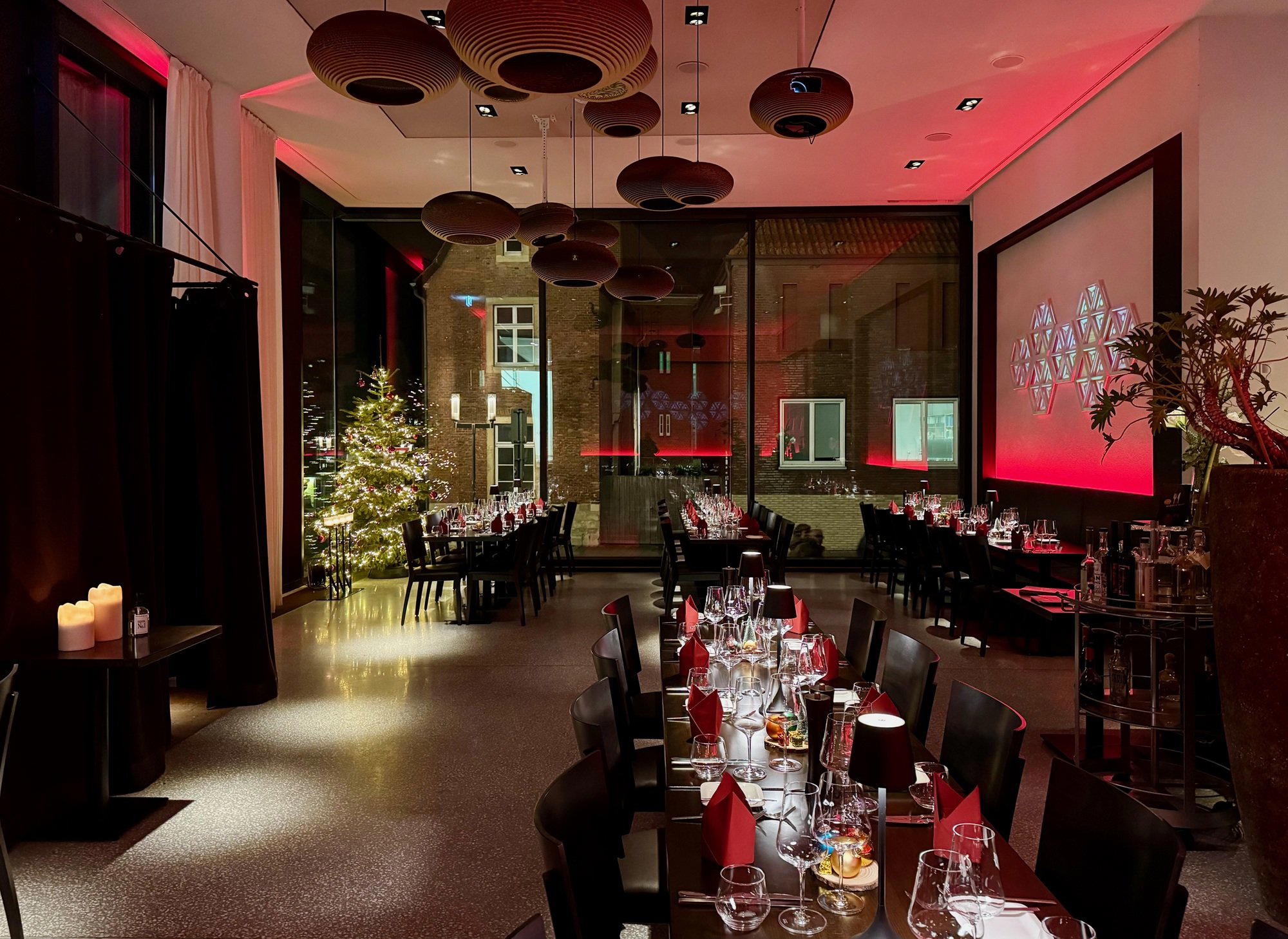
Hotels in Münster
Browse all →
Wineries in Münster
Browse all →
Details
- Cozy
- Elegant
- Modern
- Intimate
- Sophisticated
- Date Night
- Special Occasion
- Business Dinner
- Open Kitchen
- Terrace
- Extensive Wine List
- Farm To Table
- Tasting Menu
- Set Menu
- Vegetarian Friendly
- Allergy Accommodating
Current opening hours
- Monday
- Closed
- Tuesday
- 6–10 PM
- Wednesday
- 6–10 PM
- Thursday
- 6–10 PM
- Friday
- 6–10 PM
- Saturday
- 6–10 PM
- Sunday
- Closed
Hours can change for holidays and private events. Last verified .
Cozy and intimate atmosphere in a modern, streamlined basement space with personal service, relaxed yet elegant vibe, and a sunny terrace for outdoor seating.