
A Michelin Plate-recognised address in Madrid's Salamanca district, ita keeps a concise, seasonally rotating à la carte built around locally sourced organic vegetables, with selective meat and fish additions. The cooking is rooted in family memory and market-driven restraint, sitting at the mid-price tier in a neighbourhood more associated with formal dining rooms and expense-account spending.
Pearl is the En Primeur Club membership app — saves, bookings, and concierge access live there. Same editors, same standards.
- Address
- C. del Gral. Oráa, 42, Salamanca, 28006 Madrid, Spain
- Phone
- +34 919 77 01 07
- Website
- itamadrid.es
- Directions
- Get directions
 Saves & bookings on Pearl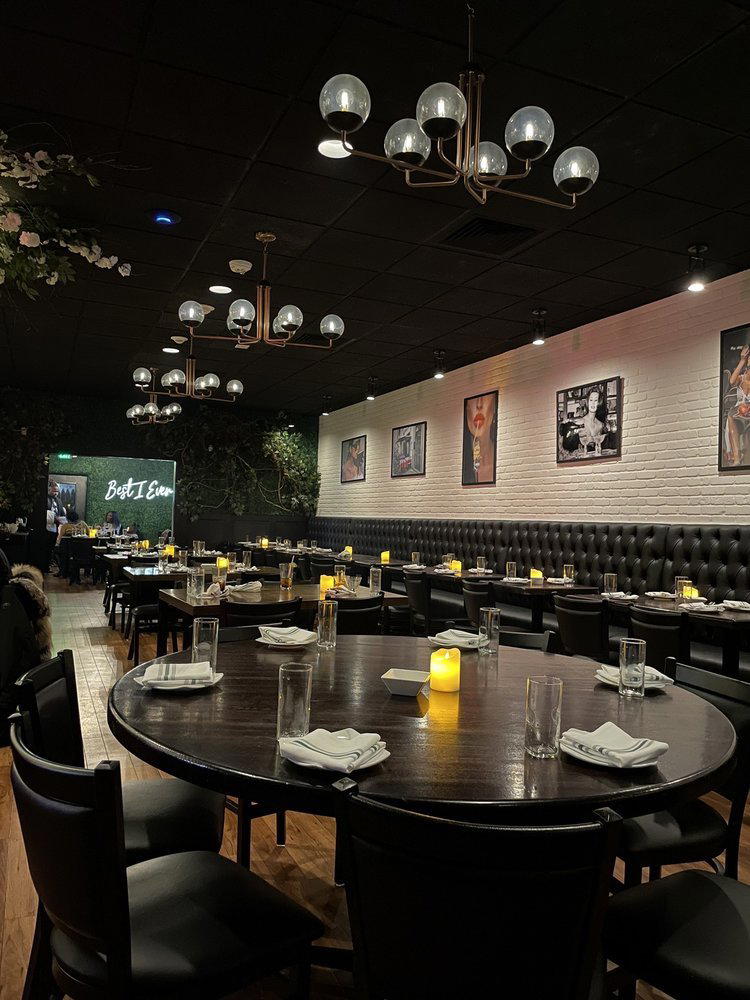
A Small Room with a Clear Argument
Salamanca is the kind of neighbourhood where the dining default runs toward white tablecloths, cava trolleys, and menus priced for corporate lunches. C. del Gral. Oráa sits within that grid, but the restaurant at number 42 operates on a different register entirely. The room at ita is small, the menu concise, and the proposition disciplined: seasonal organic vegetables dominate the plate, with meat and fish appearing as supporting options rather than anchors. In a district where scale and formality are often read as signals of quality, that kind of restraint is a deliberate editorial choice.
Madrid's farm-to-table sector has grown steadily over the past decade, pulled along by a broader Spanish reckoning with provenance and a younger dining public less attached to the classic cocina madrileña of cocido and roast suckling pig. Yet the category remains a minority position in the capital compared to San Sebastián's produce-first traditions or the Catalan market culture that shapes kitchens like Cocina Hermanos Torres in Barcelona. Ita belongs to the Madrid end of that spectrum: urban, modest in footprint, and running against the neighbourhood grain.
The Shape of the Meal
The editorial angle of any visit to ita is essentially chronological. The menu sequences as a conventional à la carte, but its logic is closer to a tasting progression than a list of independent choices. Because the kitchen changes the card with the seasons and builds it around what is available from local organic suppliers, any given meal reflects a specific agricultural moment rather than a fixed repertoire. That means a spring visit produces different opening bites, different vegetable-forward middle courses, and different finishing plates than an autumn return.
That approach places ita in a category of restaurants where the meal's narrative arc is determined externally, by the harvest calendar, rather than internally, by a chef's set signature pieces. It is a more demanding format to execute consistently: when the ingredient is the argument, there is less room to paper over gaps with technique or plating spectacle. The Michelin Plate recognition in both 2024 and 2025 signals that the kitchen is meeting that standard at a repeatable level, even if it operates well below the starred tier occupied by addresses like DiverXO or Coque in the same city.
Vegetables arriving first in the sequence matter here more than they would at a protein-centred counter. The kitchen's commitment to locally sourced organic produce means those early courses set the tone for what follows: whether the evening is built around root vegetables and alliums or the lighter, more acidic profiles of summer harvests will shift the entire meal's weight and register. Meat and fish options arrive later in the progression, framed by whatever the vegetable courses have already established, rather than leading the table's expectations from the outset.
Ita in Its comparable set
At the €€ price point, ita occupies a distinct position in Salamanca's dining map. The neighbourhood's higher-end rooms, including several addresses running at €€€€, compete on chef credentials, sommelier programs, and room grandeur. Ita's competitive set is different: it sits closer to the mid-tier restaurants across the city that have found an audience among diners who want seasonal, provenance-conscious cooking without the ceremony or the invoice of a formal tasting menu operation.
Within Madrid's farm-to-table category specifically, comparable addresses include VelascoAbellà and Gala, both of which occupy similar territory in terms of format and philosophy. Bugao Madrid approaches the category from a different cultural angle but shares the same commitment to sourcing as primary creative input. Against the broader Spanish context, the category's more technically ambitious expressions appear at places like Azurmendi in Larrabetzu or Aponiente in El Puerto de Santa María, where ecological sourcing intersects with high-technique cooking. Ita is not operating in that register. Its argument is simpler and, in some ways, harder to sustain: the produce should speak plainly, and the cooking should stay out of the way.
The name itself carries that plainness into the room's identity. Ita was the family nickname of grandmother Isabel, and chef Mariela Fernández uses it as a frame for what the kitchen is doing: drawing on family recipes and personal memory as a method, not as nostalgia decoration. That lineage places the cooking in a tradition of Spanish domestic cuisine, refined by seasonal discipline and organic sourcing rather than by technical ambition or international reference points. It is a different kind of authority than the Basque pedigree behind Arzak in San Sebastián or the multi-generational kitchen craft at El Celler de Can Roca in Girona.
Farm-to-Table as a Category Across Europe
Ita fits Madrid's urban farm-to-table pattern: a city restaurant drawing from local organic networks rather than a property with its own land.
Ita makes the same provenance argument at a fraction of the price and without the formal apparatus, which means the cooking has to carry more weight per euro spent.
Know Before You Go
Location: C. del Gral. Oráa, 42, Salamanca, 28006 Madrid, Spain
Neighbourhood: Salamanca, one of Madrid's most established residential and dining districts, with strong access via metro and taxi
Price range: €€ (mid-range; notably accessible for the Salamanca postcode)
Cuisine format: Seasonal à la carte, farm-to-table, vegetable-forward with meat and fish options
Recognition: Michelin Plate 2024 and 2025
9 from 268 reviews
Booking: Reservations are recommended
Seasonal note: The menu changes with the seasons, so timing a visit around a specific agricultural period will produce a meaningfully different meal from a visit at another time of year
City Peers
Comparable venues nearby, for context on price, style, and recognition.
| Venue | Cuisine | Price | Notes |
|---|---|---|---|
| itaThis venue — the venue you are viewing | Modern Seasonal Small Plates | $$ | Not listed |
| Coquetto | Modern Spanish Bistro | $$ | Almagro |
| Nunuka - Bistrot Georgia | Georgian Bistro | $$$ | Chueca |
| Casa de Comidas | Traditional Spanish Home Cooking | $$ | Hispanoamerica |
| Nantes | Traditional Spanish Market Cuisine | $$ | Legazpi |
| De Maria Preciados | Argentine Steakhouse | $$ | Sol |
Recognition history
Dated appearances from independent guides and award organizations, with the underlying list record or original source where available.
Michelin Plate
Michelin
Michelin Plate
Michelin
Michelin Plate
Michelin
Continue exploring
More in Madrid
Restaurants in Madrid
Browse all →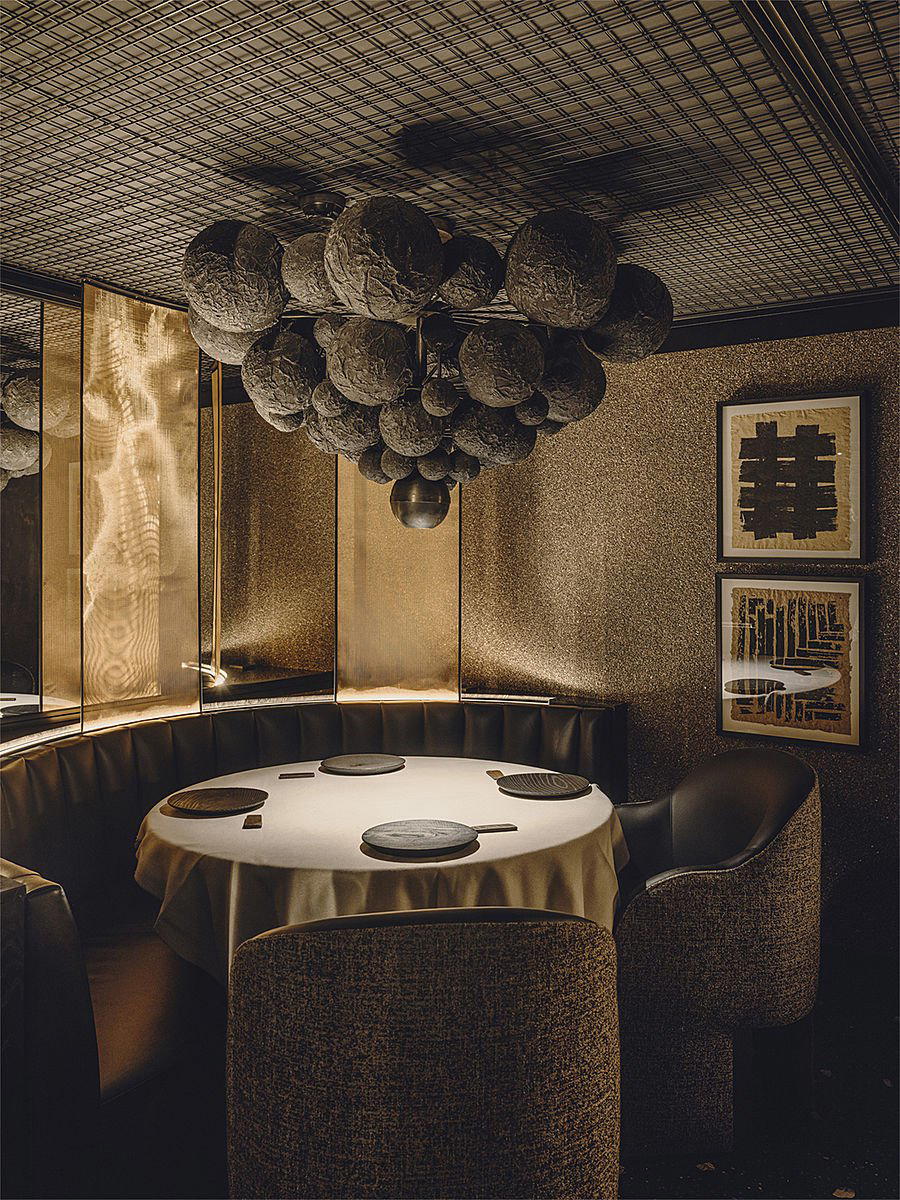





At a Glance
- Intimate
- Cozy
- Minimalist
- Date Night
- Open Kitchen
- Natural Wine
- Local Sourcing
Current opening hours
- Monday
- Closed
- Tuesday
- 1:30–3 PM, 8:30–10 PM
- Wednesday
- 1:30–3 PM, 8:30–10 PM
- Thursday
- 1:30–3 PM, 8:30–10 PM
- Friday
- 1:30–3 PM, 8:30–10 PM
- Saturday
- 1:30–3 PM, 8:30–10 PM
- Sunday
- Closed
Hours can change for holidays and private events. Last verified .
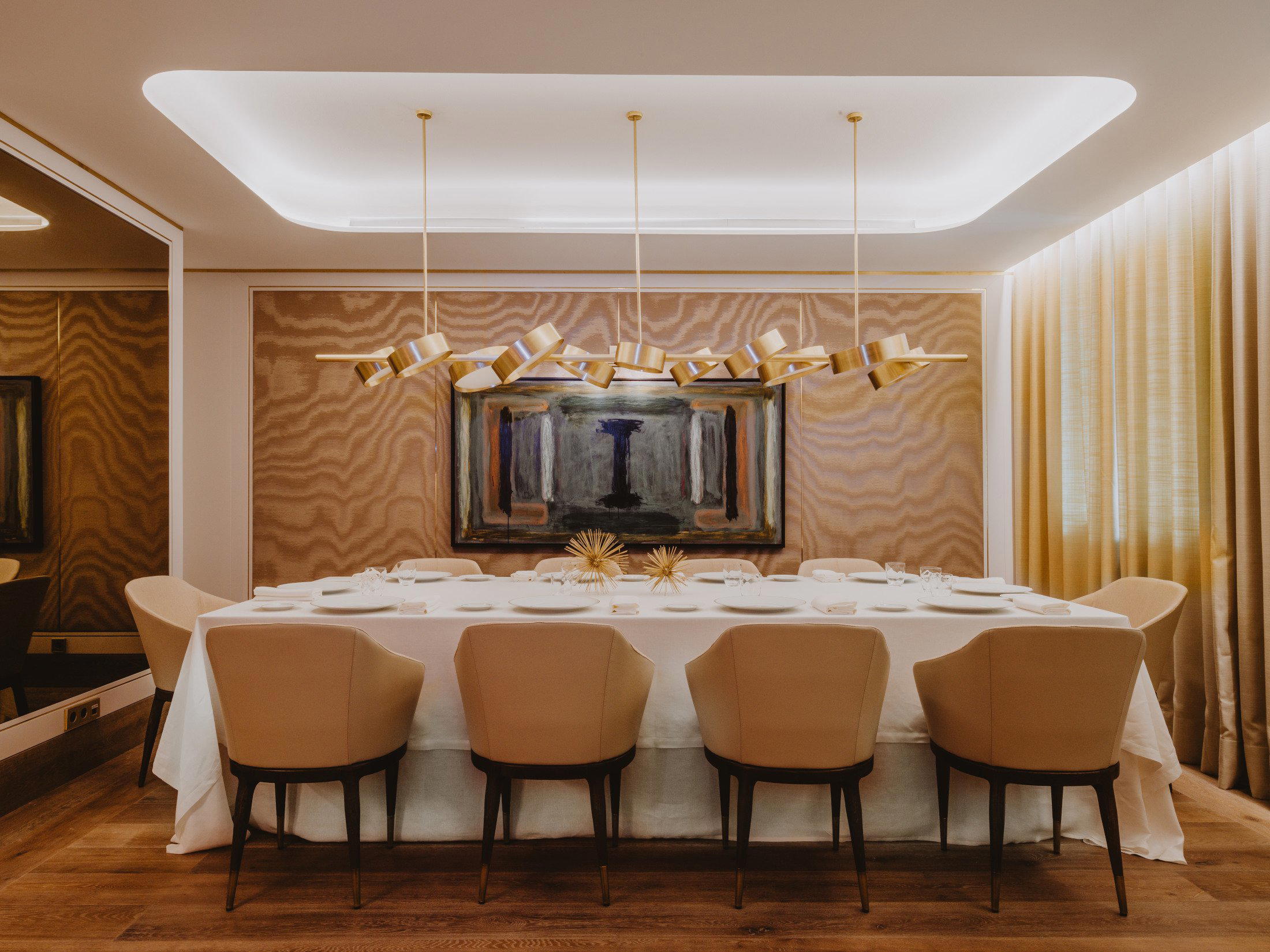
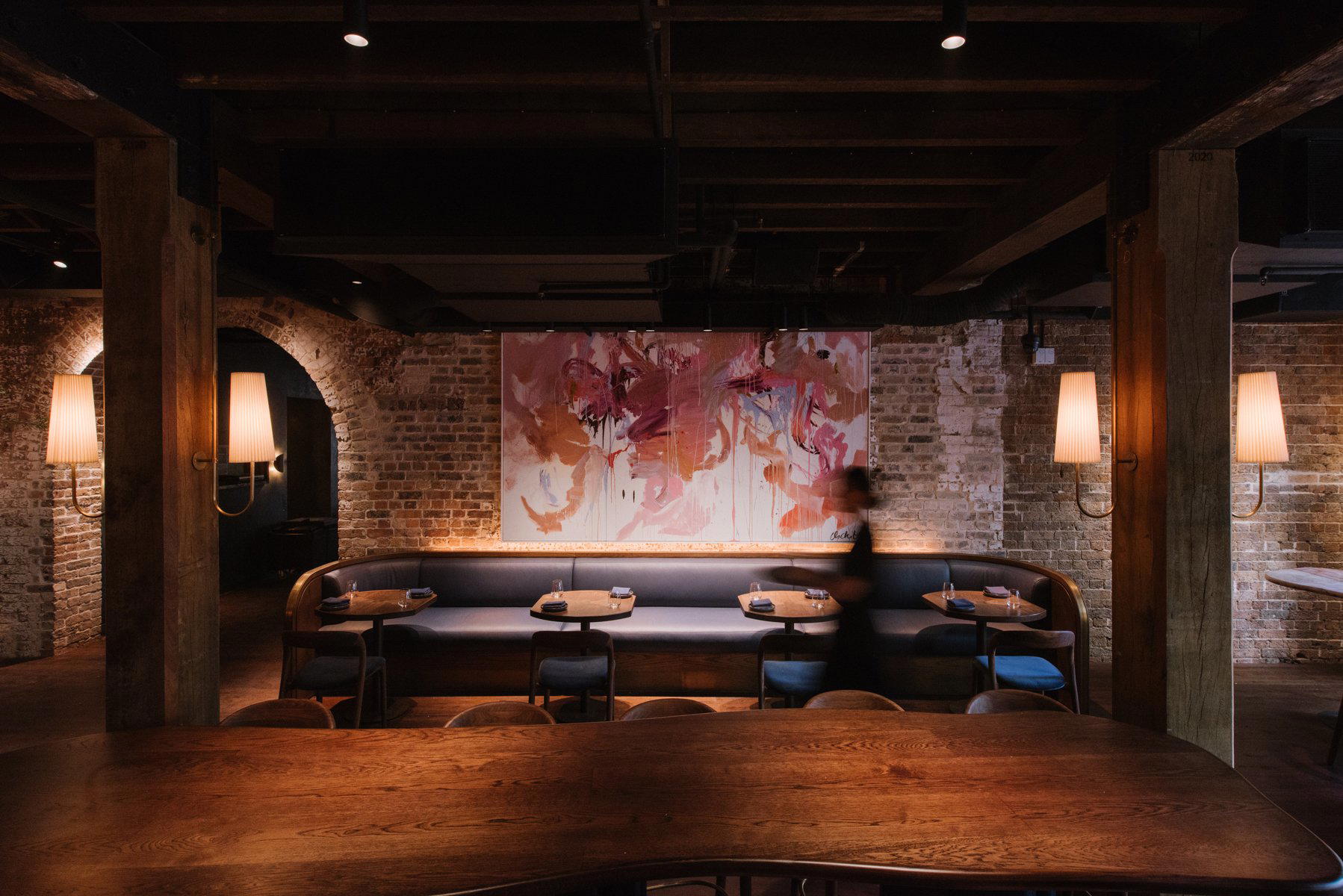
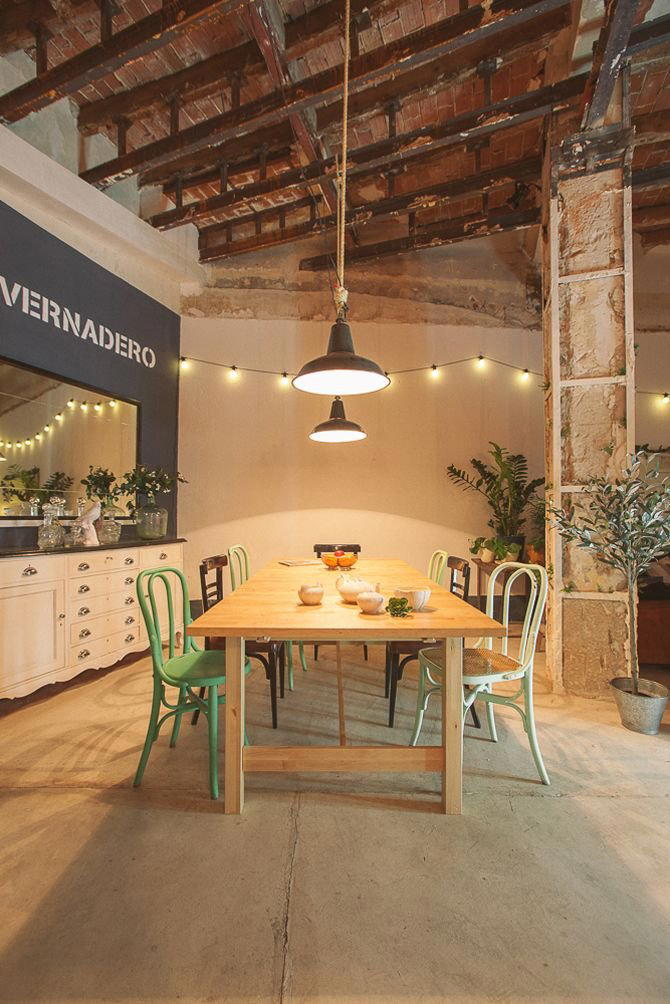
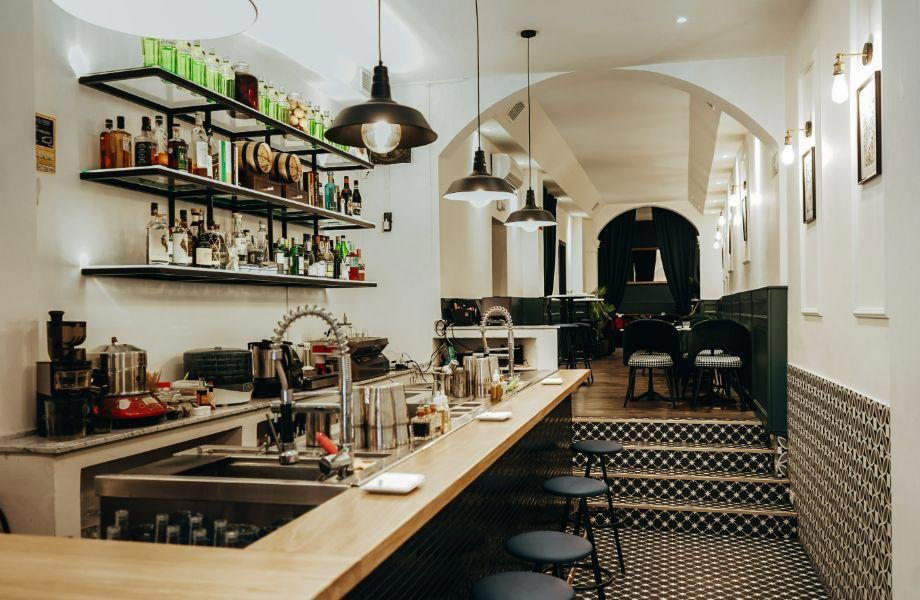
Pleasant, bright, welcoming, and minimalist atmosphere reminiscent of home dining.