
Rome's Korean dining scene is thin, and Gainn has held its position at the front of it since 2007. The Michelin Plate-recognised restaurant on Via dei Mille takes a sharing-focused approach to Korean staples, rice dishes, soups, grilled meats, fish, and fermented sides, with no dessert course to soften the savouriness.4 across more than 1,700 reviews confirms it has outlasted novelty to become a fixture.
Pearl is the En Primeur Club membership app — saves, bookings, and concierge access live there. Same editors, same standards.
- Address
- Via dei Mille, 18, 00185 Roma RM, Italy
- Phone
- +39 06 4436 0160
- Website
- gainnrome.com
- Directions
- Get directions
 Saves & bookings on Pearl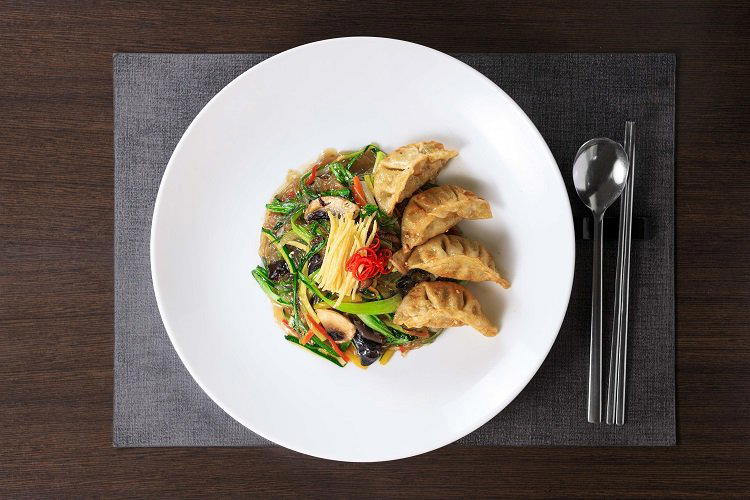
Korean food in a city that barely knows it exists
Rome's restaurant culture runs deep on its own terms. The city has absorbed French technique, Japanese precision, and Peruvian ingredients into its mid-to-upper dining tier, yet Korean cuisine has found almost no foothold in the capital. A handful of spots have come and gone over the years; Gainn has stayed. Operating from Via dei Mille since 2007, it occupies a position in Rome's dining map that has less to do with fashion and more to do with consistency. The address sits in the Esquilino quarter, a neighbourhood shaped by successive waves of immigration and home to Rome's most concentrated pocket of Asian food culture, a context that makes Gainn feel like a genuine product of place rather than a concept transplanted without logic.
What the Michelin Plate signal means in practice
In a city where Michelin's attention gravitates toward tasting-menu Italian and creative Mediterranean, venues like La Pergola, Enoteca La Torre, and Il Pagliaccio anchoring the starred tier, a Plate recognition for a single-cuisine ethnic restaurant is a different kind of endorsement. It suggests the kitchen is doing something technically sound and consistent enough to warrant inclusion in a guide that is not obligated to cover it. For Korean food in Italy, that is a meaningful signal. The consecutive Plate awards confirm this is not a one-off acknowledgement but a sustained position.
The combination of critical recognition and high-volume public approval is a particular marker of durability. Many restaurants earn one or the other. Fewer sustain both over nearly two decades.
The format: sharing as structure, not suggestion
Korean dining, at its most honest, is a communal format. The meal is constructed from multiple dishes arriving simultaneously or in loose succession, eaten from shared plates, built around contrasting textures and temperatures. Gainn organises its menu around precisely this logic. Rice dishes, soups, grilled meats, fish, and a range of vegetable and soya-based preparations are the building blocks; the expectation is that a table will order several and eat across them, rather than proceeding through individual courses.
This structure has a culinary rationale. Korean food depends on the interplay between elements: the clean brininess of a broth against fermented banchan, the char of grilled meat against the cool neutrality of rice, the acidity of kimchi cutting through fat. A single-dish approach flattens all of that. Gainn's format is not a stylistic choice so much as a structural one that reflects how the cuisine actually functions. For diners familiar with this tradition, it will feel natural. For those approaching Korean food for the first time, the practical implication is that ordering ambitiously and sharing across the table produces a more complete picture of the kitchen's range.
Korean meals do not conventionally end with a sweet course in the way that European dining does, and Gainn does not add one as an accommodation. The meal ends with the savoury.
Gainn in the context of Korean dining beyond Rome
To understand what Gainn is doing, it helps to know what Korean fine dining has become in its home context. Seoul has produced restaurants like Mingles and Kwonsooksoo that operate at the summit of international recognition, placing Korean technique and ingredient philosophy in a formal tasting-menu frame. Those restaurants represent one trajectory. What Gainn offers is different: it is Korean food as an everyday, sharable, ingredient-led experience, the kind of cooking that forms the base of the cuisine rather than its experimental edge.
That distinction matters for setting expectations. Gainn is not attempting to translate Seoul's fine-dining tier into Rome. It is presenting the foundational vocabulary of Korean cooking, fermented, grilled, braised, rice-anchored, with enough consistency to have earned Michelin notice and nearly two decades of repeat custom.
Where it sits in Rome's wider dining picture
Rome's restaurant scene is sometimes misread as parochial, but the city's mid-tier has genuinely diversified over the past decade. Italian-focused restaurants at the creative end, including Acquolina and Achilli al Parlamento, continue to attract critical attention, but diners looking outside Italian cuisine have more options than they did. Korean food, however, remains an area where supply has not caught up with demand. Gainn's longevity is partly a function of that gap: it has had room to build an audience without meaningful competition.
At the single-euro price bracket, it also occupies a tier well below the starred Italian operators. Compared to the multi-course investment required at places like Enoteca Pinchiorri in Florence, Osteria Francescana in Modena, Le Calandre in Rubano, Enrico Bartolini in Milan, or Atelier Moessmer Norbert Niederkofler in Brunico, Gainn represents accessible spending for what is, by any measure, a serious and recognised kitchen. The value-to-recognition ratio is notably strong.
Planning a visit
Gainn is located at Via dei Mille 18, in the Esquilino district within walking distance of Termini station. The single-euro price bracket means a full shared meal for two across several dishes lands comfortably within an accessible spend. Given the restaurant's consistent rating and its Michelin-noted status, booking ahead is advisable rather than optional, walk-in availability on evenings and weekends is not a reliable assumption. Checking directly through current listings or the restaurant's own channels before visiting is the practical approach.
Credentials Lens
Comparable venues nearby, for context on price, style, and recognition.
| Venue | Cuisine | Price | Awards | Notes |
|---|---|---|---|---|
| GainnThis venue — the venue you are viewing | Authentic Korean | $$ | Michelin Plate | Not listed |
| CiPASSO | Modern Roman Contemporary | $$$ | Michelin Plate | Campo Marzio |
| Velavevodetto ai Quiriti | Traditional Roman Trattoria | $$ | Not listed | Prati |
| Romanè | Authentic Roman Trattoria | $$ | Bib Gourmand | Trionfale |
| Shiroya | Authentic Japanese Sushi & Ramen | $$$ | Michelin Plate | Parione |
| Seu Pizza Illuminati | Pizza | Not listed | Not listed | Gianicolese |
Recognition history
Dated appearances from independent guides and award organizations, with the underlying list record or original source where available.
Michelin Plate
Michelin
Michelin Plate
Michelin
Michelin Plate
Michelin


At a Glance
- Cozy
- Modern
- Family
- Group Dining
- Casual Hangout
- Standalone
Current opening hours
- Monday
- 12–3 PM, 6–9:30 PM
- Tuesday
- 12–3 PM, 6–9:30 PM
- Wednesday
- 12–3 PM, 6–9:30 PM
- Thursday
- 12–3 PM, 6–9:30 PM
- Friday
- 12–3 PM, 6–9:30 PM
- Saturday
- 12–3 PM, 6–9:30 PM
- Sunday
- Closed
Hours can change for holidays and private events. Last verified .
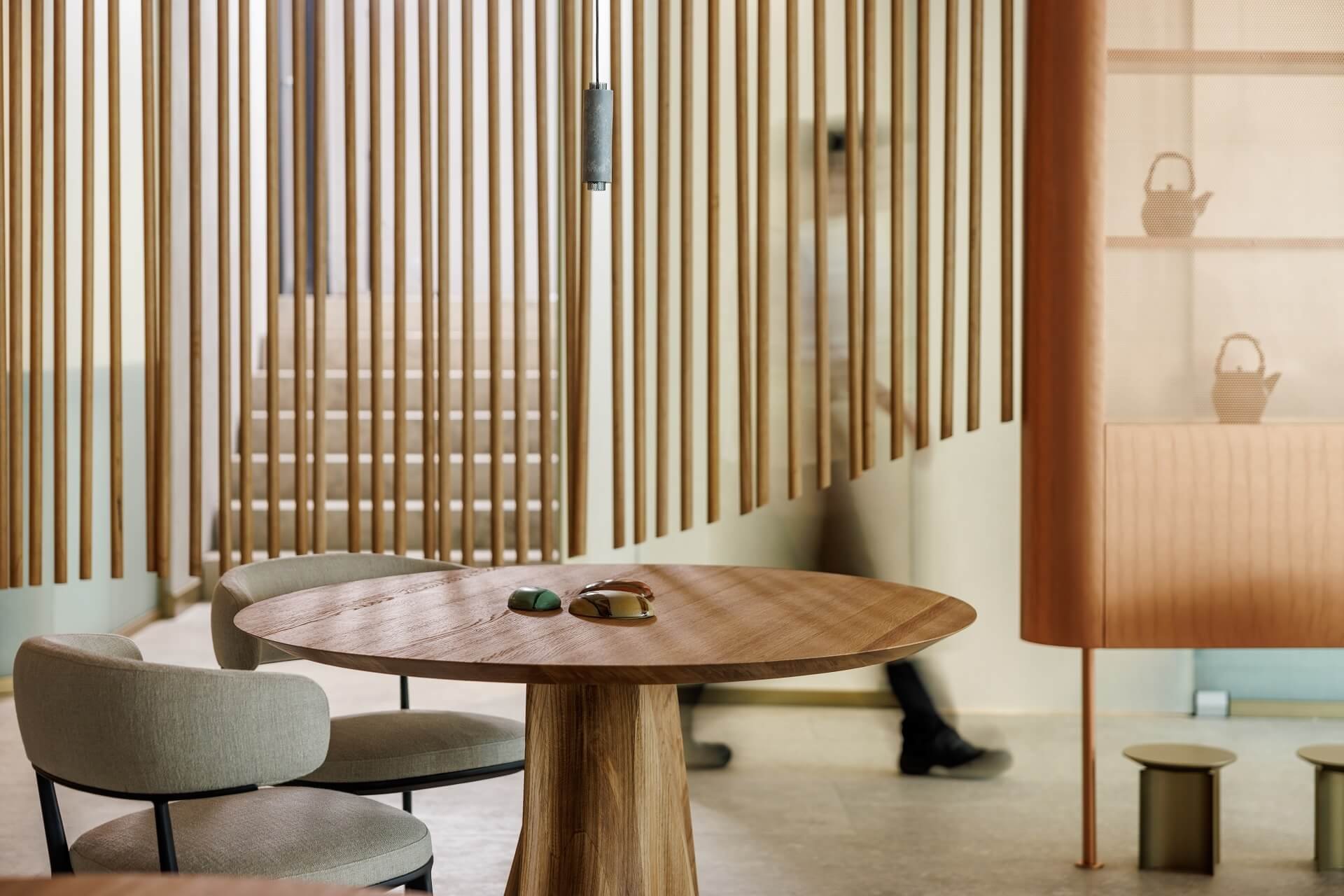
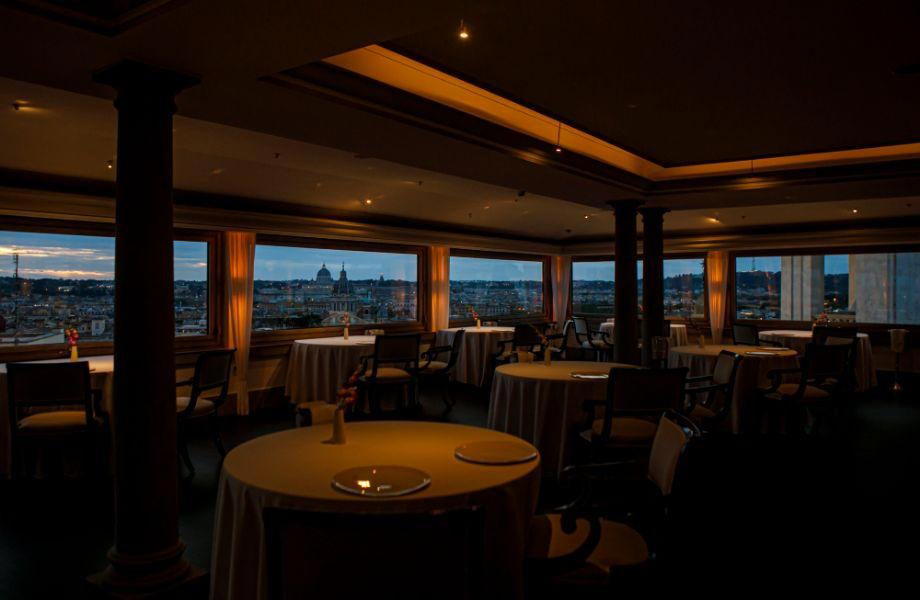
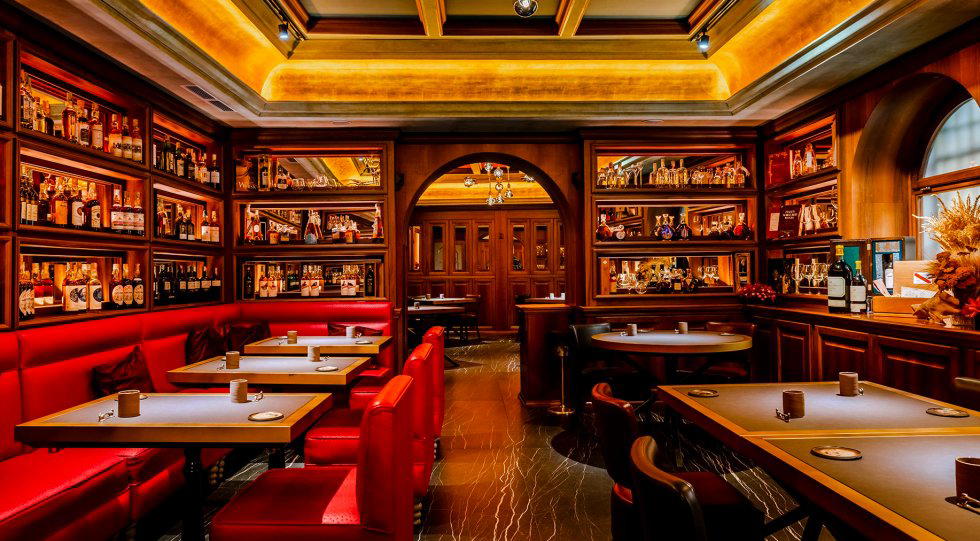
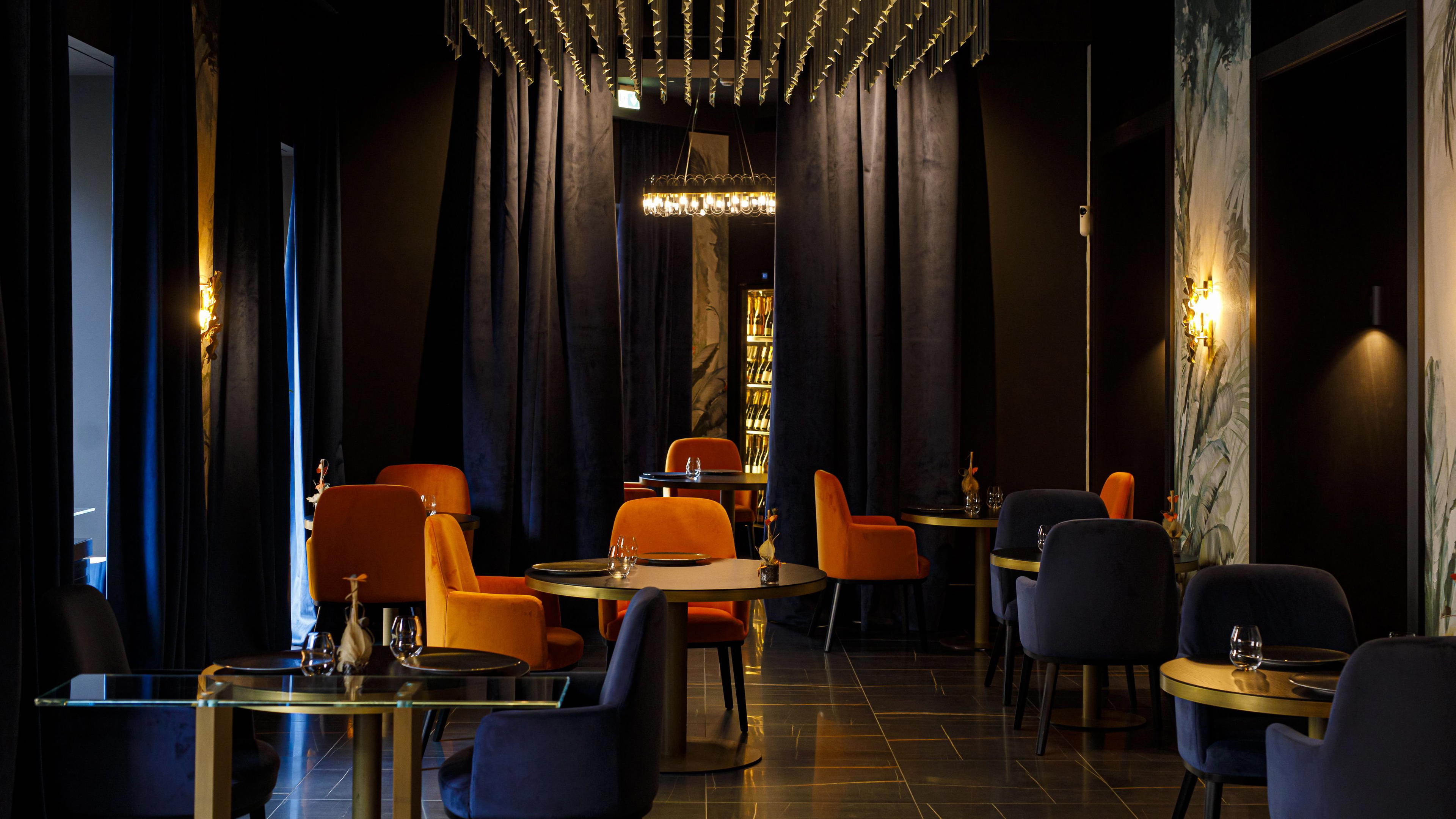
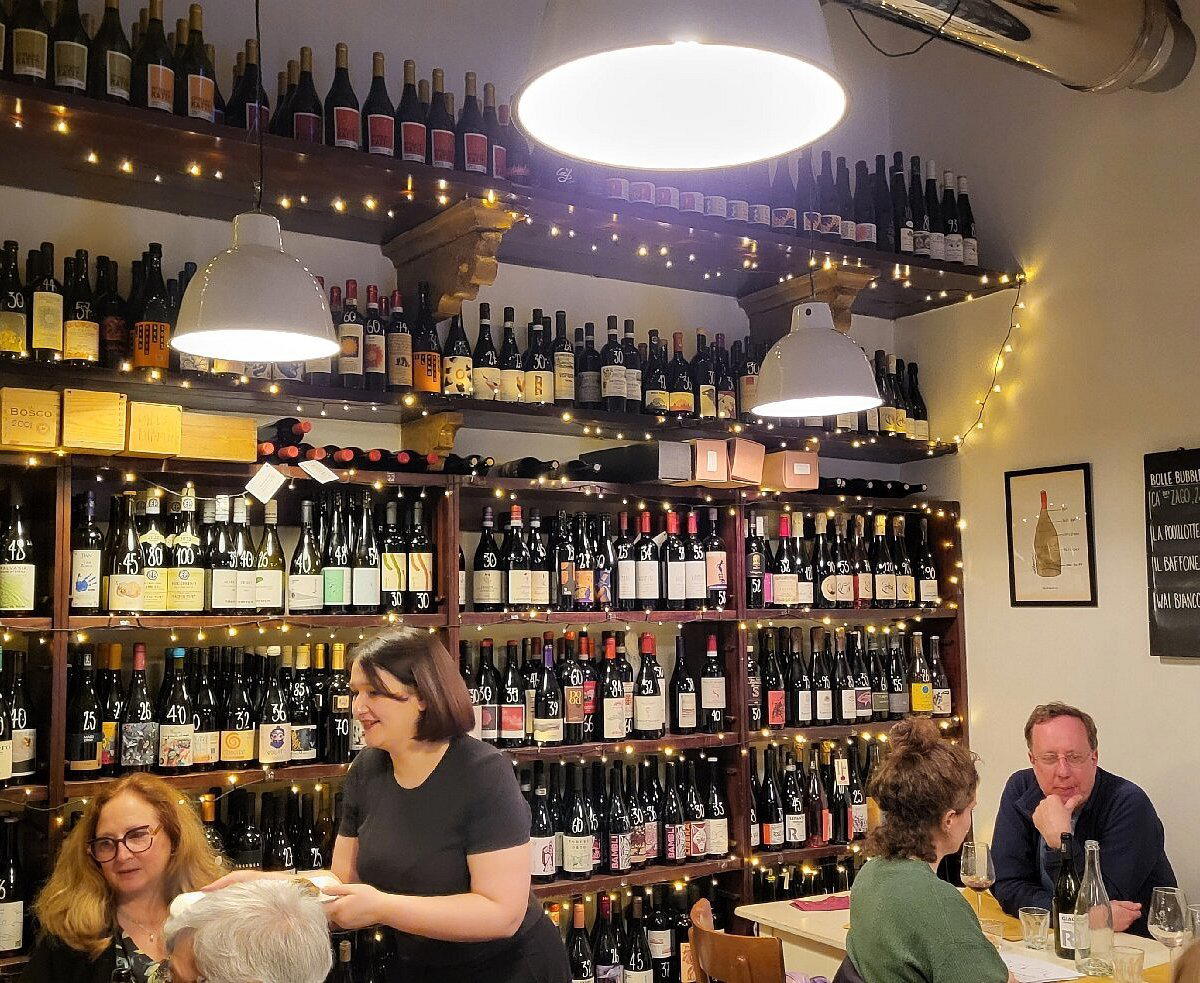
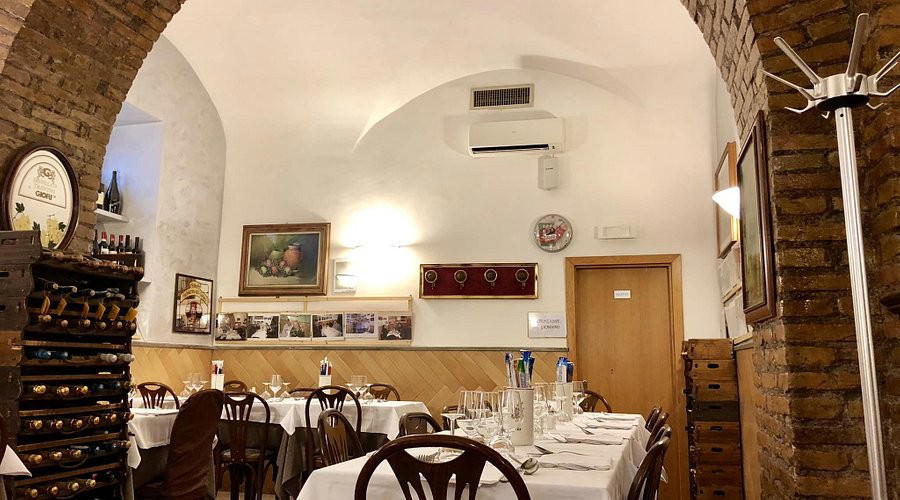
Cozy, clean, simple, and welcoming atmosphere with a dark interior in some descriptions.