Gabriel Archer Tavern
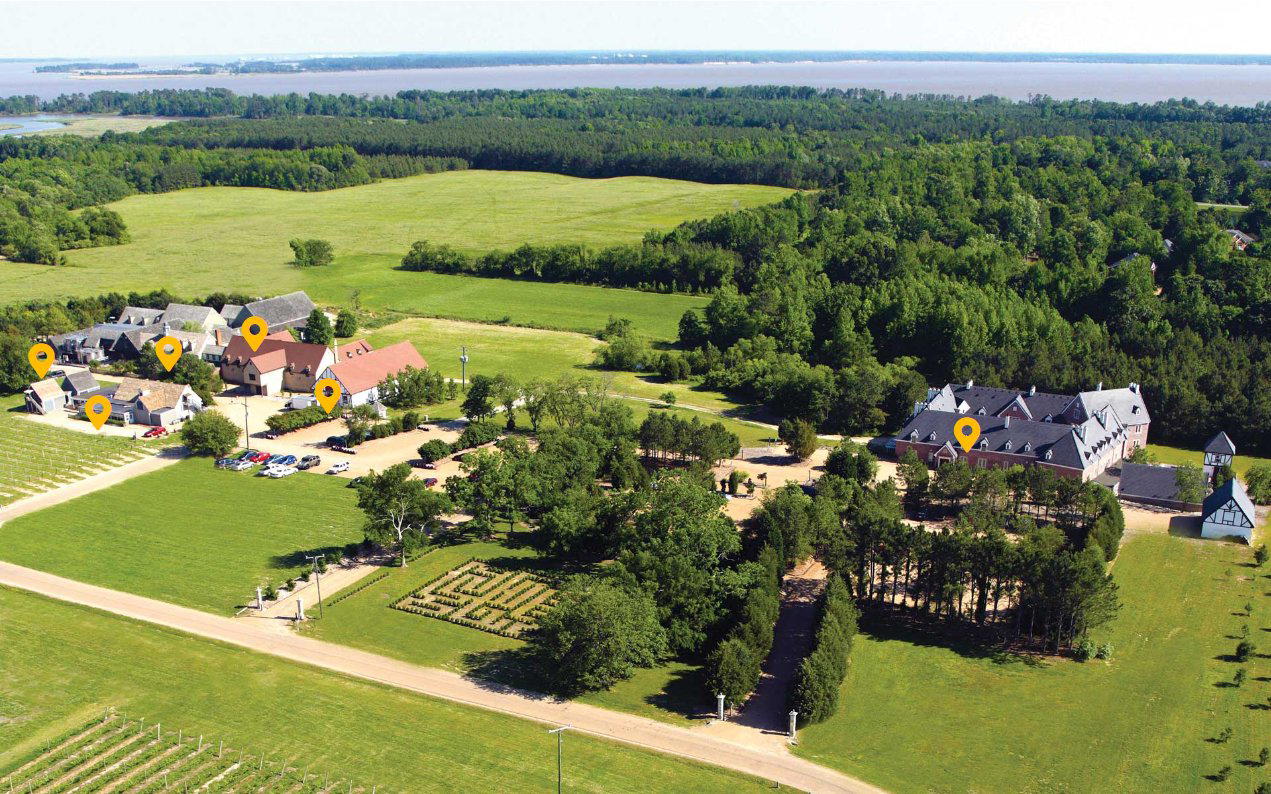
Set within the Williamsburg Winery estate at 5800 Wessex Hundred, Gabriel Archer Tavern is a working winery dining room where Virginia-grown wine drives the table. The format pairs estate production with food designed to complement the cellar program, placing it closer to agricultural estate dining than conventional restaurant service. It belongs to a small tier of Virginia wine-country venues where the vineyard, not the kitchen, sets the agenda.
Pearl is the En Primeur Club membership app — saves, bookings, and concierge access live there. Same editors, same standards.
- Address
- 5800 Wessex Hundred, Williamsburg, VA 23185
- Phone
- +17575648869
- Website
- williamsburgwinery.com
 Saves & bookings on Pearl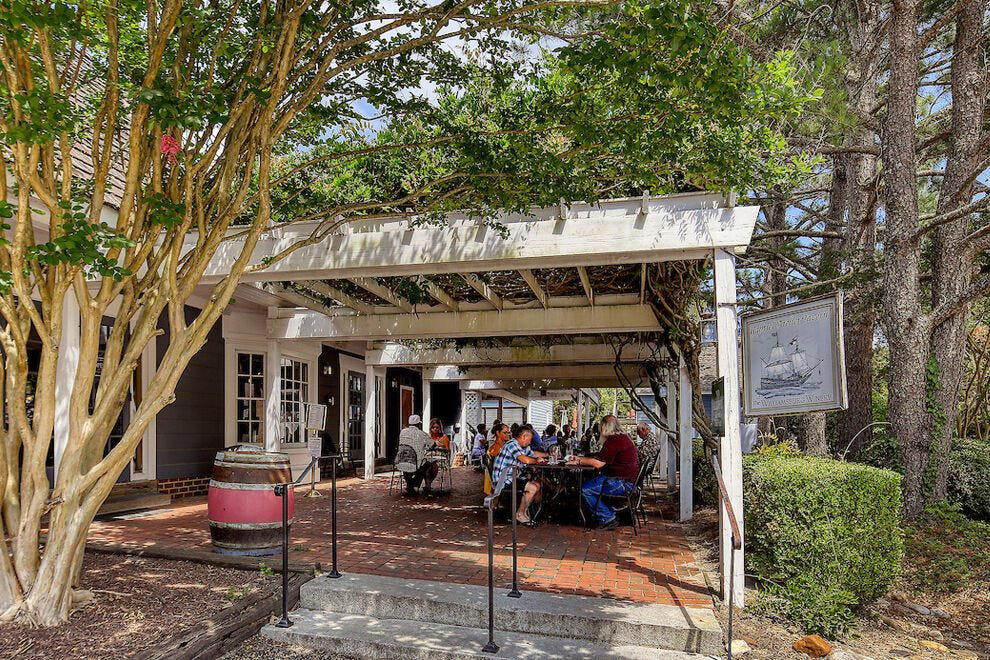
Where the Vineyard Sets the Terms
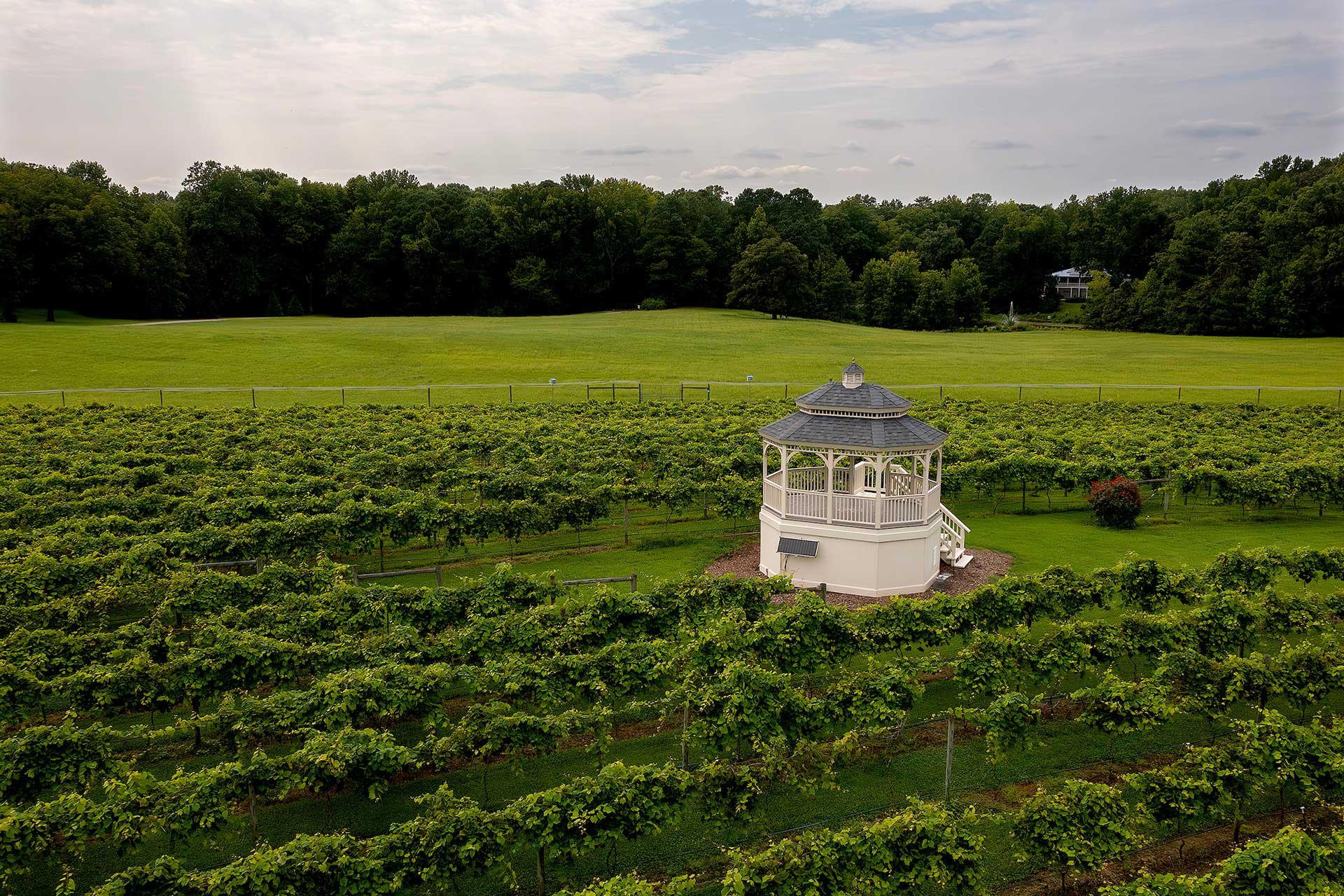
Estate dining in Virginia wine country operates on different logic than urban restaurant dining. The kitchen does not anchor the experience; the cellar does. At Gabriel Archer Tavern, located on the Williamsburg Winery property at 5800 Wessex Hundred, that hierarchy is structural rather than aspirational. Guests arrive on working vineyard grounds, and the food program is built around what is growing and being bottled nearby rather than around an independent culinary identity. That positioning places the Tavern inside a small but growing category of American wine-estate venues where agricultural production and hospitality are genuinely integrated, rather than adjacent.
In those cases the kitchen carries considerable independent prestige. At Gabriel Archer Tavern, the wine estate is primary, and the dining room follows.
The Dining Room and Its Context
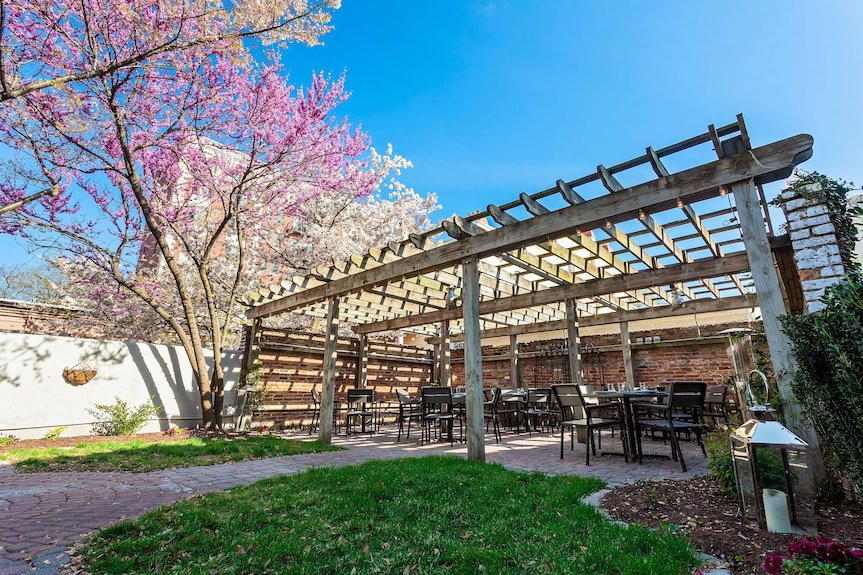
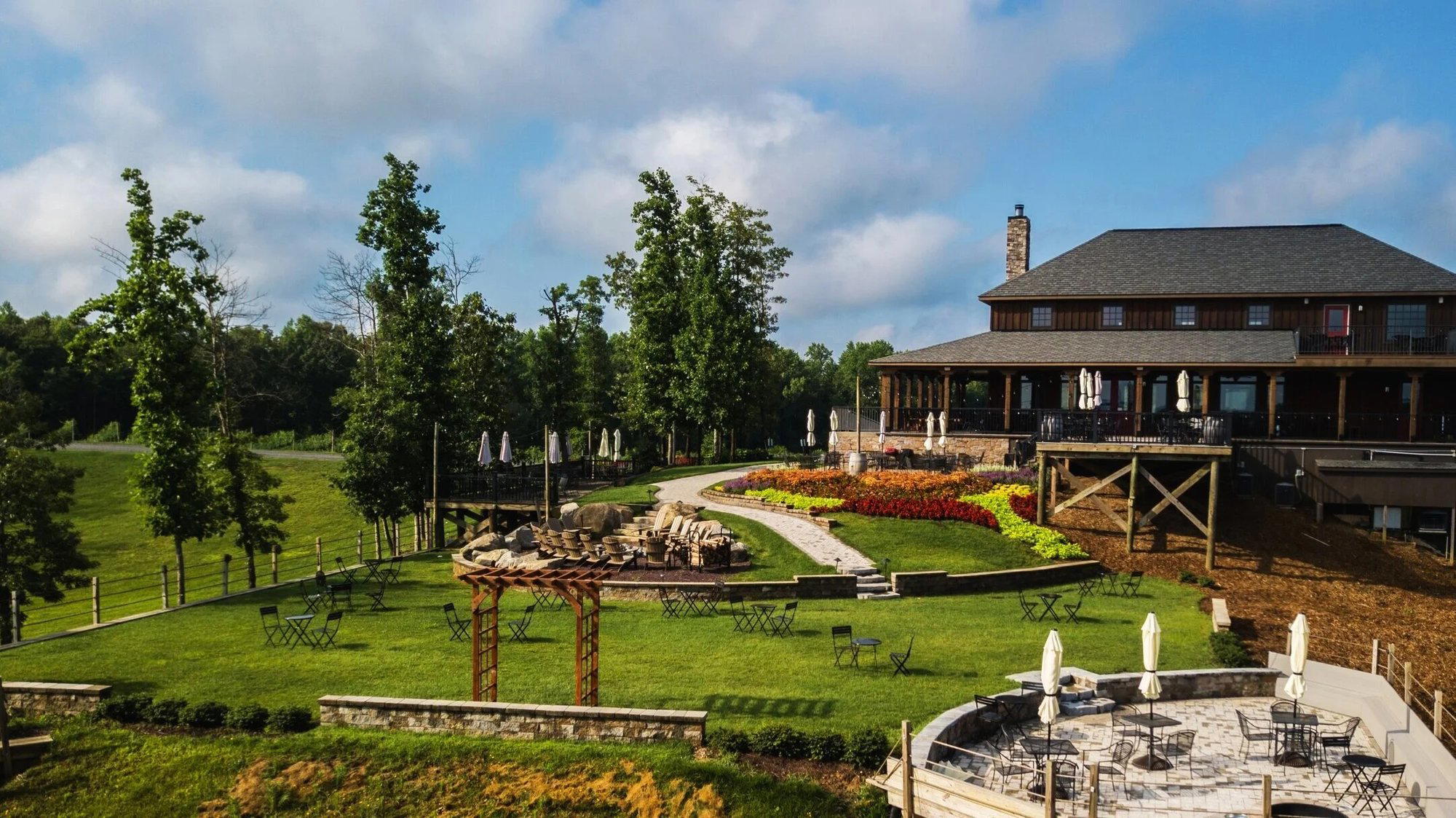
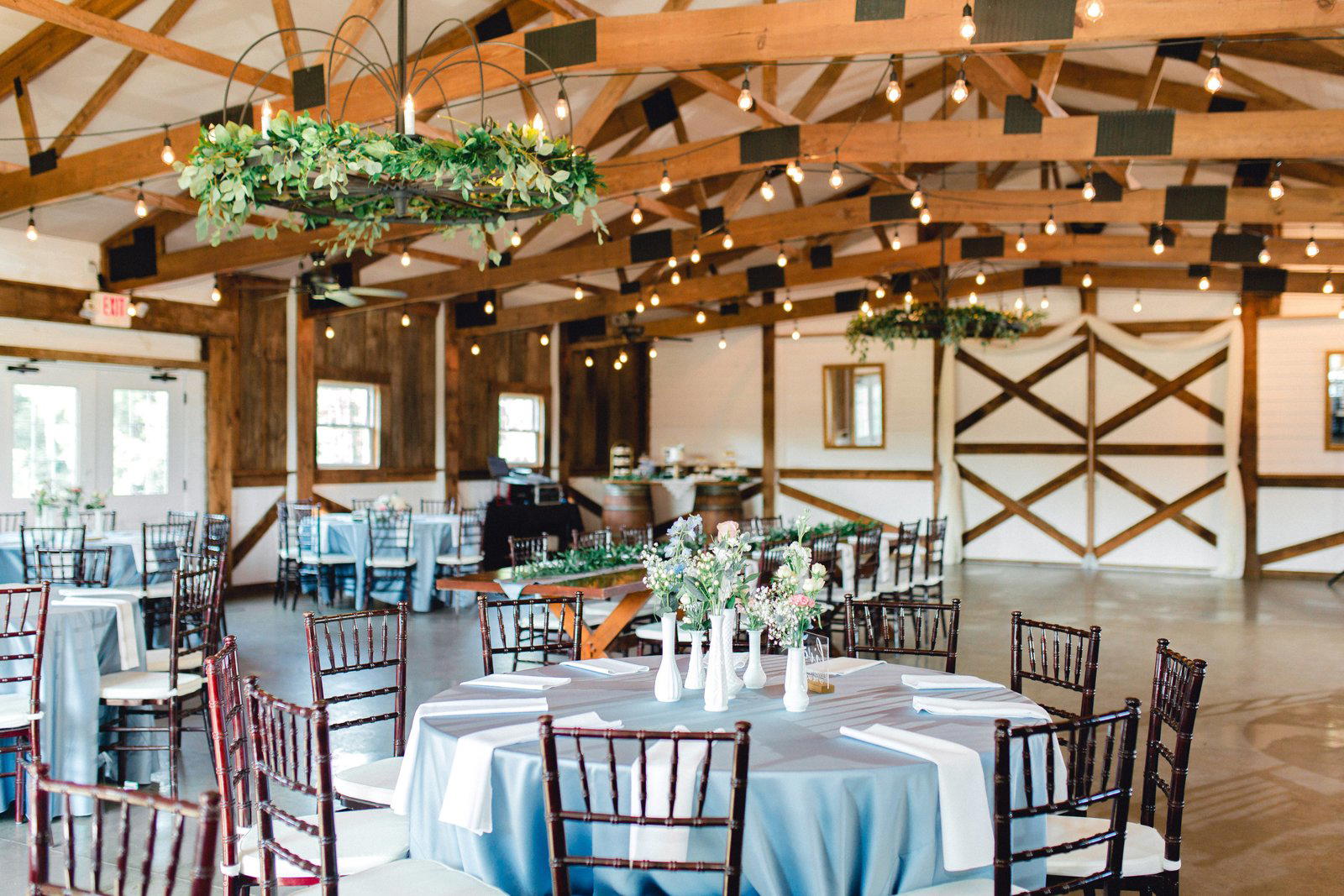
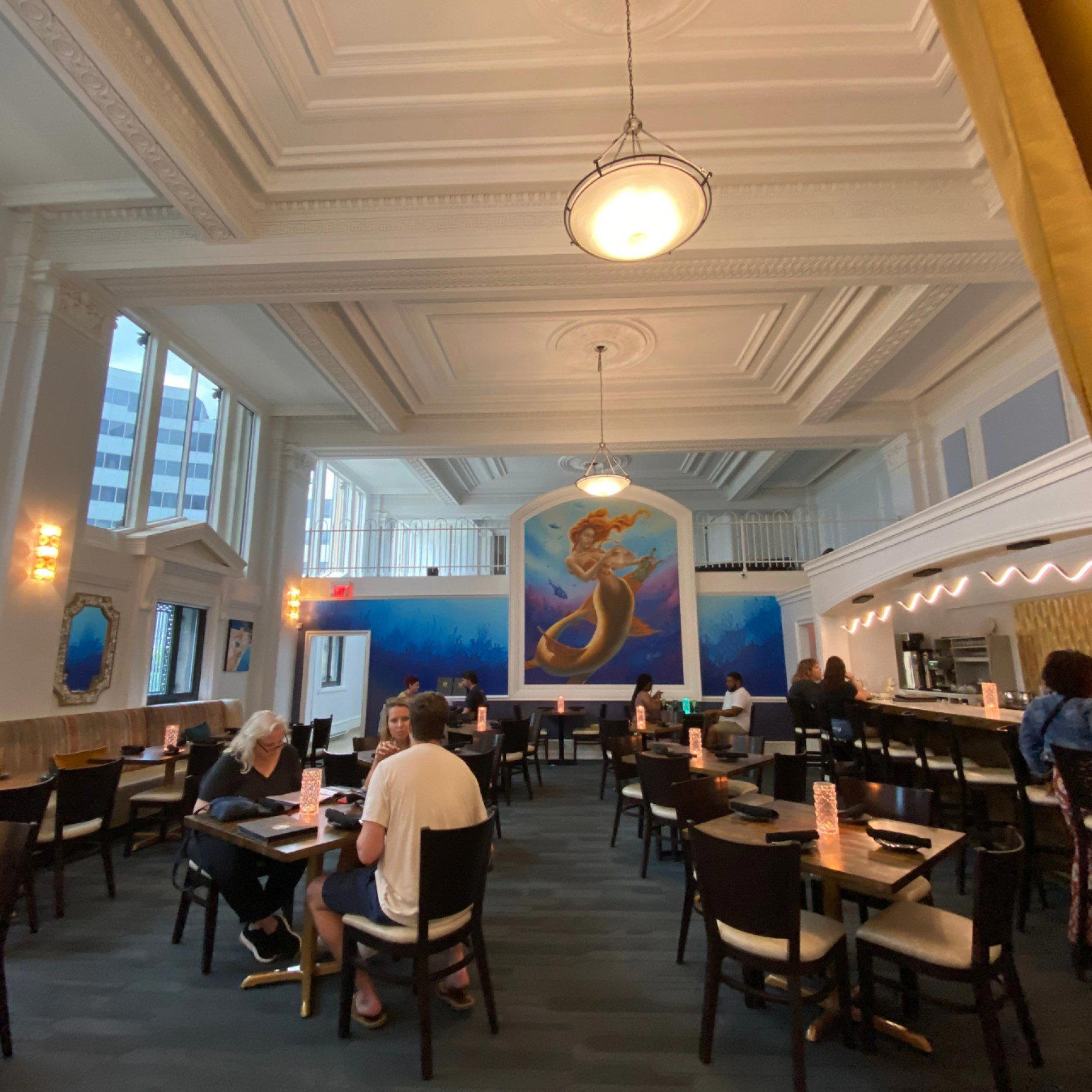
The physical setting reinforces the estate logic. The tavern occupies space within the Williamsburg Winery grounds, and the architecture and atmosphere read as working estate rather than polished fine dining. For visitors arriving from the colonial district, this is a different register. The tavern format, as a category, signals approachability alongside substance: less ceremony than a tasting-menu counter, more intention than a casual wine bar.
Christiana Campbell’s Tavern draws on colonial heritage as its primary identity. Berret’s Restaurant is associated with seafood from the Chesapeake region. Amber Ox Public House and Cochon on 2nd operate in more contemporary casual registers. Gabriel Archer Tavern is the only option in the city’s dining tier that is physically embedded in a producing winery, which changes the nature of the wine conversation at the table. You are not selecting from a list; you are eating where the wine was made.
The Front-of-House and Wine Program Relationship
Estate dining done well depends less on kitchen fireworks than on the connective tissue between service and the cellar program. The front-of-house role at a winery restaurant carries different weight than in a conventional setting: staff need enough technical knowledge to guide guests through estate production in a way that is informative without being pedantic. Virginia wine remains genuinely unfamiliar to many visitors, even those who drink seriously, and that knowledge gap makes the service team’s role more active than in a market like Napa or Burgundy where guests often arrive pre-informed.
Virginia has established credibility in Viognier, Petit Manseng, and Cabernet Franc, and the Williamsburg Winery has been one of the longer-operating producers in the state. That track record gives the Tavern’s wine program a depth of vertical material that newer producers cannot match. When front-of-house staff communicate that context effectively, the table becomes an extension of the winery’s story rather than a separate transaction. The collaboration between those who know the wine and those who manage the table defines whether an estate dining format delivers on its premise or merely trades on proximity to vines.
This team dynamic is where estate restaurants diverge most sharply from urban counterparts. At a destination like Le Bernardin in New York City or Atomix in New York City, the sommelier mediates between a cellar of purchased wine and a kitchen with an independent identity. At an estate restaurant, the wine team and the floor team are communicating a single production story, which demands a different kind of coordination and a shared vocabulary with the guest.
Virginia Wine Country and Regional Positioning
Williamsburg sits in the Coastal Plain AVA, distinct in character from the better-known Monticello AVA in the foothills. The coastal plain’s humidity and soil profiles push producers toward varieties that manage the climate, and the Williamsburg Winery’s estate program reflects those realities. For visitors using the Tavern as an entry point to Virginia wine, the conversation at the table is inherently educational in a way that dining at a more established wine region would not be. That is both the challenge and the draw.
Comparable wine-country estate dining in better-documented regions, such as The French Laundry in Napa or Addison in San Diego, sits in markets where the regional wine identity is already sold. Virginia requires more explanation, which puts more responsibility on the venue. The Tavern’s position as part of one of the state’s established producers is the most direct credential it carries.
How to Approach a Visit
Gabriel Archer Tavern functions most effectively as a winery visit with a meal attached, rather than a meal with wine alongside. Guests who arrive with the cellar program as their primary interest and the food as supporting context tend to leave with more to say than those who reverse the priority. For visitors spending time at the colonial sites in central Williamsburg, the Tavern offers a different register of the city’s character: less historical theater, more agricultural present. Properties like Craft 31 serve a more urban dining impulse; Gabriel Archer Tavern is specifically suited to the visitor who wants to understand what Virginia wine production looks like on the ground.
Williamsburg draws significant tourist volume, and the winery grounds attract visitors beyond those focused on dining. Gabriel Archer Tavern is building that argument from Virginia’s wine side rather than the kitchen side, which is its own coherent path.
Cost and Credentials
Comparable venues nearby, for context on price, style, and recognition.
| Venue | Cuisine | Price | Awards | Notes |
|---|---|---|---|---|
| Gabriel Archer TavernThis venue — the venue you are viewing | $$ | , | ||
| Craft 31 | $$ | , | Williamsburg, American Gourmet Burgers & Pizza | |
| Amber Ox Public House | downtown, Modern Southern Farm-to-Table | $$ | , | |
| Sweet Tea & Barley | $$ | , | Williamsburg Lodge, Modern Southern Gastropub | |
| Old Chickahominy House | $$ | , | Jamestown Road, Southern Comfort American | |
| Cochon on 2nd | Williamsburg, New American Grill | $$$ | , |
Continue exploring
More in Williamsburg
Restaurants in Williamsburg
Browse all →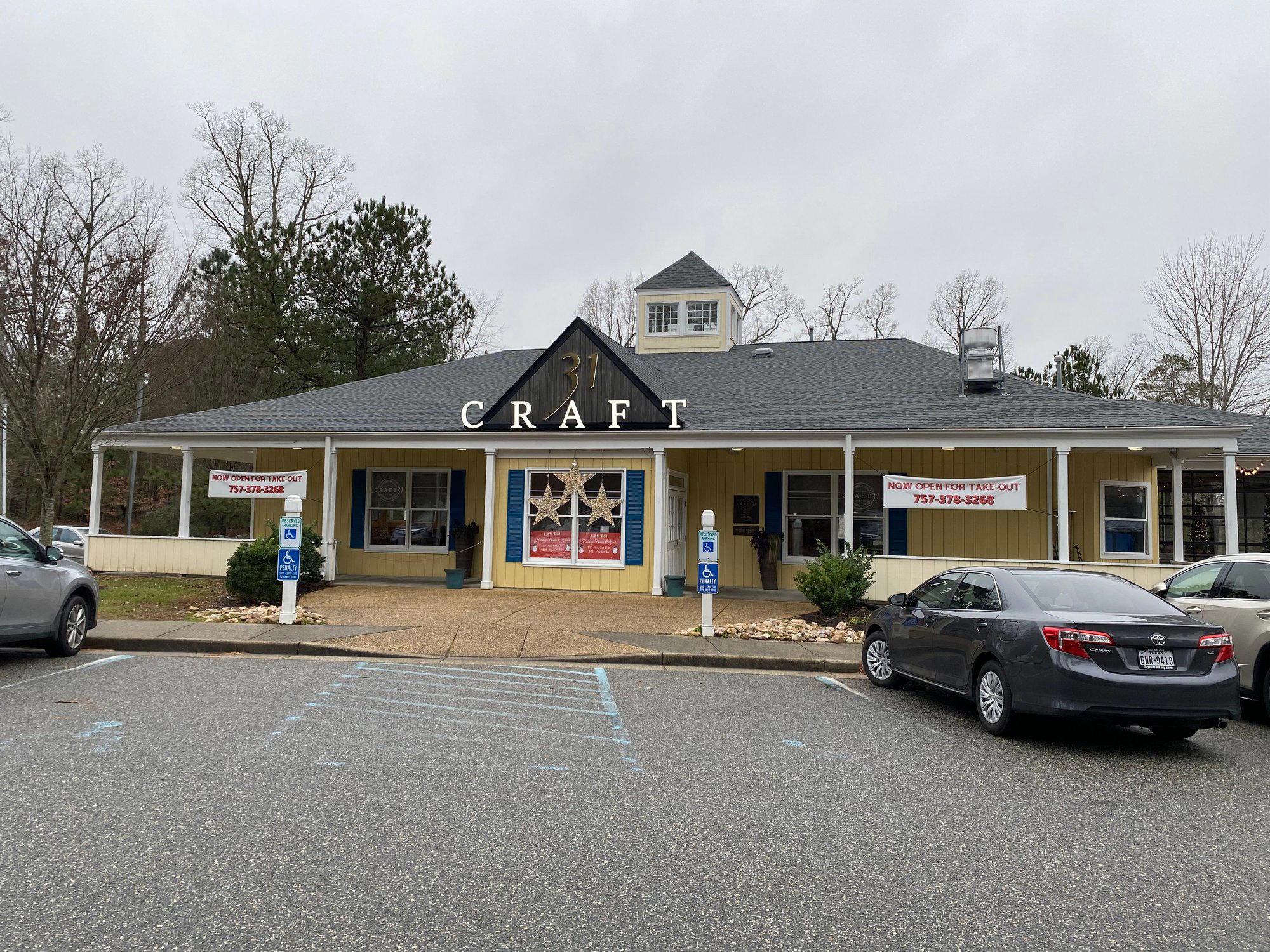
Bars in Williamsburg
Browse all →
Hotels in Williamsburg
Browse all →

At a Glance
- Rustic
- Cozy
- Classic
- Brunch
- Special Occasion
- Historic Building
- Wine Cellar
- Extensive Wine List
- Farm To Table
- Local Sourcing
- Vineyard
Warm, rustic vineyard vibe that is casual yet polished with a welcoming, historic atmosphere.