Berret's Restaurant
Our verdict
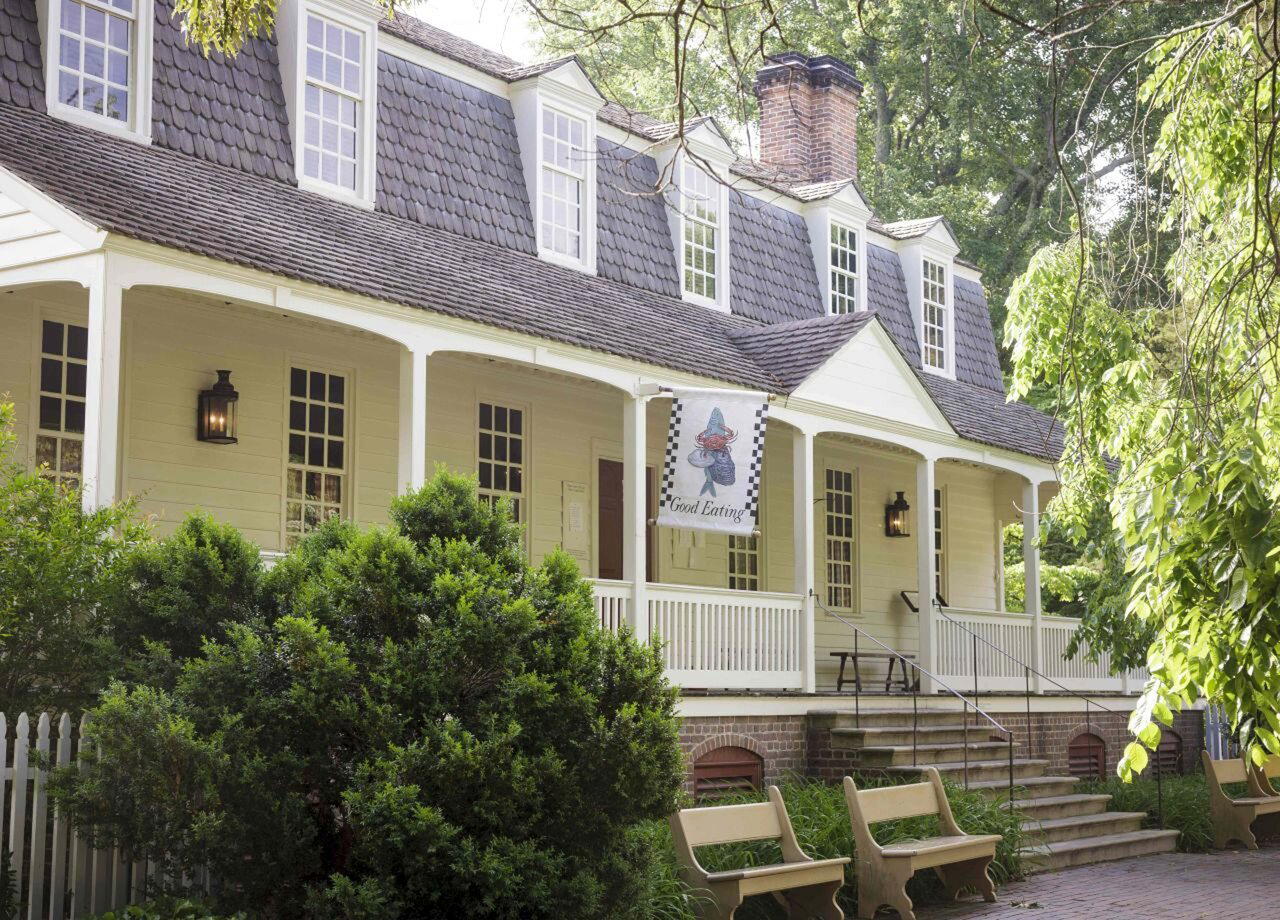
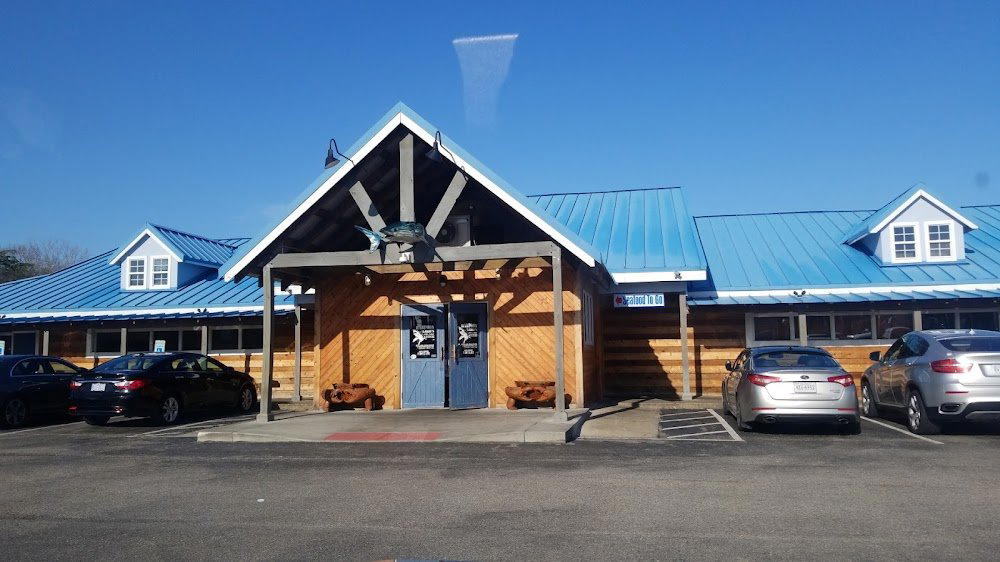
Berret's Restaurant on South Boundary Street has held a long-standing position in Williamsburg's dining scene, drawing on the colonial city's seafood traditions and regional mid-Atlantic cooking. It occupies a bracket of established, full-service dining that sits between the casual tavern format and the city's more formal options. For visitors orienting around historic Williamsburg, it functions as a grounded choice with local roots.

Pearl is the En Primeur Club membership app, where members save venues, book tables and use the concierge.
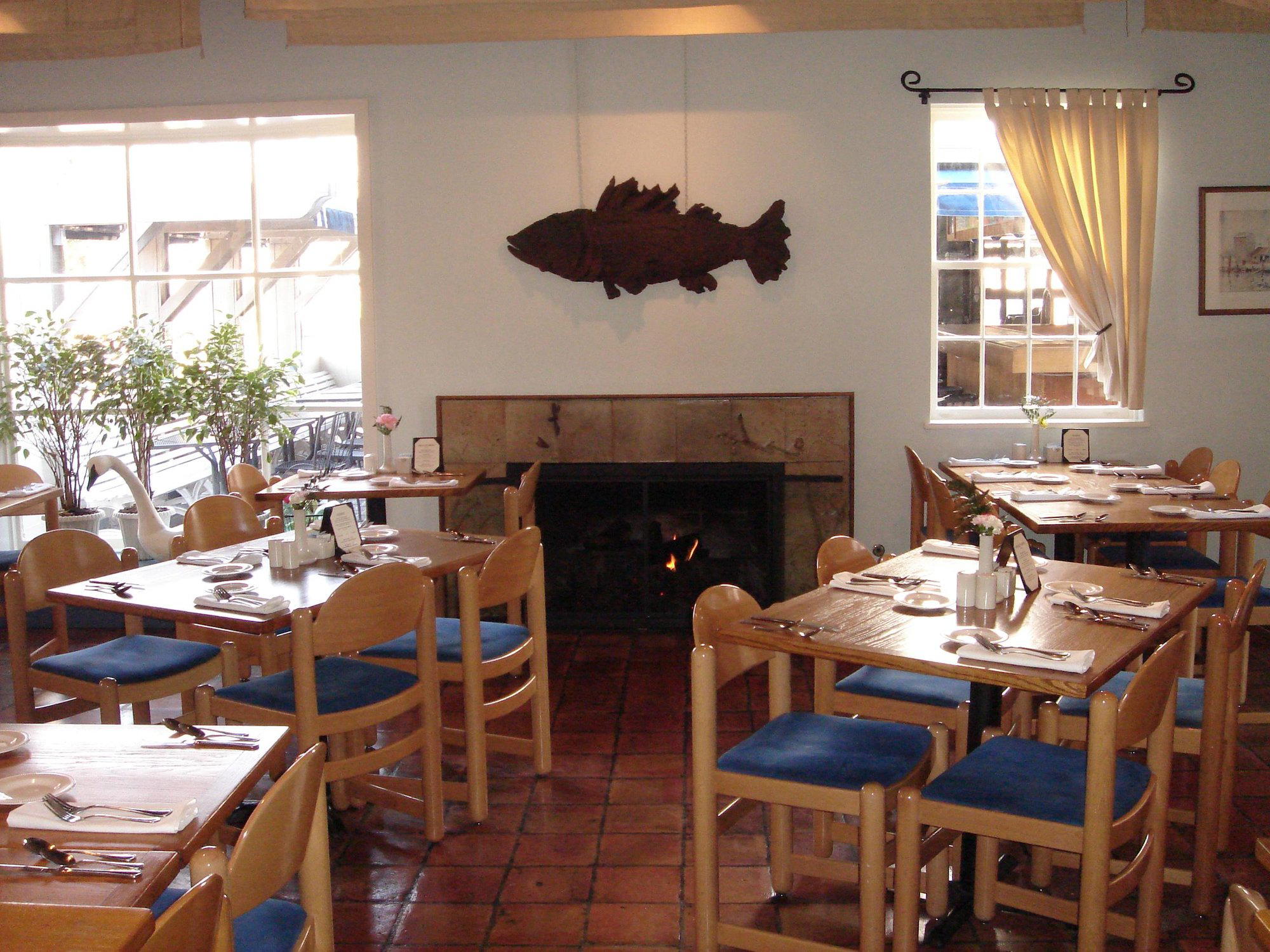
The menu
What to order
- Crab Cakes
- She-Crab Soup
- Oysters
- Low Country Seafood Feast
Where Colonial Williamsburg's Dining History Meets the Mid-Atlantic Table
South Boundary Street runs along the edge of the Colonial Williamsburg historic district, and the address alone tells you something about the kind of restaurant Berret's is. This is not a place that arrived recently to capitalize on a trend. It occupies a corner of the city where the dining conversation has been continuous for decades, where the expectations of the room are shaped by the rhythms of a working heritage town rather than a metropolitan food scene. The physical proximity to the historic district means the clientele skews toward people who have spent the day walking cobblestone streets, thinking about 18th-century American life, and who arrive at dinner wanting something anchored and honest rather than experimental.
That context matters when you read Berret's position in Williamsburg's restaurant geography. The city's dining split runs roughly along two axes: the reconstructed colonial tavern format, represented most formally by places like Christiana Campbell's Tavern, and the modern independent restaurant that serves the city's year-round population and returning visitors. Berret's occupies the second category, drawing on regional seafood and mid-Atlantic cooking traditions without staging them as historical performance.
The Cultural Weight of Mid-Atlantic Seafood
To understand what Berret's represents culinarily, you need to understand the food culture of the Virginia Tidewater region, which is one of the older and more specific regional cooking traditions in the country. Chesapeake Bay seafood has been the organizing principle of this coastline's cuisine since before the colonial period, and the estuary's blue crabs, oysters, and finfish remain the defining ingredients of the table from Baltimore to the Outer Banks. Virginia's contribution to that tradition carries particular specificity: the state's oysters, drawn from the Chesapeake and the Eastern Shore, now hold serious standing among American oyster connoisseurs, and Virginia crabmeat has long served as the standard for dishes like crab cakes across the region.
Restaurants positioned in historic Williamsburg, sitting roughly 50 miles southeast of Richmond and within driving range of the bay's working watermen communities, have access to that supply chain and the cultural expectation that they use it. A kitchen in this location that does not work with local shellfish and regional fish is making an active choice to turn away from the area's defining culinary identity. Berret's has maintained its alignment with that tradition across its operating history, which is itself a form of editorial stance in a dining market where many operators chase broader, less place-specific menus.
This positions Berret's differently from the pub-format restaurants now common in Williamsburg's competitive set. Amber Ox Public House and Cochon on 2nd each occupy a more casual, convivial register, while Craft 31 leans into the craft beverage and lighter-format dining that now defines much of the mid-price restaurant market across smaller American cities. Berret's sits in a more committed, full-service category alongside Fat Canary, which is generally regarded as the city's most serious fine dining address.
Williamsburg in the Broader American Dining Conversation
It is worth calibrating Williamsburg's dining market against the national frame. The city is not a food-destination city in the way that a place like New Orleans, where Emeril's anchors a deeper culinary culture, or San Francisco, home to Lazy Bear, functions as a pilgrimage point for serious eaters. Nor does it approach the technical ambition of a program like Smyth in Chicago or the farm-integration model of Blue Hill at Stone Barns. The closest regional point of serious culinary gravity is The Inn at Little Washington, Patrick O'Connell's three-Michelin-star property, which operates in a completely different tier and competitive set from anything in Williamsburg.
What Williamsburg does have is a reliable, place-specific dining culture built around tourism infrastructure and a stable local population connected to the College of William and Mary and the broader Hampton Roads economy. Restaurants in that market succeed not by chasing culinary fashion but by maintaining consistency, working with regional product, and understanding what a visitor who has spent three days in a living history museum actually wants to eat. Berret's has operated long enough in that environment to function as a reference point rather than a novelty.
That longevity is itself a form of credibility in a market where restaurants turn over regularly. The address at 199 South Boundary Street is known to repeat visitors in a way that newer openings are not. For those building an itinerary around Williamsburg's dining options, our full Williamsburg restaurants guide maps the broader competitive set across price tiers and formats.
Planning a Visit
Berret's sits on South Boundary Street at the southern edge of the Colonial Williamsburg footprint, making it walkable from most of the district's hotels and lodgings. Given its positioning as an established, full-service seafood-oriented restaurant in a market with limited seats at this level, arriving with a reservation rather than as a walk-in is the more reliable approach, particularly during peak summer and fall tourism seasons when Williamsburg's visitor numbers climb significantly. The restaurant's long operating history in the market means it carries local name recognition, and that translates into consistent demand across the season rather than only during peak periods.
That caveat applies broadly to pricing and hours, neither of which we can verify from current sources.
Frequently asked questions
Where is Berret's Restaurant located?
Berret's Restaurant is located at 199 S Boundary St, Williamsburg, VA 23185, Williamsburg.
Is Berret's Restaurant a good option for dining near the Colonial Williamsburg historic district?
At 199 S Boundary St, Berret's sits at the literal boundary of the Colonial Williamsburg footprint, making it one of the closest full-service restaurants to the district's main attractions and period accommodations. For visitors spending time in and around the historic area, it removes the need to travel outside the district for a sit-down meal rooted in Virginia's regional food culture.
What should I eat at Berret's Restaurant?
Berret's is anchored in the Virginia Tidewater culinary tradition, which means Mid-Atlantic seafood is the throughline of the menu. The Chesapeake Bay region's blue crab, oysters, and local fin fish have defined this coastal table for centuries, and Berret's address on South Boundary Street, steps from Colonial Williamsburg, places it squarely within that regional food identity. Specific current dishes are best confirmed directly with the restaurant before your visit.
Can I walk in to Berret's Restaurant?
Berret's sits at 199 S Boundary St, on the southern edge of the Colonial Williamsburg footprint, making it accessible on foot from most of the historic district's main hotels and attractions. Walk-in availability depends on the day and season, Williamsburg draws significant visitor volume, particularly in summer and around holiday periods. Calling ahead or checking availability on the day gives you the clearest picture.
What has Berret's Restaurant built its reputation on?
Its position at 199 S Boundary St, adjacent to one of the most visited historic sites in the United States, has made Berret's a long-standing fixture for visitors and locals seeking a sit-down meal grounded in Virginia's coastal food traditions. The Tidewater region carries one of the older continuous food cultures in American history, and restaurants in this corridor that endure tend to do so by anchoring themselves to that regional identity rather than chasing trends.
What if I have allergies at Berret's Restaurant?
A Tidewater-oriented menu in Williamsburg, VA means shellfish, particularly crab and oysters, are likely to feature prominently, which is a relevant consideration for anyone with shellfish or crustacean allergies. check the venue's official channels before booking to discuss your specific requirements, as menu composition and cross-contamination protocols are details that only the kitchen can accurately confirm.
Is eating at Berret's Restaurant worth the cost?
Williamsburg is not a high-cost dining market by the standards of a city like Washington D.C. or New York, which means price-to-portion ratios at established local restaurants tend to be reasonable by comparison. Berret's location on South Boundary St, within walking distance of the Colonial Williamsburg district, means you are paying partly for that convenience alongside the food itself. Specific pricing should be confirmed with the restaurant directly.
Cost and Credentials
| Venue | Cuisine | Price | Awards | Notes |
|---|---|---|---|---|
| Berret's RestaurantThis venue (the venue you are viewing) | Fresh Regional Seafood | $30–50 | Not listed | Not listed |
| Rockefeller Room | Contemporary American Fine Dining | $100–150 | Forbes Recommended | American Steakhouse |
| Amber Ox Public House | Modern Southern Farm-to-Table | $20–30 | Not listed | Not listed |
| Christiana Campbell's Tavern | Historic Colonial Seafood | $30–50 | Not listed | Not listed |
| Cochon on 2nd | New American Grill | $50–100 | Not listed | Not listed |
| Craft 31 | American Gourmet Burgers & Pizza | $20–30 | Not listed | Not listed |
Continue exploring
More in Williamsburg
Restaurants in Williamsburg
All restaurants in Williamsburg →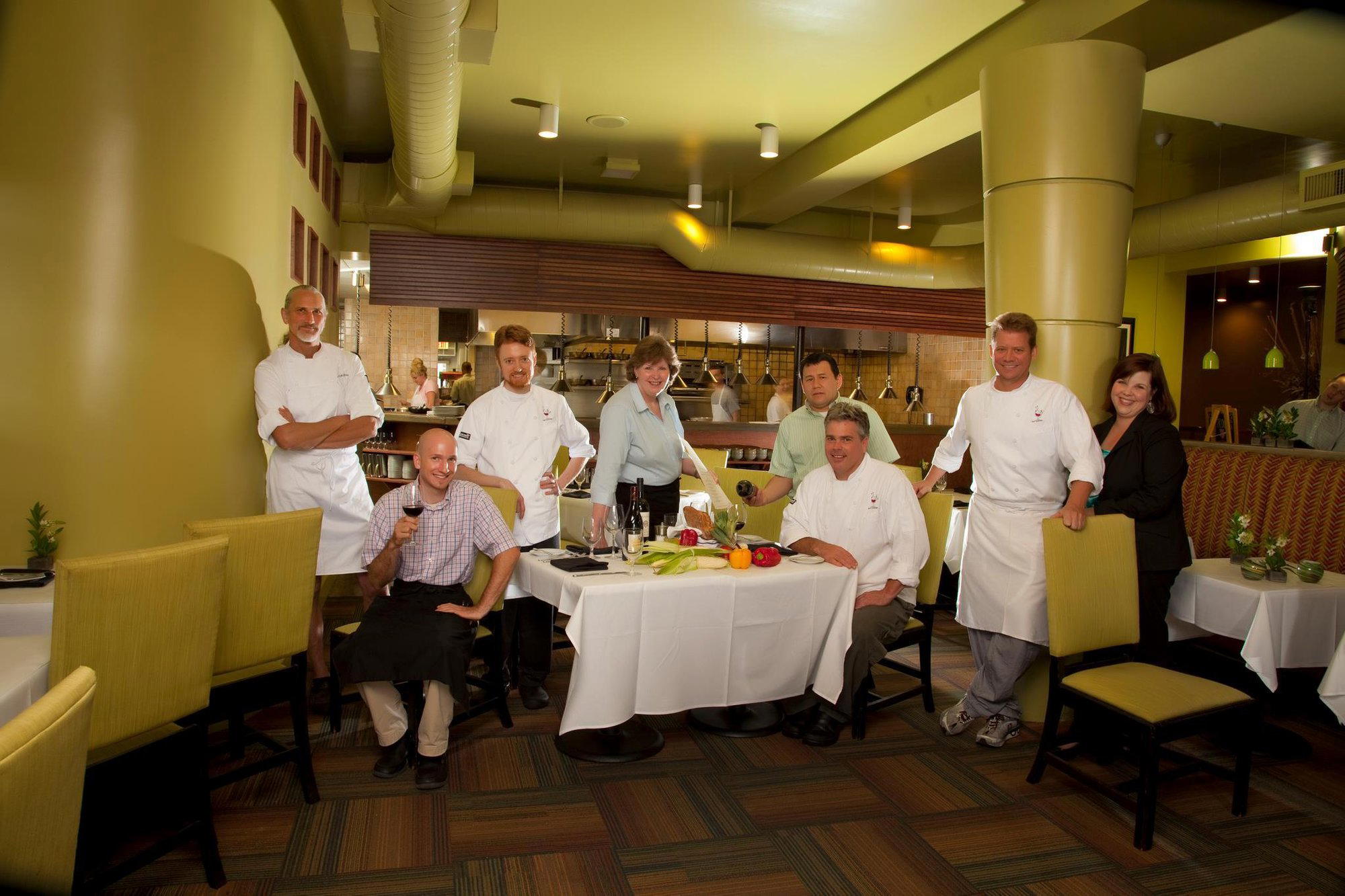
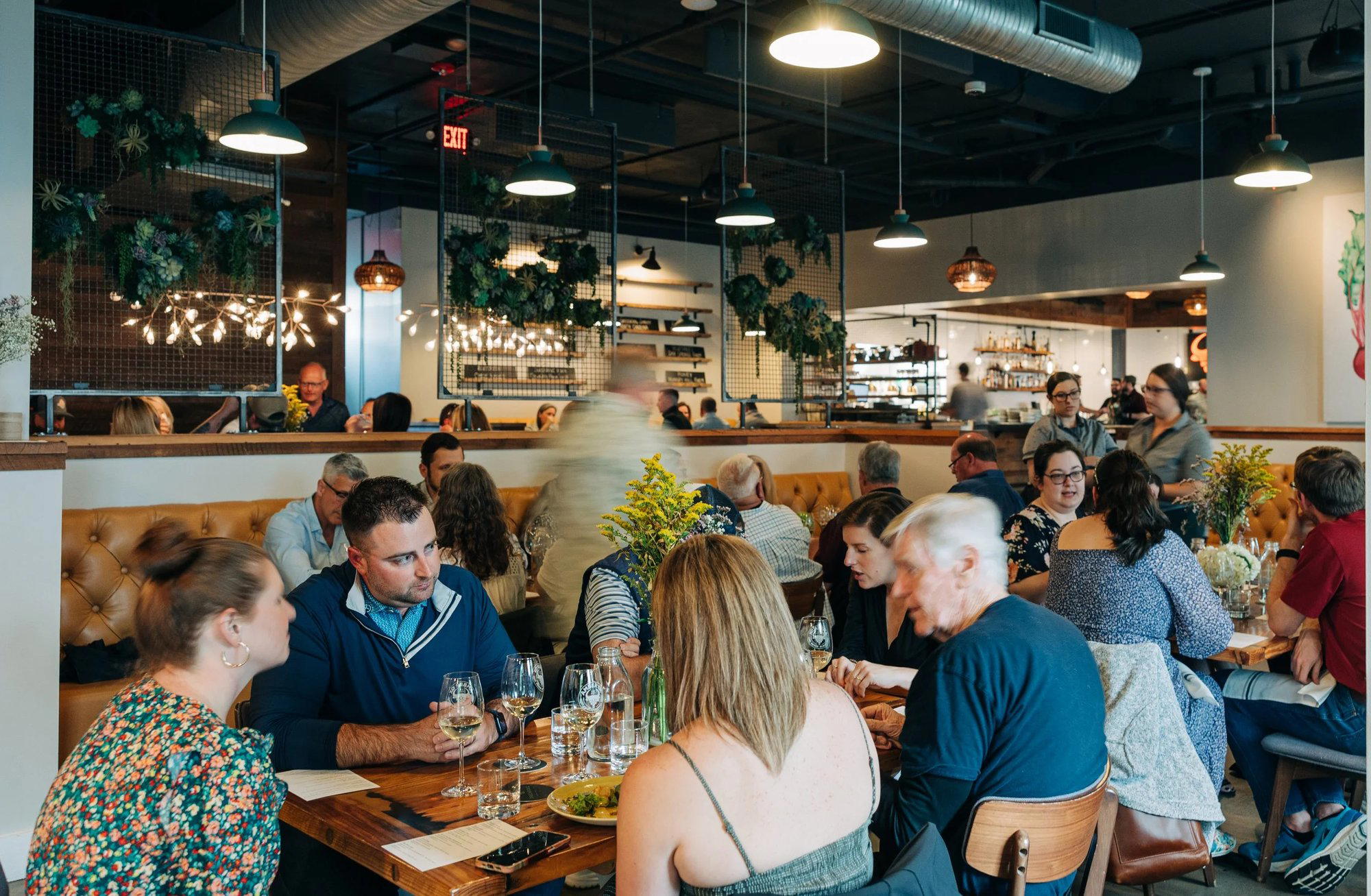
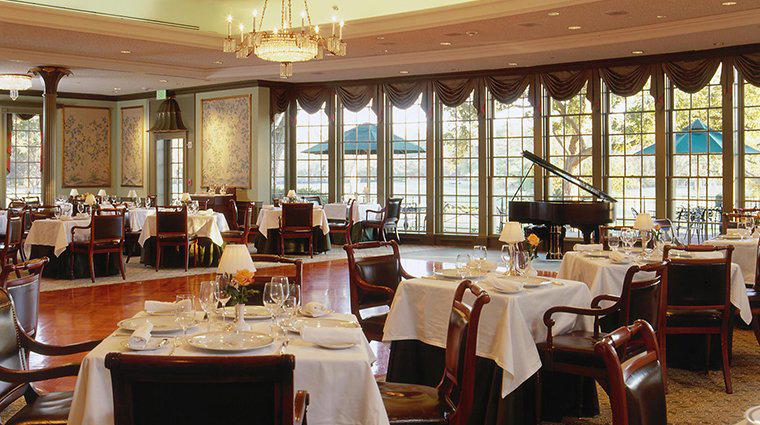
Bars in Williamsburg
Browse all →
Details
- Classic
- Well Known
- Elegant
- Casual Hangout
- Group Dining
- Family
- Date Night
- Standalone
- Historic Building
- Beer Program
- Local Sourcing
- Sustainable Seafood
- A La Carte
- Beer
- Wine
- Pescatarian Friendly
Current opening hours
- Monday
- 11:30 AM–8:30 PM
- Tuesday
- 11:30 AM–8:30 PM
- Wednesday
- 11:30 AM–8:30 PM
- Thursday
- 11:30 AM–8:30 PM
- Friday
- 11:30 AM–8:30 PM
- Saturday
- 11:30 AM–8:30 PM
- Sunday
- 11:30 AM–8:30 PM
Hours can change for holidays and private events. Hours as of .
Casual dining atmosphere with friendly, customer service-oriented staff in a historic Williamsburg location.