Amber Ox Public House
Our verdict
Amber Ox Public House on Prince George Street occupies a corner of Williamsburg's dining scene that takes the public house format seriously, grounding its menu in sourcing from the Mid-Atlantic region. It sits in a casual tier that suits the colonial city's visitor mix, offering a more accessible entry point than the white-tablecloth rooms nearby while maintaining enough culinary focus to hold its own in a competitive local field.

Pearl is the En Primeur Club membership app, where members save venues, book tables and use the concierge.
The menu
What to order
- AO Burger
- Oak-smoked wings
- Shrimp and grits
Where Prince George Street Meets the Mid-Atlantic Table
Prince George Street in Williamsburg carries a particular kind of foot traffic: visitors who have spent the day walking cobblestones and touring colonial interiors, alongside locals who know exactly which rooms to avoid and which to return to. Amber Ox Public House sits at 525 Prince George Street, Suite 102, in that current, positioned between the tourist-facing tavern formats that dominate Colonial Williamsburg's immediate perimeter and the more destination-driven dining rooms that draw visitors specifically for the food. The public house format it occupies is a deliberate middle register, less formal than Fat Canary, less historically costumed than Christiana Campbell's Tavern, and more ingredient-conscious than the average gastropub that claims the same label.
The public house tradition in America has always been an elastic category. At its weakest, it means a bar with a kitchen afterthought. At its strongest, it means a room organized around communal eating, regional produce, and the kind of cooking that prioritizes what is available over what is fashionable. The better operators in this tier understand that the format's credibility depends almost entirely on sourcing discipline, you cannot call yourself a public house rooted in place while running a supply chain that could belong to a chain restaurant anywhere in the country.
The Mid-Atlantic as a Sourcing Region
Virginia's food geography is more varied than its colonial reputation suggests. The Shenandoah Valley produces cattle and pork at a scale that supports serious restaurant programs. The Eastern Shore and Chesapeake Bay remain significant sources for oysters, blue crab, and fin fish, though that supply has tightened considerably over the past two decades due to environmental pressures. Piedmont Virginia has developed a credible cheesemaking culture, and the state's agricultural interior supplies heritage grains, vegetables, and orchard fruit that rarely appear on menus outside the region.
Operators who commit to this geography face a real constraint: seasonal gaps are more pronounced than in California or the Pacific Northwest, and the supply infrastructure connecting small farms to restaurants remains less developed than in coastal urban markets. That constraint, however, is also what gives Mid-Atlantic sourcing its editorial weight. A kitchen that works within it produces menus that actually change, that reflect what the land is doing in a given month, and that give a visitor genuine information about the region they are in. Compared to the farm-to-table theaters of, say, Blue Hill at Stone Barns in Tarrytown or Single Thread Farm in Healdsburg, a Williamsburg public house operates at a different scale and price point, but the underlying sourcing logic is the same, even if the execution is less rarified.
How Amber Ox Fits Williamsburg's Dining Tiers
Williamsburg's restaurant market divides roughly into three tiers. The first is Colonial Williamsburg's official tavern circuit, costumed, historically themed, and designed primarily for visitors seeking an immersive period experience rather than serious food. The second is a cluster of independent, locally-owned restaurants that range from seafood-focused rooms like Berret's Restaurant to the refined American format at Fat Canary. The third is a newer wave of casual-but-intentional spots, including Cochon on 2nd and Craft 31, that operate with craft beverage programs and menus built around a narrower, more focused proposition.
Amber Ox sits in the overlap between the second and third tiers. The public house format positions it as accessible rather than aspirational, which in a college and tourist town is a sensible read of the room. William and Mary is a short walk away; the Colonial Williamsburg historic district draws visitors across a wide age and budget range. A room that can serve a family dinner, a post-lecture drink, or a solo meal at the bar without feeling misaligned with any of those uses is a commercially intelligent proposition in this specific geography.
That positioning also means it is not competing directly with the white-tablecloth standard-bearers of the American mid-Atlantic fine dining circuit, rooms like The Inn at Little Washington, which operates at a different price register and culinary ambition entirely.
The Public House Format and What It Demands
Across American cities, the gastropub and public house category has bifurcated. One branch has drifted toward craft beer maximalism, where the food exists to extend drinking time. The other has taken the format back toward its original function: a room where people eat real meals, the cooking is technically considered, and the drink list reflects the same sourcing values as the kitchen. The better examples of the second type, found in cities from Portland to Nashville to Richmond, are distinguished by a kitchen that treats proteins, vegetables, and grains with the same discipline a fine-dining room would, simply without the ceremony.
In that context, Amber Ox's public house identity carries an implied commitment. The format is a claim, not just a décor choice. It tells the visitor something about how the room sees its role in the neighbourhood and the region, and it creates an expectation that the sourcing story behind the menu is genuine rather than decorative. Whether that claim is fully honored is a judgment that requires sitting in the room, reading the menu, and asking where things come from, the only reliable test for any kitchen that invokes the regional sourcing frame.
Planning Your Visit
Amber Ox Public House is located at 525 Prince George Street, Suite 102, in central Williamsburg, walkable from the Colonial Williamsburg historic district and William and Mary's campus. The public house format and its position in the casual-to-mid tier make it a practical choice for groups with mixed dining preferences, and the room's design should accommodate families without the formality constraints that apply to rooms like Fat Canary. For a fuller picture of the city's dining options across all tiers and formats, the EP Club Williamsburg restaurants guide maps the competitive field in detail.
Frequently asked questions
Is Amber Ox Public House good for families?
Williamsburg draws a wide visitor mix, school groups, families touring Colonial Williamsburg, and students from William and Mary, and the public house format at 525 Prince George Street suits that range. The casual setting removes the formality that makes some downtown Williamsburg spots uncomfortable for younger guests.
Is Amber Ox Public House formal or casual?
The public house format places Amber Ox clearly in the casual register. In a Williamsburg dining scene that includes white-tablecloth options like Fat Canary and The Inn at Little Washington about an hour west, Amber Ox on Prince George Street occupies the middle ground, a place where you eat well without a dress code. Come as you are after a day on Duke of Gloucester Street.
Does Amber Ox Public House have a good location for exploring Williamsburg?
The address at 525 Prince George Street, Suite 102, places Amber Ox within walking distance of the Colonial Williamsburg historic district, making it a practical stop before or after a day of touring. Prince George Street connects the visitor core to local commercial blocks, so foot traffic here skews toward travellers already in the area rather than destination-only diners. No car is needed if you're staying anywhere near the historic district.
What should I eat at Amber Ox Public House?
What the public house format and Williamsburg's Mid-Atlantic geography frame is a reasonable expectation of Virginia-sourced proteins, Shenandoah Valley beef and pork feature heavily in this regional category, alongside a craft beverage list that likely reflects Virginia's growing brewing and winemaking output. Confirm the current menu with the venue before visiting.
Comparable Spots, Quickly
| Venue | Cuisine | Price | Awards |
|---|---|---|---|
| Amber Ox Public HouseThis venue (the venue you are viewing) | Modern Southern Farm-to-Table | $20–30 | Not listed |
| Rockefeller Room | Contemporary American Fine Dining | $100–150 | Forbes Recommended |
| Berret's Restaurant | Fresh Regional Seafood | $30–50 | Not listed |
| Christiana Campbell's Tavern | Historic Colonial Seafood | $30–50 | Not listed |
| Cochon on 2nd | New American Grill | $50–100 | Not listed |
| Craft 31 | American Gourmet Burgers & Pizza | $20–30 | Not listed |
Continue exploring
More in Williamsburg
Restaurants in Williamsburg
All restaurants in Williamsburg →
Bars in Williamsburg
Browse all →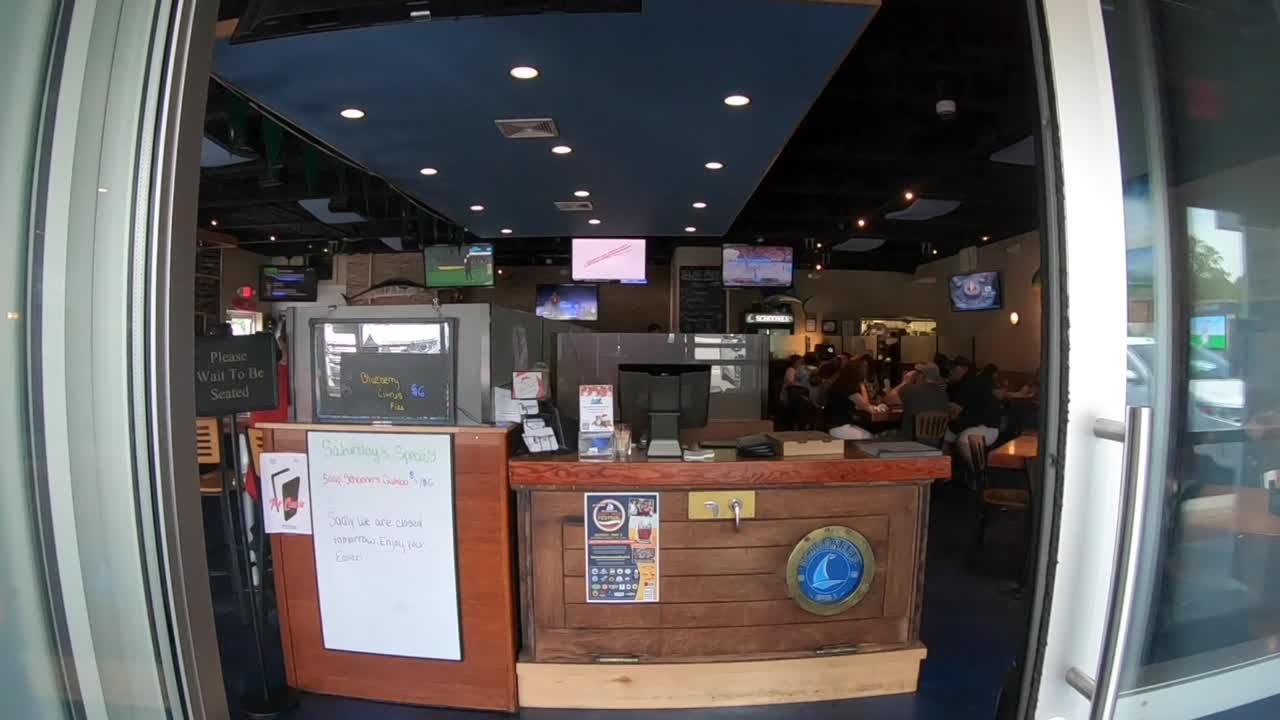

Details
- Rustic
- Cozy
- Lively
- Casual Hangout
- Date Night
- Group Dining
- Open Kitchen
- Craft Cocktails
- Beer Program
- Farm To Table
- Local Sourcing
- A La Carte
- Small Plates
- Craft Beer
- Cocktails
Current opening hours
- Monday
- 4–9 PM
- Tuesday
- Closed
- Wednesday
- 11:30 AM–9 PM
- Thursday
- 11:30 AM–9 PM
- Friday
- 11:30 AM–9 PM
- Saturday
- 10 AM–9 PM
- Sunday
- 10 AM–9 PM
Hours can change for holidays and private events. Hours as of .
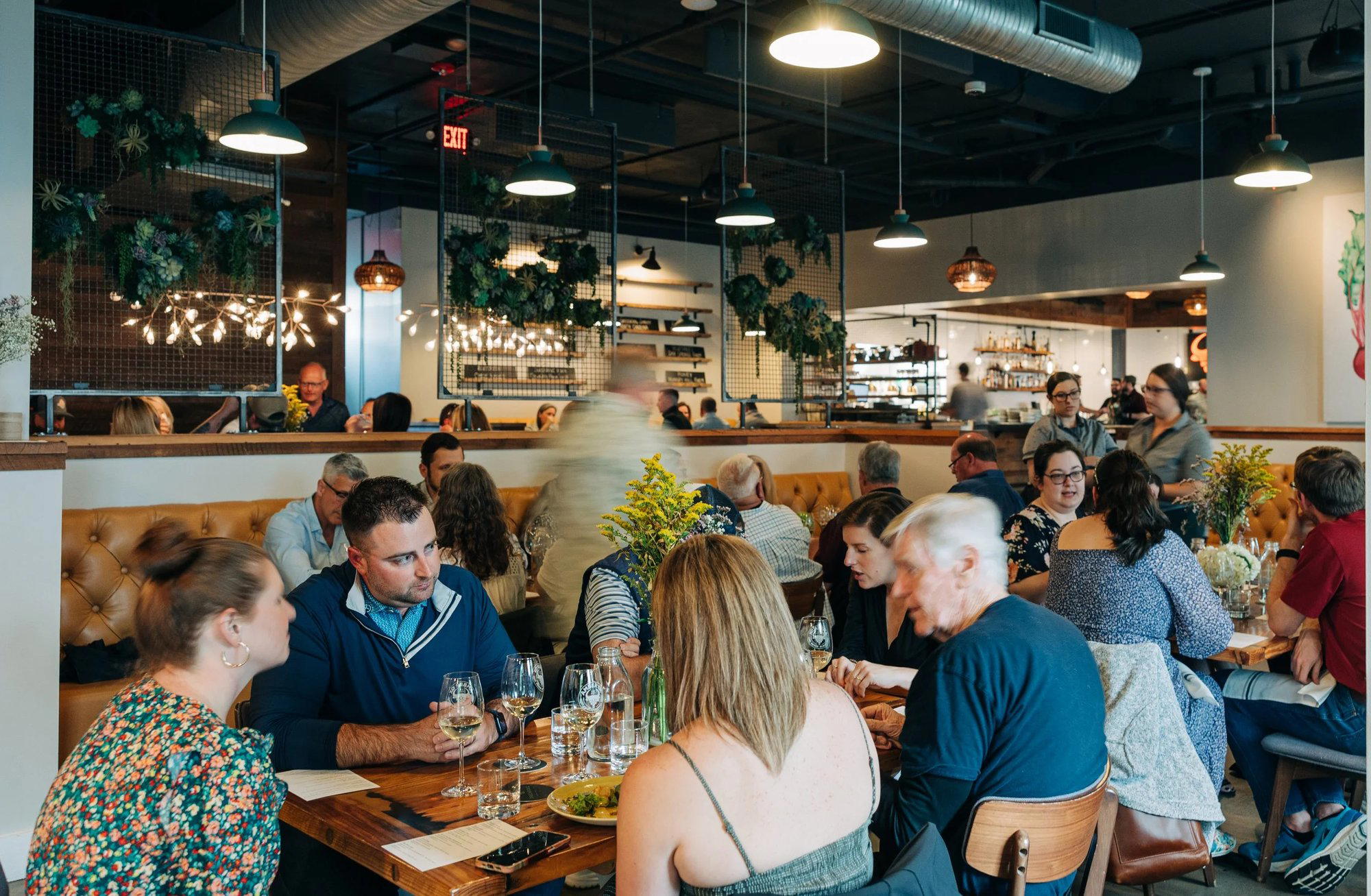
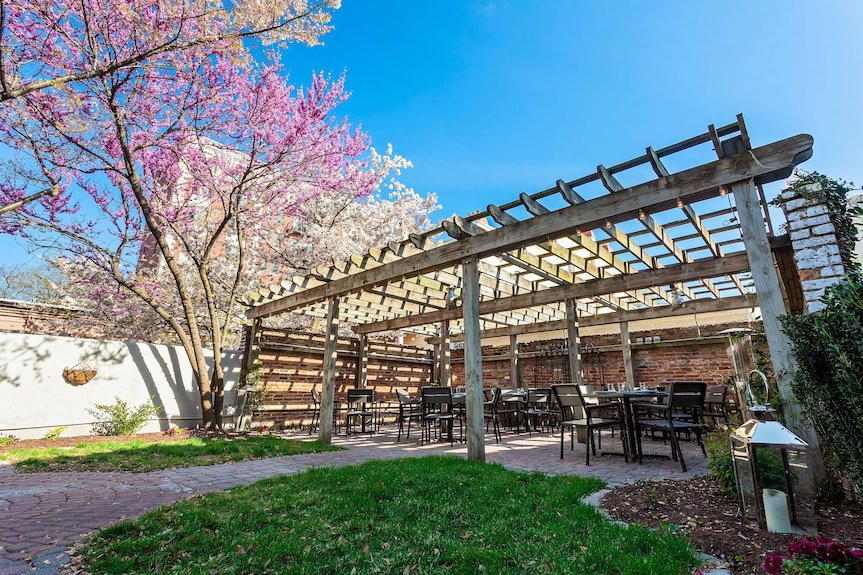
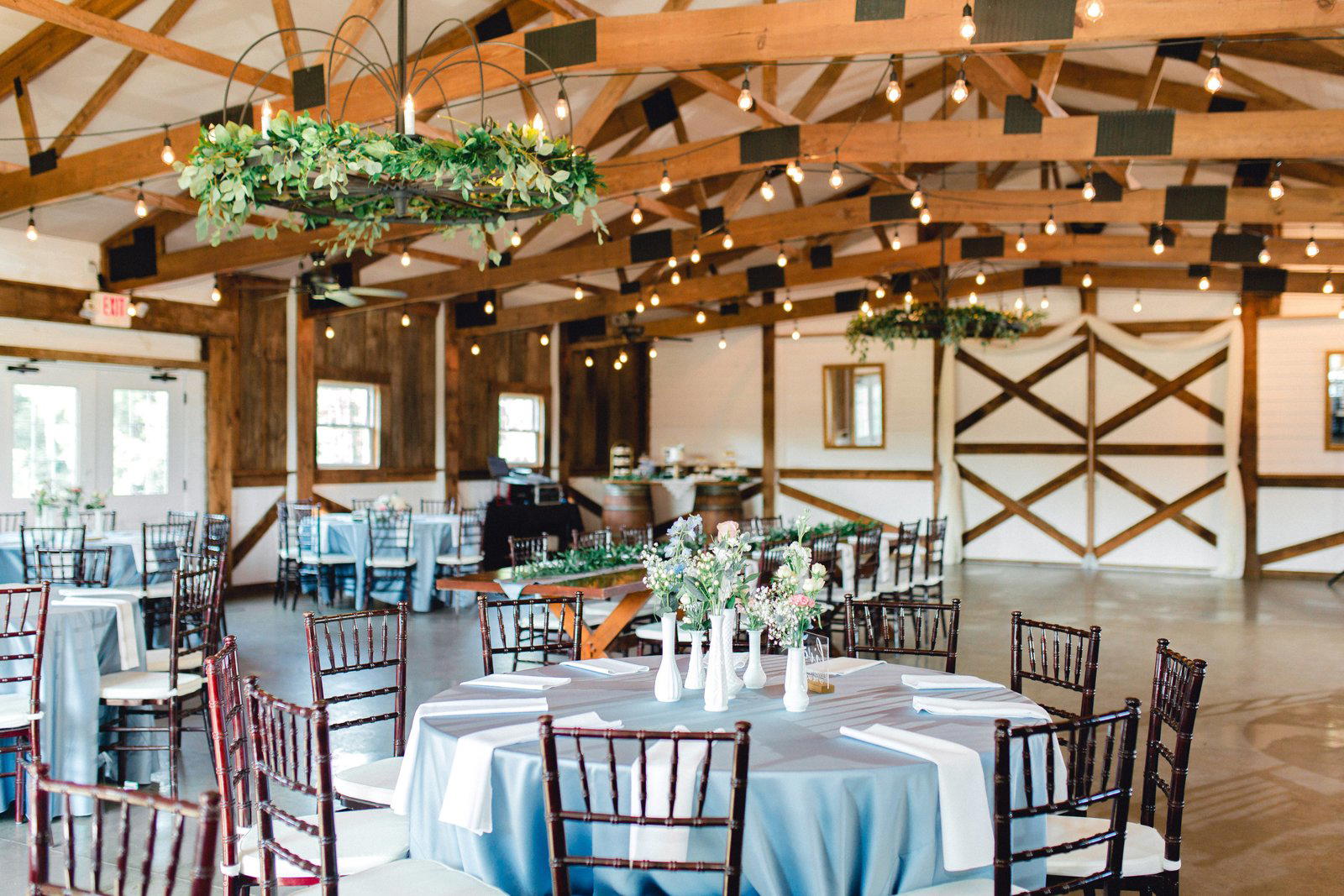
Warm, rustic, and inviting with cheerful yet noisy atmosphere.