Cochon on 2nd
Our verdict
Cochon on 2nd sits on Second Street in historic Williamsburg, Virginia, placing it squarely within the compact dining corridor that serves both Colonial Williamsburg visitors and a local residential crowd. The name signals a pork-forward culinary direction, positioning it alongside a small tier of Williamsburg restaurants that lean into Southern and European charcuterie traditions rather than colonial-era nostalgia menus.

Pearl is the En Primeur Club membership app, where members save venues, book tables and use the concierge.
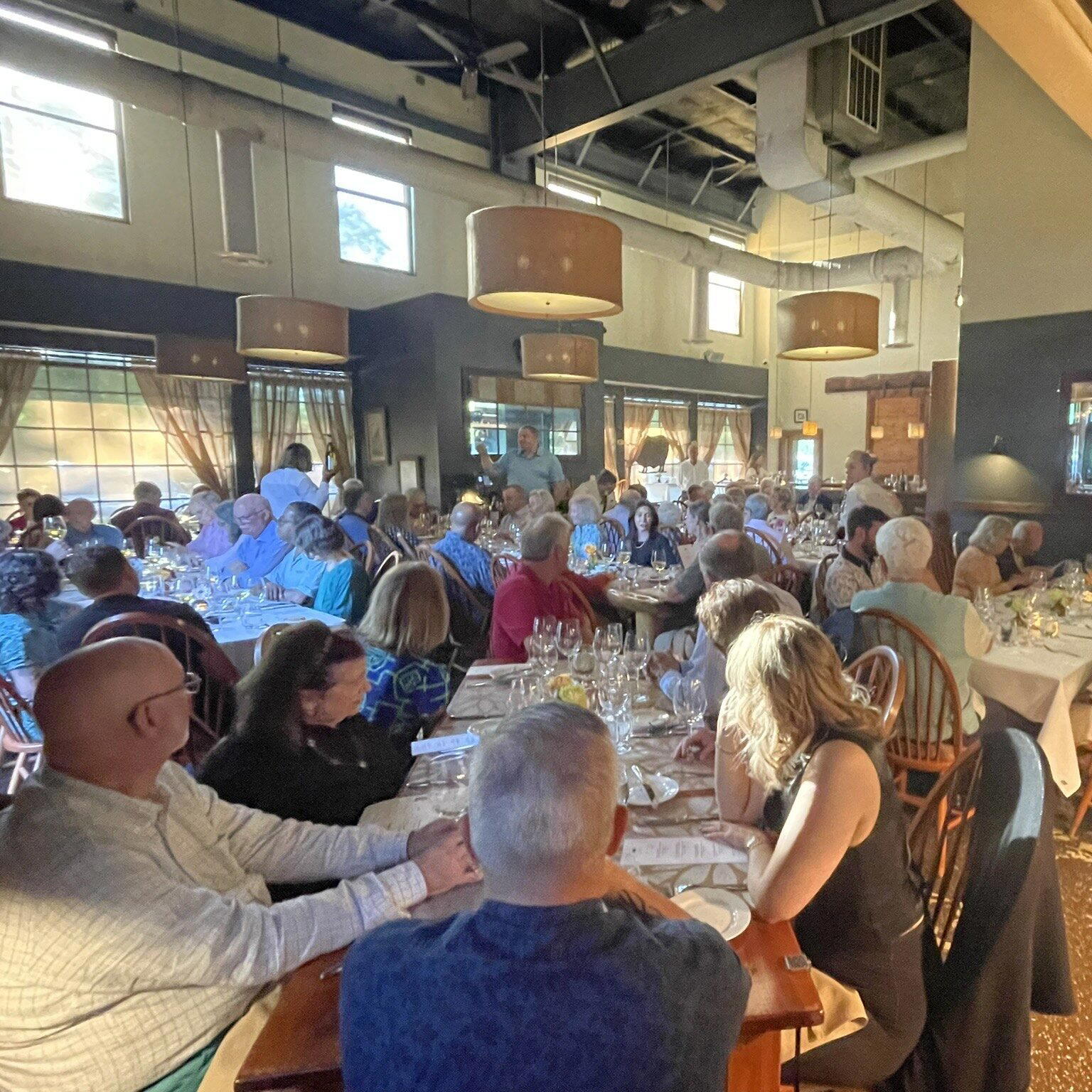
The menu
What to order
- Wood-grilled pork chop
- Fried oysters
- Chocolate mousse
Second Street, and What It Tells You About Williamsburg Dining
Williamsburg's restaurant scene operates on a fault line that most visitors take a meal or two to notice. On one side sits the Colonial Williamsburg Historic Area, where tavern dining, costumed servers, period recipes, the performative authenticity of places like Christiana Campbell's Tavern, anchors the visitor experience. On the other side, particularly along and around Second Street, a smaller cluster of independently operated restaurants has developed that addresses a different appetite: locals and returning visitors who want something that doesn't perform history, but still benefits from the foot traffic a heritage destination generates.
Cochon on 2nd occupies that second category. The name itself is a positioning statement. "Cochon", French for pig, signals intent before a single dish arrives. In American dining, pork-centric restaurant concepts have followed a clear lineage from the early 2000s nose-to-tail movement, a tradition that runs through establishments like Emeril's in New Orleans and informs the sourcing and preparation philosophy of farm-forward restaurants at the level of Blue Hill at Stone Barns in Tarrytown. Cochon on 2nd operates at a more accessible register than those reference points, but the name places it in a recognizable culinary conversation about how American restaurants treat the whole animal.
The Block, the Building, the Approach to the Room
Second Street in Williamsburg runs through a section of the city that sits just outside the Historic Area's most heavily trafficked zones. The address at 311-106 2nd St puts the restaurant within walking distance of the Colonial core, but the streetscape here is less curated than Duke of Gloucester Street, there are working storefronts, surface parking, the ordinary texture of a small Virginia city going about its business. Arriving on foot from the Historic Area, the shift is noticeable: you move from managed heritage into something closer to a working neighborhood commercial strip.
That transition matters for how a restaurant like Cochon on 2nd reads in context. In cities where dining neighborhoods have fully consolidated, the way certain blocks in San Francisco function for restaurants like Lazy Bear, or the way Chicago's West Loop anchors venues at the level of Smyth, location within the neighborhood sends a clear signal about price tier and ambition. Williamsburg's dining geography is less consolidated, which means individual restaurants carry more of the burden of self-definition. The name, the concept, and the room itself do more work here than they might in a city with a stronger dining-neighborhood infrastructure.
Where Cochon on 2nd Sits in the Local Competitive Set
Williamsburg's mid-tier restaurant field includes several distinct operators worth mapping. Amber Ox Public House leans into a craft-focused gastropub format. Berret's Restaurant has operated as a seafood-anchored venue drawing on Chesapeake Bay proximity. Craft 31 addresses a similar beer-and-food audience to Amber Ox, while Fat Canary sits in a more formally composed dining tier, closer to the white-tablecloth side of local expectations.
Cochon on 2nd occupies a different position in that set. A pork-forward concept in a small Virginia city isn't trying to compete with the colonial tavern experience, nor is it reaching toward the formality of Fine Canary-tier dining. It fits into an emerging category of American casual-serious restaurants, places that take ingredient sourcing and preparation seriously without building the experience around ceremony. That category has grown substantially in smaller American cities over the past decade, as culinary training pipelines from major coastal cities have redistributed talent and ambition into secondary markets. Williamsburg, connected to the broader Hampton Roads region and close enough to Richmond's more developed food scene, sits in that dispersal zone.
For a broader picture of what this city offers across price tiers and formats, the full Williamsburg restaurants guide maps the competitive field in more detail.
What the Concept Implies About the Menu
What the concept name does authorize is an educated read on culinary direction. Cochon-named restaurants in the American market, the most referenced being Donald Link's Cochon in New Orleans, which helped define what a serious Southern pork restaurant could look like in the post-Fergus Henderson era, tend to treat the pig as a structuring principle rather than a single protein option. That means charcuterie, rendered fats in cooking, braised cuts alongside more familiar grilled preparations, and an attention to what happens when technique meets the less-celebrated parts of the animal.
Whether Cochon on 2nd pursues that full range or applies the name more loosely to a menu with pork as a lead character rather than a framework is something a visit or direct contact with the restaurant will resolve more reliably than inference from a name alone. What the name does do is signal to a specific kind of diner: someone who reads "cochon" as a prompt about preparation depth rather than just a menu category.
Planning a Visit
Cochon on 2nd is located at 311-106 2nd St, Williamsburg, VA 23185, within the Second Street commercial corridor and accessible on foot from the Colonial Williamsburg Historic Area. Given Williamsburg's seasonal visitation pattern, the summer months and fall foliage period drive significant tourist volume into a compact city, dining options in the non-tavern tier tend to fill more quickly during peak periods than the small-city context might suggest. Contacting the restaurant directly before visiting, particularly on weekends between May and October, is a reasonable precaution.
For travelers building a Williamsburg dining itinerary, the local scene rewards some lateral thinking. The colonial tavern experience at Christiana Campbell's Tavern offers something no independent operator can replicate, period atmosphere and a specific kind of American heritage dining. But an evening at a Second Street independent like Cochon on 2nd gives a more accurate read on what the city's non-heritage dining community actually looks like. Both visits, on separate evenings, give a more complete picture of Williamsburg's food range than either one alone.
Travelers comparing Williamsburg's dining options to what they might find in mid-Atlantic dining destinations should calibrate expectations accordingly. The region's most formally accomplished restaurant, The Inn at Little Washington, operates in a different tier and geography entirely. Within Virginia's broader dining field, Cochon on 2nd addresses the neighborhood-serious category rather than the destination-dining category, and that's a distinction worth making before you arrive.
Frequently asked questions
Where is Cochon on 2nd in Williamsburg?
Cochon on 2nd is located at î311 -106 2nd St, Williamsburg, VA 23185, Williamsburg.
Is Cochon on 2nd a good option for visitors staying near Colonial Williamsburg?
The 311-106 2nd St address places Cochon on 2nd within the Second Street commercial corridor, walkable from the edges of the Colonial Williamsburg Historic Area. It operates as an independent restaurant in a city where chain dining dominates several blocks, making it a practical choice for visitors who want something locally rooted rather than nationally familiar. The pork-centered concept gives it a more defined identity than many nearby competitors.
What do people recommend at Cochon on 2nd?
The name Cochon, French for pig, signals a menu built around pork in its various forms, which gives the kitchen a clear through-line. The 2nd St address puts the restaurant within reach of both local regulars and visitors staying near Colonial Williamsburg.
Should I book Cochon on 2nd in advance?
Reservations are worth arranging ahead, particularly on weekends, when Williamsburg's dining corridor on 2nd Street draws both residents and visitors from the historic district. The restaurant sits at 311-106 2nd St, Williamsburg, VA 23185, and contact details are best confirmed directly through a current search. Walk-ins may be possible mid-week, but calling ahead removes the risk.
What's the standout thing about Cochon on 2nd?
The concept itself is the clearest differentiator in Williamsburg's mid-tier field: a name that declares a culinary commitment to pork at a time when most operators in the corridor default to broader American menus. Cochon on 2nd sits in a section of 2nd Street that skews toward independent operators rather than chains, which shapes the room's character. That specificity of focus tends to produce a more coherent menu than venues trying to cover every direction.
The Short List
Comparable venues nearby, for context on price, style, and recognition.
| Venue | Cuisine | Price | Awards | Notes |
|---|---|---|---|---|
| Cochon on 2ndThis venue (the venue you are viewing) | New American Grill | $50–100 | Not listed | Not listed |
| King's Arms Tavern | Colonial American Chophouse | $30–50 | Not listed | Colonial Williamsburg, Colonial American Chophouse |
| Rockefellers | Contemporary American Fine Dining | $100–150 | Forbes Recommended | Colonial Williamsburg, Contemporary American Fine Dining |
| Shields Tavern | Colonial American Tavern | $20–30 | Not listed | Colonial Williamsburg Historic Area, Colonial American Tavern |
| Fat Canary | Modern American Fine Dining | Not listed | Not listed | Colonial Williamsburg, Modern American Fine Dining |
| Sweet Tea & Barley | Modern Southern Gastropub | $30–50 | Not listed | Williamsburg Lodge, Modern Southern Gastropub |
Continue exploring
More in Williamsburg
Restaurants in Williamsburg
All restaurants in Williamsburg →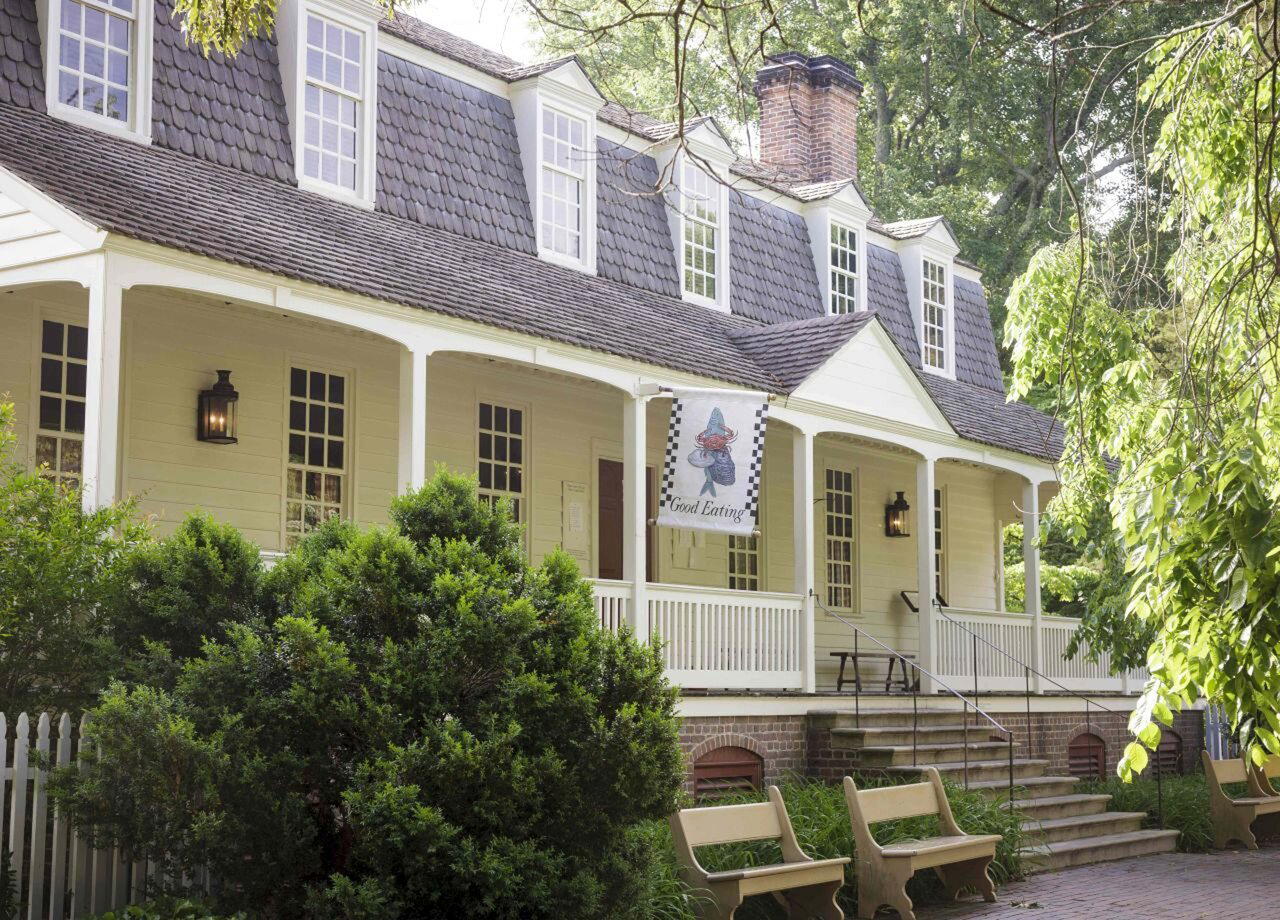
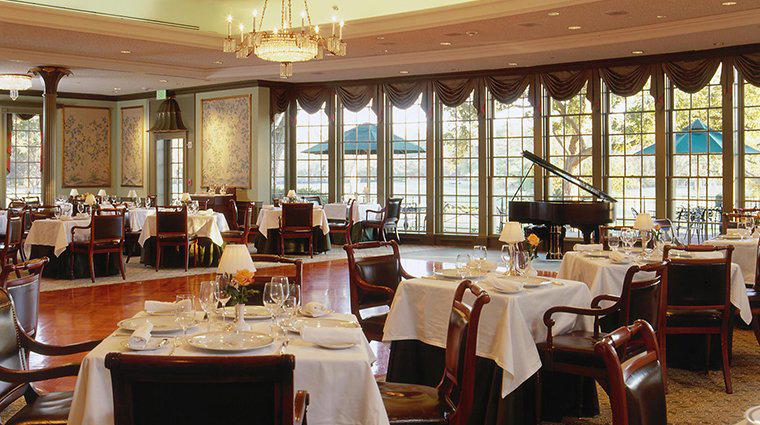
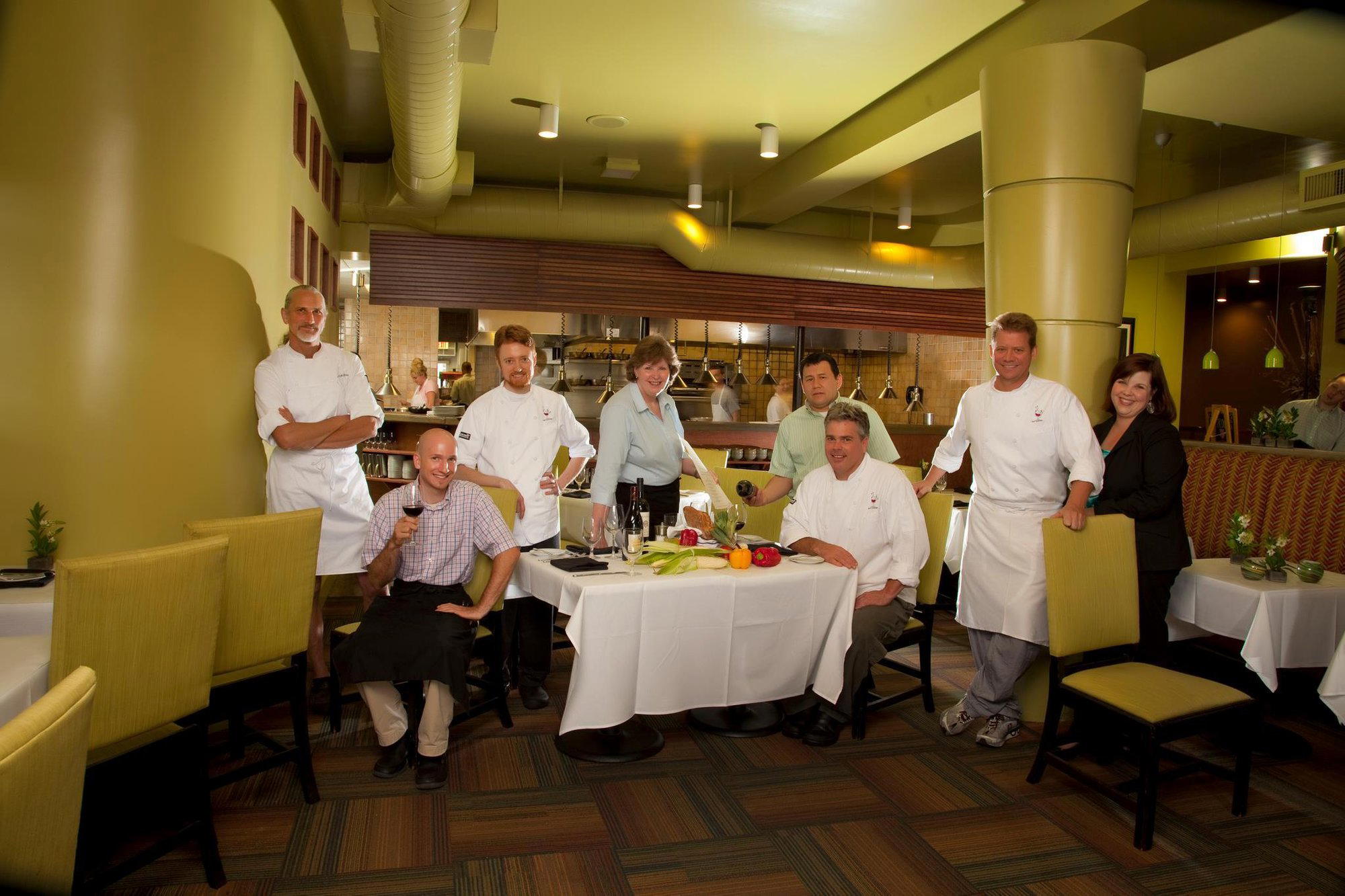
Bars in Williamsburg
Browse all →
Details
- Cozy
- Rustic
- Sophisticated
- Intimate
- Date Night
- Special Occasion
- Group Dining
- Open Kitchen
- Craft Cocktails
- Local Sourcing
- A La Carte
- Craft Cocktails
- Vegetarian Friendly
- Vegan Options
- Gluten Free Options
Current opening hours
- Monday
- Closed
- Tuesday
- 5–9 PM
- Wednesday
- 5–9 PM
- Thursday
- 5–9 PM
- Friday
- 5–9 PM
- Saturday
- 5–9 PM
- Sunday
- 5–8 PM
Hours can change for holidays and private events. Hours as of .
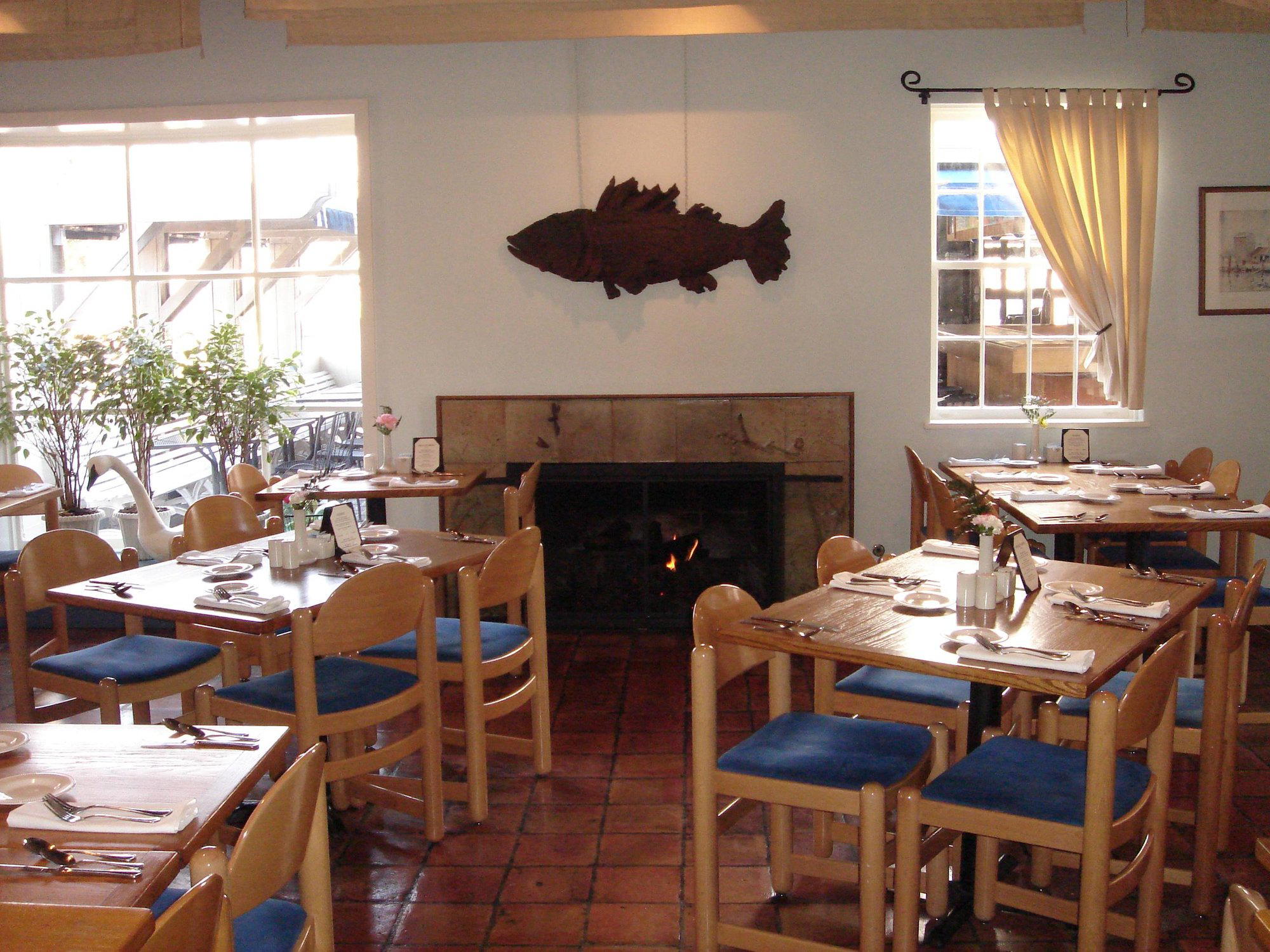
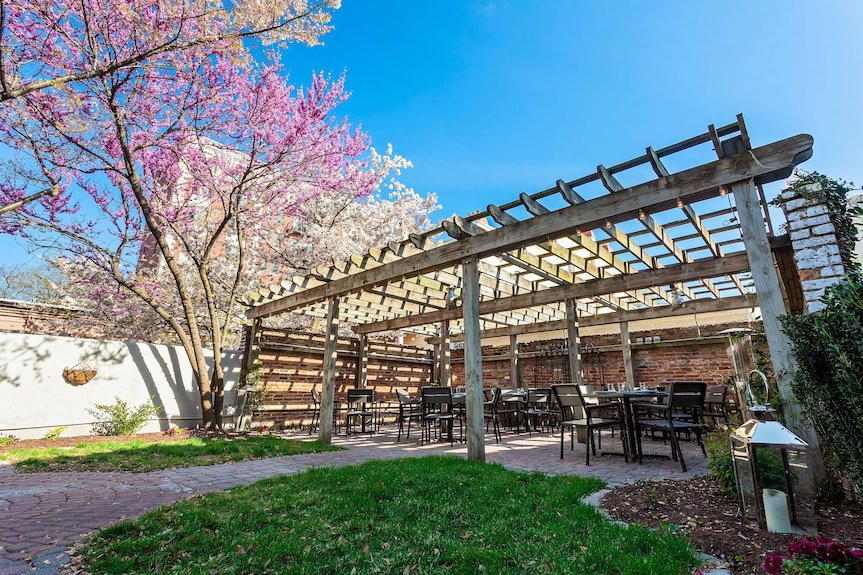
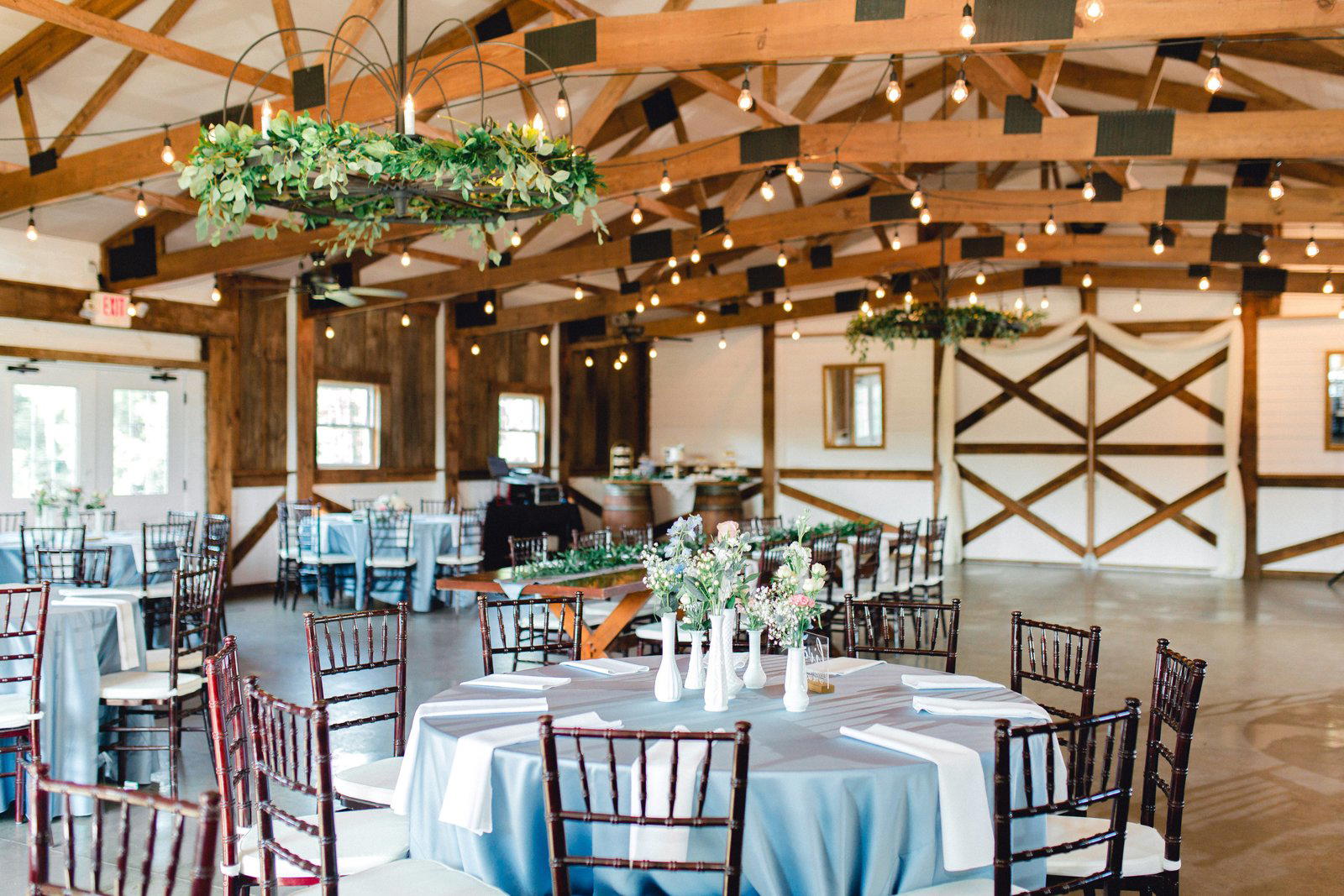
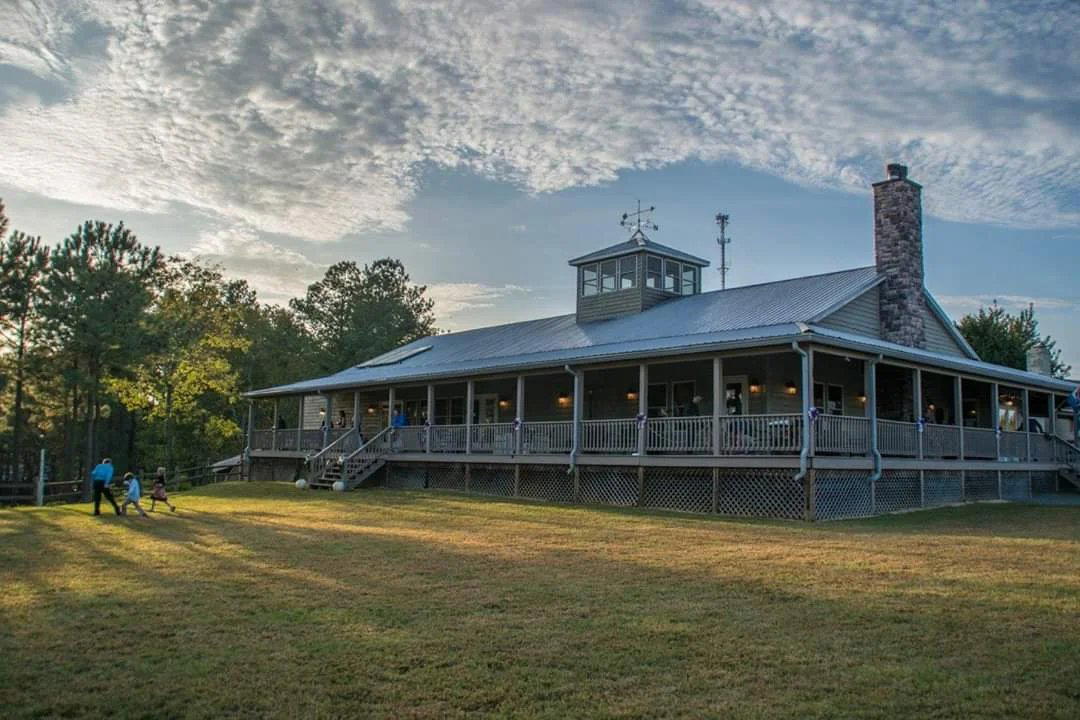
Welcoming and pleasant atmosphere with an open kitchen, fireplace, and warm hospitality blending fine cuisine with approachable comforts.