Rockefeller Room

Located inside the Forbes Travel Guide Five-Star Williamsburg Inn, Rockefeller Room operates at the quieter, more serious end of Colonial Williamsburg dining. Executive Chef Travis Brust builds a rotating seasonal menu around Chesapeake Bay sourcing and European Colonial influences, with a wine list that reaches into Virginia's wine country alongside Old World selections.
Pearl is the En Primeur Club membership app — saves, bookings, and concierge access live there. Same editors, same standards.
- Address
- 136 East Francis Street, Williamsburg, Virginia 23185
- Phone
- +18553180835
- Website
- colonialwilliamsburg.org
- Directions
- Get directions
 Saves & bookings on Pearl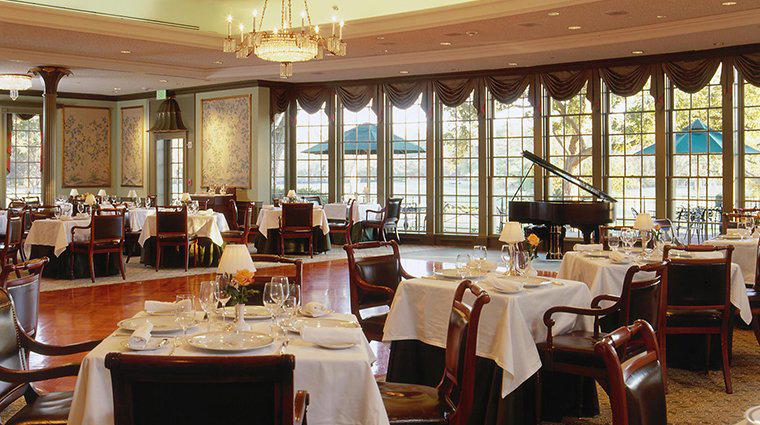
Where Colonial Williamsburg Meets the Chesapeake Table
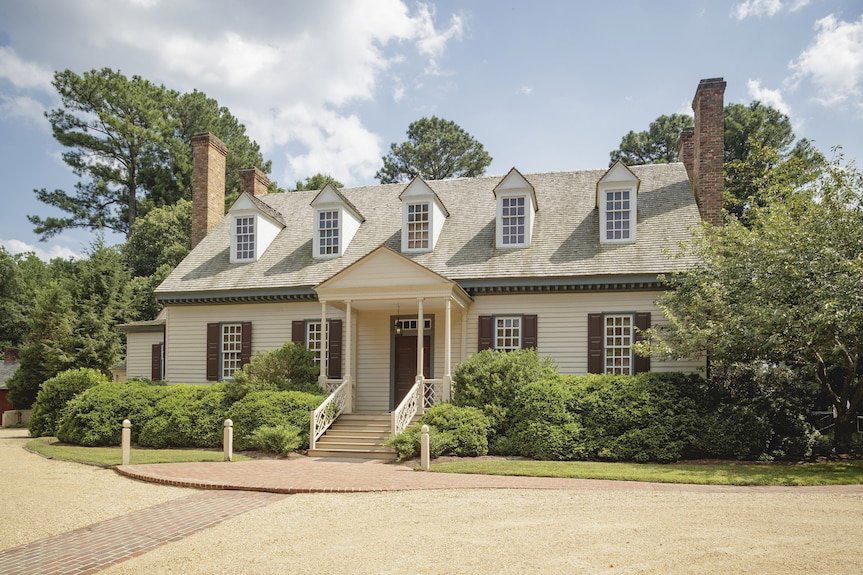
The dining rooms of American historic districts tend to sort themselves into two categories: those that lean on heritage as a crutch, filling menus with period-costume theatrics and safe crowd-pleasers, and those that treat their surroundings as a constraint worth working against. Rockefeller Room, situated inside the Forbes Travel Guide Five-Star Williamsburg Inn, is a restaurant in Williamsburg, Virginia. Dark wood tables replace the white tablecloths that signal easy formality elsewhere; plush green banquettes and high ceilings create a room that reads as genuinely elegant without reaching for colonial pastiche. Walking in, the atmosphere lands somewhere between a well-appointed private club and a serious dining room in a mid-sized American city that knows what it's doing.
Its price tier sits at four, with an average spend of about $128 per person.
The Chesapeake as the Actual Menu Architecture
American steakhouses, as a category, have long struggled with the tension between protein-first menus and regional specificity. The format defaults easily to generic: a reliable cut, a potato, a sauce. What distinguishes the more considered end of the category, from Peter Luger Steak House in New York to CUT in Singapore, is a legible point of view about sourcing and geography. Rockefeller Room's version of that point of view runs through the Chesapeake Bay.
Executive Chef Travis Brust draws on local purveyors for a rotating seasonal menu, and the Chesapeake shapes the non-steak side of the menu with the same authority that a prime cut anchors the plate at a conventional steakhouse. Tangier Island oysters arrive with a champagne sabayon under the name oysters Abby. Blue crab cakes come alongside a crisp cucumber rémoulade. Rockfish, a Virginia staple, is seared and finished with brown butter. These aren't peripheral appetizers performing local color: they function as genuine leads in a menu where the region does real work.
The approach connects to a longer tradition in American cooking at historically significant sites. Restaurants like The Inn at Little Washington have demonstrated that Virginia's larder can support serious fine dining without requiring the kitchen to import its identity from elsewhere. Rockefeller Room operates in that same tradition, though at a different scale and with a format oriented more toward the accessible end of the fine-dining spectrum.
The Cut Question: What Steakhouse Tradition Actually Means Here
When an American steakhouse operates inside a Five-Star hotel in a heritage district, the editorial angle on the menu tends to focus on provenance theater rather than technique. Rockefeller Room complicates that expectation. The menu's stated emphasis on bold flavors and local sourcing positions its protein program alongside, rather than in front of, the broader regional menu. The rack of lamb paired with roasted root vegetables and a potato-chèvre puree with lavender illustrates how the kitchen integrates steakhouse confidence, direct heat, rich accompaniments, assertive seasoning, with Southern and Mid-Atlantic ingredients that push the format past its default settings.
This is a different proposition from the single-minded beef focus of a New York or Chicago steakhouse. Diners who arrive expecting the format of, say, Peter Luger will find a kitchen that takes the steakhouse as a starting point rather than a ceiling. For context on how American restaurants at this level use regional sourcing as a structural principle rather than a garnish, the farm-to-table commitments at Blue Hill at Stone Barns or the produce-driven menus at Single Thread Farm in Healdsburg represent the more rigorous end of that approach. The restaurant operates in a more accessible register, but the underlying logic of place-first sourcing runs through both.
Virginia Wine and the Old World List
Wine programs at hotel fine-dining rooms in historic American cities often play it safe, stocking Old World reliables and a few California labels without much editorial conviction. The restaurant list takes a more considered position. It covers Old World favorites with reported breadth and depth, but makes deliberate space for Virginia's wine country, including a cabernet franc from Barboursville Vineyards, a producer with genuine standing in the region's wine identity. Cab franc has become one of Virginia's most credible varieties, and Barboursville's version has appeared consistently in discussions of the state's serious wine output.
For visitors using a Williamsburg stay to explore the state's wine geography, the Williamsburg wineries guide maps that territory in more detail. The restaurant list functions as a reasonable introduction to what Virginia's wine country produces, without requiring the guest to already know it.
Bibb Salad, Cornbread, and the Dessert Collection
The menu's opening moves, a locally harvested bibb salad with poppy seed vinaigrette and toasted cornbread, establish the Southern register without ornament. Cornbread at a fine-dining steakhouse could easily tip into self-conscious regionalism; here it arrives as a direct statement of place. The dessert program takes the same approach. Rather than a single signature plate, the kitchen offers The Rockefeller Collection: five desserts served together, including a toasted honey-oat panna cotta and a pecan-studded financier made with local small-batch bourbon. The format lets the dessert section carry its own weight in the meal's narrative rather than functioning as an afterthought to the protein courses, a structural choice that holds up against the dessert ambition visible at American fine-dining peers like Lazy Bear or Emeril's in New Orleans.
Service, Timing, and Planning the Visit
Service at the restaurant leans toward knowledgeable guide rather than formal protocol, a distinction that matters in a room where the dress code and Five-Star hotel context could easily produce stiffness. The Southern hospitality register keeps the room accessible without sacrificing precision.
Dinner timing in the Virginia countryside skews earlier than urban dining rooms: weeknight reservations tend toward 6 p.m. with weekend sittings typically at 7 p.m. Planning around those windows avoids the compressed service that comes from arriving too close to last seating. The restaurant draws both visitors to Colonial Williamsburg and a local regular crowd, which means the room carries consistent energy across the week rather than spiking only on weekend evenings.
While children are permitted, the format and atmosphere are oriented toward adult dining. For comparison with American fine dining at other price points and formats, Providence in Los Angeles, Addison in San Diego, Albi in Washington D.C., Alinea in Chicago, The French Laundry in Napa, and Le Bernardin in New York each represent a different angle on what American fine dining looks like when a kitchen commits to a clear point of view.
At-a-Glance Comparison
Comparable venues nearby, for context on price, style, and recognition.
| Venue | Cuisine | Price | Notes |
|---|---|---|---|
| Rockefeller RoomThis venue — the venue you are viewing | Contemporary American Fine Dining | $$$$ | Not listed |
| Rockefellers | Contemporary American Fine Dining | $$$$ | Colonial Williamsburg |
| Gabriel Archer Tavern | Farm-to-Table American Gastropub | $$ | Williamsburg Winery |
| Christiana Campbell's Tavern | Historic Colonial Seafood | $$$ | Colonial Williamsburg |
| Terrace & Goodwin Rooms | Polished American Classics | $$$ | Colonial Williamsburg |
| Old City Barbeque | Southern Whole Hog Barbecue | $$ | Williamsburg |
Recognition history
Dated appearances from independent guides and award organizations, with the underlying list record or original source where available.
Forbes Recommended
Forbes
Continue exploring
More in Williamsburg
Restaurants in Williamsburg
Browse all →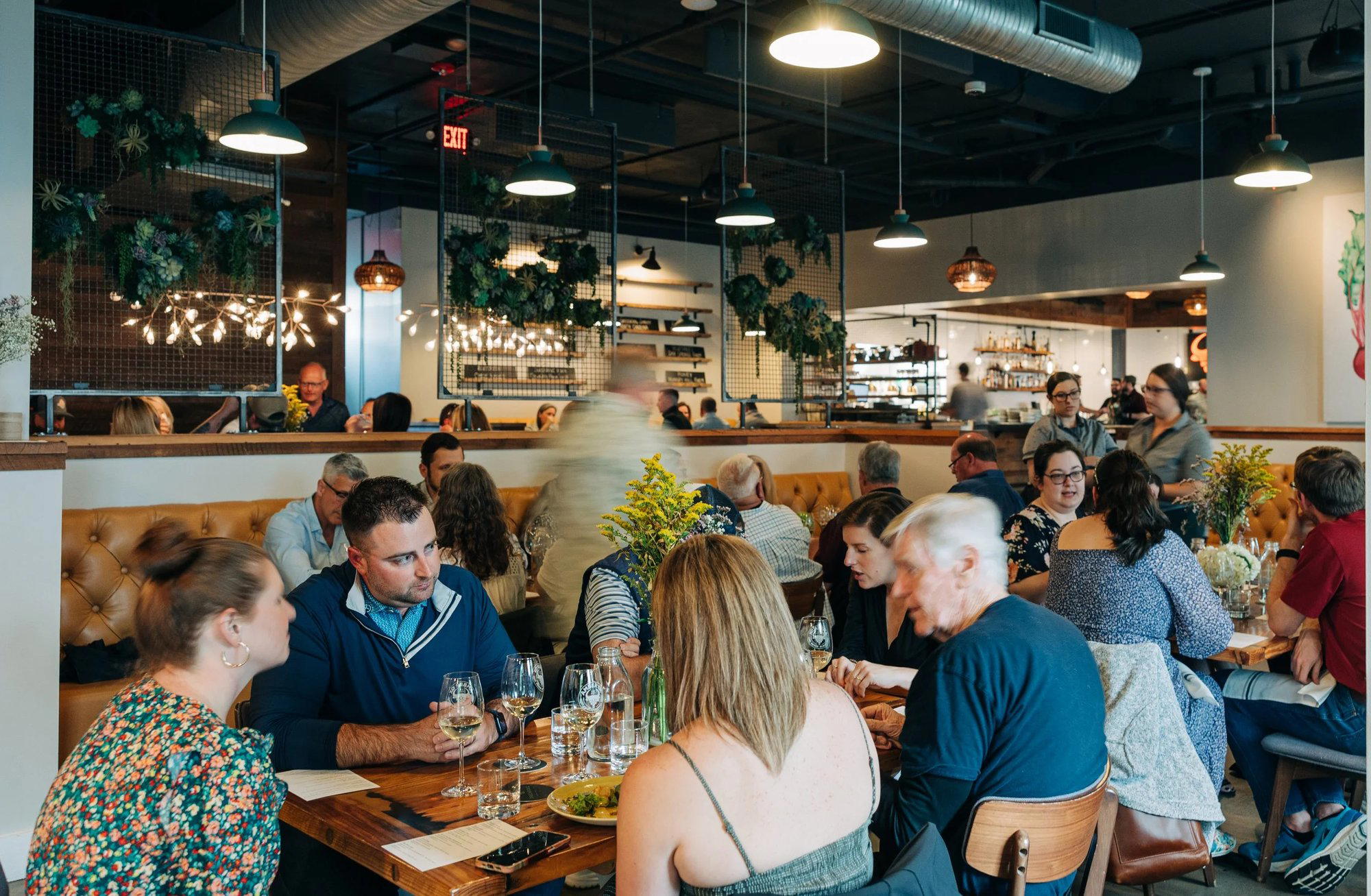
Bars in Williamsburg
Browse all →
Hotels in Williamsburg
Browse all →

At a Glance
- Elegant
- Romantic
- Sophisticated
- Classic
- Date Night
- Celebration
- Special Occasion
- Business Dinner
- Private Dining
- Terrace
- Live Music
- Historic Building
- Hotel Restaurant
- Extensive Wine List
- Sommelier Led
- Local Sourcing
- Farm To Table
Understated elegance with muted beauty, soft candlelit tables adorned with fresh flowers, tufted furnishings, and refined décor that evokes timeless sophistication without intimidation.