Osteria del Mare già il "Votapentole"

On Castiglione della Pescaia's pedestrian main street, Osteria del Mare già il "Votapentole" runs a focused seafood menu that earns its two consecutive Michelin Plates through disciplined sourcing and classic Tyrrhenian technique. Raw seafood, cacciucco, and a tuna amatriciana anchor the carta. Tables on the outdoor terrace fill fast in summer; book well ahead.
Pearl is the En Primeur Club membership app — saves, bookings, and concierge access live there. Same editors, same standards.
- Address
- Via IV Novembre, 15, 58043 Castiglione della Pescaia GR, Italy
- Phone
- +39 0564 934763
- Website
- osteriadelmarecdp.it
- Directions
- Get directions
 Saves & bookings on Pearl
A Pedestrian Street, a Sea Menu, and Why Both Matter
Castiglione della Pescaia sits on a promontory above the Tyrrhenian coast in southern Tuscany, one of the few stretches of the Maremma coastline where the medieval hilltop town and the fishing economy below it still feel genuinely connected. That connection shows up most clearly at the table. The restaurants that hold ground here across seasons are not the ones selling the postcard version of Tuscan cuisine, truffle, bistecca, wild boar, but the ones that follow the water. Osteria del Mare già il "Votapentole" is a restaurant serving Italian Seafood in Castiglione della Pescaia.
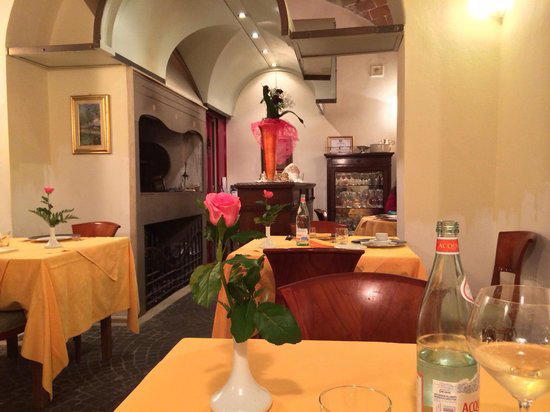
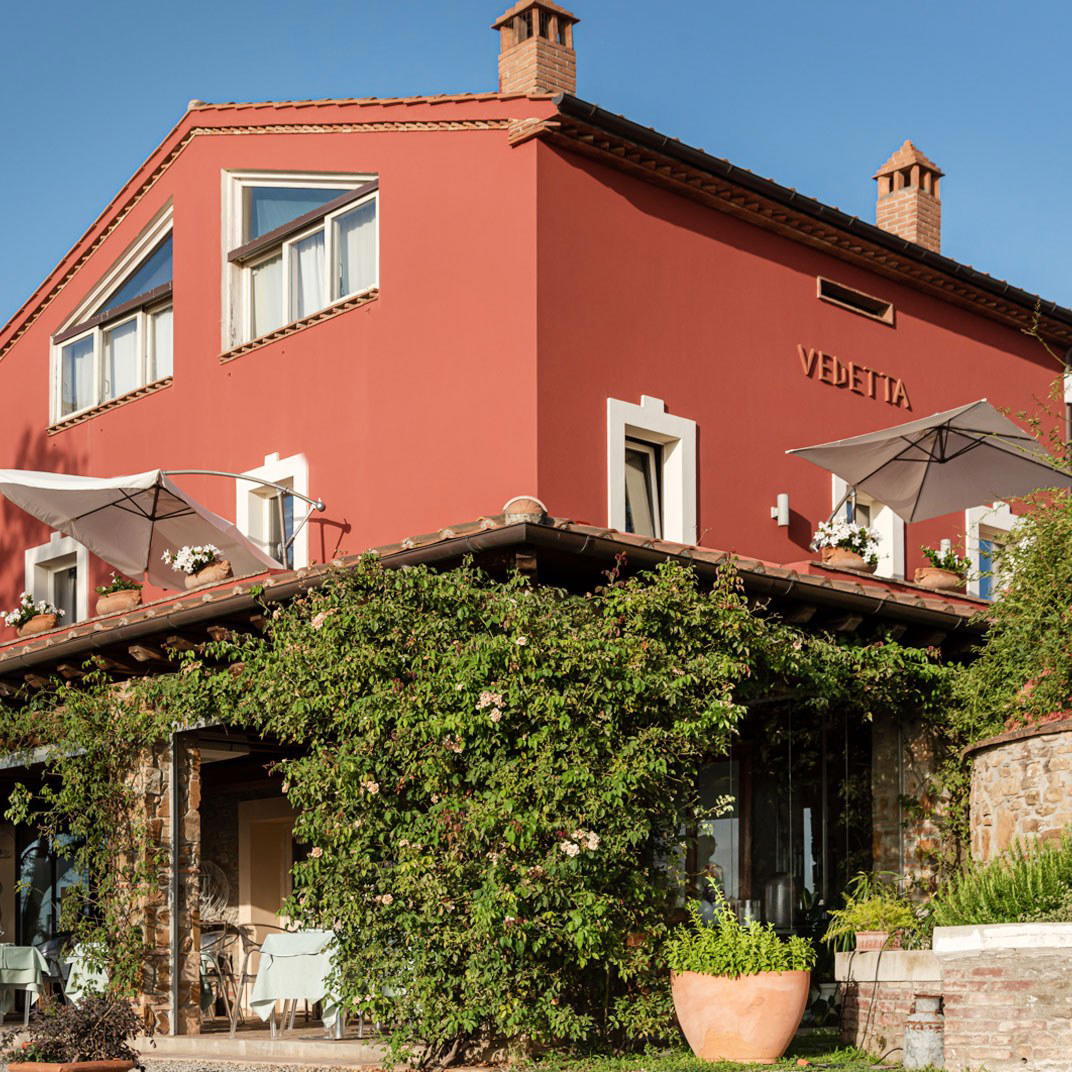
The restaurant occupies a modest space on Via IV Novembre, one of the pedestrian arteries that threads through the town center. The exterior reads immediately: cheerful colors, an outdoor terrace flush with the pedestrian street, the kind of informal welcome that signals the kitchen's confidence in its product rather than its décor. In summer, when the town's population multiplies and the evenings stretch, dinner service runs outdoors, and the terrace fills quickly. Reservations are not a suggestion at this point in the season, they are the condition of entry.
Where the Ingredients Begin: Tyrrhenian Sourcing and Maremma Waters
The Maremma coast produces some of central Italy's least-celebrated seafood, which is a structural irony given the quality of what comes out of these waters. The Tyrrhenian shelf here supports mullet, sea bass, bream, anchovies, and the range of shellfish and cephalopods that underpin the area's traditional fish cookery. Cacciucco, the dense, bread-soaked fish stew that originated in Livorno but claims the entire northern Tyrrhenian coast, is the dish that most honestly expresses what the local catch looks like when handled without interference. It is a fisherman's accounting of what the sea gave that day, slow-cooked into coherence.
At Osteria del Mare, cacciucco appears as a menu anchor rather than a daily special, which says something about the kitchen's confidence in consistent sourcing. The same logic applies to the raw seafood course that opens many tables here: crudo preparation at this level depends entirely on access to fish that has not traveled far or waited long. In the broader context of Italian seafood dining, where the distance between boat and plate is often the primary variable separating good from mediocre, proximity to the Tyrrhenian fishing grounds is a genuine operational advantage.
The tuna amatriciana signals something more deliberate: a willingness to place a fish ingredient inside a Roman pasta framework, which is either confident or careless depending on execution. That the dish has become a signature rather than a novelty suggests the former. Amatriciana's structure, guanciale fat, tomato acidity, pecorino sharpness, reads differently when tuna replaces the pork, and the combination works as a bridge between the cucina romana tradition and the coastal Tuscan kitchen. It is the kind of dish that appears on menus at a certain tier of Italian seafood restaurant, where classical training and local sourcing intersect.
What the Michelin Plates Signal in This Context
Michelin's Plate recognition in 2024 and 2025 does not operate at the level of star ambition. It identifies restaurants where cooking is solid, sourcing is taken seriously, and the kitchen has a point of view. In a coastal town where seasonal tourism creates strong incentives to simplify and scale, holding that recognition across two consecutive years reflects a choice to maintain standards rather than expand covers. For reference on what the Italian starred tier looks like, see venues such as Uliassi in Senigallia, which has built three-star coastal Italian cuisine on the Adriatic, or Quattro Passi in Marina del Cantone on the southern coast. Osteria del Mare operates at a different scale and price point, the €€ positioning places it firmly in the mid-range.
For broader context on where Italian fine dining sits at its upper registers, the comparison set includes Osteria Francescana in Modena, Enoteca Pinchiorri in Florence, Dal Pescatore in Runate, Enrico Bartolini in Milan, Le Calandre in Rubano, Piazza Duomo in Alba, Reale in Castel di Sangro, Casa Perbellini 12 Apostoli in Verona, and Atelier Moessmer Norbert Niederkofler in Brunico. Outside Italy, the modern cuisine frame at higher intensity appears at Frantzén in Stockholm and FZN by Björn Frantzén in Dubai. Osteria del Mare is not competing in that tier, but understanding that spectrum clarifies why a Michelin Plate at mid-range pricing in a seasonal coastal town carries weight for the category it actually inhabits.
Seasonal tourism floods dining rooms with variable expectations and variable diners; sustaining a 4.3 across more than a thousand reviews over time reflects operational stability.
Planning a Visit
Osteria del Mare già il "Votapentole" is located at Via IV Novembre, 15 in Castiglione della Pescaia, walking distance from the town's central piazza. Summer operation shifts to evenings only, and the outdoor terrace on the pedestrian street is the primary dining space during that period. Tables in high demand means advance booking is the only reliable approach from June through August. The €€ price range positions this as an accessible mid-range choice by Tuscan coastal standards, without the tasting-menu overhead of starred peers. For visitors orienting around a longer stay, the full Castiglione della Pescaia hotels guide covers accommodation options, while the bars guide and wineries guide map the broader drinking context. The experiences guide covers activities across the area for those spending more than a single evening. The full restaurants guide for Castiglione della Pescaia provides the complete picture of where this restaurant sits within the local dining scene.
Fast Comparison
Comparable venues nearby, for context on price, style, and recognition.
| Venue | Cuisine | Price | Awards | Notes |
|---|---|---|---|---|
| Osteria del Mare già il "Votapentole"This venue — the venue you are viewing | Italian Seafood | $$ | Bib Gourmand | Not listed |
| La Trattoria Enrico Bartolini | Modern Tuscan Trattoria | $$$$ | Michelin 1 Star | Località Badiola |
| Podere 39 | Tuscan Farm-to-Table Trattoria | $$ | Bib Gourmand | Bobolino |
| Da Burde | Traditional Tuscan Trattoria | $$ | Bib Gourmand | Nave A Petriolo |
| Zeb | Tuscan Gastronomia | $$ | Bib Gourmand | San Niccolo |
| Dei Cantoni | Romagna Trattoria | $$ | Bib Gourmand | Longiano |
Recognition history
Dated appearances from independent guides and award organizations, with the underlying list record or original source where available.
Michelin Bib Gourmand
Michelin
Michelin Plate
Michelin
Michelin Plate
Michelin
Continue exploring
More in Castiglione della Pescaia
Restaurants in Castiglione della Pescaia
Browse all →
Bars in Castiglione della Pescaia
Browse all →
Hotels in Castiglione della Pescaia
Browse all →

At a Glance
- Classic
- Cozy
- Scenic
- Casual Hangout
- Group Dining
- Special Occasion
- Historic Building
- Standalone
- Local Sourcing
Current opening hours
- Monday
- Closed
- Tuesday
- 12:30–2:30 PM, 7:30–10:30 PM
- Wednesday
- 12:30–2:30 PM, 7:30–10:30 PM
- Thursday
- 12:30–2:30 PM, 7:30–10:30 PM
- Friday
- 12:30–2:30 PM, 7:30–10:30 PM
- Saturday
- 12:30–2:30 PM, 7:30–10:30 PM
- Sunday
- 12:30–2:30 PM, 7:30–10:30 PM
Hours can change for holidays and private events. Last verified .