Fusion Kitchen
Situated on Wilshire Boulevard in Los Angeles's Mid-Wilshire corridor, Fusion Kitchen occupies a stretch of the city where culinary experimentation has long found room to breathe. The restaurant draws on the city's multicultural pantry to construct a dining format that resists easy categorisation — positioned somewhere between the neighbourhood staple and the occasion restaurant that LA's dining culture has always had space for.
Pearl is the En Primeur Club membership app — saves, bookings, and concierge access live there. Same editors, same standards.
- Address
- 5657 Wilshire Blvd Suit 150, Los Angeles, CA 90036
- Phone
- +14128080880
- Website
- fusionkitchenla.com
- Directions
- Get directions
 Saves & bookings on Pearl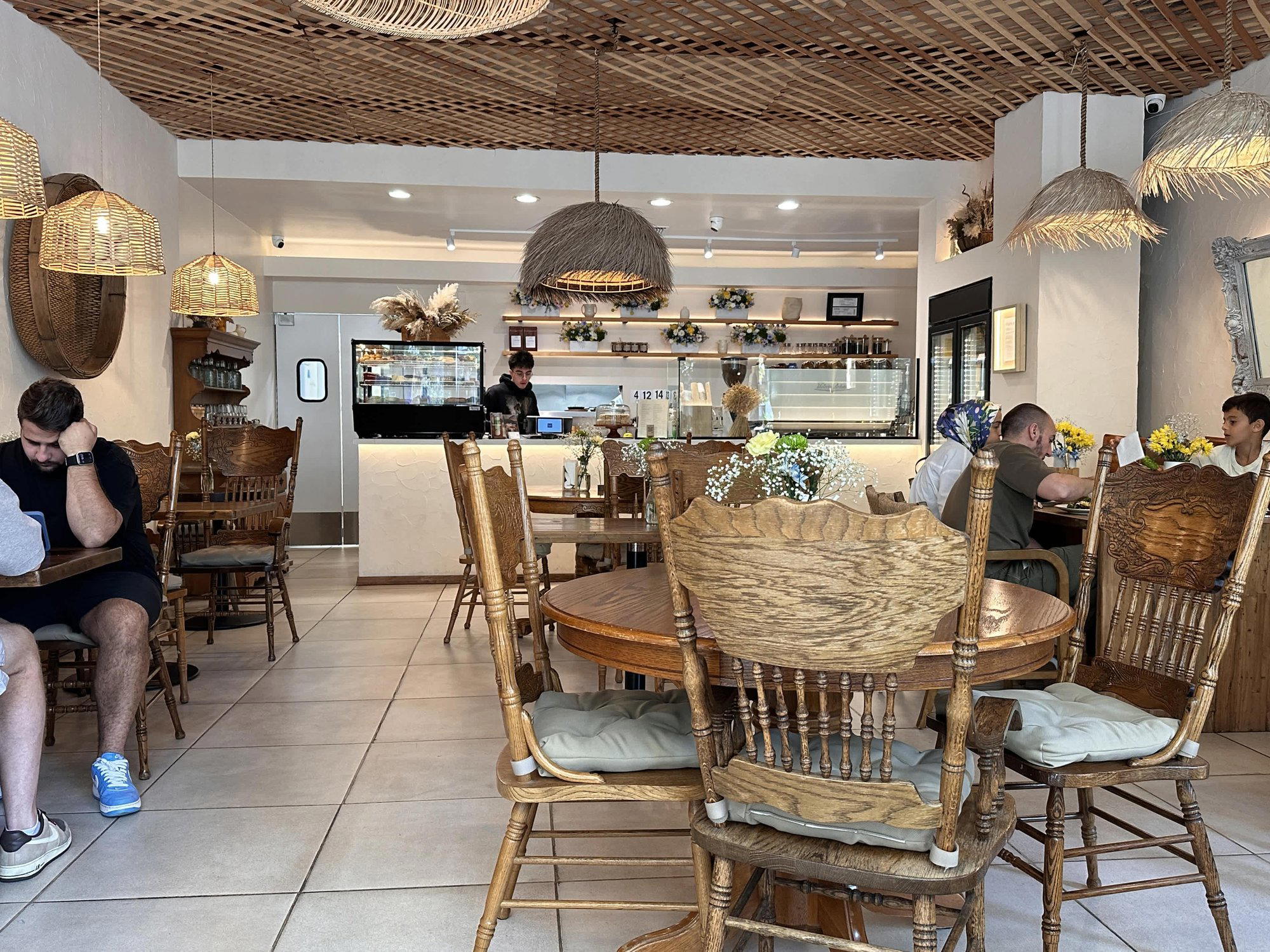
Where Wilshire's Dining Culture Sets the Terms
Mid-Wilshire has never commanded the editorial attention of, say, the Arts District or Beverly Hills, but the corridor running through the 90036 zip code has quietly sustained some of Los Angeles's more durable restaurant operations. The stretch of Wilshire Boulevard between Fairfax and La Brea sits at the edge of multiple neighbourhoods — Hancock Park to the north, Miracle Mile proper to the south — and the dining rooms here tend to reflect that cross-section: kitchens that serve a genuinely local clientele rather than one shaped by tourism or a single demographic. Fusion Kitchen, at 5657 Wilshire Blvd, sits inside this dynamic. Its address alone signals something about its competitive set: this is not a destination block in the conventional sense, which means the restaurant earns its footfall on terms closer to a neighbourhood dining contract than a destination-led draw.
That context matters when placing Fusion Kitchen against the broader Los Angeles scene. The city's upper tier, Providence with its contemporary seafood rigour, Kato's New Taiwanese precision, Somni's molecular ambition, and Hayato's kaiseki discipline, operates at price points and booking depths that define a different category entirely. Osteria Mozza anchors a separate tier through Italian-Californian authority. Fusion Kitchen does not appear to be competing in those registers. It operates instead in the middle band of Los Angeles dining, where the question is less about tasting-menu architecture and more about whether a kitchen can hold a clear identity across a diverse, walk-in-friendly clientele.
The Ritual of a Meal on Wilshire
In cities with a strong dining culture, how a meal is paced and structured tells you as much about a restaurant's values as the food itself. Los Angeles, more than most American cities, has absorbed influences from Japanese, Korean, Mexican, Southeast Asian, and Mediterranean traditions, each with its own embedded logic about sequencing, sharing, and the proper tempo of eating. A kitchen that announces itself through fusion is, in effect, making a claim about how those traditions can coexist in a single sitting. The challenge is always whether that coexistence feels considered or simply additive.
The dining ritual at a mid-register Los Angeles fusion restaurant typically works in one of two modes: either it foregrounds sharing as the structural principle, with dishes arriving without prescribed sequence, or it adheres to a more conventional Western progression that then deploys multicultural ingredients as accent rather than architecture. The distinction matters because it determines whether a diner should arrive with a group to extract full value, or whether the solo or couple format works just as well. Without specific menu data available for Fusion Kitchen at this time, the practical guidance is to approach the meal with the assumption that Los Angeles fusion formats generally reward a table of three or four, enough to move across more of the menu without forcing repetition.
Timing also shapes the experience in this part of Wilshire. The corridor sits close enough to the Miracle Mile's museum cluster that early-evening sittings can carry a pre- or post-exhibition crowd, while later in the week the regulars from surrounding residential streets fill the room. Arriving before 7pm on weekdays tends to offer a calmer entry point; weekend evenings on this stretch move faster and louder. The suite format of the address (Suite 150) suggests a building with multiple tenants, which is common on commercial Wilshire, and means street-level visibility is lower than a standalone frontage, factor that into first-visit navigation.
Placing Fusion Kitchen in a National Conversation
The fusion format carries a complicated history in American fine dining. Through the 1990s and early 2000s, fusion became shorthand for undisciplined eclecticism, a charge that prompted a generation of chefs to retreat into stricter categorical identities. The past decade has seen a measured rehabilitation: kitchens like Atomix in New York City demonstrate how cross-cultural fluency can be rigorous rather than casual, while Kato in Los Angeles has made the case for a hyphenated identity (New Taiwanese, emphatically Californian) without apology. Outside California, Smyth in Chicago and Lazy Bear in San Francisco represent how progressive American kitchens have absorbed influence without naming fusion as the concept.
What separates the credible from the merely eclectic, in most critical accounts, is the presence of a through-line: a logic that explains why these particular combinations appear together, whether that logic is geographic, biographical, seasonal, or philosophical. Restaurants like Single Thread Farm in Healdsburg, Blue Hill at Stone Barns in Tarrytown, and The French Laundry in Napa have all staked their identity on that kind of internal coherence. For a restaurant operating under the fusion label in 2024, the question any engaged diner brings to the table is: what is the logic here?
Internationally, that conversation extends further. Le Bernardin in New York City, The Inn at Little Washington, Emeril's in New Orleans, Addison in San Diego, Frasca Food and Wine in Boulder, and Atelier Moessmer Norbert Niederkofler in Brunico all demonstrate that the most durable restaurant identities are rooted, not ranging. Whether Fusion Kitchen has developed that kind of rootedness is something current diner reports would need to confirm.
Planning Your Visit
Fusion Kitchen is located at 5657 Wilshire Blvd, Suite 150, Los Angeles, CA 90036. The suite designation means the entrance may not be immediately visible from the street; allow a few extra minutes on a first visit. The Wilshire/Fairfax area is served by the Metro Bus network, and street parking is available on side streets off Wilshire, though metered spots on the boulevard itself fill quickly during evening service. For a fuller map of where Fusion Kitchen sits within the city's dining options, the EP Club Los Angeles restaurants guide provides neighbourhood-level context across price tiers. Specific hours, pricing, and booking methods were not confirmed at the time of publication; contacting the restaurant directly before a first visit is advisable.
Nearby-ish Comparables
| Venue | Cuisine | Price |
|---|---|---|
| Fusion KitchenThis venue — the venue you are viewing | This venue | Not listed |
| Kato | New Taiwanese, Asian | $$$$ |
| Hayato | Japanese | $$$$ |
| Vespertine | Progressive, Contemporary | $$$$ |
| Holbox | Mexican Seafood, Mexican | $$ |
| Sushi Kaneyoshi | Sushi, Japanese | $$$$ |
Continue exploring
More in Los Angeles
Restaurants in Los Angeles
Browse all →
Bars in Los Angeles
Browse all →
Hotels in Los Angeles
Browse all →
Wineries in Los Angeles
Browse all →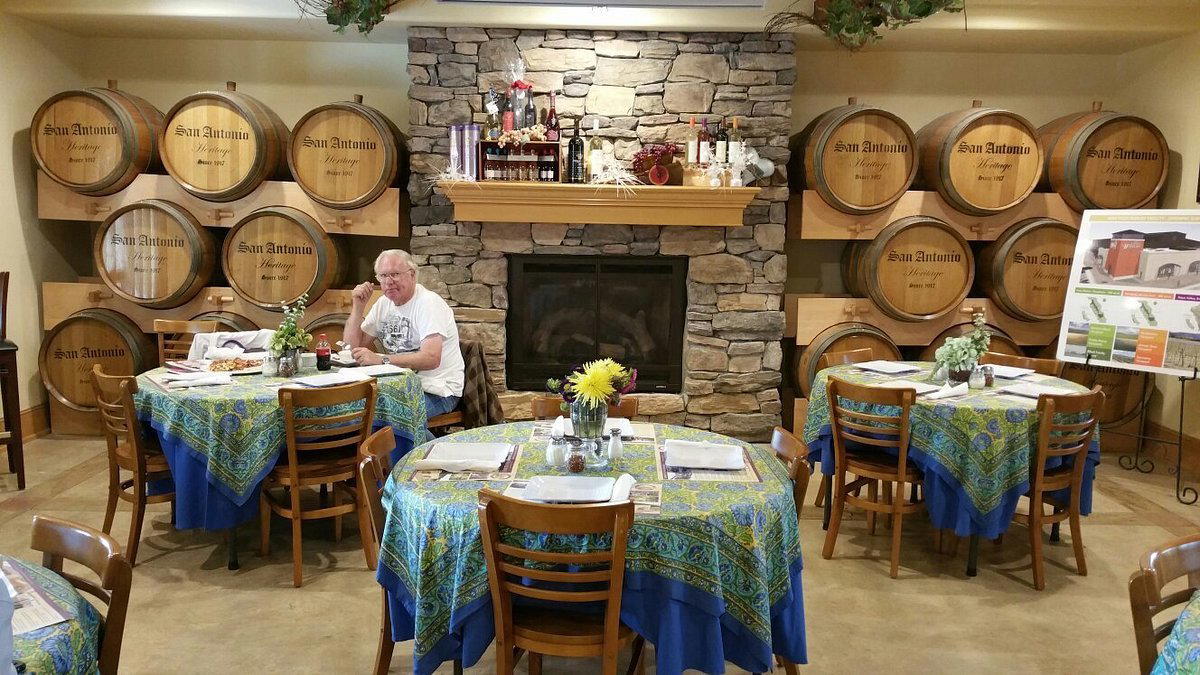
At a Glance
- Cozy
- Charming
- Modern
- Brunch
- Family
- Casual Hangout
- Standalone
Cozy and charming cafe atmosphere with a contemporary European feel.
Know Before You Go
- Getting there
- 5657 Wilshire Blvd Suit 150, Los Angeles, CA 90036