The Night We Met
The Night We Met is a Japanese restaurant in Los Angeles operating in a city where the teppanyaki counter has evolved well beyond mid-century steakhouse theatrics. Set against an LA dining scene that includes some of the most technically ambitious Japanese cooking in the United States, it occupies the intersection of live-fire performance and precision Japanese technique. Booking details, price, and seasonal availability are best confirmed directly with the venue.
Pearl is the En Primeur Club membership app — saves, bookings, and concierge access live there. Same editors, same standards.
- Address
- 788 S La Brea Ave, Los Angeles, CA 90036
- Phone
- (323) 424-3108
- Website
- thenightwemetla.com
- Directions
- Get directions
 Saves & bookings on Pearl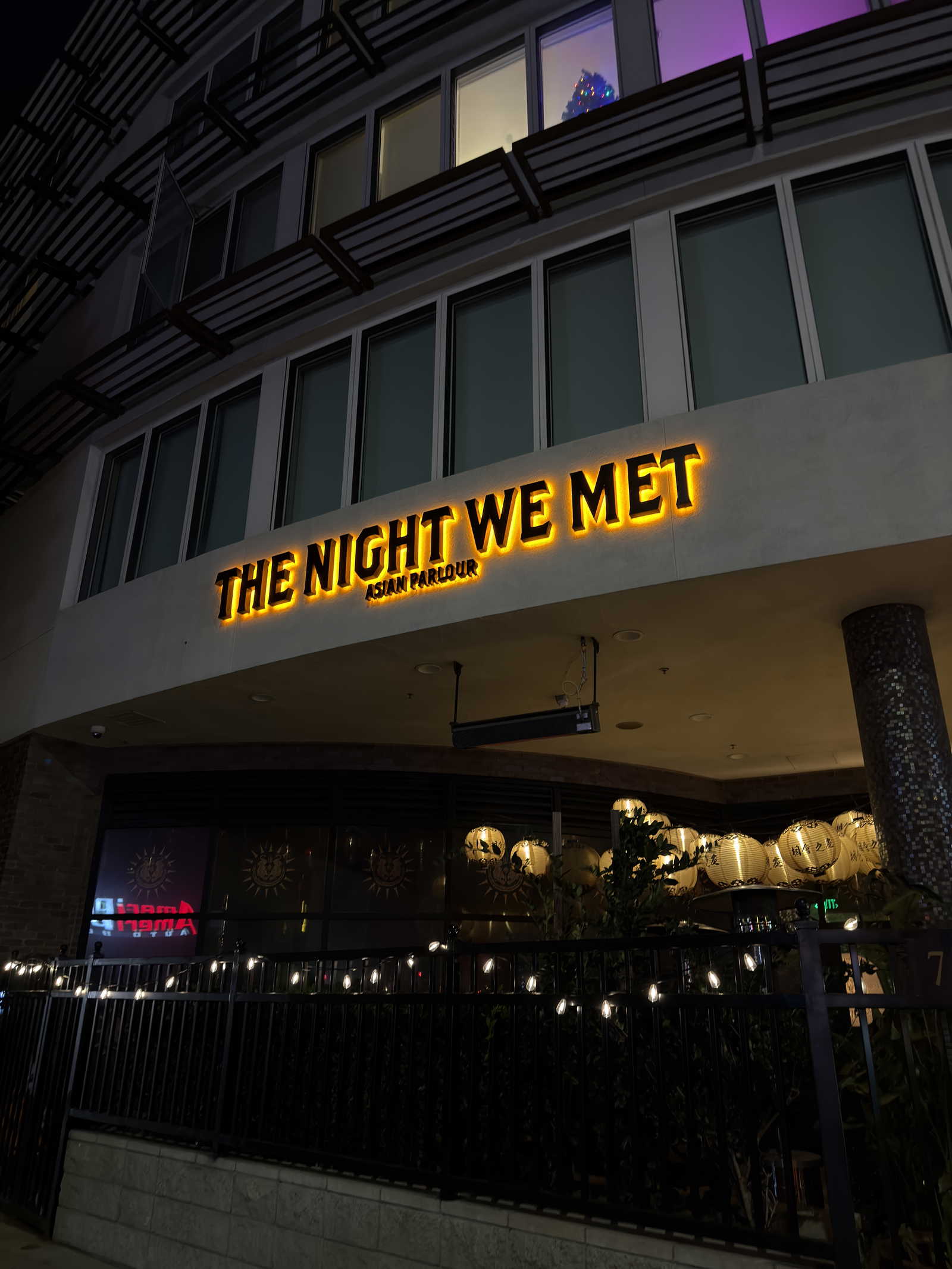
The Counter as Stage
In Los Angeles, the teppanyaki format has undergone a quiet but meaningful transformation over the past decade. What was once associated with dinner-as-spectacle — flying shrimp, onion volcanoes, theatrics aimed at suburban birthday tables — has been reframed by a generation of Japanese chefs who treat the iron griddle as a precision instrument. The counter is now a compositional space, where proximity to the cook is the point, and where the gap between kitchen and dining room collapses entirely. The Night We Met operates inside that shift, bringing Japanese technique and live-fire cooking together in a city that has become one of the most contested arenas for serious Japanese dining outside Japan itself.
Los Angeles has a structural advantage in this category. The depth of Japanese-American community ties here, combined with decades of cross-Pacific culinary exchange, means the city's Japanese restaurant scene is not a satellite version of Tokyo dining. It runs on its own logic. Counter-format restaurants like Hayato and n/naka have established a benchmark for what Japanese precision looks like in an LA context: ingredients sourced with the same rigour you'd expect in Ginza, but interpreted through a California sensibility. The Night We Met enters this conversation through the teppanyaki register, arguably the most viscerally theatrical format in Japanese cooking.
What the Teppanyaki Counter Actually Demands
The appeal of teppanyaki at its finest is not the knife tricks. It is the fact that the cook has nowhere to hide. Every decision, timing, temperature, the precise moment a protein moves from resting heat to active sear, happens in front of the guest. The iron plate retains and distributes heat with a consistency that other cooking surfaces can't replicate, which is why the format rewards technique so directly. A skilled teppanyaki cook reads surface temperature by the behaviour of fat, adjusts constantly, and sequences courses so that each item arrives at the right moment without the theatrics overwhelming the food itself.
For context, the refinement of this format in Japan, particularly in the Kobe and Osaka belt where teppanyaki has deep roots, has produced a style where restraint and timing carry more weight than showmanship. The leading counters in Tokyo, such as those at the level of Myojaku or the kaiseki-adjacent formats at Azabu Kadowaki, demonstrate how live-fire Japanese cooking can achieve a register of quiet intensity rather than noise. That is the standard against which ambitious teppanyaki in Los Angeles implicitly competes.
The Competitive Field in Los Angeles
The Night We Met occupies a Japanese dining scene in Los Angeles that is, by any reasonable measure, among the most demanding in the country. Counter-seat Japanese restaurants face a high bar for booking depth, ingredient sourcing, and format discipline.
Further afield, the performance-driven end of American fine dining, Alinea in Chicago, Lazy Bear in San Francisco, Single Thread Farm in Healdsburg, each demonstrates how format theatricality and ingredient rigour can operate together without cancelling each other out. The teppanyaki counter, at its most considered, belongs to that broader conversation about cooking as a live, witnessed act. In that framing, The Night We Met's format carries genuine editorial weight within LA's current scene.
The name itself is worth noting as a signal of positioning. It reads less like a restaurant name than an event or a memory, which suggests an intent to frame the dining experience around occasion rather than category. In a city where n/naka has built a near-mythological reputation partly through its association with emotional resonance in food, and where Bar Sawa approaches the Japanese bar format with a similar attention to the guest's felt experience, occasion-framing is a deliberate editorial choice. It positions the restaurant in the experiential tier of Japanese dining rather than the purely technical one.
Planning a Visit
For current availability and reservation terms, contact the restaurant directly or check its current booking channel. In the premium Japanese counter format in LA, reservations typically open weeks in advance and move quickly; same-week availability is uncommon for counter seats at this tier. Given the live-fire, counter-seat format, the experience is inherently seasonal in feel, the rhythm of a teppanyaki dinner in autumn, when richer proteins and root-vegetable accompaniments tend to dominate Japanese menus, differs markedly from the lighter, acid-forward compositions that characterise spring and early summer service.
For a broader orientation to serious dining in Los Angeles, see our full Los Angeles restaurants guide. Those building an extended visit around food and drink will also find relevant context in our full Los Angeles bars guide, our full Los Angeles hotels guide, our full Los Angeles wineries guide, and our full Los Angeles experiences guide. For reference points beyond LA, the counter-format precision of Le Bernardin in New York City, the ingredient-focused approach of The French Laundry in Napa, and the chef-driven occasion model at Emeril's in New Orleans each offer comparative context for what refined counter dining demands from both kitchen and guest.
Comparable Options
Comparable venues nearby, for context on price, style, and recognition.
| Venue | Cuisine | Price | Notes |
|---|---|---|---|
| The Night We MetThis venue — the venue you are viewing | Thai-Inspired Pan-Asian Fusion | $$ | Not listed |
| Sora | Turkish-Asian Fusion | $$ | Farmer Market |
| ABL | Modern Jamaican-Chinese-Soul | $$ | Hollywood |
| Escala | Colombian-Korean Fusion | $$ | Wilshire Center |
| Scratch Bar & Kitchen | Modern Fusion Tasting Menu | $$$ | Encino |
| Sorry Not Sorry | Vietnamese-Mexican Fusion | $$ | Sawtelle |
Continue exploring
More in Los Angeles
Restaurants in Los Angeles
Browse all →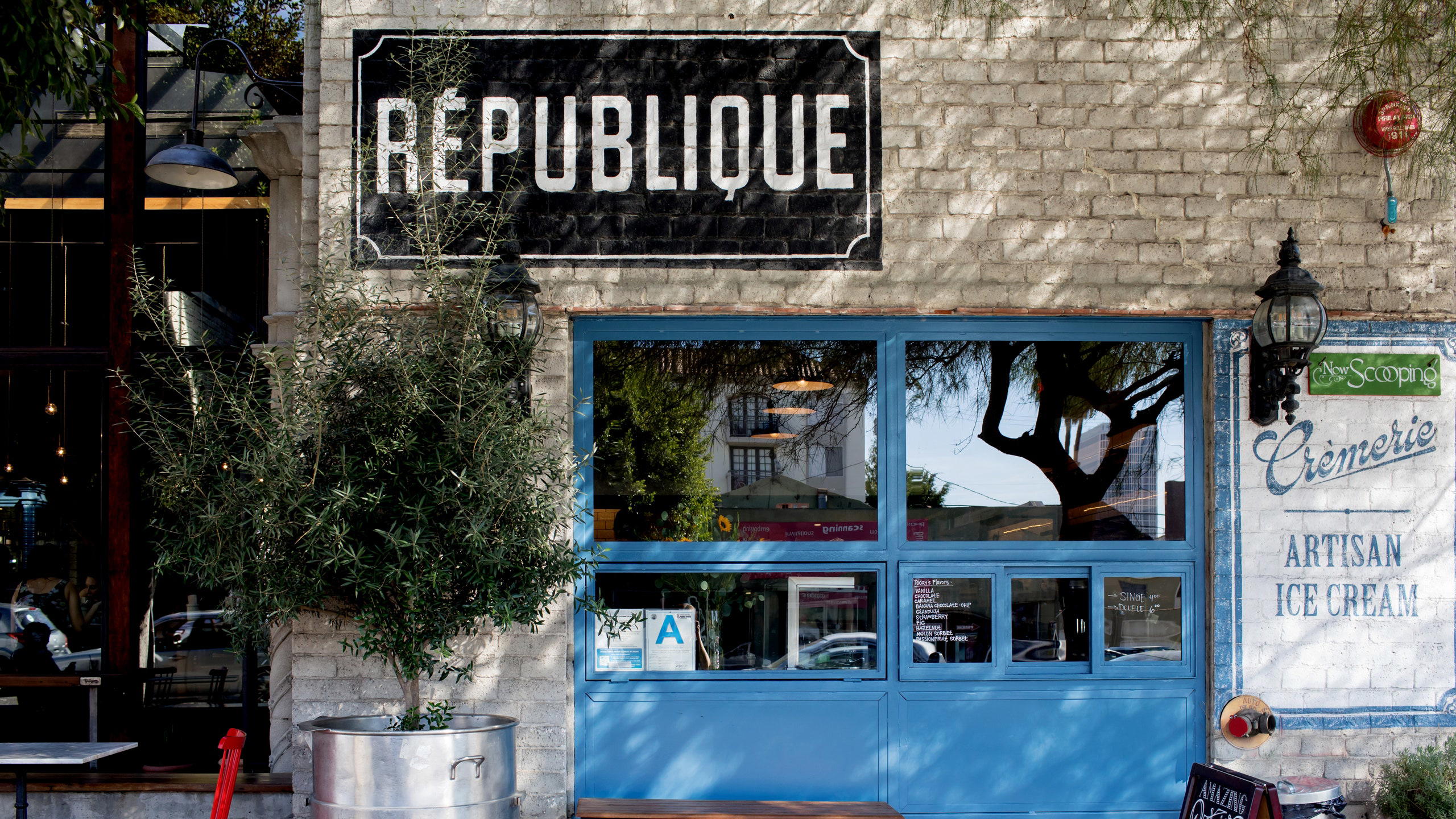
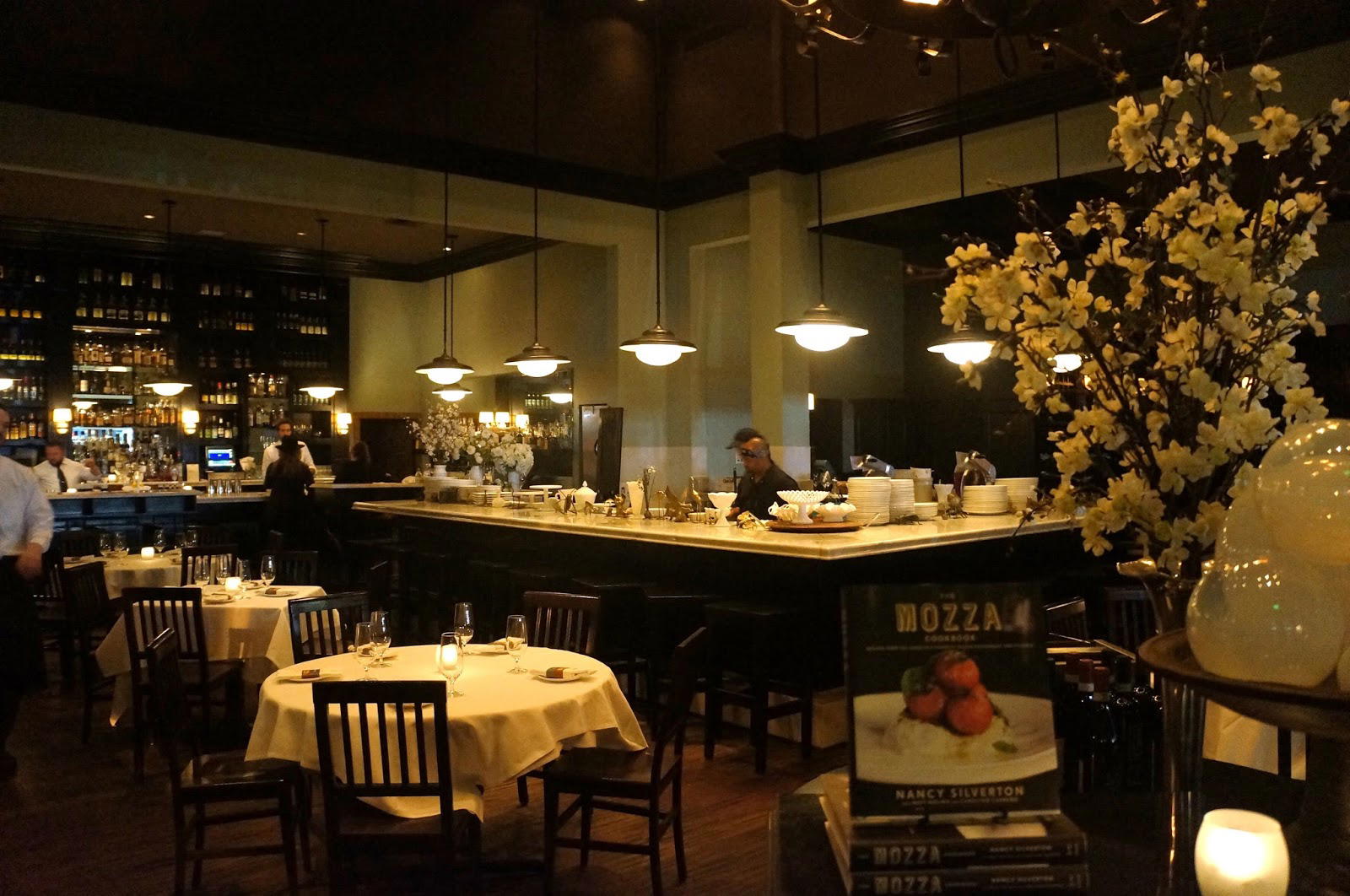
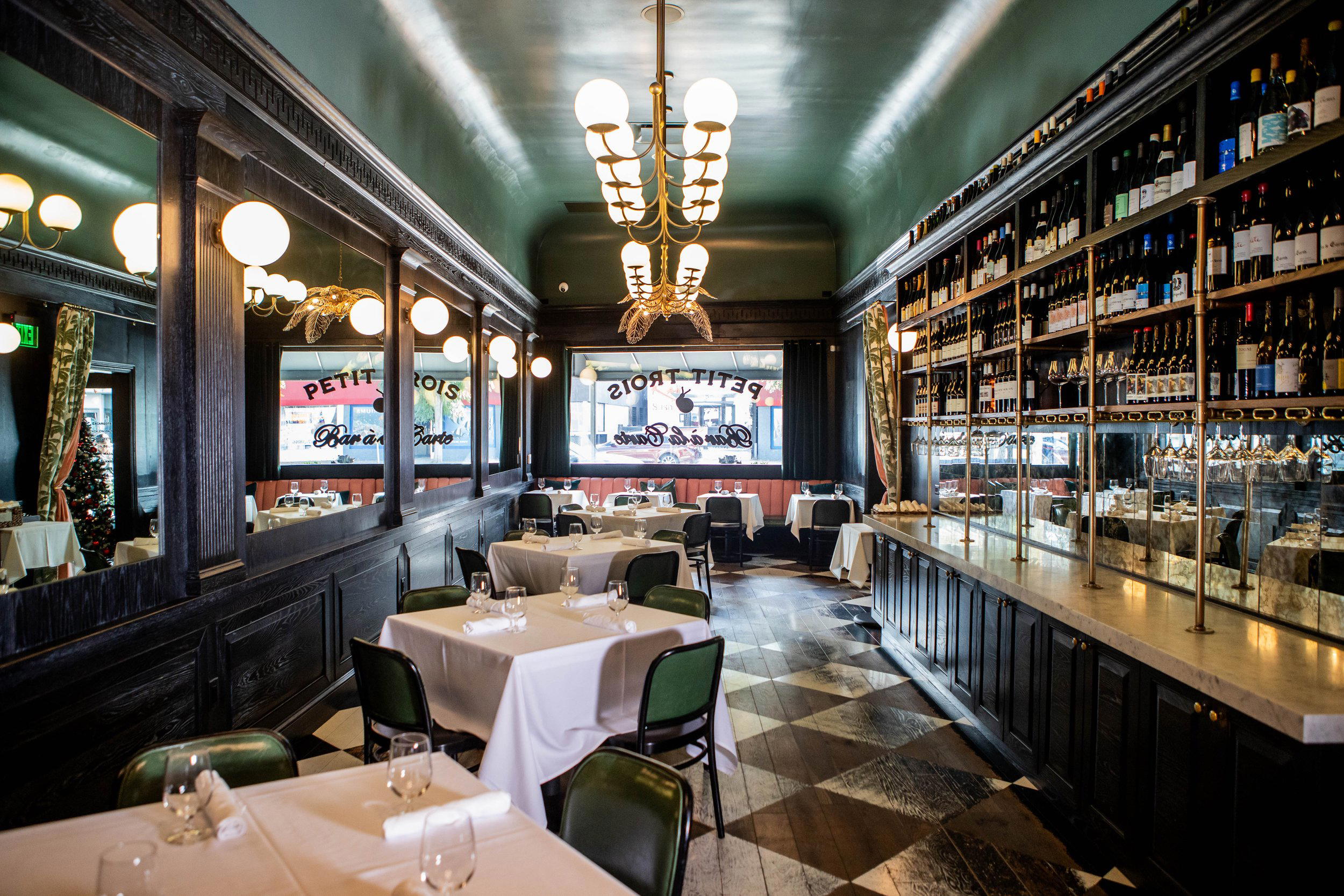
Bars in Los Angeles
Browse all →
Hotels in Los Angeles
Browse all →
Wineries in Los Angeles
Browse all →
At a Glance
- Intimate
- Elegant
- Romantic
- Whimsical
- Date Night
- Group Dining
- Casual Hangout
- Celebration
- Live Music
- Design Destination
- Standalone
- Craft Cocktails
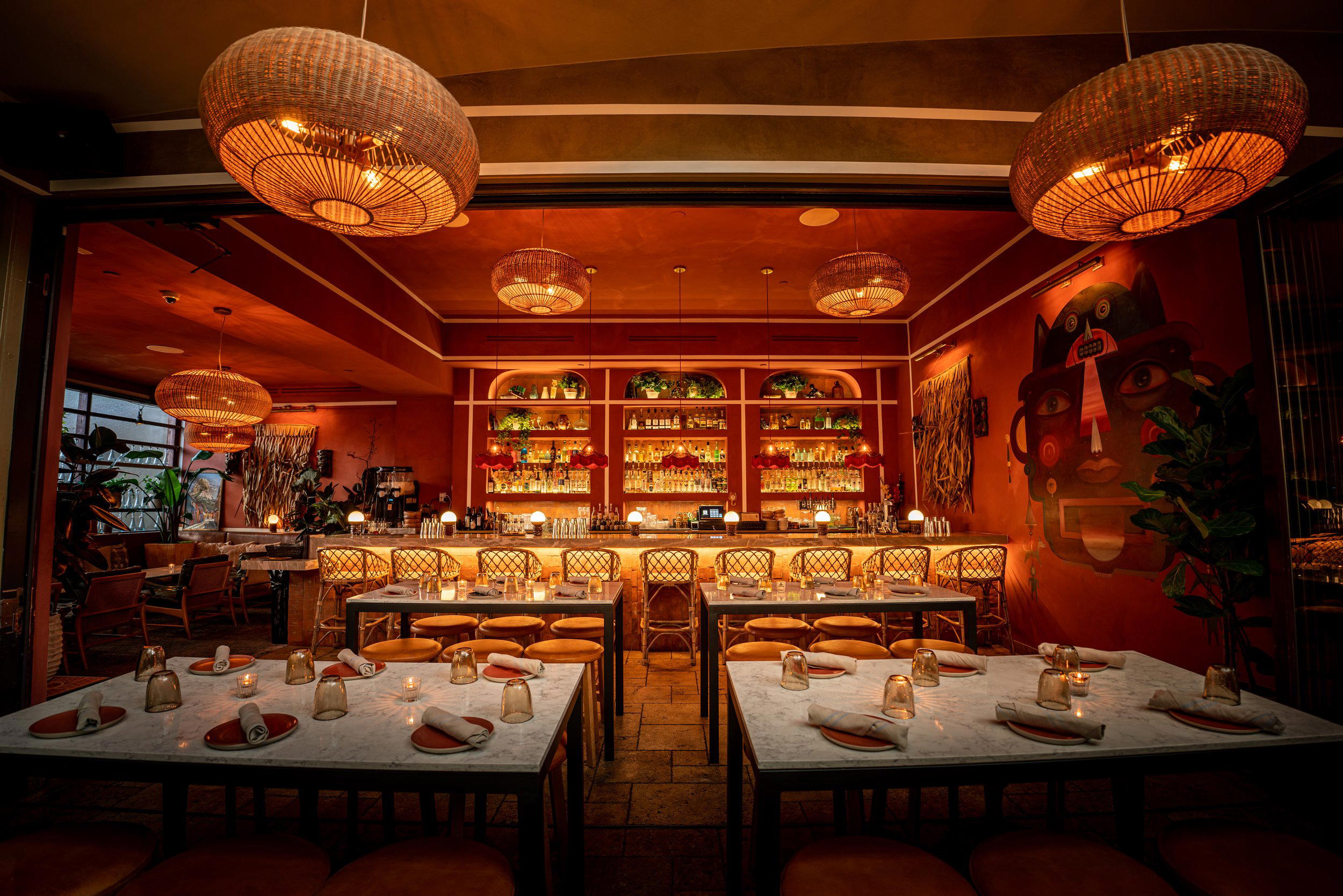
Warmly lit by yellow Chinese lanterns with a dark, intimate dining room decorated with a dragon mural, paper lanterns, and bird cages, creating an elegant escape from the city.
Know Before You Go
- Getting there
- 788 S La Brea Ave, Los Angeles, CA 90036