
Tabelog 100 #75
Our verdict
Teppanyaki Kuku gives Funabashi’s Nishi-Funabashi area a compact steak-and-iron-plate address with a Tabelog 100 Steak / Teppanyaki EAST 2025 selection behind it. The appeal is not trophy dining theater, but a smaller-format room where wagyu, abalone, counter seats, private rooms, and izakaya ease sit in the same local dining grammar.

Pearl is the En Primeur Club membership app, where members save venues, book tables and use the concierge.
The menu
What to order
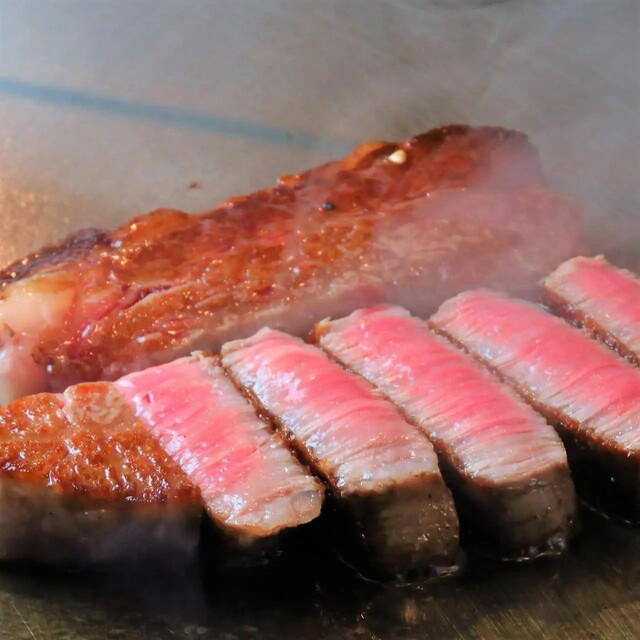
- A5 Japanese black wagyu steak
- Black wagyu sirloin course
- Black wagyu fillet steak course
- Foie gras poêlé
- Live abalone teppanyaki
Approach Funabashi’s restaurant streets and the shift is immediate: commuter energy, small local dining rooms, and the kind of places that serve regulars before they serve destination diners. In that setting, the iron plate has a different register from formal central-city ceremony. It is closer to heat, proximity, and ingredient confidence, with steakhouse precision folded into the more relaxed habits of a neighborhood izakaya.
Teppanyaki Kuku belongs to that Chiba-side category rather than the hotel teppanyaki model. Its public classification spans teppanyaki, steak, and Japanese-style tavern cooking, which matters because the format tells the reader what to expect: griddle-led cooking and steak handled without the rigid formality that often surrounds high-end counters in central Tokyo. The decision is less about spectacle than about choosing a relaxed Funabashi setting for a focused teppanyaki meal.
Teppanyaki and steak put the sourcing question at the center
In Japanese teppanyaki, ingredient sourcing carries the argument. The cuisine is built around a small number of products exposed to direct heat, so there is less room for distraction than in a sauced or multi-component tasting menu. At Teppanyaki Kuku, the defining cues are the teppanyaki and steak categories themselves: they point to marbling, fat management, portion discipline, timing, texture, and heat control. Those categories place the meal in a more specialized lane than casual steak rice or chain teppan counters, even when the room keeps a local feel.
The 2025 Tabelog Hyakumeiten recognition gives that positioning external weight. Tabelog’s Hyakumeiten lists are not luxury awards in the Michelin sense; they are category-specific signals within Japan’s dining culture, useful for separating serious regional specialists from ordinary neighborhood popularity. A 3.58 Tabelog score reinforces the same point: this is not a fringe listing riding novelty, but a recognized entrant in a steak and teppanyaki field that includes both metropolitan and suburban addresses.
Funabashi’s dining scene rewards range more than polish. Nearby choices can run from Japanese set meals and casual dining to Thai, Indian, ramen, and izakaya formats, which makes a teppanyaki specialist feel less isolated than it would in a tourist district. Readers mapping the wider city can compare the local spread through other Funabashi dining rooms, or use Our full Funabashi restaurants guide for the broader pattern.
A local-room format rather than a destination-stage performance
The format is part of the editorial read. Teppanyaki Kuku sits between a relaxed local room and a more focused grill counter in spirit, without needing the highly scripted performance style of a destination hotel restaurant. That combination is common in suburban Japan, where one restaurant may need to serve couples, small groups, and regular local diners without changing its culinary spine. The appeal is practical as much as culinary: a griddle-led meal in a city setting that does not overstate the ceremony.
That structure also explains the pricing position relative to Funabashi peers. Shogetsu En and La Bonta occupy a comparable local dining conversation, while Thai Restaurant Kinmedai, Robin's Indian Kitchen, and Tomonomoto show how broad the city’s casual and specialist options can be. Teppanyaki Kuku’s published budget is Dinner: JPY 5,000 - JPY 5,999; Lunch: JPY 1,000 - JPY 1,999, placing it in a clearly defined steak and teppanyaki category rather than a generic neighborhood meal. For travelers, that makes it a useful Chiba alternative when central Tokyo’s steak counters feel too formal or too reservation-driven for the evening’s purpose.
The 2025 recognition is another useful signal. A restaurant appearing in a category list suggests local traction, particularly in a field where steak and teppanyaki diners often compare restaurants on product quality, value, and consistency rather than novelty. The absence of a heavily publicized chef narrative is not a weakness here. In this genre, the credibility comes from the ingredients the kitchen chooses to put under direct heat and the discipline with which the room is arranged around that work.
How to place it within a Funabashi itinerary
Funabashi is often treated as a transit city between Tokyo and Chiba, but its restaurant culture is more useful when read through the daily rhythm of the city itself. Funabashi has the practical energy of a rail-linked urban area, which favors restaurants that can handle weekday dinners, family use, and small celebrations without turning the meal into a ceremony. Teppanyaki Kuku fits that rhythm: polished enough for a steak-led dinner, relaxed enough for mixed company, and specific enough to justify crossing town if the goal is iron-plate cooking rather than general Japanese dining.
For a fuller city plan, dining can be paired with the area’s broader travel rails: Our full Funabashi hotels guide, Our full Funabashi bars guide, Our full Funabashi wineries guide, and Our full Funabashi experiences guide. Readers comparing steak and casual grill culture beyond Chiba can also look generically at other dining rooms across Japan and abroad for contrast across format, city, and price logic, while keeping Teppanyaki Kuku as the Funabashi reference point for this particular steak and teppanyaki category.
Frequently asked questions
Where exactly is Teppanyaki Kuku?
Teppanyaki Kuku is located in Funabashi.
How much does it cost to eat at Teppanyaki Kuku?
Pricing at Teppanyaki Kuku is listed as Dinner: JPY 5,000 - JPY 5,999; Lunch: JPY 1,000 - JPY 1,999.
When is Teppanyaki Kuku open?
Specific opening hours are not provided in the available venue details, so confirm directly before visiting.
What's the defining dish or idea at Teppanyaki Kuku?
The clearest idea is teppanyaki built around steak and Japanese izakaya-style dining, which is why Tabelog placed it in its 2025 Hyakumeiten recognition. The real marker is the format: a grill-focused restaurant in Funabashi.
Can Teppanyaki Kuku adjust for dietary needs?
The available venue details do not list a formal dietary program, so the safest approach is to ask when reserving at +81-47-779-2930.
Would Teppanyaki Kuku be comfortable with kids?
The available venue details do not specify a children or family policy, so confirm directly with the restaurant if visiting with kids.
Fast Comparison
Nearby venues at a similar price tier for orientation.
| Venue | Cuisine | Price | Awards | Notes |
|---|---|---|---|---|
| Teppanyaki KukuThis venue (the venue you are viewing) | Teppanyaki & Wagyu Steakhouse | $50–100 | Tabelog 100 #75 | Not listed |
| Funakko | Sardine-focused Japanese Izakaya | $20–30 | Tabelog 100 #40 | Higashifunabashi |
| Shogetsu En | Traditional Yakiniku (Japanese BBQ) | $20–30 | Tabelog 100 #13 | Keisei Nishifuna |
| Sakuma Ice Cream Kobo | Ice Cream & Gelato | $1–10 | Tabelog 100 #88 | Takifudo |
| Ramen Jiro Keisei ookubo ten | Jiro-style ramen and tsukemen | $1–10 | Tabelog 100 #10 | Funabashi |
| Motsuyaki Doppo Honmachi ten | Standing bar for grilled offal (motsuyaki) | $10–20 | Tabelog 100 #75 | Honmachi, Funabashi |
Recognition history
Dated appearances from independent guides and award organizations, with the underlying list record or original source where available.
Tabelog 100 #75 · No. 75
Tabelog · Tabelog 100 - Steak / Teppanyaki - EAST - 2025
Continue exploring
More in Funabashi
Restaurants in Funabashi
All restaurants in Funabashi →





Details
- Romantic
- Intimate
- Cozy
- Elegant
- Date Night
- Business Dinner
- Special Occasion
- Celebration
- Group Dining
- Family
- Chefs Counter
- Private Dining
- Standalone
- Extensive Wine List
- Local Sourcing
- Tasting Menu
- A La Carte
- Counter Dining
- Set Menu
- Wine
- Beer
Current opening hours
- Monday
- Closed
- Tuesday
- 11:30 AM–2 PM, 5–11 PM
- Wednesday
- 11:30 AM–2 PM, 5–11 PM
- Thursday
- 11:30 AM–2 PM, 5–11 PM
- Friday
- 11:30 AM–2 PM, 5–11 PM
- Saturday
- 11:30 AM–2 PM, 5–11 PM
- Sunday
- 11:30 AM–2 PM, 5–11 PM
Hours can change for holidays and private events. Hours as of .
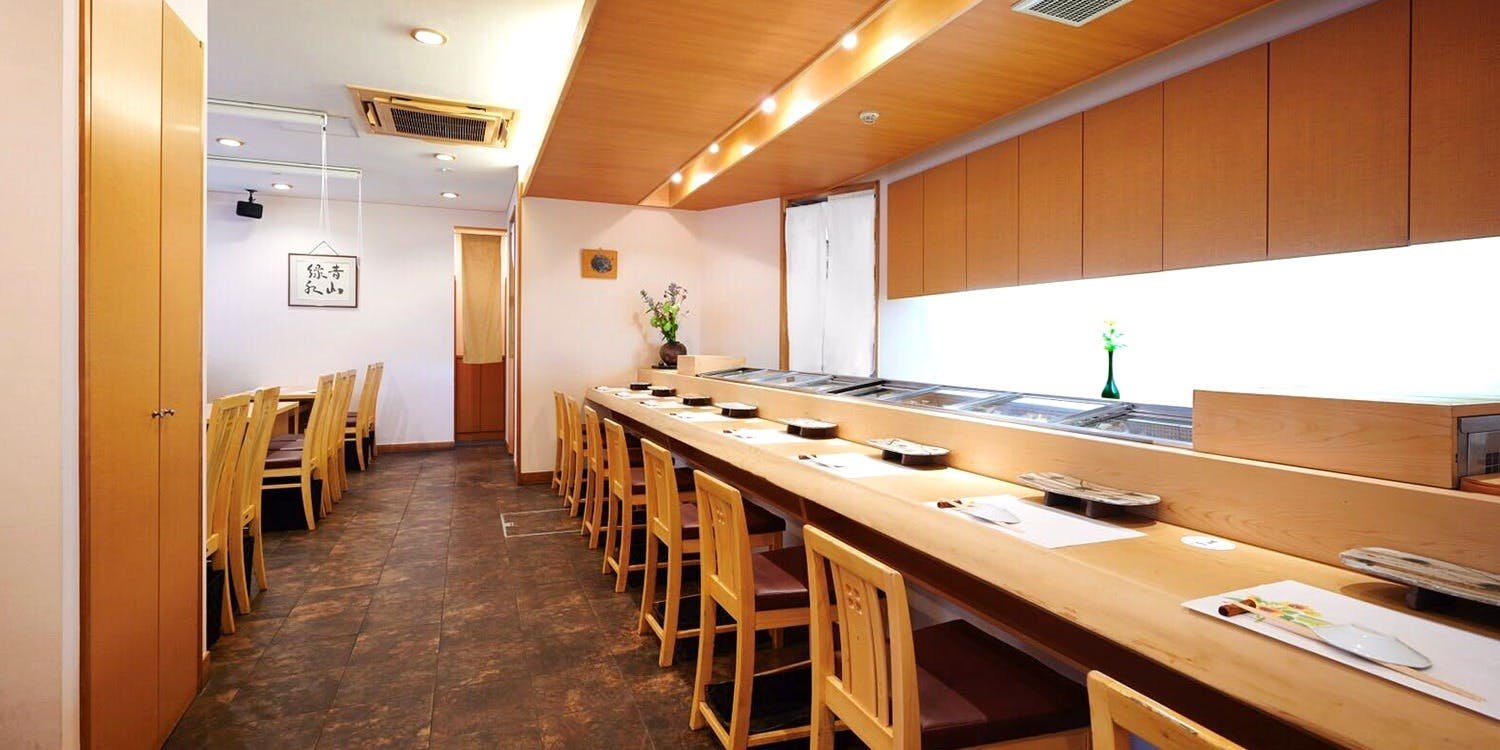
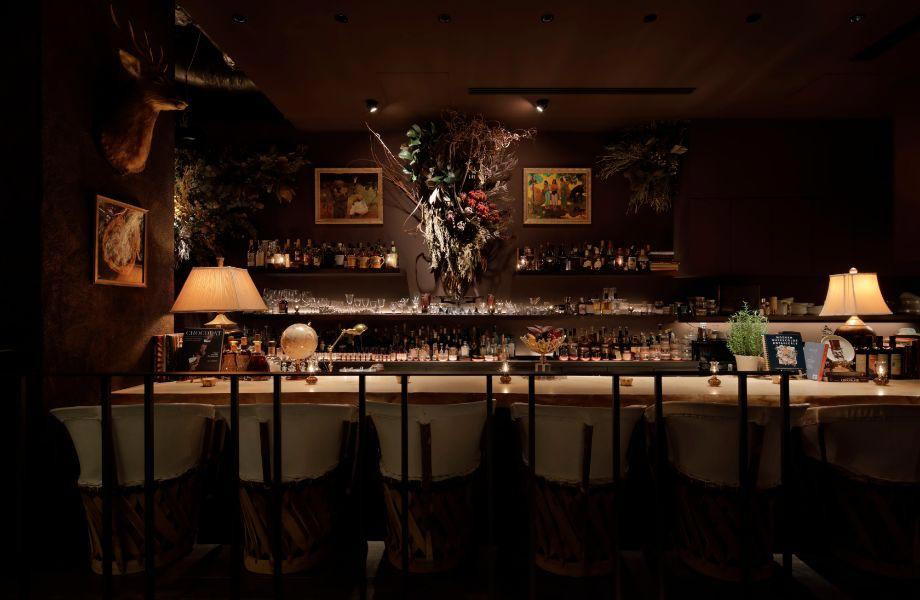
Warm, modern Japanese teppanyaki with a small counter and tatami private room, combining an elegant yet relaxed atmosphere where the chef cooks high‑grade wagyu and seafood right in front of guests, making it well suited to romantic dinners and special occasions.