Fumo Chelsea
Our verdict
Fumo Chelsea occupies a stretch of 8th Avenue where Italian-influenced dining has taken root alongside the neighbourhood's shift toward destination restaurants. The room's physical design shapes how the meal reads, placing it within a cohort of New York spaces where atmosphere and architecture carry as much weight as what arrives on the plate. For visitors orienting around Chelsea's dining corridor, it warrants a reservation.

Pearl is the En Primeur Club membership app, where members save venues, book tables and use the concierge.

The menu
What to order
- Aubergine Parmigiana
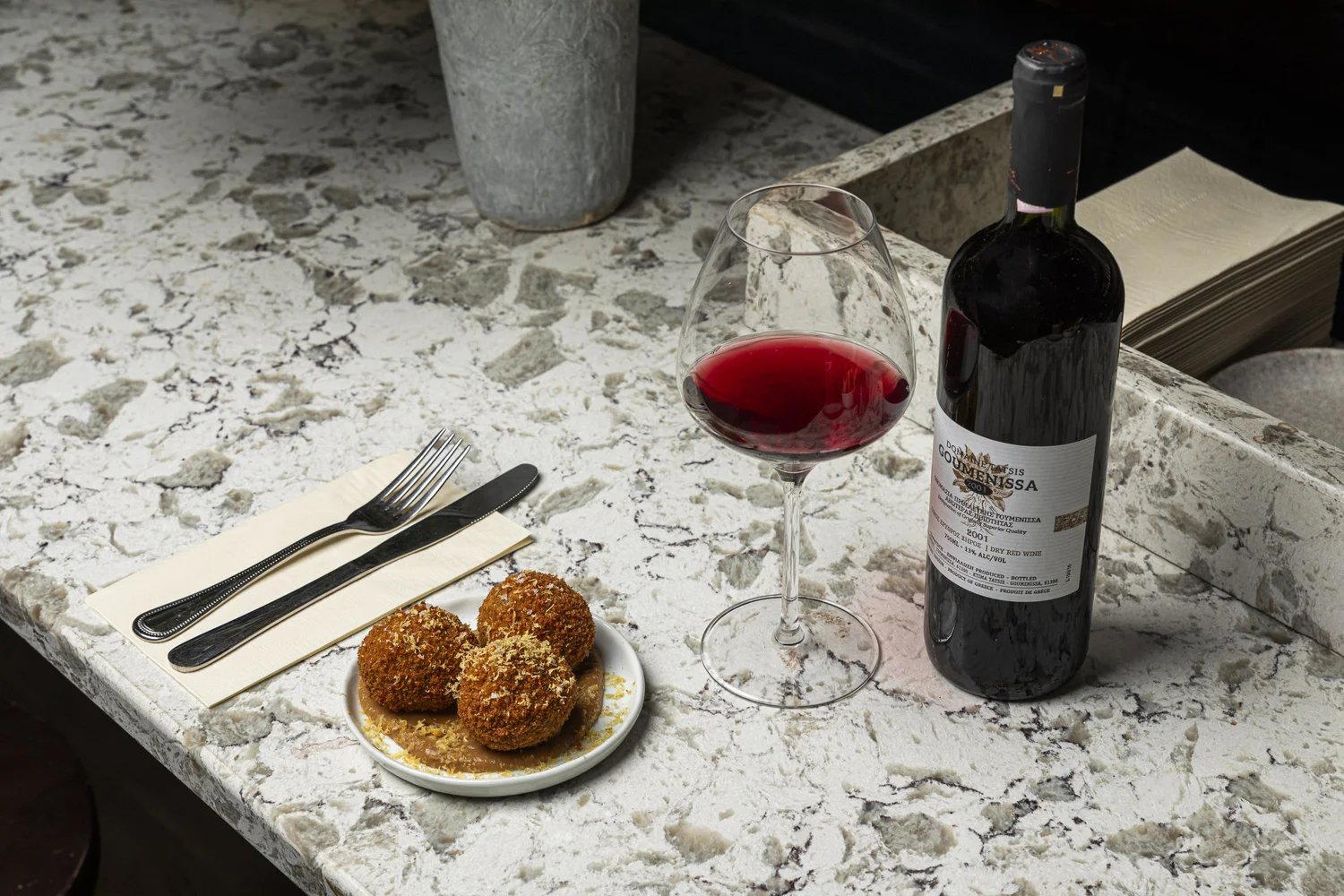
- Riceballs
- Arugula Salad
- Rigatoni Gamberi
A Room That Does the Work
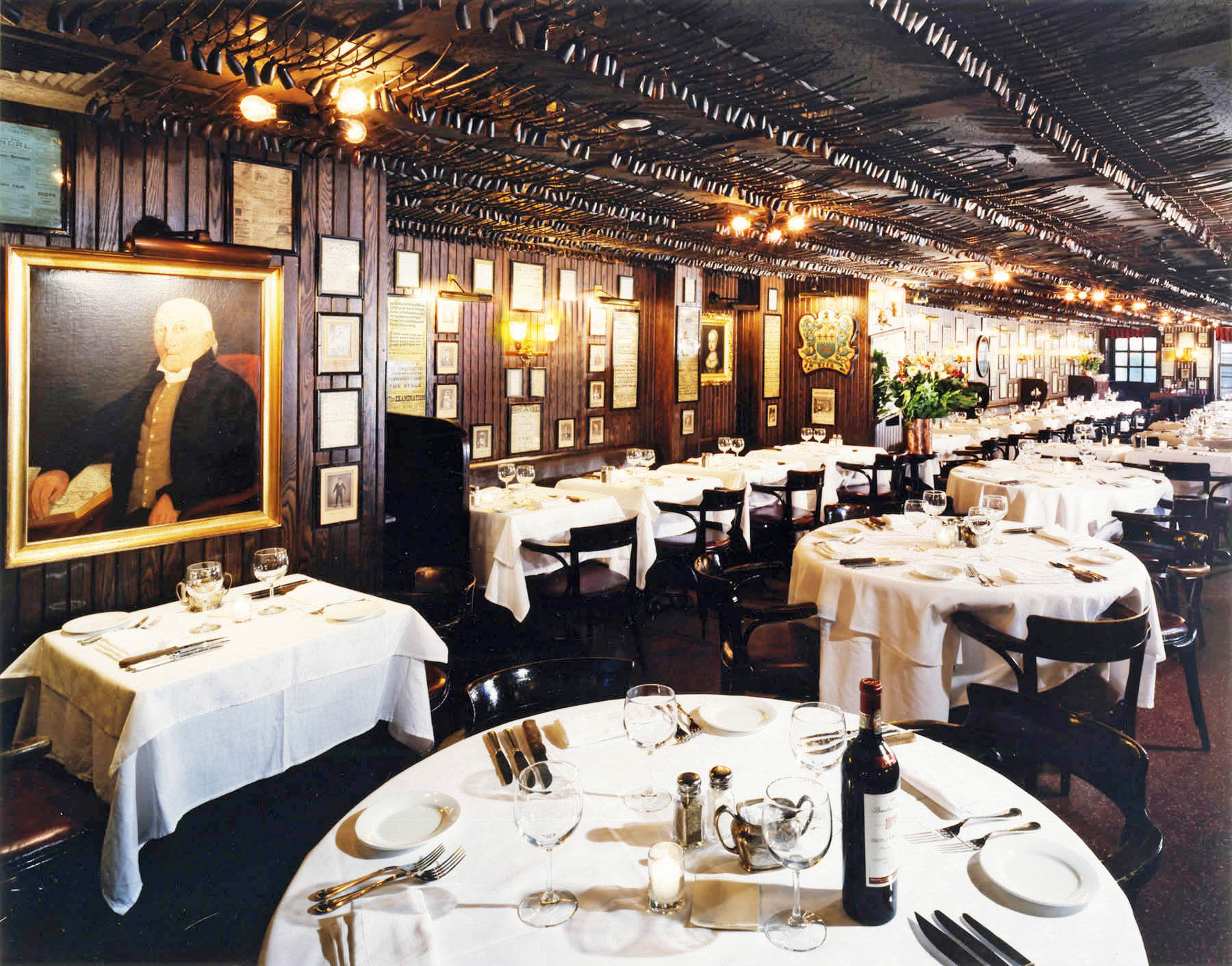
Chelsea's dining corridor along 8th Avenue has changed considerably over the past decade. What was once a strip defined by casual neighbourhood staples has accumulated a layer of destination restaurants, each competing less on price than on atmosphere, format, and the physical experience of the room itself. Fumo Chelsea, at 198 8th Ave, sits inside that shift. In a city where diners at the top tier choose between the austere counter precision of Masa, the formal grandeur of Per Se, and the mission-driven restraint of Eleven Madison Park, mid-tier and upper-mid restaurants must justify their place through something other than pedigree. For many in this bracket, the room itself becomes the argument.
That dynamic is not unique to New York. Across American cities, the design-led restaurant has become its own category, where interior architecture functions as editorial direction for the meal. Lazy Bear in San Francisco built its reputation partly on the physical theatre of the communal format. Smyth in Chicago uses a stripped-back space to signal the kitchen's priorities. The room is never neutral; it either reinforces the food's ambitions or works against them.
Chelsea as a Dining Address
The neighbourhood context matters here. Chelsea occupies a specific position in New York's dining geography: close enough to the West Village and the Meatpacking District to draw visitors moving between those areas, but distinct enough to have developed its own resident dining culture. The High Line's construction accelerated the neighbourhood's transformation, bringing foot traffic and a design-conscious demographic that restaurant operators have responded to with spaces that prioritise visual coherence as much as menu depth.
This pressure has produced a particular type of restaurant on 8th Avenue: one that must read well as a room before a single dish arrives, because that is what the neighbourhood's audience expects. The comparison set here is not Le Bernardin or Atomix, both of which operate in a different tier and a different part of the city's dining conversation. It is the cluster of atmospheric Italian and Mediterranean-influenced restaurants that have positioned Chelsea as a credible evening destination for diners who do not want the formality of Midtown or the density of the East Village.
Italian Influence in New York's Mid-Market
Italian-influenced cooking occupies a complicated position in New York. At one end, there are institution-level red-sauce houses with decades of neighbourhood loyalty. At the other, there are modernist Italian tasting menus that compete on the same tier as the city's French and Korean fine-dining rooms. The middle ground, where smoke, char, and wood-fired technique sit alongside accessible pasta formats, has expanded considerably as diners have moved away from ceremony toward comfort without casualness. Fumo, with its name referencing smoke, places itself in that middle register: a cooking approach built on fire and heat rather than intricate plating sequences.
That register connects to a broader American movement in which wood-fire cooking has become a dominant idiom across restaurant categories. From Single Thread Farm in Healdsburg to Blue Hill at Stone Barns in Tarrytown, open-fire techniques have moved from rustic signifier to deliberate culinary statement. In the Italian context specifically, smoke and char carry historical weight, connecting to regional traditions from Naples through Puglia where the grill and the wood oven are not trends but foundations.
The Physical Experience of the Space
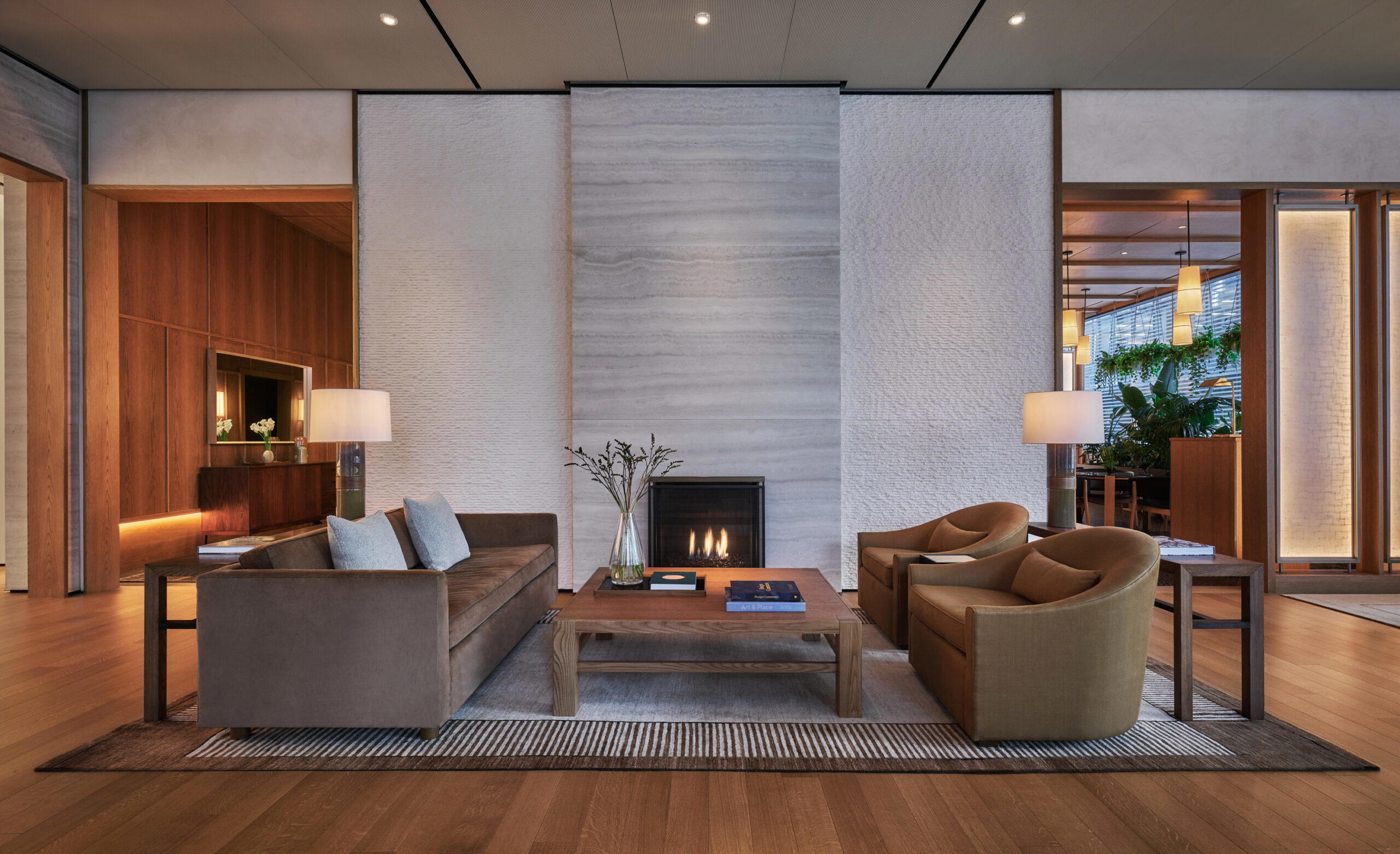
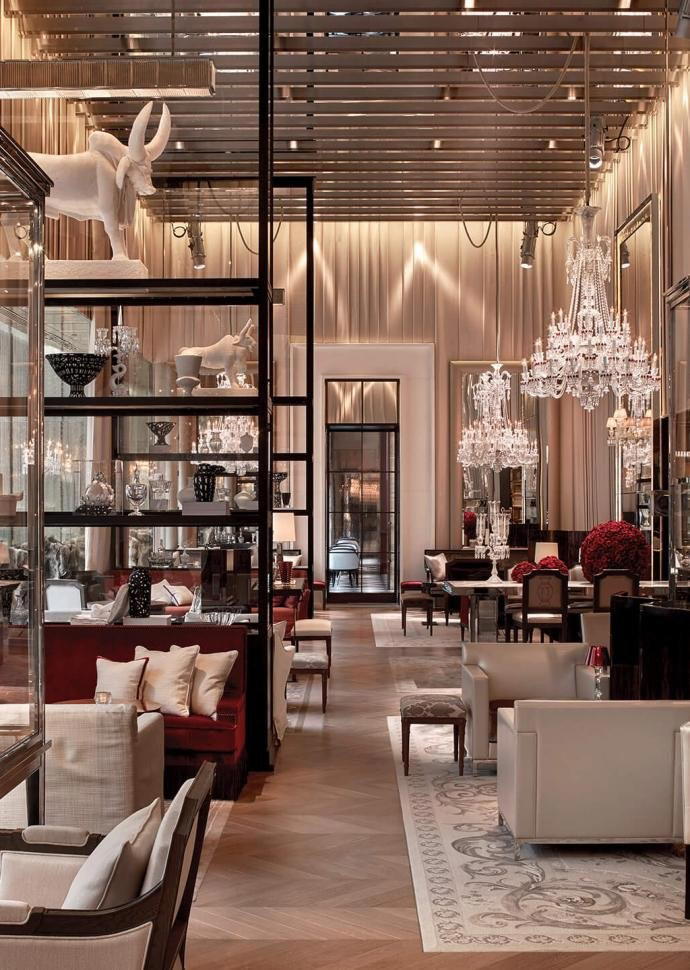
In design-forward restaurants, the seating arrangement communicates hierarchy. A long bar facing an open kitchen signals one kind of experience: participatory, with the cooking as theatre. Separated booths signal privacy and occasion. Communal tables signal informality and democratic access. Each configuration shapes how a meal is perceived before the menu is read. The most effective rooms use architecture to create a legible emotional sequence: entry, transition, arrival at the table, and the shift into the rhythm of service.
For a Chelsea address serving a mixed audience of neighbourhood regulars, gallery visitors, and destination diners, the room needs to function across several modes simultaneously. This is a technical challenge that many restaurants underestimate. The spaces that solve it leading tend to use material warmth, controlled lighting, and deliberate sound management to modulate energy without flattening it. The most atmospherically coherent Italian rooms in American cities achieve something similar to what you find at a well-calibrated trattoria in a northern Italian city: animated without being loud, warm without being dim, visually coherent without feeling designed-for-Instagram.
Comparable ambitions drive some of the most discussed restaurant openings across the country. Addison in San Diego and Providence in Los Angeles have both invested in physical environments that reinforce their culinary positioning. Internationally, spaces like Atelier Moessmer Norbert Niederkofler in Brunico and Dal Pescatore in Runate demonstrate how the right room can become inseparable from the restaurant's identity over decades.
Where Fumo Sits in the City's Conversation
New York's dining scene rewards specificity. A restaurant that tries to occupy too many positions simultaneously tends to lose definition. The Chelsea addresses that have built sustained followings have generally committed to a clear proposition: a neighbourhood Italian that does one category of cooking with authority, or an atmosphere-driven room where the experience is the product. Fumo's name and address place it in a cohort that has grown as diners in this part of the city have sought destinations with character rather than category credentials alone.
For visitors orienting around Chelsea rather than the traditional fine-dining anchors of Midtown or the Lower East Side, Fumo represents a useful data point in mapping the neighbourhood's current dining range. Those seeking the city's highest-ceiling formal experiences will find them at Le Bernardin or Per Se. Those building an itinerary around a specific neighbourhood and its character will find Chelsea's 8th Avenue corridor increasingly worth the attention it has earned. Our full New York City restaurants guide maps the broader picture for those planning across multiple neighbourhoods and meal types.
Further afield, American Italian cooking at its most ambitious appears at places like Frasca Food and Wine in Boulder, which demonstrates how regional Italian traditions translate into American contexts with rigour and specificity. The French Laundry in Napa and The Inn at Little Washington represent the broader American fine-dining tradition that contextualises where restaurants like Fumo sit relative to the country's highest-profile rooms. Emeril's in New Orleans offers a reminder of how American regional cooking with strong personality has long operated outside the New York axis.
Planning Your Visit
Address: 198 8th Ave, New York, NY 10011. Getting There: The C and E trains serve 23rd Street, placing the address within a short walk; the 1 train at 18th Street is an alternative. Dress: Chelsea's restaurant culture skews smart-casual; the neighbourhood's gallery-adjacent demographic sets the tone. Budget:
Frequently asked questions
What dish is Fumo Chelsea famous for?
Fumo's name references smoke, placing its cooking identity in the wood-fire and char tradition of Italian regional cooking.
Should I book Fumo Chelsea in advance?
Chelsea's 8th Avenue corridor draws consistent evening traffic from neighbourhood residents, High Line visitors, and destination diners. For weekend sittings in particular, booking ahead is the sensible approach rather than walking in and hoping for availability.
What is Fumo Chelsea known for?
Fumo Chelsea is known for Italian-influenced cooking with a smoke and fire focus, operating in a Chelsea dining corridor that has developed a distinct identity over the past decade. The address and name position it in the mid-to-upper tier of neighbourhood destination restaurants rather than the formal fine-dining category.
Is Fumo Chelsea good value for money?
Chelsea's destination-dining tier generally reflects the neighbourhood's rising real estate and demographic profile, pricing above casual neighbourhood restaurants and below the city's formal fine-dining rooms. The value proposition depends on how the room and cooking quality land relative to that bracket's expectations.
How does Fumo Chelsea compare to other Italian restaurants on the West Side of Manhattan?
Chelsea and the adjacent West Village have produced a competitive cluster of Italian-influenced restaurants over the past decade, each occupying slightly different positions on the formality and price spectrum. Fumo's fire-and-smoke orientation distinguishes it from more pasta-focused or raw-bar-led Italian addresses in the area. For a broader map of where it sits relative to the city's full restaurant range, see our New York City restaurants guide.
A Credentials Check
Comparable venues nearby, for context on price, style, and recognition.
| Venue | Cuisine | Price | Notes |
|---|---|---|---|
| Fumo ChelseaThis venue (the venue you are viewing) | Authentic Italian Trattoria | $30–50 | Not listed |
| Lazzara's Pizza Cafe | Italian Pizza Cafe | $20–30 | Midtown-Times Square |
| Grotta Azzurra | Authentic Southern Italian Trattoria | $30–50 | SoHo-Little Italy-Hudson Square |
| Lil' Frankie's | Neapolitan Pizza and Pasta | $30–50 | East Village |
| Cibo | Northern Italian Pizza & Pasta | Not listed | Murray Hill-Kips Bay |
| Adrienne's Pizzabar | Authentic New York Square Pizza | $20–30 | Financial District-Battery Park City |
Continue exploring
More in New York City
Restaurants in New York City
All restaurants in New York City →
Bars in New York City
All bars in New York City →
Details
- Romantic
- Modern
- Cozy
- Casual Hangout
- Date Night
- Group Dining
- After Work
- Standalone
- Craft Cocktails
- Beer Program
- A La Carte
- Small Plates
- Cocktails
- Wine
- Gluten Free Options
- Vegan Options
- Vegetarian Friendly
Current opening hours
- Monday
- 11 AM–10 PM
- Tuesday
- 11 AM–10 PM
- Wednesday
- 11 AM–10 PM
- Thursday
- 11 AM–10:30 PM
- Friday
- 11 AM–11 PM
- Saturday
- 11 AM–11 PM
- Sunday
- 11 AM–10 PM
Hours can change for holidays and private events. Hours as of .
Bright, modern neighborhood setting with a relaxing, friendly atmosphere that balances upscale dining with casual comfort.