
FULL HOUSE sits inside Shanghai’s Black Pearl-recognised dining tier, with a 2026 one-diamond listing placing it among the city’s serious Chinese restaurant addresses. The appeal is less about novelty than about how Shanghai rewards polished, culturally grounded dining rooms that can carry local expectations while speaking to a national awards audience.

Pearl is the En Primeur Club membership app — saves, bookings, and concierge access live there. Same editors, same standards.
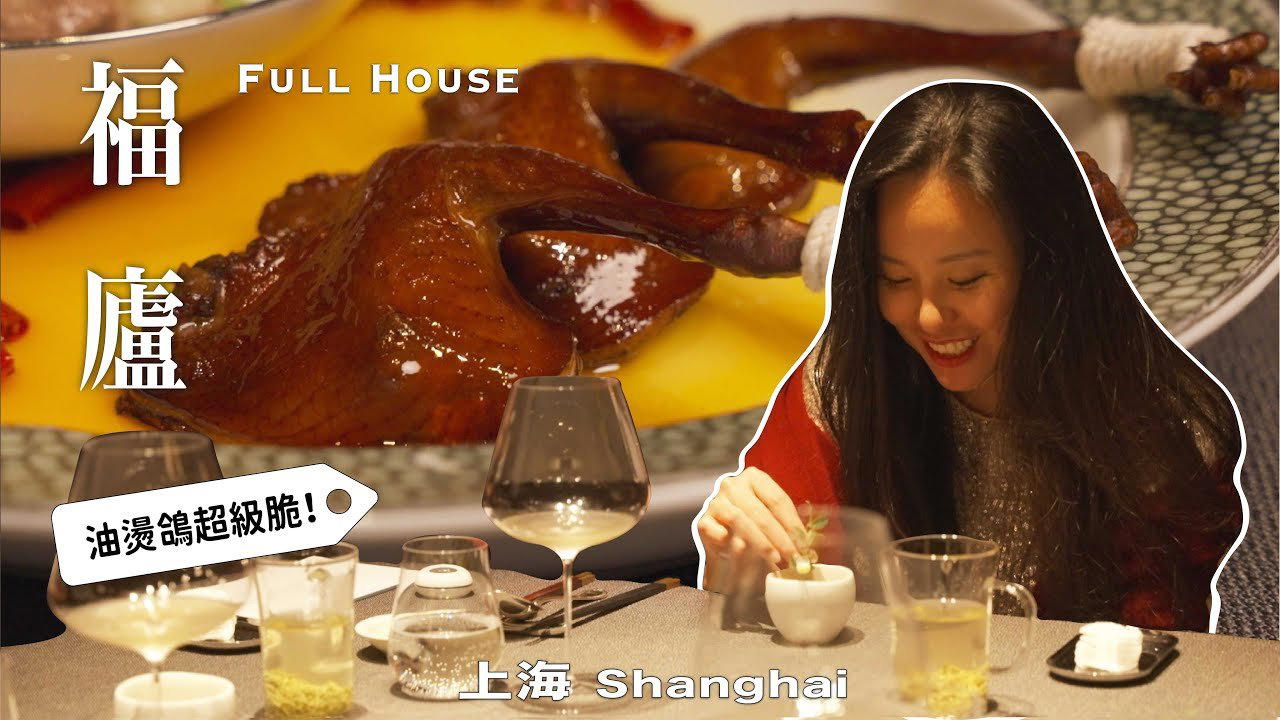
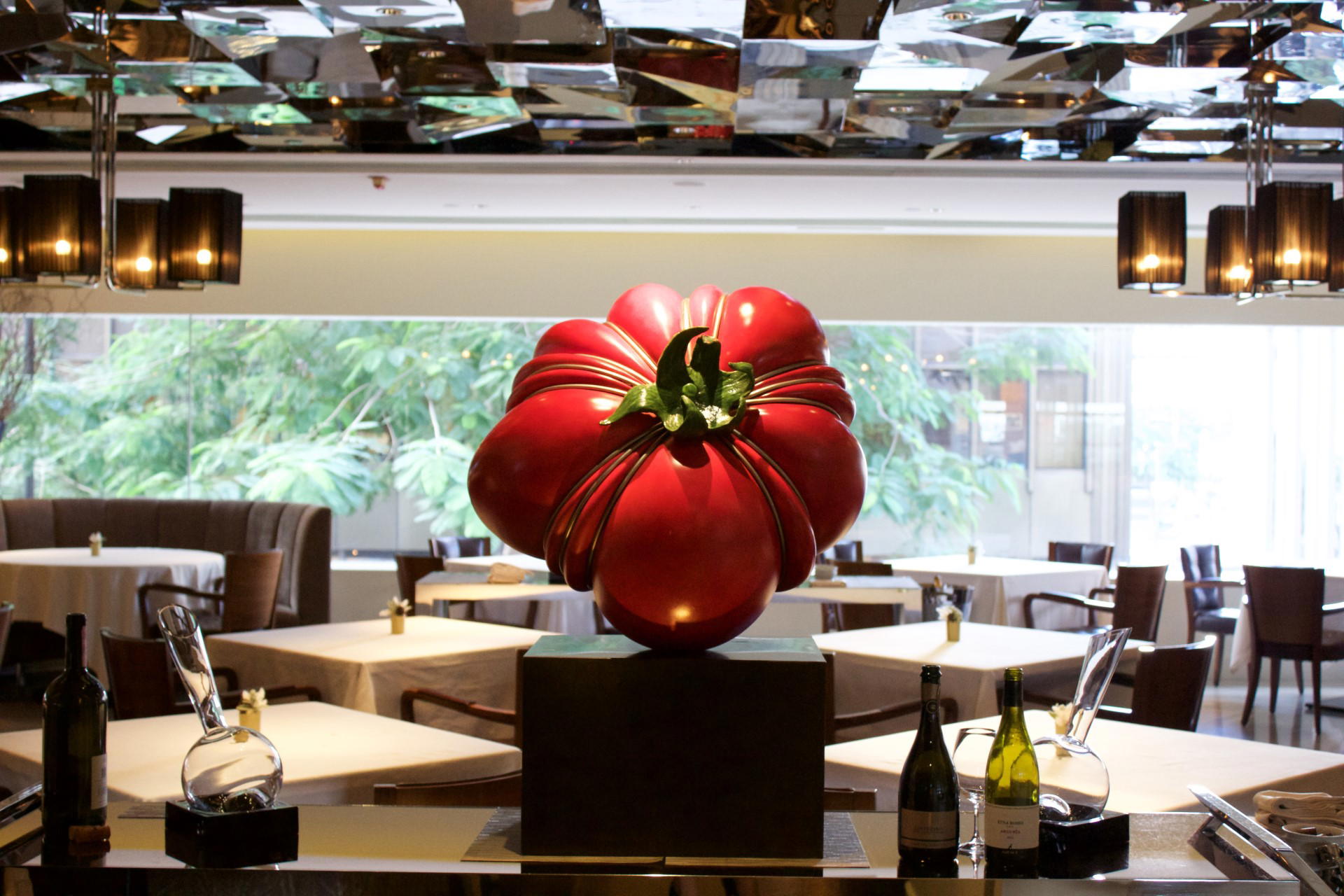
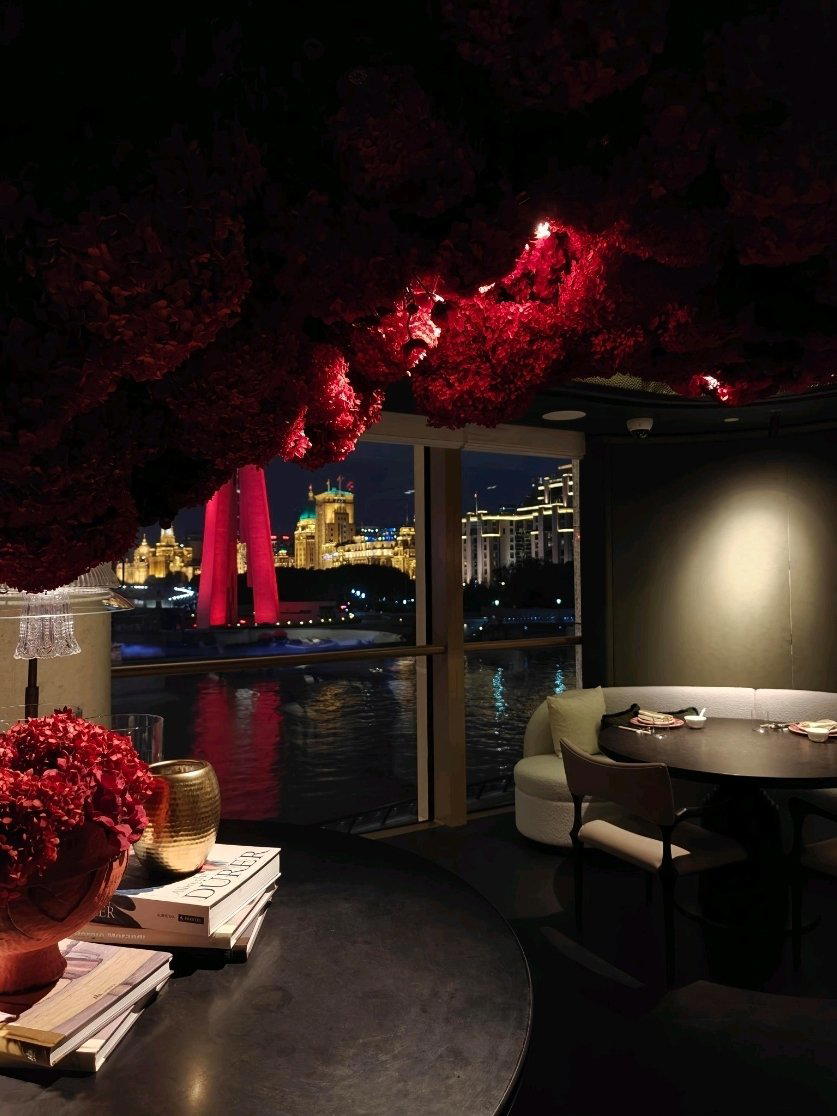
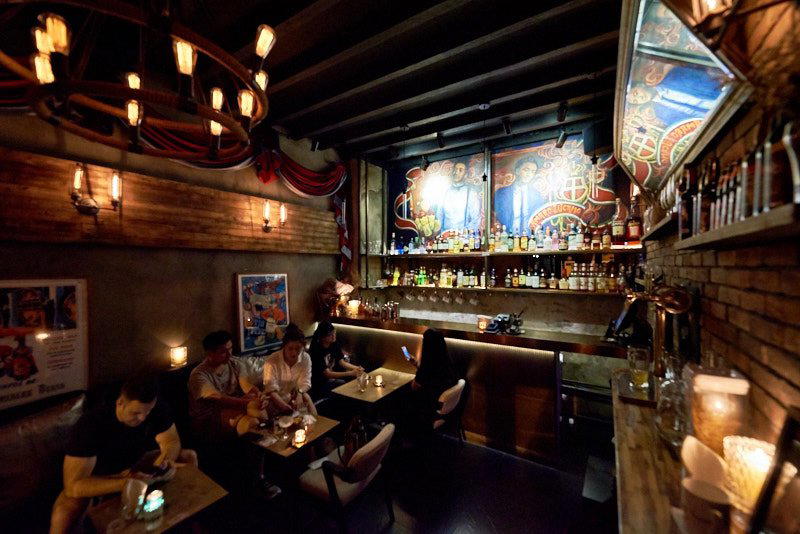
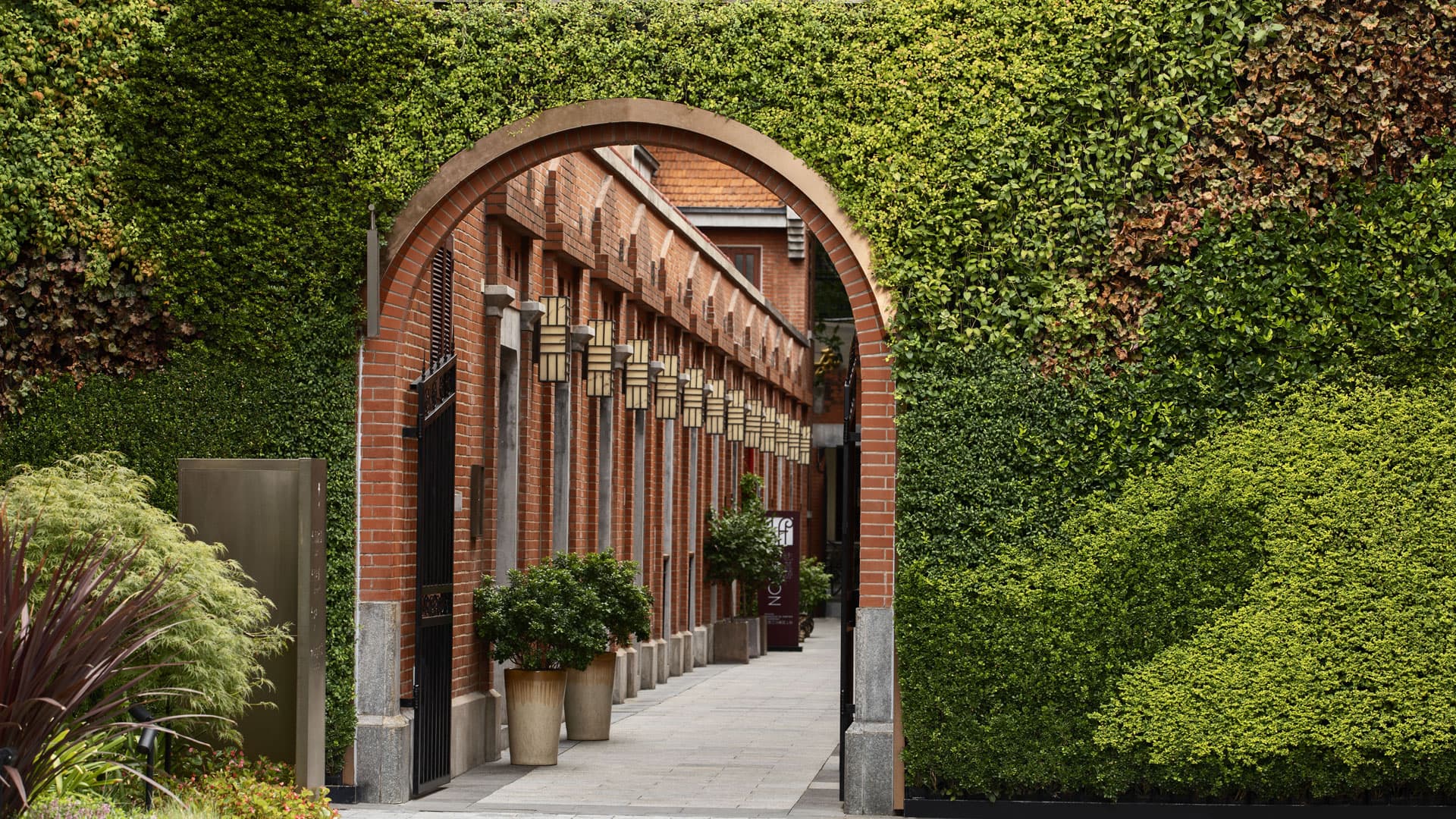
Shanghai dining begins before the first plate arrives: in the lift lobby, the corridor lighting, the change in volume as a dining room separates itself from the city outside. In a restaurant culture shaped by private rooms, business tables, family banquets, and award-aware diners, atmosphere is not decoration. It signals how the meal should be read. FULL HOUSE belongs to that Shanghai register, where the room, service rhythm, and sense of occasion matter as much as the cooking category itself.
The restaurant’s Black Restaurant Guide 2026 one-diamond recognition is the clearest public marker of its position. In China, Black functions differently from imported dining guides because it speaks directly to domestic expectations: regional fluency, banquet intelligence, ingredient hierarchy, and consistency across the meal. A one-diamond award does not simply indicate polish. It places a dining room inside a national conversation about how Chinese restaurants define quality for Chinese diners, not only for international visitors checking off famous names.
Shanghai's award dining culture favours rooms built for occasion
Shanghai has long treated restaurants as social infrastructure. The city’s high-end Chinese dining scene is shaped by deal-making lunches, multigenerational dinners, festival meals, and tables where ordering is a form of literacy. That context matters here. The strongest rooms in this category are not judged only by a single dish; they are judged by pacing, temperature control, portion logic, the ability to host different table sizes, and the confidence to serve familiar flavours without flattening them into hotel-menu anonymity.
That is why Black recognition carries weight in Shanghai. The guide’s audience understands the codes of Chinese dining: when a menu should feel ceremonial, when restraint reads as confidence, and when luxury ingredients need technique rather than spectacle. FULL HOUSE’s one-diamond status puts it in the city’s more scrutinised dining band, where expectations are higher than casual local popularity and different from the tasting-menu theatre that dominates many Western fine-dining conversations.
For readers mapping the city by category, Shanghai rewards comparison across formats rather than simple rankings. Cantonese rooms such as 100 Century Avenue Cantonese, contemporary Chinese addresses such as 102 House (Cantonese) and 102 House Shanghai, and Western-leaning dining rooms such as 100 Century Avenue Steakhouse and 1515 West Chophouse (Steakhouse) all occupy different parts of the city’s premium restaurant map. FULL HOUSE should be understood through that wider Shanghai habit: meals are chosen for occasion, company, and cultural register, not only cuisine labels.
Black recognition signals domestic credibility, not imported glamour
The one-diamond designation is useful because it anchors the restaurant without requiring inflated language. In Shanghai, where international luxury hotels, regional Chinese specialists, and destination dining rooms compete for the same high-spending tables, domestic recognition can be the more telling signal. It suggests the restaurant has passed a standard that values Chinese dining grammar: shared dishes, sequencing, product quality, and the ability to make a table feel properly hosted.
Some dining rooms sell personality; others sell continuity, room discipline, and cultural fluency. Shanghai has space for both, but Chinese restaurant assessment often leans toward the latter. The meal is a collective performance involving kitchen, floor team, host, and guests. A chef biography is less important than whether the room can sustain the expectations attached to a serious Shanghai dinner.
That makes the restaurant a useful address for travellers trying to understand the city beyond headline tasting menus. The draw is the dining culture around it: a polished Chinese restaurant in a city where awards, hospitality, and social ritual overlap. Visitors coming from other Chinese dining centres can read the contrast through broader regional references, from #8 in Chengdu and 167 Shan Hai Li in Fuzhou to 1913 in Hangzhou, 1927 Dong Yuan Si Chu in Xiamen, 1949 - Duck de Chine in Beijing, and 1980烧肉粽 in 厦门市. These links are not substitutes for local judgement; they show how China’s serious dining culture changes by city, dialect, climate, and social use.
How to place it in a Shanghai itinerary
The restaurant works well when the meal needs formality without turning into performance for performance’s sake. Shanghai rewards diners who match the room to the occasion: business dinners, family tables, and meals where conversation should not fight the format. With no public price band, booking channel, dress code, or chef information attached here, planning should stay practical and conservative: confirm current availability, dietary requirements, and table style before committing, especially for mixed groups or children.
For a fuller read on the city around it, use our full Shanghai restaurants guide alongside our full Shanghai hotels guide, our full Shanghai bars guide, our full Shanghai wineries guide, and our full Shanghai experiences guide. Readers extending the trip through transpacific Japanese drinking and casual formats may also find useful contrast in Jōdo Saké Bar in Los Angeles and Onigiri Time in Pasadena, where the ritual, pace, and price logic belong to a different dining culture entirely.
In Context
Comparable venues nearby, for context on price, style, and recognition.
| Venue | Cuisine | Price | Notes |
|---|---|---|---|
| FULL HOUSEThis venue — the venue you are viewing | Not listed | $$$$ | Not listed |
| 楼上荟馆 | Jing'an, Luxury Hong Kong-Style Hotpot | $$$$ | Not listed |
| Sheng Yong Xing 晟永兴 | Huangpu, Beijing Peking Duck | $$$$ | Not listed |
| ZIFUHUI | Not listed | $$$$ | Zhoujiaqiaq, High-End Cantonese Private Dining |
| Hot pot sun | Jing An Si, Luxury Hot Pot | $$$$ | Not listed |
| Bu Chi Su | Jing'an District, Sichuan Chinese | $$$ | Not listed |
Recognition history
Dated appearances from independent guides and award organizations, with the underlying list record or original source where available.
Black Pearl 1 Diamond
Black Pearl
At a Glance
- Elegant
- Classic
- Intimate
- Sophisticated
- Business Dinner
- Special Occasion
- Celebration
- Date Night
- Group Dining
- Private Dining
- Design Destination
- Standalone
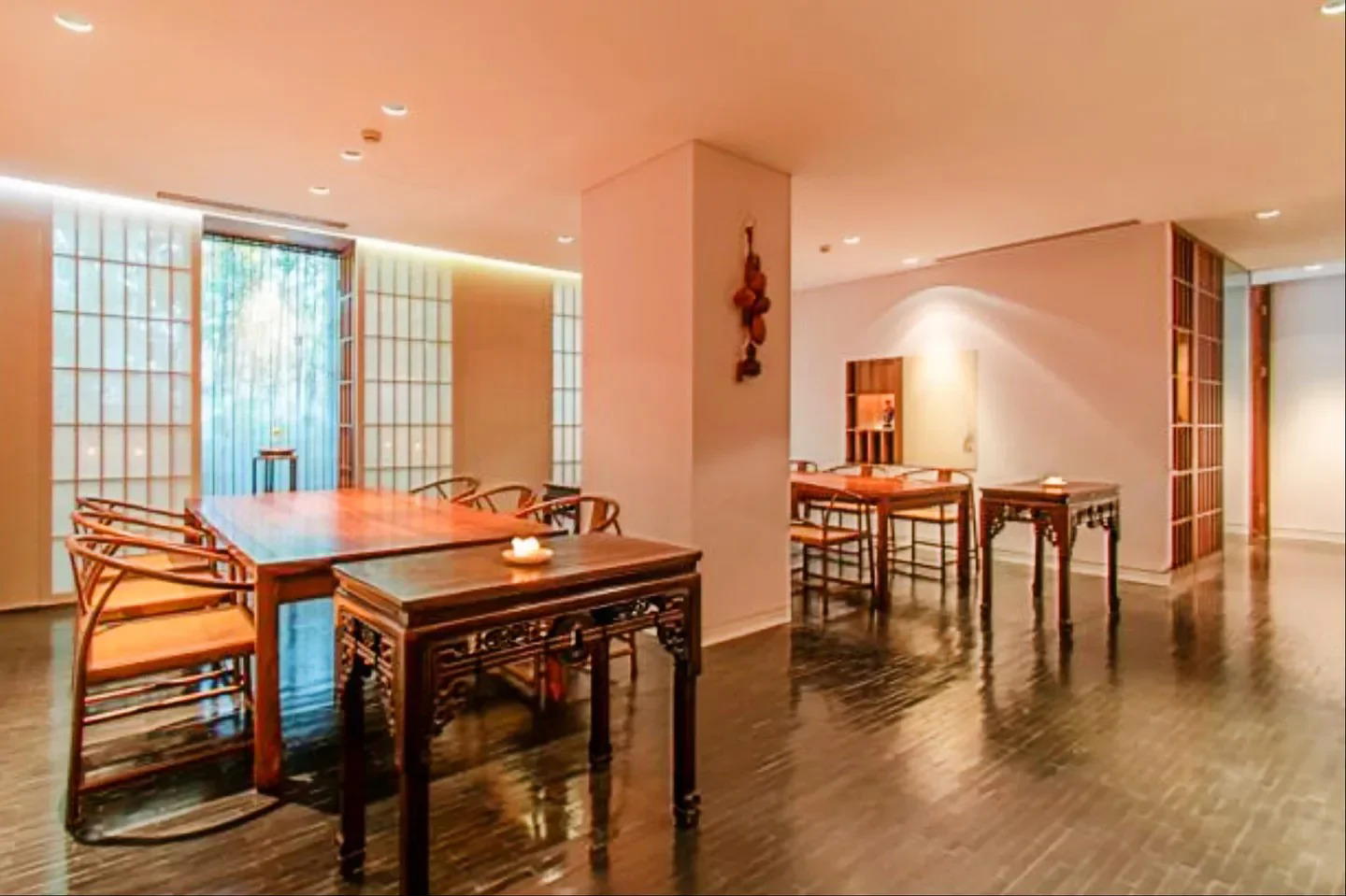
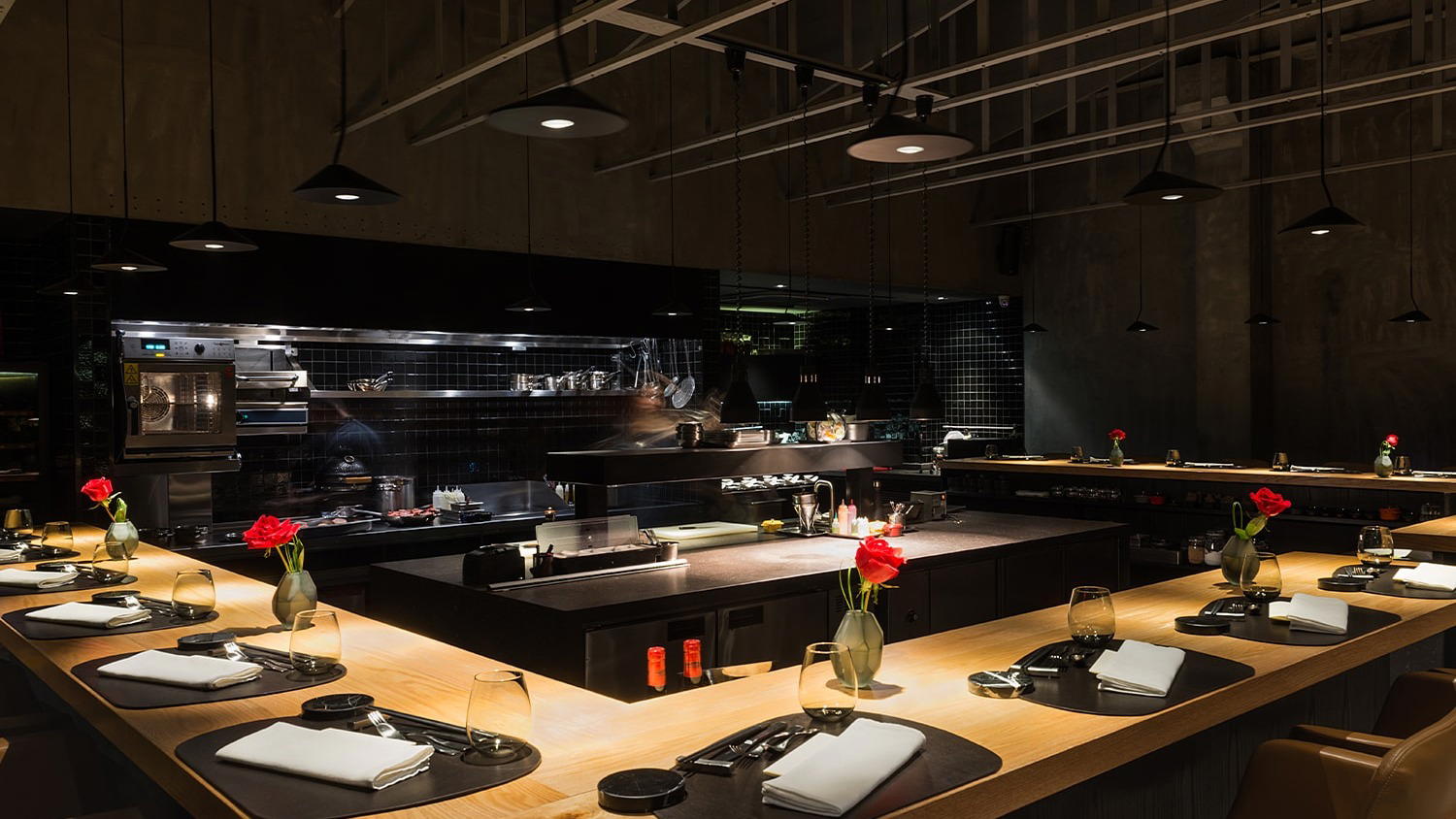
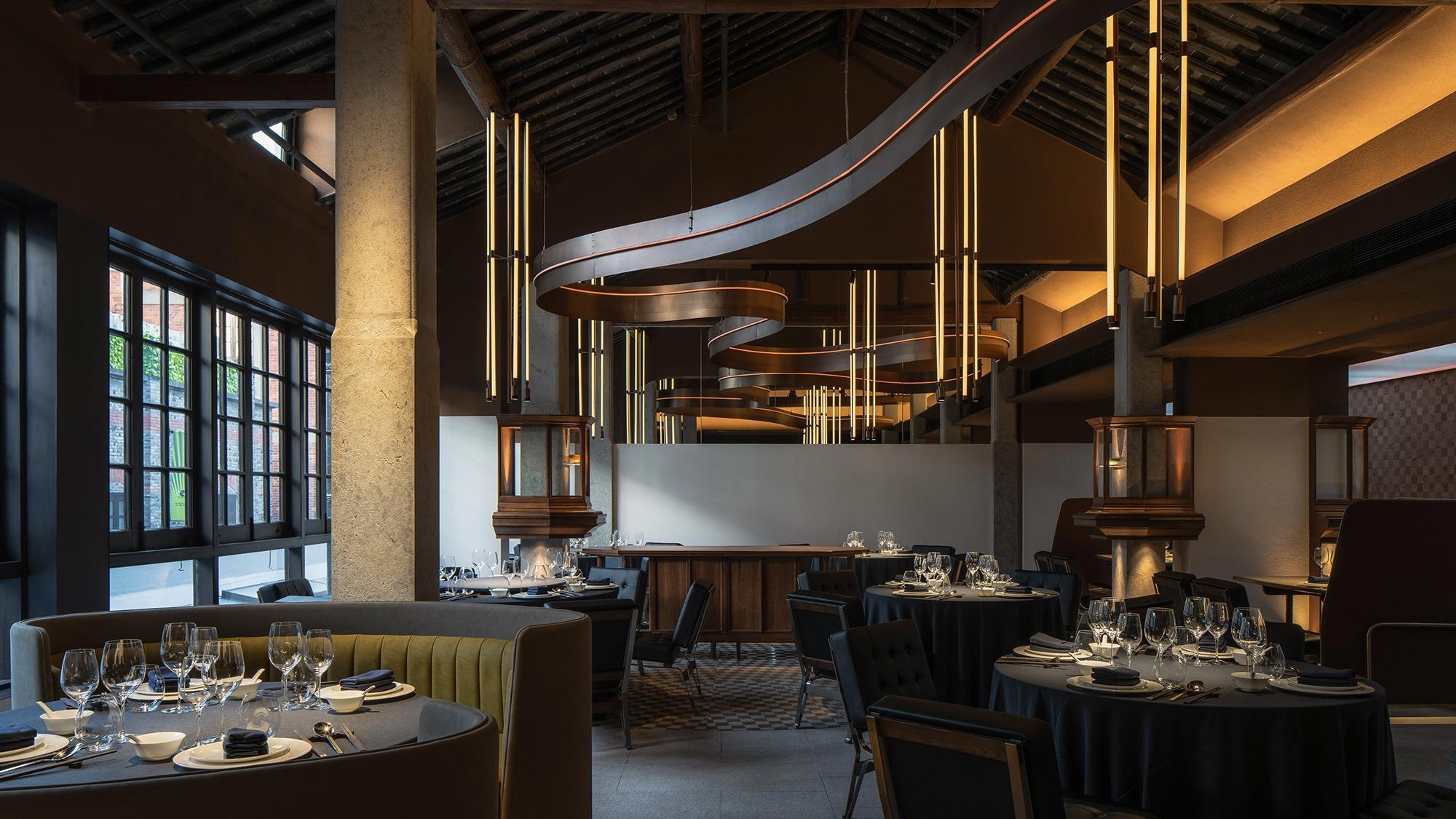
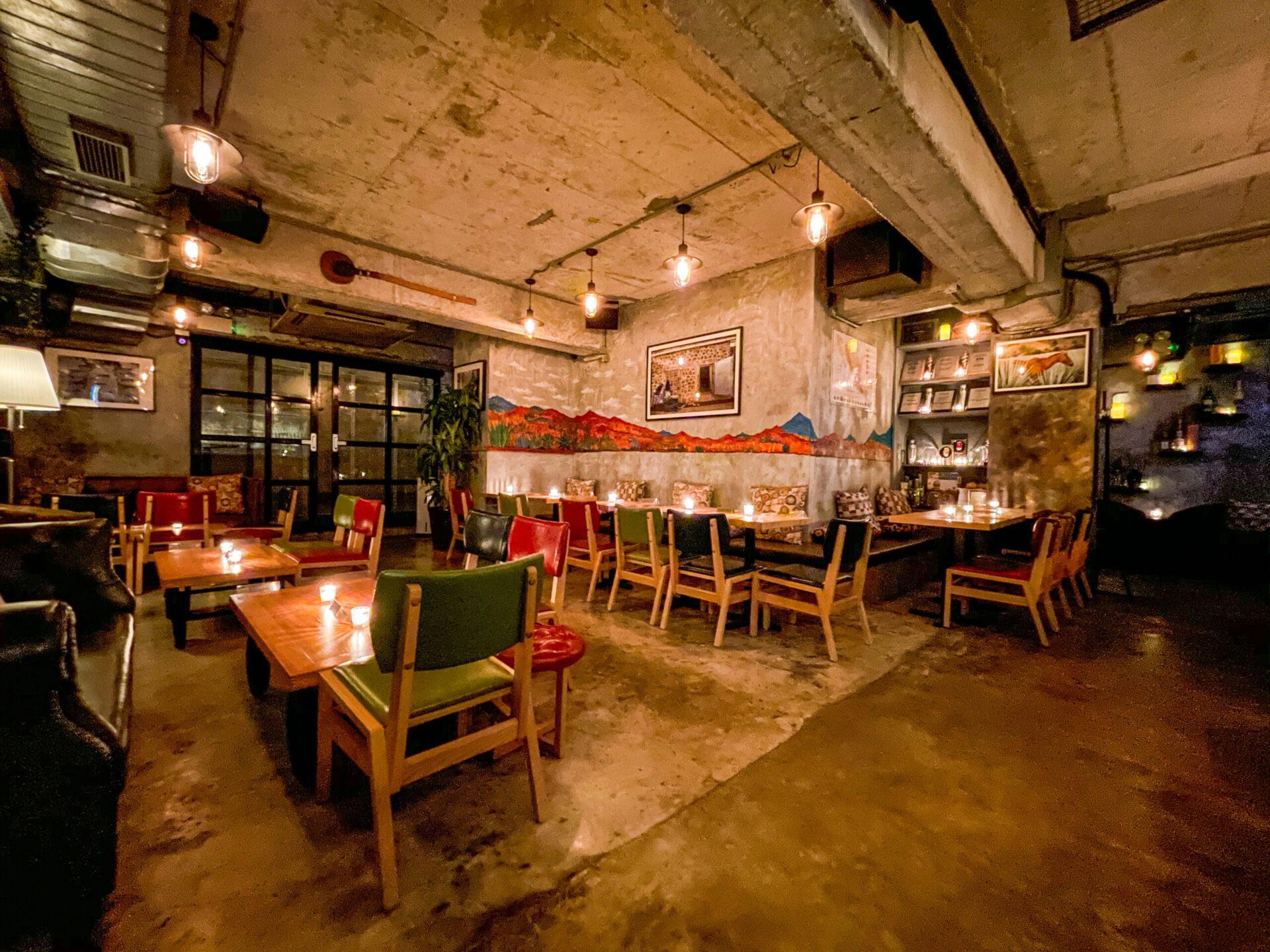
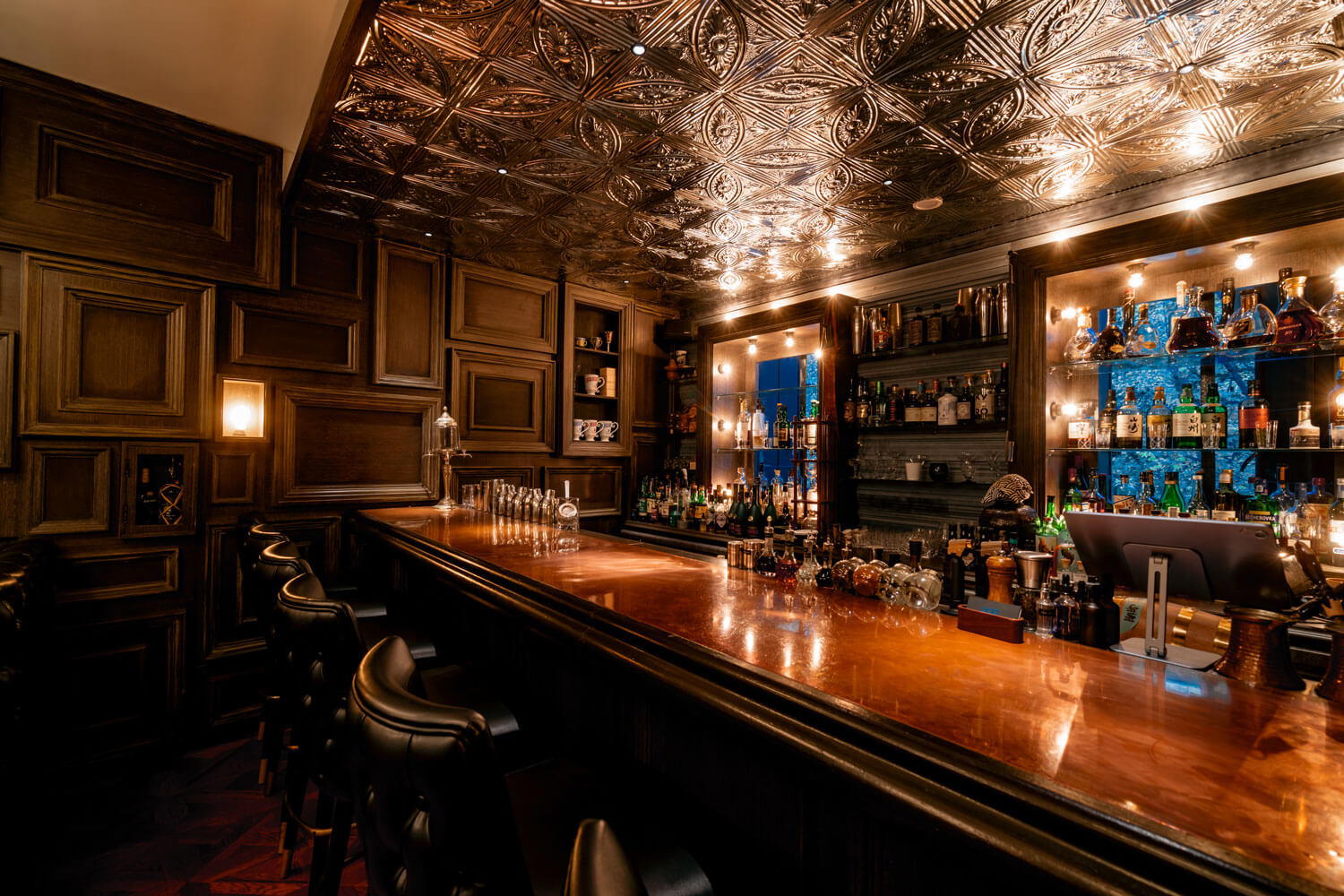
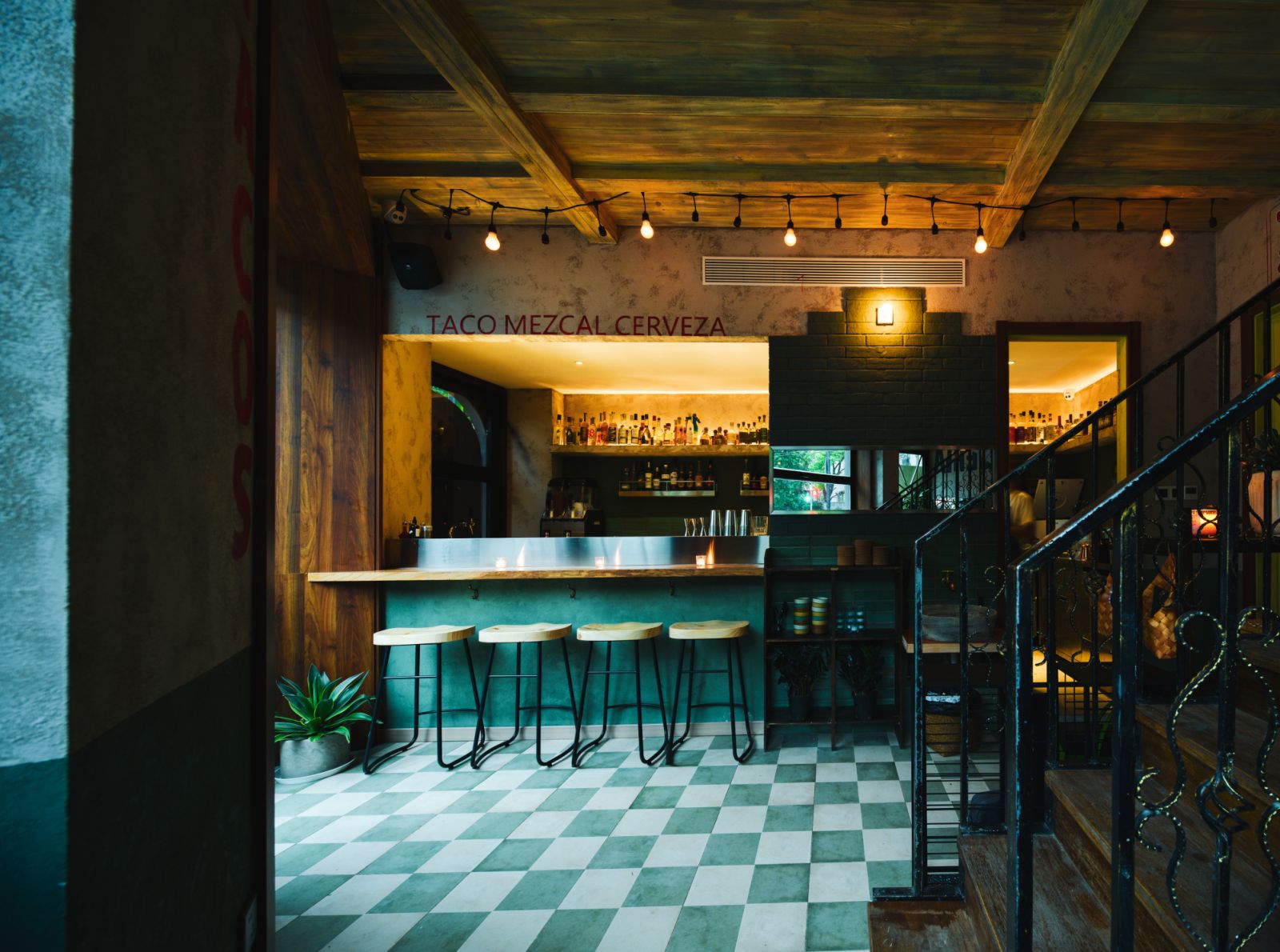
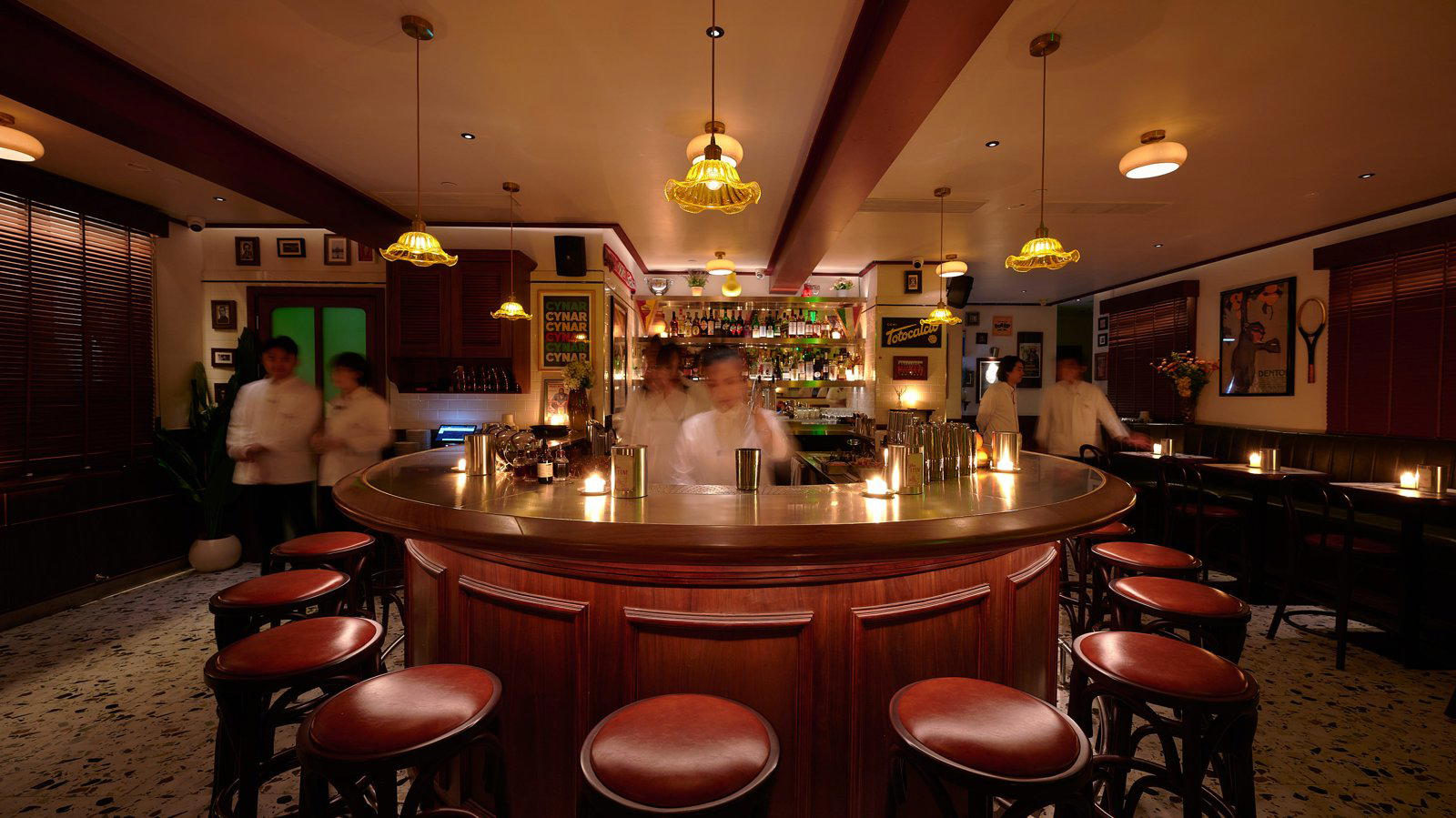
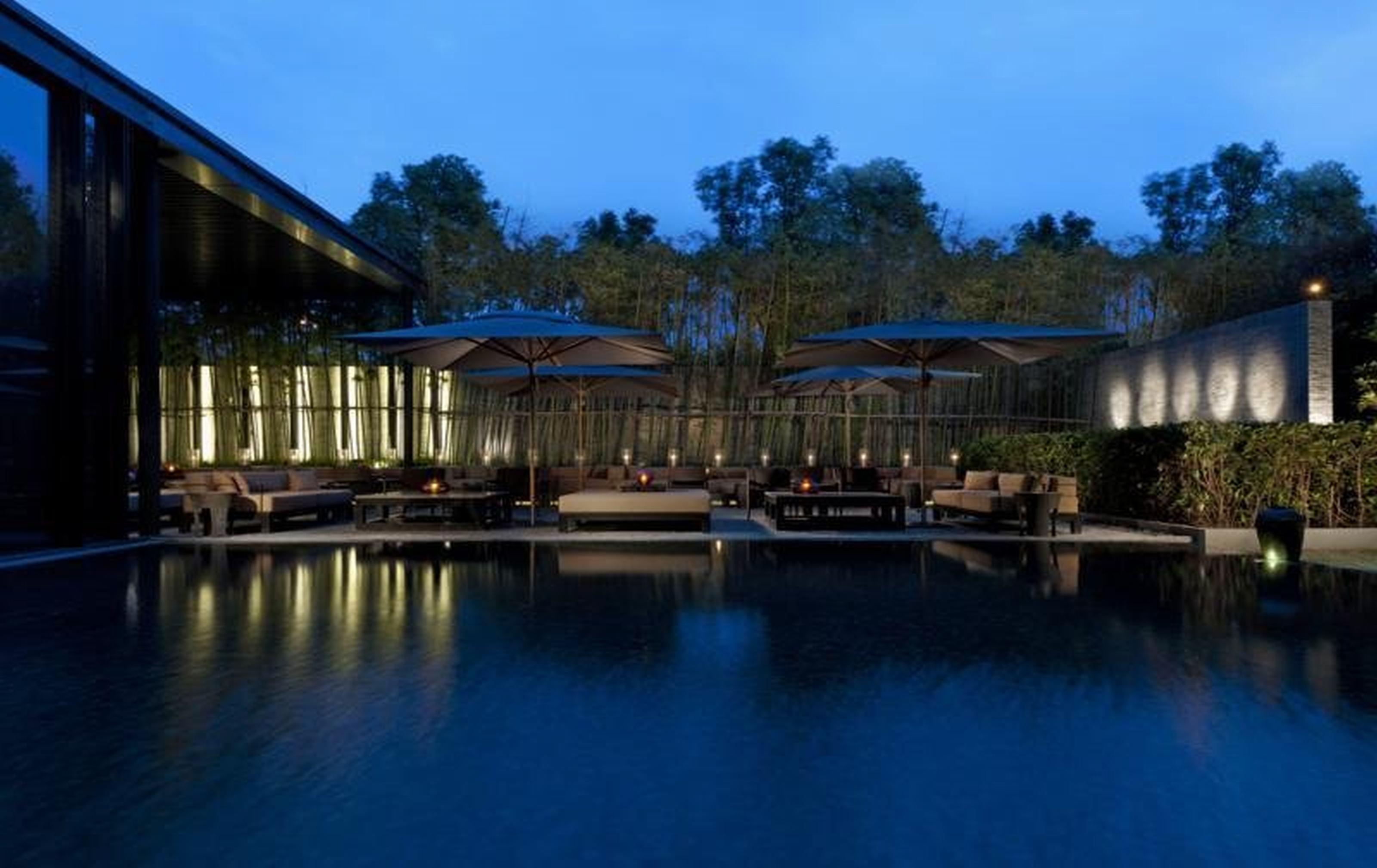
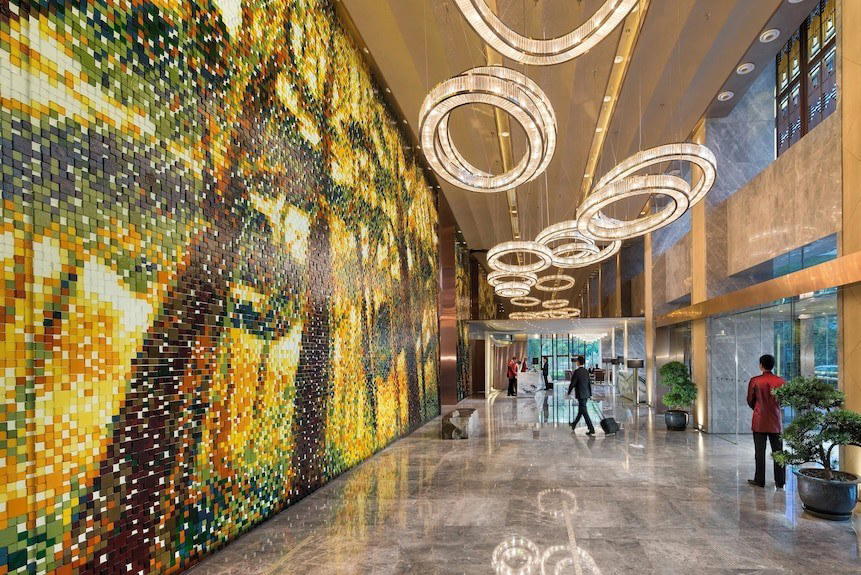
A small, exquisitely decorated fine-dining restaurant with only three private rooms, classic and restrained interior design, refined tableware and attentive, high-touch service, lending a quiet, business-appropriate yet comfortable atmosphere.