
Michelin Plate
Our verdict
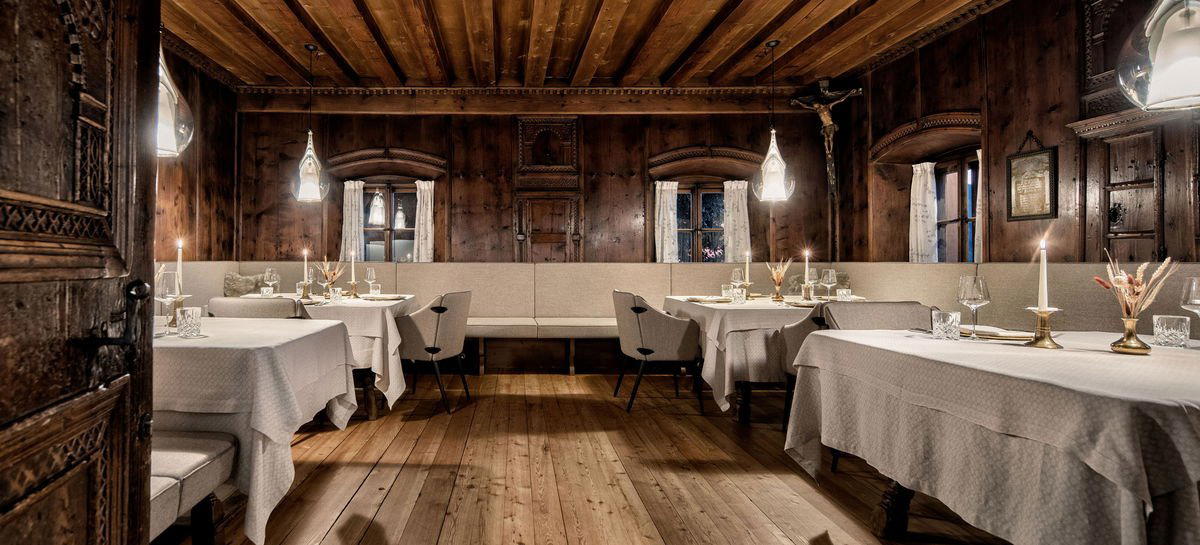
Inside Der Böglerhof's wellness hotel in Alpbach, the Fuggerstube dates to the 15th century and runs just four tables through a seasonal set menu built on regional Alpine ingredients. The wood-panelled room and old stove set the register clearly: this is serious cooking in a setting that has nothing to prove. A Michelin Plate recognition in 2024.

Pearl is the En Primeur Club membership app, where members save venues, book tables and use the concierge.
A 15th-Century Room That Sets the Terms
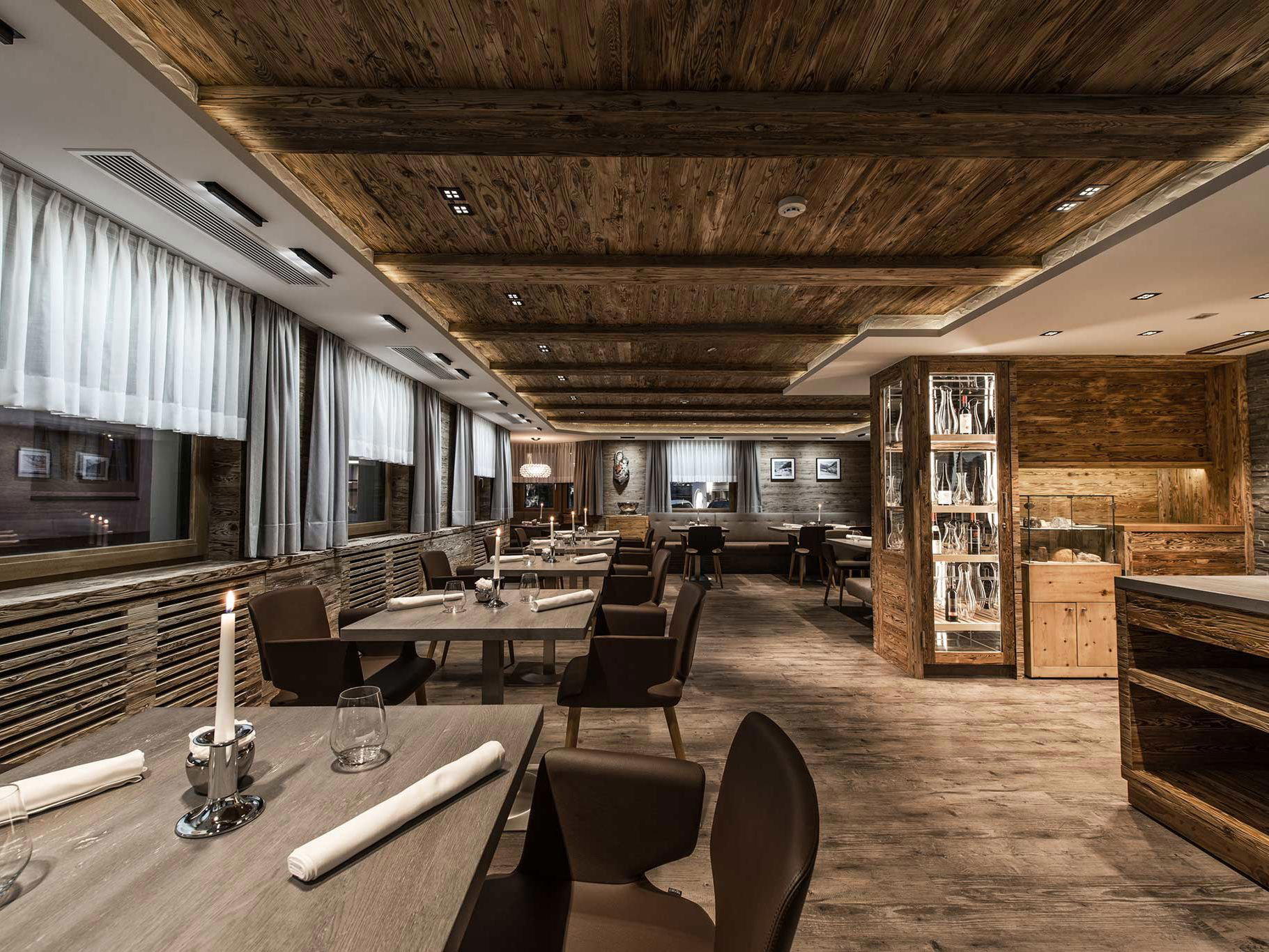
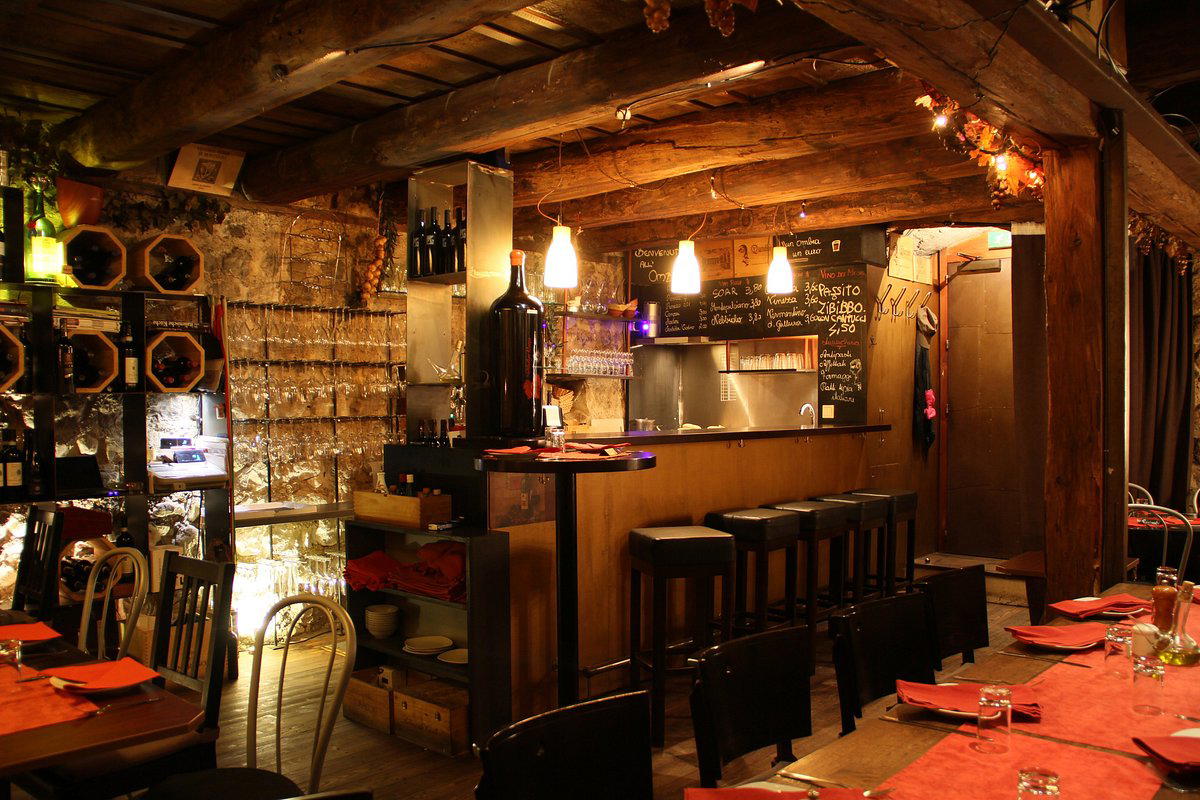
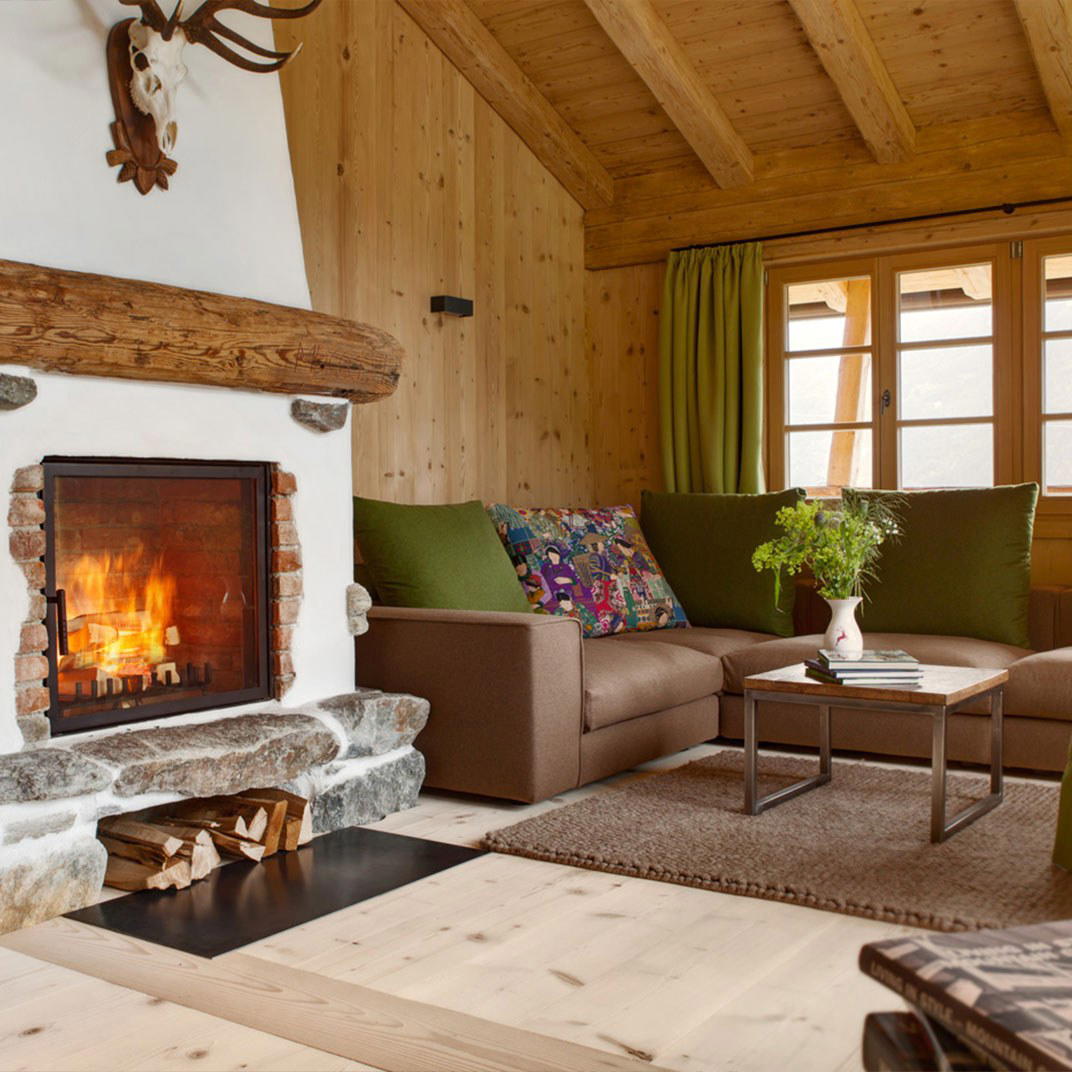
Alpine dining rooms tend to fall into two camps: the reconstructed rustic, where exposed beams and felt cushions are recent design decisions, and the genuinely old, where centuries of use have given the wood a depth that no renovation can replicate. The Fuggerstube belongs to the latter. Dating to the 15th century, its panelled walls and original stove are not decorative choices but inherited facts, and they shape the experience before a dish arrives. Four tables occupy the space. That constraint is the point: the room was never designed for volume, and the kitchen has never had to pretend otherwise.
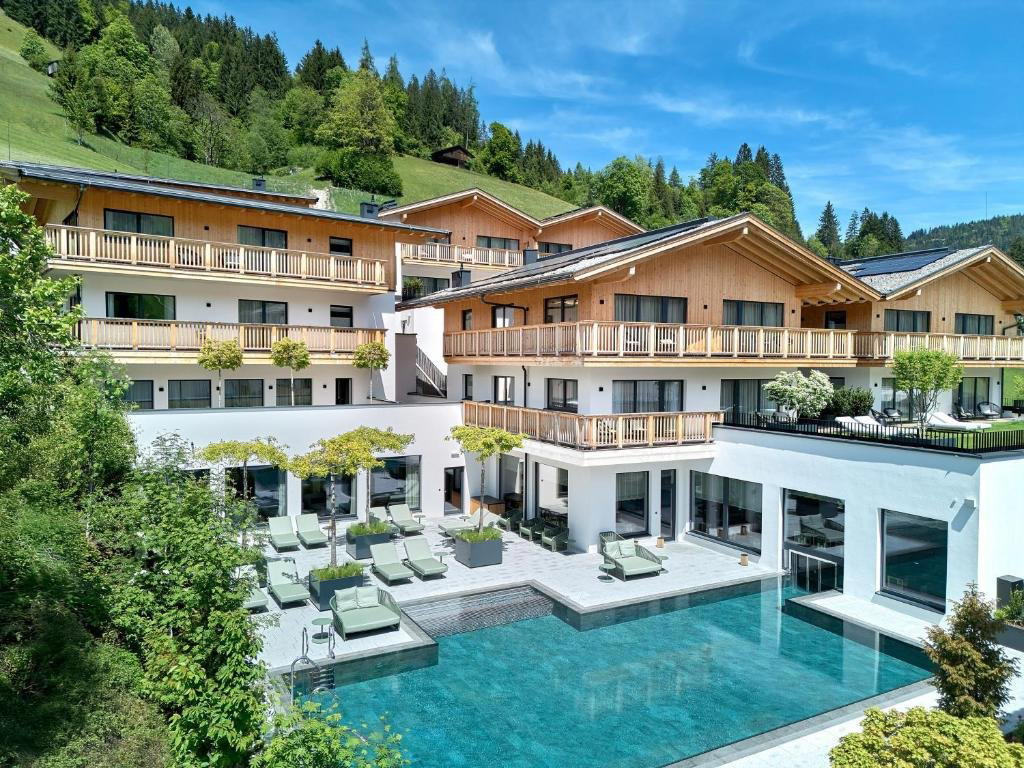
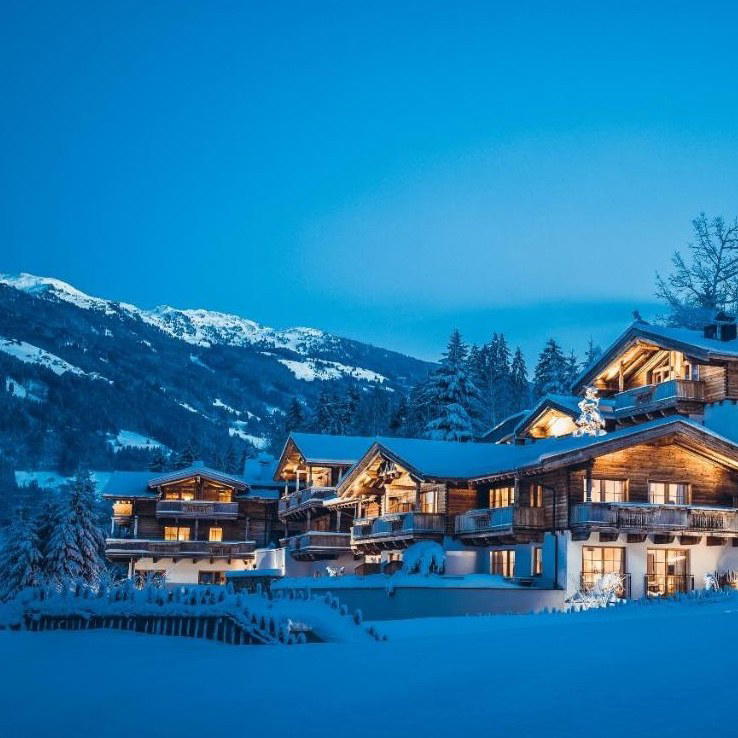
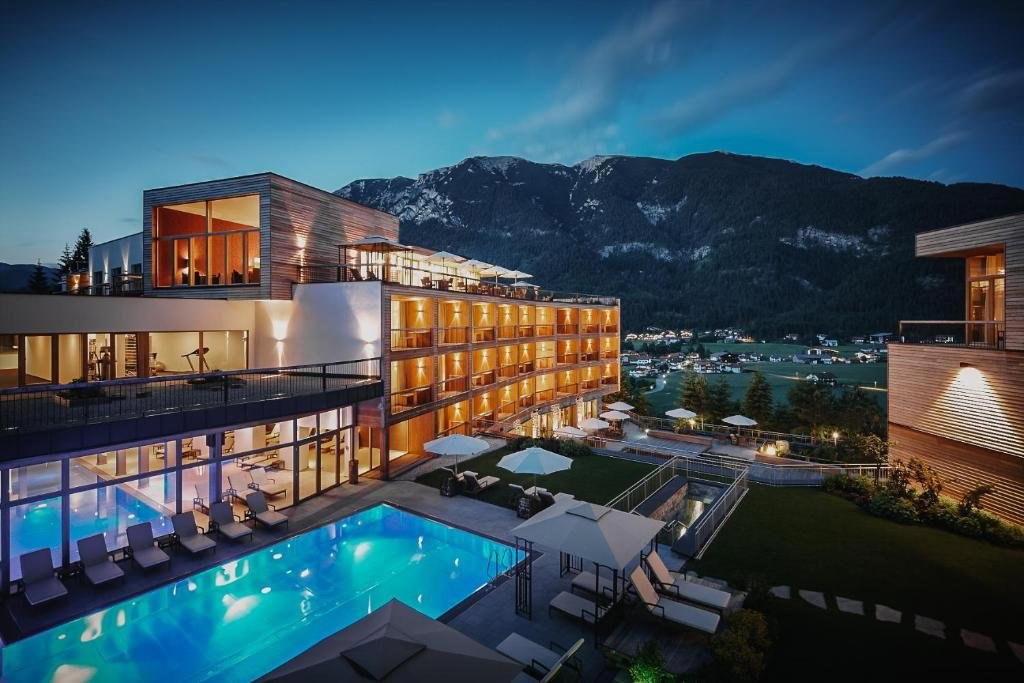
Located inside Der Böglerhof, a wellness hotel that has grown steadily over the years, the Fuggerstube operates as a distinct entity within the larger property. The hotel context matters less here than the room itself, which functions as a quiet counter-argument to the idea that serious food in the Alps requires a modernist dining room or a celebrity kitchen. The Fuggerstube's authority is older than that.
What the Region Puts on the Plate
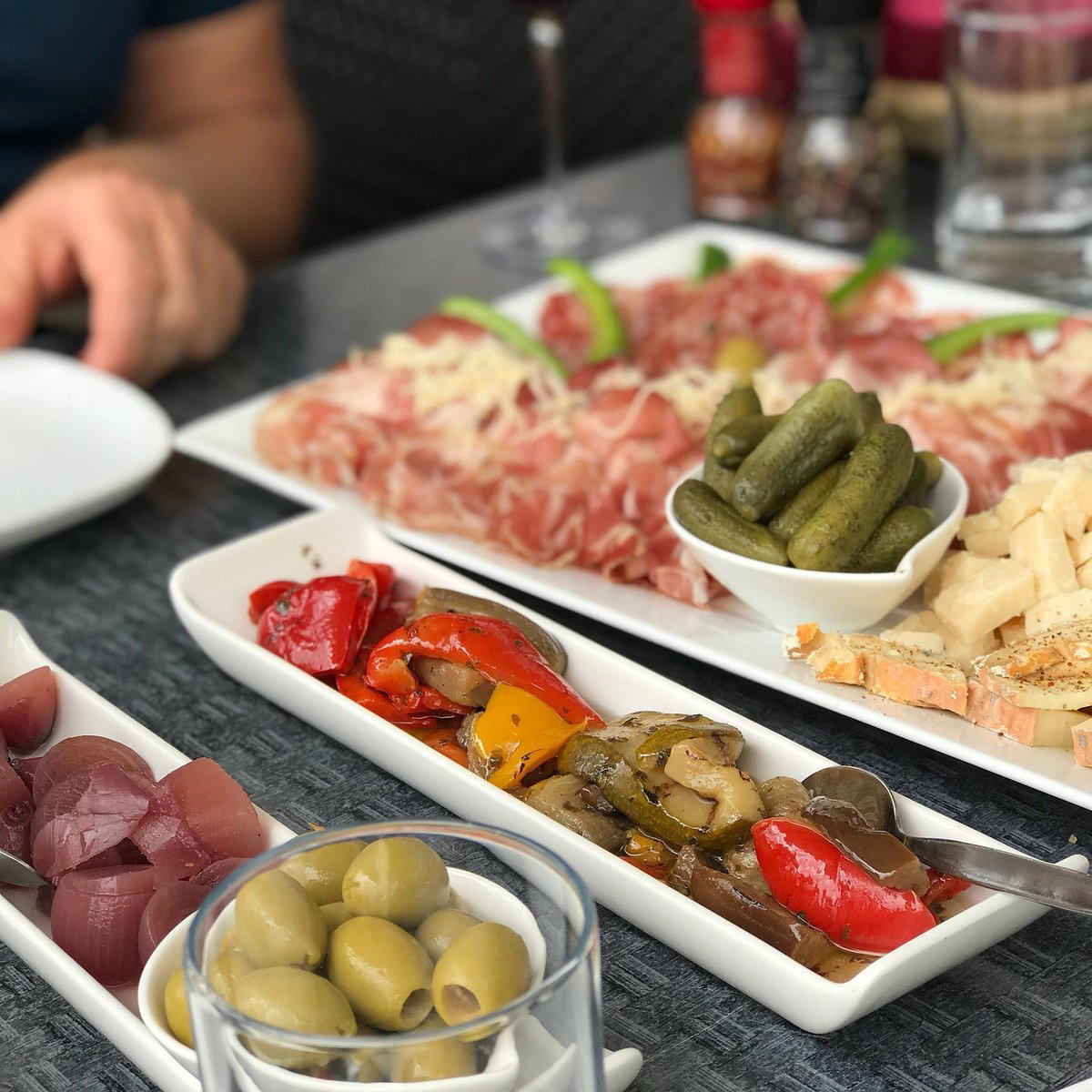
Austria's mountain dining tradition has always been ingredient-led by necessity. Before supply chains made provenance a marketing decision, alpine kitchens cooked what the surrounding valleys, forests, and farms produced. That logic has not disappeared in the Tyrol, and the Fuggerstube's seasonal set menu reflects it directly. The format is fixed: a progression of courses built around what the region is producing at the time of your visit. Diners do not build their own meal from a carte; the kitchen sets the agenda, and the agenda changes with the season.
This is the model that Austria's leading regional kitchens have pursued with increasing precision. Kräuterreich by Vitus Winkler in Sankt Veit im Pongau has built a reputation around herb-driven Alpine sourcing. Kirchenwirt in Leogang applies a similar discipline to its seasonal menus. The Fuggerstube sits in this tradition but operates at a smaller scale than almost any of its peers: four tables means the kitchen can source with a specificity that larger rooms cannot easily match. Ingredient quality at this volume is a practical advantage, not a philosophy statement.
The wine programme is constructed with the same attention. Recommended pairings accompany each course, and the cellar carries a selection that goes beyond what most hotel restaurants of comparable size would maintain. For a room that seats fewer than twenty people on a full night, the depth of the list signals that the wine was taken as seriously as the food from the start. Alpbach's wider wine offering is limited by its mountain geography, so a cellar of genuine range here is worth noting.
Where This Sits in the Austrian Fine Dining Tier
Austria's recognised fine dining circuit is concentrated in Vienna and along the Salzburg corridor. Steirereck im Stadtpark operates at three Michelin stars and sets the ceiling for Austrian creative cooking. Döllerer in Golling an der Salzach and Ikarus in Salzburg anchor the two-star tier with distinct approaches to contemporary Austrian and modern European cooking respectively. Landhaus Bacher in Mautern an der Donau represents the classic Austrian tradition at the highest level.
The Fuggerstube does not compete in that bracket. Its Michelin Plate recognition in 2024 signals cooking that meets the guide's quality threshold without the technical ambition or scale of a starred operation. What it offers instead is something the starred rooms rarely can: a fixed, small room with a genuinely historic character, a menu entirely determined by regional sourcing, and a ratio of kitchen attention to table that the larger operations cannot replicate. Among mountain restaurants in the Tyrolean Alps, comparable formats include Griggeler Stuba in Lech and Gourmetrestaurant Tannenhof in Sankt Anton am Arlberg, both of which operate within resort hotel contexts at higher price tiers. The Fuggerstube's €€€ positioning makes it accessible relative to those peers, though it remains a considered spend for the Alpbach area.
For comparison across Austria's regional seasonal cooking scene, Obauer in Werfen, Ois in Neufelden, and Schwarzer Adler in Hall in Tirol each represent the tradition of serious cooking embedded in smaller Austrian towns rather than the main urban circuit. The Fuggerstube belongs to that cohort. Internationally, the seasonal-set format in historic interiors has parallels in venues like Fields by René Mathieu in Luxembourg, where provenance-led cooking similarly defines the menu structure. See our full Alpbach restaurants guide for the wider local context.
Planning Your Visit
The Fuggerstube is located at Alpbach 166, within Der Böglerhof hotel. Alpbach is accessible by bus from Brixlegg on the Inn Valley railway line; the village sits above the valley floor and the hotel is reachable on foot from the village centre. With only four tables, advance booking is not optional at busy periods, particularly during the winter ski season and summer conference weeks when Alpbach draws higher visitor numbers. The €€€ price range places an evening here above casual dining but below the starred mountain resort tier. The set menu format means the kitchen controls the pacing; allow a full evening. For other things to do in the area, see our Alpbach experiences guide, and for a drink before or after, our Alpbach bars guide covers the local options.
For those coming specifically to eat well in Tyrol and considering Restaurant 141 by Joachim Jaud in Mieming as part of a broader itinerary, the Fuggerstube makes a sensible overnight stop in a different register: less technically ambitious, more historically grounded, and operating at a scale that rewards the detour.
Frequently asked questions
What does dinner at Fuggerstube typically cost?
Pricing at Fuggerstube is listed as €€€.
Quick Comparison
| Venue | Cuisine | Price | Awards | Notes |
|---|---|---|---|---|
| FuggerstubeThis venue (the venue you are viewing) | Alpine Fine Dining | Not listed | Michelin Plate | Not listed |
| Steirereck im Stadtpark | Modern Austrian Fine Dining | $200–300 | 3 Michelin Stars · World's 50 Best #33 | Creative |
| Döllerer | Modern Alpine Cuisine | $100–150 | 2 Michelin Stars · La Liste Top Restaurants | Contemporary Austrian, Innovative |
| Ikarus | Guest Chef Fine Dining | $200–300 | 2 Michelin Stars · La Liste Top Restaurants | Modern European, Creative |
| Mraz & Sohn | Contemporary Austrian Fusion | $150–200 | 2 Michelin Stars · La Liste Top Restaurants | Modern Austrian, Creative |
| Obauer | Modern Austrian Fine Dining | $50–100 | 2 Michelin Stars · La Liste Top Restaurants | Classic Cuisine |
Recognition history
Dated appearances from independent guides and award organizations, with the underlying list record or original source where available.
Michelin Plate
Michelin
Full recognition history (3 entries)
Michelin Plate
Michelin
Michelin Plate
Michelin
Continue exploring
More in Alpbach
Restaurants in Alpbach
All restaurants in Alpbach →
Bars in Alpbach
Browse all →

Details
- Cozy
- Rustic
- Historic
- Intimate
- Elegant
- Special Occasion
- Date Night
- Historic Building
- Hotel Restaurant
- Extensive Wine List
- Sommelier Led
- Local Sourcing
- Tasting Menu
- Vegetarian Friendly
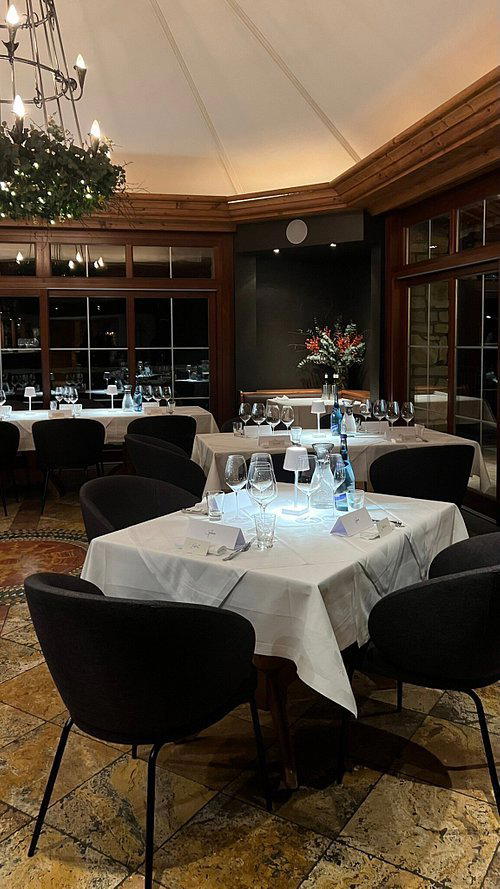
Cozy atmosphere with carved wood paneling, candlelight, and historic charm creating an intimate and elegant setting.