
Tabelog 100 #43
Our verdict
fu-fu shisen gives Fujisawa’s Chinese dining scene a tightly defined counterpoint: Sichuan-based cooking built around seafood, vegetables, organic seasonings and natural wine rather than meat or dairy. Its 2026 selection for Tabelog 100 Chinese EAST, 10-seat scale and course-only structure place it in the city’s small-format, reservation-led tier.

Pearl is the En Primeur Club membership app, where members save venues, book tables and use the concierge.
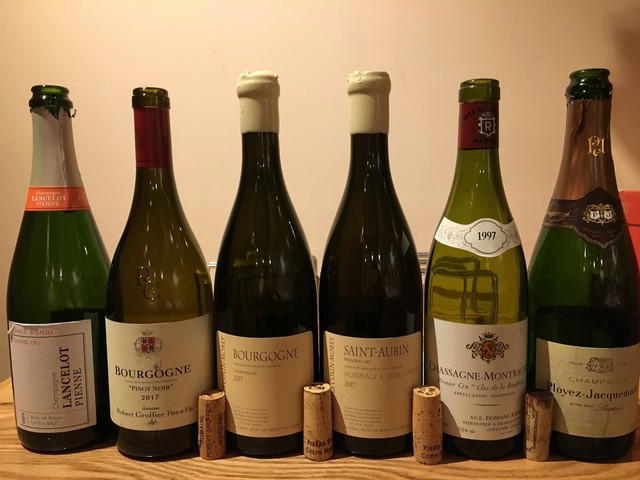
On the quieter side of Fujisawa’s dining map, the appeal is compact: a focused room, a clear point of view, and a kitchen brief that does not try to be everything at once. Fujisawa dining often reads through the Shonan coast, commuter traffic, ramen counters, izakaya habit, and weekend movement around the wider Kanagawa coastline. In that mix, fu-fu shisen takes a more exacting lane: Chinese cooking identified with Sichuan, dim sum and yum cha, and medicinal categories rather than a broad, all-purpose restaurant format. Tabelog’s 2026 Chinese EAST 100 selection gives the restaurant a credible external marker where Michelin coverage and English-language attention can be uneven outside central Tokyo.
That stance matters because Sichuan cooking is often reduced abroad to heat. In Japan, serious Chinese restaurants are precise about oil, stock, seasoning balance, and course rhythm, from polished dining rooms to compact neighbourhood specialists. Here the point is not simply chilli intensity, but structure: how aroma, texture, seasoning depth, and pacing can carry a meal. Dim sum, yum cha, and medicinal categories signal a broader Chinese register than shorthand about spice alone.
Specialist Chinese structure without overstatement
Specialist Chinese cooking is easier to find in major Japanese cities; Fujisawa is a smaller stage, making the format more revealing. The restaurant’s listed categories point to Sichuan cooking, dim sum and yum cha, and a medicinal register, a combination that gives the kitchen more identity than a generic Chinese label. This is positioning as editorial signal, not decoration.
The appeal is in focus rather than scale. For diners used to scanning long menus and sharing many à la carte plates, a smaller specialist restaurant changes the tempo: less sprawl, more attention to sequence, seasoning and balance. In Fujisawa, that kind of restraint can be more memorable than a room trying to cover every familiar Chinese restaurant expectation at once.
The broader drinks-and-dining context also matters. Across Japan, Chinese food is increasingly read alongside lighter, more flexible drinking styles, because spice, acidity, fermented flavours and vegetable-led dishes often work better with texture and lift than with heavy pairings. Whether approached as a local dinner or as part of a wider Kanagawa itinerary, fu-fu shisen sits in that contemporary cross-genre space rather than a purely traditional banquet template.
Fujisawa's small-format dining tier is more serious than its beach-city image
Fujisawa is often treated as a gateway city, a practical stop before the coast or other Kanagawa destinations. Its dining scene is more varied. The comparison set runs from casual noodle pricing at Men Dokoro Rajuku to higher-ticket sushi at Sushi Tomi and Chinese dining at Chinese Shunsai Chaamaen. Against that field, fu-fu shisen’s dinner range of JPY 8,000 to JPY 9,999 sits above everyday station dining while remaining below the level many diners associate with luxury destination rooms.
Tabelog Hyakumeiten recognition in 2026 gives the restaurant a credible external marker where English-language attention can be uneven outside central Tokyo. Its Tabelog score of 3.62 adds another useful reference point. The recognition does not make it a trophy table; it places it within a curated Tabelog context, a meaningful signal for diners sorting through Kanagawa’s quieter specialist rooms.
Japan’s stronger small restaurants often make guests meet the format halfway. For fu-fu shisen, the safest reading is to treat it as a planned dinner rather than an impulse stop, especially given its price tier and specialist positioning. That shapes who should go: diners who can commit to a focused meal, communicate preferences clearly, and accept that the restaurant’s identity is narrower than a catch-all neighbourhood Chinese dining room.
How to read it in a Fujisawa itinerary
The restaurant works better as an evening anchor than an add-on after a loose coastal day. Fujisawa is the transport and planning reference point, practical for travellers staying locally or moving between Kanagawa and Tokyo by rail. Treat it as a Fujisawa dinner that rewards advance planning rather than a casual fallback if other plans change.
Family and group planning needs attention in any compact specialist room. The meal is best suited to diners who are comfortable with a focused format and a quieter pace, rather than groups seeking a broad, highly flexible menu. Payment and booking details should be checked directly before visiting, as small restaurants in Japan can vary in how they handle reservations, cards and digital payments.
For broader planning, Fujisawa rewards a mixed map rather than a single category hunt. Coastal casual restaurants, station-area counters, and specialist rooms sit close together. Readers building a wider route can compare the city’s restaurant spread through Our full Fujisawa restaurants guide, then cross-check where to sleep in Our full Fujisawa hotels guide, drink in Our full Fujisawa bars guide, taste locally through Our full Fujisawa wineries guide, or plan around activities in Our full Fujisawa experiences guide.
Nearby dining research can stretch beyond Chinese cooking. In Fujisawa, other dining rooms show the local range, from casual everyday options to more specialised counters and course-led formats. Regional extensions can broaden the map across Kanagawa and the rest of Japan, while overseas comparisons sit outside the Fujisawa decision. the useful comparison is local and practical: how fu-fu shisen fits among Fujisawa’s more serious small restaurants.
The editorial reason to choose fu-fu shisen is clear: it shows how a small Kanagawa restaurant can use a defined Chinese framework to stand apart from generic station-area dining. Sichuan, dim sum and yum cha, and medicinal categories are not side notes; they are the vocabulary through which the restaurant should be read. In Fujisawa, where the dining map is often read too casually, that makes it a serious specialist address with a format that rewards planning.
Frequently asked questions
Is fu-fu shisen expensive?
Pricing at fu-fu shisen is listed as JPY 8,000 - JPY 9,999.
What's fu-fu shisen's location?
Fujisawa.
Do they take walk-ins at fu-fu shisen?
For fu-fu shisen, it is safest to plan ahead rather than treat it as an impulse stop. Its specialist positioning and dinner price range make advance checking sensible for a Fujisawa meal.
What's the standout thing about fu-fu shisen?
Its 2026 Tabelog Hyakumeiten recognition is the clearest marker, alongside a Tabelog score of 3.62. The sharper distinction is its category mix: Sichuan, dim sum and yum cha, and medicinal cooking in Fujisawa.
Is fu-fu shisen allergy-friendly?
Allergy handling should be confirmed directly with the restaurant before booking. Given the specialist format, diners with allergies or strong ingredient restrictions should communicate clearly in advance.
Snapshot
Nearby venues at a similar price tier for orientation.
| Venue | Cuisine | Price | Awards | Notes |
|---|---|---|---|---|
| fu-fu shisenThis venue (the venue you are viewing) | Organic Pescatarian Sichuan Course Dining | $50–100 | Tabelog 100 #43 | Not listed |
| Chinese Shunsai Chaamaen | Seasonal Chinese with soupless dandan noodles | $50–100 | Tabelog 100 #44 | Fujisawa |
| Sushi Tomi | Traditional Sushi Counter | $50–100 | Tabelog 100 #11 | Fujisawa |
| Iida Bokujo | Dining | Not listed | Tabelog 100 #85 | Fujisawa |
| Uzu to Kaminari | Modern Ramen | $10–20 | Tabelog 100 #38 | Hon-Kugenuma |
| Koan | Traditional Kaiseki | $150–200 | Tabelog 100 #43 · World's Best Wine Lists Awards WBWL 2-Star | Kugenuma |
Recognition history
Dated appearances from independent guides and award organizations, with the underlying list record or original source where available.
Tabelog 100 #43 · No. 43
Tabelog · Tabelog 100 - Chinese cuisine - EAST - 2026
Continue exploring
More in Fujisawa
Restaurants in Fujisawa
All restaurants in Fujisawa →



Bars in Fujisawa
Browse all →







Details
- Cozy
- Modern
- Intimate
- Date Night
- Special Occasion
- Celebration
- Solo
- Standalone
- Design Destination
- Chefs Counter
- Extensive Wine List
- Craft Cocktails
- Farm To Table
- Organic
- Local Sourcing
- Sustainable Seafood
- Tasting Menu
- Set Menu
- Counter Dining
- Wine
- Cocktails
- Shochu
- Vegetarian Friendly
- Vegan Options
- Pescatarian Friendly
- Allergy Accommodating
- Organic Focus
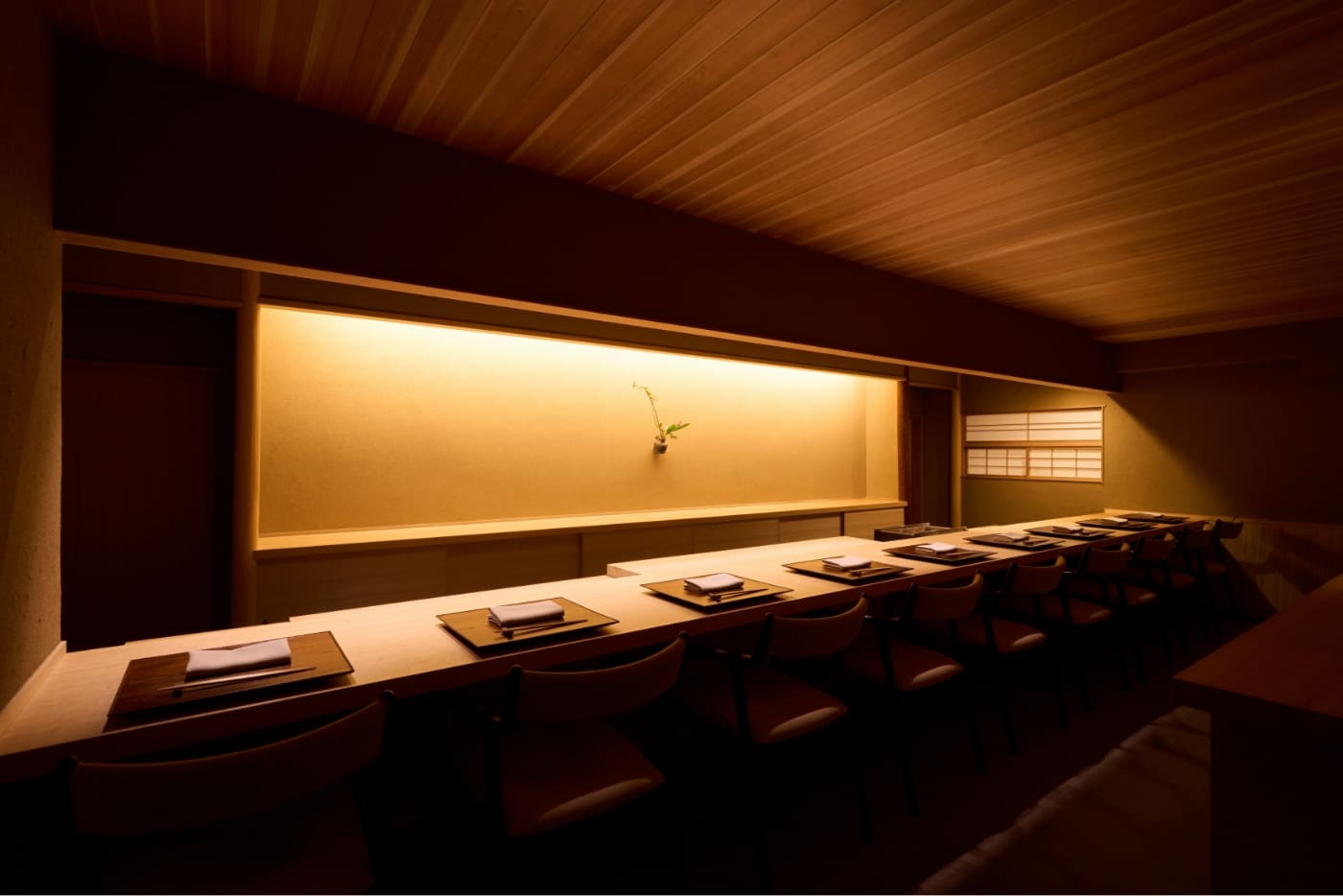
A small, stylish and relaxing hideout near Fujisawa Station, with only 10 non-smoking seats split between a short counter and a couple of tables, creating an intimate, quietly busy atmosphere suited to lingering over a set course.