
Tabelog 100 #11
Our verdict
Sushi Tomi puts Fujisawa’s sushi culture in a compact, fish-led register rather than the ceremony-heavy Tokyo mold. Its Tabelog Sushi EAST 100 selections in 2021, 2022, and 2025 place it among the region’s recognized counters, with a format that suits diners who care about sourcing signals, counter rhythm, and the quieter coastal side of Kanagawa dining.

Pearl is the En Primeur Club membership app, where members save venues, book tables and use the concierge.
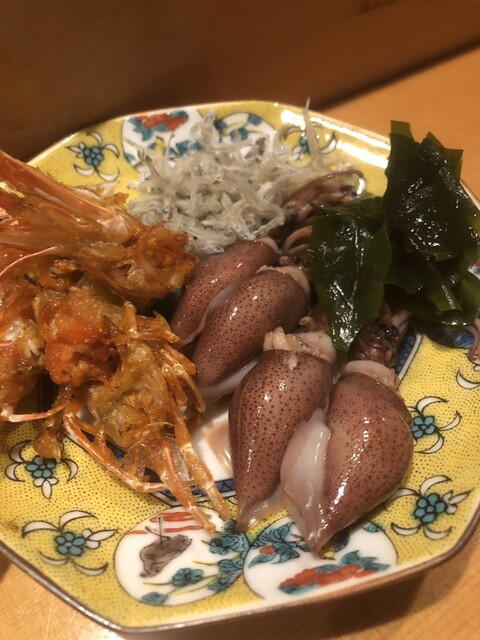
The approach to a Fujisawa sushi restaurant changes the meal before the first piece is served. Fujisawa does not carry Ginza’s hushed expense-account pressure or Yokohama’s hotel-dining polish; its sushi culture is often read through a more local Kanagawa lens, where the question is less spectacle than whether the meal feels focused. Sushi Tomi belongs to that register: modest in presentation, sushi-led in identity, and best understood through the simple equation of category, recognition, and city context.
That matters in Fujisawa because the city sits between commuter Kanagawa and the Shonan coast. Diners may arrive with different expectations from Tokyo: less appetite for theatre, more interest in a plain-spoken meal. In this setting, the phrase “sushi in Fujisawa” is not just a location tag. It points to the central test of a regional restaurant: whether it gives diners a clear reason to choose it without needing to imitate the mood of larger-city rooms.
Fish judgment drives the Fujisawa counter experience
Great sushi cities are often described through rice, knife work, and etiquette, but outside the capital the local dining context becomes sharper. Fujisawa’s coastal identity gives sushi a different frame from inland urban dining. The meal does not need a long speech; it needs confidence in the basic promise of a sushi restaurant. Sushi Tomi’s Tabelog Hyakumeiten recognition for 2025, with a listed score of 3.66, gives a public signal that this is not merely a neighbourhood name with loyal regulars, but part of a broader Japanese sushi conversation.
The restaurant is best understood through the restrained sensibility that often defines serious sushi dining. A sushi meal works differently from a broad tasting-menu format: pacing, order, and trust matter, and the experience depends less on variety for its own sake than on focus. Here, the appeal suits diners who want Sushi Tomi for sushi rather than for a heavily decorated room or a sprawling menu. That scale of expectation also changes the emotional register. Fujisawa’s stronger sushi addresses are not trying to out-gloss Tokyo; they are asking whether the restaurant can hold attention on its own terms.
The drinks side, if part of the evening, should be read as support rather than the headline: the point is to keep attention on the sushi. In a city where a higher-spend dinner can also mean other formats, sushi retains a particular discipline. Nearby comparisons make the point. Chinese Shunsai Chaamaen occupies a similar spending tier from a different culinary grammar, while elarte maps Fujisawa’s appetite for European formats. Sushi sits apart because its luxury is less about menu breadth than a concentrated restaurant identity.
Where it fits in Fujisawa's dining map
Fujisawa is often treated as a transit point for the coast, but the dining map is more layered than a beach-town shorthand allows. There are long-running local rooms, casual counters, specialist places, and polished formats that do not all sit in one obvious luxury corridor. The useful way to read Sushi Tomi is not as an isolated trophy, but as a sushi address in a city where serious meals are dispersed rather than concentrated in a single high-end district.
That dispersion rewards planning. A sushi restaurant with Tabelog Hyakumeiten recognition belongs in a different category from casual station-area dining, even when it does not present itself with metropolitan grandeur. The editorial case is strongest for diners already spending time in Kanagawa, especially those pairing Fujisawa with the wider Shonan coast. In that itinerary, the meal becomes a way to include a recognized Fujisawa sushi stop rather than a detour engineered only for prestige.
For travellers building a wider route, Fujisawa also functions as a useful midpoint between Tokyo’s density and the coast’s slower traffic. Nearby dining context can stretch in several directions, from other Fujisawa dining rooms to casual specialists and destination counters elsewhere in the region. The contrast clarifies Sushi Tomi’s appeal: it is not framed here as a maximalist night out; it is a focused sushi meal in a city where local context is part of the dining logic.
How to read the recognition without overreading it
Tabelog’s Hyakumeiten lists are useful because they capture a broad field of highly followed Japanese restaurants beyond the Michelin map. For sushi, that kind of recognition places a restaurant within a competitive regional conversation rather than treating it as a purely local favourite. Sushi Tomi’s 2025 recognition is therefore meaningful, particularly for a Fujisawa address competing for attention against larger urban markets.
Still, the right expectation is disciplined rather than ceremonial. The appeal lies in a sushi format, a Fujisawa setting, and recognized standing, not in an invented chef biography or theatrical dining-room narrative. Diners who want a long luxury procession may be happier in Tokyo. Diners who want Kanagawa sushi with public recognition and a clear city identity have a stronger reason to put this on the Fujisawa plan.
Use the city guides to build the rest of the stay around that decision. For dining depth, start with Our full Fujisawa restaurants guide. For the wider trip architecture, the companion guides cover Fujisawa hotels, Fujisawa bars, Fujisawa wineries, and Fujisawa experiences.
Frequently asked questions
Where do I go for Sushi Tomi?
Fujisawa.
Is Sushi Tomi expensive?
Pricing at Sushi Tomi is listed as JPY 10,000 - JPY 14,999.
How far ahead should I plan for Sushi Tomi?
Aim to plan as early as possible, especially for dinner. Sushi Tomi was selected for Tabelog Hyakumeiten in 2025, and the JPY 10,000 - JPY 14,999 dinner price range places it in a bracket where availability can tighten quickly.
What is Sushi Tomi known for?
Sushi Tomi is known as a sushi restaurant in Fujisawa, with Tabelog Hyakumeiten recognition in 2025.
Snapshot
Nearby venues at a similar price tier for orientation.
| Venue | Cuisine | Price | Awards | Notes |
|---|---|---|---|---|
| Sushi TomiThis venue (the venue you are viewing) | Traditional Sushi Counter | $50–100 | Tabelog 100 #11 | Not listed |
| Uzu to Kaminari | Modern Ramen | $10–20 | Tabelog 100 #38 | Hon-Kugenuma |
| clarita da marittima | Seasonal Italian with Shonan seafood | $50–100 | Tabelog 100 #19 | Enoshima / Katasekaigan |
| Asahi Honten | Japanese Senbei & Octopus Crackers | $1–10 | Tabelog 100 #74 | Enoshima |
| Iida Bokujo | Dining | Not listed | Tabelog 100 #85 | Fujisawa |
| elarte | Spanish & Basque restaurant and wine bar | $30–50 | Tabelog 100 #83 | Minami-Fujisawa |
Recognition history
Dated appearances from independent guides and award organizations, with the underlying list record or original source where available.
Tabelog 100 #11 · No. 11
Tabelog · Tabelog 100 - Sushi - EAST - 2025
Continue exploring
More in Fujisawa
Restaurants in Fujisawa
All restaurants in Fujisawa →




Bars in Fujisawa
Browse all →




Details
- Intimate
- Classic
- Solo
- Family
- Group Dining
- Date Night
- Celebration
- Special Occasion
- Chefs Counter
- Standalone
- Sake Program
- Counter Dining
- A La Carte
- Omakase
- Sake
- Shochu
- Wine
- Pescatarian Friendly
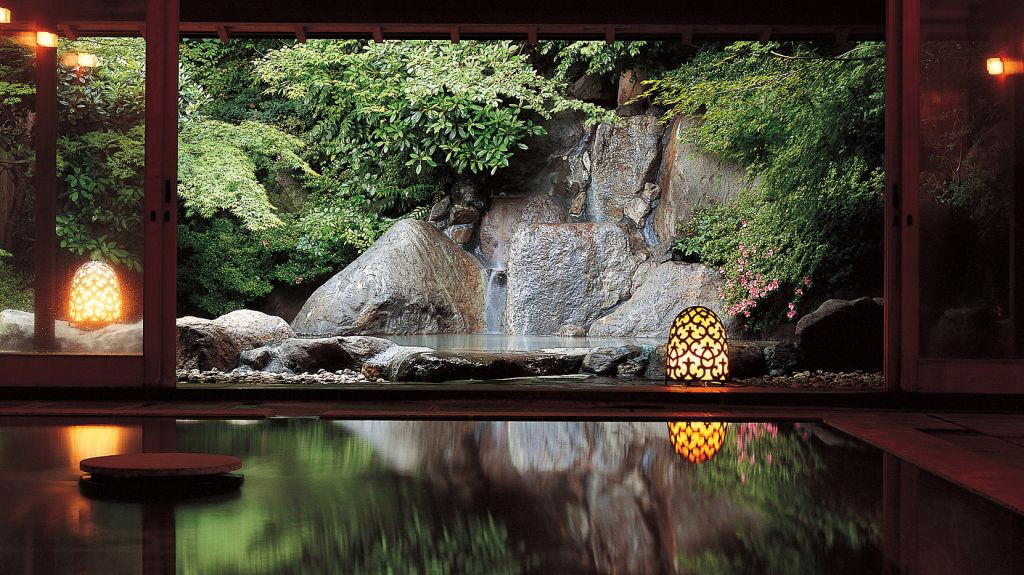
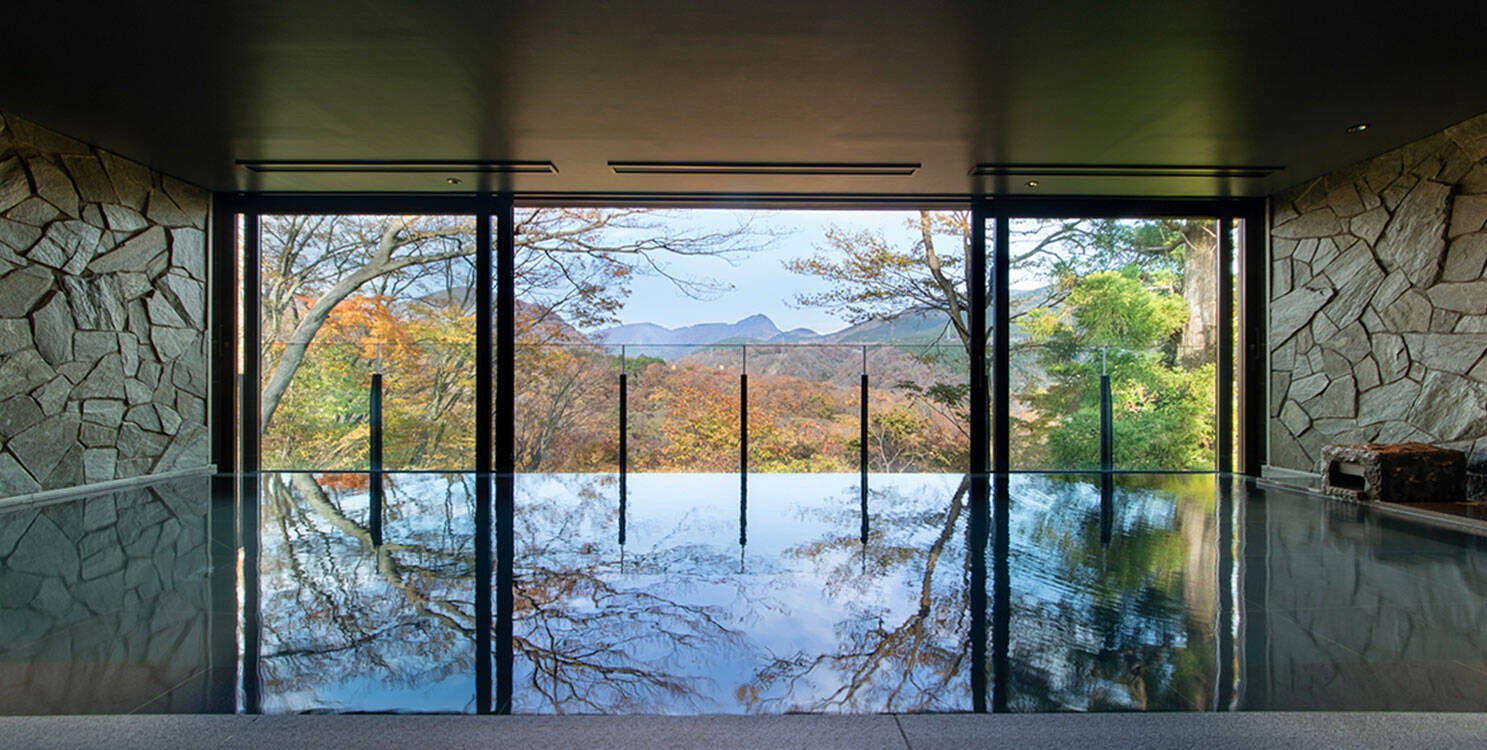
Small and quietly convivial, centered on an 8-seat wooden counter with a simple, classic interior and a relaxed local feel suited to solo diners, families with older children, and small groups.