Situated at Am Bavariapark 16 in Munich's Bavarian Quarter, Fräulein Wagner occupies a position in the city's broader conversation about conscious dining and regional sourcing. Where Munich's Michelin-decorated tier pulls toward French technique and international ambition, this address reads as a counterpoint: rooted, neighbourhood-scaled, and worth examining on its own terms.
Pearl is the En Primeur Club membership app — saves, bookings, and concierge access live there. Same editors, same standards.
- Address
- Am Bavariapark 16, 80339 München, Germany
- Phone
- +4989510883160
- Website
- frlwagner.com
- Directions
- Get directions
 Saves & bookings on Pearl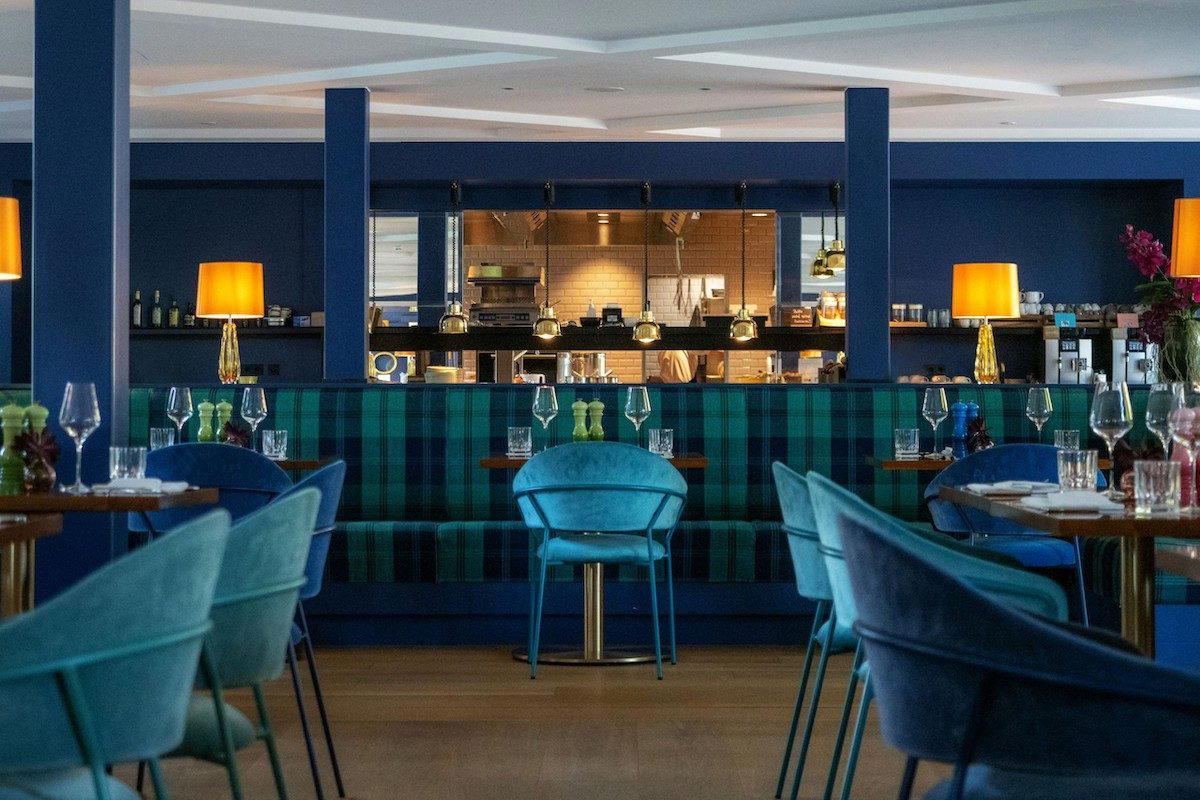
Where the Bavarian Quarter Meets a Quieter Kind of Dining
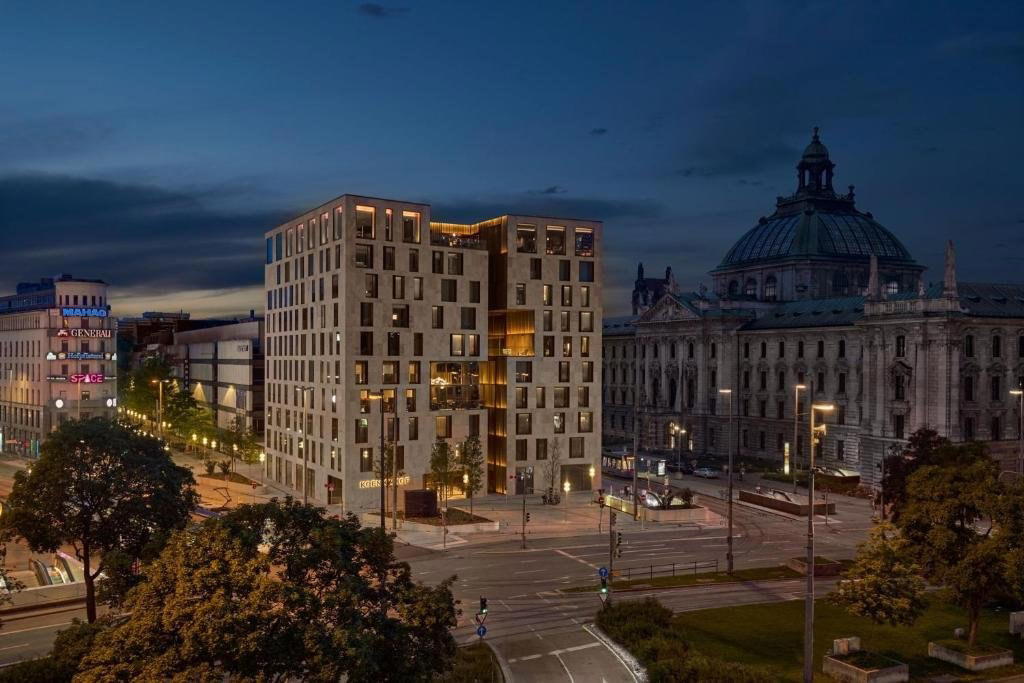
Approaching Am Bavariapark 16 from the direction of the park itself, the residential scale of the Bavarian Quarter asserts itself quickly. This is not the Maxvorstadt gallery corridor or the Schwabing restaurant strip; it is a part of Munich where locals walk dogs past green space and the foot traffic is unhurried. A restaurant here operates on neighbourhood logic rather than destination logic, and that distinction shapes everything about how Fräulein Wagner positions itself within the city's dining conversation.
Munich's fine dining tier is well-documented and concentrated: Tantris in Schwabing has held its position across decades of ownership changes, while Atelier at the Bayerischer Hof and Alois - Dallmayr Fine Dining operate squarely within the city-centre Michelin bracket. Tohru in der Schreiberei and JAN represent the city's appetite for internationalist technique applied with precision. Fräulein Wagner does not compete in that tier by address or apparent format. It occupies a different register: the kind of place that earns attention through consistency and sourcing clarity rather than tasting-menu architecture. At about $25 per person, it sits in a modest price band for Munich.
Sustainability as Operating Logic, Not Positioning
Across Germany's restaurant scene, sustainability has split into two visible camps. One treats environmental credentials as a marketing layer, appending carbon-offset language to menus that otherwise operate conventionally. The other treats ecological constraint as a design principle, where what gets sourced, how waste moves through the kitchen, and which producers appear on the menu are decisions made upstream of the menu itself.
The more credible version of this approach is visible across Germany's serious dining addresses. ES:SENZ in Grassau, operating at altitude in the Bavarian foothills, has made alpine regionality central to its identity in ways that go beyond decoration. Schanz in Piesport anchors its menu in Moselle valley produce with similar rigor. At the international level, Lazy Bear in San Francisco has demonstrated how a fixed-format, community-engaged dining model can hold both culinary ambition and sourcing accountability simultaneously.
Fräulein Wagner's address in a residential Munich neighbourhood, away from the tourist infrastructure of the Altstadt, suggests an operating model that depends on repeat local custom rather than seasonal visitor traffic. That dependency tends to align with more grounded sourcing practices: the feedback loop between kitchen and community is shorter, and the pressure to perform theatrics over substance is lower. Whether the kitchen formalises this as a sustainability framework or simply operates with the pragmatism common to neighbourhood restaurants, the structural conditions favour it.
The German Restaurant Tier That Doesn't Require Stars to Justify Itself
Germany's Michelin-decorated addresses are well-covered. Schwarzwaldstube in Baiersbronn and Waldhotel Sonnora in Dreis operate at the country's highest documented level. Victor's Fine Dining by Christian Bau in Perl and Aqua in Wolfsburg anchor the three-star tier in cities that tourists do not typically visit for food. Vendôme in Bergisch Gladbach and Restaurant Haerlin in Hamburg represent the country's capacity for technically rigorous French-influenced cuisine at the highest level.
But the German dining scene also contains a substantial and underexamined middle tier: restaurants without awarded status that nonetheless draw consistent, knowledgeable local clientele. This tier tends to be more regionally specific, more responsive to seasonal availability, and less formatted around the tasting-menu conventions that guide Michelin evaluation. It is also where a city's actual eating culture tends to be most legible. Munich's version of this tier includes addresses across Haidhausen, Maxvorstadt, and the western neighbourhoods, where the food is specific to place without aspiring to international competition.
Fräulein Wagner's positioning within this tier, at a Bavarian Quarter address that does not read as a destination-dining postcode, places it in a comparable set defined less by price point or award count and more by the relationship between kitchen and immediate community. For visitors accustomed to using Michelin as a proxy for quality, this tier requires a different evaluative approach: local word of mouth, sourcing transparency, and the kind of menu specificity that signals genuine regional engagement.
Eating in Munich Without a Reservation Strategy
Munich's awarded restaurants require planning. Tantris operates across multiple formats but its tasting menu seats book weeks ahead. Atelier at the Bayerischer Hof similarly requires advance commitment. For visitors whose Munich itinerary is not built around a single dining anchor, neighbourhood restaurants in the Bavarian Quarter and surrounding districts offer a more accessible entry point to the city's food culture without the reservation infrastructure.
The Bavarian Quarter itself carries some historical weight in Munich's civic memory, and the Am Bavariapark address places the restaurant adjacent to green space that draws local residents year-round. Seasonal shifts in Munich tend to be meaningful for neighbourhood restaurants: the summer months bring outdoor dining culture and lighter menus, while the autumn-to-winter period anchors Bavarian cooking traditions around game, root vegetables, and preserved ingredients. Any kitchen operating at this address through multiple seasons develops a practical relationship with those rhythms.
Germany's broader conversation about conscious sourcing has reached Bavaria through a combination of organic certification culture, growing producer networks in the Alpine foothills, and consumer pressure in cities like Munich where environmental awareness is embedded in the middle-class dining public. CODA Dessert Dining in Berlin has shown how a format built around unconventional constraints, including zero-waste pastry principles, can generate serious critical attention. Bagatelle in Trier demonstrates that regional anchoring can coexist with technical refinement. The through-line across these addresses is that sourcing decisions made with conviction tend to produce menus that read as coherent rather than assembled.
For visitors building a Munich eating itinerary, see our full Munich restaurants guide for the broader picture across neighbourhoods and price tiers. For comparison at the international level, Le Bernardin in New York City offers a reference point for how sourcing discipline and culinary precision reinforce each other at the highest documented level.
Know Before You Go
- Address: Am Bavariapark 16, 80339 München, Germany
- Neighbourhood: Bavarian Quarter, west of central Munich, adjacent to Bavariapark
- Price range: about $25 per person
- Hours: Mon to Fri 7-10 AM, 11:30 AM-2 PM, 3-11 PM; Sat 11 AM-1 PM, 3-11 PM; Sun 11 AM-1 PM
- Booking: reservations recommended
Reputation Context
Comparable venues nearby, for context on price, style, and recognition.
| Venue | Cuisine | Price | Notes |
|---|---|---|---|
| Fräulein WagnerThis venue — the venue you are viewing | Modern International with Bavarian Influences | $$ | Not listed |
| Cotidiano Promenadeplatz | Modern International All-Day Cafe | $$ | Isarvorstadt |
| Kawaru | Japanese Tapas | $$ | Theresienwiese |
| DOAN Restaurant | Authentic Vietnamese | $$ | Theresienwiese |
| Gaststätte Großmarkthalle | Traditional Bavarian Gaststätte | $$ | Ludwigsvorstadt |
| La Vecchia Masseria | Classic Italian Trattoria | $$ | Isarvorstadt |
At a Glance
- Cozy
- Modern
- Trendy
- Brunch
- Family
- Casual Hangout
- Garden
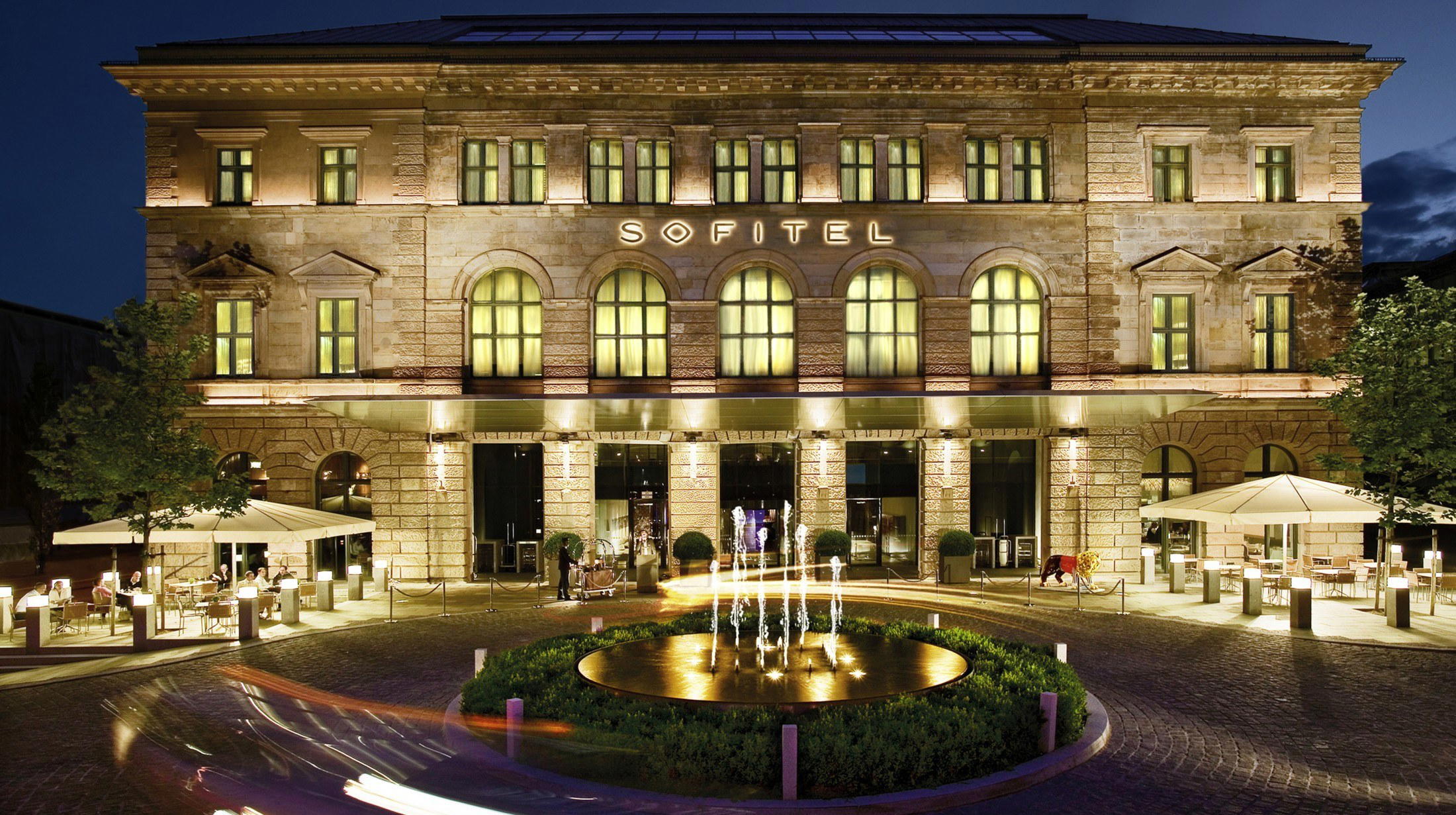
- Hotel Restaurant
- Beer Program
- Local Sourcing
- Garden
Current opening hours
- Monday
- 7–10 AM, 11:30 AM–2 PM, 3–11 PM
- Tuesday
- 7–10 AM, 11:30 AM–2 PM, 3–11 PM
- Wednesday
- 7–10 AM, 11:30 AM–2 PM, 3–11 PM
- Thursday
- 7–10 AM, 11:30 AM–2 PM, 3–11 PM
- Friday
- 7–10 AM, 11:30 AM–2 PM, 3–11 PM
- Saturday
- 11 AM–1 PM, 3–11 PM
- Sunday
- 11 AM–1 PM
Hours can change for holidays and private events. Last verified .
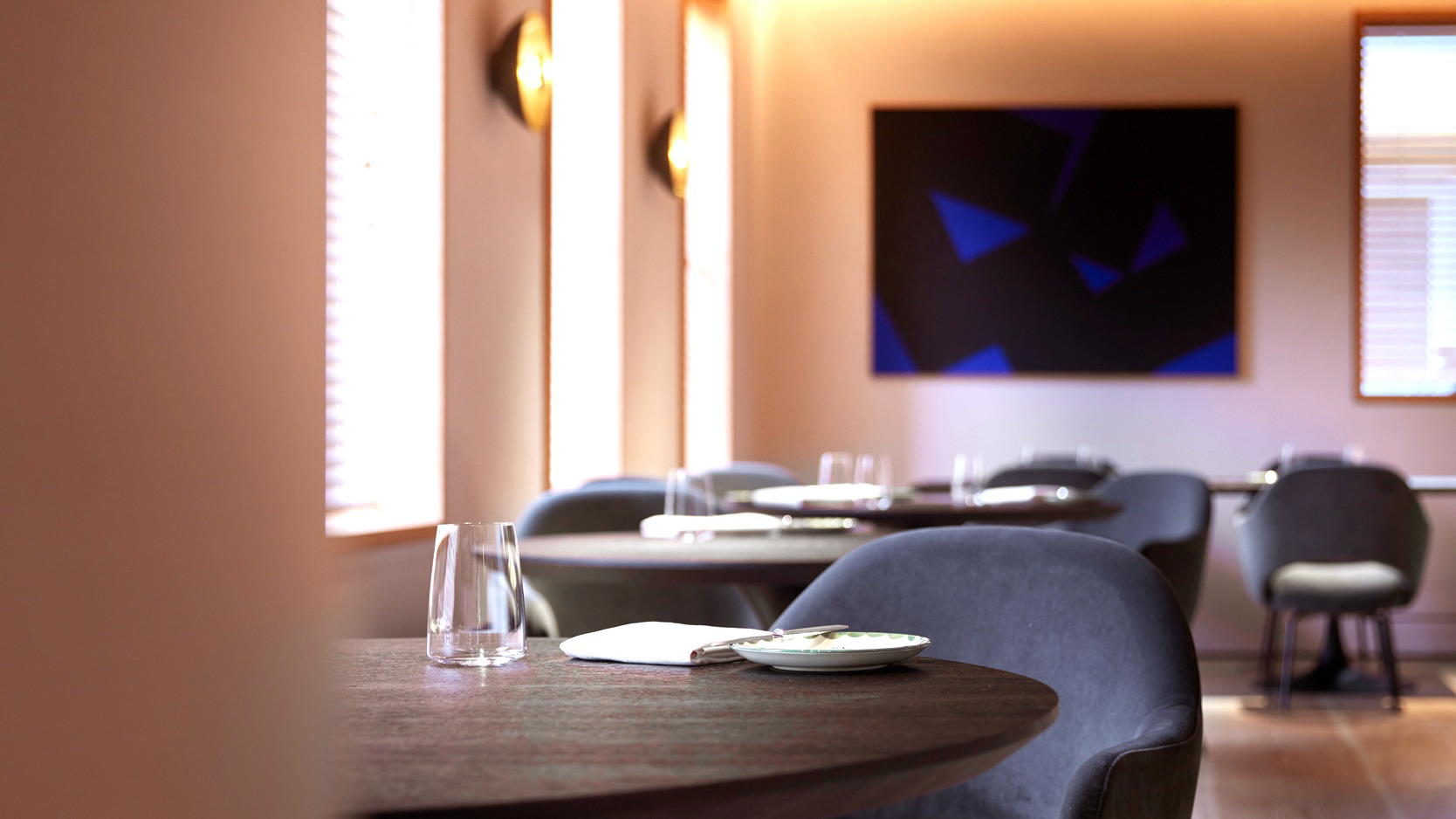
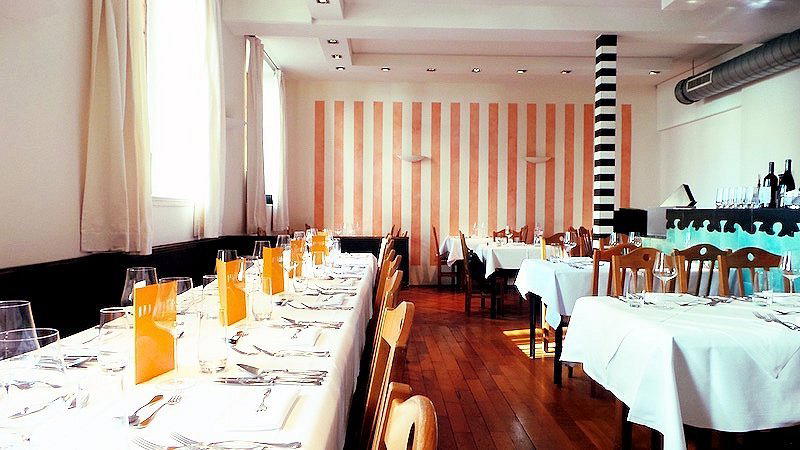
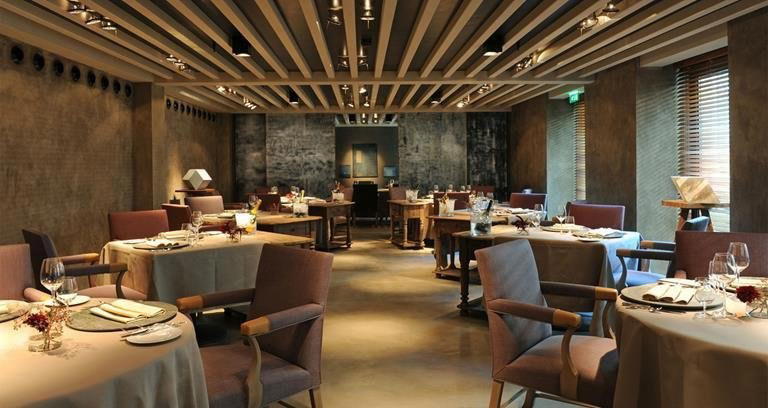
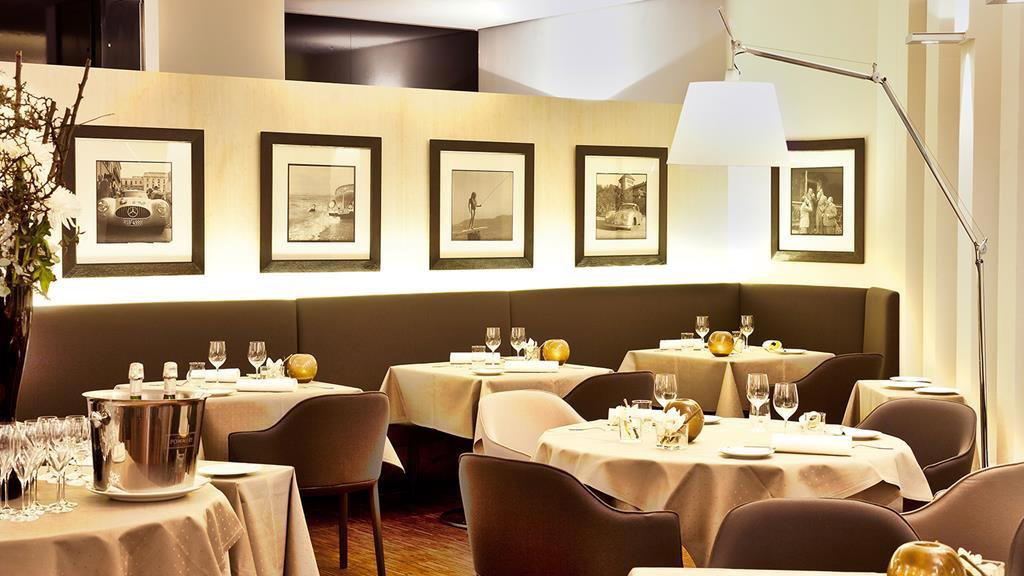
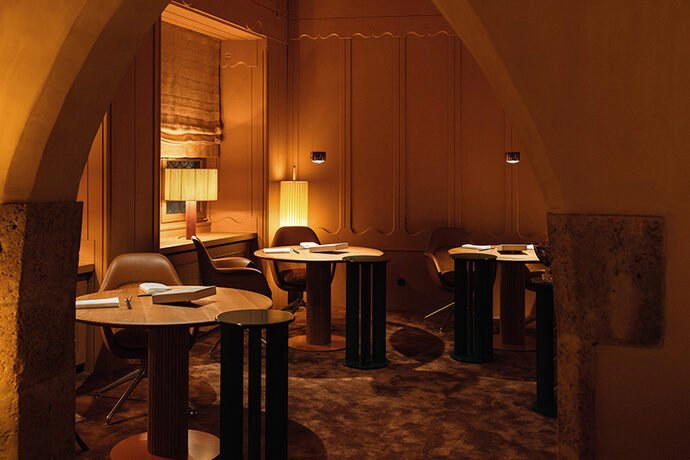
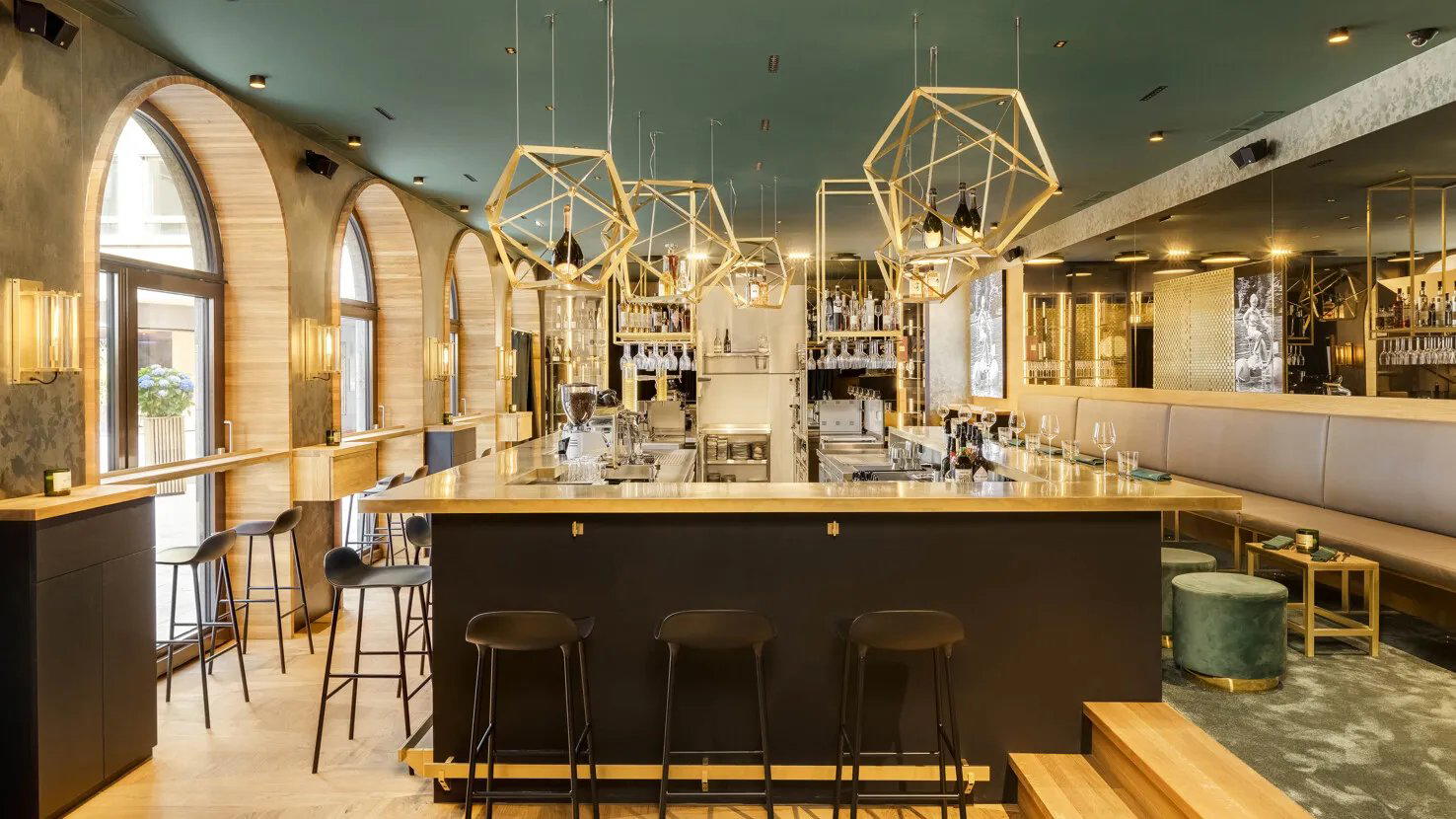
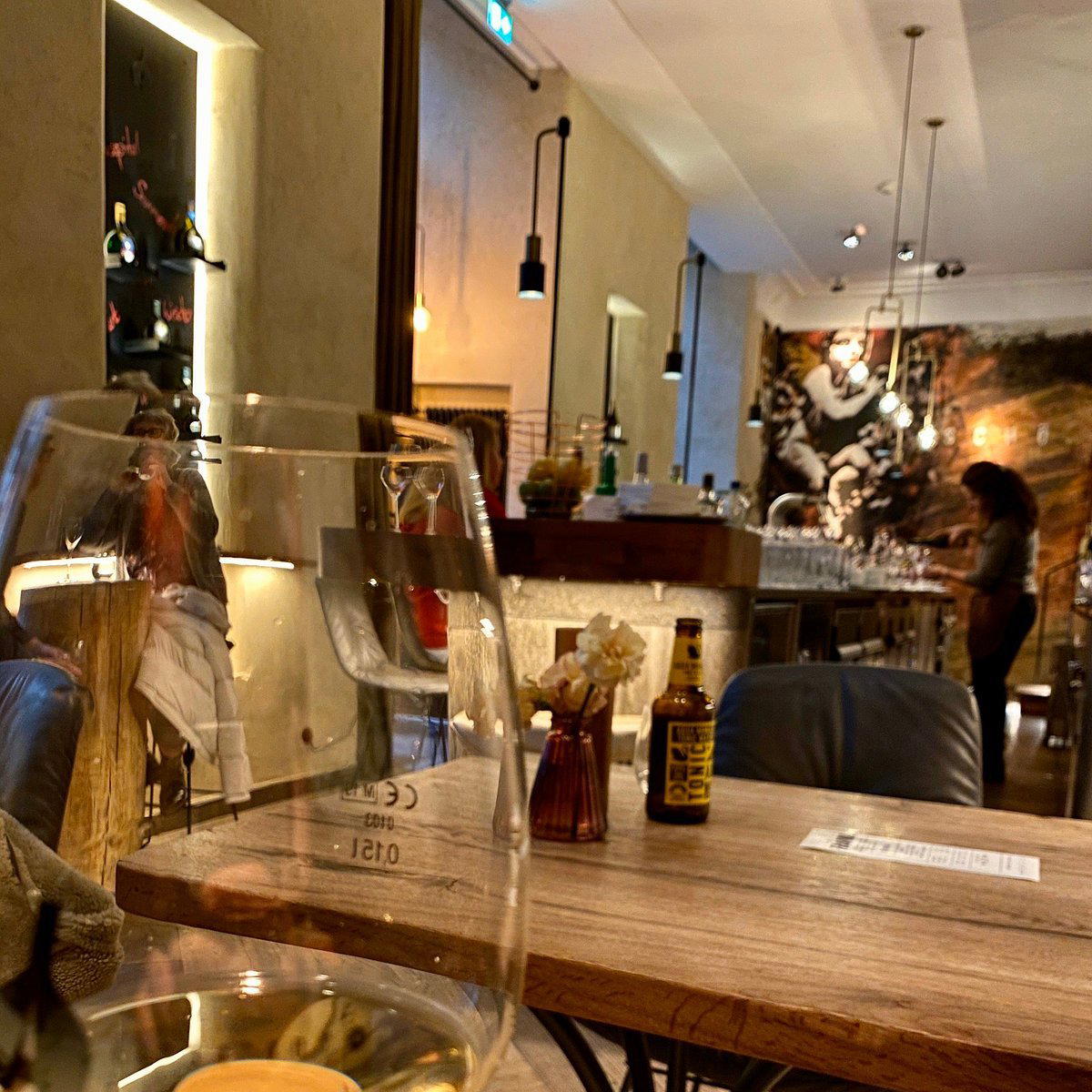
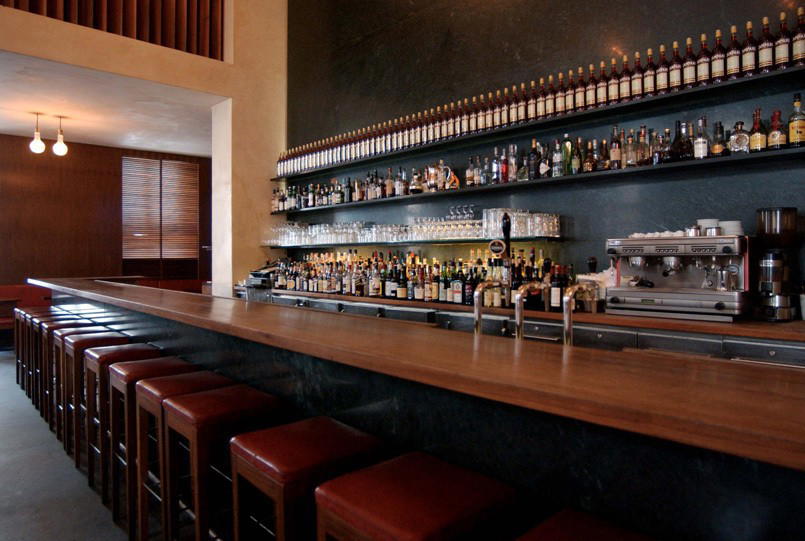
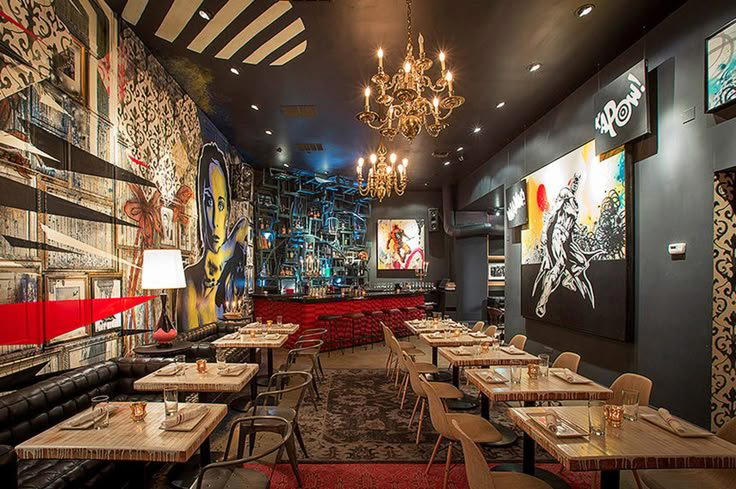
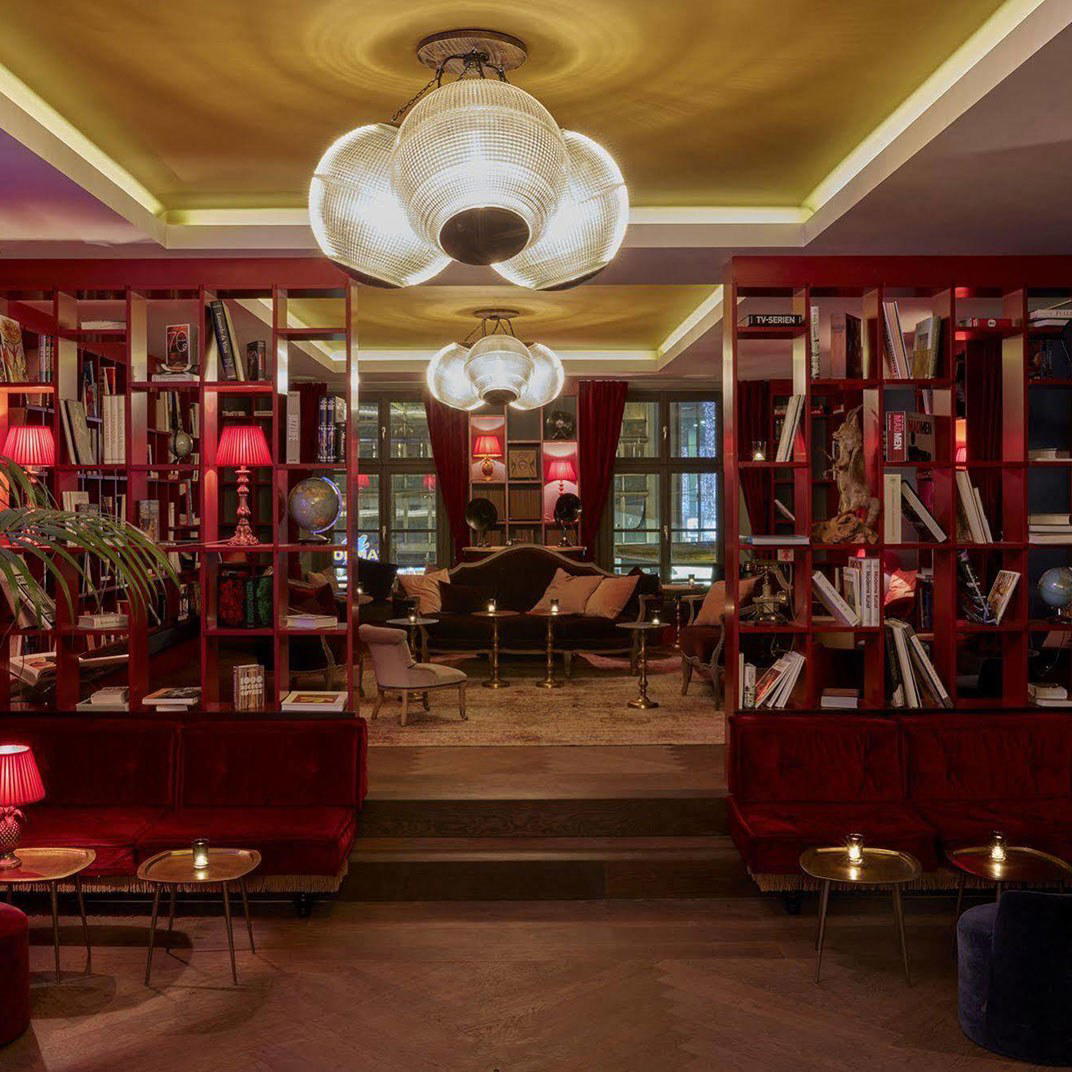
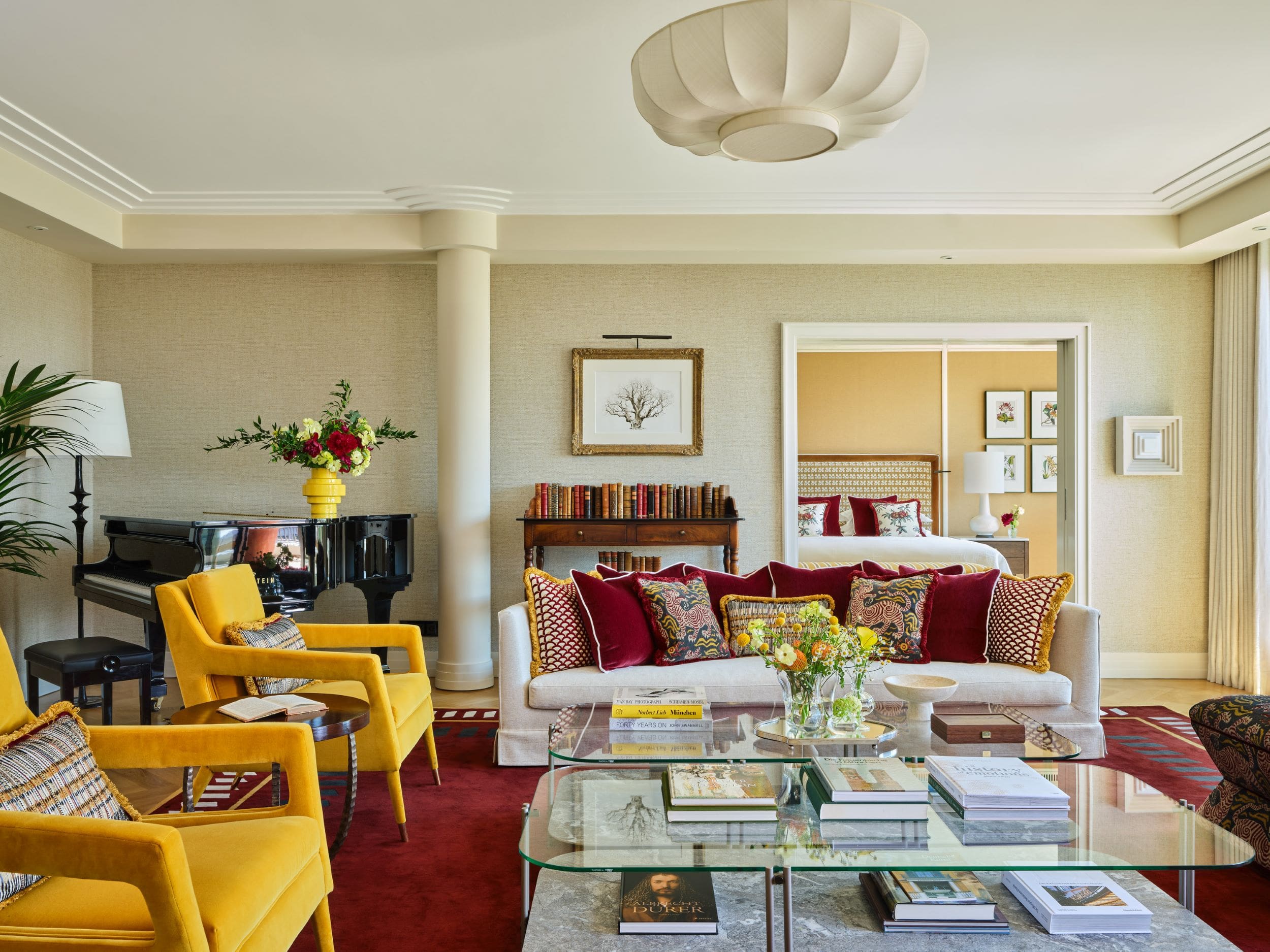
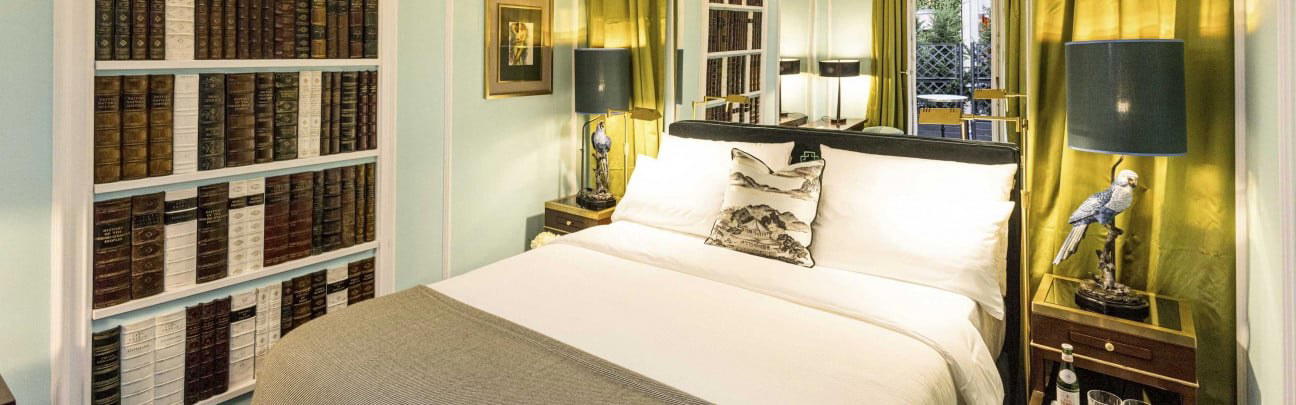
Casual cozy atmosphere with lively colorful modern decor and stylish maximalist design.