Friendly Farm
Friendly Farm sits on Foreston Road in Upperco, Maryland, a rural stretch of Baltimore County where the working agricultural character of the land still shapes what ends up on the table. The dining format here connects directly to the farm setting, placing it in a small but growing category of American restaurants where provenance is the organizing principle rather than a marketing footnote. For readers planning a visit, the address is 17434 Foreston Rd, Upperco, MD 21155.
Pearl is the En Primeur Club membership app — saves, bookings, and concierge access live there. Same editors, same standards.
- Address
- 17434 Foreston Rd, Upperco, MD 21155
- Phone
- +14102397400
- Website
- friendlyfarm.net
- Directions
- Get directions
 Saves & bookings on Pearl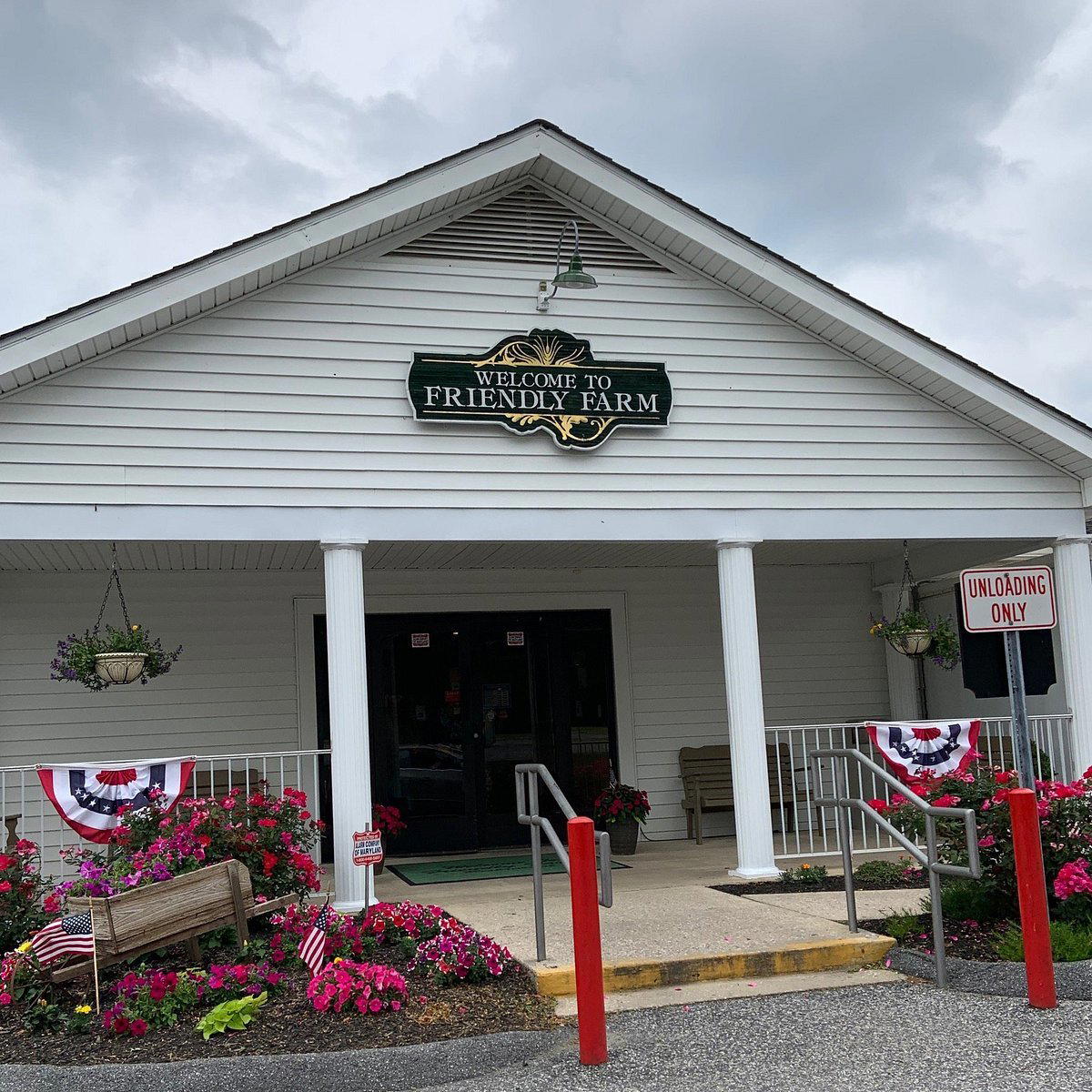
Where the Land Sets the Menu
Drive north from Baltimore on the back roads through Baltimore County and the density drops quickly. By the time you reach Upperco, the corridor along Foreston Road is defined by open fields, tree lines, and the kind of working rural infrastructure that most American diners encounter only as a label on a restaurant menu. Friendly Farm is a restaurant in Upperco, Maryland, serving American Family-Style Comfort Food at about $40 per person. That distinction matters more than it might sound.
Across American fine and casual dining, farm-to-table has become a default claim rather than a structural commitment. The category of restaurants that actually operate on or in direct relationship with a working farm is considerably smaller. Blue Hill at Stone Barns in Tarrytown sits at the formal end of that spectrum, where a dedicated agricultural estate and a tasting menu format allow the kitchen to treat sourcing as the primary creative constraint. Single Thread Farm in Healdsburg operates across a farm, inn, and restaurant, using its Sonoma County growing operation to anchor an eleven-course kaiseki-influenced format. Friendly Farm in Upperco occupies a different register entirely, one rooted in the Maryland tradition of family dining in rural settings rather than in tasting-menu formality, but the underlying logic of place-driven food connects it to the same broader category.
The Sourcing Argument in Rural Maryland
Maryland's agricultural identity is real and specific. The state's farming corridor runs through Baltimore and Carroll counties, producing poultry, grain, and produce that historically fed the regional population before national supply chains made local sourcing economically marginal for most restaurants. The current generation of diners in the Mid-Atlantic has become increasingly attentive to that provenance, partly in response to what chefs at places like Oyster Oyster in Washington, D.C. have demonstrated: that a menu built around regional sourcing can make a coherent and compelling editorial statement about place.
For a restaurant in Upperco, the sourcing argument is less a statement than a baseline condition. The geography imposes a certain logic. Farms are neighbors. Seasonal availability is visible rather than abstract. What the kitchen can draw on in a given week is shaped by what the surrounding land is producing. That relationship between location and ingredient, when taken seriously, tends to produce a menu character that shifts with the calendar in ways that urban supply-chain kitchens rarely manage.
This is the editorial angle worth holding onto when thinking about Friendly Farm in context. The comparison set for a rural Maryland family dining destination is not Le Bernardin in New York City or Atomix in New York City. It sits closer to the American tradition of destination country dining, where the drive is part of the proposition and the food reflects its immediate geography rather than a globally sourced kitchen pantry.
The American Country Dining Tradition
Country restaurants with genuine agricultural connections occupy an underappreciated tier in American dining. The Inn at Little Washington in Washington, Virginia represents the formal ceiling of that tradition in the Mid-Atlantic, with decades of operation and a kitchen that has shaped regional American fine dining. Smyth in Chicago and Lazy Bear in San Francisco approach the farm-sourcing question from urban kitchens that reach outward to agricultural partners. Frasca Food and Wine in Boulder and The Wolf's Tailor in Denver have built regional sourcing commitments into their identity while operating in city contexts.
What distinguishes rural destination dining from those urban models is the physical relationship between the diner and the source. Arriving at a farm property rather than a city block changes the interpretive frame before a single dish arrives. The visual and spatial context does work that a menu description alone cannot replicate. For families traveling from Baltimore or the surrounding suburbs, the drive to Upperco is part of the experience, a shift in register that begins before the meal.
How Friendly Farm Fits the Regional Picture
The Mid-Atlantic farm dining category has expanded in recent years as consumer interest in agricultural provenance has moved from niche to mainstream. Restaurants like Bacchanalia in Atlanta and Addison in San Diego have demonstrated that regionally grounded sourcing can anchor a restaurant's identity at the highest price points. At a different scale, rural family dining destinations across the American northeast have maintained a loyal regional following by offering something that formal tasting-menu restaurants do not: a genuinely informal, family-accessible version of place-connected eating.
That is the tier where the restaurant in Upperco is most usefully understood. Not as a competitor to The French Laundry in Napa or Providence in Los Angeles, and not in the same conversation as Emeril's in New Orleans or ITAMAE in Miami. Rather, it represents a Maryland-specific version of the country dining tradition, where the rural setting and the agricultural relationship between kitchen and land define the character of the experience more than any single award or tasting menu format could. The case for making the drive from Baltimore is grounded in that specificity. For readers interested in restaurants that operate at the intersection of place and plate, the Upperco location itself is the primary credential. Equally, those traveling with family groups or children will find that country farm dining in the rural Mid-Atlantic has historically been accommodating in terms of format and atmosphere.
Fast Comparison
Comparable venues nearby, for context on price, style, and recognition.
| Venue | Cuisine | Price | Notes |
|---|---|---|---|
| Friendly FarmThis venue — the venue you are viewing | American Family-Style Comfort Food | $$ | Not listed |
| Poets Modern Cocktails & Eats | Modern American Gastropub | $$ | Mount Vernon |
| Maggies Farm | Farm-to-Table American Gastropub | $$ | Hamilton |
| Preserve | Modern American with Pickling and Fermentation | $$ | Downtown |
| Mt. Washington Tavern | American Gastropub with Local Seafood | $$ | Mount Washington |
| Big Bad Wolf's House of Barbeque | American Barbecue | $$ | Hamilton |
Continue exploring
More in Upperco
Restaurants in Upperco
Browse all →
Bars in Upperco
Browse all →
Hotels in Upperco
Browse all →
Wineries in Upperco
Browse all →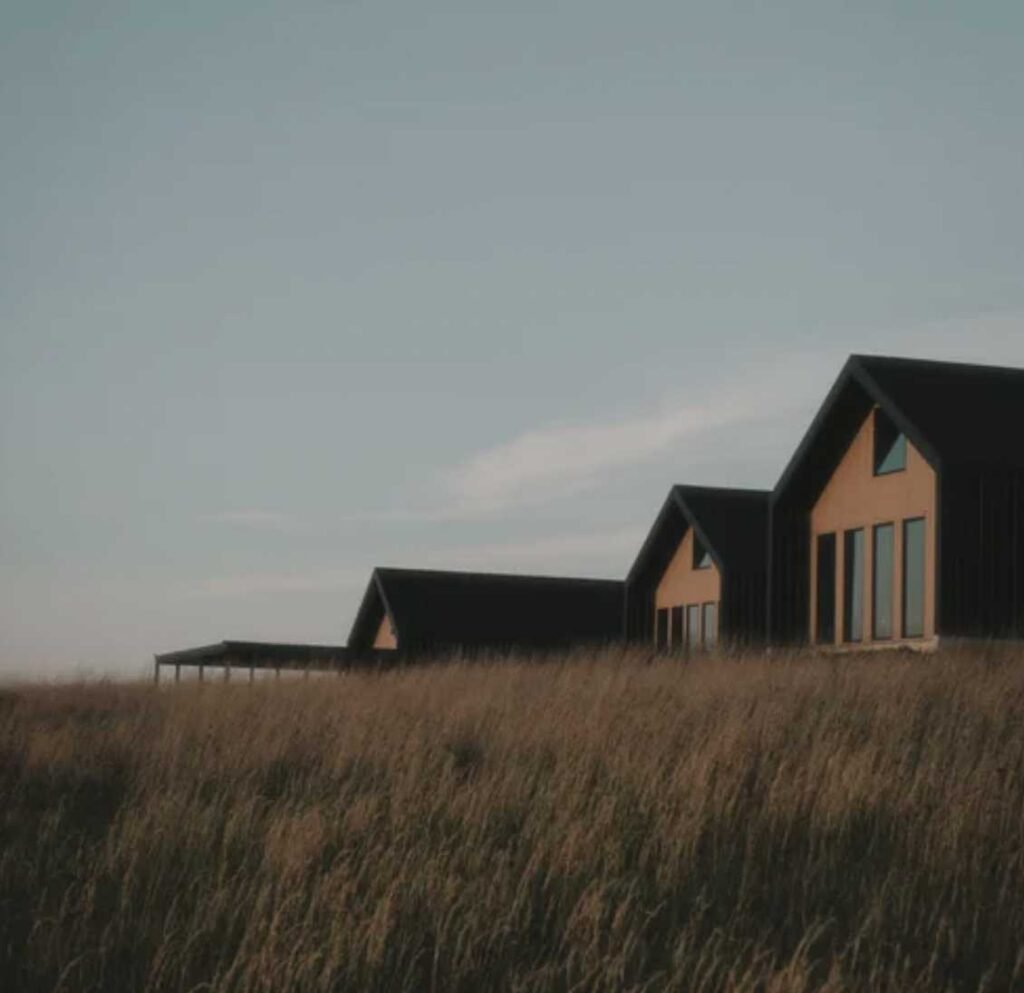
At a Glance
- Rustic
- Cozy
- Family
- Group Dining
- Casual Hangout
- Historic Building
Current opening hours
- Monday
- Closed
- Tuesday
- Closed
- Wednesday
- 12–7 PM
- Thursday
- 12–7 PM
- Friday
- 12–7 PM
- Saturday
- 12–7 PM
- Sunday
- 12–7 PM
Hours can change for holidays and private events. Last verified .
Nostalgic, no-frills country atmosphere with far-reaching year-round views of surrounding ponds and farmland.