Preserve

On Annapolis's historic Main Street, Preserve draws its identity from the Chesapeake region's larder — pickled, cured, and fermented preparations that anchor a menu built around local sourcing traditions. The address puts it at the center of the city's dining corridor, where it occupies a distinct lane from the area's steakhouses and classic seafood rooms.
Pearl is the En Primeur Club membership app — saves, bookings, and concierge access live there. Same editors, same standards.
- Address
- 164 Main St, Annapolis, MD 21401
- Phone
- +14437752885
- Website
- preserve-eats.com
- Directions
- Get directions
 Saves & bookings on Pearl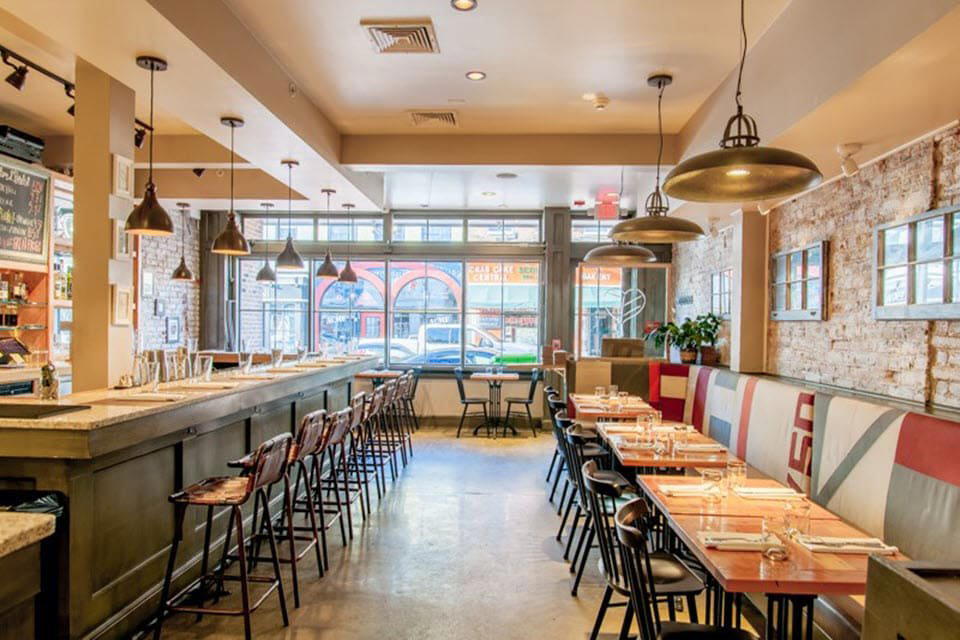
Main Street, Preserved
Main Street in Annapolis runs from the Maryland State House down to the City Dock, and the block between those two poles has accumulated more dining options per square foot than most mid-Atlantic cities of comparable size. The architecture is colonial brick and narrow Federal-era facades; the dining character is a mixture of old-guard seafood institutions, Italian rooms, and a newer wave of ingredient-focused kitchens that have arrived over the past decade. Preserve, at 164 Main St, sits inside that newer current. The name telegraphs a methodology before you've read the menu: this is a kitchen oriented around preservation techniques — the salt, the acid, the time — rather than the raw flash of the grill or the butter-heavy finish of the classic American steakhouse found elsewhere on the same street.
The Sourcing Argument Behind the Name
American restaurants that center their identity on preserved and fermented preparations tend to cluster in two modes: the fine-dining tasting format, where each course is a small act of technical precision, and the more casual larder-driven room, where the same sourcing principles produce shareable plates and an approachable format. Both modes share a common premise: that what the kitchen does before service, the curing, the pickling, the fermentation, is as meaningful as what happens on the line during it.
In the Chesapeake context, this argument has particular traction. The bay and its tributaries have historically produced a food culture built on preservation: crab seasoning blends designed for pots that needed to work through a season, smoked fish traditions that predate refrigeration, pickled vegetables that accompanied the watermen's packed lunches. A kitchen that frames itself around preservation in Annapolis is, whether explicitly or not, connecting to that material history. The regional pantry, blue crab, oysters, rockfish, corn, stone fruit from the Eastern Shore, gives a sourcing-led kitchen a genuinely local vocabulary to work with, rather than the generic farm-to-table language that has become filler in restaurant copy across the country.
What distinguishes the serious preservation-led restaurants from those that simply use the language is specificity: named farms, named watermen, documented sourcing relationships that hold through the off-season when local product is harder to come by. This is the standard against which Preserve's kitchen should be read, and it is the question a first visit tends to answer.
Where Preserve Sits in the Annapolis Dining Map
Annapolis has a clearly stratified dining scene. At one end, institutions like Lewnes' Steakhouse and O'Learys Seafood Restaurant represent the city's established fine-dining tier, rooms with decades of local loyalty, menus built around prime beef and Chesapeake seafood executed in a classical register. At another end, Della Notte anchors the Italian-American side of the corridor. Preserve occupies a different position: ingredient-methodology-first, with a concept that invites comparison to a national tier of restaurants that have built their reputations on sourcing transparency and preservation craft.
That national tier is genuinely competitive. Operations like Single Thread Farm in Healdsburg and Blue Hill at Stone Barns in Tarrytown have set a high bar for what farm-and-larder-driven dining looks like at its most deliberate, controlled growing programs, documented fermentation libraries, menus that shift not by season but by week. Closer to Washington, The Inn at Little Washington demonstrates what decades of regional sourcing commitment produces in terms of both menu depth and institutional reputation. Preserve is working at a different scale and in a different market, but the sourcing-led format places it in a conversation with those kitchens, even if the price point, format, and Michelin footprint differ considerably.
Across the country, sourcing-driven restaurants have followed a recognizable arc: initial concept clarity, then either the drift toward safe crowd-pleasers as the novelty fades, or the harder discipline of maintaining the sourcing commitments when logistics become difficult. Restaurants like Bacchanalia in Atlanta and Brutø in Denver represent the discipline end of that spectrum in their respective cities. The question for any ingredient-forward room in a mid-Atlantic tourist corridor is whether the commitment holds when tourist-season volume creates pressure to simplify.
Preservation Techniques and Why They Matter at the Table
The culinary logic of preservation is older than any modern restaurant trend. Salt-curing concentrates flavor and changes texture in ways that heat cannot replicate. Lacto-fermentation produces acidity with a living, complex character that distilled vinegar cannot match. Long smoking transforms the cellular structure of proteins, producing something that is neither raw nor simply cooked. These techniques require time and planning, the cured item on tonight's menu was started days or weeks ago, and that temporal dimension is part of what makes preservation-led kitchens structurally different from kitchens that source quality ingredients and apply heat.
For the diner, the practical effect is a menu where background processes are as visible as foreground cooking. Fermented elements appear as condiments, as components within dishes, as the acidic counterweight that makes a rich preparation legible. Preserved proteins anchor plates that might otherwise read as simple. The pantry, in these kitchens, is the kitchen.
The Chesapeake region gives this approach a particularly strong foundation. Eastern Shore produce, Chesapeake oysters, blue crab in multiple seasonal forms, and the region's stone fruit and grain belt all offer a sourcing base that rewards preservation thinking. A kitchen that pickles local peppers in late summer is doing something different, and more place-specific, than one that serves the same product fresh and then pivots to imported alternatives in winter.
Planning a Visit
Preserve is located at 164 Main St in downtown Annapolis, placing it within easy walking distance of the City Dock and the Naval Academy gate. Main Street parking is limited on weekends, and the waterfront draws significant traffic during the summer sailing season and fall Naval Academy home games; arriving by foot from a nearby lot or from the water taxi is the more practical approach during those windows. For broader context on the city's dining options, the full Annapolis restaurants guide maps the range from the waterfront seafood rooms to the Main Street corridor where Preserve operates.
Annapolis sits roughly midway between Washington and Baltimore, making it a plausible dining destination from either city. For those building a longer itinerary around ingredient-driven American restaurants, the broader national picture includes Le Bernardin in New York City, Alinea in Chicago, Lazy Bear in San Francisco, Providence in Los Angeles, Emeril's in New Orleans, Addison in San Diego, The French Laundry in Napa, and Atomix in New York City, each representing a different register of American fine dining with its own sourcing logic. 8 1/2 Otto e Mezzo Bombana in Hong Kong offers a point of comparison for how European preservation and curing traditions translate into a high-end Asian context.
How Preserve Annapolis compares with similar nearby venues.
| Venue | Awards |
|---|---|
| Preserve | Washingtonian 100 Very Best Restaurants #69 (2026) |
Recognition history
Dated appearances from independent guides and award organizations, with the underlying list record or original source where available.
Washingtonian 100 Very Best Restaurants #69
Washingtonian
Continue exploring
More in Annapolis
Restaurants in Annapolis
Browse all →
Bars in Annapolis
Browse all →
At a Glance
- Cozy
- Intimate
- Elegant
- Date Night
- Casual Hangout
- Open Kitchen
- Craft Cocktails
- Local Sourcing
- Sustainable Seafood
- Street Scene
Current opening hours
- Monday
- Closed
- Tuesday
- Closed
- Wednesday
- 11 AM–9 PM
- Thursday
- 11 AM–9 PM
- Friday
- 11 AM–9 PM
- Saturday
- 11 AM–9 PM
- Sunday
- 11 AM–9 PM
Hours can change for holidays and private events. Last verified .
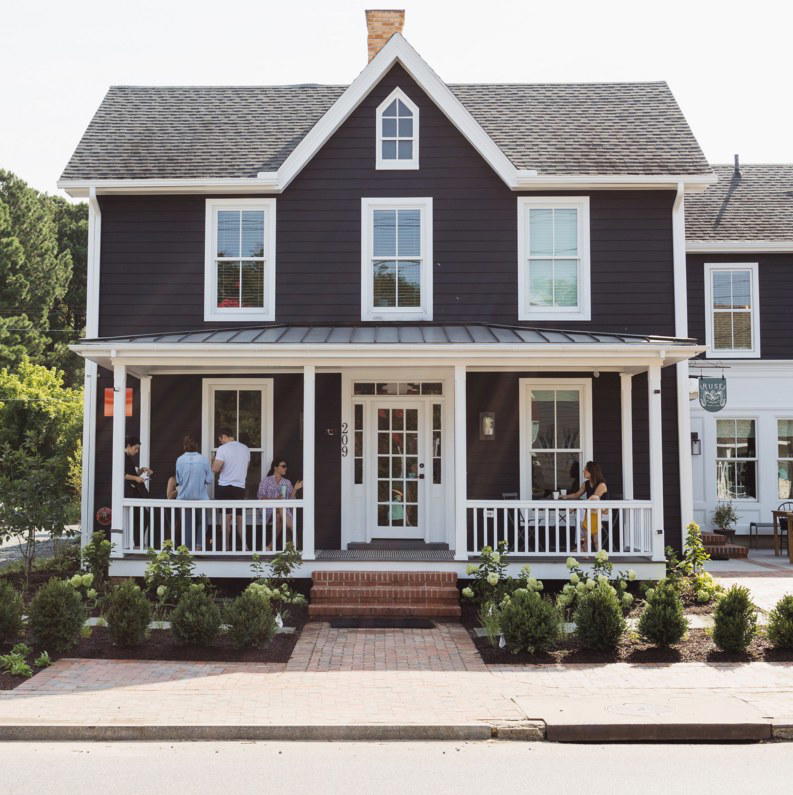
Farmhouse chic with inviting, chill vibe and window onto Main Street for people-watching.
Know Before You Go
- Getting there
- 164 Main St, Annapolis, MD 21401